
Guide
Panic Attack or Alcohol Withdrawal? How to Tell What’s Happening After Drinking
Joint Commission accredited · In network with most major insurance · Admissions answered 24 hours a day


Published January 7, 2026
Reviewed and updated July 29, 2026
Break Free from Addiction. Detox Safely in Austin Today.
Medically Supervised Detox – Compassionate Care Starts Here.
If you drink to calm your nerves, a sudden wave of fear can feel confusing and scary. One minute you feel “okay,” and the next your heart is pounding, your hands are shaking, and your mind is racing. People often describe this as alcohol and panic attacks, but the cause is not always the same.
Sometimes the surge is a true panic attack. Other times it is early withdrawal, “rebound” anxiety as alcohol wears off, or another medical issue that needs urgent care. This guide breaks down what to watch for, what to do in the moment, and when it is safer to get medical support in Austin.











Does alcohol help anxiety or make it worse?
People ask “can alcohol help anxiety” for a simple reason: it often feels like it does. Alcohol slows parts of the nervous system, which can temporarily dull worry and tension. If you live with alcohol and anxiety disorders, that short-term relief can be especially reinforcing.
Why it feels like a fix
Alcohol can reduce anxious sensations for a short window, which teaches your brain a quick pattern: stress rises, you drink, stress drops. Over time, that pattern can become automatic. The problem is that the brain adapts, and the “calming” effect becomes harder to reach without more alcohol.
Why anxiety often rebounds later
As blood alcohol levels fall, many people notice a flip in how they feel. Sleep gets lighter, the body dehydrates, and stress hormones can rise. That is one reason “does drinking help anxiety” can be a trick question. A few drinks might numb anxiety for an hour, but the hours after can bring irritability, dread, and even panic.
If you find yourself asking “does alcohol help anxiety” more than once, it may be a sign to look at the bigger loop: alcohol reduces anxiety briefly, then anxiety drives the next drink. Breaking that loop usually takes more than willpower.
Alcohol and panic attacks: why the alarm goes off
A panic attack is a sudden spike of intense fear or discomfort that comes with strong body symptoms. Many people also fear they are having a heart attack or “going crazy.” The experience is real, even when the danger is not. For a clear overview of panic symptoms and panic disorder, review the National Institute of Mental Health’s panic disorder resource.
Common sensations that mimic danger
- Racing heart, chest tightness, or a fluttering feeling
- Shortness of breath or feeling “air hungry”
- Trembling, sweating, and chills
- Dizziness, nausea, or a “floating” feeling
- Fear of losing control, fainting, or dying
Why alcohol can trigger panic-like symptoms
Alcohol affects sleep, hydration, blood sugar, and stress systems. When those systems are strained, normal sensations can feel intense. The body may interpret that intensity as danger, which can spiral into a full panic response. That is why alcohol and panic attacks can show up during a hangover, late at night as alcohol wears off, or during early cutbacks.
Some people also have a baseline anxiety disorder, and alcohol amplifies it. Others do not, but still experience panic-like episodes because the body is stressed and unstable. In either case, the goal is the same: stabilize safely and learn what pattern is driving the symptoms.
Where we are
Detox centers across Texas
Three locations, each with its own admissions line and its own clinical team. Pick the one nearest you — or call and we will tell you which has a bed tonight.
-
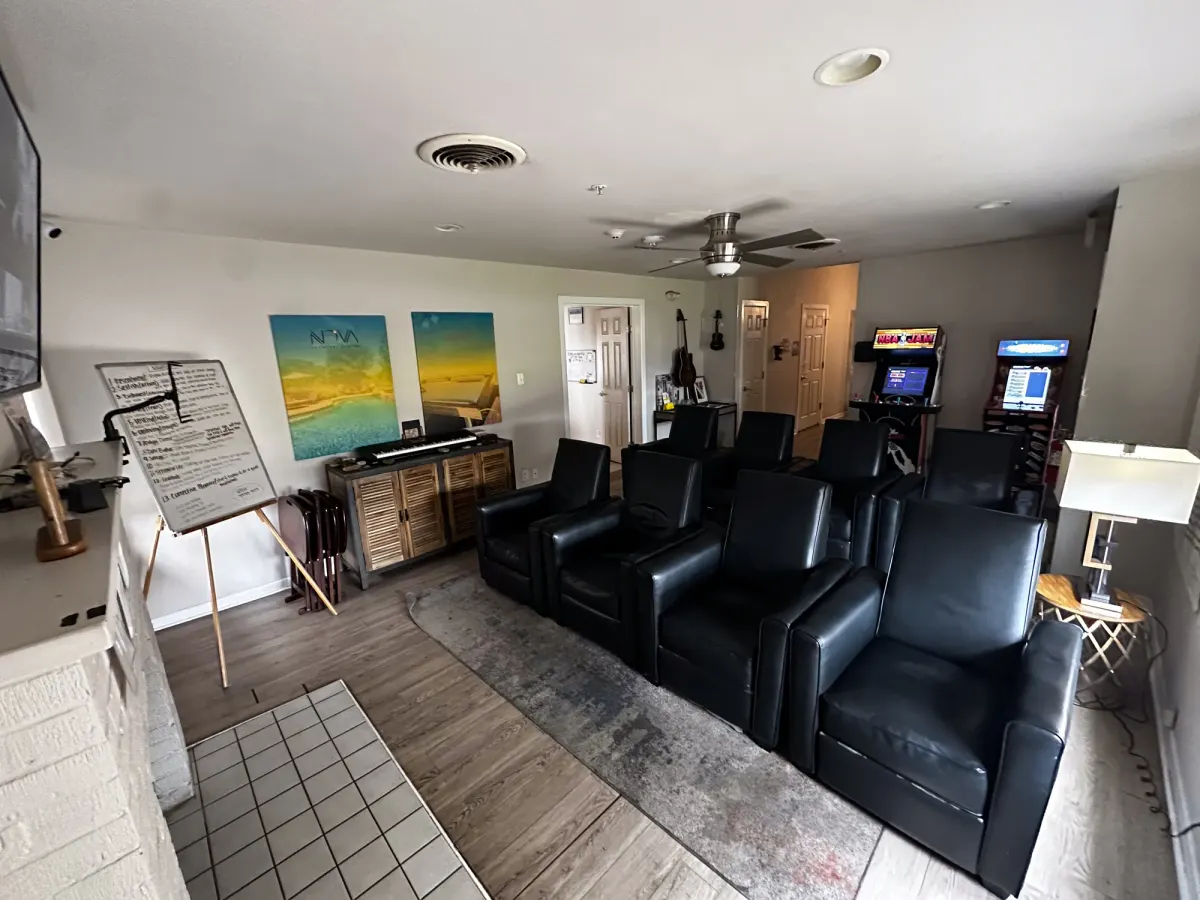 Inpatient
 Austin, TX
11711 N Lamar Blvd · 78753
- 15 beds
- On-site labs
- 24-hour medical staff
Drug & Alcohol Detox in Austin, TX
-
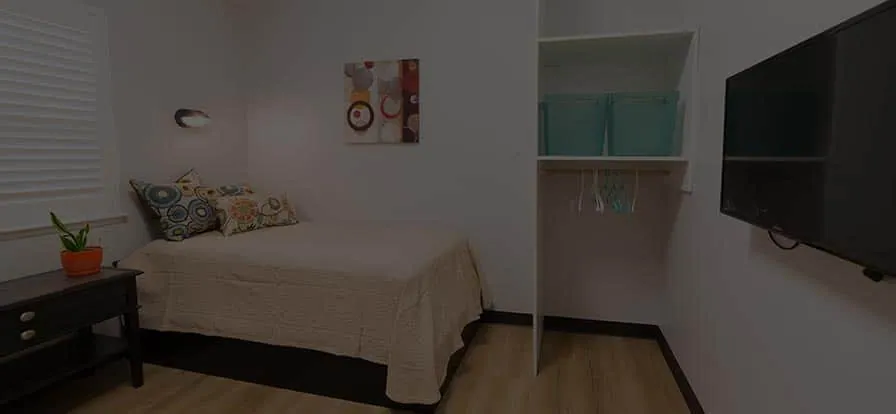 Inpatient
 Houston, TX
1019 Ashland St · 77008
- On-site labs
- 24-hour medical staff
Drug Detox Center in Houston, TX
-
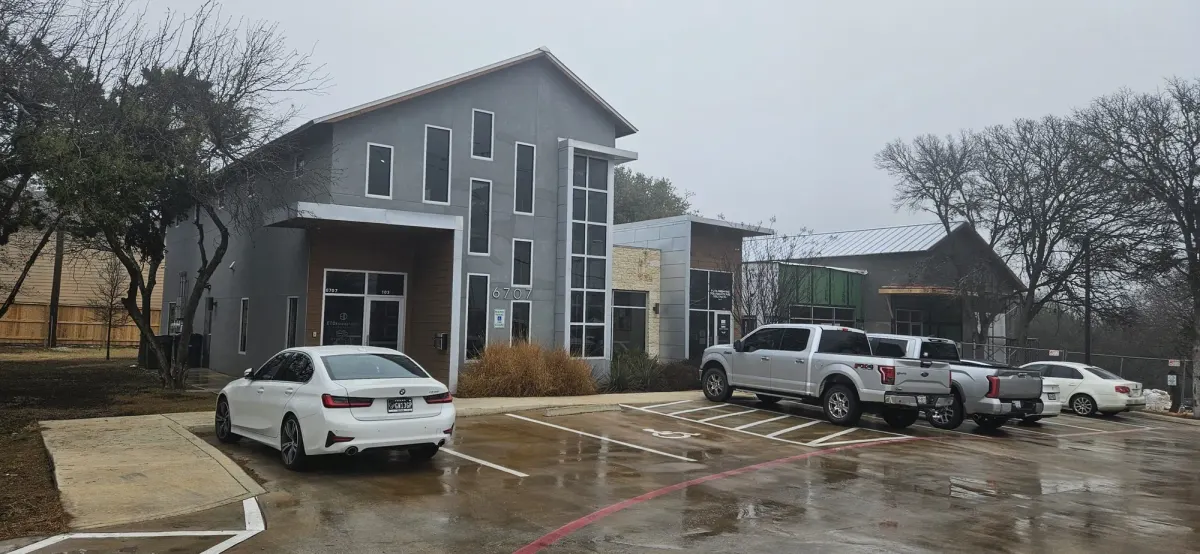 Outpatient
 San Antonio, TX
6707 W Hausman Rd · 78249
- Outpatient detox with scheduled medical visits
- Outpatient treatment
Outpatient Drug & Alcohol Detox in San Antonio
Panic attack vs. alcohol withdrawal: quick ways to tell
Panic and withdrawal can look similar because both activate the nervous system. Still, there are clues that help you sort the risk. If you are worried about the alcohol withdrawal time frame, our guide on how long alcohol withdrawal lasts explains what people often feel as the body readjusts.
Panic attack patterns
- Often peaks quickly, then eases, even if you still feel shaken afterward
- Commonly triggered by fear, stress, or bodily sensations that “snowball”
- May happen even if you drank recently, not only when you stop
Alcohol withdrawal patterns
- Often starts hours after the last drink, especially after daily or heavy use
- Symptoms can build and persist, rather than peaking and resolving
- May include tremor, sweating, nausea, agitation, and trouble sleeping
Alcohol withdrawal can become medically dangerous, especially for people with heavy daily drinking, a history of seizures, or prior severe withdrawal. For a medical overview of alcohol withdrawal symptoms and risks, see MedlinePlus on alcohol withdrawal.
Red flags that should be treated as urgent
- Confusion, hallucinations, or severe disorientation
- Seizure activity, fainting, or inability to stay awake
- Chest pain that is new, severe, or paired with trouble breathing
- Uncontrolled vomiting, fever, or signs of severe dehydration
- Thoughts of self-harm or feeling unsafe with yourself
If you are seeing red flags, do not try to “push through” at home. It is safer to get urgent medical help.
Anxiety after stopping drinking: what’s normal and what’s not
Anxiety after stopping drinking is common, especially if alcohol has been part of your daily stress routine. Your brain and body have to re-balance. That can mean restlessness, poor sleep, vivid dreams, and mood swings for a while, even if you are motivated to stay sober.
Rebound anxiety vs. an anxiety disorder
Rebound anxiety is a temporary “over-correction” as alcohol leaves your system. An anxiety disorder is a longer-term pattern that can exist with or without alcohol. The two often overlap. If panic attacks started before alcohol became a coping tool, it is worth treating the anxiety directly, not only the drinking.
When cutting back should include medical support
If you have been drinking heavily, quitting suddenly can be risky. A safer plan may include clinical monitoring, especially if you have had withdrawal symptoms before. People who live along the I‑35 corridor sometimes choose support closer to family, including San Antonio, when that makes follow-through easier.
Even if withdrawal is mild, anxiety can feel intense. Try not to treat those feelings as proof you “can’t do it.” They are often a sign that your nervous system is adjusting and needs structure, sleep support, and calm repetition.
What to do during a panic spike after drinking
In the moment, your job is not to “solve” anxiety. Your job is to get through the next ten minutes safely. The steps below are not a substitute for medical care, but they can help you reduce the intensity of a panic surge while you decide what to do next.
Step 1: Do a fast safety check
- Are you alone, or can you call someone to stay on the phone?
- Is this your typical panic pattern, or does something feel new and severe?
- Did you stop drinking abruptly after daily use, or are you mixing substances?
Step 2: Slow the body down
Try a simple breathing rhythm: inhale through the nose for four seconds, then exhale for six seconds. If you cannot track counts, focus on a longer exhale instead. Add a grounding cue, like naming five things you can see and four things you can feel.
Step 3: Lower the “stack”
- Sip water and eat something simple if you can tolerate it
- Move to a cooler room, loosen tight clothing, and sit upright
- Avoid more alcohol, energy drinks, or extra doses of sedatives
If symptoms are escalating, or you suspect withdrawal, professional help is the safer move. Planning ahead also reduces stress. If you are preparing for medically supported detox, review what to bring to detox so you are not making decisions while anxious.
Austin-area next steps: support for alcohol and anxiety
If alcohol and panic attacks are showing up together, you deserve a plan that addresses both. That plan often includes a medical check, anxiety treatment, and practical recovery supports. Many people start by searching for addiction recovery resources Austin offers, then realize they also need help with anxiety and sleep.
Options that can fit different needs
- Medical evaluation: a clinician can check vital signs, medications, and withdrawal risk.
- Mental health care: therapy and, when appropriate, medication management for anxiety disorders.
- Peer support: meetings and recovery communities that reduce isolation and shame.
- Structure: a routine for sleep, meals, movement, and low-stress social time.
If you need a confidential referral line today, the Substance Abuse and Mental Health Services Administration (SAMHSA) offers a National Helpline with treatment information and referrals.
If you are outside Austin, or you want support closer to home, you can also explore options in Houston. The right setting is the one that helps you start safely and keep going.
This content is for educational purposes only and is not a substitute for medical advice, diagnosis, or treatment. Alcohol withdrawal and severe anxiety symptoms can be medical emergencies, so consult a qualified healthcare professional for personalized guidance. Prescription medications, including antidepressants and antipsychotics, should be taken only as directed and under the supervision of a licensed provider. Do not start, stop, or change any medication dose without speaking with your doctor first. If you experience serious symptoms, rapidly worsening anxiety, confusion, seizures, chest pain, or thoughts of self-harm, seek immediate help by calling 911 in the United States. For confidential, 24/7 mental health support, call or text 988 to reach the Suicide & Crisis Lifeline.
When Alcohol Triggers Panic: Safe Next Steps for Austin Recovery Support
Briarwood Detox can support people dealing with alcohol and panic attacks by helping stabilize both the body and the nervous system during early recovery. When alcohol use is tied to anxiety spikes, rebound symptoms, or withdrawal, a medically supervised detox plan can reduce risk and improve comfort. A clinical assessment helps determine whether symptoms fit a withdrawal pattern, a panic pattern, or a combination that needs closer monitoring. From there, the team can provide withdrawal help, symptom relief strategies, and a structured environment that lowers triggers and uncertainty. Briarwood also helps you plan next steps after detox, which matters because anxiety after stopping drinking can linger without ongoing support.
If you’ve been wondering whether alcohol helps anxiety or makes it worse, clinical guidance can clarify what’s happening and how to break the cycle safely. Support includes treatment planning that accounts for sleep disruption, stress sensitivity, and common anxiety symptoms that can feel overwhelming early on. For Austin-area residents, having a clear, local pathway to detox support and recovery resources can make it easier to act quickly, stay engaged, and build momentum.
Alcohol and Panic Attacks FAQ: Austin Detox Support and Recovery Next Steps
What is the connection between alcohol and panic attacks?+–
Yes, alcohol can trigger panic attacks or panic-like symptoms, especially as alcohol wears off. Alcohol may feel calming at first, but rebound effects can increase heart rate, shakiness, and fear. If alcohol and panic attacks keep happening together, it can signal a risky cycle that benefits from clinical support.
Can alcohol withdrawal cause panic attacks?+–
Yes, alcohol withdrawal can include severe anxiety and panic attacks, particularly after heavy or daily drinking. Symptoms often begin within hours after the last drink and may include tremor, sweating, nausea, and insomnia. Because withdrawal can escalate quickly, medical withdrawal help is safer than trying to manage symptoms alone.
How can I tell if it’s a panic attack or alcohol withdrawal?+–
Timing is a key clue: panic attacks often peak within minutes, while withdrawal symptoms tend to build and persist after the last drink. Withdrawal is more likely if you recently cut down abruptly after daily drinking or you have tremors, sweating, nausea, or confusion. If you are unsure, treat it as a medical concern and seek an assessment for detox support in Austin.
Why do I get anxiety after stopping drinking?+–
Anxiety after stopping drinking is common because the brain and body are rebalancing after regular alcohol use. Sleep disruption, stress chemicals, and cravings can make anxiety feel intense for days, and sometimes longer. If alcohol and anxiety disorders overlap, treating both at the same time supports steadier recovery.
Can alcohol help anxiety, or does it make anxiety worse?+–
Alcohol may seem to help anxiety in the moment, but it often worsens anxiety later. Many people notice “rebound” anxiety as alcohol leaves the body, which can fuel more drinking and increase panic risk. If you keep asking “can alcohol help anxiety” or “does drinking help anxiety,” it may be time to build safer coping skills and get professional guidance.
When should I seek medically supervised detox support in Austin?+–
Medically supervised detox is recommended when stopping alcohol could be unsafe or unpredictable. Risk is higher with heavy daily drinking, past withdrawal symptoms, a history of seizures, mixing alcohol with sedatives, or significant medical or mental health symptoms. A clinical team can monitor withdrawal, use medications when appropriate, and reduce complications.
What should I do during a panic attack after drinking?+–
During a panic attack after drinking, focus first on lowering the body’s alarm response. Slow your breathing with a longer exhale, sip water, and eat a small snack if you can tolerate it. Avoid more alcohol, caffeine, or extra medications, and get a medical evaluation if symptoms may be withdrawal-related or feel unusually severe.
How do I start alcohol detox and recovery planning in Austin?+–
The fastest way to start alcohol detox support in Austin is to complete a brief screening and discuss the safest level of care. You can call (866) 710-7710 or contact our team to discuss detox and next steps to review symptoms, recent drinking patterns, and safety needs. A solid intake also includes treatment planning and connections to Austin recovery resources after detox.
What does insurance verification for detox cover, and what information is needed?+–
Insurance verification checks your behavioral health benefits and estimates what detox services may cost based on your plan. You’ll usually need your insurance card, date of birth, and basic details about symptoms and recent use. You can verify your insurance coverage and admissions options to support a clear plan for detox and follow-up care.
What should I bring to alcohol detox if panic or anxiety is part of the picture?+–
Bring practical essentials for comfort and safety, including several days of clothes, toiletries, and your ID and insurance card. If you take prescriptions, bring them in original pharmacy bottles so the clinical team can review them safely. Use this detox packing list for what to bring to reduce stress and focus on stabilizing panic, anxiety, and withdrawal symptoms.
Related guides



About the people behind this guide
Anna-Grace Washington
Medical Content Writer
Anna-Grace Washington is a Medical Content Writer for Briarwood Detox Center. She holds a master’s degree in clinical psychology from the University of Texas and brings a strong understanding of behavioral health, addiction recovery, and evidence-based treatment concepts to her writing.
Dr. Robert Ulrich, DO
Medical Director
Dr. Robert Ulrich serves as Medical Director at Briarwood Detox Center, bringing more than two decades of clinical neurology experience to the treatment of substance use disorders. He is board-certified in neurology by the American Board of Psychiatry and Neurology and completed his neurology residency at UT Southwestern Medical Center in Dallas, where he served as Chief Resident.
In network with most major insurance
Find your plan and see what detox would cost
Most plans cover medical detox. Coverage varies by plan, so we verify it for you before you commit to anything.


















Don't see your plan? We work with out-of-network benefits and offer self-pay options — (866) 710-7710
- Confidential
- Takes about 2 minutes
- No obligation to admit

- Accredited The Joint Commission
- Rated 4.7 · 183 Google reviews Flourishing Foundations Recovery, now part of Briarwood
- Admissions 24 hours a day