
Guide
Outpatient SUD Treatment in San Antonio: Symptoms & Care
Joint Commission accredited · In network with most major insurance · Admissions answered 24 hours a day

Published November 10, 2025
Reviewed and updated July 29, 2026
Key Takeaways · 10 points
- Substance use disorder is a diagnosable condition with defined criteria and severity levels. An assessment determines the right level of care.
- Key symptoms include cravings, tolerance, withdrawal, using more than intended, and continuing use despite harm. Seeing several signs is a cue to seek an evaluation.
- Outpatient care works best when medical and withdrawal risks are low and home supports are stable. It allows you to keep work or school routines.
- Intensive outpatient programs typically provide at least nine hours of services per week across multiple days. Evening and virtual options are common.
- San Antonio outpatient programs offer evidence‑based therapy, group counseling, case management, and medication options when appropriate. Care plans are individualized.
- For many people, outcomes from intensive outpatient care are comparable to residential treatment when placement is appropriate. Ongoing engagement is key.
- Stepping down through a continuum—from detox or residential to outpatient and then continuing care—supports long‑term recovery. Peer and family supports help sustain gains.
- In Bexar County, a simple first step is to contact OSAR or the local authority for a no‑cost screening and referrals. They can match services to your ZIP code and needs.
- Verify insurance coverage early and ask about sliding‑scale fees, transportation help, or virtual groups to reduce barriers. Practical support improves retention.
- If safety or medical risks are high, inpatient or residential care may be the safer place to start. You can step down to outpatient once stable.
Break Free from Addiction. Detox Safely in San Antonio Today.
Medically Supervised Detox – Compassionate Care Starts Here.
Outpatient care can be a practical way to treat a substance use disorder (SUD) while you keep working, going to school, or caring for family. This guide explains key SUD symptoms, how outpatient programs work in San Antonio, who they best serve, and how to get started. The goal is to give clear, neutral information you can act on.
What Is Substance Use Disorder?
How SUD Is Defined and Diagnosed
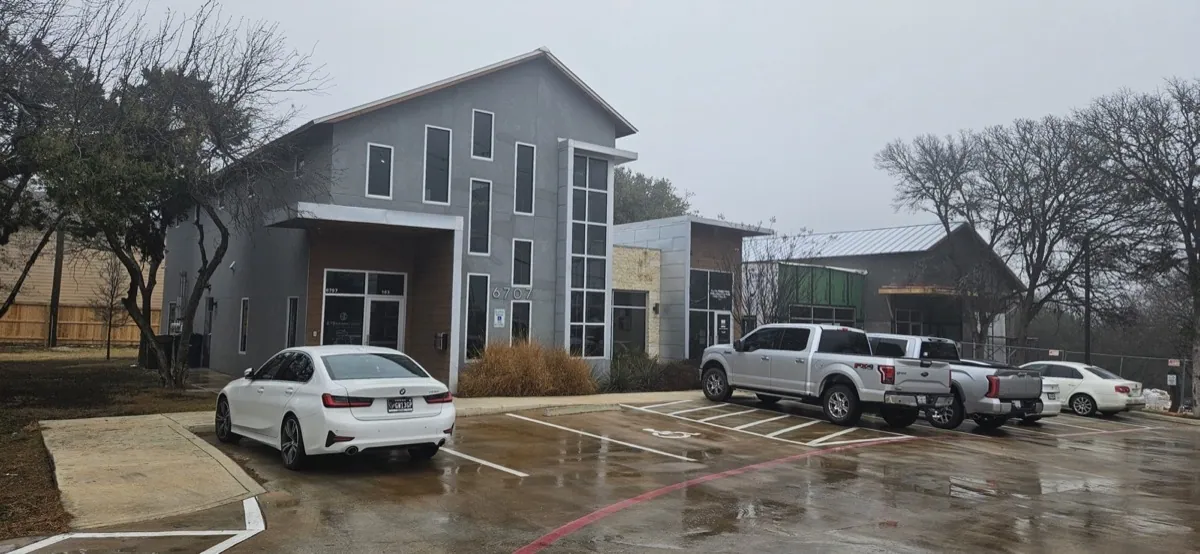
SUD is a mental health condition marked by an unhealthy pattern of using alcohol or other drugs that harms health, work, school, or relationships. Clinicians use DSM‑5 criteria and a full clinical assessment to decide severity (mild, moderate, or severe). Signs can include strong cravings, using more than intended, difficulty cutting down, tolerance, withdrawal, and continuing to use despite problems. A diagnosis usually requires at least two symptoms within 12 months. For a broader overview of levels of care, symptoms, and what to expect, see our guide to outpatient SUD treatment in San Antonio.
Common Symptoms You Might Notice
- Using larger amounts or for longer than planned
- Repeated attempts to quit without success
- Spending a lot of time getting, using, or recovering from substances
- Problems at work, school, or home linked to use
- Giving up activities, using in risky situations, or using despite harm
- Tolerance and withdrawal symptoms when not using
These symptoms vary by substance and person, but seeing several of them is a reason to seek a professional evaluation.
Where we are
Detox centers across Texas
Three locations, each with its own admissions line and its own clinical team. Pick the one nearest you — or call and we will tell you which has a bed tonight.
-
 Outpatient
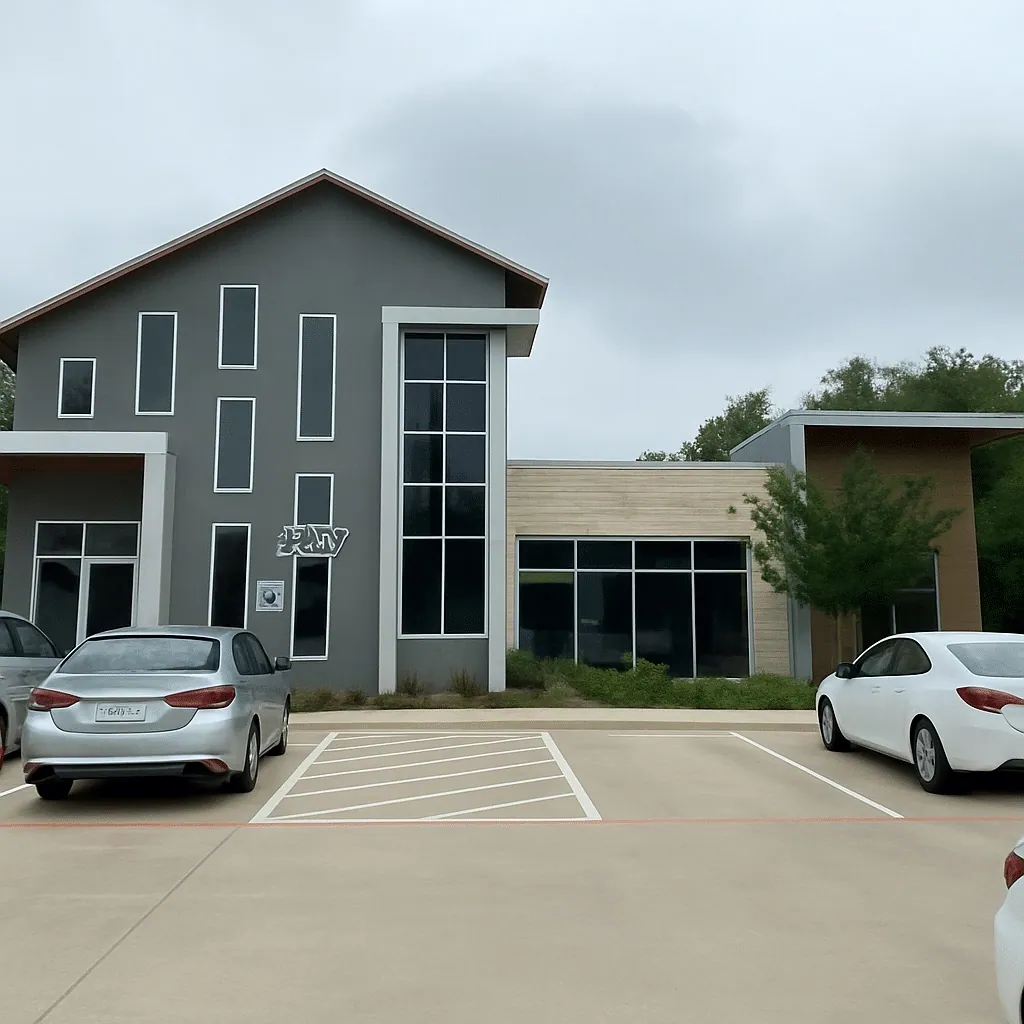
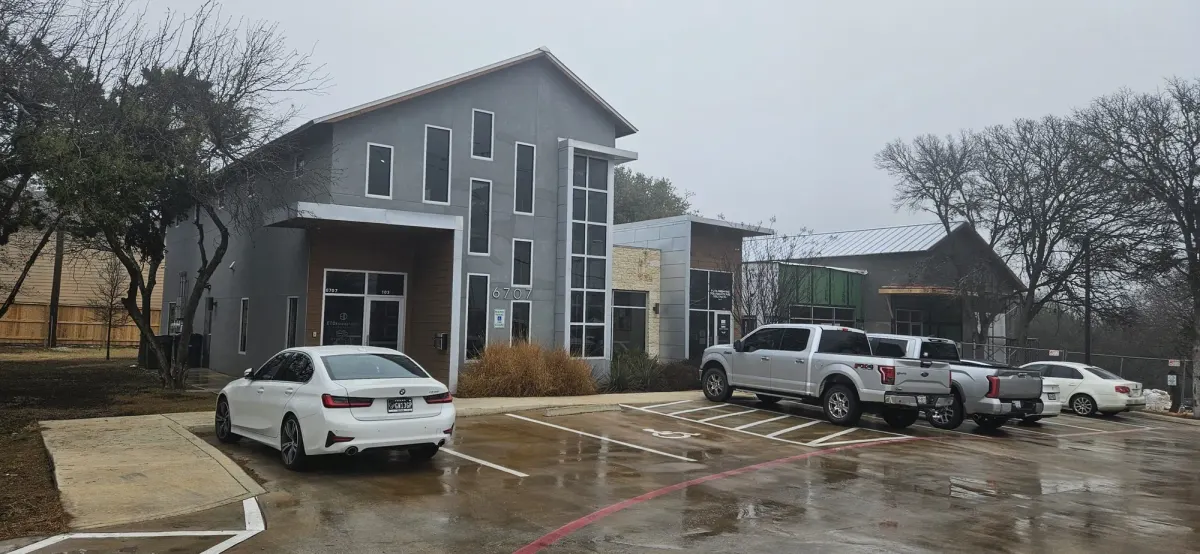
 San Antonio, TX
6707 W Hausman Rd · 78249
- Outpatient detox with scheduled medical visits
- Outpatient treatment
Outpatient Drug & Alcohol Detox — San Antonio
-
Alcohol & Drug Detox Programs in San Antonio
Briarwood
Alcohol & Drug Detox Programs in San Antonio
-
Verify Insurance for Outpatient Detox — San Antonio
Briarwood
Verify Insurance for Outpatient Detox — San Antonio
When Outpatient Care Makes Sense
Who Is a Good Fit for Outpatient or IOP?
When a Higher Level of Care May Be Safer
If there is high risk of severe withdrawal, medical complications, or safety concerns at home, inpatient or residential treatment may be recommended first. Some studies show higher completion rates in inpatient settings for certain groups, but the advantage often decreases over time as people continue care in the community. The right level depends on a comprehensive assessment. Learn how intensive outpatient programs in San Antonio fit within symptoms, schedules, and continuing care.
What To Expect in San Antonio Outpatient Programs
Core Services You’ll Typically Receive
- Evidence‑based therapies such as cognitive behavioral therapy (CBT), contingency management, dialectical behavior therapy (DBT), motivational approaches, and family therapy
- Group counseling as a primary modality, with psychoeducation and skills practice
- Case management to connect you with housing, employment, medical care, and peer support
- Relapse‑prevention skills and recovery planning
- Medication options when appropriate (for example, buprenorphine or naltrexone for opioid or alcohol use disorders, prescribed and monitored by a clinician)
- Crisis planning and after‑hours support policies
These elements are standard features highlighted in federal guidance as contributing to engagement, retention, and outcomes. Local academic clinics in San Antonio also note the availability of evidence‑based medications as part of care.
Schedule, Format, and Length
Expect multiple sessions per week, often day or evening, to fit around work and caregiving. Programs may run for several weeks to a few months, with step‑down to fewer hours as you meet goals. Many providers offer in‑person and virtual groups, which can help with access and continuity.
Evidence on Outpatient Effectiveness
Comparable Outcomes for Many Clients
Federal guidance summarizes that IOP outcomes match residential results for people with minimal withdrawal and medical risk. Advantages include flexible scheduling, longer duration than many residential stays, real‑time skills practice in daily life, and stronger connections to local recovery supports.
The Value of a Continuum of Care
Data suggest that stepping down from more intensive care (detox/residential) into structured outpatient programming and then into continuing care improves long‑term outcomes. Ongoing mutual‑support participation is also linked to fewer substance‑use days.
The San Antonio Context
Community Need and Response
Local leaders have declared drug overdoses a public health crisis and are investing settlement funds to expand services. Recent reporting notes shifts in overdose patterns and the ongoing expansion of county treatment capacity. These developments underscore why accessible outpatient care matters across Bexar County.
Getting Started in San Antonio
First Calls and Navigation
- OSAR (Outreach, Screening, Assessment & Referral) provides no‑cost screening and level‑of‑care recommendations for Texans seeking treatment, regardless of ability to pay. Ask about outpatient options near your ZIP code.
- CHCS and University Health maintain lists of local behavioral health contacts, including outpatient clinics and SUD resources.
If you’re comparing programs, review SUD symptoms and treatment to find the right level of care.
Insurance, Cost, and Practical Details
Many insurers cover outpatient SUD treatment, including IOP, similar to other behavioral health services. Ask providers to verify benefits, out‑of‑pocket costs, and whether sliding‑scale or charity policies are available. If transportation or childcare are barriers, request case‑management support; programs often coordinate community resources to reduce obstacles to care.
Outpatient vs. Inpatient at a Glance
Key Differences
- Setting: Home‑ and community‑based vs. 24/7 facility
- Structure: Several hours/week vs. round‑the‑clock care
- Best For: Lower medical/withdrawal risk vs. higher risk or safety needs
- Access: Usually easier to schedule; can include telehealth vs. higher disruption to work/family
- Evidence: Comparable outcomes for many lower‑risk clients when placed appropriately and tied to continuing care.
Insurance, Cost, and Practical Details
Many insurers cover outpatient SUD treatment, including IOP, similar to other behavioral health services. Ask providers to verify benefits, out‑of‑pocket costs, and whether sliding‑scale or charity policies are available. If transportation or childcare are barriers, request case‑management support; programs often coordinate community resources to reduce obstacles to care.
How Briarwood Detox Center Supports Outpatient Disorder Treatment in San Antonio
Briarwood Detox Center offers compassionate, evidence-based care for individuals seeking outpatient disorder treatment in San Antonio. Our programs are designed to help clients safely manage withdrawal symptoms, begin recovery, and build the skills needed for long-term sobriety. Each person receives a customized plan that may include medical supervision, counseling, and relapse-prevention education. We focus on creating a supportive environment where clients can continue working or caring for family while attending treatment. Our licensed professionals use proven therapeutic methods that address both physical and emotional recovery. Convenient San Antonio locations make access to care simple and stress-free. Briarwood Detox Center helps bridge the gap between detox and ongoing outpatient recovery, ensuring every client has the tools and support needed for lasting change.
Frequently Asked Questions About Outpatient SUD Treatment in San Antonio
What is outpatient treatment for substance use disorder?+–
Outpatient treatment is care you attend while living at home, ranging from weekly therapy to structured intensive outpatient programs (IOPs). It focuses on counseling, skills training, and recovery planning; medications may be included when appropriate.
Is outpatient rehab effective?+–
For people with lower medical and withdrawal risks, IOP outcomes are often comparable to residential programs—especially when linked to continuing care and community supports.
How long does outpatient treatment typically last?+–
Duration varies by need; many IOPs run multiple sessions per week for several weeks to a few months, with step-down as goals are met.
What’s the difference between outpatient and inpatient treatment?+–
Outpatient lets you live at home and attend scheduled sessions; inpatient/residential provides 24/7 structured care—recommended when medical, psychiatric, or safety risks are higher.
What are common SUD symptoms?+–
Signs include cravings, tolerance, withdrawal, using more than intended, difficulty cutting down, and continued use despite problems at work, school, health, or relationships.
What therapies are used in outpatient care?+–
Evidence-based options include CBT, motivational approaches, contingency management, family therapy, and group counseling; medications such as buprenorphine or naltrexone may be added based on diagnosis.
Does insurance cover outpatient rehab in San Antonio?+–
Many plans cover outpatient SUD services similarly to other behavioral health care. Ask providers to verify benefits, costs, and any sliding-scale options before you begin.
How do I find outpatient programs near me in San Antonio?+–
Start with OSAR (Outreach, Screening, Assessment & Referral) for a no-cost screening and referrals to local programs based on your ZIP code and needs.
Can I work or attend school while in outpatient treatment?+–
Yes. Programs are designed to fit around daily responsibilities; many offer evening or virtual sessions to improve access and retention.
What should I do in a crisis or if I’m worried about safety?+–
Call 911 for immediate danger. For confidential support with mental health or substance use crises, dial 988 to reach the Suicide & Crisis Lifeline, available 24/7.
Are there local public-health resources about overdose trends?+–
Yes. See the CDC’s provisional overdose data for national trends and Texas DSHS’s Overdose Data to Action pages for state efforts and resources.
Where can I learn more about SUD basics?+–
The National Institute on Drug Abuse offers accessible overviews of addiction science, treatment options, and recovery.
Related guides


About the people behind this guide
Anna-Grace Washington
Medical Content Writer
Anna-Grace Washington is a Medical Content Writer for Briarwood Detox Center. She holds a master’s degree in clinical psychology from the University of Texas and brings a strong understanding of behavioral health, addiction recovery, and evidence-based treatment concepts to her writing.
Dr. Robert Ulrich, DO
Medical Director
Dr. Robert Ulrich serves as Medical Director at Briarwood Detox Center, bringing more than two decades of clinical neurology experience to the treatment of substance use disorders. He is board-certified in neurology by the American Board of Psychiatry and Neurology and completed his neurology residency at UT Southwestern Medical Center in Dallas, where he served as Chief Resident.
In network with most major insurance
Find your plan and see what detox would cost
Most plans cover medical detox. Coverage varies by plan, so we verify it for you before you commit to anything.













Don't see your plan? We work with out-of-network benefits and offer self-pay options — (210) 305-4522
- Confidential
- Takes about 2 minutes
- No obligation to admit
- Accredited The Joint Commission
- Rated 5.0 · 80 Google reviews Flourishing Foundations Recovery, now part of Briarwood
- Admissions 24 hours a day