
Guide
How Substance Use Disorder Affects You
Joint Commission accredited · In network with most major insurance · Admissions answered 24 hours a day

Published November 11, 2025
Reviewed and updated July 29, 2026
Key Takeaways · 15 points
- Substance use disorder is a medical condition that causes harm but responds to treatment.
- Addictive substances change brain reward pathways, driving craving and tolerance, yet recovery is possible.
- Outpatient care delivers treatment without a hospital stay across a stepped continuum.
- Standard outpatient usually involves fewer than nine therapy hours per week.
- Intensive outpatient programs provide nine or more hours of structured care across three to five days weekly.
- Partial hospitalization offers day‑program intensity while you return home at night.
- San Antonio programs start with a clinical assessment to match you to the right level of care.
- Core services include group and individual counseling, skills training, relapse‑prevention, and family support.
- Medication for alcohol or opioid use disorders may be included when appropriate.
- Outpatient care fits people who are medically stable and have a safe, supportive home.
- Consider a higher level of care when withdrawal risks are high, use is severe, or home is unsafe.
- Choose programs that use evidence‑based therapies and hold recognized accreditation.
- Check session times, virtual options, transportation, and family involvement to ensure a good fit.
- Verify insurance coverage and out‑of‑pocket costs before enrolling.
- To begin, contact a San Antonio program for an assessment and next steps.
Break Free from Addiction. Detox Safely in San Antonio Today.
Medically Supervised Detox – Compassionate Care Starts Here.
Substance use disorder (SUD) changes how the brain works. Those changes drive cravings, make it hard to stop, and can affect mood, memory, and judgment. Outpatient care in San Antonio helps people manage these effects while staying at home, at work, or in school. Programs use counseling, skills training, and medication when needed. They also offer step‑down support after residential care.
What Is Substance Use Disorder?
SUD is a medical condition where repeated use of alcohol or drugs causes distress or harm. The brain’s reward system learns to expect the substance, which can reduce control and increase risk. The good news: with treatment and time, the brain can recover.
How SUD Alters the Brain and Behavior
Many addictive substances trigger a fast, high release of dopamine in the brain’s reward center. Over time, the brain adapts by becoming less sensitive. This tolerance means the same amount no longer feels the same, while “wanting” rises even if “liking” falls. Recovery is possible, but change takes time and support.
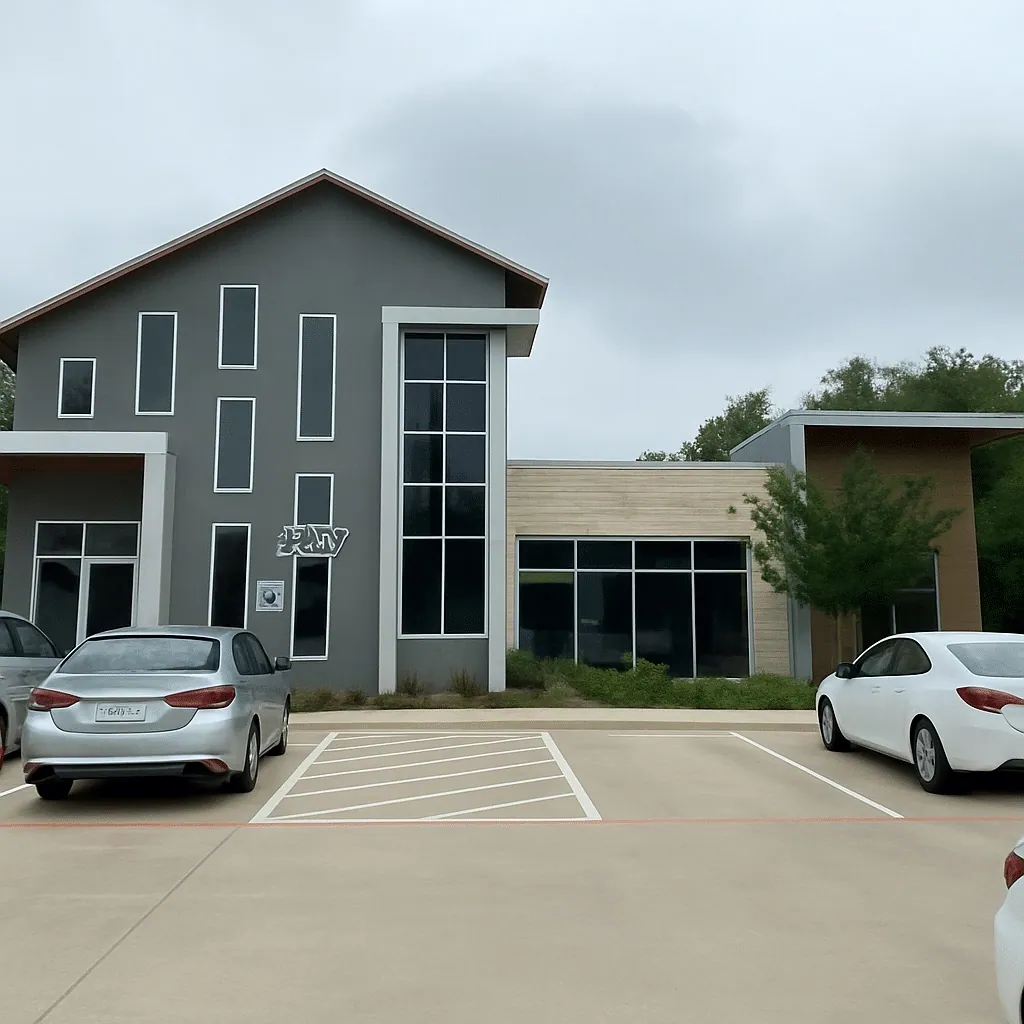
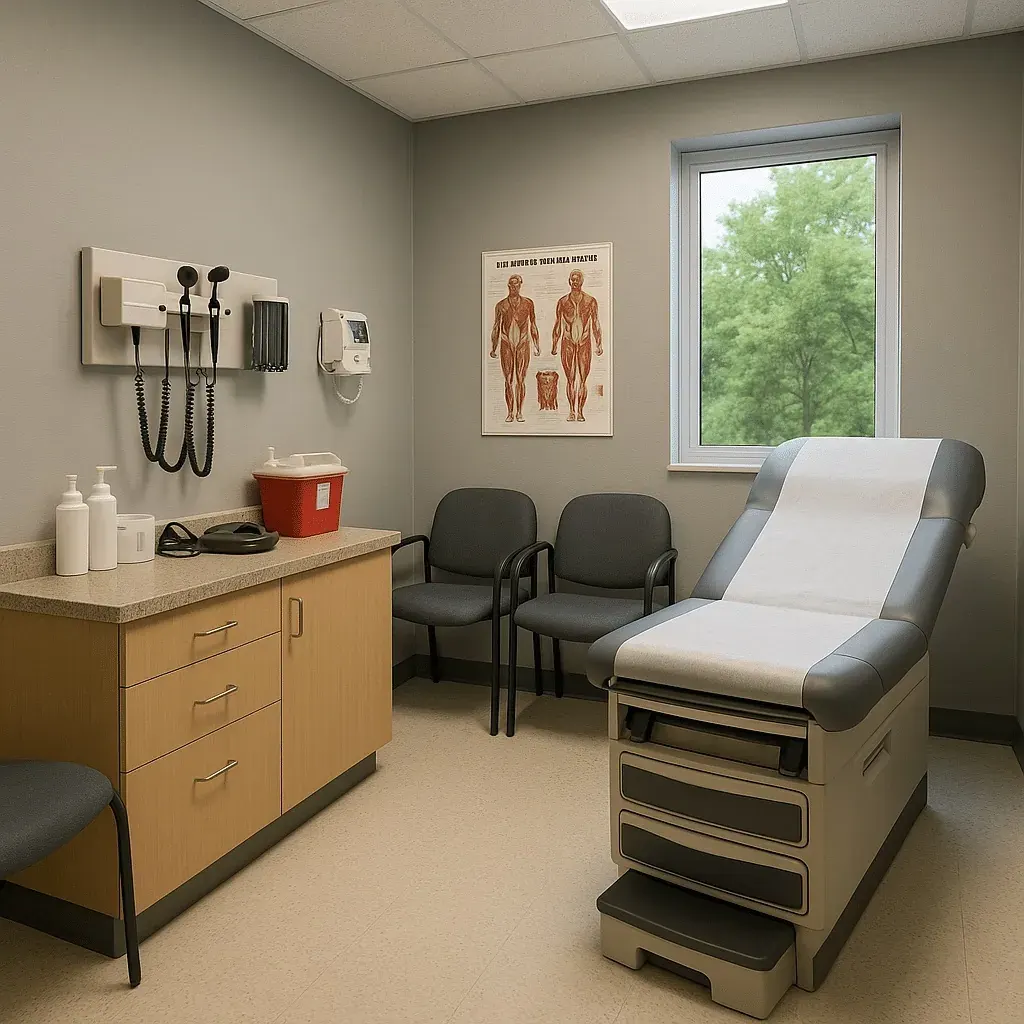
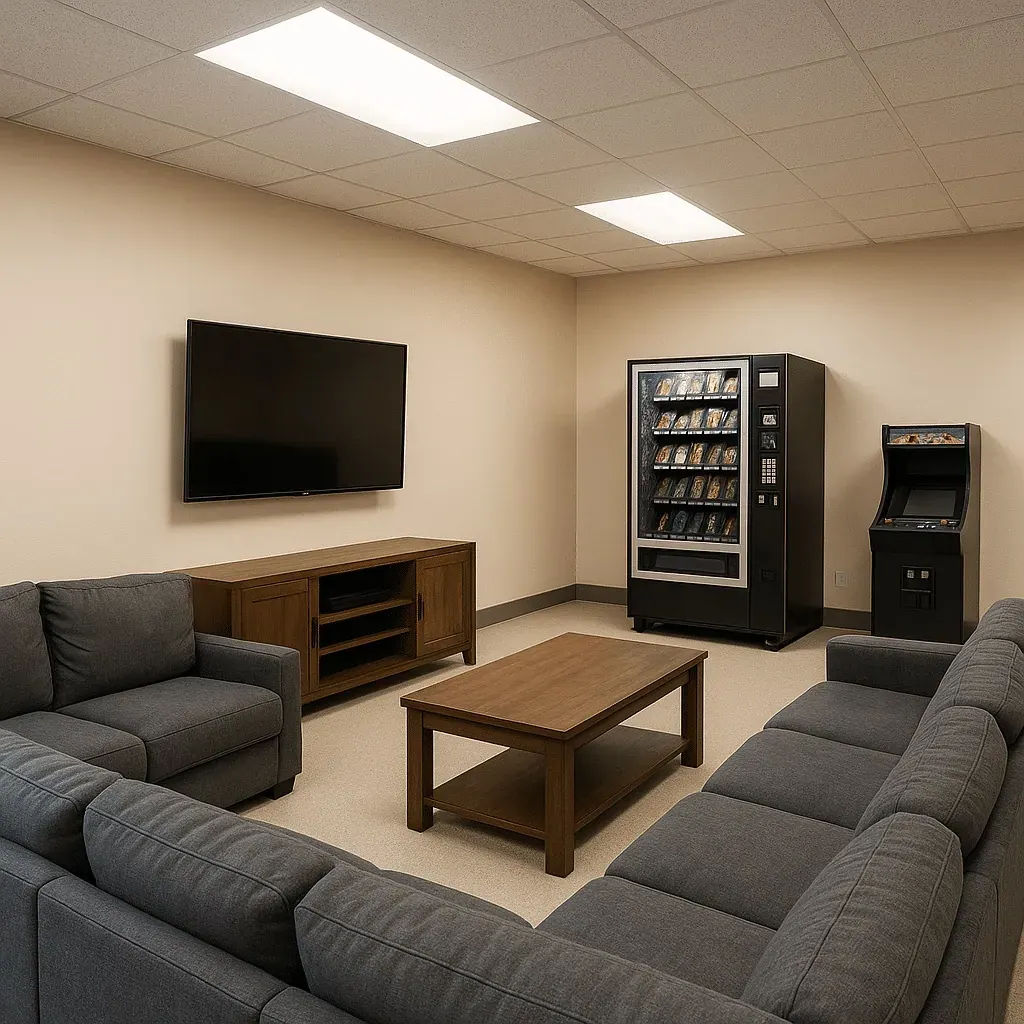
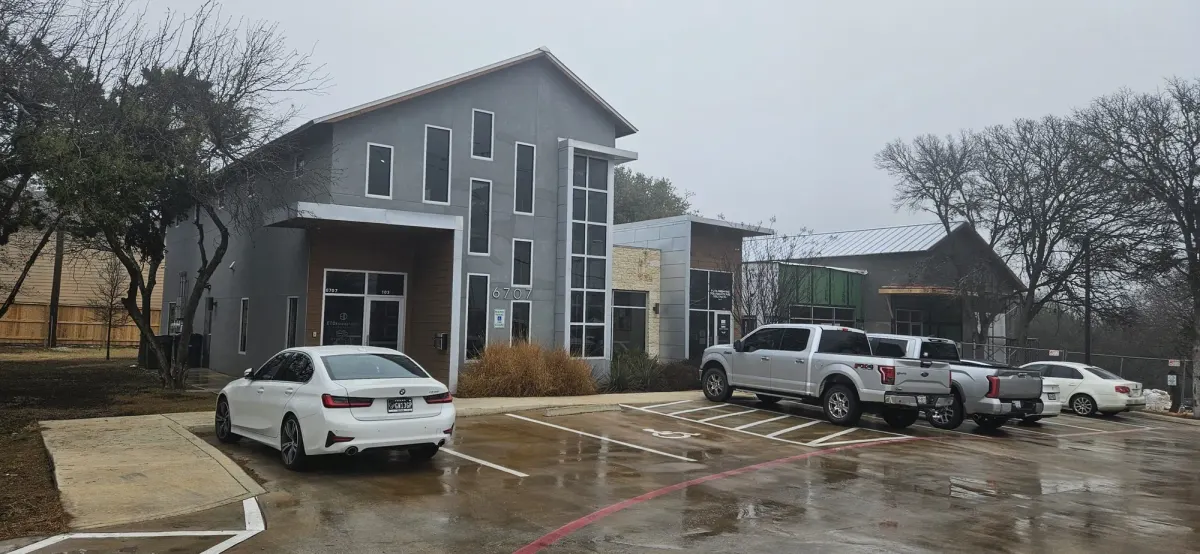
Where we are
Detox centers across Texas
Three locations, each with its own admissions line and its own clinical team. Pick the one nearest you — or call and we will tell you which has a bed tonight.
How Outpatient Substance Use Care Works
Outpatient care provides treatment without a hospital stay. Services range in intensity across a continuum so people can move up or down based on need.
Standard Outpatient (Level 1)
Standard outpatient care is typically less than 9 treatment hours per week. It focuses on counseling, education, and relapse‑prevention skills. It suits people with stable housing and supports, or those stepping down from more intensive care.
Intensive Outpatient Program (IOP)
IOP increases contact and structure—often 9 or more hours per week across 3–5 days. It combines group and individual counseling, skills practice, and recovery planning. IOP is used as an entry point, a step up from standard outpatient, or a step down after inpatient treatment.
Partial Hospitalization Program (PHP)
PHP is a day‑program level that is more intensive than IOP but still allows people to go home at night. It is part of the same continuum of care and may be used when symptoms require a higher dose of support.
What To Expect at San Antonio Outpatient Programs
Assessment and Placement
Local programs start with a clinical assessment and use established criteria to match you to the right level of care. Many offer no‑cost evaluations before admission.
Core Services You Will See
Programs in San Antonio commonly include group therapy, individual counseling, education, relapse‑prevention planning, and support for families. Topics range from coping skills and communication to managing medications and wellness.
Medication Options When Appropriate
Some clinics prescribe evidence‑based medications such as buprenorphine or naltrexone to support recovery from opioid or alcohol use disorders, as part of a broader treatment plan.
Continuum of Care and Aftercare
Several local providers offer a full continuum—detox, residential, PHP, IOP, and outpatient—plus alumni or aftercare services. This step‑down approach keeps support in place as needs change.
Flexibility and Virtual Options
Some San Antonio programs provide in‑person and virtual IOP groups, which helps people balance treatment with work, school, or caregiving.
Community Resources
County and community partners list outpatient programs and peer‑support options, including Twelve‑Step meetings and methadone treatment sites.
Who Outpatient Care Helps—and When It Is Not Enough
Good Candidates for Outpatient
Outpatient is appropriate when a person is medically stable, has a safe place to live, and can attend therapy on a set schedule. It is also an effective “step‑down” after inpatient care to maintain gains and build routine.
When To Consider Higher Levels of Care
If withdrawal risks are high, if substance use is severe, or if home is unsafe, a higher level—such as residential or medically managed inpatient care—may be recommended first. Providers use standardized criteria to make that call.
How To Choose an Outpatient Program in San Antonio
Evidence‑Based Care and Credentials
Ask about therapies used (e.g., cognitive‑behavioral therapy, relapse‑prevention) and whether the program is accredited (CARF or Joint Commission). Some local centers publicly note CARF accreditation.
Fit, Access, and Support
Consider session times, virtual access, transportation, and family involvement. Look for clear aftercare planning and links to peer support so progress continues after the program ends.
Insurance and Cost
Many programs accept commercial plans and Medicaid‑managed products; always verify coverage with the provider. Local health systems list accepted insurers and can help check benefits.
Getting Started
If you are in Bexar County and think outpatient care could help, contact our outpatient drug and alcohol detox in San Antonio page for a confidential assessment.
How Briarwood Detox Center Supports Outpatient Substance Use Disorder Treatment
Briarwood Detox Center helps adults access flexible, evidence-based outpatient substance use disorder care in San Antonio. Our team begins with a thorough assessment and places you at the right level of support, including standard outpatient or intensive outpatient programming. You’ll receive individual and group counseling focused on coping skills, relapse prevention, and communication. When appropriate, providers can coordinate with medication-assisted treatment to manage cravings and stabilize recovery. We also offer family support, case management, and referrals to community resources for continued progress. Scheduling is designed for busy lives, with day and evening options that reduce time away from work or school. We verify insurance benefits quickly and provide transparent guidance on costs. Care plans include step-down aftercare and alumni support, so help continues after the program ends. For compassionate local treatment that fits real life, choose Briarwood Detox Center.
Frequently Asked Questions About Outpatient Substance Use Care in San Antonio
What is outpatient substance use disorder treatment?+–
Outpatient treatment provides structured care without an overnight stay. Services may be in person or via telehealth and typically include counseling, education, and recovery support delivered on a set schedule.
Does outpatient rehab work?+–
Yes. Research shows intensive outpatient programs (IOPs) are an effective part of the care continuum and, for many people, achieve outcomes comparable to inpatient treatment when appropriately matched to need. Evidence‑based care and adequate treatment duration matter.
How long does an intensive outpatient program (IOP) last?+–
IOP is organized as multiple sessions per week and typically totals 9–19 hours of clinical services weekly; the overall length varies by progress and clinical need.
What’s the difference between IOP and PHP?+–
Both are outpatient, but PHP is more intensive (often more hours per day) and provides a higher level of structure than IOP. Programs use established criteria to determine the right fit based on clinical severity and support needs.
Who is a good candidate for outpatient vs. inpatient care?+–
Decision factors include severity of the disorder, mental health status, home stability, available support, and ability to attend scheduled sessions; clinicians may recommend inpatient care first when safety or medical stability is a concern.
What services are included in outpatient programs?+–
Typical services include individual and group counseling, skills training, psychoeducation, and recovery planning; some programs add case management, peer support, employment help, or family services.
Are medications used in outpatient treatment, and which ones?+–
Yes. Evidence‑based medications can be part of care. For opioid use disorder: methadone, buprenorphine, and naltrexone. For alcohol use disorder: acamprosate, disulfiram, and naltrexone. These are used alongside counseling.
Is medication‑assisted treatment just “replacing one drug with another”?+–
No. MAT (also called medications for opioid use disorder) uses FDA‑approved medications with behavioral therapies to reduce withdrawal, cravings, and overdose risk; it is not substituting one addiction for another.
Can I work or go to school while in outpatient treatment?+–
Often yes. Outpatient care is designed to fit around daily life, and telehealth can expand access when traveling to a clinic is difficult.
Are virtual/telehealth outpatient options available in Texas?+–
Many providers offer virtual visits. Federal guidance describes how telehealth can effectively deliver SUD care, including medication treatment.
Does insurance cover outpatient addiction treatment?+–
Coverage varies by plan, but federal parity rules generally require that mental health and SUD benefits, when offered, are not more restrictive than medical/surgical benefits. Check your plan and ask about parity protections.
How can I find outpatient programs near me?+–
Use SAMHSA’s official treatment locator to search programs by location, level of care, and accepted payment types.
Related guides



About the people behind this guide
Anna-Grace Washington
Medical Content Writer
Anna-Grace Washington is a Medical Content Writer for Briarwood Detox Center. She holds a master’s degree in clinical psychology from the University of Texas and brings a strong understanding of behavioral health, addiction recovery, and evidence-based treatment concepts to her writing.
Dr. Robert Ulrich, DO
Medical Director
Dr. Robert Ulrich serves as Medical Director at Briarwood Detox Center, bringing more than two decades of clinical neurology experience to the treatment of substance use disorders. He is board-certified in neurology by the American Board of Psychiatry and Neurology and completed his neurology residency at UT Southwestern Medical Center in Dallas, where he served as Chief Resident.
In network with most major insurance
Find your plan and see what detox would cost
Most plans cover medical detox. Coverage varies by plan, so we verify it for you before you commit to anything.



















Don't see your plan? We work with out-of-network benefits and offer self-pay options — (210) 305-4522
- Confidential
- Takes about 2 minutes
- No obligation to admit
- Accredited The Joint Commission
- Rated 5.0 · 80 Google reviews Flourishing Foundations Recovery, now part of Briarwood
- Admissions 24 hours a day