
Guide
Outpatient Mental Health in San Antonio
Joint Commission accredited · In network with most major insurance · Admissions answered 24 hours a day


Published November 7, 2025
Reviewed and updated July 29, 2026
Key Takeaways · 9 points
- Outpatient mental health care in San Antonio lets people receive therapy and psychiatry without an overnight stay.
- Core services include assessment, individual and group therapy, and medication management.
- Intensive outpatient programs provide multi‑day, structured care, and some clinics offer virtual tracks.
- Outpatient care fits many depression, anxiety, trauma‑related, and OCD needs and also works as a step‑down after hospitalization.
- Briarwood Detox Center in San Antonio connects every stage of recovery — from detox to outpatient therapy, medication-assisted care, and sober living support — helping clients sustain lasting mental health and balance.
- Choose a program based on level of support, clinical focus, access, insurance, and preferred format.
- The first visit is an intake that leads to a personalized plan and referrals as needed.
- Preparing your history and goals, clarifying scheduling and communication, and setting measurable targets make care smoother.
- If safety is a concern, seek a higher level of care or use emergency resources like 988 or 911.
Break Free from Addiction. Detox Safely in San Antonio Today.
Medically Supervised Detox – Compassionate Care Starts Here.
Outpatient mental health care lets people get help while they keep up with work, school, and family. In San Antonio, several hospital systems and clinics offer therapy, psychiatry, and higher‑support options like intensive outpatient programs (IOPs). The goal is steady progress in a setting that fits daily life. Services range from weekly counseling to structured, multi‑day programs, in person and online.
What Outpatient Care Includes
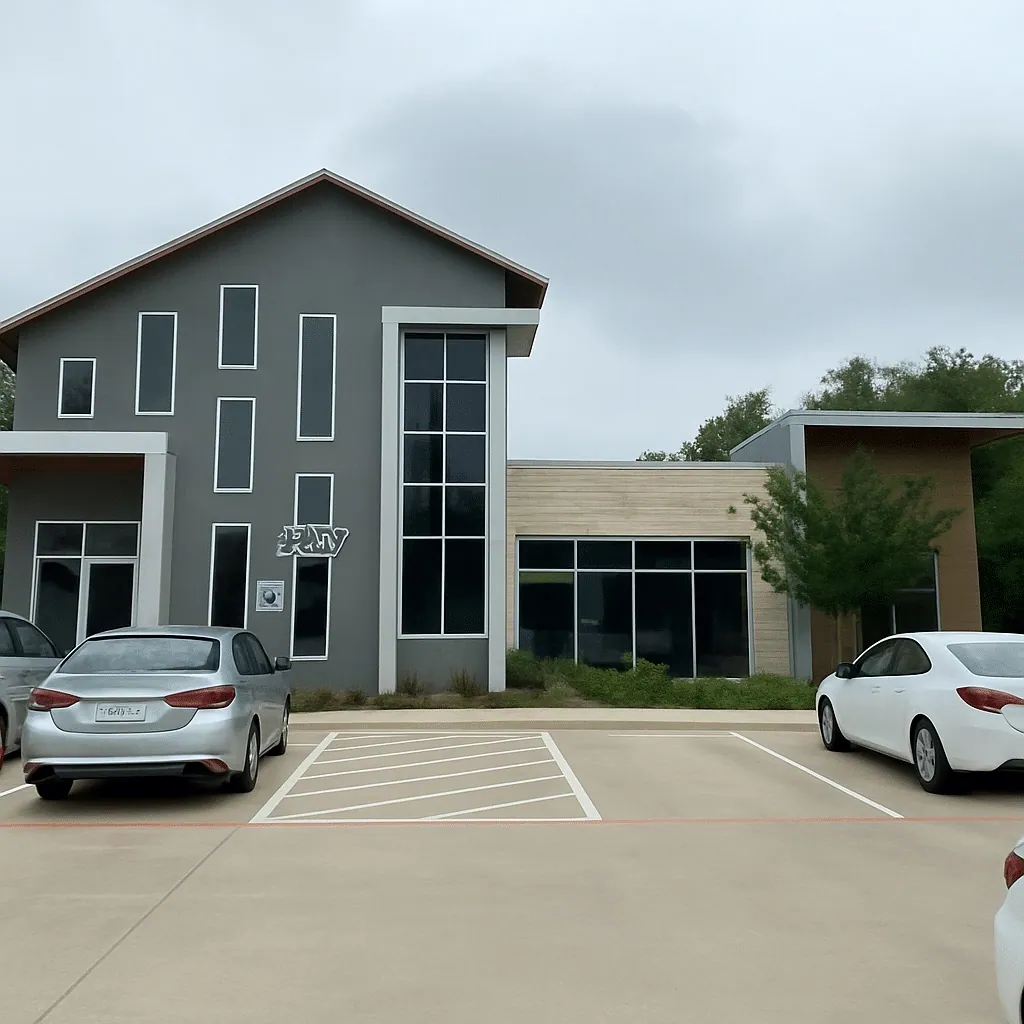
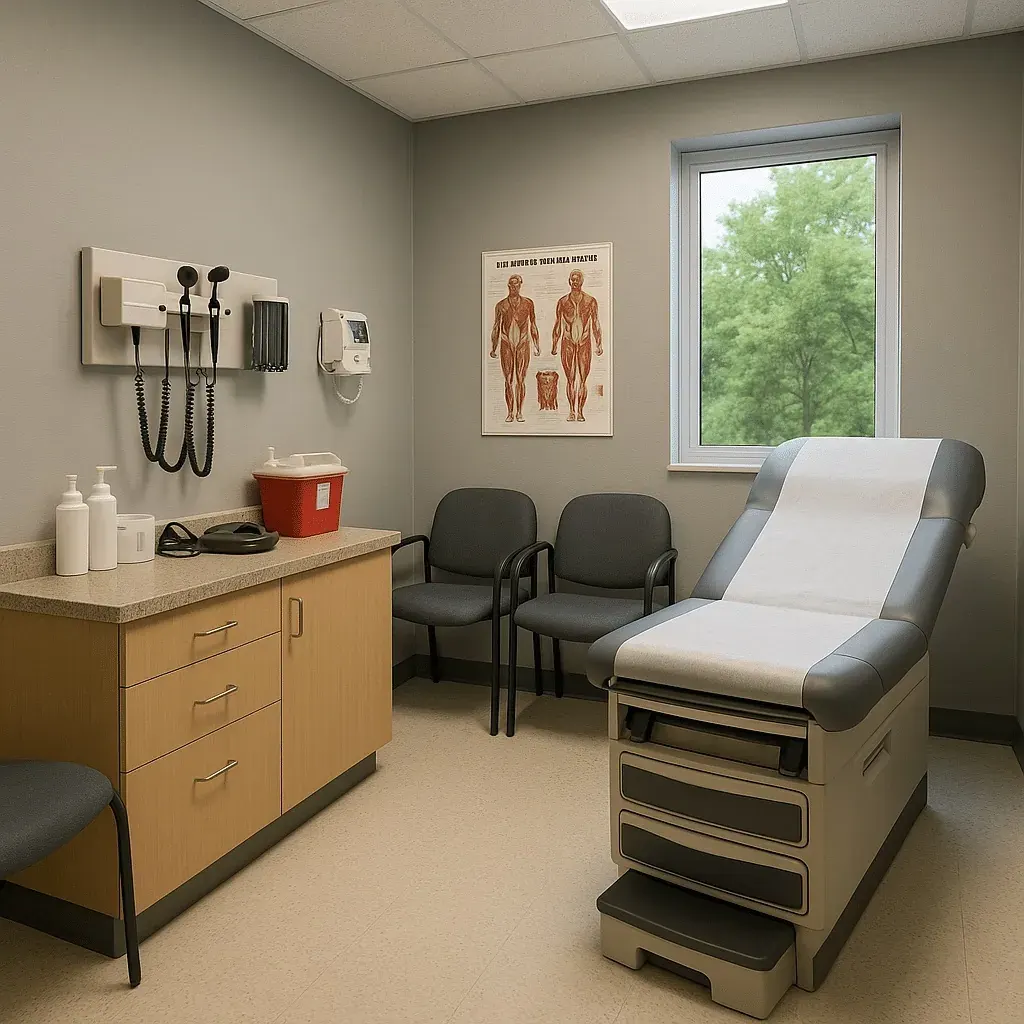
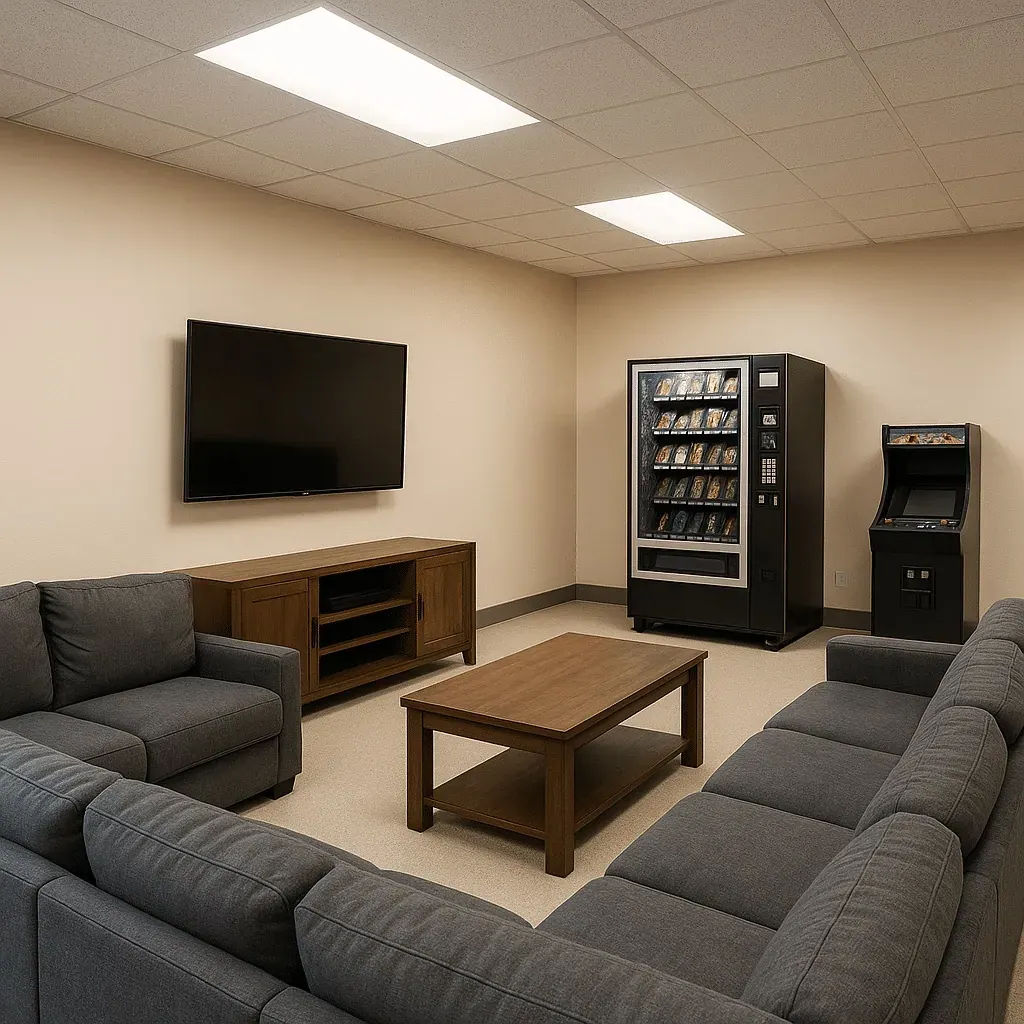
Outpatient care covers assessment, a treatment plan, and follow‑up. Care teams may include therapists, psychiatrists, nurses, and care coordinators. Plans often combine individual therapy, group therapy, and medication management when needed. Local systems highlight these elements across their clinics and programs.
Traditional Outpatient Therapy
Weekly or biweekly sessions with a licensed clinician focus on skills, insight, and coping strategies. Appointments can be in person or virtual, depending on the clinic. University‑affiliated and hospital‑based clinics across San Antonio offer this level of care.
Medication Management
Psychiatrists and psychiatric clinicians evaluate symptoms, prescribe medications when appropriate, and adjust doses over time. UT Health Physicians lists multiple outpatient psychiatry locations in the city, including transitional and rapid‑access options.
Intensive Outpatient Programs (IOPs)
IOPs provide several sessions per week of group‑based therapy with individual check‑ins and medication support. This level is designed for people who need more structure than weekly therapy but do not need inpatient care. In San Antonio, IOPs are offered by hospital programs such as San Antonio Behavioral Healthcare Hospital and Laurel Ridge, and some programs also run virtual tracks.
Who Benefits From Outpatient Treatment
Outpatient programs support people with mood and anxiety disorders, trauma‑related conditions, obsessive‑compulsive disorder, and other behavioral health concerns. Some centers emphasize targeted tracks for mood and anxiety, with therapies designed to improve functioning and prevent relapse. Outpatient services are also a step‑down for those leaving inpatient or partial hospitalization. If you’re moving from detox into counseling or an IOP, see what comes after detox for a simple overview of next steps.
Where we are
Detox centers across Texas
Three locations, each with its own admissions line and its own clinical team. Pick the one nearest you — or call and we will tell you which has a bed tonight.
-
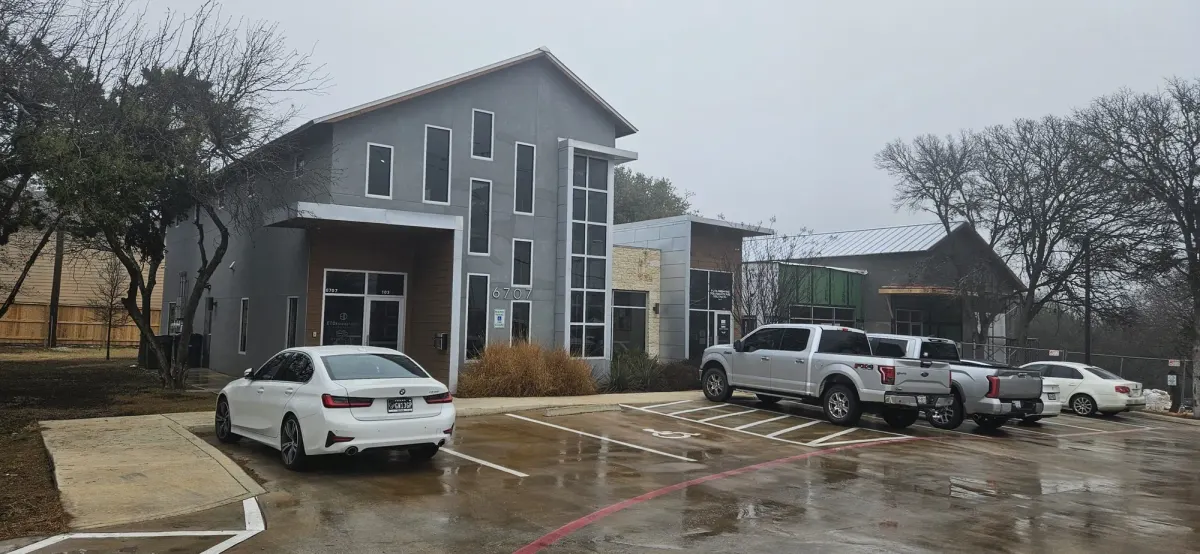 Outpatient
 San Antonio, TX
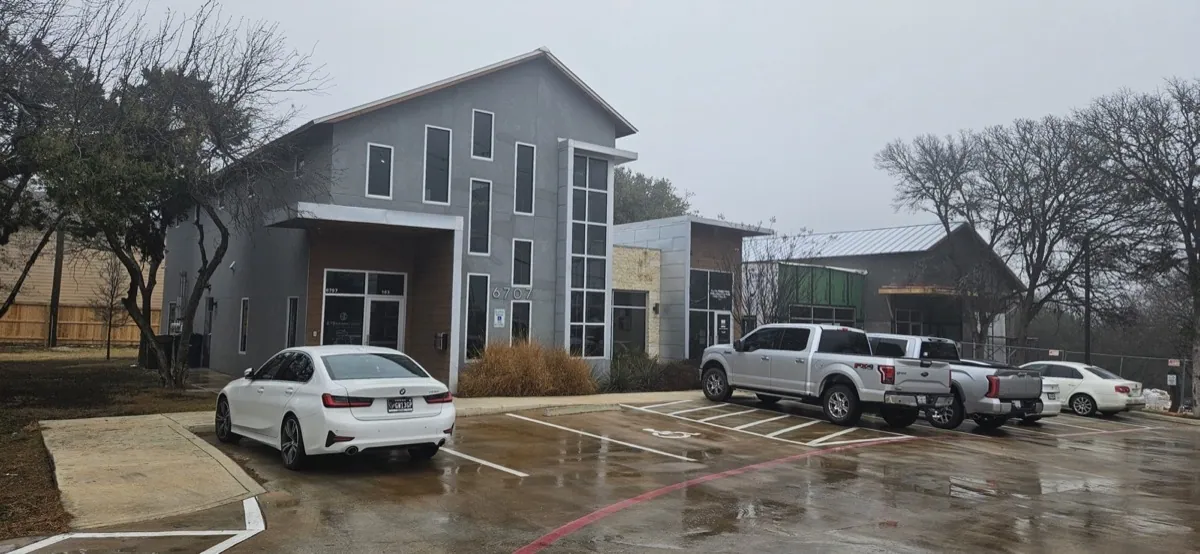
6707 W Hausman Rd · 78249
- Outpatient detox with scheduled medical visits
- Outpatient treatment
Outpatient Drug & Alcohol Detox — San Antonio
-
Alcohol & Drug Detox Programs in San Antonio
Briarwood
Alcohol & Drug Detox Programs in San Antonio
-
Individual & Group Therapy Sessions
Briarwood
Individual & Group Therapy Sessions
Leading Options in San Antonio
Below are examples of outpatient and mental health services offered directly through Briarwood Detox Center and its trusted care continuum. Each option helps clients transition smoothly from detox to ongoing therapy and recovery without leaving the San Antonio area.
Briarwood Detox Center – San Antonio Campus
Briarwood Detox Center’s San Antonio location provides a safe, supportive setting for clients beginning their recovery journey. After medical detox, individuals can continue healing through coordinated outpatient mental health services. Our team connects clients with local therapists, psychiatrists, and support groups to promote lasting wellness and stability. Each plan is personalized, helping clients rebuild balance, confidence, and connection in daily life.
Individual & Group Therapy Coordination
After detox, Briarwood assists clients in securing individual and group therapy sessions designed to strengthen coping skills and emotional resilience. These therapeutic sessions focus on relapse prevention, communication skills, and stress management. By maintaining consistency in care, clients can continue progressing with the same supportive foundation they established during detox.
Medication-Assisted and Holistic Outpatient Support
For those with co-occurring mental health needs, Briarwood helps coordinate medication-assisted treatment (MAT) alongside holistic recovery practices such as mindfulness, wellness education, and lifestyle support. This combined approach addresses both emotional and physical aspects of recovery, ensuring that treatment remains balanced and sustainable. The goal is to empower clients to manage stress, stay grounded, and maintain long-term mental well-being.
Sober Living & Extended Care Options
Once outpatient goals are met, clients may transition into sober living environments that reinforce accountability and structure. Briarwood partners with reputable housing programs that provide peer support and stability during the early stages of independent recovery. This step offers a smooth bridge between treatment and everyday life while maintaining ongoing access to counseling and case management.
How to Choose the Right Program
Selecting care is easier when you match the program to your goals, schedule, and health needs.
Level of Support
If symptoms are stable and you want steady progress, weekly therapy with or without medication management may fit. If symptoms interrupt work or school, or if you are stepping down from inpatient care, ask about IOPs that meet several days a week and include group therapy.
Clinical Focus and Modalities
Look for programs that treat your main concern, such as depression, anxiety, trauma, or OCD. Check whether the clinic offers evidence‑based therapies (for example, CBT, exposure therapies) and whether psychiatry is available in the same system for medication needs.
Access, Insurance, and Format
Confirm openings and wait times, and verify your insurance benefits. Many clinics now offer telehealth alongside in‑person visits; some IOPs also provide virtual tracks so you can attend from home.
What to Expect at the First Visit
Most programs begin with an intake appointment. You’ll review your history, current symptoms, and goals. The clinician will discuss a plan that may include therapy, medication management, or referral to a higher level of care. In hospital‑based systems, outpatient services are coordinated with other programs, which can make transitions smoother if your needs change.
Practical Tips for Getting Started
Prepare for Intake
Write down your main concerns, past treatments, medications, and goals. Bring your ID, insurance card, and a list of questions.
Ask About Scheduling and Communication
Learn how to reach your team between visits, how refills are handled, and whether telehealth is an option for certain sessions.
Set Measurable Goals
Agree on clear goals, such as fewer panic episodes, improved sleep, or a structured return to work or school. Review progress every few weeks and adjust the plan as needed.
When Outpatient Care Is Not Enough
If you or a loved one has immediate safety concerns, call 911 or the 988 Suicide & Crisis Lifeline. Outpatient teams can also guide you to partial hospitalization or inpatient care when a higher level of support is needed. Hospital systems in San Antonio list both inpatient and outpatient options, which helps people move to the right level of care.
How Briarwood Detox Center Supports Outpatient Mental Health in San Antonio
At Briarwood Detox Center, clients start with medically supervised detox and a whole‑person assessment. Our licensed team addresses withdrawal safely while screening for depression, anxiety, trauma, and other concerns. We create an aftercare plan that matches your goals, schedule, and insurance. For those in San Antonio, we coordinate warm handoffs to outpatient therapists, psychiatrists, and intensive outpatient programs close to home. Case managers secure appointment times, share records with consent, and confirm coverage to reduce surprises. We teach coping skills, relapse‑prevention strategies, and family support basics so you have tools for daily life. When helpful, we arrange telehealth options or transportation to first visits. We also connect you with community resources for housing, employment, or peer support. This coordinated approach makes the shift from detox to ongoing care smoother, and Briarwood Detox Center follows up to help you stay engaged.
Frequently Asked Questions About Outpatient Mental Health in San Antonio
What is outpatient mental health treatment?+–
It’s care you receive without an overnight stay, usually through individual or group psychotherapy and, when appropriate, medication management. NIMH explains psychotherapy’s goals and formats, which are core to outpatient care.
How does outpatient care work?+–
You meet a clinician on a regular schedule—weekly therapy for many people—and adjust frequency based on need. Some programs offer a higher‑support option called an intensive outpatient program (IOP), which sits between weekly therapy and inpatient care.
What is the difference between inpatient and outpatient mental health care?+–
Inpatient care provides 24‑hour supervision for acute safety or stabilization. Outpatient care happens while you live at home; IOPs offer more structure than weekly sessions but less than a hospital program.
How long does an intensive outpatient program last?+–
Length varies by program and needs, but national advisory data show a typical course spans several weeks to a few months; one SAMHSA advisory reported a median stay of about 81 days among adults who completed treatment.
How many hours per week is an IOP?+–
Medicare and SAMHSA describe IOPs as requiring at least nine hours of therapeutic services per week for adults, delivered across several days.
Does insurance cover outpatient mental health services?+–
Marketplace health plans must cover mental and behavioral health services as essential health benefits and follow parity protections. Medicare Part B also covers IOP services when medically necessary. Check your plan for specifics on copays and networks.
Can I get outpatient mental health care through telehealth?+–
Yes. HHS notes telehealth is widely used for behavioral health and can improve access and continuity of care. Many services—including individual and group teletherapy—can be delivered virtually.
What happens at the first outpatient appointment?+–
You’ll complete an assessment that reviews symptoms, history, goals, and safety needs. Together with your clinician, you’ll choose a treatment plan, which may include psychotherapy and/or medications.
Which conditions are typically treated in outpatient programs?+–
Common concerns include depression, anxiety disorders, trauma‑related conditions, OCD, and co‑occurring issues. Treatment often pairs evidence‑based psychotherapy with medication when indicated.
How do I choose between weekly therapy and an IOP?+–
If symptoms disrupt work, school, or home life—or you’re stepping down from inpatient care—an IOP’s multi‑day structure may fit. If you’re stable and need steady progress, weekly therapy may be enough. Discuss options with your provider.
Where can I find outpatient mental health resources in San Antonio?+–
Start with Bexar County’s Behavioral Health Resource Directory and local health systems; community health centers funded by HRSA can also provide behavioral health services based on ability to pay.
What should I do if I’m in crisis?+–
Call or text 988 for the Suicide & Crisis Lifeline, available 24/7. If there is immediate danger, call 911. Local crisis information is also posted by Bexar County.
Related guides



About the people behind this guide
Anna-Grace Washington
Medical Content Writer
Anna-Grace Washington is a Medical Content Writer for Briarwood Detox Center. She holds a master’s degree in clinical psychology from the University of Texas and brings a strong understanding of behavioral health, addiction recovery, and evidence-based treatment concepts to her writing.
Dr. Robert Ulrich, DO
Medical Director
Dr. Robert Ulrich serves as Medical Director at Briarwood Detox Center, bringing more than two decades of clinical neurology experience to the treatment of substance use disorders. He is board-certified in neurology by the American Board of Psychiatry and Neurology and completed his neurology residency at UT Southwestern Medical Center in Dallas, where he served as Chief Resident.
In network with most major insurance
Find your plan and see what detox would cost
Most plans cover medical detox. Coverage varies by plan, so we verify it for you before you commit to anything.


















Don't see your plan? We work with out-of-network benefits and offer self-pay options — (210) 305-4522
- Confidential
- Takes about 2 minutes
- No obligation to admit

- Accredited The Joint Commission
- Rated 5.0 · 80 Google reviews Flourishing Foundations Recovery, now part of Briarwood
- Admissions 24 hours a day