
Guide
What’s the Best Drug and Alcohol Treatment?
Joint Commission accredited · In network with most major insurance · Admissions answered 24 hours a day

Published November 7, 2025
Reviewed and updated July 29, 2026
Key Takeaways · 5 points
- Outpatient detox is a good fit when withdrawal is mild to moderate and you have a safe, supportive place to recover at home. This approach uses frequent check‑ins and short‑term medications during the first few days.
- Inpatient withdrawal management is the safer choice when risk is high or medical or psychiatric conditions are unstable. Round‑the‑clock monitoring helps prevent complications.
- Detox is only the starting point and should be followed by ongoing treatment such as medications and therapy. Continued care reduces relapse risk and builds long‑term skills.
- Choose programs that match level of care to your risks and explain how they use standardized criteria to keep you safe. Ask about monitoring, escalation plans, and how they transition you after detox.
- San Antonio providers typically offer a full continuum—medical detox, residential, intensive outpatient, and aftercare—so you can step up or down as needs change. Compare options and verify credentials and insurance acceptance.
Break Free from Addiction. Detox Safely in San Antonio Today.
Medically Supervised Detox – Compassionate Care Starts Here.
Choosing “the best” treatment starts with fit and safety, not a single program type. For many people, outpatient detox paired with counseling is enough. Others need the structure and medical monitoring of inpatient care. The right level depends on withdrawal risk, support at home, medical and mental health needs, and your ability to engage in ongoing care after detox.
Where we are
Detox centers across Texas
Three locations, each with its own admissions line and its own clinical team. Pick the one nearest you — or call and we will tell you which has a bed tonight.
-
Rehabs for Drugs and Alcohol in San Antonio
On novarecoverycenter.com
Rehabs for Drugs and Alcohol in San Antonio
-
San Antonio Drugs and Alcohol Rehab Center
On novarecoverycenter.com
San Antonio Drugs and Alcohol Rehab Center
-
Colorado Springs Drug and Alcohol Rehab Center
On novarecoverycenter.com
Colorado Springs Drug and Alcohol Rehab Center
Outpatient Detox in San Antonio—When It Fits
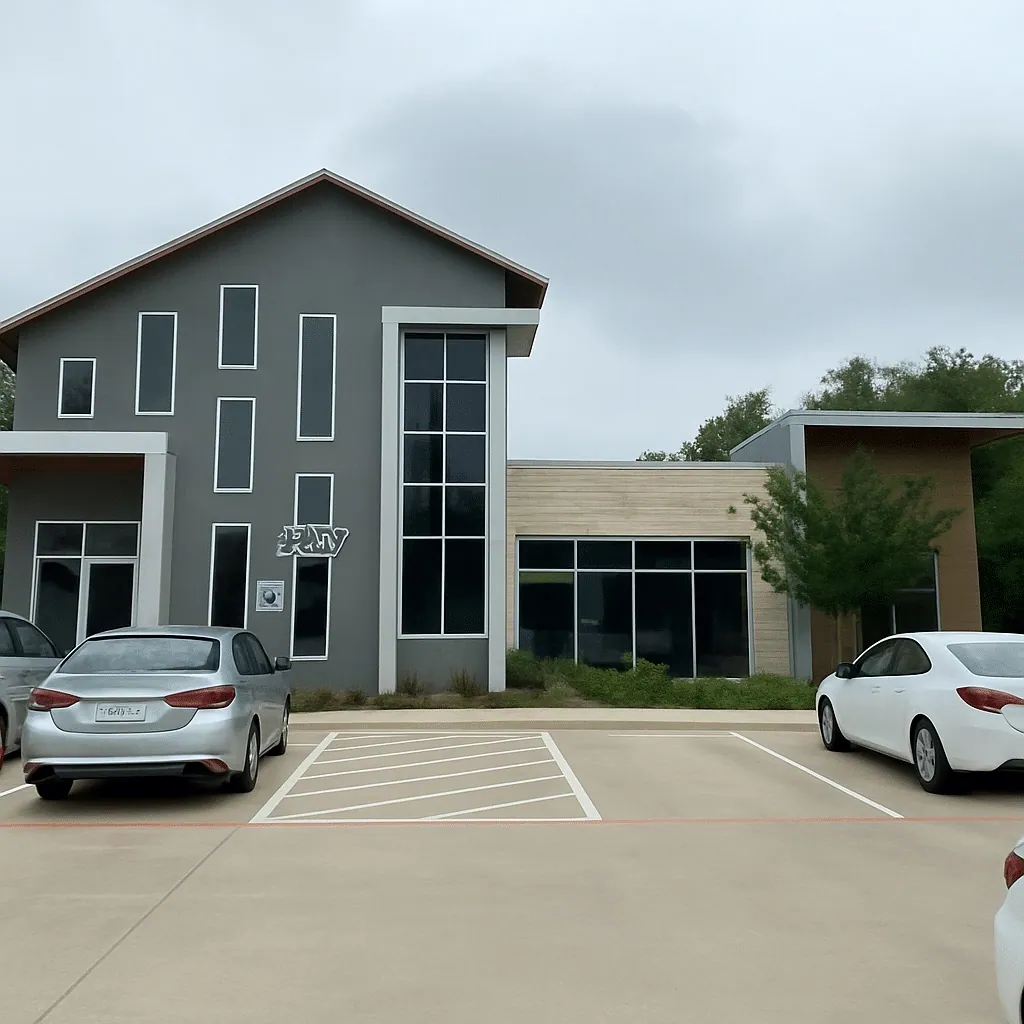
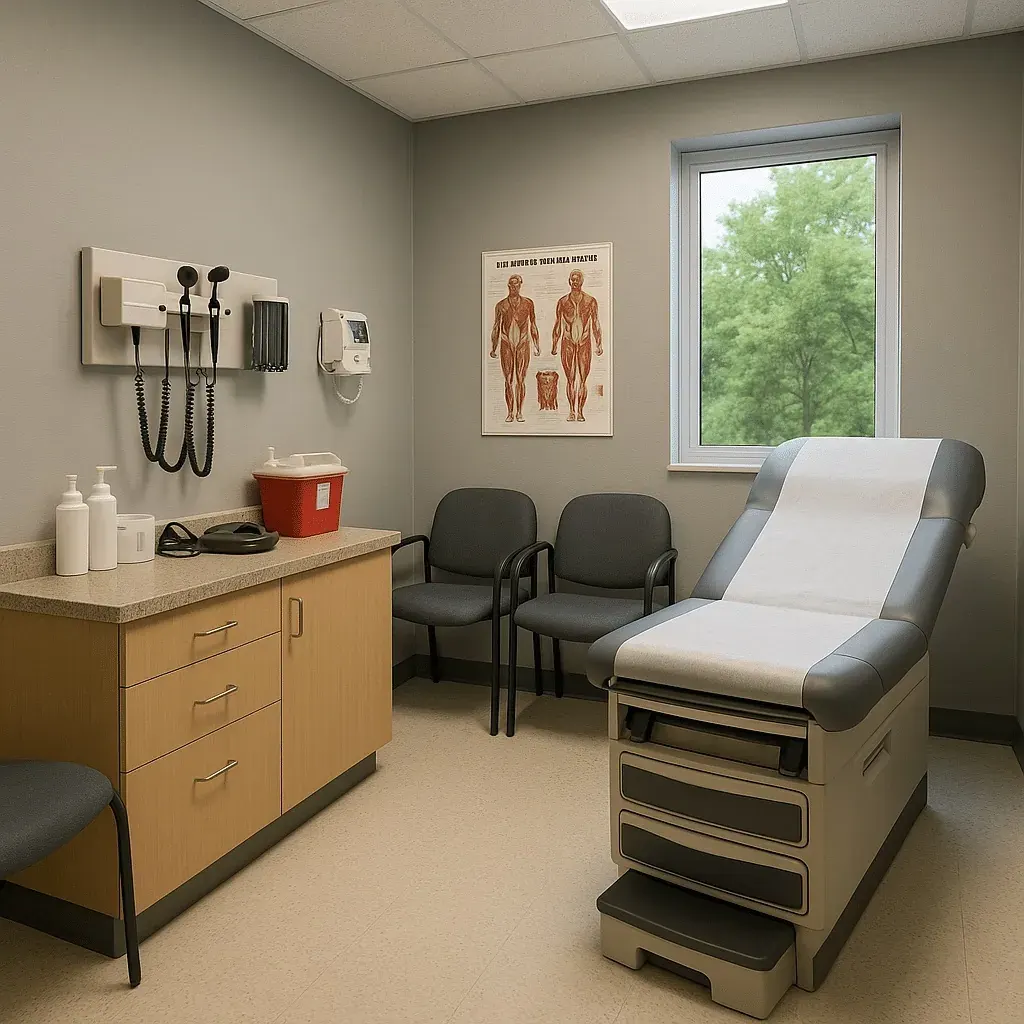
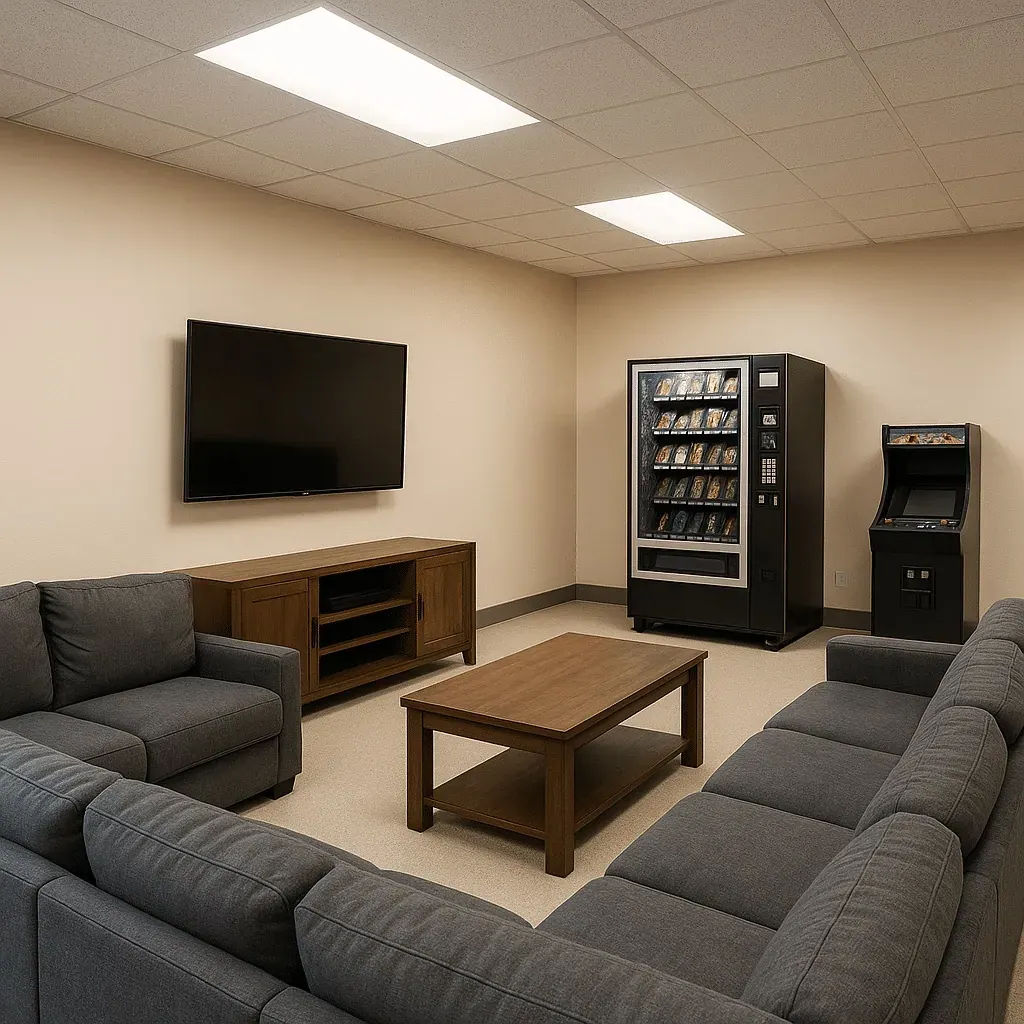
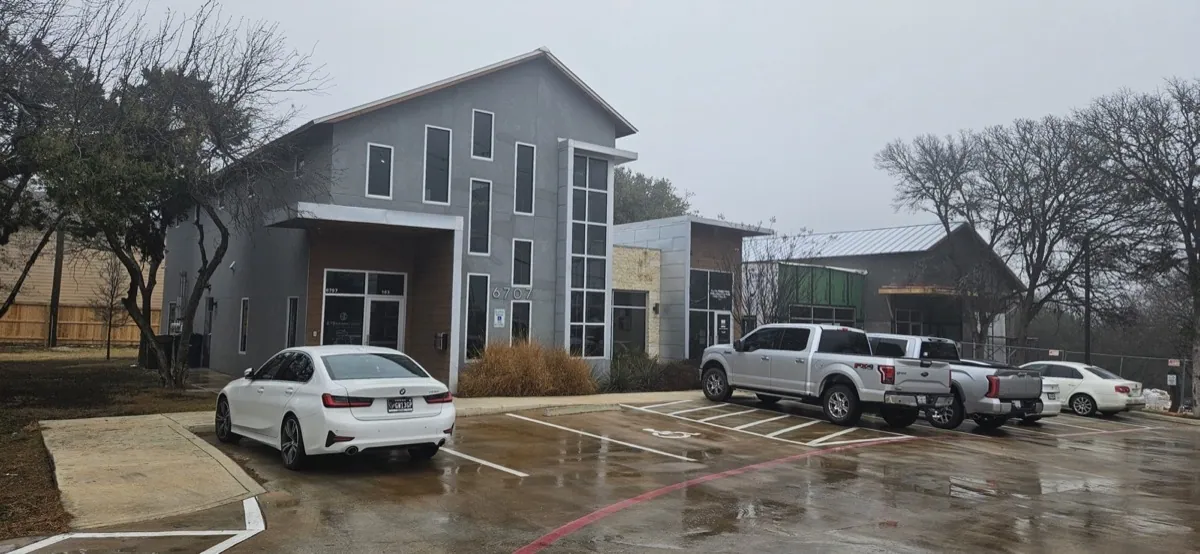
San Antonio Outpatient Detox treats withdrawal while you live at home and return for frequent check‑ins and medication when needed. (Ambulatory) Outpatient detox treats withdrawal while you live at home and visit a clinic or office for check‑ins and medication. It works best when withdrawal risk is mild to moderate, you have a stable, supportive place to stay, and you can attend frequent visits during the first few days.
Who Is a Good Candidate
eople without a history of severe withdrawal (e.g., seizures, delirium tremens), without serious medical instability, and with reliable transportation and support. Primary care or addiction clinicians often use tools like CIWA‑Ar for alcohol to score symptom severity and guide care.
What to Expect
A same‑day assessment, a safety plan, daily (sometimes more frequent) check‑ins at first, and short‑term medications to prevent complications. Many clinics add vitamins (e.g., thiamine) for alcohol use and monitor vitals. Outpatient detox is organized as Level 1‑WM in the ASAM framework—structured services delivered in offices, treatment facilities, or sometimes at home by trained teams.
Medications Often Used
- Alcohol: Benzodiazepines are first‑line for withdrawal; some cases may use carbamazepine or gabapentin in lower‑risk settings.
American Academy of Family. - Opioids: Buprenorphine or methadone can manage withdrawal and transition into long‑term treatment. (See NIDA for medication‑assisted options.)
Limits and Risks
Outpatient detox is not right for people at high risk of severe withdrawal, those with unstable medical or psychiatric conditions, or without a safe place to recover. Quick escalation to a higher level (e.g., inpatient withdrawal management) is essential if symptoms worsen.
Outpatient vs. Inpatient—How to Decide
Safety Comes First
Convenience and Cost
Outpatient care lets you maintain work or family duties and usually costs less. Inpatient care may interrupt daily life but offers a contained, highly supervised setting for those who need it. (AAFP and ASAM outline practical selection criteria.)
Detox Is a Start—What Quality Treatment Looks Like Next
The first step is Detox; understanding what comes after detox—medications, therapy, and step‑down care—improves long‑term outcomes. Detox clears substances and manages withdrawal. It is not treatment by itself. Lasting recovery depends on continuing care: medications, therapy, skills practice, and support.
Evidence‑Based Therapies
Cognitive‑behavioral therapy, contingency management, and motivational approaches help people build skills and reduce relapse risk.
Medication‑Assisted Treatment
- Alcohol: naltrexone, acamprosate, and (when appropriate) disulfiram.
- Opioids: buprenorphine, methadone, and naltrexone.
These medications cut cravings and improve retention when paired with counseling.
Continuum of Care
How to Choose the Best Fit in San Antonio
Match Level of Care to Risk
Ask how the program uses ASAM Criteria to decide between outpatient detox, inpatient withdrawal management, residential treatment, IOP, and standard outpatient. Programs should explain why a level is safe for you and how they’ll monitor symptoms.
Ask About the Plan After Detox
Look for Access and Coordination
The best programs offer quick intake, same‑week starts, and help with transportation, medical appointments, and mutual‑help connections.
Use Neutral Directories
To compare options, you can search the SAMHSA treatment locator and filter for outpatient services near your ZIP code. This helps you review multiple providers side by side.
Example Services You’ll See Locally
San Antonio programs often list: medical detox, residential treatment, intensive outpatient, and aftercare/alumni services. This mix allows step‑up or step‑down movement as needs change—useful if you begin with outpatient detox and later need more support, or the reverse. Review each provider’s credentials, medical coverage, and emergency escalation plan before enrolling.
How Briarwood Detox Center Supports Outpatient Detox in San Antonio
Briarwood Detox Center provides safe, structured outpatient detox for adults in the San Antonio area. Our team evaluates your history, supports, and goals to confirm whether ambulatory withdrawal care is appropriate. If it is, you receive a tailored plan with clinician oversight, daily check‑ins at first, and medication when clinically indicated. This lets you manage work and family while staying engaged in care. It’s outpatient detox San Antonio residents can access close to home. We coordinate next steps, including intensive outpatient, counseling, and medication‑assisted treatment so detox is only the start. Staff help with scheduling, insurance verification, and referrals to local resources. You receive clear safety instructions and an escalation plan if symptoms worsen. With strong community ties and a focus on continuity, Briarwood Detox Center helps San Antonio clients start recovery with outpatient care and a plan for long‑term treatment.
Frequently Asked Questions About Hangxiety
What Is Outpatient Detox?+–
Outpatient (ambulatory) detox is structured withdrawal management delivered while you live at home, with scheduled monitoring and medications as needed. It corresponds to outpatient levels of care in the ASAM framework.
Is Outpatient Detox Safe?+–
It can be safe for people with mild to moderate withdrawal risk who have a stable, supportive setting and reliable follow‑up. Daily monitoring is advised early on, with fast escalation if symptoms worsen.
How Long Does Outpatient Alcohol Detox Last?+–
Many programs monitor patients daily for up to five days after the last drink; symptoms often peak within 24–72 hours, then improve. Timelines vary by history and health.
What Medications Are Used During Outpatient Detox?+–
For alcohol withdrawal, benzodiazepines are first‑line; carbamazepine or gabapentin may help in lower‑risk cases. For opioid withdrawal or ongoing care, buprenorphine or methadone may be used, with naltrexone as another option.
Can I Detox at Home Without a Clinician?+–
Home detox without medical oversight is risky. Moderate to severe symptoms—or any red flags such as confusion, seizures, or unstable vitals—require urgent evaluation or inpatient care.
What’s the Difference Between Inpatient and Outpatient Detox?+–
Inpatient provides 24/7 monitoring and is best for higher‑risk cases. Outpatient allows you to sleep at home with frequent visits and a safety plan when risk is lower. Choice depends on severity, supports, and medical/psychiatric status.
What Happens After Detox—Is Treatment Still Needed?+–
Yes. Detox manages withdrawal, but recovery outcomes improve when you continue with medications (when indicated) and therapy in outpatient or intensive outpatient programs.
Does Insurance Cover Outpatient Detox?+–
Marketplace plans include mental health and substance use services as essential health benefits, and parity rules require comparable coverage to medical/surgical care; specific benefits vary by plan.
Who Is a Good Candidate for Outpatient Detox?+–
People with mild–moderate symptoms, stable housing/support, and no recent history of severe withdrawal or unstable medical/psychiatric conditions. Clinicians determine fit using validated tools and clinical judgment.
How Do I Find Outpatient Detox Near Me in San Antonio?+–
Use SAMHSA’s FindTreatment.gov to filter for outpatient services near your ZIP code and compare programs by level of care.
Related guides



About the people behind this guide
Anna-Grace Washington
Medical Content Writer
Anna-Grace Washington is a Medical Content Writer for Briarwood Detox Center. She holds a master’s degree in clinical psychology from the University of Texas and brings a strong understanding of behavioral health, addiction recovery, and evidence-based treatment concepts to her writing.
Dr. Robert Ulrich, DO
Medical Director
Dr. Robert Ulrich serves as Medical Director at Briarwood Detox Center, bringing more than two decades of clinical neurology experience to the treatment of substance use disorders. He is board-certified in neurology by the American Board of Psychiatry and Neurology and completed his neurology residency at UT Southwestern Medical Center in Dallas, where he served as Chief Resident.
In network with most major insurance
Find your plan and see what detox would cost
Most plans cover medical detox. Coverage varies by plan, so we verify it for you before you commit to anything.














Don't see your plan? We work with out-of-network benefits and offer self-pay options — (210) 305-4522
- Confidential
- Takes about 2 minutes
- No obligation to admit
- Accredited The Joint Commission
- Rated 5.0 · 80 Google reviews Flourishing Foundations Recovery, now part of Briarwood
- Admissions 24 hours a day