
Guide
My Husband Is Addicted to Opioids and Won't Admit It—How to Help
Joint Commission accredited · In network with most major insurance · Admissions answered 24 hours a day

Published July 22, 2026
Reviewed and updated July 29, 2026
If your husband is addicted to opioids and won't admit he has a problem, you face one of the hardest dilemmas in addiction: you can see the crisis clearly, but he cannot. You cannot force someone into treatment against their will in most circumstances, but you can create conditions that make seeking help the safer, more appealing choice. This means setting firm boundaries, enlisting professional intervention support, gathering insurance and detox information in advance, and making it easier for him to say yes when a moment of clarity arrives. Medical detox is the safest first step when opioid dependence is present, and having that pathway ready can turn a narrow window of willingness into life-saving action.
If you or someone you love needs more than detox, Briarwood Detox Center also provides drug rehab austin.
Briarwood Detox Center’s opiate opioid detox program provides medically supervised, evidence-based care.
Why Opioid Addiction Makes Denial So Powerful
Opioids rewire the brain's reward circuitry. Drugs like heroin, fentanyl, oxycodone, and hydrocodone flood dopamine receptors, creating euphoria that the brain begins to prioritize above food, relationships, and survival instincts. Over time, the brain adapts by reducing its own dopamine production and increasing tolerance. What started as pain relief or recreational use becomes a physical dependence—the body now requires opioids just to feel normal.
Does your insurance cover detox in Austin?
Find out in about 2 minutes — free, confidential, no obligation.
Verify InsuranceDenial is not moral failure. It is a neurological symptom. The prefrontal cortex, responsible for insight and judgment, becomes impaired. Your husband may genuinely believe he has things under control, that he can stop anytime, or that his use is justified by pain or stress. He may minimize quantities, hide evidence, or become defensive when confronted. This is the disease protecting itself.
Withdrawal fear compounds denial. Opioid withdrawal is not life-threatening in most cases, but it is profoundly uncomfortable: muscle aches, nausea, vomiting, diarrhea, insomnia, anxiety, and intense cravings. Many people stay trapped in active addiction not because they love the drug, but because they dread withdrawal. If your husband doesn't know that medically supervised detox can ease these symptoms safely, the idea of quitting feels insurmountable.
Gather Information Before the Conversation
When someone with opioid addiction finally admits they need help, the window of willingness can close quickly. Preparation lets you act fast. Start by verifying insurance benefits for detox. Most major insurers cover medically supervised withdrawal management. Call your insurance provider or contact a detox center directly to confirm in-network status, copays, and pre-authorization requirements.
Research detox options in your area. If you live in Austin, San Antonio, Houston, or Colorado Springs, inpatient and outpatient medically supervised detox programs are available that specialize in opioid withdrawal. Inpatient detox offers 24-hour medical monitoring, medications to ease symptoms, and a controlled environment free from triggers. Outpatient detox allows patients to live at home while attending daily or several-times-weekly medical appointments for medication management and monitoring.
Document what you are observing without judgment. Note changes in behavior, physical signs (constricted pupils, nodding off, track marks, withdrawals), financial irregularities, and any statements he has made that suggest awareness or ambivalence. You are not building a legal case—you are preparing to speak clearly and specifically when the opportunity arises.
How to Approach Your Husband About His Opioid Addiction
Timing and tone determine whether a conversation opens a door or slams it shut. Avoid confronting your husband when he is intoxicated, in withdrawal, or in the middle of a crisis. Choose a calm moment when both of you have privacy and time. Use "I" statements that focus on observable facts and your own feelings, not accusations or labels.
For example: "I've noticed you've been using more painkillers than prescribed, and I'm scared. I love you, and I see you suffering. I want to help you find a way to feel better safely." This is more effective than "You're a drug addict and you're destroying our family." Shame triggers defensiveness. Concern and specific observation can sometimes reach through denial.
Offer a concrete next step. "I called our insurance, and detox is covered. There's a medically supervised program that can help with withdrawal so you don't have to go through that alone. Will you let me set up an assessment?" Having a clear, immediate action ready reduces the paralysis that ambivalence creates.
Prepare for refusal. If he denies the problem or refuses help, do not argue or beg. State your boundary calmly: "I can't control your choices, but I can control mine. I will not enable this anymore." Then follow through.
Where we are
Detox centers across Texas
Three locations, each with its own admissions line and its own clinical team. Pick the one nearest you — or call and we will tell you which has a bed tonight.
-
 Inpatient
 Austin, TX
11711 N Lamar Blvd · 78753
- 15 beds
- On-site labs
- 24-hour medical staff
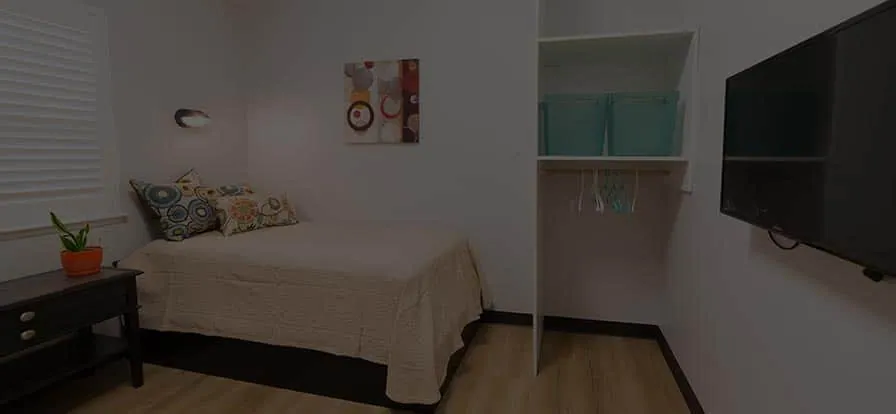
Drug & Alcohol Detox in Austin, TX
-
 Inpatient
 Houston, TX
1019 Ashland St · 77008
- On-site labs
- 24-hour medical staff
Drug Detox Center in Houston, TX
-
 Outpatient
 San Antonio, TX
6707 W Hausman Rd · 78249
- Outpatient detox with scheduled medical visits
- Outpatient treatment
Outpatient Drug & Alcohol Detox in San Antonio
When to Consider a Professional Intervention
If direct conversations fail and the addiction is escalating, a professionally guided intervention may be necessary. An intervention is not an ambush or an ultimatum delivered in anger. It is a planned, rehearsed meeting led by a trained interventionist, where family and friends present specific examples of harm and offer a pre-arranged treatment plan.
Interventions work best when consequences are real and immediate. This might mean: "If you do not accept detox today, I am moving out with the kids," or "Your employer has agreed to hold your job if you enter treatment now, but you will be terminated otherwise." Empty threats destroy credibility. Only set boundaries you are prepared to enforce.
The interventionist helps the group stay calm, on-message, and compassionate. They also ensure that logistics are in place—insurance verified, detox bed reserved, bags packed—so that if your husband agrees, he can leave for treatment immediately. Delay allows doubt and fear to return.
Understanding What Happens During Opioid Detox
Medical detox for opioid addiction typically lasts five to ten days, though timelines vary based on the drug, duration of use, and individual physiology. The goal is to safely manage withdrawal symptoms while the body clears the opioid and begins to restore neurochemical balance.
Medications play a central role. Buprenorphine (Suboxone, Subutex) is a partial opioid agonist that relieves cravings and withdrawal without producing euphoria. Methadone is a long-acting full agonist used in some settings. Clonidine reduces anxiety, sweating, and muscle aches. Anti-nausea medications, sleep aids, and fluids address acute symptoms. These medications do not simply substitute one drug for another—they are FDA-approved, evidence-based tools that stabilize brain chemistry and reduce relapse risk.
Ready to talk to someone now? Briarwood Detox Center's admissions team is here 24/7, and every call is confidential. Call (866) 710-7710.Inpatient detox is appropriate when opioid use is heavy, when other substances are involved (alcohol, benzodiazepines), when co-occurring mental health conditions exist, or when the home environment is unsafe. Patients receive round-the-clock nursing care, physician oversight, and a structured environment. Outpatient detox works well for individuals with strong home support, lower dependence severity, and the ability to attend frequent appointments. Both models connect patients to ongoing treatment after detox—counseling, outpatient programs, peer support, and medication-assisted treatment for sustained recovery.
Setting Boundaries While Your Husband Refuses Treatment
You cannot make your husband get sober, but you can stop participating in the addiction. Boundaries are not punishments—they are acts of self-preservation and honesty. Stop covering for him at work, bailing him out financially, or lying to family. Do not give him money, access to credit cards, or opportunities to manipulate resources toward drug use.
This is extraordinarily hard when you love someone. It feels like abandonment. But enabling prolongs suffering and can be fatal. Every time you soften a consequence, you remove a potential catalyst for change. Let him feel the full weight of his choices.
Seek support for yourself. Al-Anon, Nar-Anon, and therapists who specialize in family systems and addiction can help you navigate grief, anger, guilt, and codependency. Your well-being matters, and you cannot pour from an empty cup. If there are children involved, their safety is non-negotiable. Do not allow them to be exposed to active drug use, withdrawal crises, or instability.
When Crisis Creates Opportunity
Overdose, arrest, job loss, or medical emergency can break through denial. These moments are terrifying, but they are also turning points. If your husband survives an overdose or faces legal consequences, that is the time to act. Have detox information ready. Speak to the hospital social worker, probation officer, or attorney about mandated treatment options or deferred prosecution programs that require detox and rehab.
Many people enter treatment initially under external pressure—court order, family ultimatum, employer intervention. Motivation does not have to be perfect at the start. It often grows during treatment as the fog lifts and the brain begins to heal. Do not wait for your husband to hit an mythical "rock bottom." Intervene at the highest bottom possible. The goal is to keep him alive long enough to want recovery for himself.
Does Opioid Addiction Ever Go Away?
Opioid addiction is a chronic, relapsing brain disease, but it is also treatable. The neurological changes caused by long-term opioid use can persist for months or years, which is why detox alone is rarely enough. Most people require ongoing support—counseling, medication-assisted treatment, peer groups, and lifestyle restructuring—to sustain recovery.
Relapse is common and does not mean failure. It means the treatment plan needs adjustment. Many people cycle through detox and treatment multiple times before achieving stable recovery. Each attempt teaches something. The brain's neuroplasticity means healing is possible, but it is gradual.
Long-term recovery is real. Thousands of people who once could not imagine life without opioids now live full, meaningful lives in sustained recovery. It requires daily commitment, but it is entirely achievable with the right support and medical care.
How Briarwood Detox Center Can Help
Medically supervised detox is the essential first step. At Briarwood Detox Center, we offer both inpatient and outpatient detox programs designed specifically for opioid withdrawal management. Our clinical teams use evidence-based protocols, FDA-approved medications, and compassionate care to ease withdrawal symptoms and prepare patients for ongoing treatment. We serve patients in Austin, San Antonio, Houston, and Colorado Springs, and we work with most major insurance providers to verify benefits and minimize out-of-pocket costs.
If your husband is addicted to opioids and won't admit he has a problem, you don't have to wait for him to ask for help to start preparing. Reach out to Briarwood Detox Center to verify insurance, discuss options, and have a plan ready for the moment he is willing to take the first step.
Ready to take the next step?
Briarwood Detox Center provides medically supervised drug & alcohol detox. Call (866) 710-7710 to speak with our team today.
Frequently Asked Questions
What is a common treatment for opioid addiction?+–
The most common and effective treatment for opioid addiction begins with medically supervised detox to manage withdrawal symptoms safely. This is followed by medication-assisted treatment using buprenorphine, methadone, or naltrexone combined with counseling, behavioral therapy, and peer support. Long-term recovery often requires ongoing outpatient care , relapse prevention planning, and addressing co-occurring mental health conditions.
How to deal with an addict who won't get help?+–
Set firm boundaries, stop enabling behaviors, and seek support for yourself through Al-Anon or therapy. Gather treatment information and insurance details so you are ready when a window of willingness opens. Consider a professional intervention if the situation is dangerous. You cannot force someone into recovery, but you can stop participating in the addiction and let natural consequences occur.
Does opioid addiction ever go away?+–
Opioid addiction is a chronic brain disease, meaning it requires ongoing management rather than a one-time cure. However, full, sustained recovery is entirely possible. The brain can heal over time with abstinence, medical support, and behavioral treatment. Many people achieve long-term recovery and live fulfilling lives, though relapse risk remains and requires vigilance and continued support.
How to help a family member with opioid addiction?+–
Approach them calmly with specific observations and concern, not judgment. Verify insurance benefits and research detox options in advance so you can offer a concrete next step. Set boundaries and stop enabling. If they refuse help, consider a professional intervention. Seek support for yourself through family therapy or support groups, and prioritize safety, especially if children are involved.
What is the new drug that helps with opioid addiction?+–
Buprenorphine, methadone, and naltrexone are the FDA-approved medications for opioid use disorder. Newer formulations include long-acting injectable buprenorphine (Sublocade) and naltrexone (Vivitrol), which reduce the need for daily dosing. These medications are not replacements for addiction—they are evidence-based treatments that reduce cravings, block euphoria, and lower overdose risk when combined with counseling.
Why is it so difficult to overcome opioid addiction?+–
Opioids cause profound changes in the brain's reward and stress systems, creating powerful physical dependence and intense cravings. Withdrawal is extremely uncomfortable, which keeps many people using just to avoid sickness. The drugs also impair judgment and insight, making denial common. Environmental triggers, trauma, and co-occurring mental health issues further complicate recovery, requiring comprehensive medical and psychological treatment.
How to convince an addict to stop?+–
You cannot convince someone to stop using logic or pleading alone. Speak calmly using specific observations and express concern without shame. Offer a clear, immediate next step like a detox assessment. Set firm, enforceable boundaries and allow natural consequences. Professional interventions can help when direct conversations fail. Ultimately, motivation must come from within, but you can create conditions that make choosing help the safer path.
What should I do if my husband overdoses?+–
Call 911 immediately. If you have naloxone (Narcan), administer it right away by nasal spray or injection—it reverses opioid overdose within minutes. Place him on his side to prevent choking if he vomits. Stay with him until paramedics arrive. An overdose is a medical emergency and a critical moment to push for detox and treatment once he is stabilized. Ready to Start Your Recovery in Austin? Briarwood Detox Center offers medically supervised detox in Austin. Explore our locations, see the facility, and verify your insurance in minutes. See our locations
Related guides

About the people behind this guide
Anna-Grace Washington
Medical Content Writer
Anna-Grace Washington is a Medical Content Writer for Briarwood Detox Center. She holds a master’s degree in clinical psychology from the University of Texas and brings a strong understanding of behavioral health, addiction recovery, and evidence-based treatment concepts to her writing.
Dr. Robert Ulrich, DO
Medical Director
Dr. Robert Ulrich serves as Medical Director at Briarwood Detox Center, bringing more than two decades of clinical neurology experience to the treatment of substance use disorders. He is board-certified in neurology by the American Board of Psychiatry and Neurology and completed his neurology residency at UT Southwestern Medical Center in Dallas, where he served as Chief Resident.
In network with most major insurance
Find your plan and see what detox would cost
Most plans cover medical detox. Coverage varies by plan, so we verify it for you before you commit to anything.
















Don't see your plan? We work with out-of-network benefits and offer self-pay options — (866) 710-7710
- Confidential
- Takes about 2 minutes
- No obligation to admit
- Accredited The Joint Commission
- Rated 4.7 · 183 Google reviews Flourishing Foundations Recovery, now part of Briarwood
- Admissions 24 hours a day