
Guide
Inpatient Detox vs. Outpatient Rehab for Alcohol Addiction in Austin: How to Choose
Joint Commission accredited · In network with most major insurance · Admissions answered 24 hours a day


Published April 18, 2026
Reviewed and updated July 29, 2026
Why Alcohol Withdrawal Is Different From Other Substances
Before comparing inpatient and outpatient options, it’s important to understand something that surprises many people: alcohol withdrawal can be life-threatening. Unlike opioids or stimulants, stopping alcohol abruptly after heavy, prolonged use can cause seizures, severe confusion, and a dangerous condition called delirium tremens (DTs). Symptoms can begin within 6–24 hours after your last drink and escalate quickly over the following days. This is why the first question isn’t really “inpatient vs. outpatient” — it’s “do I need medically supervised detox first?” For many people struggling with alcohol addiction, the answer is yes. A proper medical evaluation can determine your risk level and help you and your care team make the safest choice. Common alcohol withdrawal symptoms include:
- Tremors (shaking hands, body)
- Anxiety, agitation, and irritability
- Sweating and rapid heart rate
- Nausea and vomiting
- Insomnia and nightmares
- Hallucinations (visual, auditory, or tactile)
- Seizures
- Delirium tremens (in severe cases)
If you’ve experienced any of these symptoms when cutting back or stopping alcohol before, that history is a strong signal that medically supervised care is the right starting point. Learn more about what that looks like at Briarwood’s alcohol detox program in Austin.
What Is Inpatient Detox — and Who Needs It?
- You drink heavily every day (a pint or more of liquor, or 8+ drinks daily)
- You’ve had seizures or DTs during past attempts to quit
- You’ve tried to stop before and couldn’t make it through withdrawal alone
- You have co-occurring medical conditions (heart disease, liver problems, diabetes)
- You’re also using other substances alongside alcohol
- You don’t have a stable, sober home environment to return to
- You have untreated mental health conditions like severe depression or anxiety
- You lack reliable transportation or support for daily outpatient visits
Inpatient detox isn’t just about safety — it also removes you from the triggers, stressors, and environments that fuel drinking. That separation, even for just a week, can give your mind and body the reset they need to begin genuine recovery. At Briarwood Detox Center, our medical detox program combines 24/7 clinical monitoring with medication-assisted treatment (MAT), therapy support, and holistic care — all within a structured, compassionate environment designed to make the hardest days of detox as safe and manageable as possible.
What Is Outpatient Rehab — and Who Is It Right For?
- Your alcohol use is moderate and you have no significant medical risk factors
- You’ve already completed inpatient detox and are stepping down in care
- You have a stable, supportive home environment free from drinking triggers
- You have reliable transportation and can attend sessions consistently
- You have strong social support — family, sober friends, or a sponsor
- Your job, school, or caregiving responsibilities make a residential stay difficult
Where we are
Detox centers across Texas
Three locations, each with its own admissions line and its own clinical team. Pick the one nearest you — or call and we will tell you which has a bed tonight.
-
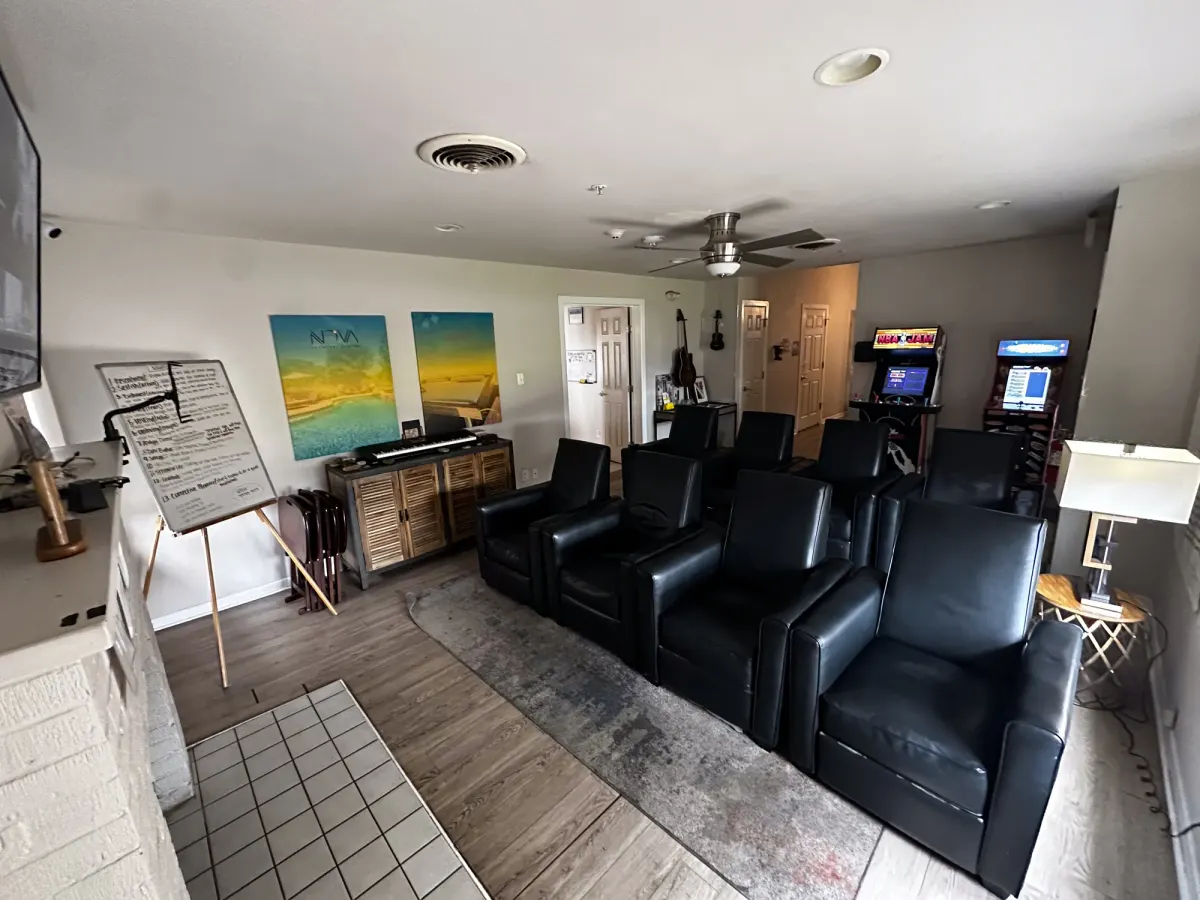 Inpatient
 Austin, TX
11711 N Lamar Blvd · 78753
- 15 beds
- On-site labs
- 24-hour medical staff
Drug & Alcohol Detox in Austin, TX
-
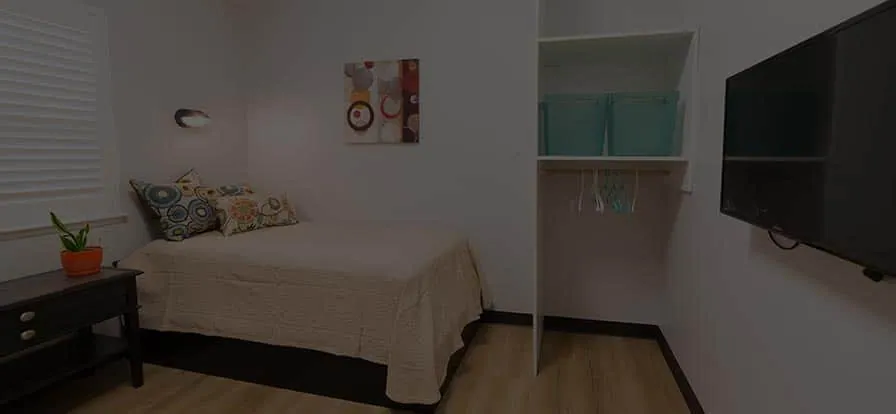 Inpatient
 Houston, TX
1019 Ashland St · 77008
- On-site labs
- 24-hour medical staff
Drug Detox Center in Houston, TX
-
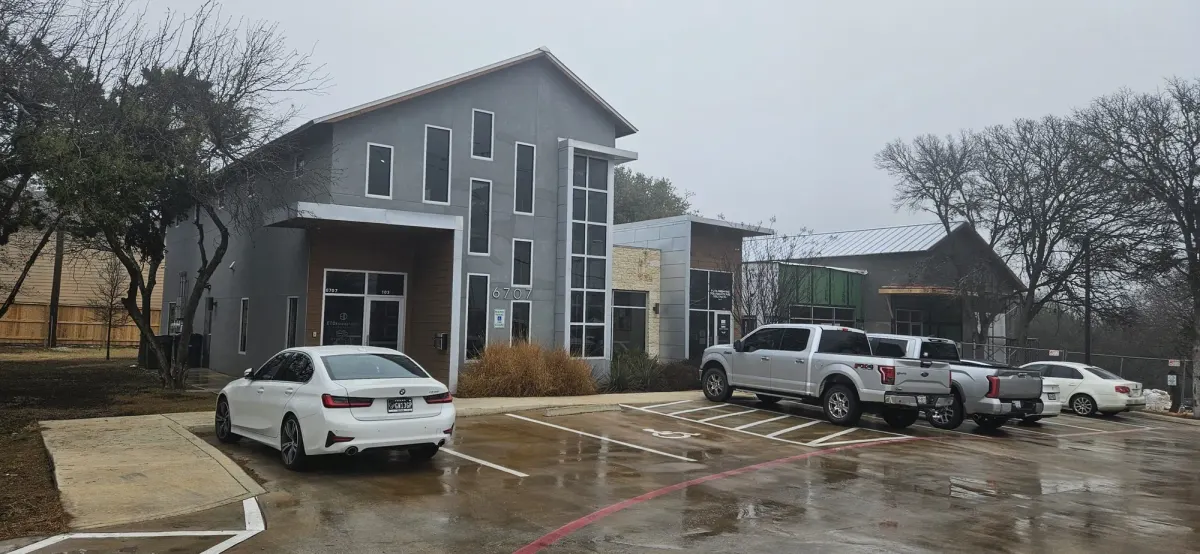 Outpatient
 San Antonio, TX
6707 W Hausman Rd · 78249
- Outpatient detox with scheduled medical visits
- Outpatient treatment
Outpatient Drug & Alcohol Detox in San Antonio
The Detox-Then-Rehab Pathway: How Most People Get Better
- Medical evaluation — assess withdrawal risk and health status
- Inpatient medical detox (5–10 days) — safely manage withdrawal with 24/7 support
- Residential rehab or IOP (30–90+ days) — address addiction’s root causes through therapy
- Aftercare and continuing care — sober living, outpatient counseling, 12-step or peer support
Austin-Specific Considerations for Alcohol Addiction Treatment
Austin has a vibrant recovery community, but it also has a culture deeply intertwined with alcohol — live music venues, bars on Sixth Street, and a social scene where drinking is often front and center. For people in early recovery, navigating Austin’s social landscape can be genuinely challenging, which is one more reason why a structured, supportive start to treatment matters. The good news is that Austin also has strong recovery infrastructure. There are numerous AA and SMART Recovery meetings throughout the city, a growing network of sober living homes, and treatment providers like Briarwood Detox Center that specialize in medically supervised alcohol detox for Austin residents and those traveling from surrounding Central Texas communities. When choosing a treatment program in Austin, look for:
- Accredited facilities with licensed medical staff and addiction specialists
- Programs that offer individualized treatment planning, not one-size-fits-all care
- Support for co-occurring mental health conditions (dual diagnosis)
- Clear aftercare planning built into the program from day one
- Insurance verification assistance and transparent cost information
Briarwood Detox Center is located in the Austin area and works with many major insurance plans to make treatment accessible. Our team can help you verify your coverage quickly and answer questions about what to expect before you ever walk through the door.
Signs You Should Not Wait — Seek Inpatient Detox Now
There are situations where the decision between inpatient and outpatient shouldn’t be deliberated for long. If you or someone you love is experiencing any of the following, inpatient medical detox is the appropriate and urgent next step:
- Shaking or tremors that don’t stop, even after drinking
- Seeing, hearing, or feeling things that aren’t there
- A seizure at any point during withdrawal
- Severe confusion or disorientation
- A racing or irregular heartbeat
- Extreme anxiety or panic that makes normal functioning impossible
- Inability to keep food or water down for more than a day
These are medical emergencies. If someone is actively seizing or losing consciousness, call 911 first. Once they are medically stable, connecting with a professional detox center like Briarwood is the next critical step. If you’re not in crisis but you’ve been drinking heavily for months or years and know you can’t just “stop on your own,” that knowledge itself is reason enough to seek inpatient care. You don’t have to be in crisis to deserve medical support.
How to Take the Next Step Toward Recovery in Austin
Frequently Asked Questions
What is the difference between inpatient detox and outpatient rehab for alcohol addiction?+–
Inpatient detox involves staying at a treatment facility around the clock, typically for 5–10 days, where medical staff monitor withdrawal and manage symptoms with medication. Outpatient rehab allows you to live at home while attending scheduled treatment sessions. When weighing inpatient detox vs. outpatient rehab for alcohol addiction in Austin, the right choice depends on your drinking history, medical background, and home environment.
Is alcohol withdrawal dangerous enough to require medical supervision?+–
Yes — alcohol withdrawal is one of the most physically dangerous of any substance, and in serious cases can cause seizures or a life-threatening condition called delirium tremens (DTs). Symptoms can begin within 6–24 hours after your last drink and escalate rapidly over the following days. If you've experienced tremors, hallucinations, or seizures when stopping alcohol before, medically supervised detox is strongly recommended.
How do I know if I need inpatient detox instead of outpatient care?+–
You may need inpatient detox if you drink heavily every day, have a history of seizures or DTs, have co-occurring medical or mental health conditions, or lack a stable and sober home environment. A medical evaluation is the most reliable way to determine your risk level and the appropriate level of care. Attempting to detox from alcohol without supervision can be dangerous for those with a significant history of heavy use.
Can I go straight to outpatient rehab without doing inpatient detox first?+–
For some people with mild alcohol dependence and a safe home environment, outpatient care may be appropriate from the start. However, many people struggling with alcohol addiction need to complete medically supervised inpatient detox before transitioning to outpatient rehab. Skipping detox when it's medically necessary puts you at serious risk for severe withdrawal complications.
What medications are used during inpatient alcohol detox?+–
During inpatient detox, medical staff may use FDA-approved medications to reduce withdrawal symptoms, prevent seizures, and keep you comfortable and safe. Common options include benzodiazepines, which help manage anxiety, tremors, and seizure risk. The specific protocol will depend on your health history, withdrawal severity, and any co-occurring conditions.
Where can I find inpatient detox for alcohol addiction in Austin?+–
Briarwood Detox Center offers a dedicated alcohol detox program in Austin with 24/7 medical monitoring and personalized care plans. When comparing inpatient detox vs. outpatient rehab for alcohol addiction in Austin, Briarwood's team can help you assess your needs and determine the safest starting point for your recovery. You can learn more about their alcohol detox program at briarwooddetox.com. Ready to Start Your Recovery in Austin? If you or someone you love needs more than detox, Briarwood Detox Center also provides rehab in austin texas . Briarwood Detox Center’s medical alcohol detox program provides medically supervised, evidence-based care. Does your insurance cover detox in Austin? Find out in about 2 minutes — free, confidential, no obligation. Verify Insurance Briarwood Detox Center offers medically supervised detox in Austin. Explore our locations, see the facility, and verify your insurance in minutes. Ready to talk to someone now? Briarwood Detox Center's admissions team is here 24/7, and every call is confidential. Call (866) 710-7710 . See our locations
Related guides


About the people behind this guide
Anna-Grace Washington
Medical Content Writer
Anna-Grace Washington is a Medical Content Writer for Briarwood Detox Center. She holds a master’s degree in clinical psychology from the University of Texas and brings a strong understanding of behavioral health, addiction recovery, and evidence-based treatment concepts to her writing.
Dr. Robert Ulrich, DO
Medical Director
Dr. Robert Ulrich serves as Medical Director at Briarwood Detox Center, bringing more than two decades of clinical neurology experience to the treatment of substance use disorders. He is board-certified in neurology by the American Board of Psychiatry and Neurology and completed his neurology residency at UT Southwestern Medical Center in Dallas, where he served as Chief Resident.
In network with most major insurance
Find your plan and see what detox would cost
Most plans cover medical detox. Coverage varies by plan, so we verify it for you before you commit to anything.


















Don't see your plan? We work with out-of-network benefits and offer self-pay options — (866) 710-7710
- Confidential
- Takes about 2 minutes
- No obligation to admit

- Accredited The Joint Commission
- Rated 4.5 · 95 Google reviews
- Admissions 24 hours a day