
Guide
How to Transport Your Daughter Safely to Detox in Houston
Joint Commission accredited · In network with most major insurance · Admissions answered 24 hours a day


Published July 1, 2026
Reviewed and updated July 29, 2026
If your daughter is currently intoxicated and needs to get to a detox facility in Houston, the safest approach is to avoid driving her yourself. Active intoxication—whether from alcohol, opioids, benzodiazepines, or stimulants—can make transport dangerous. She may experience unpredictable behavior, medical instability, or sudden changes in consciousness during the trip. The most reliable options are emergency medical services (EMS) if she's in medical distress, non-emergency medical transport if she's stable but unable to consent, or a trusted sober adult if she's cooperative and medically stable enough to travel by private vehicle.
If you or someone you love needs more than detox, Briarwood Detox Center also provides houston drug rehab.
Why Active Intoxication Complicates Transport to a Detox Facility in Houston
Intoxication isn't just impaired judgment—it's a dynamic physiological state. Blood alcohol levels can continue rising after the last drink. Opioid overdose can progress rapidly. Sedative intoxication can cause respiratory depression. Stimulant intoxication can trigger agitation, paranoia, or cardiovascular events. All of these make unsupervised transport risky.
Does your insurance cover detox in Houston?
Find out in about 2 minutes — free, confidential, no obligation.
Verify InsuranceIf your daughter is visibly impaired, you cannot assume she'll remain stable for the duration of a car ride. She may vomit and aspirate, become combative, or lose consciousness. These are medical emergencies that require immediate intervention, not a civilian vehicle speeding toward a facility.
At Briarwood Detox Center's Houston outpatient location, we frequently speak with families in exactly this position. The question of how to transport your daughter safely to a detox facility in Houston when she's intoxicated is one we take seriously, because the answer depends entirely on her current medical status.
When to Call 911 Instead of Attempting Private Transport
Call emergency services immediately if your daughter shows any of these signs:
- Unresponsive or difficult to wake
- Slow, irregular, or absent breathing (fewer than 8 breaths per minute)
- Blue or gray lips, fingernails, or skin
- Seizures or convulsions
- Severe confusion, hallucinations, or threatening behavior
- Chest pain, rapid or irregular heartbeat
- Vomiting while unconscious or semi-conscious
EMS personnel are trained to manage acute intoxication and can administer naloxone for opioid overdose, secure an airway, start IV fluids, and monitor vitals en route. They'll transport her to the nearest emergency department for stabilization. Once she's medically cleared, the hospital social worker or discharge planner can coordinate transfer to Briarwood Detox Center's Houston outpatient program or refer her to our Austin inpatient facility if higher-level care is needed.
Do not let fear of legal consequences or stigma delay calling 911. Texas has a Good Samaritan law that provides limited immunity to individuals who seek emergency help for someone experiencing a drug or alcohol overdose.
Non-Emergency Medical Transport Options for Safe Transfer to a Houston Detox Facility
If your daughter is intoxicated but not in immediate medical crisis—she's conscious, breathing normally, and not violent—non-emergency medical transport (NEMT) may be appropriate. These services are staffed by EMTs or paramedics and equipped to handle medical issues that arise during transport.
NEMT is particularly useful when:
- Your daughter is willing to go to detox but too impaired to travel safely in a regular vehicle
- You're concerned about her behavior becoming unpredictable en route
- She has a history of withdrawal seizures or other complications
- Distance to the facility is significant
Some insurance plans, including certain Medicaid managed-care plans in Texas, cover NEMT for substance use treatment. Medicare may cover ambulance transport if the trip is deemed medically necessary and other forms of transportation could endanger her health. Contact your insurer to verify benefits before arranging transport.
Private medical transport companies operate in the Houston area. Costs vary but typically range from a few hundred to over a thousand dollars depending on distance and level of care required. When you call Briarwood Detox Center to verify insurance and schedule admission, our intake coordinators can help you explore transport options and answer questions about how to get your daughter safely to our Houston location if she's currently intoxicated.
Private Vehicle Transport: When It's Safe and What Precautions to Take
If your daughter is mildly intoxicated, cooperative, and medically stable—able to sit upright, respond to questions, and not at risk of vomiting or losing consciousness—you may transport her in a private vehicle. This option requires careful judgment and continuous monitoring.
Follow these safety protocols:
- Never drive alone. Have a second sober adult in the back seat with her to monitor her condition and intervene if needed.
- Keep her awake and talking. Drowsiness can progress to unresponsiveness, especially with alcohol or sedatives.
- Position her upright. Do not let her lie flat—aspiration risk increases if she vomits.
- Pull over immediately if her condition worsens. Call 911 if she becomes unresponsive or stops breathing normally.
- Avoid confrontation. If she becomes agitated or tries to leave the vehicle, do not physically restrain her. Pull over in a safe location and call for help.
Keep the drive calm. Play quiet music, avoid accusatory language, and reassure her that she's going to a place where medical professionals will help her feel better. The goal is to get her to the Houston detox facility without escalation or medical emergency.
Where we are
Detox centers across Texas
Three locations, each with its own admissions line and its own clinical team. Pick the one nearest you — or call and we will tell you which has a bed tonight.
-
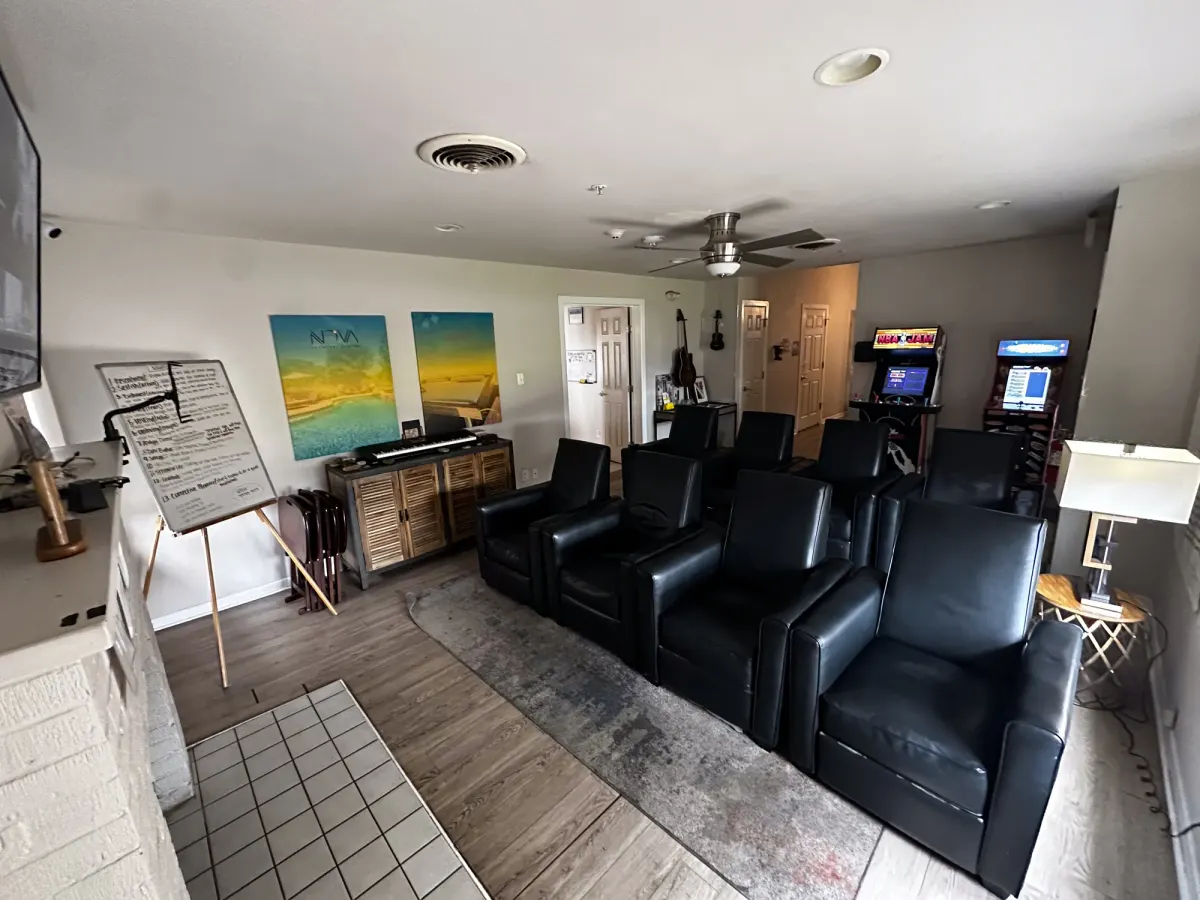 Inpatient
 Austin, TX
11711 N Lamar Blvd · 78753
- 15 beds
- On-site labs
- 24-hour medical staff
Drug & Alcohol Detox in Austin, TX
-
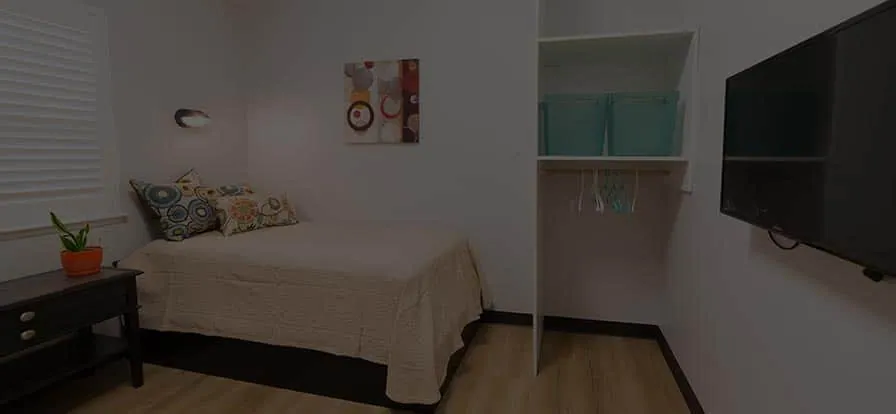 Inpatient
 Houston, TX
1019 Ashland St · 77008
- On-site labs
- 24-hour medical staff
Drug Detox Center in Houston, TX
-
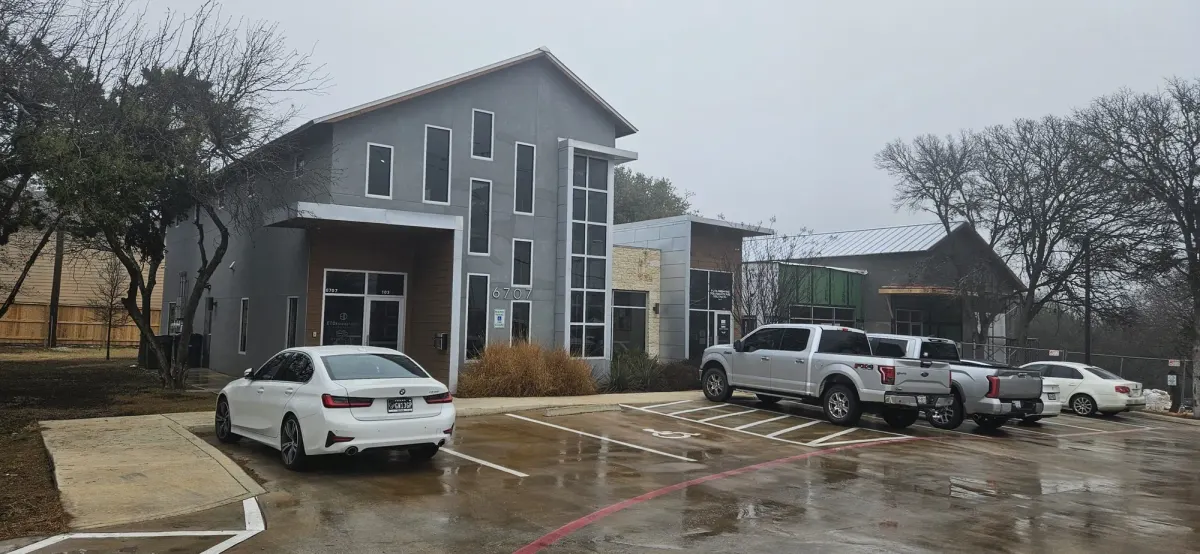 Outpatient
 San Antonio, TX
6707 W Hausman Rd · 78249
- Outpatient detox with scheduled medical visits
- Outpatient treatment
Outpatient Drug & Alcohol Detox in San Antonio
What Happens When Your Daughter Arrives at Briarwood Detox Center's Houston Location
Upon arrival at our Houston outpatient facility, your daughter will be assessed by our clinical team. If she's still visibly intoxicated, we'll evaluate whether outpatient detox is safe or whether she requires inpatient medical supervision. Severe alcohol withdrawal, high-dose benzodiazepine dependence, and polysubstance use often necessitate inpatient care, which we provide at our Austin location with 24/7 nursing and physician oversight.
Our medical staff will check vital signs, review substance use history, screen for co-occurring medical and psychiatric conditions, and create an individualized detox plan. Depending on the substance and severity of dependence, we may administer medications to ease withdrawal—anti-seizure drugs for alcohol, buprenorphine or methadone for opioids, comfort medications for nausea and anxiety.
Ready to talk to someone now? Briarwood Detox Center's admissions team is here 24/7, and every call is confidential. Call (512) 960-4061.If she arrived intoxicated, we'll monitor her closely as substances clear her system. Withdrawal typically begins hours to days after the last use, and symptoms can range from mild discomfort to life-threatening complications. That's why medically supervised detox is essential—and why getting her there safely is the critical first step.
How to Prepare for Transport and Admission to a Detox Facility in Houston
Before you attempt to transport your daughter safely to a detox facility in Houston if she's currently intoxicated, take a few preparatory steps to smooth the admission process:
- Call ahead. Contact Briarwood Detox Center to confirm bed availability, verify insurance, and discuss her current condition. Our team can advise whether she should go to an ER first.
- Gather documents. Bring her ID, insurance card, and any prescription bottles. If she takes medications for chronic conditions (diabetes, hypertension, asthma), bring those too.
- Pack essentials. Comfortable clothing, toiletries, phone charger. Leave valuables at home.
- Know her substance use. When did she last use? What substance(s)? How much? This information helps our medical team anticipate withdrawal timing and severity.
- Have a backup plan. If her condition deteriorates, you may need to divert to the nearest ER. Know where the closest emergency department is along your route.
Families often ask whether their daughter must consent to treatment. Texas law allows involuntary emergency detention for individuals who pose an immediate danger to themselves or others due to mental illness or substance use, but this requires a court order or peace officer's intervention. Voluntary admission is always preferable and leads to better outcomes. If your daughter is ambivalent, focus on immediate relief: "Let's get you somewhere you'll feel better and be safe."
The Role of Medical Clearance and Why It Matters for Safe Detox
If your daughter arrives at the detox facility in Houston while still intoxicated, medical clearance becomes a critical checkpoint. Some facilities require ER clearance before admission—a brief hospital stay to rule out head injury, overdose requiring antagonist drugs, or other acute complications.
Briarwood Detox Center's clinical team assesses each patient individually. If we determine that her intoxication level or medical complexity exceeds what can be safely managed in our outpatient Houston setting, we'll coordinate transfer to our Austin inpatient program or recommend hospital-based stabilization first. This isn't a rejection—it's a clinical safety decision. Detox can be life-threatening if not matched to the right level of care.
Alcohol withdrawal, for example, can cause seizures and delirium tremens days after the last drink. Benzodiazepine withdrawal carries similar risks. Opioid withdrawal, while rarely fatal on its own, can be medically complicated by dehydration, cardiovascular strain, or co-occurring conditions. Stimulant intoxication can mask underlying exhaustion and malnutrition that surface once the drug wears off. All of this is why medical supervision—and safe transport to get that supervision—is non-negotiable.
Why Medically Supervised Detox in Houston Provides the Foundation for Recovery
Transporting your daughter safely to a detox facility in Houston while she's intoxicated is the urgent priority, but it's also the first step in a longer process. Detoxification addresses physical dependence and acute withdrawal, creating a stable foundation for the next phase of treatment—whether that's outpatient counseling, intensive outpatient programming, or residential rehab.
Briarwood Detox Center specializes in the medical and psychiatric complexities of early withdrawal. We don't provide long-term residential treatment or sober housing, but we do connect patients and families with appropriate continuing care. Our Houston outpatient detox program serves individuals who can safely withdraw at home with daily or several-times-weekly medical check-ins. Our Austin inpatient facility offers 24/7 monitoring for those who need it.
Detox alone isn't treatment—it's stabilization. But without safe, medically supervised detox, the risk of relapse, medical complications, or even death during unsupervised withdrawal is unacceptably high. That's why knowing how to get her there safely, even when she's currently intoxicated, matters so much.
If your daughter is struggling with substance use and you're unsure how to navigate transport or admission, Briarwood Detox Center's team is here to help. Reach out to discuss her situation, verify insurance coverage, and create a safe plan for getting her the medical care she needs.
Ready to take the next step?
Briarwood Detox Center provides medically supervised drug & alcohol detox. Call (512) 960-4061 to speak with our team today.
Frequently Asked Questions
How long does someone stay in a detox center?+–
Detox length depends on the substance and severity of dependence. Alcohol detox typically lasts 5 to 7 days, opioid detox 5 to 10 days, and benzodiazepine detox can extend to 10 to 14 days or longer due to the need for gradual tapering. Each patient's timeline is individualized based on medical stability, withdrawal symptoms, and co-occurring conditions. Briarwood Detox Center's clinical team monitors progress daily and adjusts the treatment plan as needed.
Does insurance pay for flights to rehab?+–
Some insurance plans cover medically necessary air transport if the patient requires a level of care unavailable locally and ground transport is not feasible. However, most plans do not cover routine air travel for convenience. Medicare may cover ambulance transport, including air ambulance, if criteria for medical necessity are met. Contact your insurer to verify whether your plan includes transportation benefits for substance use treatment and what documentation is required.
What is the only way to sober up a person who is intoxicated?+–
Time is the only way to sober up. The liver metabolizes alcohol at a fixed rate—roughly one standard drink per hour—and no amount of coffee, cold showers, or food accelerates this. For drug intoxication, the body must clear the substance through metabolism and excretion. Medical interventions like naloxone can reverse opioid overdose, but they don't speed sobriety—they restore breathing. Attempting to force sobriety through home remedies is ineffective and can delay necessary medical care.
Can you court order someone to go to rehab?+–
Yes, under certain circumstances. In Texas, a court can order involuntary commitment for substance use treatment if the individual poses a danger to themselves or others and meets legal criteria for emergency detention. Family members can petition for court-ordered treatment, but the process requires legal proceedings and clinical evaluation. Voluntary treatment is generally more effective, but court-ordered treatment can be a life-saving intervention when someone is unable or unwilling to seek help independently.
What drug takes the longest to detox?+–
Benzodiazepines typically require the longest detox due to the need for slow, medically supervised tapering to prevent seizures and severe withdrawal. Long-acting benzodiazepines like clonazepam or diazepam can take weeks or even months to safely discontinue. Alcohol and opioid detox are usually shorter—days to two weeks—but all timelines depend on dosage, duration of use, and individual metabolism. Briarwood Detox Center tailors each detox protocol to the patient's specific needs and medical history.
How many days does Medicare pay 100% for rehab?+–
Medicare Part A covers inpatient hospital-based rehab with no copay for the first 60 days per benefit period, after which coinsurance applies. However, Medicare does not typically cover residential substance use treatment at the same rate as inpatient hospital care. Medicare Part B covers outpatient detox and counseling, usually with a 20% coinsurance after the deductible. Coverage details vary, so verify benefits with Medicare or a supplemental plan before admission.
Can I bring my car to rehab?+–
Policies vary by facility. Briarwood Detox Center's Austin inpatient program allows patients to park personal vehicles on-site, though driving privileges during detox are restricted for safety reasons. Our Houston outpatient program assumes patients have local transportation. If you're traveling from out of town, ask about parking and vehicle storage during your intake call. Some families prefer to keep the car at home to eliminate one logistical concern during early recovery.
How to get Medicare to pay for transportation?+–
Medicare Part B covers ambulance transport when medically necessary—meaning other transportation could endanger your health. Non-emergency medical transport is generally not covered unless you have a Medicare Advantage plan that includes it as an extra benefit. Some state Medicaid programs cover NEMT for substance use treatment appointments. To maximize the chance of coverage, obtain a physician's order stating that medical transport is required and submit a pre-authorization request to Medicare or your Advantage plan before the trip. Ready to Start Your Recovery in Houston? Briarwood Detox Center offers medically supervised detox in Houston. Explore our locations, see the facility, and verify your insurance in minutes. See our locations
Related guides



About the people behind this guide
Anna-Grace Washington
Medical Content Writer
Anna-Grace Washington is a Medical Content Writer for Briarwood Detox Center. She holds a master’s degree in clinical psychology from the University of Texas and brings a strong understanding of behavioral health, addiction recovery, and evidence-based treatment concepts to her writing.
Dr. Robert Ulrich, DO
Medical Director
Dr. Robert Ulrich serves as Medical Director at Briarwood Detox Center, bringing more than two decades of clinical neurology experience to the treatment of substance use disorders. He is board-certified in neurology by the American Board of Psychiatry and Neurology and completed his neurology residency at UT Southwestern Medical Center in Dallas, where he served as Chief Resident.
In network with most major insurance
Find your plan and see what detox would cost
Most plans cover medical detox. Coverage varies by plan, so we verify it for you before you commit to anything.



















Don't see your plan? We work with out-of-network benefits and offer self-pay options — (512) 960-4061
- Confidential
- Takes about 2 minutes
- No obligation to admit
- Accredited The Joint Commission
- Rated 5.0 · 8 Google reviews
- Admissions 24 hours a day