
Guide
My Son Is Addicted to Heroin and Refuses Help in Texas
Joint Commission accredited · In network with most major insurance · Admissions answered 24 hours a day

Published June 30, 2026
Reviewed and updated July 29, 2026
If your son is addicted to heroin and refuses help, you have several options in Texas, including staging a professional intervention, exploring emergency detention under specific legal criteria, verifying insurance benefits for detox care, and connecting with medical professionals who specialize in opioid withdrawal. While you cannot force an adult into treatment without meeting strict legal standards, you can create conditions that make entering detox safer and more appealing than continuing to use.
Briarwood Detox Center’s heroin detox program provides medically supervised, evidence-based care.
Briarwood Detox Center’s family support program provides medically supervised, evidence-based care.
Understanding Why Your Son Refuses Help
Heroin addiction changes brain chemistry in ways that make refusing help feel rational to the person suffering. Opioids hijack the reward system, creating powerful physical dependence alongside psychological compulsion. Your son may refuse help because withdrawal symptoms terrify him, because shame keeps him isolated, or because the drug has convinced his brain that survival depends on continued use.
Does your insurance cover detox in Austin?
Find out in about 2 minutes — free, confidential, no obligation.
Verify InsuranceDenial is a clinical feature of addiction, not a character flaw. The prefrontal cortex—responsible for decision-making and impulse control—shows measurable changes in people with opioid use disorder. He may genuinely believe he does not have a problem, or that he can stop on his own, even when evidence suggests otherwise.
Understanding this neurobiology does not excuse harmful behavior, but it does explain why logic, pleading, and ultimatums often fail. Heroin addiction requires medical intervention, and detox is the necessary first step before any other treatment can take hold.
What Are My Options When My Son Is Addicted to Heroin and Refuses Help in Texas?
Texas law and practical reality offer several pathways when a loved one refuses care. None of these options is simple, and each requires careful consideration of timing, safety, and legal standards.
Professional Intervention
A structured intervention led by a trained interventionist can break through denial. This is not the confrontational television version—it is a planned, compassionate conversation designed to help your son see the consequences of his use and accept an immediate path to detox. Professional interventionists understand opioid addiction and can de-escalate resistance.
Successful interventions happen when detox admission is pre-arranged, insurance is verified, and the family presents a unified, non-judgmental message. The goal is to make saying yes easier than saying no in that moment.
Emergency Detention in Texas
Texas Health and Safety Code allows for emergency detention if a person poses an imminent risk of serious harm to themselves or others due to mental illness or substance use. This is a high legal bar. You cannot petition for detention simply because someone is using heroin—there must be an immediate, observable crisis such as overdose, suicidal behavior, or violent actions linked to intoxication or withdrawal.
If your son meets these criteria, law enforcement or a mental health officer can transport him to a facility for evaluation. Detention is temporary and focused on stabilization, not long-term treatment. It is not a substitute for voluntary admission to detox, but it can create a window of safety during which medical professionals can assess his condition and present treatment options.
Leverage Natural Consequences
Enabling behavior—providing money, housing without boundaries, or minimizing legal consequences—removes the discomfort that sometimes motivates change. Setting firm, loving boundaries is not abandonment. You can refuse to fund his use while remaining emotionally present and ready to help him enter detox the moment he is willing.
This might mean he faces arrest, homelessness, or medical crisis. Those outcomes are painful to witness, but heroin addiction is progressive and fatal if left untreated. Sometimes the consequences of using must outweigh the fear of detox before a person will accept help.
Where we are
Detox centers across Texas
Three locations, each with its own admissions line and its own clinical team. Pick the one nearest you — or call and we will tell you which has a bed tonight.
-
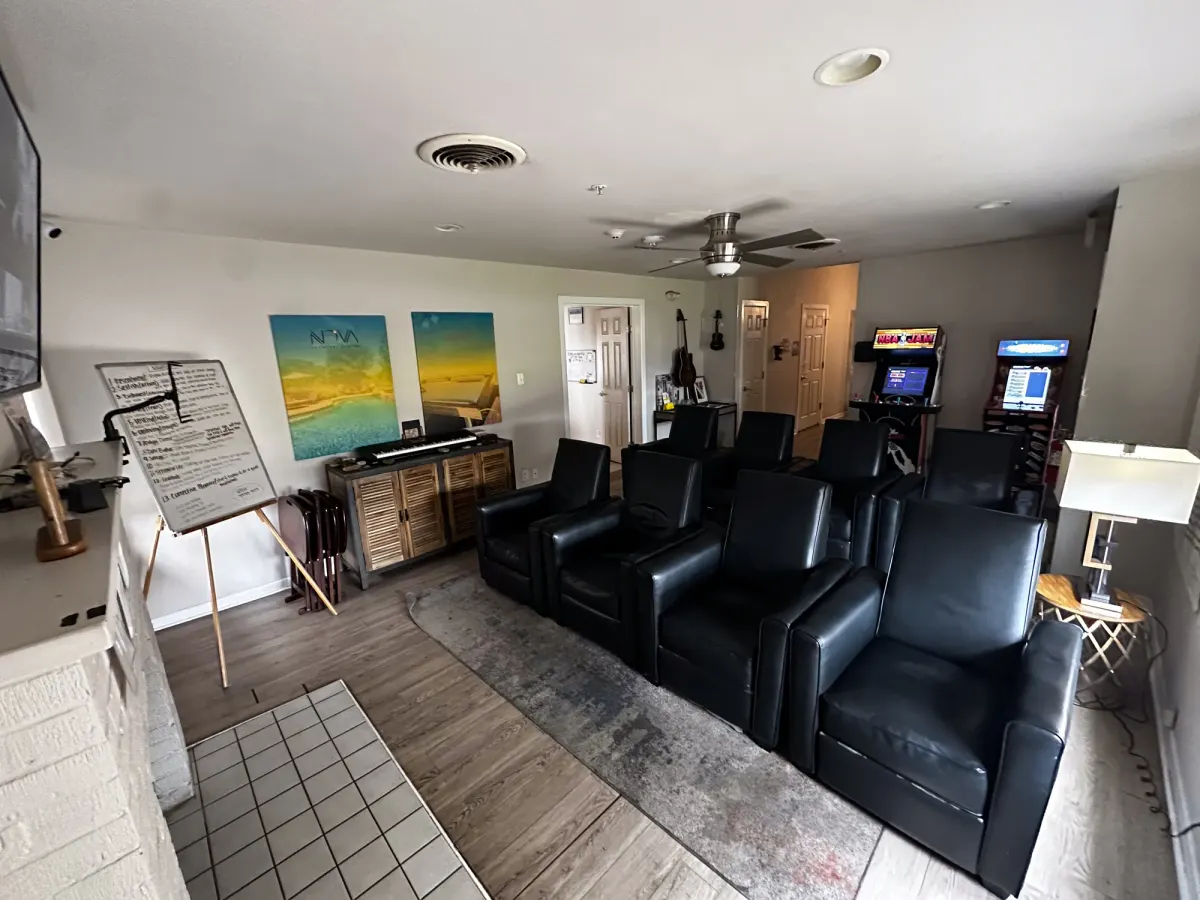 Inpatient
 Austin, TX
11711 N Lamar Blvd · 78753
- 15 beds
- On-site labs
- 24-hour medical staff
Drug & Alcohol Detox in Austin, TX
-
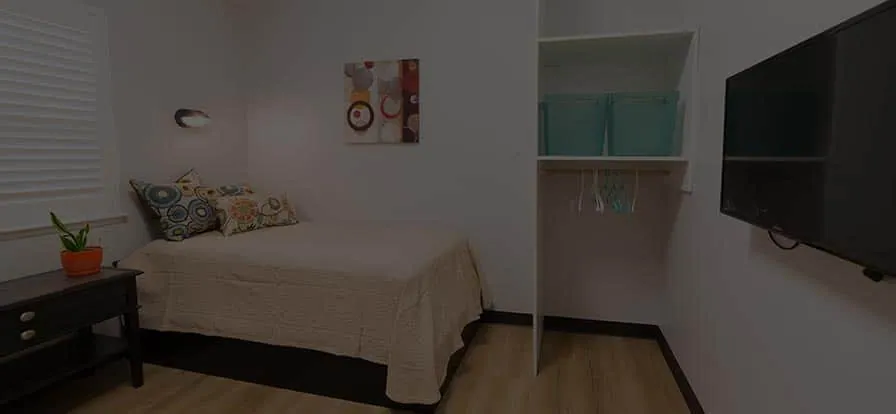 Inpatient
 Houston, TX
1019 Ashland St · 77008
- On-site labs
- 24-hour medical staff
Drug Detox Center in Houston, TX
-
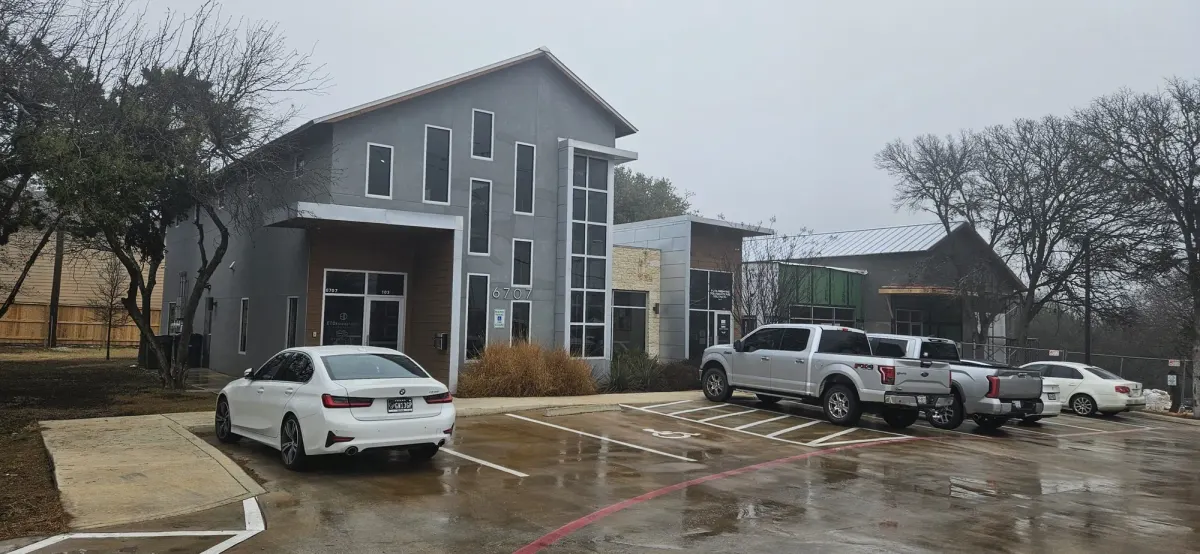 Outpatient
 San Antonio, TX
6707 W Hausman Rd · 78249
- Outpatient detox with scheduled medical visits
- Outpatient treatment
Outpatient Drug & Alcohol Detox in San Antonio
How Heroin Detox Works in Texas
Heroin withdrawal is not typically life-threatening, but it is intensely uncomfortable—severe enough that many people return to use rather than endure it. Symptoms begin within 6 to 12 hours of the last dose and peak around 48 to 72 hours. They include muscle aches, nausea, vomiting, diarrhea, agitation, insomnia, and overwhelming cravings.
Medically supervised detox manages these symptoms with medications like buprenorphine or methadone, which ease withdrawal without producing euphoria. Anti-nausea drugs, sleep aids, and around-the-clock monitoring make the process safer and more tolerable. In Austin, inpatient detox provides 24/7 medical oversight in a controlled environment. In Houston and San Antonio, outpatient detox allows patients to detox at home with daily clinical visits and medication management.
Detox alone is not addiction treatment—it is stabilization. But it is the essential foundation. Without clearing heroin from the system and managing acute withdrawal, no therapy, counseling, or support group can gain traction.
Ready to talk to someone now? Briarwood Detox Center's admissions team is here 24/7, and every call is confidential. Call (866) 710-7710.When My Son Is Addicted to Heroin and Refuses Help, Can I Use Insurance?
Most Texas health insurance plans, including Medicaid and Medicare, cover opioid detoxification as a medical necessity. You can verify your son's benefits even if he is resistant to treatment. Knowing what his plan covers—inpatient versus outpatient, duration of stay, co-pays—prepares you to act quickly if he becomes willing.
Briarwood Detox Center works with most major insurance carriers and can conduct a confidential benefits check. Payment plans are available for portions not covered by insurance. Understanding costs in advance removes one barrier when the window of willingness opens.
What If My Son Overdoses?
Heroin overdose is a medical emergency. Opioids suppress breathing, and without intervention, overdose is fatal. If you find your son unresponsive, not breathing normally, or with blue lips and fingernails, call 911 immediately. Texas Good Samaritan laws protect people who seek emergency help during an overdose from certain drug possession charges.
Narcan (naloxone) reverses opioid overdose within minutes. You can obtain it without a prescription at most Texas pharmacies. Keep it available. After an overdose, the risk of another is extremely high—this is often the moment when someone will accept detox.
Balancing Hope and Self-Care
Loving someone addicted to heroin is exhausting and traumatic. You will need support. Al-Anon, Nar-Anon, and family therapy provide space to process grief, fear, and frustration without judgment. Taking care of your own mental health does not mean giving up on your son—it means you will be stronger and clearer when he is ready.
There is no guaranteed timeline. Some people enter detox after one conversation. Others require years of consequences, relapses, and near-death experiences. Your role is to stay informed, maintain boundaries, and be ready to facilitate admission to detox the moment willingness appears.
Why Detox Is Urgent
Heroin use in Texas increasingly involves fentanyl, a synthetic opioid 50 times stronger than heroin. Your son may not know what he is using, and one dose can be lethal. Every day of active use is a day he may not survive. Detox is not a cure, but it is the beginning of the only path that leads away from overdose and death.
If your son is addicted to heroin and refuses help, know that change is possible and that medical detox can make withdrawal manageable. Briarwood Detox Center provides confidential consultations and insurance verification for families in Austin, Houston, and San Antonio who are navigating these difficult decisions.
Ready to take the next step?
Briarwood Detox Center provides medically supervised drug & alcohol detox. Call (866) 710-7710 to speak with our team today.
Frequently Asked Questions
How to help a drug addict who refuses help?+–
Focus on creating consequences that make using harder than accepting help, such as refusing financial support and setting firm boundaries. Arrange a professional intervention with pre-verified insurance and immediate detox admission. Stay emotionally available so that when your loved one is ready, the path to detox is clear and accessible.
How do I get help for my drug addicted son?+–
Start by verifying his insurance benefits for detox and identifying a facility that offers medically supervised withdrawal management. If he is willing, arrange immediate admission. If he refuses, consider a professional intervention or wait for a crisis moment when he may be more open to accepting care. Keep Narcan on hand in case of overdose.
Is addiction a disability in Texas?+–
Under federal law, including the Americans with Disabilities Act, substance use disorder can be considered a disability if the person is in recovery or participating in treatment. Active illegal drug use is generally not protected. However, this status may provide workplace accommodations and access to certain services once someone enters treatment or completes detox.
When do I give up on my drug addict son?+–
You do not have to give up, but you do need to protect your own well-being and stop enabling his use. Set boundaries that prevent you from funding or facilitating addiction while remaining emotionally present. Detachment with love means you are ready to help him enter detox when he is willing, but you will not sacrifice your health waiting for that moment.
What is the 3 3 3 rule for addiction?+–
The 3-3-3 rule is an informal guideline some clinicians use to describe early recovery milestones: three days to get through acute withdrawal, three weeks to start feeling physically stable, and three months to begin rebuilding habits and routine. It is not a clinical standard but a framework to set realistic expectations during detox and early sobriety.
What to do when someone refuses to get help?+–
Stop enabling by removing financial support, housing without conditions, and other resources that make continued use possible. Educate yourself about detox options and verify insurance. Stay ready to act during a crisis or moment of willingness. Consider professional intervention or, in life-threatening situations, explore emergency detention if legal criteria are met in Texas.
How to deal with an addict who won't get help?+–
Maintain boundaries to protect your own mental health while staying informed about detox options. Avoid arguing or pleading, which rarely work. Instead, calmly present facts about what medical detox involves and have admission pre-arranged. Be present without rescuing, so that when consequences become unbearable, help is immediately accessible.
What are the top 3 worst addictions?+–
Heroin, fentanyl, and methamphetamine are often cited as the most dangerous due to overdose risk, severe withdrawal, and rapid physical deterioration. Alcohol and benzodiazepines also rank highly because their withdrawal can be life-threatening without medical supervision. All of these substances require professional detox for safe discontinuation. Ready to Start Your Recovery in Austin? Briarwood Detox Center offers medically supervised detox in Austin. Explore our locations, see the facility, and verify your insurance in minutes. See our locations
Related guides

About the people behind this guide
Anna-Grace Washington
Medical Content Writer
Anna-Grace Washington is a Medical Content Writer for Briarwood Detox Center. She holds a master’s degree in clinical psychology from the University of Texas and brings a strong understanding of behavioral health, addiction recovery, and evidence-based treatment concepts to her writing.
Dr. Robert Ulrich, DO
Medical Director
Dr. Robert Ulrich serves as Medical Director at Briarwood Detox Center, bringing more than two decades of clinical neurology experience to the treatment of substance use disorders. He is board-certified in neurology by the American Board of Psychiatry and Neurology and completed his neurology residency at UT Southwestern Medical Center in Dallas, where he served as Chief Resident.
In network with most major insurance
Find your plan and see what detox would cost
Most plans cover medical detox. Coverage varies by plan, so we verify it for you before you commit to anything.



















Don't see your plan? We work with out-of-network benefits and offer self-pay options — (866) 710-7710
- Confidential
- Takes about 2 minutes
- No obligation to admit

- Accredited The Joint Commission
- Rated 4.7 · 183 Google reviews Flourishing Foundations Recovery, now part of Briarwood
- Admissions 24 hours a day