
Guide
Has Anyone Tried Ice in an Electric Dab Rig in San Antonio?
Joint Commission accredited · In network with most major insurance · Admissions answered 24 hours a day
Published December 1, 2025
Reviewed and updated July 29, 2026
Key Takeaways · 9 points
- Searching for ways to use ice in an electric dab rig is a warning sign that drug use may be escalating rather than a harmless experiment. It often reflects growing tolerance, secrecy, or fear of withdrawal.
- Ice is crystal methamphetamine and electric dab rigs are not designed or tested for heating stimulants, opioids, or crushed pills. Using them together can create toxic fumes and highly unpredictable doses.
- Smoking stimulants or opioids in a dab rig increases the risk of overdose, heart problems, breathing difficulties, and serious mental health effects. Mixing these drugs with alcohol or other sedatives raises the danger even more.
- Hydromorphone is a potent opioid that can quickly lead to dependence and withdrawal when used outside of medical guidance. Signs such as craving, dose escalation, or experimenting with new ways to take it point to the need for supervised detox.
- Outpatient detox treatment for alcohol in San Antonio at Briarwood offers structured medical monitoring while allowing people to continue living at home when it is safe to do so. This level of care can be a good fit for those with moderate withdrawal risk and reliable support.
- Medically assisted detox at Briarwood uses evidence‑based medications and monitoring to manage withdrawal from hydromorphone and other opioids. The goal is to reduce symptoms, improve safety, and prepare each person for ongoing treatment.
- Briarwood’s focus within the network of drug treatment centers in San Antonio is on safe, individualized detox rather than one‑size‑fits‑all care. Staff coordinate next steps so that detox becomes the first step in a longer recovery plan.
- Curiosity about new ways to use ice or opioids, especially when paired with hiding use or feeling unable to cut back, is a signal to reach out for help. Families and individuals can speak with Briarwood staff to explore options without pressure or judgment.
- Contacting Briarwood Detox Center connects you with admissions specialists who can review your situation and recommend the safest inpatient or outpatient detox plan. They also help with insurance questions and scheduling so you can start care as soon as possible.
Break Free from Addiction. Detox Safely in San Antonio Today.
Medically Supervised Detox – Compassionate Care Starts Here.
When someone types a question like “Has anyone tried ice in an electric dab rig in San Antonio?” it may look like simple curiosity. In reality, it often signals a deeper concern about drug use, tolerance, and the search for stronger or more discreet ways to get high.
“Ice” is a common street name for crystal methamphetamine, a powerful stimulant that can cause rapid heartbeat, elevated blood pressure, overheating, and a high risk of addiction and overdose.
Electric dab rigs are electronic devices designed to vaporize concentrated cannabis products, not stimulants or opioids. Putting the two together introduces unknown doses, toxic by‑products from burning fillers, and unpredictable health effects.
Briarwood Detox Center in San Antonio does not provide advice on how to use drugs. Instead, the focus is on helping people who find themselves caught between curiosity, dependence, and fear of withdrawal. That often includes individuals using methamphetamine, alcohol, prescription opioids such as hydromorphone, or some combination of these substances.
Why This Search Is a Red Flag, Not a How‑To
A search about using ice in an electric dab rig usually means at least one of the following is happening:
- Existing methods of use are no longer producing the same effects.
- There is growing tolerance to methamphetamine, hydromorphone, or other drugs.
- The person is trying to hide use from family, employers, or probation.
As tolerance builds, people often experiment with different routes of administration or combinations of drugs to chase the same high. Research on opioids and other substances shows that escalating doses and changing how a drug is taken are strong markers of substance use disorder.
Instead of answering “whether it works,” it is more helpful—and safer—to treat this kind of search as a signal that professional support may be needed, especially if alcohol, opioids, or hydromorphone are also involved.
What “Ice” and Electric Dab Rigs Actually Are
Ice as a Street Name for Methamphetamine
“Ice” is a slang term for crystal methamphetamine. It is a highly addictive central nervous system stimulant that often appears as glass‑like crystals or rocks. Short‑term use can bring intense euphoria, alertness, and decreased appetite. Long‑term or heavy use is associated with heart problems, severe dental damage, weight loss, anxiety, paranoia, and psychosis.
Because ice is so potent, even small increases in dose—or changes in how it is inhaled or heated—can sharply increase the risk of stroke, cardiac arrest, or overdose.
Electric Dab Rigs and High‑Potency Vapor Devices
Electric dab rigs (also called e‑rigs) are electronic devices that heat small amounts of cannabis concentrates to create vapor. They are engineered for specific products and temperatures. They are not tested or approved for methamphetamine, crushed pills, or other street drugs. Using them for that purpose can:
- Break down fillers and binders in tablets into toxic fumes
- Deliver very uneven doses
- Trigger burns or device damage
From a medical perspective, there is no safe or recommended way to heat ice, hydromorphone, or any other non‑cannabis substance in these devices.
Where we are
Detox centers across Texas
Three locations, each with its own admissions line and its own clinical team. Pick the one nearest you — or call and we will tell you which has a bed tonight.
-
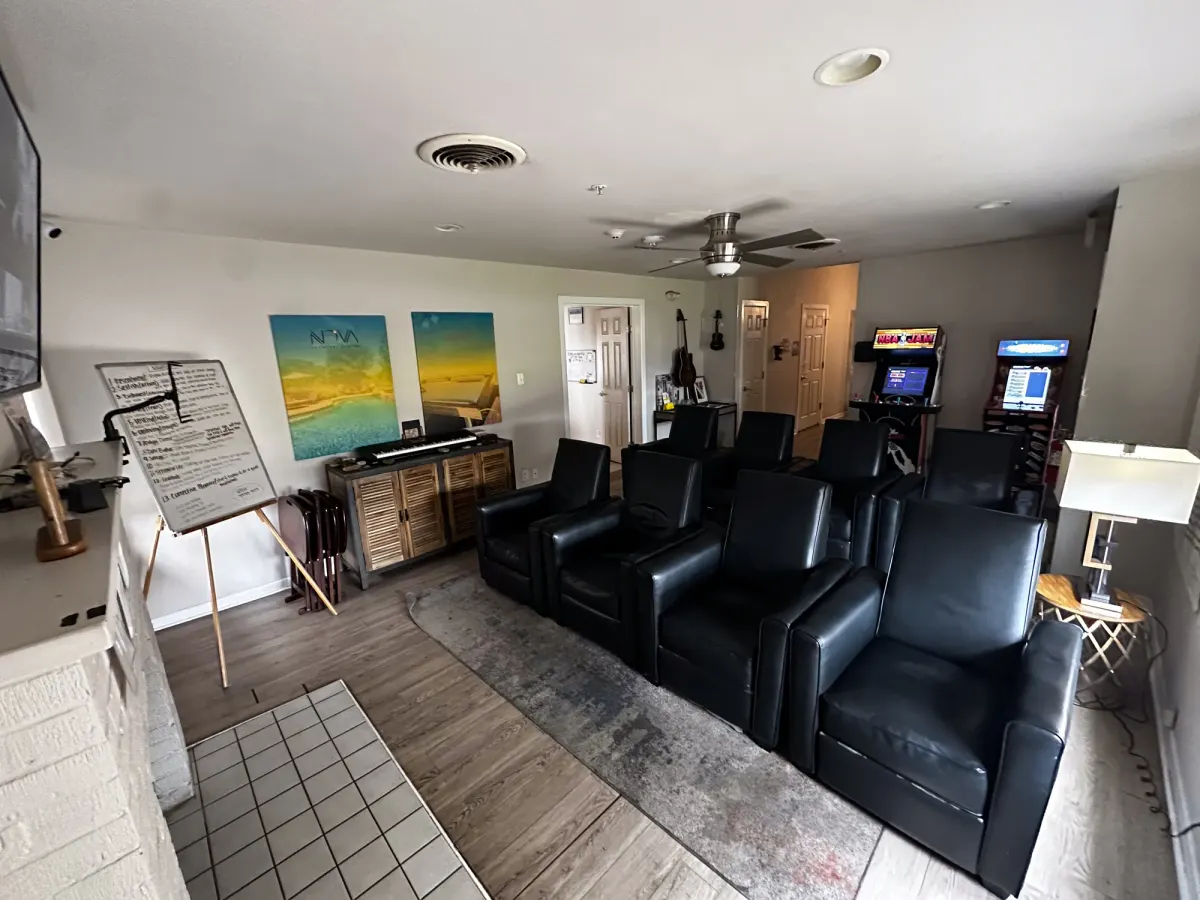 Inpatient
 Austin, TX
11711 N Lamar Blvd · 78753
- 15 beds
- On-site labs
- 24-hour medical staff
Outpatient Detox in Austin
-
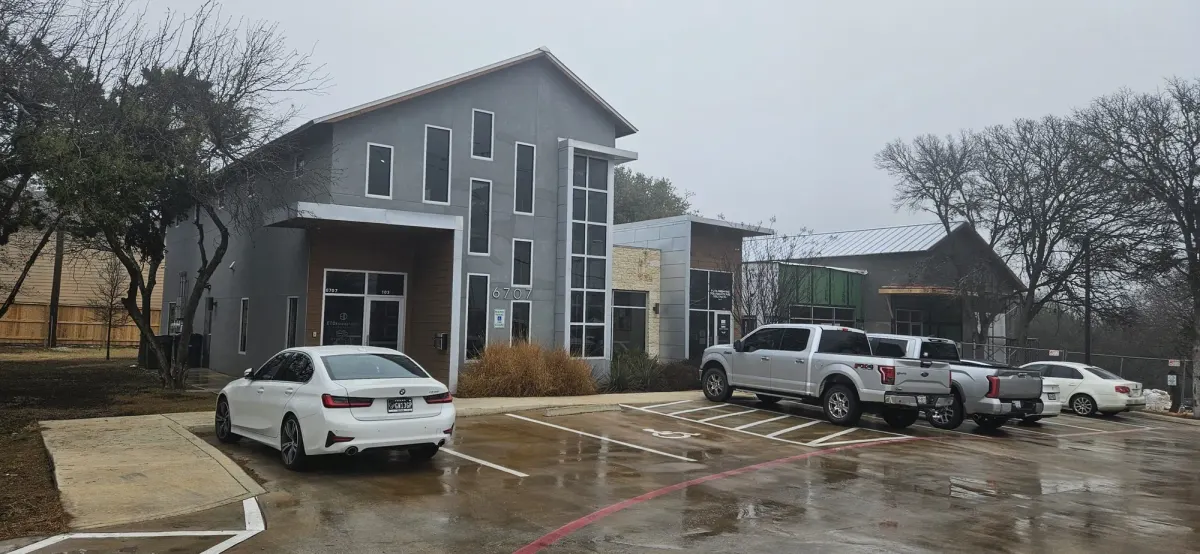 Outpatient
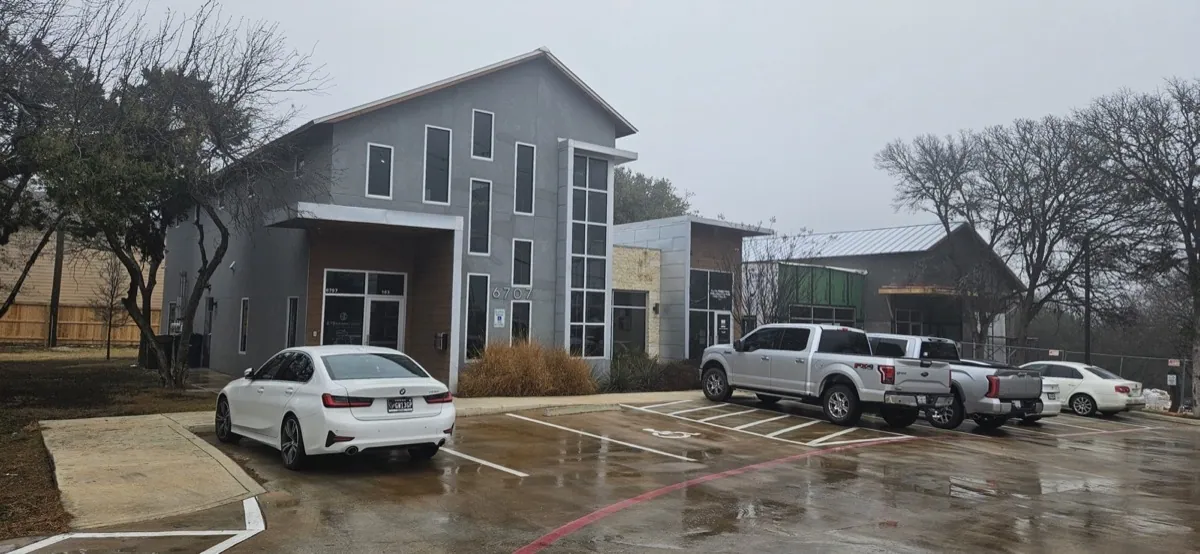
 San Antonio, TX
6707 W Hausman Rd · 78249
- Outpatient detox with scheduled medical visits
- Outpatient treatment
IOP in San Antonio
-
Houston Outpatient Detox Center
On novarecoverycenter.com
Houston Outpatient Detox Center
Why Smoking Stimulants or Opioids in a Dab Rig Is Dangerous
Overdose and Breathing Problems
With stimulants like methamphetamine, very high doses strain the cardiovascular system. Heart rhythm disturbances, spikes in blood pressure, and overheating can appear suddenly, especially when the route of administration changes.
Opioids such as hydromorphone depress the central nervous system. At high doses, or when combined with other sedating drugs or alcohol, they can slow breathing to the point of overdose and death. Clinical references describe hydromorphone as a potent opioid with a significant risk of addiction and respiratory depression when misused.
Layering stimulants and opioids together—sometimes called “speedballing”—adds even more risk. The stimulant can hide how sedated a person is, so they may keep using opioids until breathing slows or stops.
Mental Health Effects and Dependence
High‑dose stimulant or opioid use is also linked with:
- Worsening depression and anxiety
- Paranoia, hallucinations, and mood swings
- Cravings and compulsive use
- Sleep disruption and memory problems
Even when hydromorphone is prescribed correctly, long‑term use can lead to physical dependence. When it is injected, smoked, or used together with alcohol or benzodiazepines, the risk of overdose and addiction increases further.
How Hydromorphone Fits Into This Picture
Hydromorphone (often known by the brand name Dilaudid) is a strong semi‑synthetic opioid used for moderate to severe pain. It works by activating mu‑opioid receptors in the brain and spinal cord, reducing the perception of pain while also producing relaxation and euphoria.
From Legitimate Use to Misuse
Problems often begin when prescribed hydromorphone is:
- Taken in higher doses or more often than directed
- Used to “take the edge off” stress rather than for pain
- Mixed with alcohol, benzodiazepines, or other opioids
- Obtained from multiple prescribers or taken from friends and relatives
Trying to bypass withdrawal by smoking or injecting hydromorphone—potentially using devices like dab rigs—is a sign that opioid use has moved beyond short‑term pain relief into a pattern that benefits from hydromorphone detox as part of a prescription drug detox program.
Outpatient Detox Treatment for Alcohol in San Antonio
Briarwood Detox Center offers structured outpatient detox treatment for alcohol in San Antonio through a program built for people who need medical oversight but cannot step away from work, childcare, or other responsibilities. Care typically includes:
- A medical assessment to review drinking history, other substances, and health conditions
- Scheduled visits for vital‑sign checks and withdrawal monitoring
- Prescribed medications when appropriate to reduce withdrawal symptoms and prevent complications
- Access to counseling and case management during the detox period
If you are researching outpatient detox options, you can learn more about Briarwood’s program here:
Medically Assisted Detox Near Me: Briarwood’s Approach to Hydromorphone and Other Opioids
Typing “medically assisted detox near me” is often the first concrete step someone takes when they are tired of chasing pills or worried about opioid withdrawal. At Briarwood Detox Center, medically assisted opioid detox is used to manage withdrawal from opioids such as hydromorphone, oxycodone, or heroin in a controlled way.
Key elements typically include:
- Medical evaluation and monitoring. Clinicians review current opioid use, other medications, and health conditions, then design a withdrawal plan.
- Medication support. Depending on the situation, short‑term tapers and medications may be used to ease symptoms, stabilize vital signs, and reduce cravings, consistent with evidence‑based practice for opioid withdrawal.
- Safety planning. Staff discuss overdose risk, triggers, and next steps in treatment before detox ends.
- Transition to ongoing care. Detox is the first phase, not the full solution. Admissions staff work with each person to coordinate a next level of care that fits their needs and schedule.
For more detailed information about opioid care at Briarwood, you can visit the program overview:
Briarwood’s Role Among Drug Treatment Centers in San Antonio
Key features of Briarwood’s approach include:
- National accreditation and adherence to current clinical standards
- Individualized detox plans rather than one‑size‑fits‑all protocols
- Availability of both inpatient and outpatient detox options, depending on medical needs
- Integration of medical care with counseling and discharge planning
Because Briarwood specializes in withdrawal management, the goal is to stabilize people quickly, reduce immediate risk, and connect them with the right longer‑term treatment setting—whether that is outpatient therapy, residential rehab, or sober living through trusted partners.
When Curiosity Becomes a Signal to Get Help
There is a difference between reading about drug risks and actively planning new ways to use them. If you or someone you care about is:
- Researching how to heat ice or opioids in an electric dab rig
- Taking more hydromorphone than prescribed or using it without a prescription
- Drinking heavily while also using stimulants or opioids
- Hiding use, using alone, or experiencing withdrawal symptoms between doses
these are warning signs that drug use may be unsafe, even if work, school, or family life still appear “normal.”
Family members who discover search history related to ice, hydromorphone, or dab rigs may feel unsure how to respond. A calm, non‑judgmental conversation—focused on safety rather than blame—can open the door to discussing detox and treatment. Staff at Briarwood regularly speak with both individuals and loved ones to explain options and help decide whether outpatient or inpatient detox is the best fit.
Getting Help Today at Briarwood Detox Center
No one needs to experiment with riskier devices or drug combinations to avoid withdrawal. Medical support is available in San Antonio for alcohol, methamphetamine, hydromorphone, and other substance use.
When you contact Briarwood Detox Center, an admissions specialist will:
- Ask brief, structured questions about substances, health history, and current symptoms
- Explain whether outpatient detox, inpatient detox, or another option is likely to be safest
- Review insurance coverage and payment options
- Schedule an admission time or provide next steps tailored to your situation
All conversations are confidential, and there is no obligation to move forward if you are only gathering information.
How Briarwood Detox Center Supports Outpatient Hydromorphone in San Antonio
Frequently Asked Questions About Hangxiety
What is outpatient hydromorphone detox?+–
Outpatient hydromorphone detox is a structured program that helps you taper off or stop hydromorphone while you continue living at home. You attend scheduled visits for medical assessments, monitoring, and support. Clinicians check your vital signs, review symptoms, and may use medications to ease withdrawal when appropriate. Because you are not staying overnight, this level of care works best when withdrawal risk is moderate and your home environment is stable and supportive.
How long does hydromorphone withdrawal usually last?+–
Hydromorphone withdrawal often begins within hours after the last dose and can peak over the first few days. Acute symptoms such as muscle aches, nausea, sweating, and anxiety typically improve within about a week. Some people experience lingering sleep problems or cravings for longer. The exact timeline depends on your dose, how long you have been using, and your general health. A supervised detox program can adjust medications and monitoring to match your specific needs.
Is outpatient detox treatment for alcohol as effective as inpatient care?+–
For people with mild to moderate alcohol withdrawal risk and a safe home environment, research shows that outpatient detox can be as effective as inpatient care. In outpatient programs, you receive scheduled medical visits, monitoring, and medication support while continuing daily responsibilities. Inpatient detox, by contrast, is more intensive and is used when there is higher risk of complications or limited support at home. A clinical assessment is essential to decide which level of care is safest.
Who is a good candidate for outpatient detox in San Antonio?+–
Good candidates for outpatient detox usually have stable housing, supportive family or friends, and no history of severe withdrawal complications such as seizures or delirium tremens. They are able to attend appointments on time and follow medical instructions. People with complex medical or psychiatric conditions, heavy daily use, or prior life‑threatening withdrawal are more likely to benefit from inpatient care. Staff at Briarwood Detox Center review each situation and recommend the safest option.
What is medically assisted detox?+–
Medically assisted detox is a process in which doctors and nurses use medications, monitoring, and supportive care to help you withdraw from alcohol or drugs more safely and comfortably. For opioids like hydromorphone, this can involve carefully managed tapers and medications that reduce symptoms and cravings. For alcohol, specific medications may lower the risk of seizures and other complications. The goal is to stabilize your health so you can move into ongoing treatment with a clearer mind and body.
Can I detox from hydromorphone at home without medical help?+–
Detoxing from hydromorphone on your own can be risky. Withdrawal can cause dehydration, blood pressure changes, intense cravings, and severe discomfort. Without medical support, some people relapse quickly to stop the symptoms, which raises overdose risk if tolerance has dropped. A supervised detox program can provide monitoring, medications, and support to reduce these dangers. If you are considering stopping hydromorphone, professional guidance is strongly recommended.
What happens after outpatient hydromorphone detox is complete?+–
Detox is only the first step in recovery. After hydromorphone withdrawal is stabilized, most people benefit from ongoing care such as counseling, support groups, medication‑assisted treatment, or higher levels of structured therapy. This next phase helps you understand triggers, build coping skills, and reduce relapse risk. At Briarwood Detox Center, staff help you plan these next steps before detox ends so you have a clear path forward.
How does Briarwood Detox Center help my family during outpatient detox?+–
Briarwood Detox Center offers education and guidance for families so they understand what hydromorphone or alcohol withdrawal looks like and how to provide safe support at home. Staff can explain warning signs, answer questions about medications, and offer practical tips on communication and boundaries. When appropriate, family members may be invited into parts of the planning process so everyone knows what to expect. If your family wants to learn more about how we support loved ones during detox, we can explain options in a confidential call. Call our admissions team today at (210) 305-4522.
How do I get started with outpatient hydromorphone detox at Briarwood?+–
Getting started is usually as simple as making a phone call. An admissions specialist will ask about your current hydromorphone use, other substances, medical history, and living situation. They will explain whether outpatient detox is likely to be safe for you, discuss any need for inpatient care, and review insurance or payment options. If outpatient detox is appropriate, they can schedule your first appointment and outline what the first few days will look like. To begin that process or ask questions, Call our admissions team today at (210) 305-4522.
Related guides
About the people behind this guide
Anna-Grace Washington
Medical Content Writer
Anna-Grace Washington is a Medical Content Writer for Briarwood Detox Center. She holds a master’s degree in clinical psychology from the University of Texas and brings a strong understanding of behavioral health, addiction recovery, and evidence-based treatment concepts to her writing.
Dr. Robert Ulrich, DO
Medical Director
Dr. Robert Ulrich serves as Medical Director at Briarwood Detox Center, bringing more than two decades of clinical neurology experience to the treatment of substance use disorders. He is board-certified in neurology by the American Board of Psychiatry and Neurology and completed his neurology residency at UT Southwestern Medical Center in Dallas, where he served as Chief Resident.
In network with most major insurance
Find your plan and see what detox would cost
Most plans cover medical detox. Coverage varies by plan, so we verify it for you before you commit to anything.













Don't see your plan? We work with out-of-network benefits and offer self-pay options — (210) 305-4522
- Confidential
- Takes about 2 minutes
- No obligation to admit
- Accredited The Joint Commission
- Rated 5.0 · 80 Google reviews Flourishing Foundations Recovery, now part of Briarwood
- Admissions 24 hours a day