
Guide
Austin Alcohol Rehab Options — Outpatient IOP & PHP Guide
Joint Commission accredited · In network with most major insurance · Admissions answered 24 hours a day

Published October 31, 2025
Reviewed and updated July 29, 2026
Key Takeaways · 7 points
- Outpatient care at alcohol treatment centers in Austin comes in two levels: Intensive Outpatient (IOP), which lets you live at home while attending several weekly sessions, and Partial Hospitalization (PHP), which adds more daytime structure without overnight stays.
- Schedules are designed for real life. Many Austin programs run 6–12 weeks; common IOP formats are 15–20 hours per week with day or evening tracks, which helps with work or school.
- Treatment is evidence‑based. Centers highlight CBT, EMDR or DBT skills, relapse‑prevention planning, and family education; some add options like yoga or neurofeedback.
- Insurance and quality markers matter. Look for in‑network coverage and Joint Commission accreditation, and verify your benefits before intake.
- Access can be flexible. Multiple Austin locations and telehealth reduce travel barriers and support steady attendance.
- Detox may be the first step.If withdrawal risks are present, start with medical detox and then step down to PHP or IOP.
- Choosing the “best” alcohol rehab Austin option is personal. Match level of care, schedule, therapies, and insurance to your goals; request an assessment and ask about aftercare and family support.afa
This guide compares Austin alcohol rehab programs (IOP, PHP). If you need alcohol detox first, start here
Where we are
Detox centers across Texas
Three locations, each with its own admissions line and its own clinical team. Pick the one nearest you — or call and we will tell you which has a bed tonight.
-
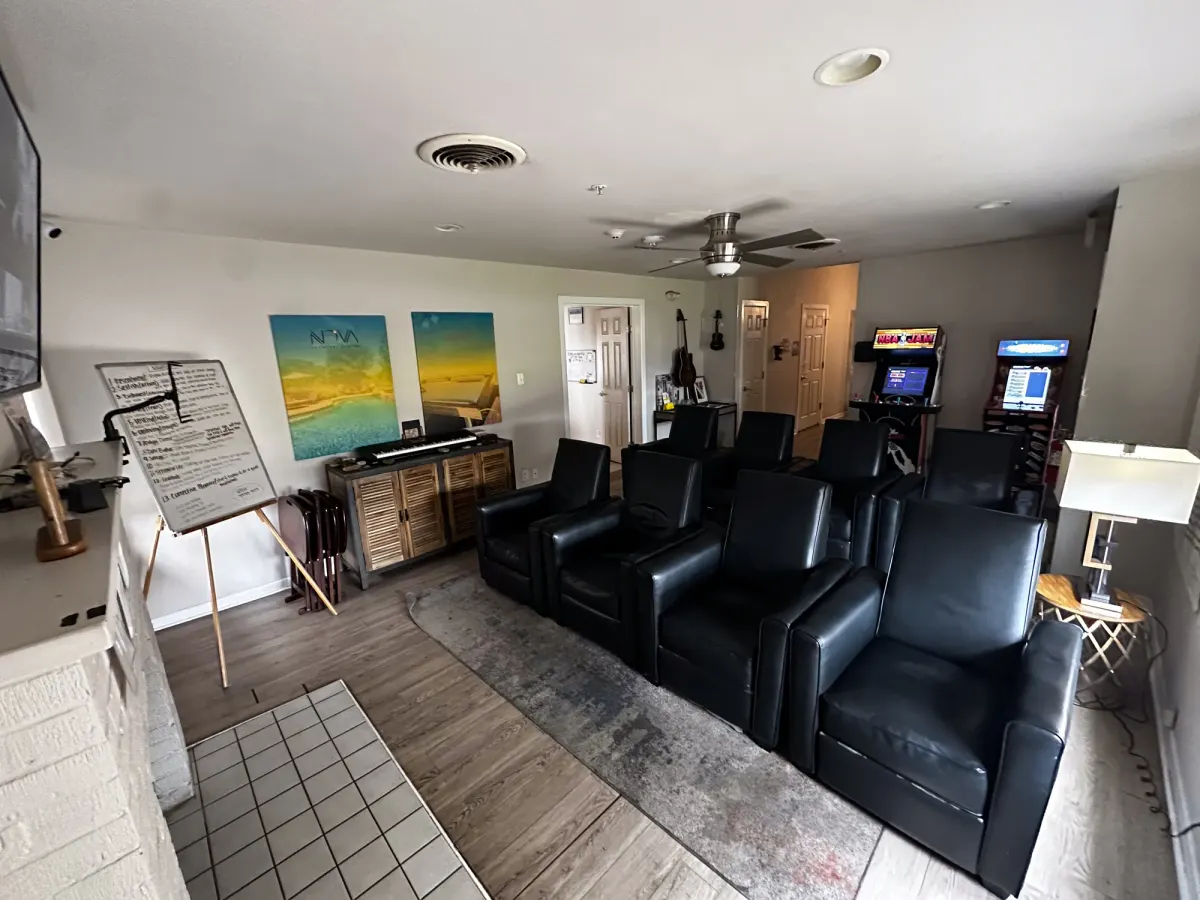 Inpatient
 Austin, TX
11711 N Lamar Blvd · 78753
- 15 beds
- On-site labs
- 24-hour medical staff
Alcohol Rehab in Austin
-
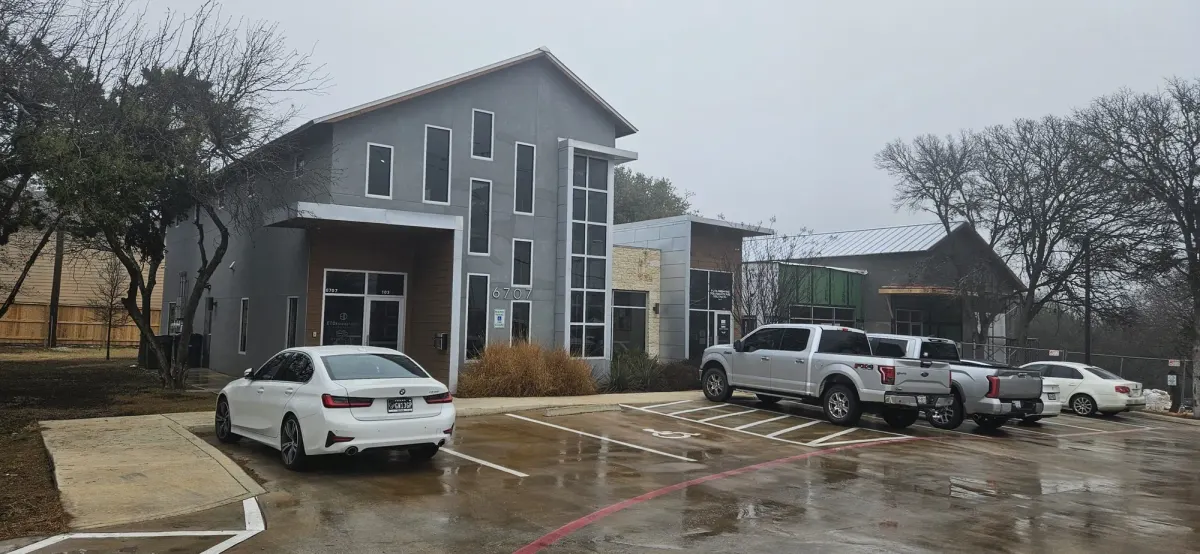 Outpatient
 San Antonio, TX
6707 W Hausman Rd · 78249
- Outpatient detox with scheduled medical visits
- Outpatient treatment
San Antonio Rehab Location
-
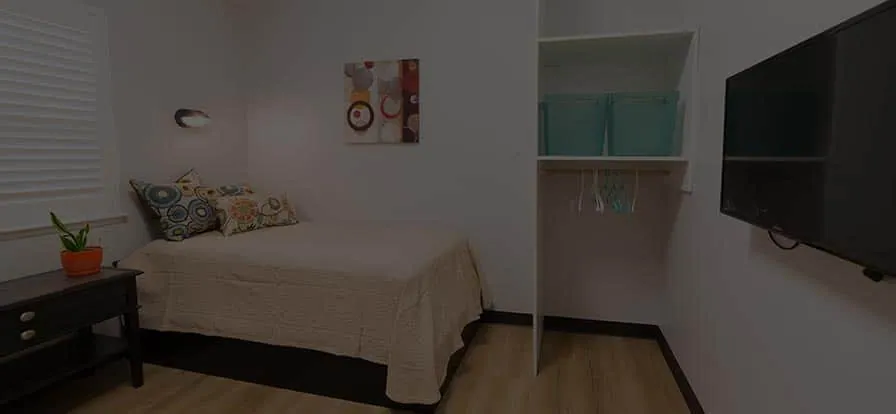 Inpatient
 Houston, TX
1019 Ashland St · 77008
- On-site labs
- 24-hour medical staff
Rehab Location in Houston
How Outpatient Rehab Works in Austin
Two Common Levels of Care
[ map — Briarwood Drug and Alcohol Detox, 6707 W Hausman Rd, San Antonio, TX 78249 ]
- Intensive Outpatient Program (IOP): Structured therapy several days a week while you live at home. For example, one Austin IOP model runs about 8 weeks with 15–20 hours per week and day or evening options, which suits work or school schedules. Learn how our intensive outpatient program in Austin structures sessions and weekly hours.
- Partial Hospitalization Program (PHP): A step up in structure—often up to six hours a day, five days a week—without overnight stays. some local programs describe PHP and IOP side‑by‑side and outline day and evening tracks.
What to Compare Across Programs
- Schedule and duration: Look for published timelines (e.g., 6–12 weeks or an 8‑week curriculum) and morning/evening tracks.
- Therapies: Many Austin centers list evidence‑based care such as CBT, EMDR, DBT skills, and groups, sometimes with adjuncts like yoga or neurofeedback.
- Access and coverage: Check addresses, telehealth options, and in‑network insurance or verification tools on provider sites.
Break Free from Addiction. Detox Safely in Austin Today.
Medically Supervised Detox – Compassionate Care Starts Here.
Quick Comparison Checklist for Austin Outpatient Programs
- Length and Schedule: Compare IOP and PHP weekly hours, total weeks, and whether day/evening/virtual tracks are available.
- Therapies and Supports: Look for CBT, trauma‑informed approaches, family involvement, and relapse‑prevention planning.
- Insurance and Accreditation: Confirm accreditation (e.g., Joint Commission), in‑network status, and whether programs help verify benefits.
Next steps Checklist
- Shortlist 2–3 providers from above and request an assessment. Bring a list of goals, medications, and schedule constraints.
- Verify your insurance to understand deductibles, co‑pays, and in‑network options before intake.
- Ask about day vs. evening IOP, PHP availability, family involvement, and aftercare/alumni supports.
How Briarwood Homes Supports Outpatient Alcohol Rehab in Austin
Verify Your Insurance Instantly
Don’t guess. Know what’s covered. Click below to verify your insurance coverage with 100% confidentiality and zero obligation.
Outpatient Alcohol Rehab: Frequently Asked Questions
What’s the difference between IOP and PHP at Austin rehab centers?+–
Intensive Outpatient Programs (IOPs) provide structured therapy while you live at home, typically 9–19 hours per week. Partial Hospitalization Programs (PHPs) are more intensive, commonly 20+ hours per week with longer daytime blocks. The right level depends on clinical need and daily responsibilities.
How long does outpatient alcohol rehab in Austin take?+–
Many IOPs meet several days per week for multiple hours per day and run for several weeks (often 6–12 weeks). SAMHSA notes IOPs should offer at least 9 hours weekly; some programs publish 3‑hour blocks several days a week.
Can I work or go to school during outpatient alcohol rehab Austin programs?+–
Yes. IOPs are designed to let people continue work or school while receiving care. National mental health guidance describes IOP as a setting that supports daily routines alongside treatment.
Do alcohol treatment centers in Austin accept insurance?+–
Many do, but coverage varies by plan, provider, and level of care. NIAAA advises reviewing your policy, asking programs to verify benefits, and checking for sliding‑scale fees if needed.
Austin, Texas Alcohol Rehab: Is Outpatient Right for You?+–
Evidence shows that well‑structured IOPs can produce outcomes comparable to inpatient care for many substance use disorders, especially when paired with continuing support.
What therapies do Austin Texas alcohol rehab programs use in outpatient care?+–
Expect evidence‑based therapies such as cognitive behavioral therapy (CBT), motivational approaches, family involvement, and relapse‑prevention skills; FDA‑approved medications for AUD may also be offered.
Do I need alcohol detox before starting IOP in Austin?+–
If you’re at risk for withdrawal (e.g., history of severe symptoms), medical detox in Austin may be recommended before PHP or IOP. NIAAA advises seeking medical help for planning a safe withdrawal, when needed.
Are there evening or virtual IOP options among alcohol rehab centers in Austin?+–
Some Austin programs publish 15–20 hours per week with both day and evening options, and a number also offer virtual IOP tracks.
How do I choose the “best” alcohol rehab Austin option for me?+–
Match the level of care (IOP vs PHP), schedule, therapies, and insurance to your needs. NIAAA’s Navigator offers a step‑by‑step method to find science‑backed treatment and compare programs.
Where can I find low‑cost or government‑funded alcohol treatment centers in Austin?+–
Start with FindTreatment.gov to filter by payment options and sliding‑scale care, and Texas OSAR programs for outreach, screening, assessment, and referral to services eligible for public funding.
What is the typical weekly time commitment for outpatient alcohol rehab in Austin?+–
Start with FindTreatment.gov to filter by payment options and sliding‑scale care, and Texas OSAR programs for outreach, screening, assessment, and referral to services eligible for public funding.
What if I need help finding alcohol treatment centers in Austin right now?+–
Use FindTreatment.gov to locate nearby outpatient programs, or speak with your primary care clinician for referrals. For crisis support, dial 988 in the U.S. for the Suicide & Crisis Lifeline.
Related guides



About the people behind this guide
Anna-Grace Washington
Medical Content Writer
Anna-Grace Washington is a Medical Content Writer for Briarwood Detox Center. She holds a master’s degree in clinical psychology from the University of Texas and brings a strong understanding of behavioral health, addiction recovery, and evidence-based treatment concepts to her writing.
Dr. Robert Ulrich, DO
Medical Director
Dr. Robert Ulrich serves as Medical Director at Briarwood Detox Center, bringing more than two decades of clinical neurology experience to the treatment of substance use disorders. He is board-certified in neurology by the American Board of Psychiatry and Neurology and completed his neurology residency at UT Southwestern Medical Center in Dallas, where he served as Chief Resident.
In network with most major insurance
Find your plan and see what detox would cost
Most plans cover medical detox. Coverage varies by plan, so we verify it for you before you commit to anything.


















Don't see your plan? We work with out-of-network benefits and offer self-pay options — (866) 710-7710
- Confidential
- Takes about 2 minutes
- No obligation to admit

- Accredited The Joint Commission
- Rated 4.5 · 95 Google reviews
- Admissions 24 hours a day