
Guide
Austin Alcohol Rehab: Programs, Costs & Levels of Care
Joint Commission accredited · In network with most major insurance · Admissions answered 24 hours a day


Published October 21, 2025
Reviewed and updated July 29, 2026
When people search Austin Texas alcohol rehab, they’re usually looking for a spectrum of services—not just a single building or one-size-fits-all program. In Austin, you’ll find medical alcohol detox, residential/inpatient treatment, partial hospitalization (PHP), intensive outpatient (IOP), standard outpatient counseling, medication-assisted treatment for alcohol use disorder (like naltrexone or acamprosate), family programming, and sober living homes. Major centers and directories highlight that Austin offers a full continuum and multiple philosophies—from trauma-informed and holistic approaches to evidence-based clinical models and gender-specific milieus.
Why the continuum matters
Alcohol use disorder (AUD) ranges from mild to severe. A continuum lets you “step up” to more structure (say, inpatient) when risk is high or “step down” to IOP/outpatient when you stabilize—without losing momentum. This matching of level of care to clinical need is a consistent theme across top Austin providers and national directories.
Break Free from Addiction. Detox Safely in Austin Today.
Medically Supervised Detox – Compassionate Care Starts Here.
Signs you (or a loved one) may need alcohol rehab
You’ve tried to cut down and can’t.
Drinking is causing problems at work, school, home, or with the law.
You’re experiencing withdrawal symptoms (tremors, sweating, anxiety, insomnia, nausea) when not drinking.
You’re hiding alcohol use, drinking in the morning, or drinking to “feel normal.”
Co-occurring issues like anxiety, depression, or trauma are intensifying.
Loved ones are worried—or you’re worried about them.
If any of these resonate, a professional assessment (often free and same-day by phone) can recommend the right starting level of care.
Levels of care in Austin
Medical Detox (3–10 days, varies)+–
Supervised withdrawal management keeps you safe and more comfortable, addressing dehydration, electrolytes, sleep, anxiety, and seizure risk. Detox isn’t treatment by itself; it’s the on-ramp to treatment.
Residential/Inpatient (2–6 weeks typical; sometimes 30–90 days)+–
24/7 structure, daily clinical work, relapse-prevention skills, community, and stabilization if home triggers are intense. Several Austin-area residential programs highlight integrated trauma care, outdoor space, and family support.
Partial Hospitalization (PHP) (5–6 days/week, 5–6 hours/day)+–
A heavy therapeutic schedule while living off-site (or in sober housing). Helps bridge inpatient to independence.
Intensive Outpatient Program (IOP) (3–5 days/week, 3 hours/day)+–
Flexible but structured—ideal when you need significant clinical support while maintaining work/school/family responsibilities. Austin providers emphasize IOP for step-down or for those who don’t need 24/7 care.
Standard Outpatient & Individual Therapy+–
Weekly sessions for maintenance, skill-building, and relapse prevention.
Sober Living (Transitional Housing)+–
Alcohol-free, peer-supported homes that pair well with PHP/IOP. Many high-performing Austin rehabs either operate, partner with, or refer to sober living for extended accountability.
How long does alcohol rehab take?
There’s no “right” number of days for everyone. Think in phases:
Detox: ~1–2 weeks including stabilization for many alcohol cases (shorter or longer depending on medical factors).
Inpatient/Residential: commonly 28–45 days; complex cases can benefit from 60–90 days.
PHP/IOP/Outpatient: 4–12+ weeks depending on progress, risk, and goals.
Aftercare: 6–12 months of structured support (alumni groups, therapy, peer meetings, recovery coaching).
Austin programs reflect these ranges; some luxury or specialty programs are shorter/longer by design.
Evidence-based therapies you’ll likely encounter
Motivational Interviewing (MI): builds readiness to change.
Cognitive Behavioral Therapy (CBT): challenge thinking patterns, build coping skills.
Dialectical Behavior Therapy (DBT): emotion regulation and distress tolerance.
Trauma-informed therapies: EMDR, psychodrama, equine-assisted therapy at some centers.
Medication for AUD: naltrexone (oral or extended-release), acamprosate, disulfiram when clinically appropriate.
Family programming: education, boundaries, communication.
Peer support integration: 12-Step, SMART, Refuge, and other mutual-aid pathways (Austin has an active recovery community and new “sober-curious” spaces).
Where we are
Detox centers across Texas
Three locations, each with its own admissions line and its own clinical team. Pick the one nearest you — or call and we will tell you which has a bed tonight.
-
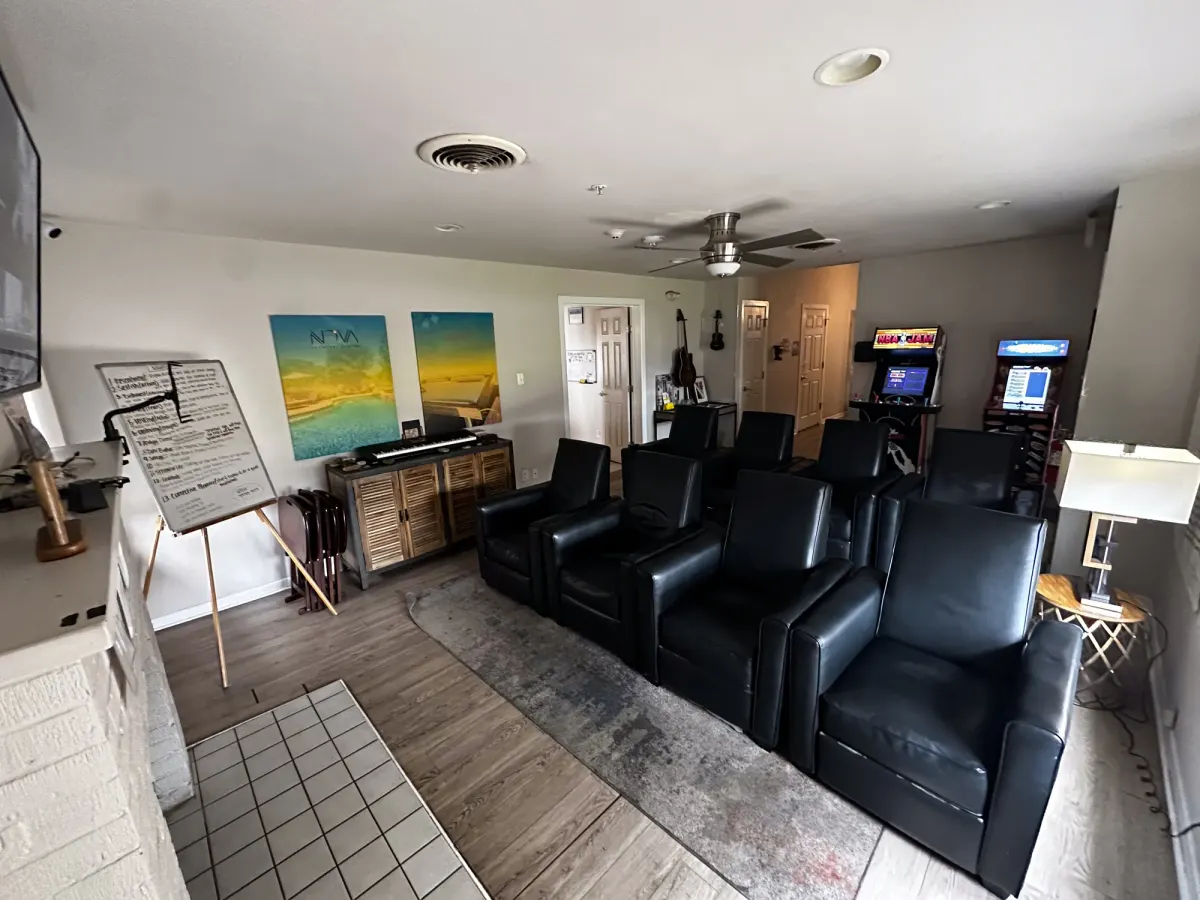 Inpatient
 Austin, TX
11711 N Lamar Blvd · 78753
- 15 beds
- On-site labs
- 24-hour medical staff
Drug & Alcohol Detox in Austin, TX
-
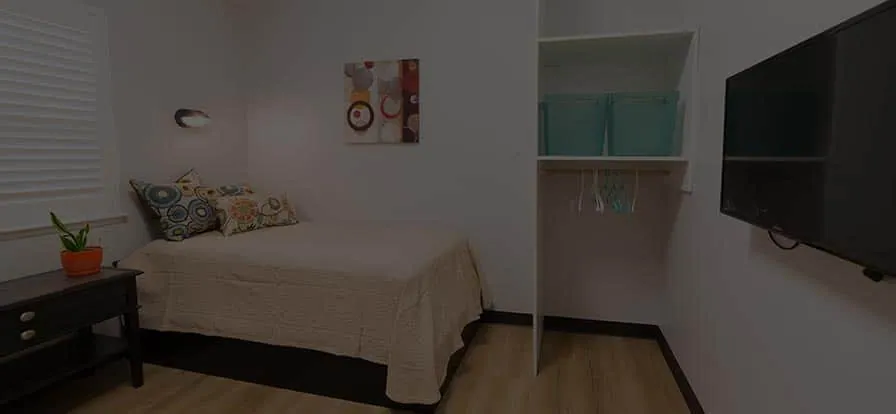 Inpatient
 Houston, TX
1019 Ashland St · 77008
- On-site labs
- 24-hour medical staff
Drug Detox Center in Houston, TX
-
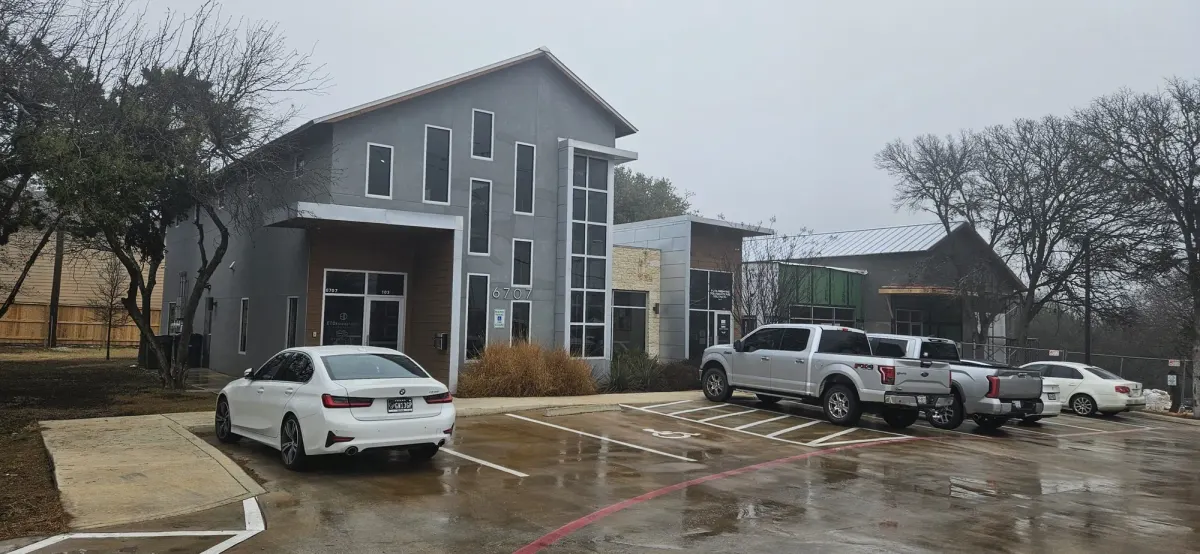 Outpatient
 San Antonio, TX
6707 W Hausman Rd · 78249
- Outpatient detox with scheduled medical visits
- Outpatient treatment
Outpatient Drug & Alcohol Detox in San Antonio
Dual diagnosis (alcohol + mental health)
Anxiety, depression, bipolar disorder, PTSD, and ADHD commonly co-occur with AUD. Austin centers and outpatient programs underscore integrated treatment—psychiatry, psychotherapy, and relapse-prevention within one plan—so neither condition is treated in isolation. Look for programs that explicitly advertise dual-diagnosis capability and can coordinate meds and therapy under one roof.
What alcohol rehab in Austin costs (and how to use insurance)
Costs swing widely based on setting, length of stay, amenities, and insurance. General patterns:
Detox & Inpatient are the most expensive per day; IOP and outpatient are more affordable.
Insurance: Most commercial plans include behavioral health benefits and cover at least part of medically necessary treatment. Many centers verify benefits in minutes and help estimate out-of-pocket costs.
Financing & scholarships: Some programs offer payment plans or limited aid; state/federal resources and nonprofit programs may help as well.
National directories and provider sites emphasize that insurance can offset a substantial portion of rehab, especially for IOP/outpatient.
What to look for when choosing an Austin program
Use this 12-point checklist:
Accreditation & Licensure: State licensure; CARF or Joint Commission preferred.
Medical Staffing: 24/7 nursing/physician access for detox/inpatient.
Levels of Care On-Site or Seamless Step-Downs: Smooth transitions reduce relapse risk.
Evidence-Based + Trauma-Informed: Ask which modalities they use and why.
Dual-Diagnosis Capability: Psychiatric evaluation and med management available.
Individualized Treatment Plans: Not cookie-cutter; goals matched to ASAM criteria.
Family Program: Education and boundary work are key.
Recovery Supports: Alumni groups, peer meetings, coaching, sober housing options.
Outcomes Tracking: Do they measure and publish outcomes?
Length of Stay Flexibility: Adjusts to your progress and risk.
Insurance/Financial Transparency: Quick benefits checks, clear estimates.
Environment & Fit: Location, amenities, culture, and peer group that feel safe and motivating.
A day in treatment (what it’s like)
Morning: vitals/meds (detox or residential), breakfast, daily goals, psychoeducation group.
Midday: individual therapy, CBT/DBT skills, relapse-prevention planning, lunch.
Afternoon: process groups, trauma or family sessions, mindfulness, fitness/recreation.
Evening: peer-support meeting (12-Step/SMART/Refuge), journaling, lights out (residential).
IOP: condenses core therapy into 3-hour blocks, typically evenings or mornings, to fit work/school schedules.
Building a local aftercare plan in Austin
Peer groups: Alcoholics Anonymous (multiple districts/clubhouses), SMART Recovery, Refuge Recovery.
Sober community: Austin’s growing sober-curious scene and alcohol-free events can help rebuild social life without triggers.
Therapy: Weekly sessions continue skills work and address underlying issues.
Medication management: Maintain anti-craving meds as prescribed.
Alumni: Many rehabs host alumni meetings, service days, and mentorship.
FAQ
What is the best alcohol rehab in Austin?+–
The “best” fit depends on clinical needs (detox vs. IOP), co-occurring conditions, insurance, and personal preferences (amenities, location, philosophy). Compare at least 2–3 accredited programs and verify they offer your needed level of care.
How much does alcohol rehab cost in Austin, Texas?+–
Prices vary widely. Many IOP/outpatient services are partially or fully covered by insurance; inpatient costs more but may be offset by benefits. Ask for a verification of benefits and a written estimate.
How long does alcohol rehab take?+–
Detox may last several days; residential commonly 28–45 days; PHP/IOP 4–12+ weeks; aftercare 6–12 months. Plans should be individualized.
Can I work while in alcohol rehab in Austin?+–
Yes—IOP and some outpatient tracks are designed around work or school schedules (often evenings).
Do Austin rehabs treat anxiety, depression, or trauma too?+–
Many do—look for “dual-diagnosis” or trauma-informed programs with psychiatric support.
Is detox required before inpatient or IOP?+–
If you have moderate-to-severe alcohol dependence or a seizure risk, medical detox is the safest start. Some programs can admit you to detox and transition you directly to the next level.
What therapies are used for alcohol addiction?+–
CBT, DBT, MI, trauma therapies (e.g., EMDR/psychodrama), medication for AUD, family therapy, and peer-support integration.
Are there luxury or women’s-only options near Austin?+–
Yes—several centers market luxury amenities or gender-specific programming; confirm they also meet evidence-based standards and licensing.
Can I find faith-based or holistic programs in Austin?+–
Austin has both secular and faith-based options; ask how faith/holistic elements complement clinical care.
What happens after I finish treatment?+–
A continuing-care plan may include therapy, medication management, alumni engagement, peer meetings, and/or sober living—key for maintaining momentum.
Related guides



About the people behind this guide
Anna-Grace Washington
Medical Content Writer
Anna-Grace Washington is a Medical Content Writer for Briarwood Detox Center. She holds a master’s degree in clinical psychology from the University of Texas and brings a strong understanding of behavioral health, addiction recovery, and evidence-based treatment concepts to her writing.
Dr. Robert Ulrich, DO
Medical Director
Dr. Robert Ulrich serves as Medical Director at Briarwood Detox Center, bringing more than two decades of clinical neurology experience to the treatment of substance use disorders. He is board-certified in neurology by the American Board of Psychiatry and Neurology and completed his neurology residency at UT Southwestern Medical Center in Dallas, where he served as Chief Resident.
In network with most major insurance
Find your plan and see what detox would cost
Most plans cover medical detox. Coverage varies by plan, so we verify it for you before you commit to anything.


















Don't see your plan? We work with out-of-network benefits and offer self-pay options — (866) 710-7710
- Confidential
- Takes about 2 minutes
- No obligation to admit

- Accredited The Joint Commission
- Rated 4.5 · 95 Google reviews
- Admissions 24 hours a day