
Guide
Can You Go Through Benzo Detox Safely in Austin Without Checking Into a Medical Facility?
Joint Commission accredited · In network with most major insurance · Admissions answered 24 hours a day
Published May 6, 2026
Reviewed and updated July 29, 2026
Why Benzodiazepine Withdrawal Is Medically Different From Other Substances
- Severe anxiety, panic attacks, and agitation
- Insomnia and hypersensitivity to light and sound
- Tremors and muscle tension
- Nausea, vomiting, and sweating
- Cognitive impairment and confusion
- Seizures — even in people with no prior seizure history
- Psychosis in severe cases
The Real Risk of Quitting Benzodiazepines Cold Turkey at Home in Austin
Quitting benzodiazepines abruptly without medical support — even if you've been prescribed them by a doctor and taken them as directed — is strongly discouraged by every major medical organization. Dependence can develop within just a few weeks of regular use, and physical dependence is not the same as addiction. Plenty of people who were prescribed benzos for anxiety or sleep disorders develop dependence without ever misusing the medication. If you're in Austin and considering stopping on your own, here's what the research and clinical experience tell us about going cold turkey:
- Seizure risk is real. Grand mal seizures can occur even in people who have only been taking therapeutic doses for a few months.
- Symptoms can escalate quickly. What starts as anxiety and insomnia can spiral into a medical emergency within 24–48 hours.
- Home environments lack the tools to manage complications. Seizure management, IV fluids, and medication-assisted stabilization require clinical resources that aren't available at home.
- Withdrawal can be prolonged. Some people experience a protracted withdrawal syndrome lasting weeks or even months, which requires ongoing medical management.
The bottom line: attempting to manage benzodiazepine withdrawal at home in Austin, even with good intentions and a careful taper plan, is a risk most medical professionals wouldn't recommend for anyone with moderate to severe dependence.
What Does Safe Benzo Detox Actually Look Like?
- A thorough medical assessment to evaluate dependence severity, overall health status, and any co-occurring mental health conditions
- A personalized tapering plan using either your current benzo or a longer-acting substitute like diazepam
- Medication support to manage anxiety, sleep disruption, and other withdrawal symptoms
- Regular vital sign monitoring to catch any warning signs early
- Emotional and therapeutic support to address the underlying anxiety or sleep issues that led to benzo use in the first place
Where we are
Detox centers across Texas
Three locations, each with its own admissions line and its own clinical team. Pick the one nearest you — or call and we will tell you which has a bed tonight.
-
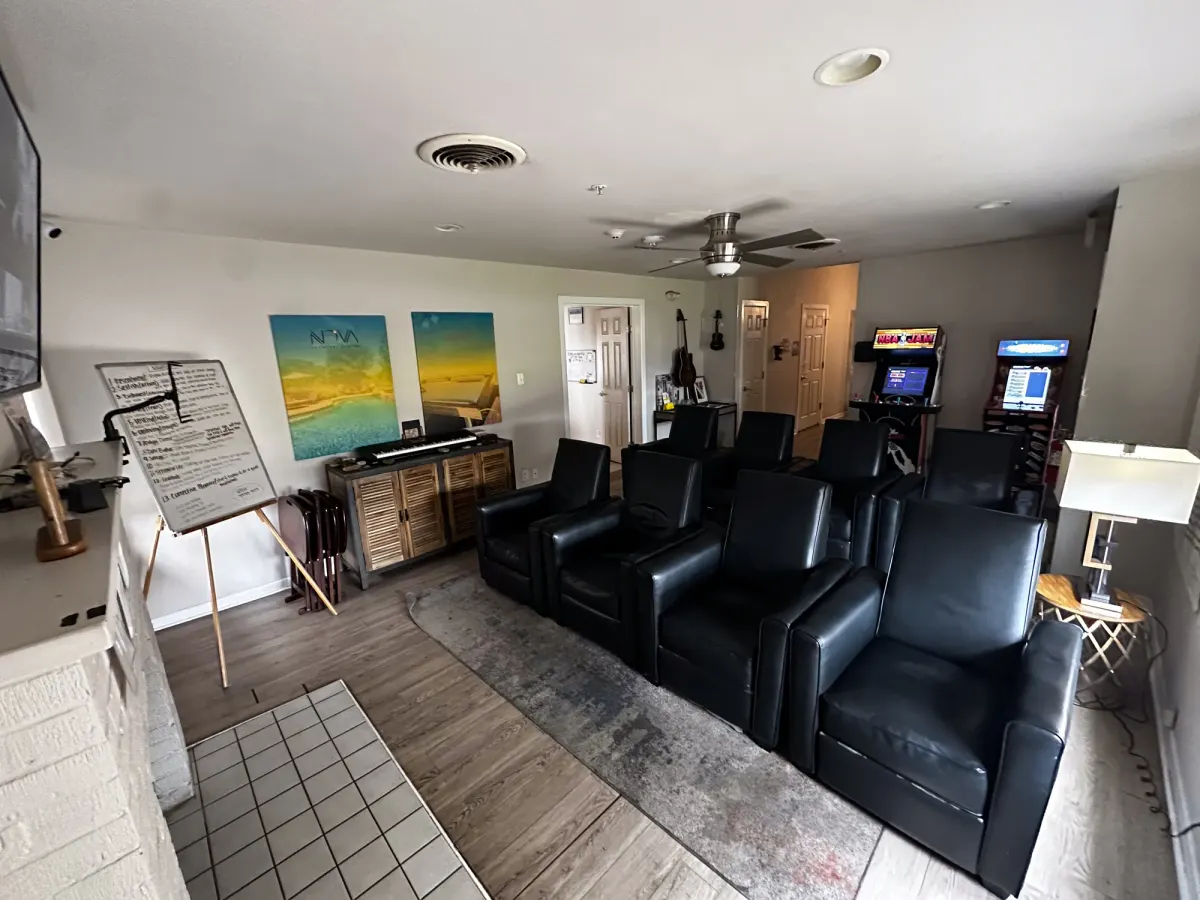 Inpatient
 Austin, TX
11711 N Lamar Blvd · 78753
- 15 beds
- On-site labs
- 24-hour medical staff
Drug & Alcohol Detox in Austin, TX
-
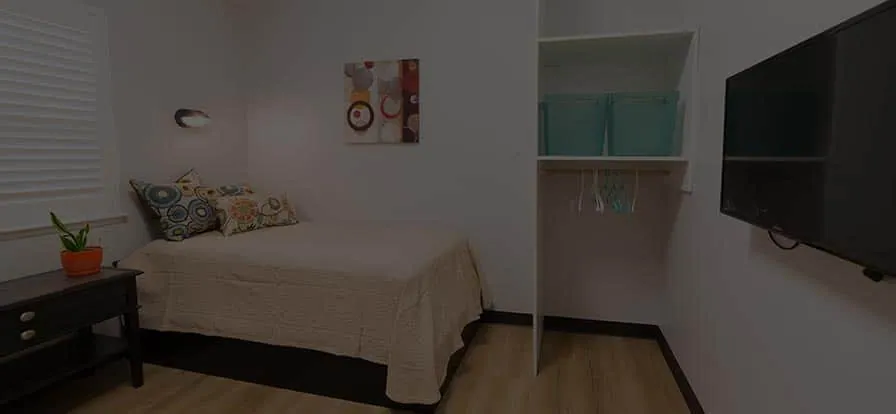 Inpatient
 Houston, TX
1019 Ashland St · 77008
- On-site labs
- 24-hour medical staff
Drug Detox Center in Houston, TX
-
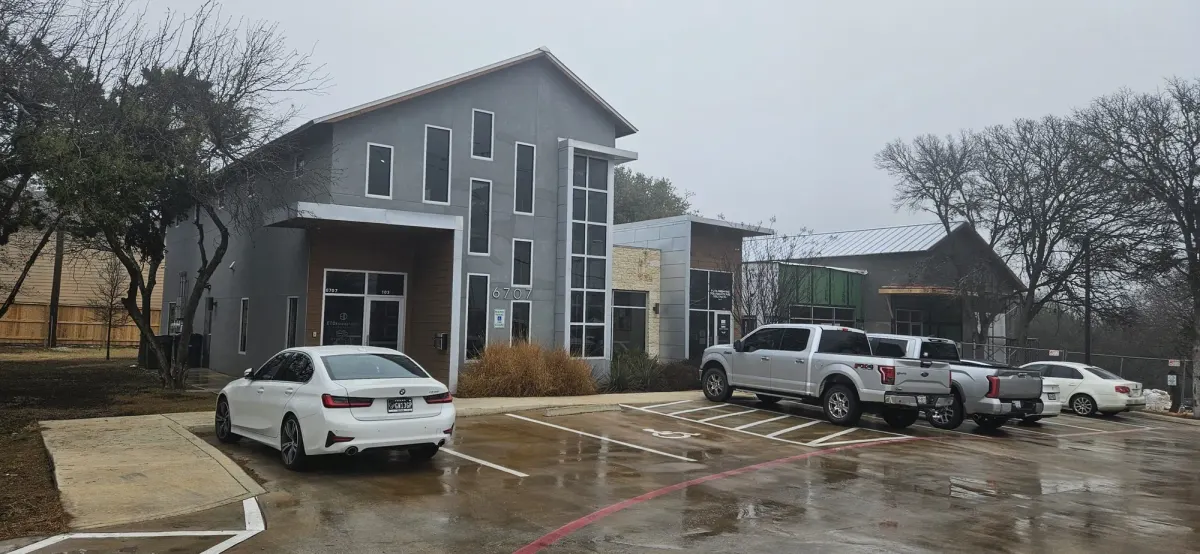 Outpatient
 San Antonio, TX
6707 W Hausman Rd · 78249
- Outpatient detox with scheduled medical visits
- Outpatient treatment
Outpatient Drug & Alcohol Detox in San Antonio
Inpatient vs. Outpatient Benzo Detox in Austin: Which Is Right for You?
- You've been taking high doses or using benzos for a long period of time
- You have a history of seizures or severe withdrawal in the past
- You're using multiple substances simultaneously (polysubstance dependence)
- You have significant co-occurring mental health conditions, such as severe anxiety disorders or depression
- Your home environment is unstable, triggering, or lacks support
- Previous attempts to stop have resulted in complications
- Dependence is mild to moderate and limited to therapeutic doses
- You have a stable, supportive home environment
- You have no history of seizures or severe withdrawal
- You're committed to close follow-up appointments and monitoring
- You're not using other substances
The Connection Between Benzos and Mental Health: Why Dual Diagnosis Matters
What Happens After Benzo Detox in Austin?
Successfully completing benzo detox is a meaningful milestone — but it's the beginning of recovery, not the end. Once the acute withdrawal phase is managed, the next priority is building a foundation that supports long-term sobriety and mental wellness. After detox, many people in Austin benefit from stepping into a structured treatment program such as an intensive outpatient program (IOP), individual therapy, or a partial hospitalization program (PHP) that continues to address the underlying drivers of substance use. Support groups — both 12-step programs and alternatives like SMART Recovery — are available throughout the Austin area and provide community, accountability, and ongoing encouragement.
Your aftercare plan should also address the anxiety or sleep issues that may have originally led to benzo use. Working with a psychiatrist or therapist to develop non-medication-based coping strategies — or exploring non-habit-forming medication options — is an important part of the long-term picture. Learn more about what comes next in our overview of
aftercare and continuing treatment options following detox.How Briarwood Detox Center Supports Safe Benzo Detox in Austin
At Briarwood Detox Center, we specialize in medically supervised detox from benzodiazepines, alcohol, opioids, and other substances. Our Austin facility is staffed around the clock by medical professionals who understand the specific challenges and risks of benzo withdrawal. We offer individualized tapering protocols, comfort-focused symptom management, and therapeutic support that addresses both the physical and emotional dimensions of detox. We also understand that cost and insurance coverage are real concerns. If you're wondering whether your coverage applies to medical detox services, our team can walk you through your options and help you verify benefits quickly.
You can also explore our medical detox program to learn more about what to expect during your stay. You don't have to figure this out alone. If you or someone you care about is dependent on benzodiazepines and trying to decide on the safest path forward, we encourage you to reach out for a confidential assessment. A five-minute conversation with our admissions team can give you a clearer picture of what level of care makes the most sense — without any pressure or obligation.
The Bottom Line on Benzo Detox Safety in Austin
Frequently Asked Questions
Is it dangerous to stop taking benzodiazepines on your own at home?+–
Yes, stopping benzodiazepines abruptly without medical supervision can be life-threatening. Benzo withdrawal can cause seizures, severe anxiety, psychosis, and other serious complications — even in people who were taking prescribed, therapeutic doses. Medical supervision is strongly recommended for anyone who has developed dependence on benzodiazepines.
How long does benzo detox take in Austin?+–
The timeline for benzodiazepine detox varies significantly depending on the specific drug, dosage, duration of use, and individual factors. Acute withdrawal from short-acting benzos like Xanax may begin within 6–12 hours, while longer-acting drugs like Valium may not produce symptoms for several days. A medically supervised taper can last anywhere from a few weeks to several months for severe dependence.
What is the safest way to detox from benzodiazepines?+–
The safest approach to benzodiazepine detox is a medically supervised tapering protocol, where a physician gradually reduces your dosage over time. This minimizes the risk of seizures and severe withdrawal symptoms. At a facility like Briarwood Detox Center in Austin, you'll receive 24/7 monitoring, medication support, and therapeutic care throughout the process.
Can I do outpatient benzo detox in Austin instead of inpatient?+–
In some cases, outpatient medical detox may be appropriate for people with mild to moderate benzodiazepine dependence, a stable home environment, and no history of severe withdrawal or seizures. However, the decision should always be made by a clinical professional after a thorough assessment — not independently. Even outpatient detox requires regular medical supervision and follow-up.
Does insurance cover benzo detox in Austin, Texas?+–
Many health insurance plans, including plans under the ACA, Medicaid, and most private insurers, cover medically necessary detox services. Coverage varies by plan and provider, but Briarwood Detox Center works with many major insurance carriers and can help verify your benefits quickly. Calling (866) 710-7710 is the fastest way to find out what your plan covers.
What medications are used during benzodiazepine withdrawal treatment?+–
The most common approach is a slow taper using either the patient's current benzodiazepine or a longer-acting substitute like diazepam (Valium). Additional medications may be used to manage specific symptoms such as anxiety, insomnia, or autonomic instability. All medication decisions during benzo detox should be made by a licensed physician with experience in addiction medicine. Call Now: (866) 710-7710 Ready to Start Your Recovery in Austin? If you or someone you love needs more than detox, Briarwood Detox Center also provides austin tx drug rehab . Briarwood Detox Center’s benzodiazepine detox program provides medically supervised, evidence-based care. Does your insurance cover detox in Austin? Find out in about 2 minutes — free, confidential, no obligation. Verify Insurance Briarwood Detox Center offers medically supervised detox in Austin. Explore our locations, see the facility, and verify your insurance in minutes. Ready to talk to someone now? Briarwood Detox Center's admissions team is here 24/7, and every call is confidential. Call (866) 710-7710 . See our locations
Related guides

About the people behind this guide
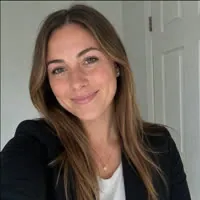
Anna-Grace Washington
Medical Content Writer
Anna-Grace Washington is a Medical Content Writer for Briarwood Detox Center. She holds a master’s degree in clinical psychology from the University of Texas and brings a strong understanding of behavioral health, addiction recovery, and evidence-based treatment concepts to her writing.
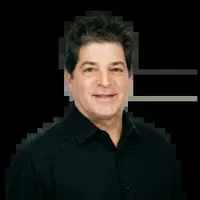
Dr. Robert Ulrich, DO
Medical Director
Dr. Robert Ulrich serves as Medical Director at Briarwood Detox Center, bringing more than two decades of clinical neurology experience to the treatment of substance use disorders. He is board-certified in neurology by the American Board of Psychiatry and Neurology and completed his neurology residency at UT Southwestern Medical Center in Dallas, where he served as Chief Resident.
In network with most major insurance
Find your plan and see what detox would cost
Most plans cover medical detox. Coverage varies by plan, so we verify it for you before you commit to anything.



















Don't see your plan? We work with out-of-network benefits and offer self-pay options — (866) 710-7710
- Confidential
- Takes about 2 minutes
- No obligation to admit

- Accredited The Joint Commission
- Rated 4.5 · 95 Google reviews
- Admissions 24 hours a day