
Guide
Average Cost of a Week-Long Medical Detox Without Insurance
Joint Commission accredited · In network with most major insurance · Admissions answered 24 hours a day


Published June 27, 2026
Reviewed and updated July 29, 2026
The average cost of a week-long medical detox without insurance coverage typically ranges from $1,500 to $3,500, though pricing varies significantly based on the level of care required, the substances involved, and the facility's location. Inpatient medical detox—where you receive 24/7 monitoring and medication-assisted withdrawal management—usually falls on the higher end of this spectrum, while outpatient detox models often cost less. The variance reflects differences in staffing ratios, medical oversight intensity, medication protocols, and amenities included during your stay.
If you or someone you love needs more than detox, Briarwood Detox Center also provides drug treatment centers austin.
What Determines the Cost of Medical Detox Without Insurance?
Medical detox pricing isn't arbitrary. Several clinical and operational factors drive the final cost, and understanding these variables helps you evaluate what you're actually paying for when seeking withdrawal management services.
Does your insurance cover detox in Austin?
Find out in about 2 minutes — free, confidential, no obligation.
Verify InsuranceLevel of medical supervision is the primary cost driver. Inpatient medical detox requires round-the-clock nursing care, on-call physician availability, and continuous vital-sign monitoring—especially critical for alcohol, benzodiazepine, and opioid withdrawal. This intensive staffing model increases costs but dramatically improves safety outcomes. Outpatient detox, available in cities like San Antonio and Houston, reduces overhead by allowing you to return home between medical visits, though it's only appropriate for less severe withdrawal profiles.
Withdrawal complexity directly impacts price. Detoxing from alcohol or benzodiazepines carries seizure risk and may require IV medications, electrolyte management, and extended observation periods. Opioid withdrawal, while rarely life-threatening, often needs medication-assisted treatment with buprenorphine or other protocols that add pharmaceutical costs. Polydrug use—combining stimulants, opioids, and alcohol, for instance—complicates the clinical picture and may extend your detox timeline beyond seven days.
Geographic location matters more than many people realize. A week-long medical detox in Austin, Texas, may differ in cost from similar services in larger metropolitan areas due to regional differences in labor costs, facility overhead, and local market conditions. Urban centers with higher costs of living generally pass those expenses through to patients paying out-of-pocket.
Facility type and amenities also influence pricing. Basic medical detox focuses purely on safe withdrawal management—medications, monitoring, meals, and a bed. Some programs include ancillary services like nutrition counseling, yoga, or private rooms, which increase the daily rate but may enhance your comfort during an already difficult process.
Breaking Down the Average Cost of a Week-Long Medical Detox
When you see a quote for medical detox without insurance coverage, it's helpful to understand what components make up that total. Most facilities bundle services into a per-diem (daily) rate, which you then multiply by your length of stay.
A typical breakdown for a seven-day inpatient medical detox might include:
- Medical assessment and intake: Initial physician evaluation, medical history review, lab work, and EKG screening ($300–$800)
- Daily medical monitoring: Nursing assessments, vital signs, CIWA or COWS scoring for withdrawal severity ($200–$500 per day)
- Physician oversight: Daily rounds, medication adjustments, and crisis intervention availability ($150–$300 per day)
- Medications: Withdrawal comfort meds, anti-seizure protocols, nausea control, sleep aids ($100–$400 total for the week)
- Room and board: Meals, linens, housekeeping, facility overhead ($100–$300 per day)
- Discharge planning: Referrals to continued care, prescription coordination, aftercare resources ($100–$200)
For outpatient detox programs in Houston or San Antonio, you eliminate the room-and-board component but maintain medical oversight through scheduled clinic visits. This model typically costs 30–50% less than inpatient care, with total seven-day costs ranging from $800 to $2,000, depending on visit frequency and medication requirements.
Why Medical Detox Costs More Than Self-Detox at Home
Some people compare the cost of a week-long medical detox to the price of simply stopping substance use at home and wonder whether professional care justifies the expense. The difference lies in safety, comfort, and completion rates.
Unsupervised withdrawal from alcohol or benzodiazepines can trigger delirium tremens, seizures, or cardiovascular complications—medical emergencies that often result in ER visits costing thousands of dollars. Medical detox prevents these crises through prophylactic medication protocols and continuous monitoring. You're not just paying for a bed; you're paying for clinical expertise that recognizes warning signs hours before they become emergencies.
Withdrawal symptom management also matters. Opioid withdrawal produces severe muscle aches, gastrointestinal distress, insomnia, and anxiety that make most people abandon their quit attempt within 48 hours. Medical detox environments provide medications—clonidine for autonomic symptoms, ondansetron for nausea, trazodone for sleep—that make the process tolerable enough to complete. Higher completion rates translate to better long-term recovery outcomes, making the upfront investment more cost-effective than repeated failed attempts.
Where we are
Detox centers across Texas
Three locations, each with its own admissions line and its own clinical team. Pick the one nearest you — or call and we will tell you which has a bed tonight.
-
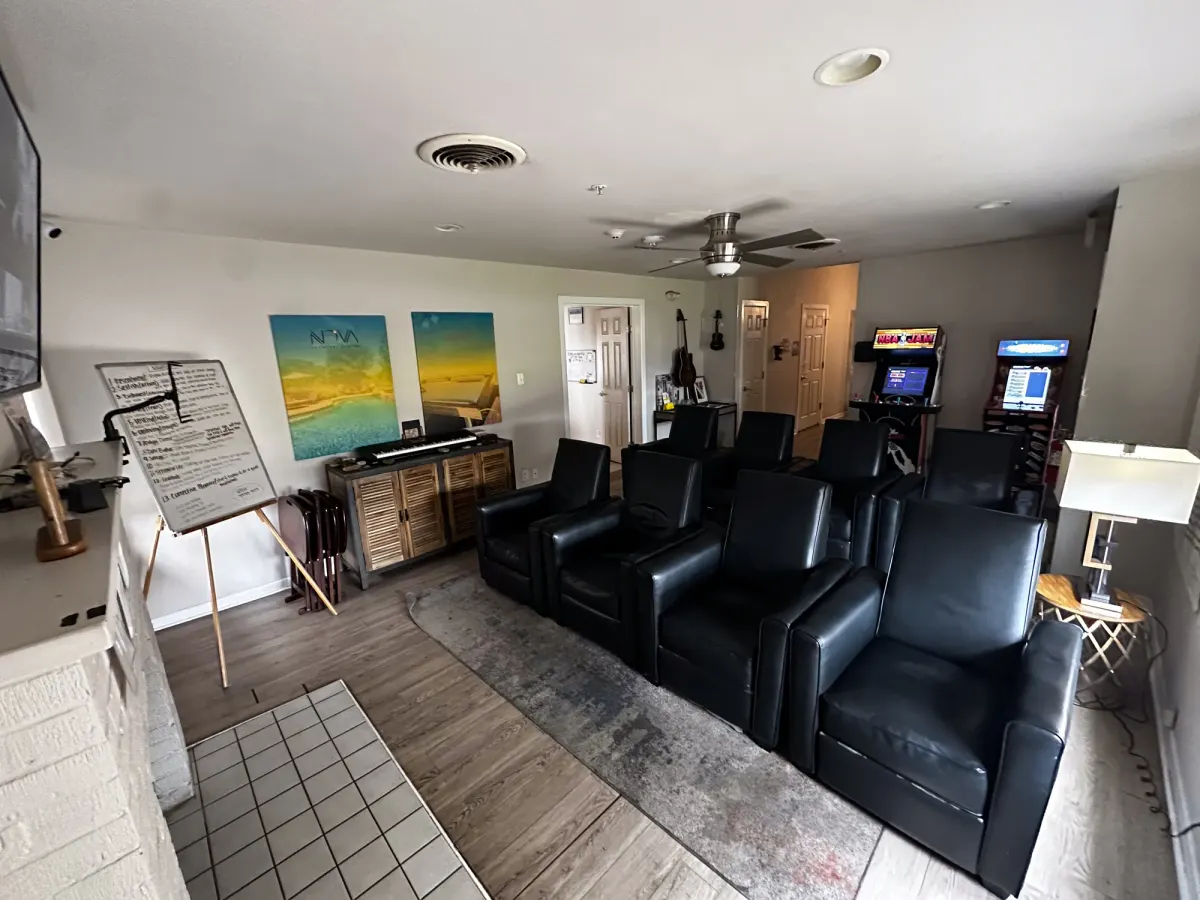 Inpatient
 Austin, TX
11711 N Lamar Blvd · 78753
- 15 beds
- On-site labs
- 24-hour medical staff
Drug & Alcohol Detox in Austin, TX
-
 Inpatient
 Houston, TX
1019 Ashland St · 77008
- On-site labs
- 24-hour medical staff
Drug Detox Center in Houston, TX
-
 Outpatient
 San Antonio, TX
6707 W Hausman Rd · 78249
- Outpatient detox with scheduled medical visits
- Outpatient treatment
Outpatient Drug & Alcohol Detox in San Antonio
Payment Options When You Don't Have Insurance Coverage
Facing the average cost of a week-long medical detox without insurance can feel overwhelming, but most reputable facilities offer multiple payment pathways beyond simply writing a check for the full amount.
Self-pay discounts are common. Many detox centers, including Briarwood Detox Center's Austin inpatient facility, offer reduced rates for patients paying out-of-pocket upfront. These discounts acknowledge that facilities avoid insurance claim processing costs and can pass those savings to you. Reductions of 10–20% off the standard rate are typical.
Payment plans allow you to spread costs over several months. Rather than requiring $3,000 before admission, a facility might accept a $500 deposit and monthly installments of $200–$300. This makes immediate access to care feasible even when you haven't saved the full amount. Always clarify interest rates and whether there are penalties for early payoff.
Health savings accounts (HSAs) and flexible spending accounts (FSAs) can cover medical detox expenses if you've been contributing to these pre-tax accounts through an employer. Medical detox qualifies as a legitimate medical expense under IRS guidelines, so you can use these funds without tax penalties.
Medical credit cards like CareCredit offer promotional financing specifically for healthcare expenses. Many provide 0% interest for 6–24 months if you pay off the balance within the promotional period. This option works well if you have decent credit and confidence in your repayment ability, but be cautious—deferred interest can hit hard if you don't clear the balance in time.
Comparing the Cost of Medical Detox to Long-Term Substance Use
When evaluating whether you can afford the average cost of a week-long medical detox without insurance coverage, it's worth examining the financial toll of continued substance use.
Ready to talk to someone now? Briarwood Detox Center's admissions team is here 24/7, and every call is confidential. Call (866) 710-7710.A moderate alcohol use disorder—say, a fifth of vodka daily—costs roughly $300–$400 per week. Opioid dependence, especially if you've progressed to fentanyl or heroin, can exceed $100–$200 per day. Over a year, those expenses dwarf the one-time cost of professional detox. Add in lost wages from poor job performance, legal fees from DUI or possession charges, and medical costs from substance-related health complications, and the financial case for treatment becomes clearer.
Medical detox isn't an expense—it's an intervention that stops the hemorrhaging of resources into active addiction. The seven-day investment often prevents months or years of continued financial, physical, and relational deterioration.
What to Ask Before Committing to a Medical Detox Program
Before you commit to any facility's quoted price for a week-long medical detox, ask specific questions that reveal whether you're getting appropriate value for the cost.
- What's included in the daily rate? Clarify whether medications, lab work, and physician visits are bundled or billed separately.
- What's the nurse-to-patient ratio? Lower ratios mean more attentive care but typically cost more. For high-risk withdrawal, this matters significantly.
- How do you handle complications? Ask whether the facility can manage medical emergencies on-site or whether you'd be transferred to an ER, potentially incurring additional costs.
- What happens if I need more than seven days? Understand the per-diem rate for extended stays and what clinical criteria determine length of stay.
- Do you offer aftercare planning? Discharge planning that connects you to outpatient treatment, therapy, or support groups adds value beyond just the detox itself.
Why the Cheapest Medical Detox Isn't Always the Best Value
It's tempting to shop exclusively on price when paying out-of-pocket, but the lowest-cost option may compromise on elements critical to your safety and success. Medical detox is not a commodity where all providers deliver identical services.
Facilities advertising unusually low rates—say, $800 for a full week of inpatient detox—often cut corners on medical staffing, use outdated withdrawal protocols, or provide minimal physician oversight. You might save money upfront but face higher risks of complications, incomplete detox, or such an uncomfortable experience that you leave against medical advice.
Value means balancing cost with clinical quality, safety standards, and outcomes. A moderately priced program with board-certified addiction medicine physicians, evidence-based protocols, and strong completion rates delivers better long-term value than a bargain facility with high complication rates.
Medical Detox in Texas: Regional Cost Considerations
If you're seeking medical detox in Texas, regional pricing patterns reflect both the state's diverse healthcare landscape and local market conditions. The average cost of a week-long medical detox without insurance coverage in Austin, San Antonio, or Houston generally falls within the $1,500–$3,500 range mentioned earlier, though you'll find variation even within these cities.
Austin's inpatient medical detox facilities tend toward the middle-to-upper end of that spectrum, reflecting the city's higher cost of living and competitive healthcare market. Outpatient detox options in San Antonio and Houston often provide more budget-friendly alternatives for individuals whose withdrawal risk profile allows for less intensive monitoring. Geography shouldn't be your only consideration—the appropriate level of care matters more than shaving a few hundred dollars off the bill—but understanding regional patterns helps set realistic expectations.
When Medical Detox Is Medically Necessary vs. Elective
Understanding whether your situation requires medical detox or whether you're choosing it for comfort helps contextualize the cost. For certain substances, medical detox isn't optional—it's a medical necessity that prevents potentially fatal complications.
Alcohol and benzodiazepine withdrawal can cause seizures, hallucinations, and autonomic instability that require medical intervention. If you've been drinking heavily for months or years, or if you've experienced withdrawal seizures before, medical detox is clinically necessary, not elective. The cost reflects life-saving medical care, not a luxury service.
Opioid withdrawal rarely causes life-threatening complications, but medical detox dramatically improves comfort and completion rates. Here, you're paying for a service that's medically beneficial rather than strictly necessary—similar to using anesthesia for a procedure that could technically be done without it. The value lies in tolerability and success rates, not emergency intervention.
Stimulant withdrawal (cocaine, methamphetamine) usually doesn't require the same level of medical oversight as alcohol or opioids, though psychiatric symptoms and fatigue benefit from clinical monitoring. For these substances, medical detox's value comes from managing depression, paranoia, or suicidal ideation that can emerge during early abstinence.
If you're uncertain whether your situation requires medical oversight or if you're evaluating options for withdrawal management in Austin, San Antonio, or Houston, Briarwood Detox Center can help you understand your clinical needs and available pathways to safe, comfortable detox.
Ready to take the next step?
Briarwood Detox Center provides medically supervised drug & alcohol detox. Call (866) 710-7710 to speak with our team today.
Frequently Asked Questions
How much is a week of detox?+–
A week of medical detox typically costs between $1,500 and $3,500 when paying out-of-pocket without insurance. Inpatient programs with 24/7 medical supervision fall on the higher end, while outpatient detox models usually cost less. The exact price depends on the substances involved, required medications, level of medical monitoring, facility location, and whether you need extended care beyond seven days.
What is the cheapest detox?+–
Outpatient medical detox is generally the most affordable option, typically costing 30–50% less than inpatient programs. However, the cheapest option isn't always appropriate for your clinical needs. Alcohol and benzodiazepine withdrawal often require inpatient care due to seizure risk, regardless of cost. Always prioritize safety and medical appropriateness over price when choosing a detox program.
Can I go to rehab if I don't have insurance?+–
Yes, you can access medical detox and treatment without insurance through self-pay options. Most facilities offer payment plans, self-pay discounts, or financing options to make care accessible. Some patients use health savings accounts, medical credit cards, or family assistance to cover costs. The key is contacting facilities directly to discuss available payment pathways before you need immediate care.
Is detox medically necessary?+–
Medical detox is clinically necessary for alcohol and benzodiazepine withdrawal due to seizure and cardiovascular risks that can be fatal without proper treatment. For opioids, medical detox isn't usually life-saving but dramatically improves comfort and completion rates. Stimulant withdrawal rarely requires medical intervention for safety but benefits from psychiatric monitoring. Your substance use history and withdrawal risk determine medical necessity.
How many days does it take to fully detox?+–
Detox timelines vary by substance. Alcohol withdrawal peaks around 24–72 hours and typically resolves within 5–7 days. Benzodiazepine detox may take 7–14 days or longer for long-acting formulations. Short-acting opioids clear in 5–7 days, while methadone withdrawal can last 10–14 days. Stimulants don't produce severe physical withdrawal but psychological symptoms may persist weeks. Your individual metabolism and use pattern also affect timeline.
What is a good 7 day body detox plan?+–
For substance withdrawal, a good seven-day medical detox plan includes physician assessment, 24/7 monitoring for severe withdrawal, medications to prevent complications and manage symptoms, nutrition and hydration support, sleep restoration, and discharge planning for continued care. Avoid unproven 'cleanse' diets during active withdrawal—your body needs proper medical protocols, not juice fasts. Focus on evidence-based withdrawal management under clinical supervision.
Does medical detox guarantee I won't relapse?+–
Medical detox addresses physical dependence and acute withdrawal but doesn't treat the underlying addiction. Detox is the essential first step, not a complete treatment. Most people need continued care—outpatient counseling, medication-assisted treatment, support groups, or residential rehab—after detox to maintain sobriety long-term. Detox gives you a medically stable foundation; ongoing recovery support builds on that foundation to prevent relapse.
Can I negotiate the cost of medical detox?+–
Many facilities offer flexibility on pricing, especially for self-pay patients. Ask about upfront payment discounts, sliding-scale fees based on income, payment plans with low or no interest, or financial assistance programs. Be direct about your budget constraints—most reputable detox centers would rather work with you on pricing than have you attempt unsafe withdrawal at home. Don't assume the quoted price is non-negotiable. Ready to Start Your Recovery in Austin? Briarwood Detox Center offers medically supervised detox in Austin. Explore our locations, see the facility, and verify your insurance in minutes. See our locations
Related guides



About the people behind this guide
Anna-Grace Washington
Medical Content Writer
Anna-Grace Washington is a Medical Content Writer for Briarwood Detox Center. She holds a master’s degree in clinical psychology from the University of Texas and brings a strong understanding of behavioral health, addiction recovery, and evidence-based treatment concepts to her writing.
Dr. Robert Ulrich, DO
Medical Director
Dr. Robert Ulrich serves as Medical Director at Briarwood Detox Center, bringing more than two decades of clinical neurology experience to the treatment of substance use disorders. He is board-certified in neurology by the American Board of Psychiatry and Neurology and completed his neurology residency at UT Southwestern Medical Center in Dallas, where he served as Chief Resident.
In network with most major insurance
Find your plan and see what detox would cost
Most plans cover medical detox. Coverage varies by plan, so we verify it for you before you commit to anything.



















Don't see your plan? We work with out-of-network benefits and offer self-pay options — (866) 710-7710
- Confidential
- Takes about 2 minutes
- No obligation to admit

- Accredited The Joint Commission
- Rated 4.7 · 183 Google reviews Flourishing Foundations Recovery, now part of Briarwood
- Admissions 24 hours a day