
Guide
Austin Recovery Resources: A Practical Checklist for Austin, Texas
Joint Commission accredited · In network with most major insurance · Admissions answered 24 hours a day


Published February 2, 2026
Reviewed and updated July 29, 2026
Key Takeaways · 6 points
- Clarify what counts as recovery resources and how “recovery capital” helps.
- Start with safety, crisis support, and knowing when detox is the first step.
- Build a 4-step Austin recovery plan and follow a simple 30-day outline.
- Use Texas recovery support services and remove barriers that block follow-through.
- Know when residential treatment may help and what to ask about step-down planning.
- Make recovery sustainable with school, family, and a plan for the hard hour.
Break Free from Addiction. Detox Safely in Austin Today.
Medically Supervised Detox – Compassionate Care Starts Here.
People searching for “austin recovery” or even “austin recovery austin” usually want one thing: a clear path from “I need help” to support that lasts. This guide groups addiction recovery resources in Austin into a plan you can use today. It also shows how detox and next‑step care work together, so progress doesn’t stop when stress or cravings hit.
If you’re in austin recovery texas planning mode right now, think of resources as a system, not a random list. A strong system covers safety, medical care, counseling, peer support, and day‑to‑day stability like housing, work, and school. When those pieces connect, recovery gets easier to start and easier to protect.

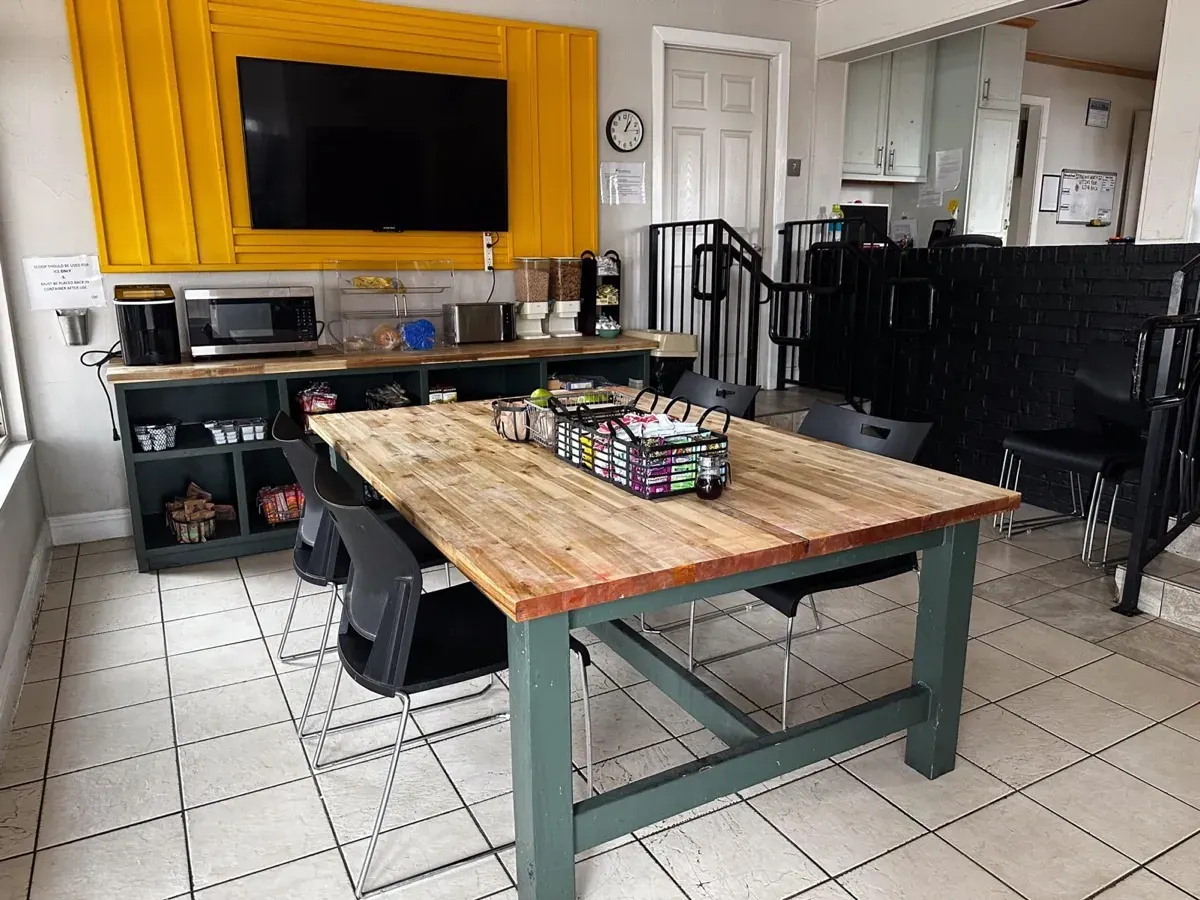
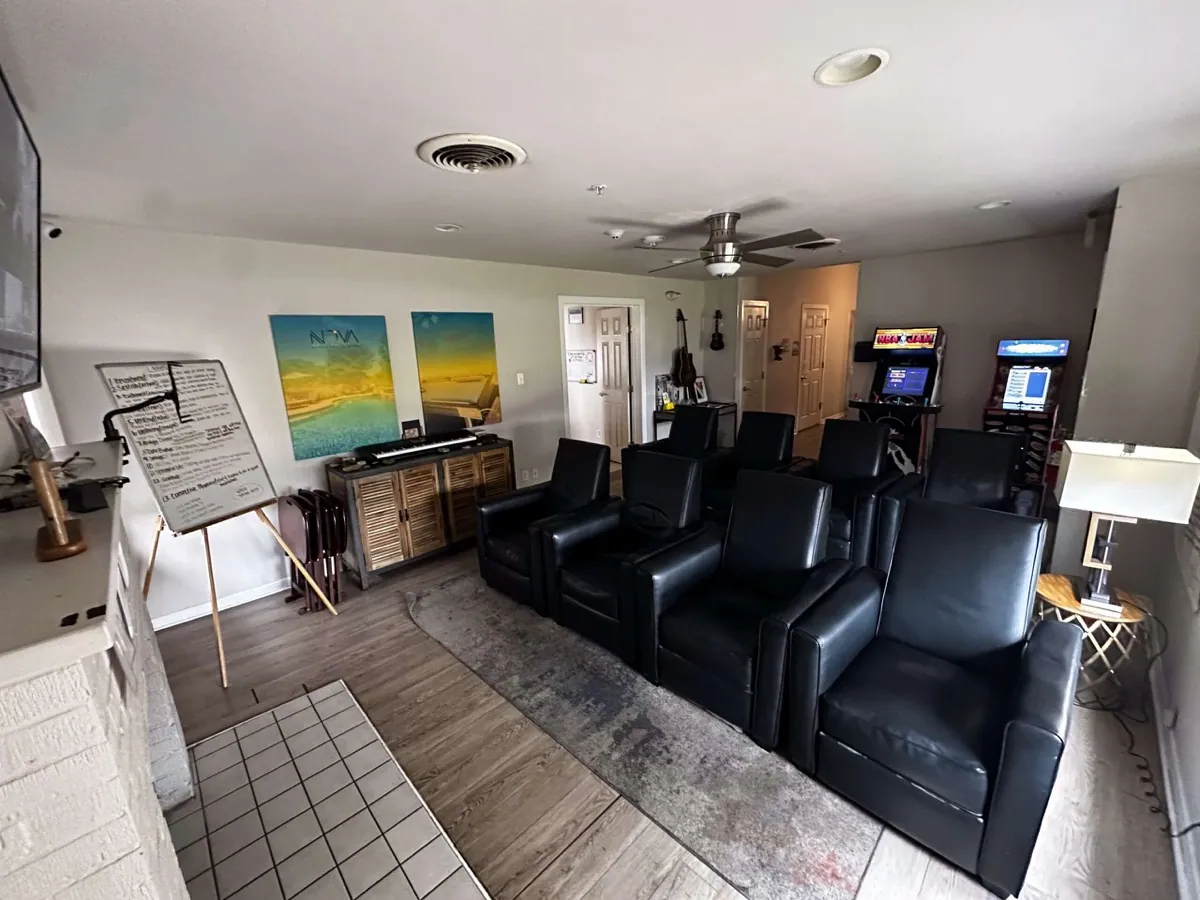

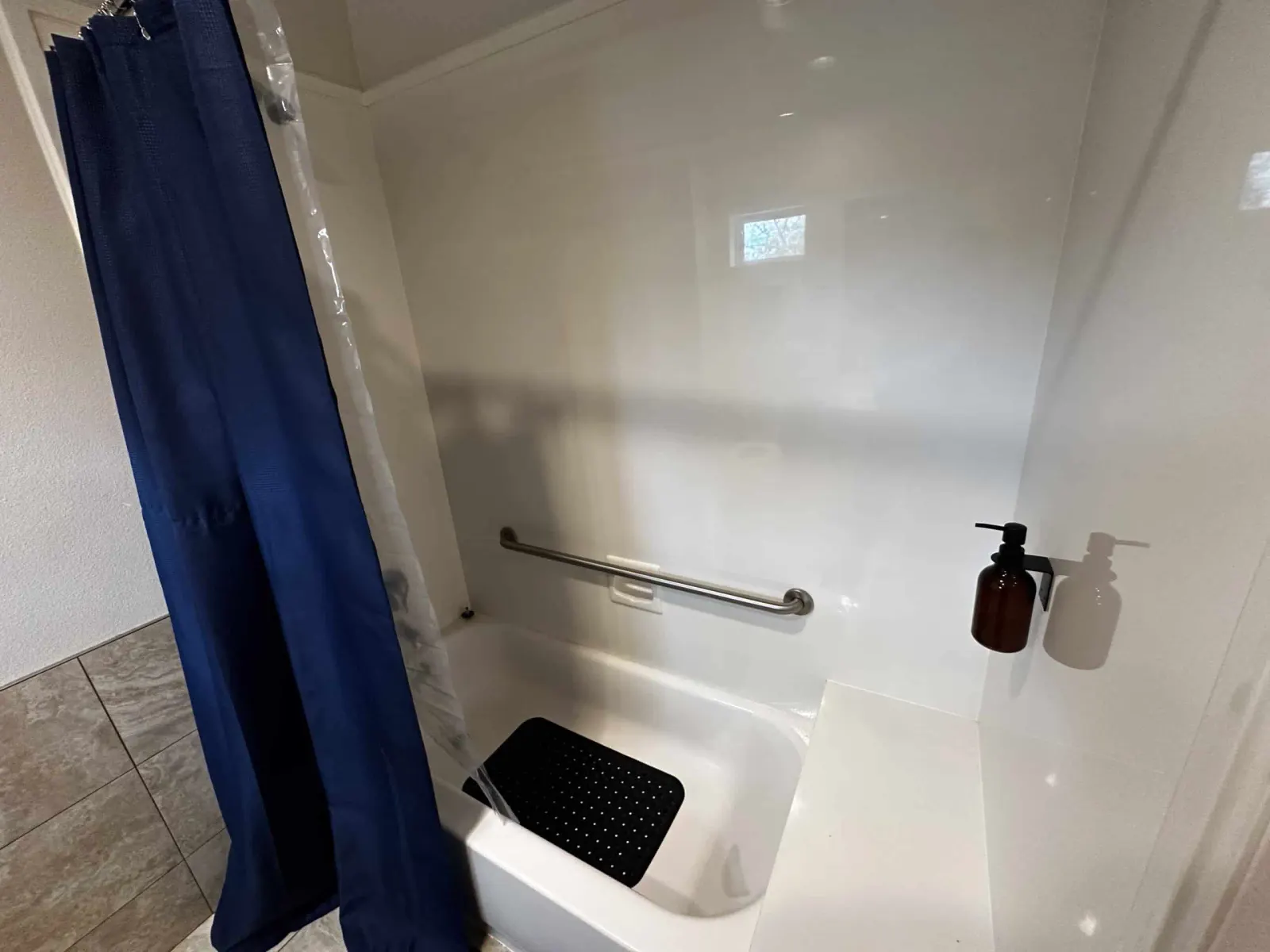
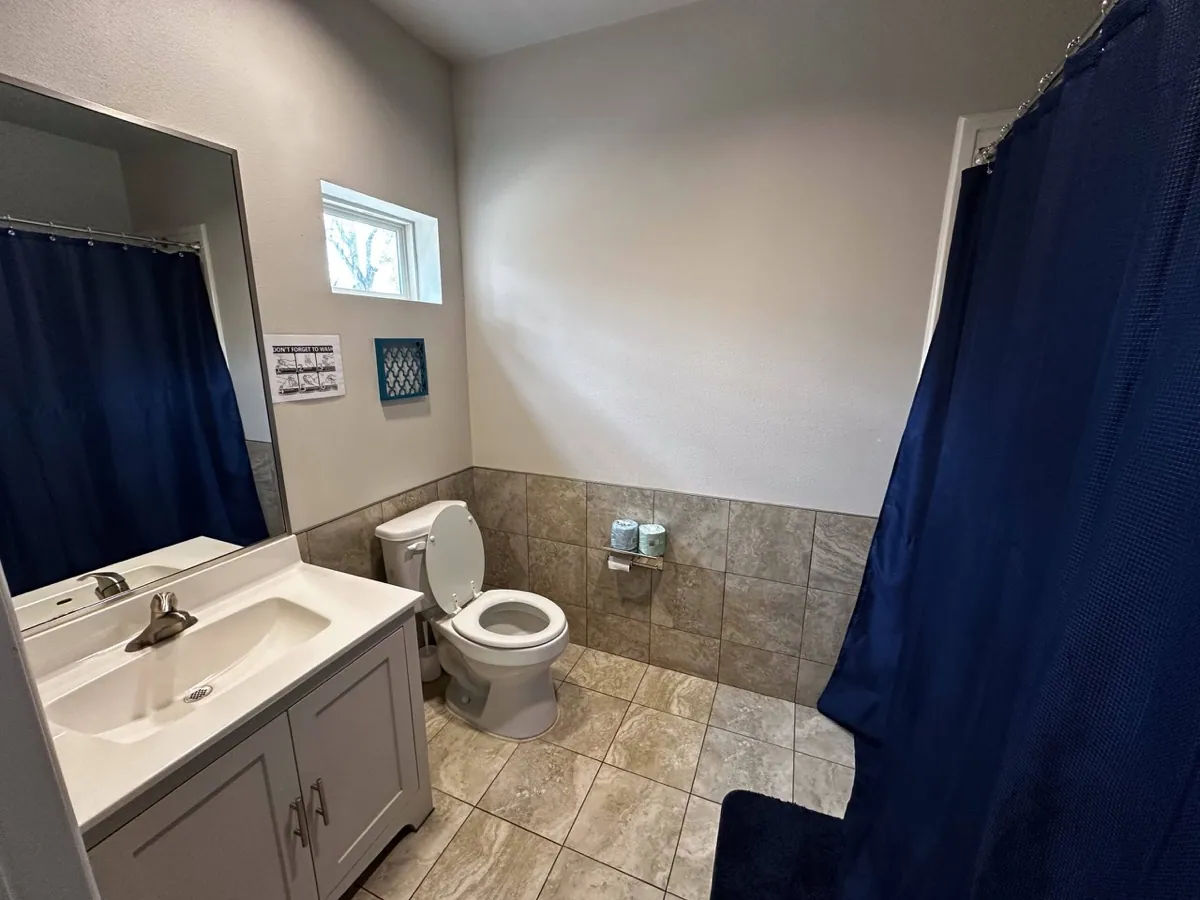

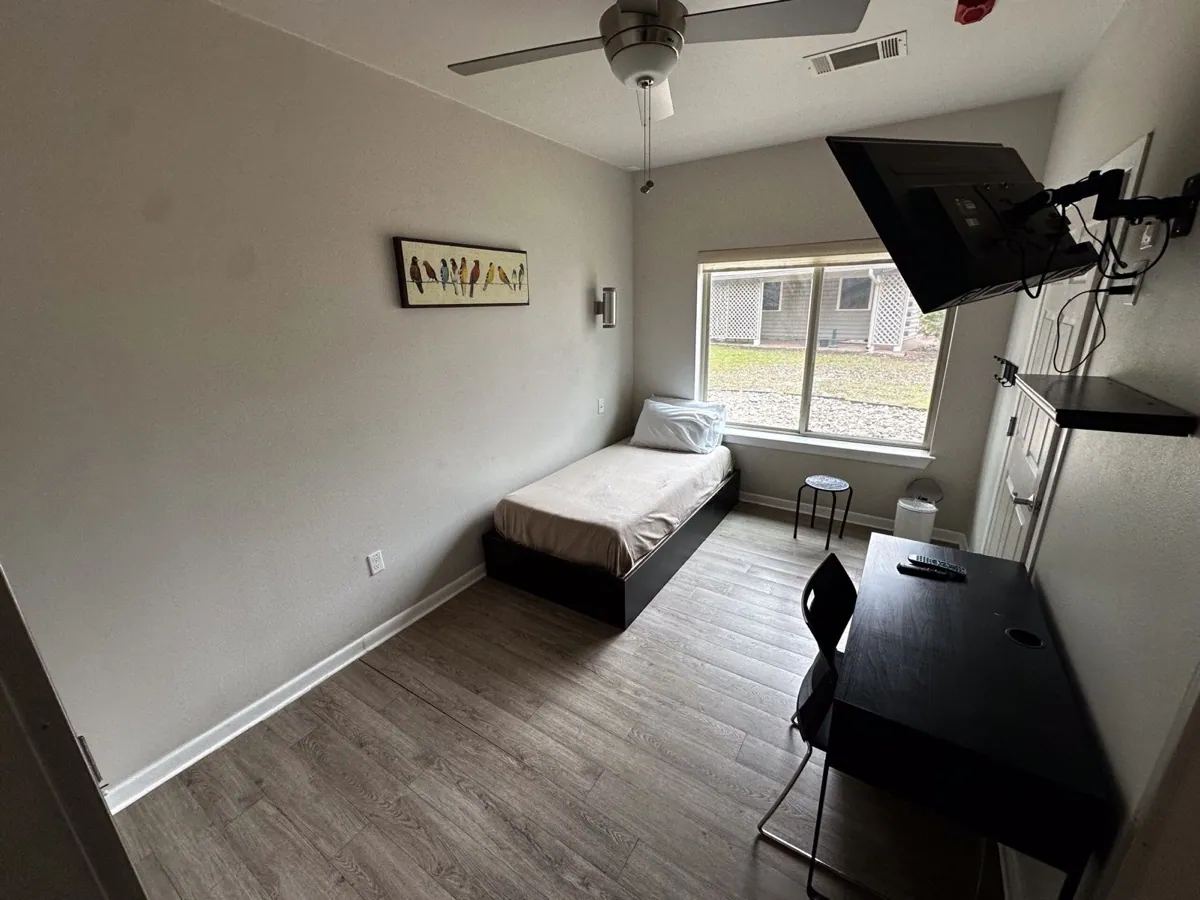

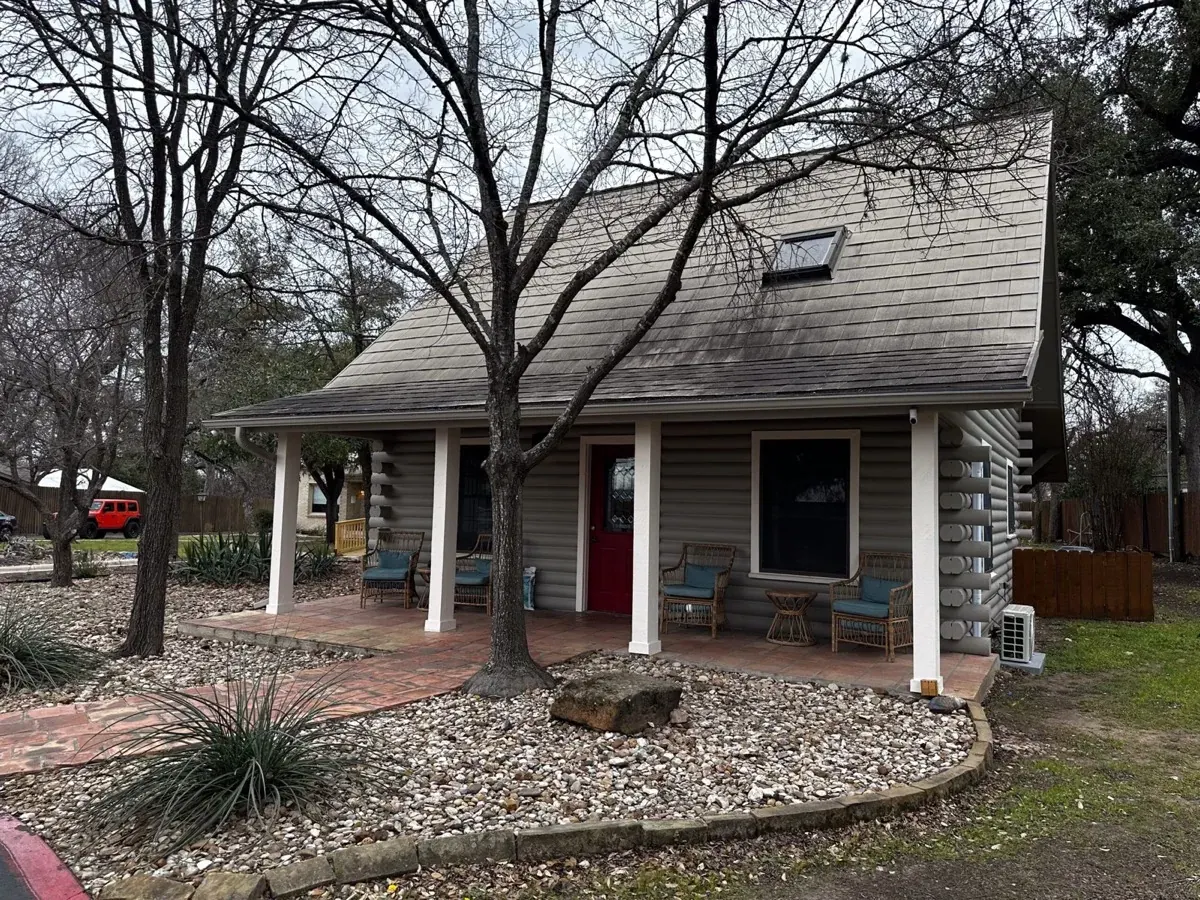


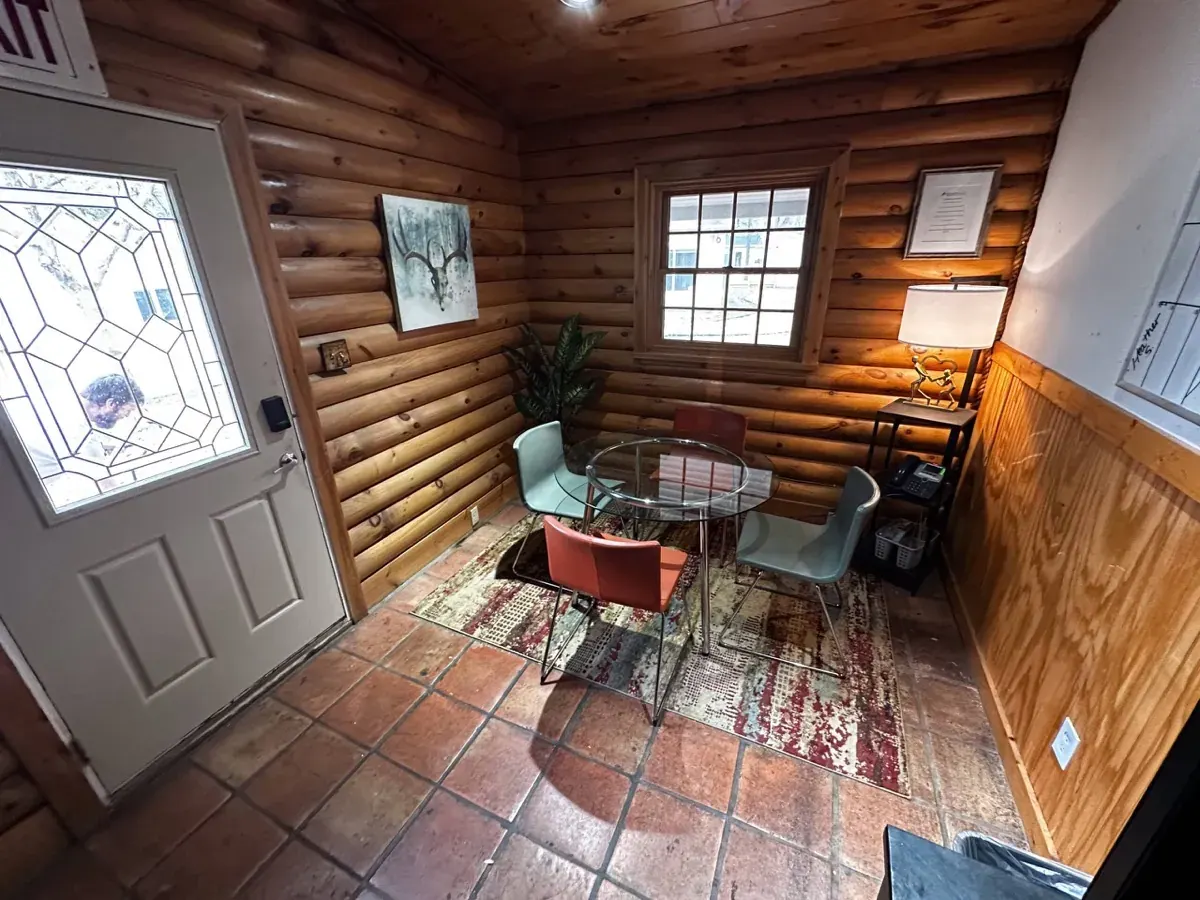



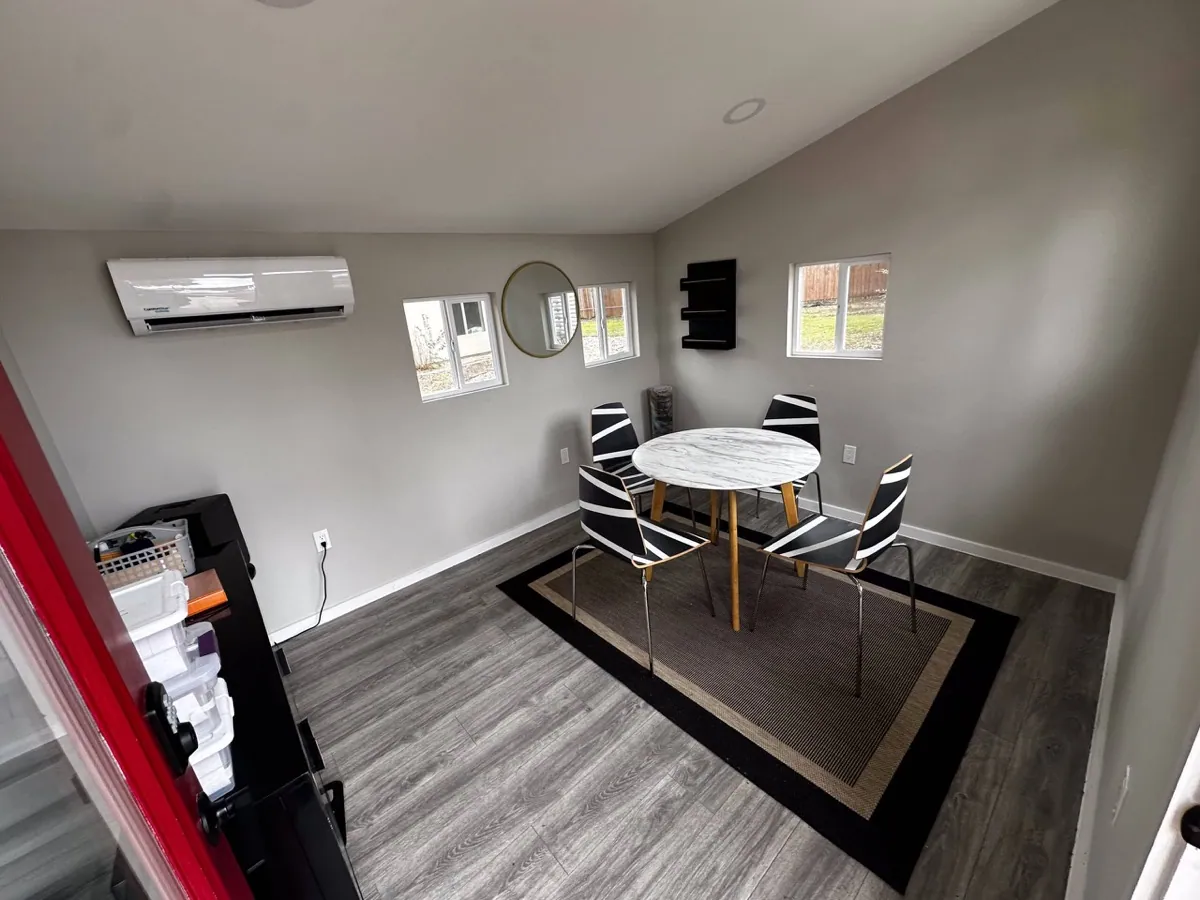


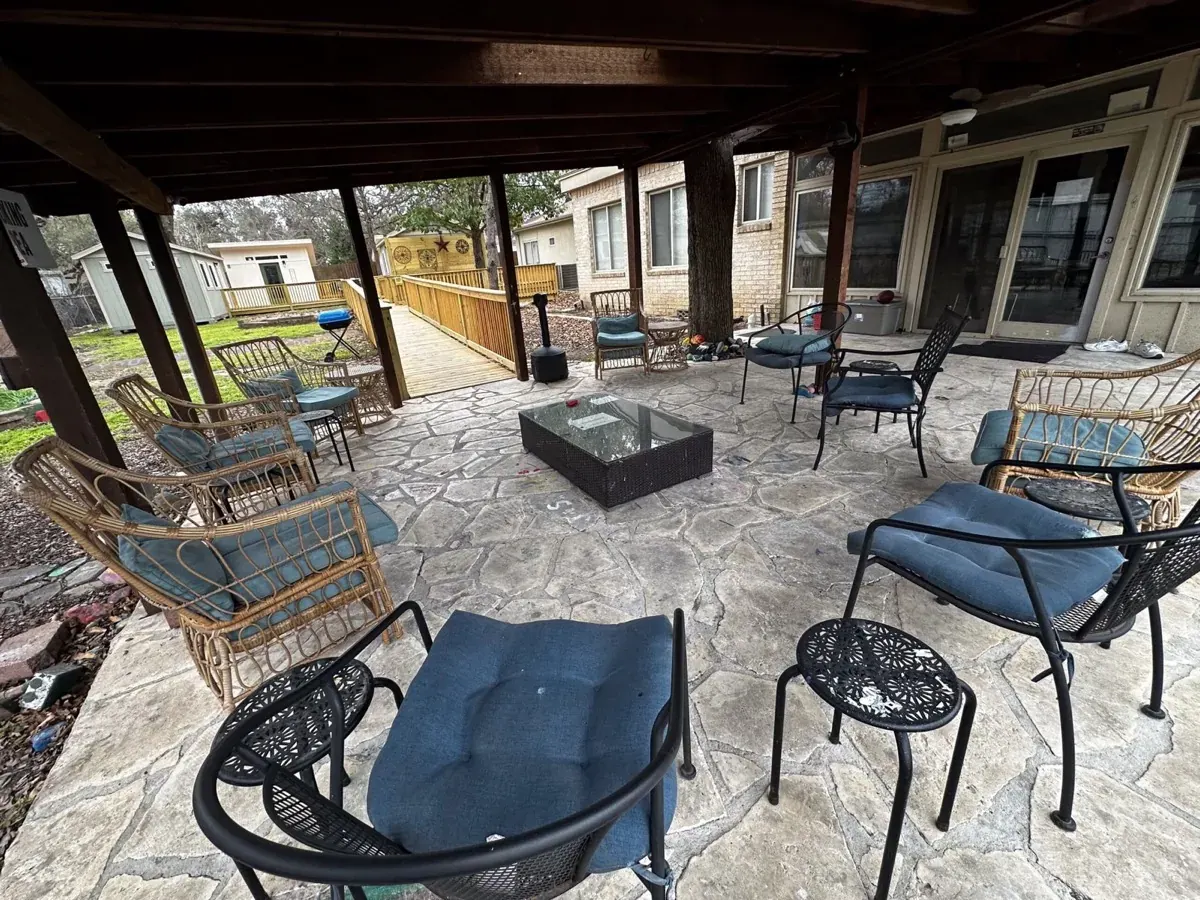

What “recovery resources” means in Austin
Recovery resources are any supports that help you reduce harm, stop using, and build a stable life over time. Some are clinical (like detox, therapy, and medication care). Others are practical (like safe housing, rides, and a plan for tough moments).
Think in “recovery capital,” not willpower
Recovery capital is the set of strengths and supports that make change easier to start and easier to keep going. In Austin, recovery capital often falls into four buckets.
- Health: medical care, medication follow‑up, and mental health support.
- Home: a safer living space, steady routines, and fewer triggers.
- Purpose: work, school, or roles that add structure and meaning.
- Community: supportive people, peer groups, and check‑ins.
You don’t need every bucket to be perfect on day one. You do need a plan to build them step by step, starting with safety and medical stability.
A quick way to sort Austin recovery resources
When you’re overwhelmed, sort options by the job they do. Many people find it helpful to think in these categories.
- Medical safety: detox, withdrawal monitoring, and medication management.
- Therapy and skills: counseling, coping tools, and trauma support when needed.
- Peer support: meetings, sponsors, and sober communities.
- Family support: education, boundaries, and healthier communication.
- Daily stability: housing, transportation, food, and sleep routines.
- Work and school: leave planning, return‑to‑work support, and campus resources.
- Long‑term structure: step‑down care like residential, outpatient, and aftercare.
This framing keeps you focused on what you need now, instead of what sounds good in theory.
Start with safety: crisis support and withdrawal risk
Many people look for addiction recovery resources in Austin during a moment of urgency. If there is immediate danger—overdose risk, severe confusion, chest pain, seizures, or thoughts of self-harm—call emergency services right away. If you need urgent mental health support, you can call or text 988 in the U.S. for the Suicide & Crisis Lifeline.
Use a national referral option when you need help fast
If you’re trying to find treatment options quickly, SAMHSA’s National Helpline can connect you with treatment referrals and information year‑round.
When detox should be the first step
Detox is a medical process that helps you get through withdrawal as safely as possible. It matters because withdrawal can be hard to predict, and some substances can cause serious health risks without support. If you’re looking for a medically supervised start in the city, you can learn about options at Briarwood Detox Center in Austin.
Even if you feel “fine” between uses, an assessment can still be important. It is especially useful if you have had severe withdrawal in the past, use every day, or have anxiety or depression at the same time.
A simple “today” checklist if you’re not sure where to start
- If you might be in danger, get urgent medical help first.
- Ask one trusted person to stay with you or check in on you.
- Write down what and how much you used in the last 24–72 hours.
- Set a short goal: “I will get assessed today” is enough for day one.
Small steps matter because they turn fear into action and reduce the risk of a crisis later.
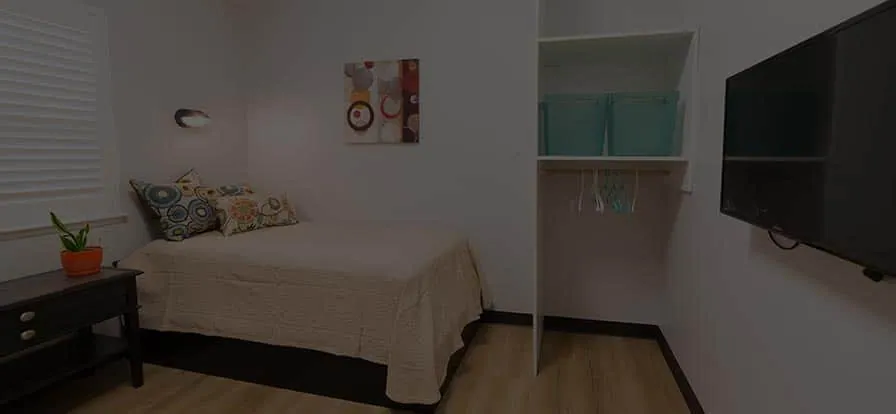
Where we are
Detox centers across Texas
Three locations, each with its own admissions line and its own clinical team. Pick the one nearest you — or call and we will tell you which has a bed tonight.
-
 Inpatient
 Austin, TX
11711 N Lamar Blvd · 78753
- 15 beds
- On-site labs
- 24-hour medical staff
Drug & Alcohol Detox in Austin, TX
-
 Inpatient
 Houston, TX
1019 Ashland St · 77008
- On-site labs
- 24-hour medical staff
Drug Detox Center in Houston, TX
-
 Outpatient
 San Antonio, TX
6707 W Hausman Rd · 78249
- Outpatient detox with scheduled medical visits
- Outpatient treatment
Outpatient Drug & Alcohol Detox in San Antonio
Build a personal Austin recovery plan in 4 steps
Austin has many kinds of supports, but they only help if they are organized around your real needs. Use this four‑step approach to build a plan you can follow when motivation drops.
- Define your must‑haves. Start with safety, withdrawal support, and a plan for cravings.
- Choose your next level of care. Many people do best with care that steps down as stability grows.
- Schedule support like appointments. Put meetings, therapy, and check‑ins on the calendar early.
- Remove friction. Plan rides, limit trigger places, and decide what you’ll do in the first 20 minutes of a craving.
Know what should happen after detox
Detox is a starting point, not the finish line. The next phase often includes therapy, peer support, and a steady routine. Briarwood outlines common next steps here: What comes after detox.
A 30‑day outline you can copy
Many people do better with a short plan they can see. Here is a simple outline you can adjust to your life.
- Days 1–3: focus on medical stability, sleep, hydration, and safe support.
- Week 1: confirm your next level of care and attend at least two support contacts.
- Week 2: add structure, like daily walks, meals at set times, and a weekly therapy slot.
- Weeks 3–4: practice trigger plans, rebuild trust with actions, and review what is working.
This works because it is realistic. It expects ups and downs, and it still keeps you moving.
Questions that help you vet any resource
- What problem does this resource solve for me right now: safety, cravings, mental health, housing, or follow‑through?
- How soon can I start, and what does the first week look like in plain terms?
- How does this support connect to my next step if I need more structure later?
- What does progress look like after 30 days, and how will we track it?
These questions help you avoid collecting “nice ideas” that never turn into action.
Use Texas recovery support services to strengthen your plan
Some of the most reliable supports are public programs designed to help people stay connected to care. Texas Health and Human Services describes recovery support services that can include peer support and other nonmedical help that keeps people engaged over time. Review the state overview here: Texas HHS recovery support services.
How to use public resources effectively
Public options work best when you treat them like part of a larger plan. Focus on clear next steps and practical barriers.
- Ask what documents you need before the first contact (ID, insurance details, or referral notes).
- Request a specific next step: an intake time, a call back window, or a referral pathway.
- Pair peer support with clinical care when symptoms are strong or relapse risk is high.
What “peer support” is and why it can help
Peer support usually means help from people who have lived experience and training to support recovery. It is not a replacement for medical care. It often helps by adding hope, practical tips, and accountability between appointments.
If you live outside Austin or you want to be closer to family support, your plan may work better in another Texas city. You can explore Briarwood Detox Center in San Antonio if that location makes visits and follow‑up planning easier.
Residential treatment in Austin: how to decide without guesswork
Searches for “residential treatment austin” often happen when home life is unstable, relapse risk is high, or mental health needs are big. Residential care can add structure, distance from triggers, and daily clinical support. It can also provide time to rebuild sleep, nutrition, and coping skills.
Signs you may need more structure right now
- You can’t stay stopped for more than a few days, even with strong intentions.
- Your home environment makes recovery harder: active use around you, unstable housing, or constant conflict.
- You have mental health symptoms that get worse when you stop using.
- You have had dangerous withdrawal symptoms, or you use more than one substance.
What to ask about residential care and step‑down planning
Look for a plan that connects levels of care instead of treating them as isolated events. Briarwood explains long‑term residential treatment as a common next step after stabilization: Long‑term residential treatment after detox.
- How will my care team plan the transition to the next level of care?
- How will mental health needs be supported during and after treatment?
- What does a typical day look like, and how is progress reviewed?
- How does the program help me prepare for work, school, and real‑world triggers?
Make recovery sustainable with community, school, and family supports
Long‑term austin recovery is usually built in ordinary life: mornings, workdays, weekends, and hard conversations. That’s why “resources” should include supportive environments, not only clinical services.
Campus recovery support for students
If you’re a student—or your recovery is tied to returning to school—campus communities can be a strong protective factor. The University of Texas at Austin offers a Center for Students in Recovery focused on community and recovery‑friendly campus life: UT Austin Center for Students in Recovery.
Family support that actually helps
Family support works best when it is specific and consistent. Helpful support can include rides to appointments, boundaries around substances in the home, and calm conversations about relapse risk. It also helps to plan for stressful seasons, like holidays, big work deadlines, or relationship changes.
Plan for the hard hour, not the easy day
Most relapses start with a tough hour, not a tough life. A simple prevention plan often includes three pieces: a person to contact, a place to go, and a short script you can use when you feel pulled toward old routines.
- Person: “Can you stay on the phone with me for 10 minutes?”
- Place: “I’m going to a safe public place or a meeting right now.”
- Script: “I’m not doing that today. I’m protecting my recovery.”
If you’re closer to Houston, or you want a location that supports privacy and scheduling needs, you can also review Briarwood Detox Center in Houston.
The most important point is simple: recovery is easier when you build a system that still works on hard days. Start with safety, add structure, and keep strengthening supports until your new routine becomes normal.
How to Choose the Right Austin Recovery Resources After Detox
Briarwood Detox can support people searching for Austin recovery resources by helping them start with the safest first step: a medically supervised detox assessment and withdrawal plan tailored to their needs. When alcohol or drug use has become hard to stop, withdrawal can be unpredictable, and clinical monitoring can reduce risk while making symptoms more manageable. Briarwood’s team can help clarify what level of care fits best, whether someone needs inpatient detox for closer monitoring or a step-down plan that continues after stabilization. Beyond the detox phase, Briarwood helps patients prepare for the next steps after detox, including structured treatment planning, coping strategies, and practical routines that support long-term recovery in Austin, Texas.
This kind of planning matters because cravings, stress, sleep problems, and mental health symptoms often peak during early recovery, even after the body begins to stabilize. Briarwood also works with patients to reduce real-world barriers like insurance questions, admission timing, and what to bring, so it’s easier to take action quickly. For families, clear guidance on boundaries and support can help reduce conflict and improve follow-through during the first critical weeks. Overall, Briarwood combines medical detox support in Austin with recovery-focused planning so people leave with a safer foundation and a realistic path forward.
Austin Recovery Resources FAQ: Detox Support, Withdrawal Help, and Next Steps
What are Austin recovery resources for addiction, and what is the first step?+–
Austin recovery resources are the clinical and community supports that help you stop using, stay safe, and build stability over time. A practical first step is a confidential assessment to determine withdrawal risk and the right level of care, including whether detox is needed. To start with Briarwood’s Austin team, you can contact our team to discuss detox and next steps.
What is medical detox support in Austin, and how is it different from rehab?+–
Medical detox support in Austin is short-term, medically supervised care that helps you stop alcohol or drugs safely while clinicians manage withdrawal symptoms. Rehab focuses on longer-term treatment like therapy, coping skills, and relapse-prevention planning after withdrawal is stable. Detox is often recommended when stopping alcohol, benzodiazepines, or opioids may cause moderate-to-severe symptoms or high relapse risk. Learn more about medical detox in Austin at Briarwood Detox Center.
How do I know if I need medically supervised withdrawal help in Austin?+–
Medically supervised withdrawal help in Austin is usually recommended when stopping could cause dangerous symptoms or when medical or mental health risks complicate withdrawal. Higher-risk situations include daily or heavy use, a history of seizures or severe confusion during withdrawal, mixing substances, pregnancy, or significant depression/anxiety. If you’re unsure, a confidential phone screening can help you choose the safest setting; call (866) 710-7710 or review Briarwood’s detox admissions process.
How long does drug or alcohol detox usually take in Austin, Texas?+–
Most detox stays last about 3–7 days, but the exact timeline depends on the substance, how long you used, your dose, and your overall health. Alcohol and benzodiazepine withdrawal can require closer monitoring or a longer taper, while other substances may stabilize sooner with supportive care. An intake assessment helps estimate length of stay and plan the next steps after detox.
Is it safe to detox at home in Austin, or should I get medical help?+–
Detoxing at home can be unsafe, especially for alcohol or benzodiazepines, because withdrawal can include seizures or severe confusion. Even when withdrawal is not typically life-threatening, symptoms can be intense and relapse risk can be high without medical support. If you’re considering stopping, getting a medical assessment first is the safest way to decide between inpatient and outpatient detox support in Austin.
What are common withdrawal symptoms, and when should I seek urgent medical care?+–
Withdrawal symptoms often include anxiety, insomnia, sweating, nausea, tremor, body aches, and strong cravings. Severe warning signs include hallucinations, seizures, fainting, chest pain, uncontrolled vomiting, or confusion that worsens. If severe symptoms appear, seek urgent medical care immediately, because complications can escalate quickly during withdrawal.
What medications are commonly used during detox for alcohol, opioids, or benzodiazepines?+–
Detox medications are individualized, but alcohol withdrawal is often treated with medications that reduce seizure risk and stabilize vital signs. Opioid withdrawal may be managed with medications such as buprenorphine or methadone, plus symptom-relief options for nausea, sleep, or blood pressure when clinically appropriate. Benzodiazepine withdrawal is typically managed with a structured, clinician-guided taper to lower seizure risk. Medication decisions should be made by licensed clinicians based on your history, current symptoms, and safety needs.
What happens after detox, and what Austin recovery resources help you stay on track?+–
After detox, the next step is ongoing treatment planning—often therapy, structured outpatient care, medication follow-up when indicated, and recovery-focused routines that reduce relapse risk. Austin recovery resources after detox can also include family support, case management, and peer-based support that helps you stay connected between appointments. Briarwood can help coordinate next steps after detox and recovery planning so you leave detox with a clear plan, not just discharge paperwork.
Does insurance cover detox support in Austin, and what does insurance verification check?+–
Insurance often helps cover detox support in Austin, but coverage and out-of-pocket costs vary by plan and medical necessity. Insurance verification checks key details like benefits, eligibility, deductibles, and whether the plan treats detox as in-network or out-of-network care. To start a confidential check, you can verify your insurance coverage and admissions options or call (866) 710-7710.
Can I get into detox in Austin today, and what should I have ready?+–
Same-day detox support in Austin may be possible, but timing depends on availability and the medical screening needed for safety. To move quickly, have your ID, insurance card, a list of medications, and recent substance use details ready for intake questions. Pack simple items like 5–7 days of comfortable clothes, pajamas, toiletries, and comfortable shoes, and leave alcohol-containing products or weapons at home. For current availability and a complete checklist, call (866) 710-7710 or review the detox packing list and what to bring.
Related guides

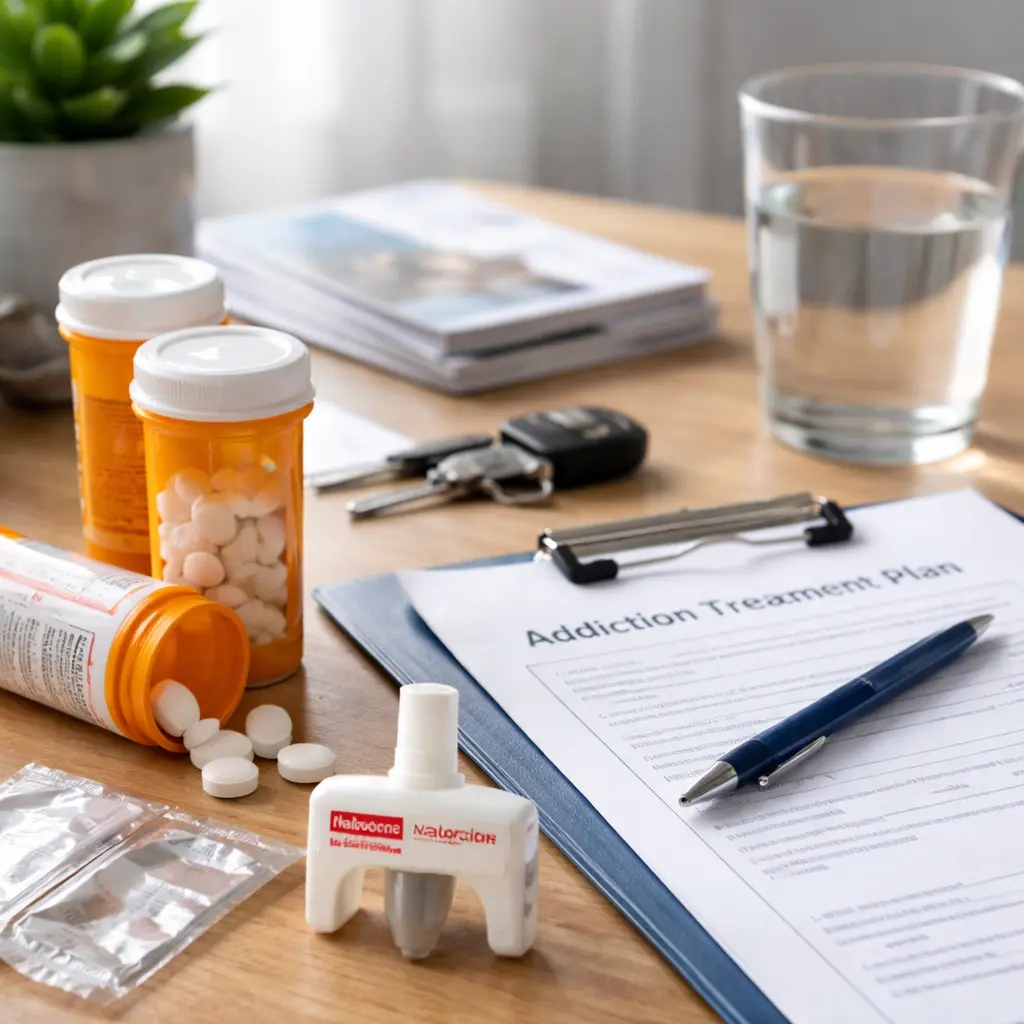

About the people behind this guide
Anna-Grace Washington
Medical Content Writer
Anna-Grace Washington is a Medical Content Writer for Briarwood Detox Center. She holds a master’s degree in clinical psychology from the University of Texas and brings a strong understanding of behavioral health, addiction recovery, and evidence-based treatment concepts to her writing.
Dr. Robert Ulrich, DO
Medical Director
Dr. Robert Ulrich serves as Medical Director at Briarwood Detox Center, bringing more than two decades of clinical neurology experience to the treatment of substance use disorders. He is board-certified in neurology by the American Board of Psychiatry and Neurology and completed his neurology residency at UT Southwestern Medical Center in Dallas, where he served as Chief Resident.
In network with most major insurance
Find your plan and see what detox would cost
Most plans cover medical detox. Coverage varies by plan, so we verify it for you before you commit to anything.


















Don't see your plan? We work with out-of-network benefits and offer self-pay options — (866) 710-7710
- Confidential
- Takes about 2 minutes
- No obligation to admit

- Accredited The Joint Commission
- Rated 4.5 · 95 Google reviews
- Admissions 24 hours a day