
Guide
What to Bring to an Inpatient Detox Center in Austin, Texas: Your Complete Packing Checklist
Joint Commission accredited · In network with most major insurance · Admissions answered 24 hours a day

Published May 5, 2026
Reviewed and updated July 29, 2026
If you or someone you love is preparing for inpatient detox in Austin, Texas, knowing what to bring to detox can make the difference between a stressful admission day and a smooth, focused start to recovery. Packing the right items — and leaving the wrong ones at home — helps you settle in quickly, stay comfortable during withdrawal, and direct all of your energy toward healing. This guide walks you through exactly what to pack, what to leave behind, and what to expect during the intake process at an Austin detox center.
If you or someone you love needs more than detox, Briarwood Detox Center also provides rehab in austin texas.
Why Packing Smart Matters for Inpatient Detox in Austin
Arriving at an inpatient detox facility is an emotionally charged moment. The last thing you want is to be turned away with prohibited items, feel uncomfortable because you forgot essentials, or have your loved ones scrambling to bring forgotten belongings partway through your stay. Most inpatient detox programs in Austin run anywhere from five to ten days, depending on the substance and your individual medical needs. That's long enough that you'll want to feel settled and cared for — but short enough that you don't need to pack like you're moving out. Facilities like Briarwood Detox Center offer medically supervised detox in a safe, structured environment. The clinical team handles your medical needs; your job is simply to show up ready. Bringing the right items supports your comfort without disrupting the therapeutic environment for yourself or other clients.
Essential Documents to Bring to Detox Admission
Before you pack a single shirt, gather your paperwork. These items are required at admission and can delay or complicate your intake if they're missing:
- Government-issued photo ID (driver's license, state ID, or passport)
- Insurance card — both front and back. If you haven't already verified your coverage, Briarwood Detox Center's team can help you do that quickly over the phone at (866) 710-7710.
- Social Security card or number (for insurance and billing purposes)
- A list of all current medications, including doses and prescribing doctors
- Emergency contact information for at least one trusted family member or friend
- Any relevant medical records — especially if you have a chronic condition, prior detox history, or dual diagnosis (co-occurring mental health concerns). You can also request your medical records ahead of time to make this easier.
- Your prescription medications in original, labeled pharmacy bottles
Tip: Take photos of all documents on your phone before arriving, and store a copy with a trusted family member in case originals are misplaced.
Clothing and Personal Comfort Items: The Austin Detox Packing List
Think of your clothing needs the way you would for a short hospital stay — comfortable, practical, and layered. Austin's weather can shift, especially in spring and fall, and detox facilities often keep rooms on the cooler side. Here's a solid clothing checklist for a 5–10 day inpatient stay:
- 5–7 pairs of underwear and socks
- Comfortable, loose-fitting tops (t-shirts, sweatshirts, hoodies)
- 2–3 pairs of comfortable pants or leggings — no jeans with rivets or excessive hardware
- Pajamas or sleepwear
- A light jacket or cardigan for cooler indoor temperatures
- Slip-on shoes or sneakers (flip-flops for the shower)
- Workout or walking clothes if the facility offers exercise or outdoor time
Personal hygiene essentials:
- Toothbrush and toothpaste
- Shampoo, conditioner, and body wash (travel sizes or your preferred brands)
- Deodorant
- Razor (disposable, single-blade — check with your facility)
- Hairbrush or comb
- Feminine hygiene products if needed
- Lip balm and moisturizer (detox can be hard on skin and lips)
- Glasses or contacts with solution
- Hearing aids or other medical devices with batteries
Note: Most facilities do not allow aerosol sprays, glass containers, or products containing alcohol — including some mouthwashes, hand sanitizers, and perfumes. Always check with the facility ahead of time about approved personal care products.
Items That Support Your Emotional Well-Being During Detox
Detox isn't just physical — it's emotionally intense. The right comfort items can help ground you during difficult moments. Many Austin detox clients find that having familiar, soothing items helps them feel less isolated and more anchored during the early days of withdrawal.
Call Now: (866) 710-7710- A journal and pen — Writing is one of the most therapeutic tools available during detox. Journaling your thoughts, fears, and intentions can be profoundly helpful, especially as your mind begins to clear.
- Books or magazines — Light reading material (not substance-related) helps pass the time and keep anxiety at bay. Check whether e-readers are permitted.
- A few photos of loved ones — Physical prints rather than digital images, since phone access may be restricted
- A small pillow or blanket from home — Many clients find that a familiar-smelling item from home eases anxiety during the first night or two
- Headphones (check if permitted) and a music playlist downloaded offline
- Prayer beads, a rosary, or a spiritual item if faith is part of your recovery approach
- Fidget tools or stress balls — Simple tactile items can help manage restlessness during withdrawal
The clinical team at Briarwood also offers therapies and holistic support during detox, including therapeutic activities designed to support your emotional stability throughout the process.
What NOT to Bring to an Inpatient Detox Center
Just as important as what you pack is what you leave at home. Prohibited items are typically restricted to protect your safety, the safety of other clients, and the integrity of the therapeutic environment. Most Austin inpatient detox centers will not allow:
- Any alcohol, drugs, or drug paraphernalia — This includes marijuana, vaping devices, and nicotine products at some facilities
- Prescription medications not pre-approved by the medical team (even vitamins and supplements should be cleared first)
- Weapons of any kind
- Excessive cash or valuables — Bring only what you need. Leave jewelry, watches, and large sums of money at home
- Revealing or offensive clothing
- Laptops, tablets, or gaming devices at most facilities (phones may be restricted or have limited access hours)
- Pornographic or violent materials
- Aerosol cans (hair spray, deodorant sprays, perfume)
- Products with alcohol content (certain mouthwashes, hand sanitizers, some skincare)
When in doubt, call the facility before packing. The admissions team at Briarwood Detox Center is happy to answer these questions — you can reach them at (866) 710-7710.
Medications and Medical Supplies: What the Intake Team Needs to Know
If you take prescription medications — for blood pressure, diabetes, anxiety, depression, or any other condition — bring them in their original, labeled pharmacy bottles. The medical team will review all medications during your intake assessment and determine which can be continued, adjusted, or temporarily paused during detox. Do not take it upon yourself to manage your own medications during an inpatient stay. This is one of the most important safety reasons people choose medically supervised detox over attempting to detox at home. Withdrawal from alcohol, benzodiazepines, and opioids can involve serious medical complications — and having physicians and nurses on-site to manage your medications is a genuine lifesaver. If you have a history of seizures, heart conditions, or other complications, make sure the admissions team knows before your arrival so they can prepare appropriately.
Preparing Mentally and Logistically Before You Arrive
Packing is just one part of preparing for inpatient detox in Austin. Here are a few other practical steps to take before admission day:
- Arrange transportation. You should not drive yourself to detox. Ask a family member, friend, or rideshare service to bring you.
- Notify your employer if needed. FMLA (Family and Medical Leave Act) protections may apply. Your HR department or an attorney can advise you on your rights.
- Make arrangements for dependents and pets. Have a trusted person lined up to care for children, animals, or other responsibilities in your absence.
- Let a family member know your plan. Family involvement in the detox process can be a significant source of strength and accountability during and after your stay.
- Take care of financial loose ends. Auto-pay bills if possible, so financial stress doesn't distract you during treatment.
- Set an intention. Take a few quiet moments before you leave to remind yourself why you're doing this. Write it down. Bring it with you.
Whether you're preparing for drug detox in Austin or alcohol detox in Austin, showing up prepared — mentally and physically — gives you the best possible foundation for a successful detox and a lasting recovery.
You Don't Have to Figure This Out Alone
Deciding to go to detox is one of the bravest decisions a person can make. If you're feeling overwhelmed by the logistics, the emotions, or the uncertainty of what comes next, know that you don't have to navigate it by yourself. The admissions team at Briarwood Detox Center in Austin is here to answer every question — from what to pack to what your first day will look like to what happens after detox is complete. Briarwood Detox Center provides compassionate, medically supervised detox for adults struggling with alcohol and drug dependence in the Austin, Texas area.
Our team walks alongside you from that first phone call through discharge planning and beyond. Freedom from addiction starts with one call — and we're ready to answer when you're ready to make it. Call us today at (866) 710-7710 to speak with an admissions specialist, ask about your insurance coverage, or get your questions answered without any pressure. Recovery is possible — and it starts right here.
Where we are
Detox centers across Texas
Three locations, each with its own admissions line and its own clinical team. Pick the one nearest you — or call and we will tell you which has a bed tonight.
-
 Inpatient
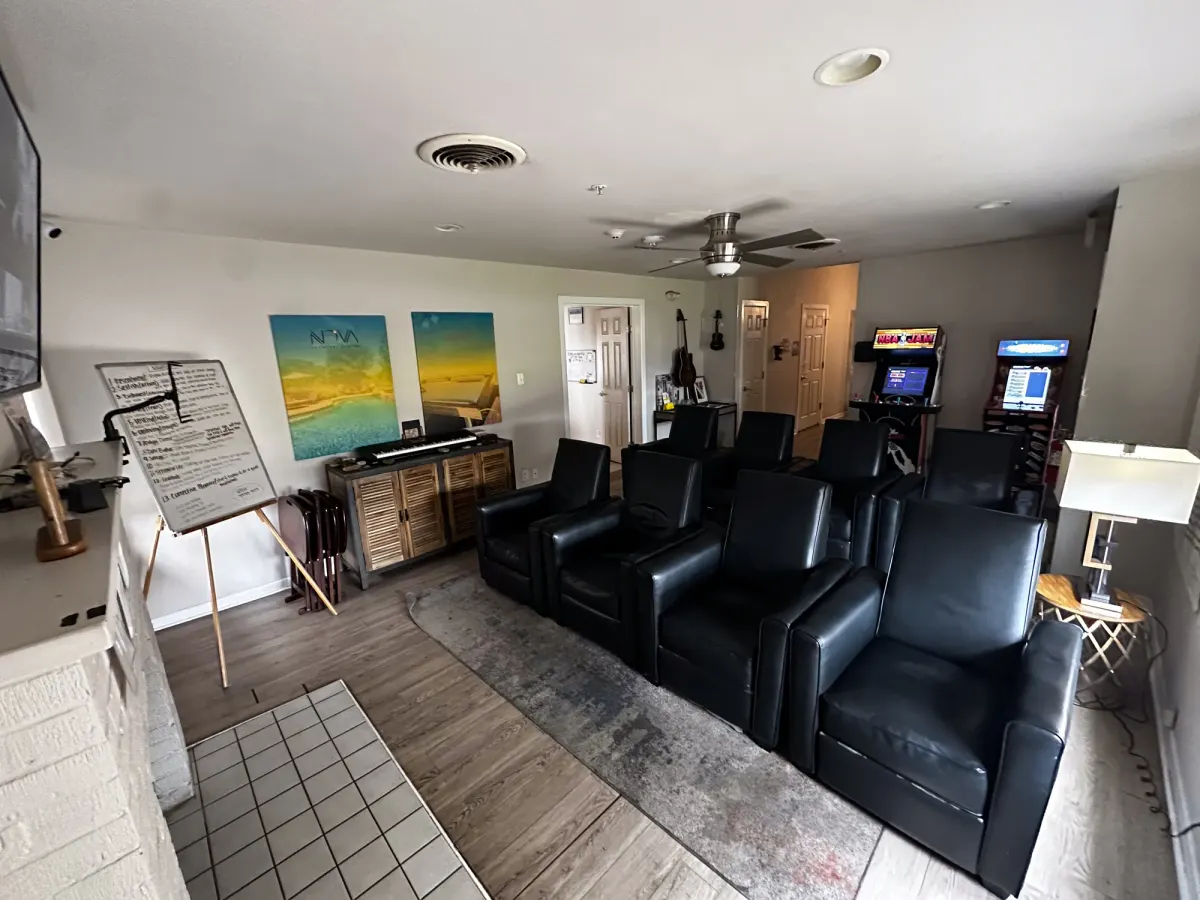
 Austin, TX
11711 N Lamar Blvd · 78753
- 15 beds
- On-site labs
- 24-hour medical staff
Drug & Alcohol Detox in Austin, TX
-
 Inpatient
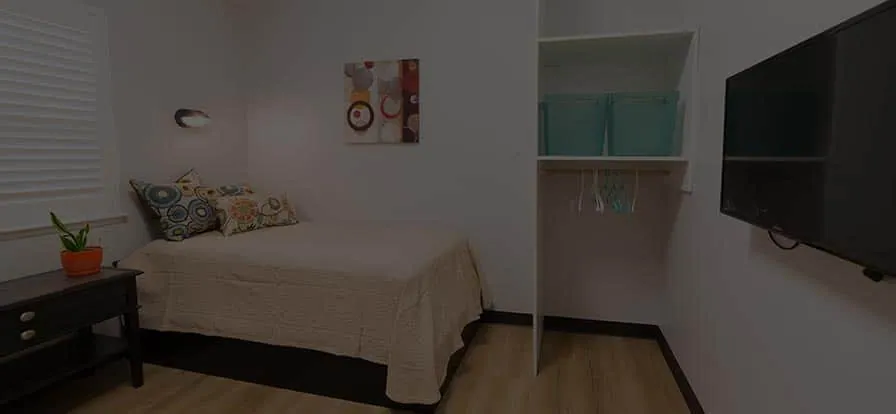
 Houston, TX
1019 Ashland St · 77008
- On-site labs
- 24-hour medical staff
Drug Detox Center in Houston, TX
-
 Outpatient
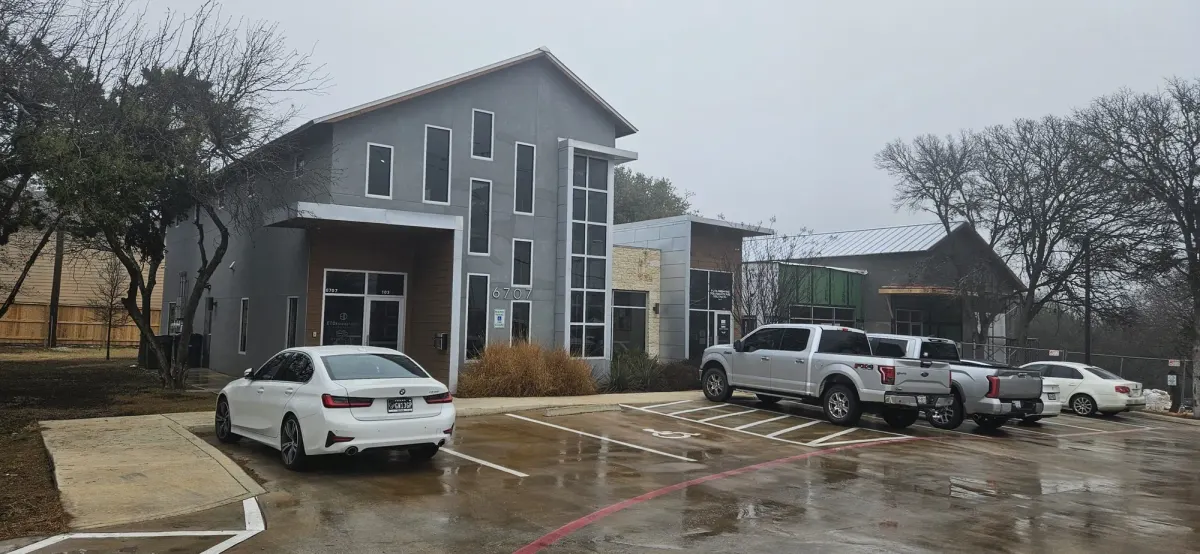
 San Antonio, TX
6707 W Hausman Rd · 78249
- Outpatient detox with scheduled medical visits
- Outpatient treatment
Outpatient Drug & Alcohol Detox in San Antonio
Frequently Asked Questions
What documents do I need to bring to an inpatient detox center in Austin? You'll typically need a government-issued photo ID, your insurance card, a list of current medications in their original pharmacy bottles, emergency contact information, and any relevant medical records. Having these ready at admission speeds up your intake process and ensures the medical team has everything they need to keep you safe from day one. Can I bring my phone to inpatient detox? Phone policies vary by facility. Some Austin detox centers allow limited phone access during designated hours, while others restrict phones entirely during the first few days to support focus on treatment.
It's best to call your specific facility ahead of time to confirm their policy — and to let your family know the communication plan before you arrive. How long does inpatient detox typically last in Austin, Texas? Most inpatient detox programs in Austin last between five and ten days, though the exact length depends on the substance, the severity of dependence, and your individual medical needs. Alcohol and benzodiazepine detox can take longer due to the risk of serious withdrawal complications, while stimulant detox may resolve more quickly. Your medical team will monitor your progress and guide the timeline.
What should I NOT bring to a detox center? You should leave behind any alcohol, drugs, or paraphernalia; aerosol products or items containing alcohol; laptops and gaming devices; excessive cash or valuables; and any medications not pre-approved by the facility's medical team. Most facilities will also ask you to leave revealing clothing and offensive materials at home. When in doubt, call ahead and ask — the admissions team can tell you exactly what's allowed. Can my family visit me while I'm in inpatient detox? Many inpatient detox centers offer limited family visitation after the initial stabilization period, often after the first 48–72 hours.
Policies differ by facility, so ask about visiting hours and communication options when you call for admission. Family support can be an important part of the recovery process, and many facilities encourage family involvement once you're medically stable. What happens after inpatient detox is complete? Completing detox is a major milestone, but it's the beginning of the recovery journey — not the end. Most clients transition into a higher level of care such as residential treatment, a partial hospitalization program (PHP), or an intensive outpatient program (IOP) to continue addressing the psychological and behavioral aspects of addiction. Your detox team will help create an aftercare plan tailored to your needs and goals.
Call Now: (866) 710-7710
Ready to Start Your Recovery in Austin?
Does your insurance cover detox in Austin?
Find out in about 2 minutes — free, confidential, no obligation.
Verify InsuranceBriarwood Detox Center offers medically supervised detox in Austin. Explore our locations, see the facility, and verify your insurance in minutes.
Ready to talk to someone now? Briarwood Detox Center's admissions team is here 24/7, and every call is confidential. Call (866) 710-7710. See our locations
What Items Am I Allowed to Bring with Me to a Residential Addiction Treatment Facility in Texas?
Most residential addiction treatment facilities in Texas, including Briarwood Detox Center, allow you to bring essential personal items such as comfortable clothing (no graphic tees with drug/alcohol references), toiletries without alcohol, prescribed medications in original containers, phone chargers, and personal care items. You typically cannot bring weapons, alcohol, illicit substances, aerosol products, mouthwash or hygiene items containing alcohol, or excessive cash. Each facility maintains a specific approved and prohibited items list, so always call ahead—(866) 710-7710—to confirm your packing list before arrival.
Commonly Allowed Items at Texas Residential Treatment Centers
- Clothing: One week's worth of comfortable, weather-appropriate clothing; undergarments; socks; closed-toe shoes; jacket or sweater
- Toiletries: Toothbrush, toothpaste, deodorant (roll-on or stick, not aerosol), shampoo, soap, hairbrush, feminine hygiene products
- Medications: All prescription medications in original pharmacy-labeled bottles with current dosage instructions (facility medical staff will secure and dispense these)
- Personal items: Eyeglasses, contact lenses and solution, phone and charger (restricted use per facility policy), journal and pen, books
- Comfort items: Photos of loved ones (no frames with glass), pillow or blanket (check facility policy first)
Items Typically Prohibited at Residential Detox and Treatment
- Alcohol, drugs, or drug paraphernalia of any kind
- Weapons, including pocket knives or anything that could be used to harm self or others
- Mouthwash, hand sanitizer, or any toiletries containing alcohol
- Aerosol sprays (deodorant, hairspray, air fresheners)
- Vitamins, supplements, or over-the-counter medications not reviewed by medical staff
- Food or beverages (meals are provided; dietary needs are accommodated)
- Valuable jewelry, large amounts of cash, or expensive electronics
- Explicit or triggering reading material
- Clothing with drug, alcohol, or offensive imagery
How to Prepare Your Packing List
Before packing for residential treatment in Texas, request the facility's official packing list. At Briarwood Detox Center, our admissions team provides a detailed checklist during the intake process. Bring all medications in their original containers with prescription labels visible—our medical staff will inventory and securely store them, dispensing doses at scheduled times to ensure your safety during detox and early recovery.
Pack lightly and practically. Most facilities provide bedding, towels, and basic toiletries if you arrive without them. Focus on comfort and the essentials that support your healing, not luxury items. Remember: your goal is recovery, and the facility environment is intentionally designed to minimize distractions and triggers.
Frequently Asked Questions: Packing for Residential Treatment
Can I bring my cell phone to residential treatment in Texas?
Most Texas residential treatment facilities allow cell phones but restrict usage to designated times and areas. At Briarwood Detox Center's inpatient program in Austin, phones are typically collected during the initial detox phase to help you focus on stabilization, then returned with scheduled access during later phases. Outpatient clients retain their phones. Call (866) 710-7710 to learn the specific phone policy for your program.
What should I do with my prescription medications when I arrive?
Bring all prescription medications in their original pharmacy-labeled containers. Upon admission, medical staff will review, inventory, and securely store your medications. They will dispense them at the prescribed times throughout your stay. Never pack medications in unmarked bottles or bring someone else's prescriptions—this can delay your admission or create safety concerns.
Are there laundry facilities, or should I pack extra clothing?
Most residential treatment centers, including Briarwood's inpatient detox center in Austin, provide laundry facilities or laundry services. Packing one week's worth of clothing is typically sufficient. Avoid overpacking—focus on comfortable, casual clothes suitable for group therapy, physical activity, and downtime.
Can I bring my own pillow or blanket from home?
Many facilities allow a personal pillow or blanket for comfort, but policies vary. Some restrict outside bedding due to hygiene or bed-bug protocols. Contact the admissions team at (866) 710-7710 to confirm whether Briarwood's program permits personal bedding before you pack.
What if I forget something or need an item during treatment?
If you forget an essential item, family members can often arrange to drop it off, or staff may provide basic replacements. Non-essential items can typically wait until family visitation or a scheduled outing (if permitted by the program). Focus on packing the essentials, and don't stress over minor omissions—your treatment team is there to support you.
Why are certain toiletries like mouthwash prohibited?
Products containing alcohol—including mouthwash, hand sanitizer, and some colognes—are prohibited because individuals in early recovery may attempt to consume them to get intoxicated, which endangers their health and recovery. Facilities enforce these restrictions to maintain a safe, substance-free environment for all clients.
Ready to start treatment? Contact Briarwood Detox Center at (866) 710-7710 to receive your personalized packing list and begin your journey to recovery in Austin, San Antonio, Houston, or Colorado Springs.
What Items Am I Allowed to Bring with Me to a Residential Addiction Treatment Facility in Texas?
Most residential addiction treatment facilities in Texas, including Briarwood Detox Center, allow you to bring essential personal items such as comfortable clothing (no graphic tees with drug/alcohol references), toiletries without alcohol, prescribed medications in original containers, phone chargers, and personal care items. You typically cannot bring weapons, alcohol, illicit substances, aerosol products, mouthwash or hygiene items containing alcohol, or excessive cash. Each facility maintains a specific approved and prohibited items list, so always call ahead—(866) 710-7710—to confirm your packing list before arrival.
Commonly Allowed Items at Texas Residential Treatment Centers
- Clothing: One week's worth of comfortable, weather-appropriate clothing; undergarments; socks; closed-toe shoes; jacket or sweater
- Toiletries: Toothbrush, toothpaste, deodorant (roll-on or stick, not aerosol), shampoo, soap, hairbrush, feminine hygiene products
- Medications: All prescription medications in original pharmacy-labeled bottles with current dosage instructions (facility medical staff will secure and dispense these)
- Personal items: Eyeglasses, contact lenses and solution, phone and charger (restricted use per facility policy), journal and pen, books
- Comfort items: Photos of loved ones (no frames with glass), pillow or blanket (check facility policy first)
Items Typically Prohibited at Residential Detox and Treatment
- Alcohol, drugs, or drug paraphernalia of any kind
- Weapons, including pocket knives or anything that could be used to harm self or others
- Mouthwash, hand sanitizer, or any toiletries containing alcohol
- Aerosol sprays (deodorant, hairspray, air fresheners)
- Vitamins, supplements, or over-the-counter medications not reviewed by medical staff
- Food or beverages (meals are provided; dietary needs are accommodated)
- Valuable jewelry, large amounts of cash, or expensive electronics
- Explicit or triggering reading material
- Clothing with drug, alcohol, or offensive imagery
How to Prepare Your Packing List
Before packing for residential treatment in Texas, request the facility's official packing list. At Briarwood Detox Center, our admissions team provides a detailed checklist during the intake process. Bring all medications in their original containers with prescription labels visible—our medical staff will inventory and securely store them, dispensing doses at scheduled times to ensure your safety during detox and early recovery.
Pack lightly and practically. Most facilities provide bedding, towels, and basic toiletries if you arrive without them. Focus on comfort and the essentials that support your healing, not luxury items. Remember: your goal is recovery, and the facility environment is intentionally designed to minimize distractions and triggers.
Frequently Asked Questions: Packing for Residential Treatment
Can I bring my cell phone to residential treatment in Texas?
Most Texas residential treatment facilities allow cell phones but restrict usage to designated times and areas. At Briarwood Detox Center's inpatient program in Austin, phones are typically collected during the initial detox phase to help you focus on stabilization, then returned with scheduled access during later phases. Outpatient clients retain their phones. Call (866) 710-7710 to learn the specific phone policy for your program.
What should I do with my prescription medications when I arrive?
Bring all prescription medications in their original pharmacy-labeled containers. Upon admission, medical staff will review, inventory, and securely store your medications. They will dispense them at the prescribed times throughout your stay. Never pack medications in unmarked bottles or bring someone else's prescriptions—this can delay your admission or create safety concerns.
Are there laundry facilities, or should I pack extra clothing?
Most residential treatment centers, including Briarwood's inpatient detox center in Austin, provide laundry facilities or laundry services. Packing one week's worth of clothing is typically sufficient. Avoid overpacking—focus on comfortable, casual clothes suitable for group therapy, physical activity, and downtime.
Can I bring my own pillow or blanket from home?
Many facilities allow a personal pillow or blanket for comfort, but policies vary. Some restrict outside bedding due to hygiene or bed-bug protocols. Contact the admissions team at (866) 710-7710 to confirm whether Briarwood's program permits personal bedding before you pack.
What if I forget something or need an item during treatment?
If you forget an essential item, family members can often arrange to drop it off, or staff may provide basic replacements. Non-essential items can typically wait until family visitation or a scheduled outing (if permitted by the program). Focus on packing the essentials, and don't stress over minor omissions—your treatment team is there to support you.
Why are certain toiletries like mouthwash prohibited?
Products containing alcohol—including mouthwash, hand sanitizer, and some colognes—are prohibited because individuals in early recovery may attempt to consume them to get intoxicated, which endangers their health and recovery. Facilities enforce these restrictions to maintain a safe, substance-free environment for all clients.
Ready to start treatment? Contact Briarwood Detox Center at (866) 710-7710 to receive your personalized packing list and begin your journey to recovery in Austin, San Antonio, Houston, or Colorado Springs.
Related guides

About the people behind this guide
Anna-Grace Washington
Medical Content Writer
Anna-Grace Washington is a Medical Content Writer for Briarwood Detox Center. She holds a master’s degree in clinical psychology from the University of Texas and brings a strong understanding of behavioral health, addiction recovery, and evidence-based treatment concepts to her writing.
Dr. Robert Ulrich, DO
Medical Director
Dr. Robert Ulrich serves as Medical Director at Briarwood Detox Center, bringing more than two decades of clinical neurology experience to the treatment of substance use disorders. He is board-certified in neurology by the American Board of Psychiatry and Neurology and completed his neurology residency at UT Southwestern Medical Center in Dallas, where he served as Chief Resident.
In network with most major insurance
Find your plan and see what detox would cost
Most plans cover medical detox. Coverage varies by plan, so we verify it for you before you commit to anything.
















Don't see your plan? We work with out-of-network benefits and offer self-pay options — (866) 710-7710
- Confidential
- Takes about 2 minutes
- No obligation to admit

- Accredited The Joint Commission
- Rated 4.5 · 95 Google reviews
- Admissions 24 hours a day