
Guide
Are There Fentanyl Detox Centers in Houston?
Joint Commission accredited · In network with most major insurance · Admissions answered 24 hours a day
Published September 1, 2026
Yes. Briarwood Detox Center runs inpatient, medically supervised detox in Houston at 1019 Ashland St in the Greater Heights, staffed around the clock, and fentanyl is one of the substances it is set up for.
The rest of this page is the part worth reading before you call: what actually makes fentanyl different from other opioids, and how much of what you have read about it is true.
Are there fentanyl detox centers in Houston?
Briarwood’s Houston site is an inpatient medical detox, not an outpatient clinic, and that distinction matters for fentanyl.
Inpatient means you are in the building, monitored continuously, with clinical staff present overnight — which is when opioid withdrawal typically gets worse. Admissions is answered 24 hours a day, and whether there is a bed today is a question to ask directly rather than infer from a website.
Is fentanyl withdrawal different from other opioids?
Fentanyl withdrawal differs from other opioids in where the drug goes, not in how strong it is.
With chronic use, fentanyl’s lipophilicity and low molecular weight lead to redistribution, accumulation and prolonged release from the body’s peripheral tissues. In plainer terms: it moves into fat and muscle, forms a reservoir there, and leaks back into the bloodstream for far longer than a short half-life would suggest.
That is why a timeline copied from heroin or oxycodone can mislead. Someone can feel the acute phase pass and still have fentanyl coming out of tissue, which lengthens the window in which starting the wrong medication at the wrong moment causes a problem.
Source: Withdrawal during outpatient low dose buprenorphine initiation in people who use fentanyl, a retrospective cohort study, National Library of Medicine.
What is precipitated withdrawal, and how likely is it really?
Precipitated withdrawal is severe withdrawal triggered by starting buprenorphine too soon, and the honest answer on likelihood is that it is much less common than the internet suggests.
Buprenorphine binds opioid receptors tightly but activates them only partially, so if it displaces a fuller agonist still in the system the result is sudden, intense withdrawal rather than relief. Because fentanyl leaves tissue slowly, the safe waiting period is harder to judge than with other opioids.
Then the numbers. A multisite emergency-department trial of 1,200 patients in the fentanyl era found precipitated withdrawal in 9 people — 0.76% — which the authors noted was similar to reported rates among people using heroin or prescription opioids. In the low-dose initiation cohort above, 31% had any withdrawal, mostly mild, 8% moderate-to-severe, and only 3% had precipitated withdrawal when the instructions were followed correctly.
So the risk is real, it is manageable, and it is not the near-certainty forum posts describe. What it does require is somebody choosing the timing and dose who has done it before — which is an argument for supervision, not for fear.
Source: Incidence of Precipitated Withdrawal During a Multisite Emergency Department-Initiated Buprenorphine Clinical Trial in the Era of Fentanyl, National Library of Medicine.
Where we are
Detox centers across Texas
Three locations, each with its own admissions line and its own clinical team. Pick the one nearest you — or call and we will tell you which has a bed tonight.
-
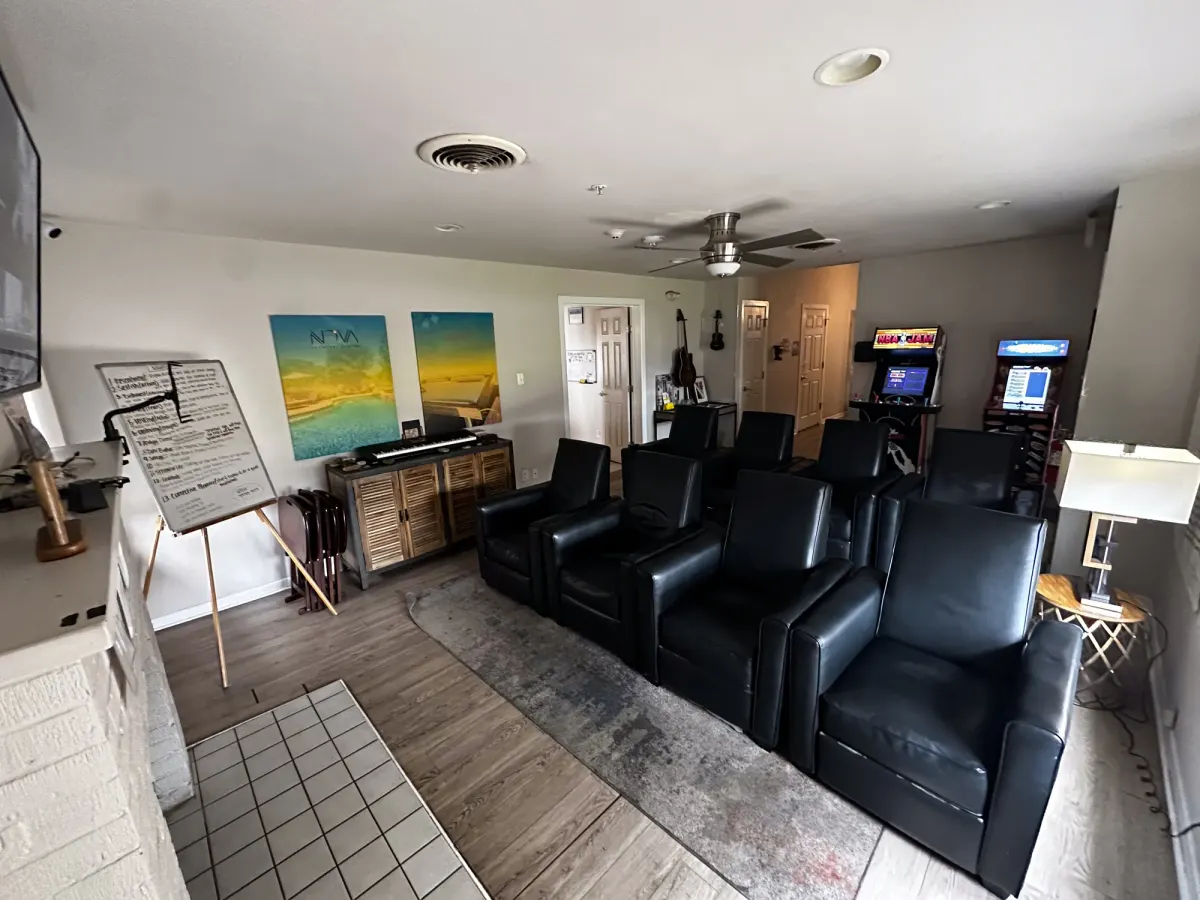 Inpatient
 Austin, TX
11711 N Lamar Blvd · 78753
- 15 beds
- On-site labs
- 24-hour medical staff
Drug & Alcohol Detox in Austin, TX
-
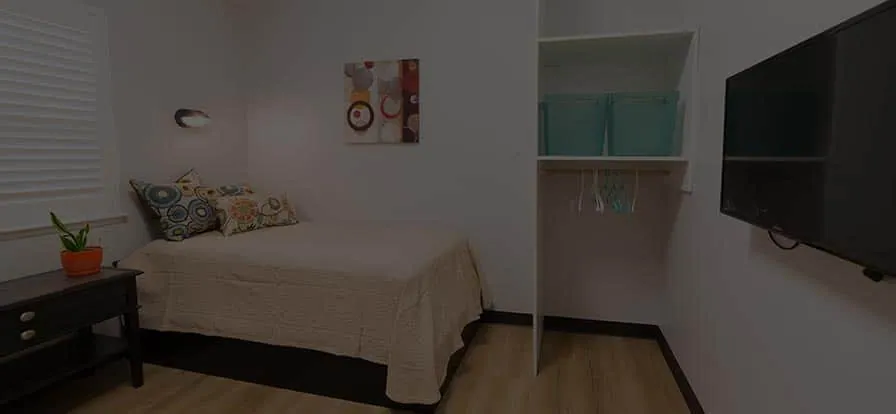 Inpatient
 Houston, TX
1019 Ashland St · 77008
- On-site labs
- 24-hour medical staff
Drug Detox Center in Houston, TX
-
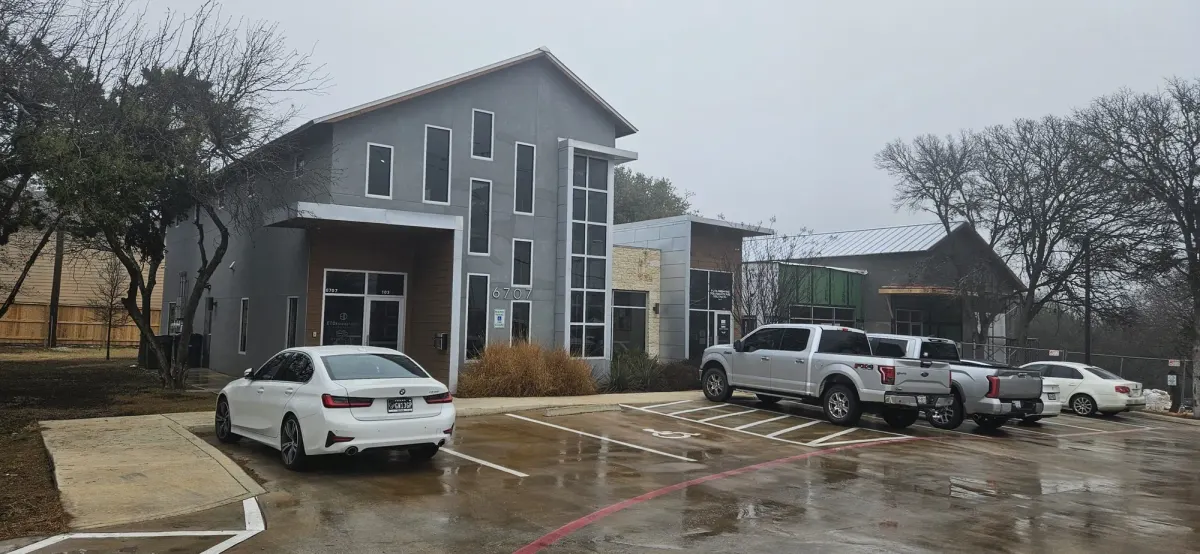 Outpatient
 San Antonio, TX
6707 W Hausman Rd · 78249
- Outpatient detox with scheduled medical visits
- Outpatient treatment
Outpatient Drug & Alcohol Detox in San Antonio
Which medications are used for fentanyl withdrawal?
Buprenorphine and methadone are the medications approved for opioid use disorder, and both are opioid agonist treatments rather than a way of getting through a few days.
Buprenorphine is a partial agonist, which is what creates the timing question above. Methadone is a full agonist and does not carry the same precipitated-withdrawal problem, which is one reason it is sometimes the better choice after heavy fentanyl use. Naltrexone is also approved, but it requires being fully off opioids first, so it belongs after detox rather than during it.
Alongside those, the supportive medications for nausea, cramping, diarrhea, insomnia and agitation are what make the first few days tolerable. Comfort is not a side issue here — it is the difference between finishing detox and leaving on day two.
Does xylazine change anything?
Yes. Xylazine is a veterinary sedative increasingly found in the illicit fentanyl supply, and it is not an opioid.
Two practical consequences. Naloxone reverses the opioid part of an overdose and does not reverse xylazine’s sedation, so someone can stay unresponsive after naloxone has worked — naloxone is still the right thing to give, and it is still an emergency. And xylazine is associated with severe skin wounds that need treating in their own right.
Nobody buying fentanyl on the street knows whether xylazine is in it. That uncertainty is part of why detoxing from an unknown supply at home is a different proposition from detoxing from a prescription.
Can you detox from fentanyl at home?
People do detox from fentanyl at home, because opioid withdrawal is rarely fatal by itself — and that is the wrong fact to rely on.
The danger is not usually the withdrawal. It is the relapse that follows it. Tolerance falls fast during even a few days without opioids, and a dose that was routine a week ago can be fatal afterwards — which is why the period straight after an unsupervised detox carries the highest overdose risk. Add an unknown fentanyl concentration and the arithmetic gets worse.
Dehydration from sustained vomiting and diarrhea is the other real medical risk, and it is treatable in a building with staff and unmanageable alone at 3 a.m.
What happens when you call?
You get an assessment, not a sales pitch, and it takes about fifteen minutes.
Admissions asks what you have been using, how much, how recently, what else is in the picture medically, and what your insurance is. That conversation decides the level of care and, for fentanyl specifically, how the medication start is going to be timed. If Briarwood is not the right fit, saying so is part of the job.
Medical detox in Houston is the page with the address, the hours and the insurance detail. The number is answered at any hour, including the one you are probably reading this in.
Common Questions
How long does fentanyl withdrawal last?+–
The acute phase typically runs several days, but fentanyl accumulates in fat and muscle and releases slowly, so symptoms can persist or return later than a heroin or oxycodone timeline predicts. That prolonged release is the reason medication timing is judged case by case rather than from a chart.
Will I be given buprenorphine straight away?+–
Not necessarily, and that is deliberate. Starting buprenorphine while enough fentanyl is still present can precipitate severe withdrawal, so the timing is judged individually. Methadone does not carry the same problem and is sometimes chosen instead.
Is fentanyl detox more dangerous than heroin detox?+–
The withdrawal itself is not categorically more dangerous, but two things make fentanyl riskier in practice: you cannot know the dose you have been taking, and the illicit supply may contain xylazine, which naloxone does not reverse.
Does Briarwood's Houston location offer inpatient detox?+–
Yes. The Houston site at 1019 Ashland St is inpatient, medically supervised detox with 24/7 staffing. San Antonio is the outpatient location.
What if I have tried to detox before and gone back?+–
That is the most common history in the building, not a disqualification. It is also the reason to say it during the assessment -- a previous attempt tells the clinical team something useful about how your withdrawal actually behaves.
Related guides
About the people behind this guide
Anna-Grace Washington
Medical Content Writer
Anna-Grace Washington is a Medical Content Writer for Briarwood Detox Center. She holds a master’s degree in clinical psychology from the University of Texas and brings a strong understanding of behavioral health, addiction recovery, and evidence-based treatment concepts to her writing.
Dr. Robert Ulrich, DO
Medical Director
Dr. Robert Ulrich serves as Medical Director at Briarwood Detox Center, bringing more than two decades of clinical neurology experience to the treatment of substance use disorders. He is board-certified in neurology by the American Board of Psychiatry and Neurology and completed his neurology residency at UT Southwestern Medical Center in Dallas, where he served as Chief Resident.
In network with most major insurance
Find your plan and see what detox would cost
Most plans cover medical detox. Coverage varies by plan, so we verify it for you before you commit to anything.



















Don't see your plan? We work with out-of-network benefits and offer self-pay options — (512) 960-4061
- Confidential
- Takes about 2 minutes
- No obligation to admit

- Accredited The Joint Commission
- Rated 5.0 · 8 Google reviews
- Admissions 24 hours a day