
Guide
Alcohol vs. Weed: Mental Health Risks in Austin, TX
Joint Commission accredited · In network with most major insurance · Admissions answered 24 hours a day


Published November 24, 2025
Reviewed and updated July 29, 2026
Key Takeaways · 8 points
- There isn’t a single “winner”—alcohol and cannabis carry different mental‑health risks. Alcohol and weed is linked more to depression and suicide, while cannabis shows stronger associations with psychosis in vulnerable people.
- Alcohol is closely tied to depression, anxiety, and higher suicide risk. These risks rise with heavy or chronic use and may improve with medical stabilization and ongoing care.
- Cannabis has the clearest connection to psychosis, especially with high‑THC products and earlier, frequent use. Some people also report anxiety or low mood with use, but effects vary by dose, potency, and personal factors.
- Dose, potency, age of first use, and personal or family history all raise risk for both substances. Patterns of use often matter more than labels like “alcohol” versus “weed.”
- Mixing alcohol and weed is linked with more negative outcomes than using either alone. If you combine them and notice mood changes, paranoia, or impaired judgment, it’s a sign to pause and get clinical guidance.
- It may be time for medical detox if you have withdrawal, rising tolerance, or symptoms that disrupt mood, sleep, or thinking. Stabilizing early can reduce risks and support a safer transition to ongoing treatment.
- Briarwood Detox Center in Austin provides 24/7 medical detox and coordinated next‑step planning. Care is tailored to alcohol and cannabis use patterns, with case‑managed handoffs to the appropriate level of care after detox.
- If you’re searching for substance abuse treatment Austin TX or drug treatment centers in Austin Texas, our admissions team can help you plan a safe next step. You’ll get a private assessment, same‑day or next‑day scheduling when appropriate, and guidance on continuing care options after detox.
For people using high‑THC weed in the form of dabs, our dabbing: it’s more than just a dance move article connects dab the dance trend with the real mental‑health and respiratory risks of concentrated cannabis.
Break Free from Addiction. Detox Safely in Austin Today.
Medically Supervised Detox – Compassionate Care Starts Here.
The Quick Answer
There isn’t a single “winner” for overall mental health harm. Instead:
- Alcohol: Strong associations with major depression, anxiety, and suicide risk—effects that often intensify with heavy, chronic use or alcohol use disorder (AUD).


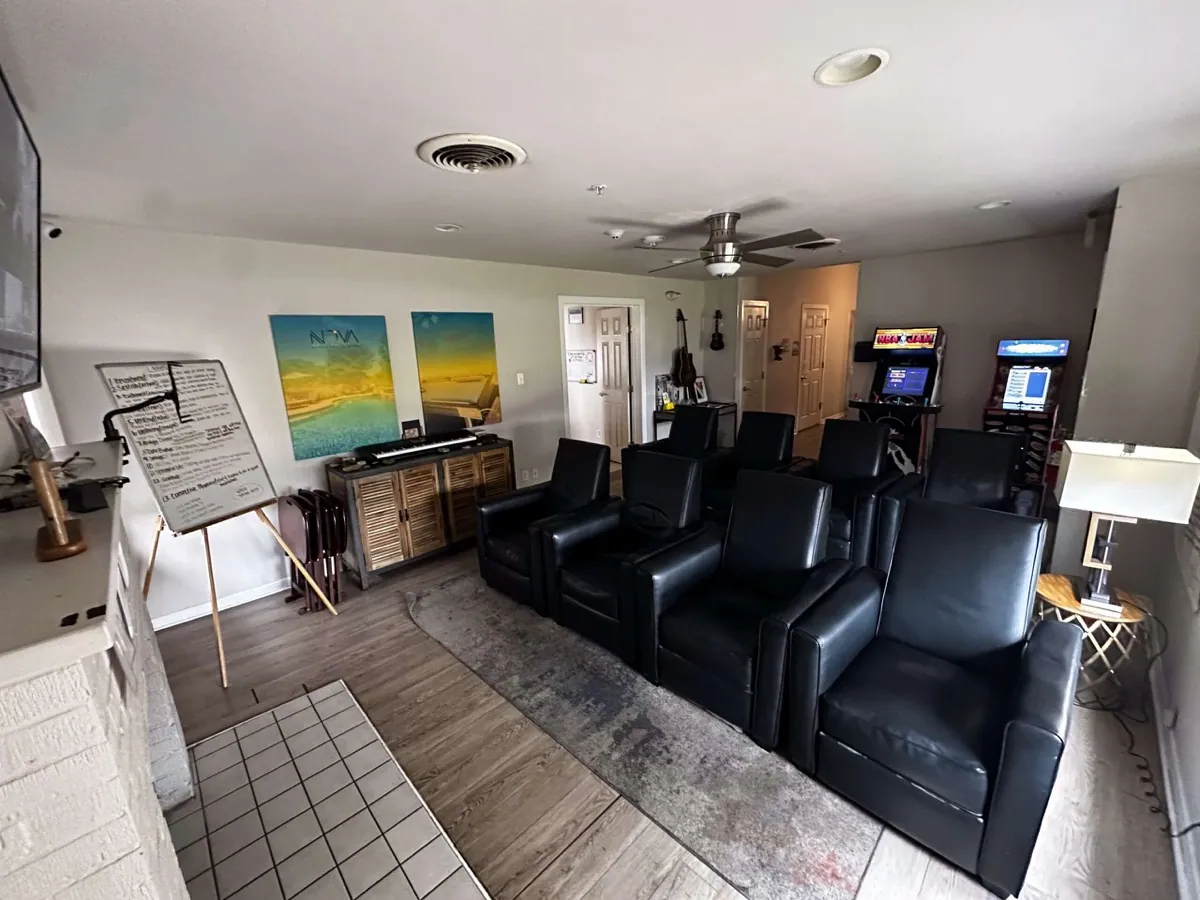

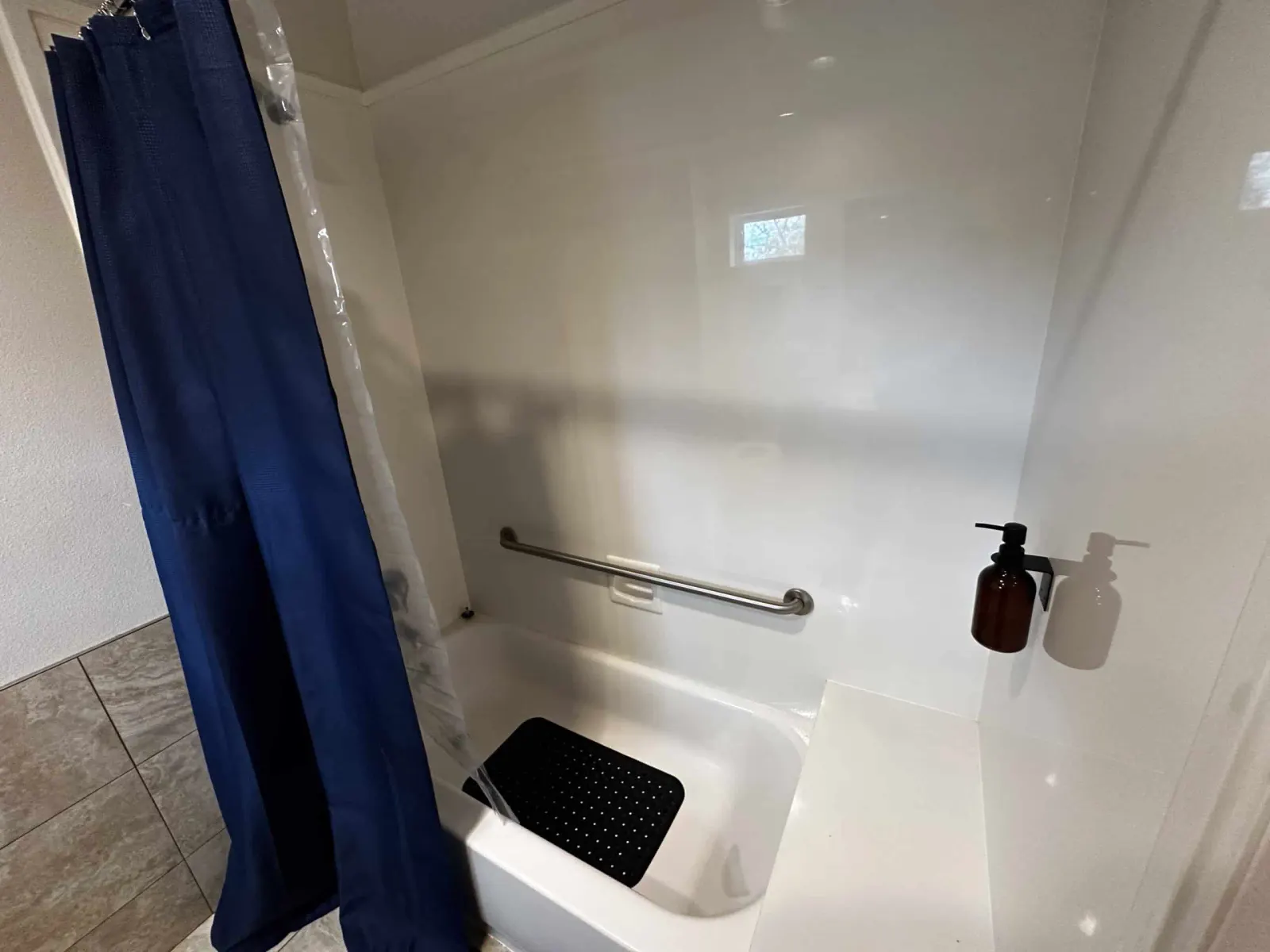

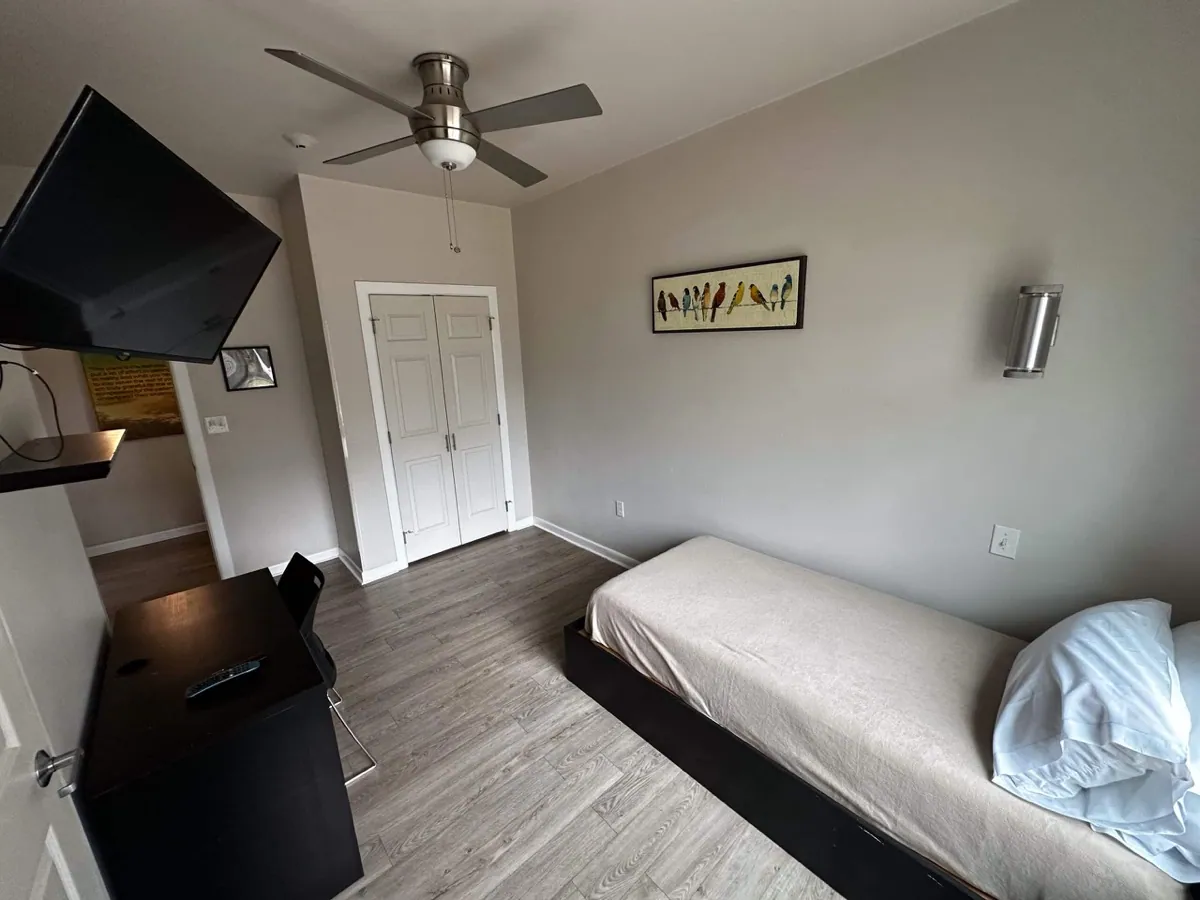
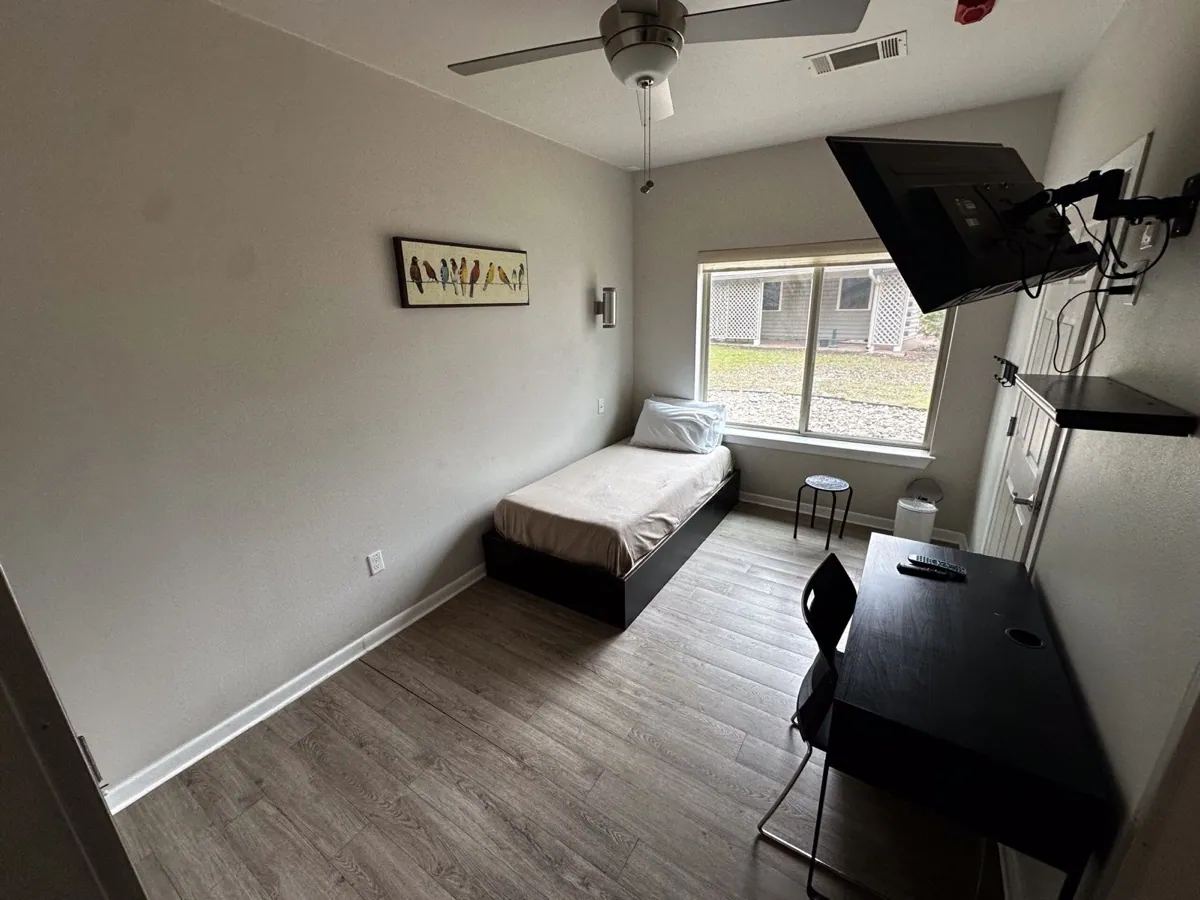








- Cannabis: The clearest association is with psychosis risk (including earlier onset in those with vulnerability), and risk increases with frequent/high‑THC use and use beginning in adolescence.
For many people, the safer mental‑health choice is to pause both while you get a thorough clinical assessment—especially if you’ve noticed mood swings, panic, or changes in thinking.
How Alcohol Affects Mental Health
Depression and Anxiety
Alcohol changes brain stress systems and neurotransmitters in ways that can worsen low mood and anxious symptoms. People with AUD have substantially higher rates of co‑occurring depression and anxiety than the general population; the conditions often feed into each other.
Suicide Risk
Across 33 studies, alcohol use was linked with a ~94% higher risk of death by suicide; dose matters, especially in women at higher intake levels. Even moderate‑to‑heavy average consumption is associated with increased risk.
Short‑ and Long‑Term Patterns
Short term, alcohol may seem to reduce anxiety; afterward, rebound anxiety and sleep disruption can worsen symptoms. Long term, heavy use is associated with persistent mood problems, relationship strain, and cognitive issues that complicate recovery.
Where Briarwood helps: Our Austin medical detox team monitors vitals, manages withdrawal safely, and stabilizes sleep and mood as part of a personalized plan. Learn more: Medical Detox in Austin.
Where we are
Detox centers across Texas
Three locations, each with its own admissions line and its own clinical team. Pick the one nearest you — or call and we will tell you which has a bed tonight.
-
 Inpatient
 Austin, TX
11711 N Lamar Blvd · 78753
- 15 beds
- On-site labs
- 24-hour medical staff
Alcohol & Drug Detox in Austin, TX
-
 Outpatient
 San Antonio, TX
6707 W Hausman Rd · 78249
- Outpatient detox with scheduled medical visits
- Outpatient treatment
Outpatient Detox for Alcohol & Weed in San Antonio
-
Colorado Springs Outpatient Drug & Alcohol Detox
Briarwood
Colorado Springs Outpatient Drug & Alcohol Detox
How Cannabis Affects Mental Health
Psychosis and Schizophrenia Risk
Evidence consistently links cannabis use—especially frequent/high‑THC use and earlier onset—to increased risk of psychosis. Individuals with cannabis use disorder show brain changes in dopamine‑related pathways implicated in psychotic symptoms, and acute cannabis‑induced psychosis carries a notable conversion risk to chronic psychotic disorders.
Anxiety, Depression, and Paranoia
Findings are mixed for causation, but population and snapshot studies report associations between cannabis use and anxiety/depressive symptoms, with higher rates of paranoia among those self‑medicating and consuming more THC. The direction of causality can vary by person and context.
Functioning and Daily Life
Frequent cannabis users may report more psychological distress and less life flourishing; co‑use with alcohol is tied to more negative consequences than alcohol alone in student samples.
Where Briarwood helps: While cannabis withdrawal is usually less medically dangerous than alcohol withdrawal, it can involve irritability, insomnia, appetite change, and mood swings. Our clinicians in Austin offer structured support and sleep stabilization during detox, with next‑step planning for therapy.
What Raises Risk the Most? (Alcohol & Weed)
Heavy or Frequent Use
Risk tends to rise with quantity and frequency for both substances. Heavy drinking raises depression and suicide risks, while frequent/high‑THC cannabis use is linked with psychosis‑related outcomes.
Starting Young
Earlier use is associated with worse outcomes—alcohol increases injury and poor decisions in teens; early cannabis use is associated with higher odds of psychosis and other mental health concerns in young people.
High‑THC Products and Potency
Higher THC concentration (e.g., dabs, concentrates) increases the chance of paranoia and psychotic‑like experiences, particularly in vulnerable groups.
Family History or Existing Mental Health Conditions
A personal or family history of mood disorders or psychosis raises vulnerability. Either substance can worsen symptoms or interfere with medications.
Mixing Alcohol + Weed
Co‑use can heighten impulsivity and negative outcomes, even when each substance alone might seem “manageable.” If you’re mixing, it’s a strong sign to speak with a clinician.
Practical Signals It’s Time to Get Help (Austin, TX)
- You have withdrawal symptoms (shakes, sweats, insomnia, nausea, agitation).
- Your use worsens depression, anxiety, or panic—or you’ve had paranoid or psychotic‑like experiences.
- You’re drinking or using to “self‑treat” mental health symptoms, and it’s no longer working.
- Friends or family notice changes in mood, thinking, or safety.
- You tried to stop but couldn’t, or your tolerance keeps climbing.
Briarwood Detox Center provides 24/7 medical detox in Austin—private, structured, and designed to stabilize both physical withdrawal and mental health symptoms while we coordinate your next level of care.
If you need guidance choosing among austin drug treatment centers or you’re searching for drug treatment centers in Austin and drug treatment centers Austin Texas, our admissions specialists can help you plan a safe start and coordinate handoffs after detox.
How Briarwood Detox Center Supports Safer Recovery
Medical Alcohol Detox in Austin
Alcohol withdrawal can escalate quickly. Our team provides medication‑assisted support when appropriate, continuous monitoring, and compassionate care to manage blood pressure, sleep, and anxiety while you stabilize. Learn more about medical detox in Austin
and what to bring for a smooth check‑in. For a deeper look at alcohol withdrawal symptoms and safe detox in Austin, TX, see our detailed guide.
Cannabis Withdrawal & Stabilization
For the alcohol weed comparison, cannabis may not cause seizures like alcohol, but irritability, insomnia, appetite changes, and mood swings can derail early recovery. We offer structured sleep support, coping strategies, and next‑step planning with trusted outpatient partners after detox. Read more in our article on weed addiction and treatment.
Co‑Occurring Needs and Next Steps
Because mental health and substance use often overlap, we screen for mood, anxiety, and psychosis‑spectrum symptoms on admission and throughout your stay. Our case managers coordinate the transition from detox to the right level of ongoing care in the Austin area.
Evidence Snapshot (for readers who want the data)
- AUD & mental health: People with alcohol use disorder have higher rates of depression and anxiety; conditions can develop together or sequentially.
- Alcohol & suicide: Meta‑analysis links alcohol use to ~1.94× suicide mortality; dose matters, with elevated risk at higher average daily intake.
- Cannabis & psychosis: Stronger associations for psychosis—earlier onset and higher potency raise risk; acute cannabis‑induced episodes carry notable conversion risk to chronic disorders.
- Youth risk: Teen cannabis use is linked to increased risk of psychosis‑related outcomes and other mental health problems; teen alcohol use increases injury and poor decisions.
- Co‑use harms: Alcohol + cannabis is tied to more negative consequences than alcohol alone, including higher impulsivity and distress.
If You’re in Austin and Unsure What to Do Next
Whether you were comparing substances or searching substance abuse treatment Austin TX, the most useful next step is a private, clinical conversation. Briarwood’s admissions team will review your substance use pattern, mental health history, and safety needs, then schedule a same‑day or next‑day admission when appropriate.
How Briarwood Detox Center Supports Alcohol and Weed Detox Support in Austin, TX
Briarwood Detox Center helps adults who want a safe, medical start to recovery from alcohol and weed in Austin, TX. Our licensed team monitors withdrawal 24/7 and manages symptoms such as anxiety, insomnia, nausea, and cravings. For alcohol withdrawal, we track vitals and use physician‑directed protocols to reduce seizure and blood‑pressure risks. For cannabis, we emphasize sleep stabilization, mood regulation, and appetite support. You receive a personalized detox plan and evidence‑based comfort measures. We also screen for co‑occurring mental health needs and coordinate your next level of care. Same‑day or next‑day admission is often available, and we support your search for substance abuse treatment in Austin, TX with clear next steps. See our Austin medical detox program and admissions steps. After detox, we help you transition to continuing care that fits your goals. Briarwood Detox Center keeps recovery practical, private, and local.
This content is for educational purposes only and is not a substitute for professional medical advice, diagnosis, or treatment. Prescription medications—including antidepressants and antipsychotics—should be taken only under the supervision of a qualified healthcare provider. Do not start, stop, or change any medication without first speaking with your doctor. If you experience severe side effects, worsening symptoms, or thoughts of self‑harm, call 911 in the United States or seek emergency care immediately. For confidential mental health support, dial 988 to reach the Suicide & Crisis Lifeline, available 24/7.
Frequently Asked Questions About Alcohol, Weed, and Detox in Austin
Is alcohol or weed worse for your mental health?+–
There isn’t a simple winner because alcohol and weed affect the brain differently. Heavy alcohol use is strongly linked with depression, anxiety, and suicide risk, especially when it develops into alcohol use disorder. Cannabis is more clearly associated with psychosis risk in vulnerable people, particularly with high‑THC products and frequent use. Your personal history, genetics, and pattern of use matter as much as the specific substance.
What happens when you mix alcohol and weed?+–
Using alcohol and weed together can intensify impairment, slow reaction time, and increase the chances of nausea, vomiting, blackouts, and risky decisions. Alcohol can also affect how your body absorbs THC, which may make the cannabis effects feel stronger and less predictable. Many people notice more severe hangovers, anxiety, or mood swings after mixing both.
Can alcohol and weed make anxiety and depression worse?+–
Yes. Alcohol can temporarily numb uncomfortable feelings but often leads to rebound anxiety, low mood, and sleep disruption. Frequent or heavy cannabis use may contribute to anxiety, paranoia, and motivation changes, especially in people who already struggle with mood issues. If you rely on either substance to cope, it’s a sign to speak with a clinician.
Can you get addicted to both alcohol and weed?+–
People can develop alcohol use disorder and cannabis use disorder, sometimes at the same time. Signs include needing more to get the same effect, being unable to cut back, spending a lot of time using or recovering, and continuing despite problems at work, school, or home. When both are involved, cravings and withdrawal can feel more complicated and may benefit from structured detox support.
Do I need medical detox for weed, or only for alcohol?+–
Medical detox is most critical for alcohol because withdrawal can involve serious complications and requires monitoring. Cannabis withdrawal is usually not life‑threatening, but symptoms like irritability, insomnia, appetite changes, and anxiety can still interfere with daily life. Many people using both alcohol and weed choose supervised detox so their whole pattern of use and mental health can be addressed safely.
How long do alcohol and weed stay in your system?+–
Alcohol is processed relatively quickly, often within hours, depending on how much you drink, your body size, and liver function. THC from cannabis can stay in the body longer because it is stored in fat tissue; it may be detectable for days or weeks in frequent users, even after the high has faded. Drug tests use different detection windows for blood, urine, saliva, and hair.
What does substance abuse treatment in Austin, TX typically include?+–
Most treatment plans start with a safe detox period, especially for alcohol or heavy multi‑substance use. After detox, care may include residential rehab, outpatient counseling, medications when appropriate, and support for mental health conditions like depression or anxiety. Briarwood Detox Center focuses on the detox phase in Austin and coordinates your transition into the next level of care that fits your needs.
How does Briarwood Detox Center help people using both alcohol and weed?+–
Briarwood Detox Center provides 24/7 medically supervised detox for adults who use alcohol, weed, or both. Our team monitors vital signs, manages withdrawal symptoms, stabilizes sleep and mood, and helps you plan the next phase of treatment in or near Austin. You receive a private, structured environment designed to make the first days of recovery safer and more manageable. Call our admissions team today at (866) 710-7710.
When should I call a detox center about my alcohol or weed use?+–
It’s time to reach out if you notice withdrawal symptoms, rising tolerance, blackouts, panic or paranoia, or if your use is affecting relationships, work, or school. You don’t have to wait for a crisis; many people call simply because they feel stuck and want a medically supported reset. Our admissions specialists at Briarwood can review your history, answer questions about detox, and help you decide on the safest next step. Call our admissions team today at (866) 710-7710.
Related guides


About the people behind this guide
Anna-Grace Washington
Medical Content Writer
Anna-Grace Washington is a Medical Content Writer for Briarwood Detox Center. She holds a master’s degree in clinical psychology from the University of Texas and brings a strong understanding of behavioral health, addiction recovery, and evidence-based treatment concepts to her writing.
Dr. Robert Ulrich, DO
Medical Director
Dr. Robert Ulrich serves as Medical Director at Briarwood Detox Center, bringing more than two decades of clinical neurology experience to the treatment of substance use disorders. He is board-certified in neurology by the American Board of Psychiatry and Neurology and completed his neurology residency at UT Southwestern Medical Center in Dallas, where he served as Chief Resident.
In network with most major insurance
Find your plan and see what detox would cost
Most plans cover medical detox. Coverage varies by plan, so we verify it for you before you commit to anything.


















Don't see your plan? We work with out-of-network benefits and offer self-pay options — (866) 710-7710
- Confidential
- Takes about 2 minutes
- No obligation to admit

- Accredited The Joint Commission
- Rated 4.5 · 95 Google reviews
- Admissions 24 hours a day