
Guide
Nicotine Withdrawal: How Long It Really Lasts in Austin, TX
Joint Commission accredited · In network with most major insurance · Admissions answered 24 hours a day


Published November 20, 2025
Reviewed and updated July 29, 2026
Key Takeaways · 10 points
- Nicotine withdrawal usually peaks by day 3 and eases over the next 2–4 weeks. Expect occasional, brief cravings to surface afterward.
- Withdrawal happens because the brain adapts to regular nicotine and needs time to rebalance once it stops. This neurochemical reset drives short‑term discomfort.
- In real life, symptoms start within hours, intensify during days 2–3, then decline through weeks 2–4. The first week is the toughest for many people.
- Typical symptoms include cravings, irritability, sleep disruption, increased appetite, and trouble concentrating. Most fade as routines and sleep stabilize.
- Cravings come in short waves that are strongest early and grow briefer and less frequent over time. Triggers such as stress or routine cues can still spark them.
- Whether you vape or smoke, the withdrawal timeline is broadly similar. The same receptors are involved, so coping strategies overlap.
- Dose, delivery method, stress, environment, and personal biology can lengthen or shorten withdrawal. Planning for triggers helps smooth the course.
- Briarwood Detox provides medical oversight and can integrate nicotine‑replacement therapy or other options during a detox stay. Supportive routines, hydration, and sleep coaching further reduce discomfort.
- If you’re seeking substance abuse treatment in Austin, TX, Briarwood Detox offers physician‑led medical detox with nicotine‑withdrawal support. Same‑day admissions may be available, and insurance can be verified during intake.
- A simple plan—trigger mapping, hydration, sleep routines, and evidence‑based medications when appropriate—improves the first week. Consistency makes each craving episode shorter and less disruptive.
Break Free from Addiction. Detox Safely in Austin Today.
Medically Supervised Detox – Compassionate Care Starts Here.
For most people, nicotine withdrawal begins within hours of the last use, peaks around day 3, and gets easier over the first 2–4 weeks. Some symptoms—especially cravings—can surface occasionally for months, but they’re usually brief and manageable with the right plan.
Why withdrawal happens



Nicotine activates receptors in the brain that release dopamine and other neurotransmitters. With regular use, your brain adapts. When nicotine stops, that chemical balance shifts, producing short‑term symptoms—irritability, poor sleep, trouble focusing, and cravings. These symptoms are uncomfortable, but they aren’t dangerous for most people and fade as your brain resets.
What nicotine does in the brain
Daily nicotine exposure saturates nicotinic acetylcholine receptors; stopping it removes that stimulation. The change peaks after several days and then tapers over a few weeks as receptor activity normalizes. Genetics and metabolism can influence intensity and duration.
Real‑life timeline
First 24 hours
- Irritability, restlessness, and early cravings may appear within 4–24 hours.
- Sleep can feel lighter; focus may dip.
48–72 hours
- Peak discomfort for many people: strong cravings, low mood, headaches, and poor sleep are common. Stay hydrated and keep a simple plan handy for each craving.
Days 4–7
- Symptoms begin to decline in intensity. Short bursts of craving still show up, but they pass. The first week is typically the toughest.
Weeks 2–4
- Mood, energy, and concentration continue to steady. Many people report a noticeable decrease in daily symptoms by week two; most acute symptoms wind down by week four.
Beyond one month
- Occasional, brief cravings can still occur, often tied to triggers like coffee, stress, or social cues. These episodes usually last minutes and grow less frequent over time.
Common symptoms and what they feel like
Mood and stress
Irritability, anxiety, and low mood are typical early on. Expect these to improve after the first week as sleep and daily rhythms stabilize.
Sleep and energy
Short‑term insomnia and daytime tiredness are common. Sleep improves as withdrawal eases and caffeine intake is adjusted.
Appetite and digestion
Hunger can increase; some people notice constipation or dry mouth. Simple nutrition and fluids help.
Concentration
“Brain fog” often peaks during the first few days and lifts by week two.
Respiratory changes
Cough or throat irritation can occur as airways clear. Sipping water or using sugar‑free lozenges can help.
Where we are
Detox centers across Texas
Three locations, each with its own admissions line and its own clinical team. Pick the one nearest you — or call and we will tell you which has a bed tonight.
-
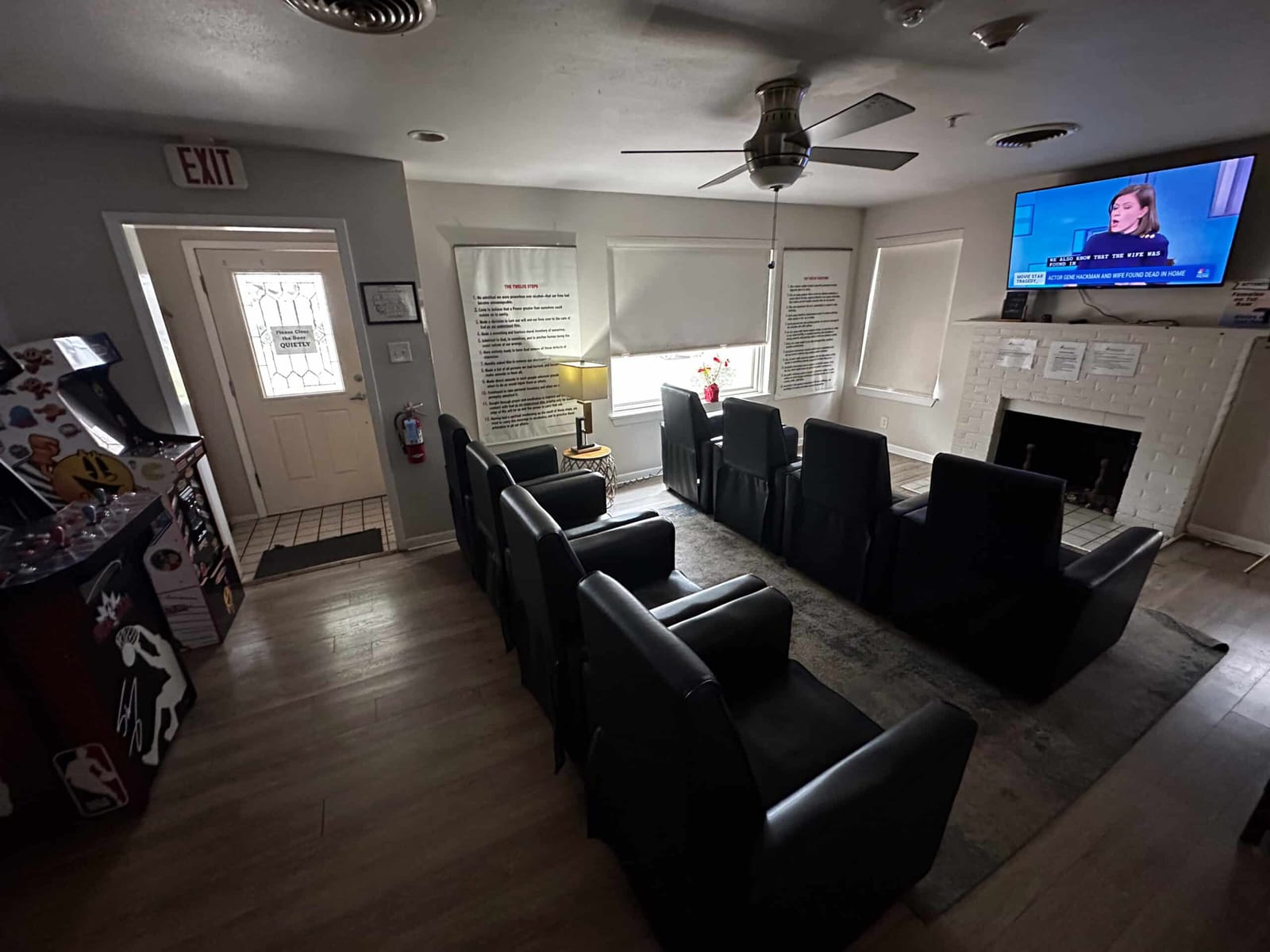
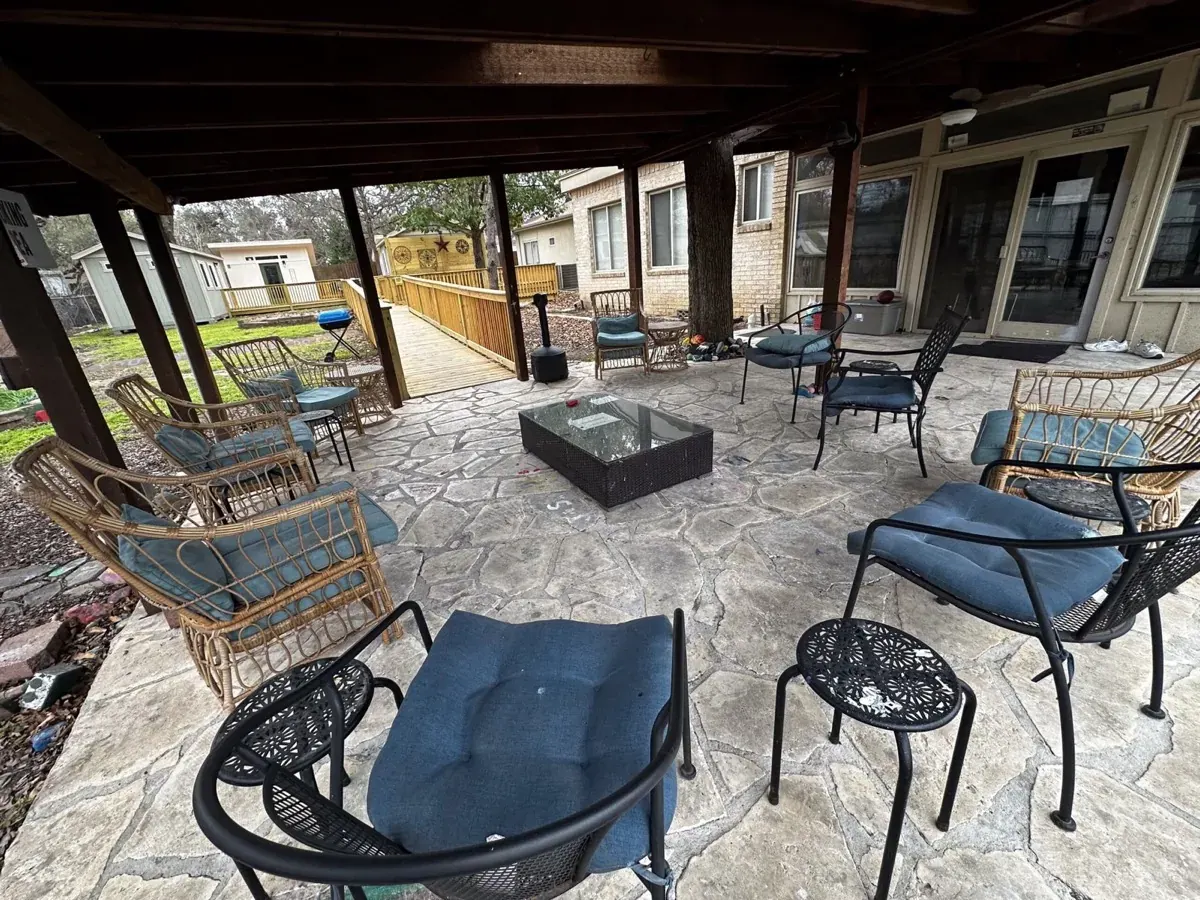
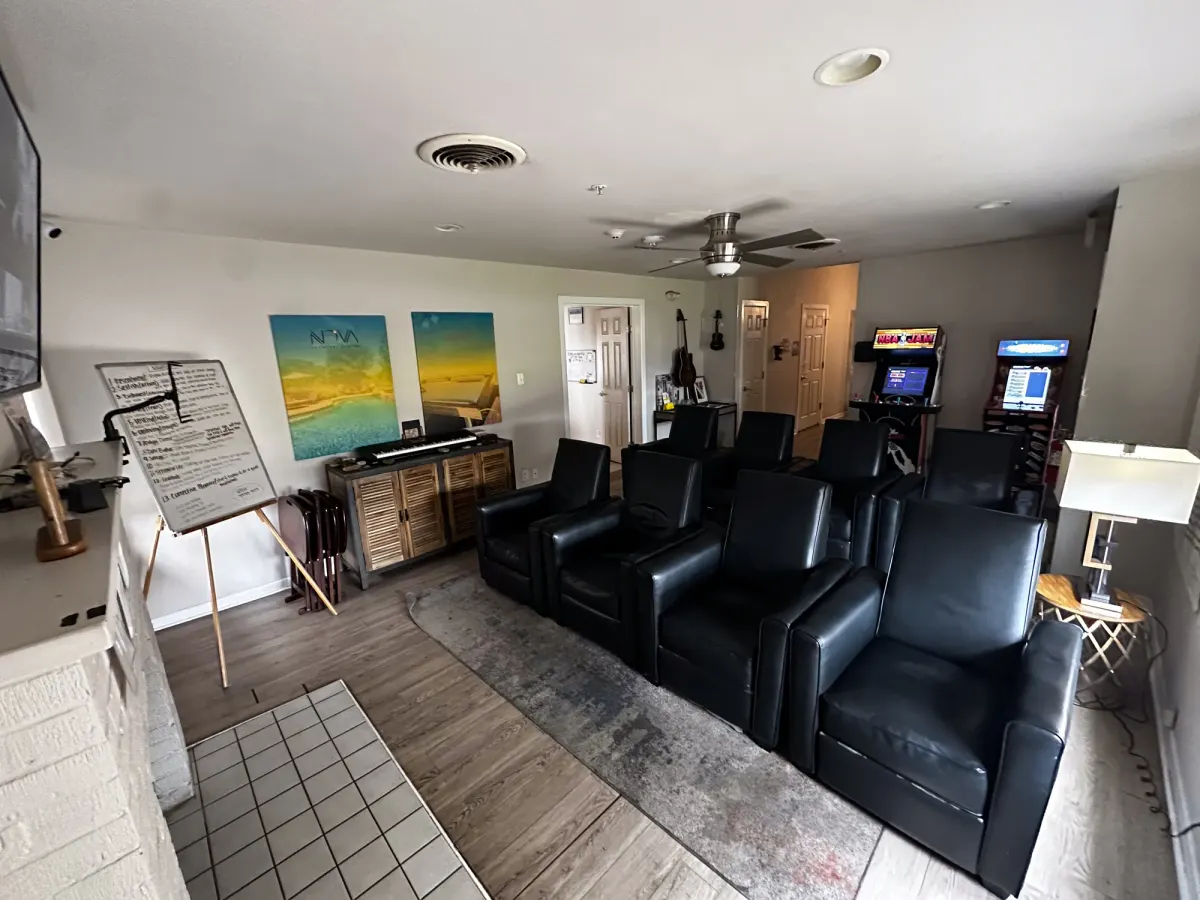 Inpatient
 Austin, TX
11711 N Lamar Blvd · 78753
- 15 beds
- On-site labs
- 24-hour medical staff
Drug & Alcohol Detox in Austin, TX
-
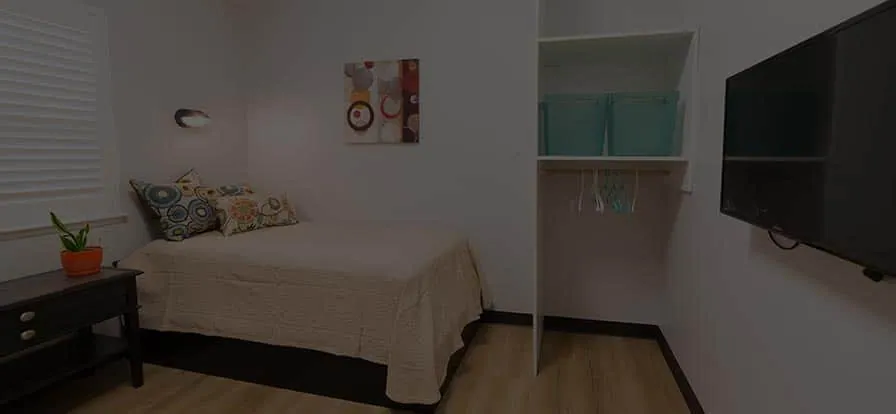 Inpatient
 Houston, TX
1019 Ashland St · 77008
- On-site labs
- 24-hour medical staff
Drug Detox Center in Houston, TX
-
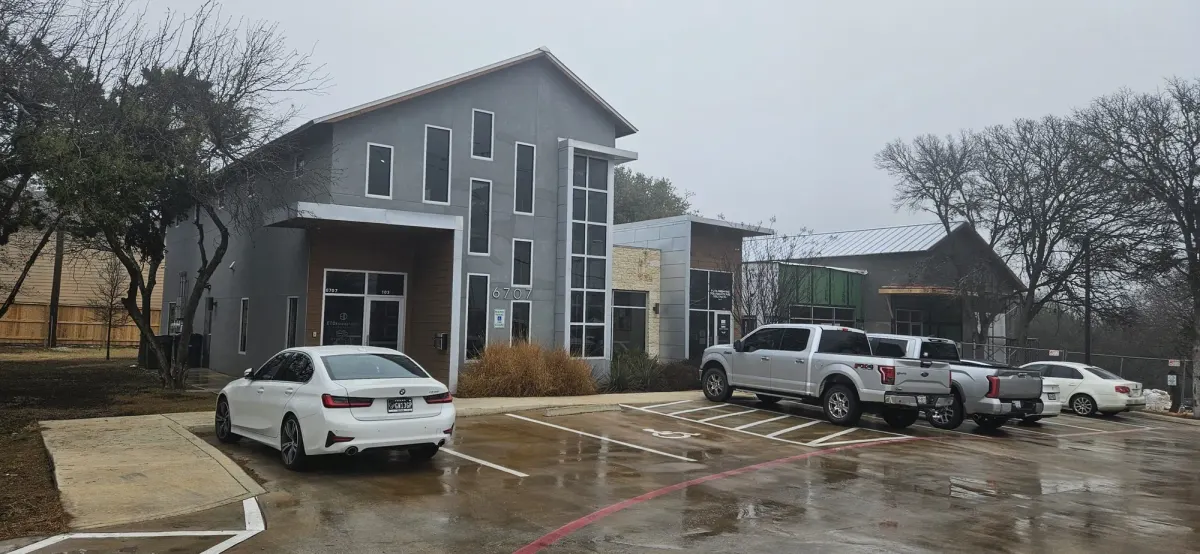 Outpatient
 San Antonio, TX
6707 W Hausman Rd · 78249
- Outpatient detox with scheduled medical visits
- Outpatient treatment
Outpatient Drug & Alcohol Detox in San Antonio
How long do cravings last?
Cravings come in waves and are time‑limited. They often start within 1–2 hours after the last nicotine, occur more often in the first few days, and then spread out. Many episodes pass within a few minutes; occasional mild cravings can pop up months later—usually triggered by routines, places, or emotions.
Vaping vs. cigarettes: Is the timeline different?
Whether nicotine comes from cigarettes, vapes, or smokeless products, withdrawal symptoms are similar because the same receptors are involved. Most people still hit a rough patch in the first week and feel steadier by week four, while cravings gradually fade with continued abstinence.
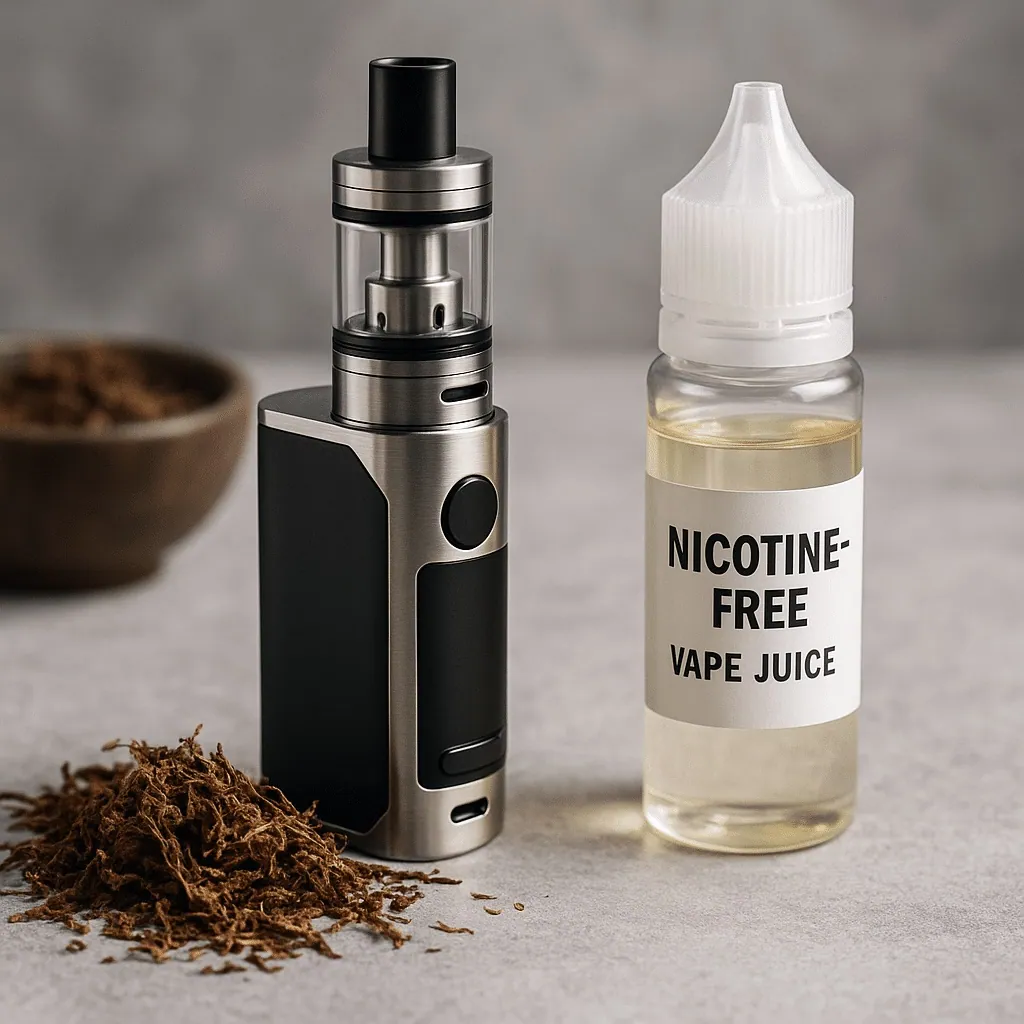
Curious what’s actually inside nicotine‑free vape juice? Our guide to nicotine‑free vape ingredients covers PG/VG, flavors, and heating byproducts.
Factors that change how long withdrawal lasts
Nicotine dose and delivery
Higher daily intake or frequent vaping can raise peak intensity and extend early symptoms. Some people try a no nicotine vape while quitting to avoid withdrawal, but it still carries lung and chemical risks you’ll want to understand first.
Personal biology
Genetics and nicotine metabolism influence severity and tapering time; some individuals report a longer, low‑level “tail” of symptoms.
Mental health and stress
Anxiety, depression, or high‑stress environments can amplify cravings and sleep issues. A structured plan helps smooth the course.
Triggers and environment
Cues like coffee, driving, or being around other users can spark brief cravings even after the first month. Recognizing and rehearsing responses reduces their impact.
Evidence‑based relief—and how Briarwood Detox helps
- Medical oversight during detox: If you’re detoxing from alcohol, opioids, benzodiazepines, or other substances at Briarwood, nicotine withdrawal often happens at the same time. Our 24/7 nursing team monitors sleep, mood, and vitals and collaborates with the provider to add nicotine replacement therapy (NRT) or non‑nicotine medications, when appropriate, to ease cravings and stabilize sleep and mood. (NRT and medications like varenicline or bupropion are evidence‑based options for many adults.)
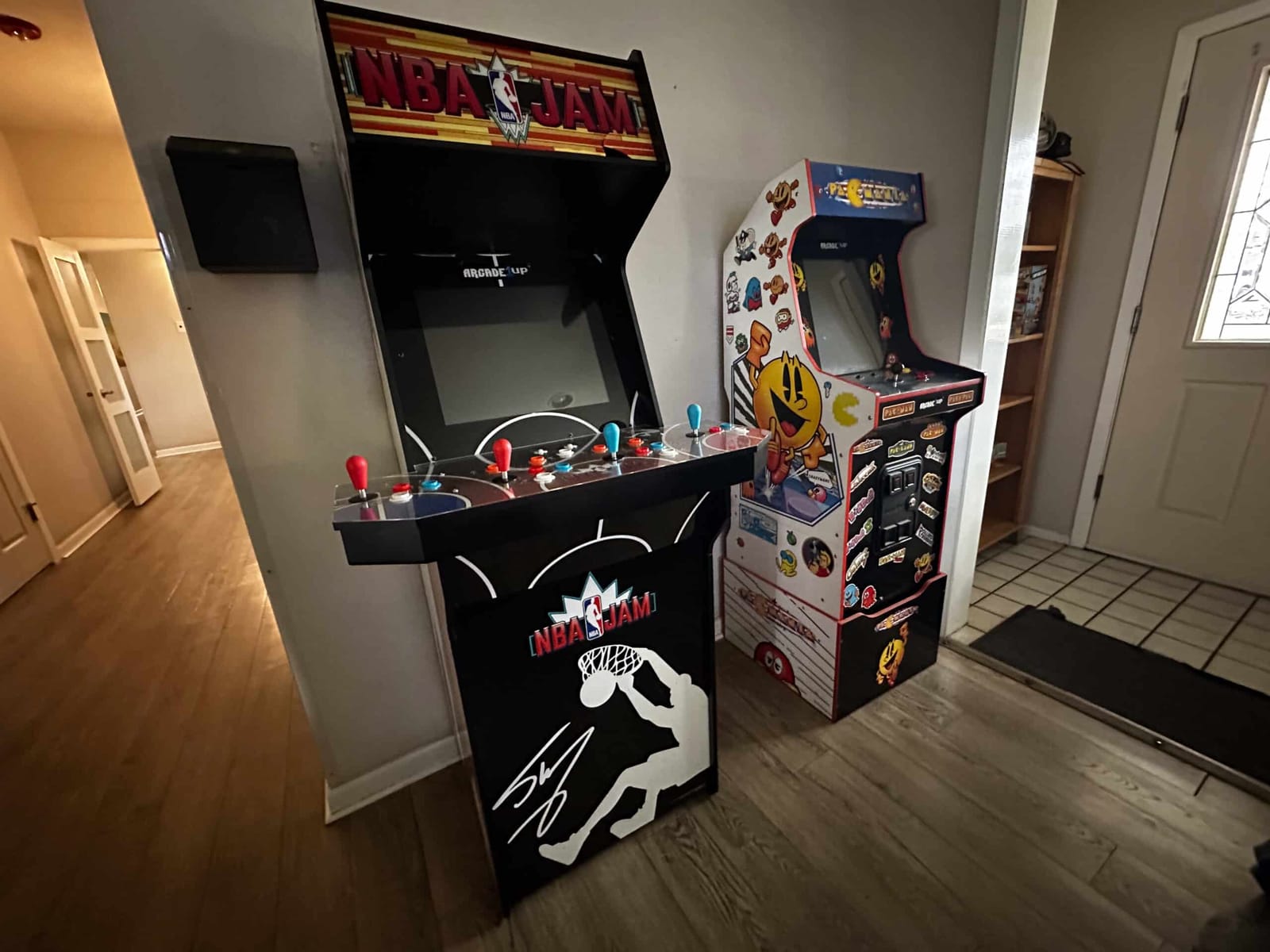
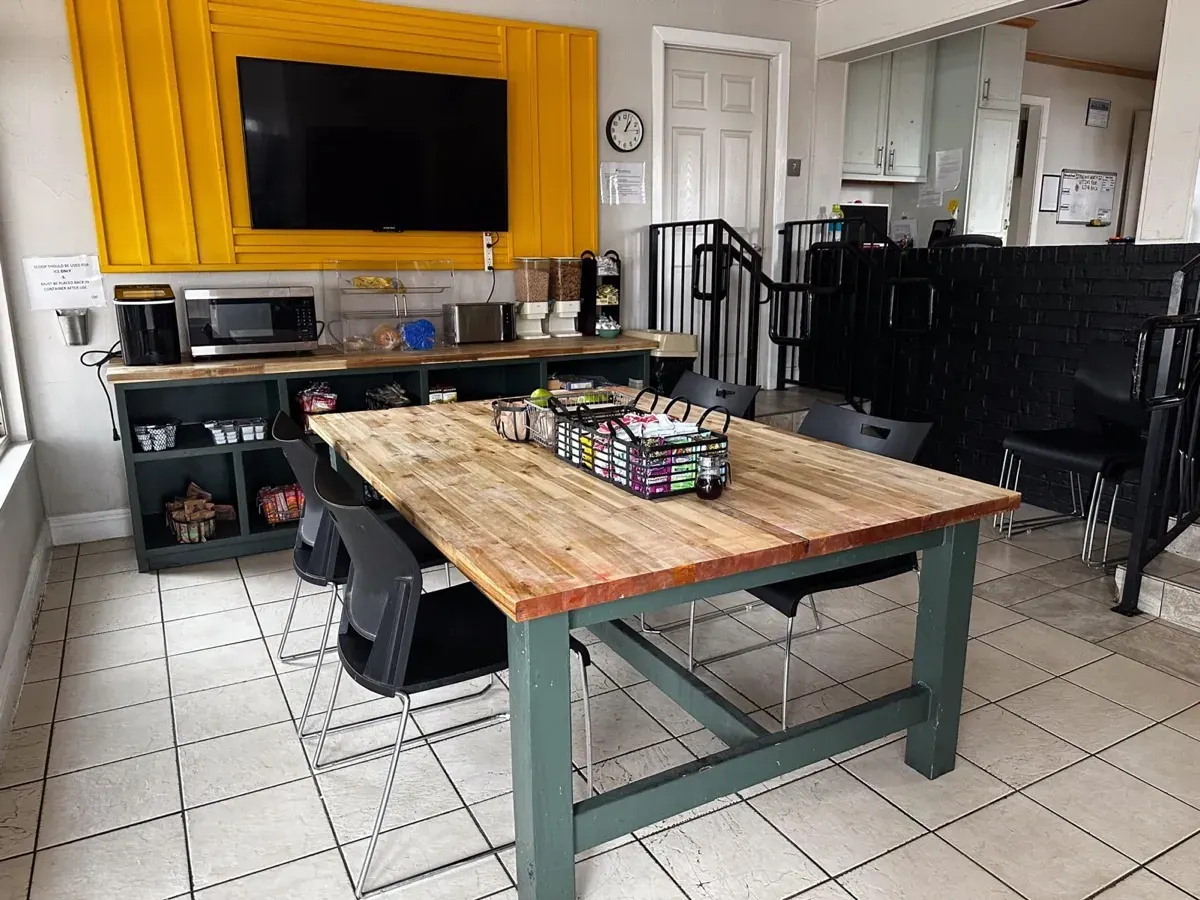
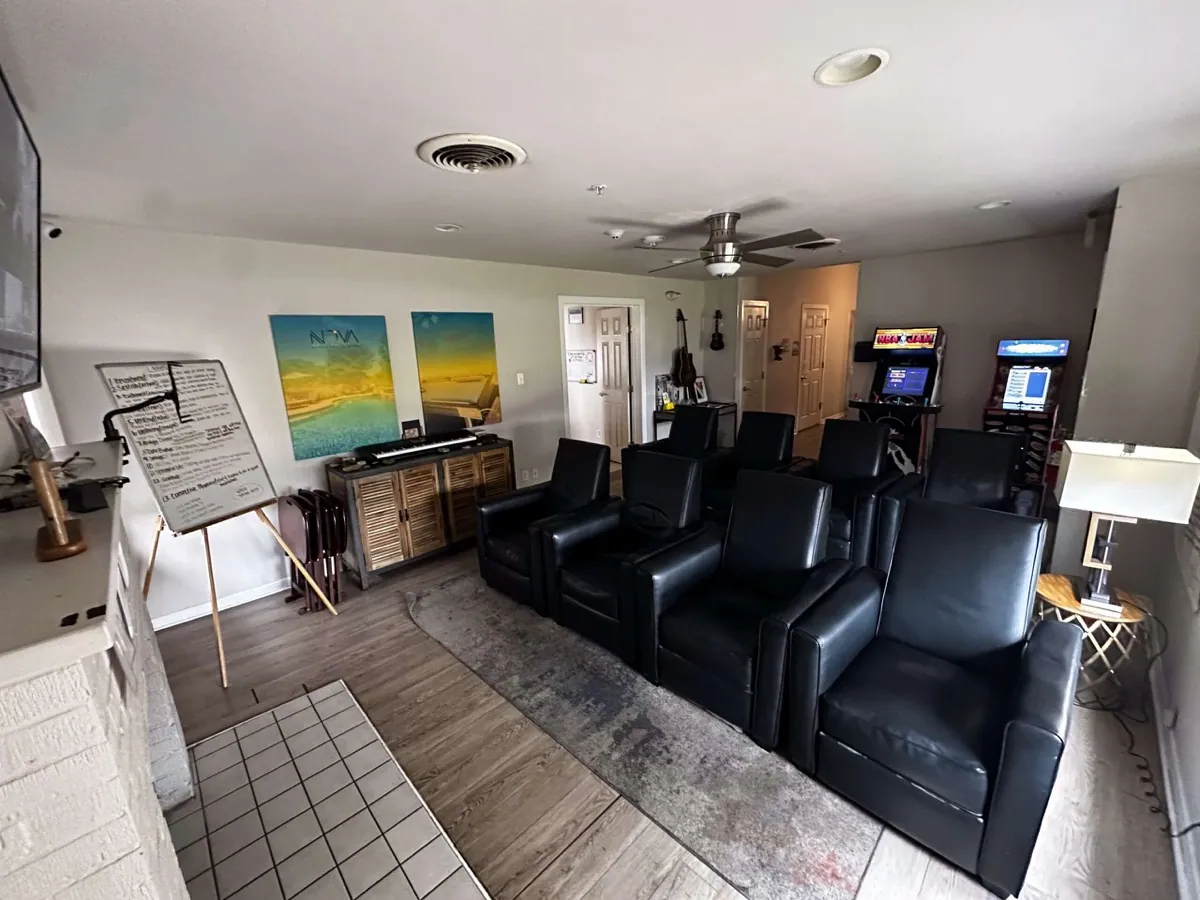
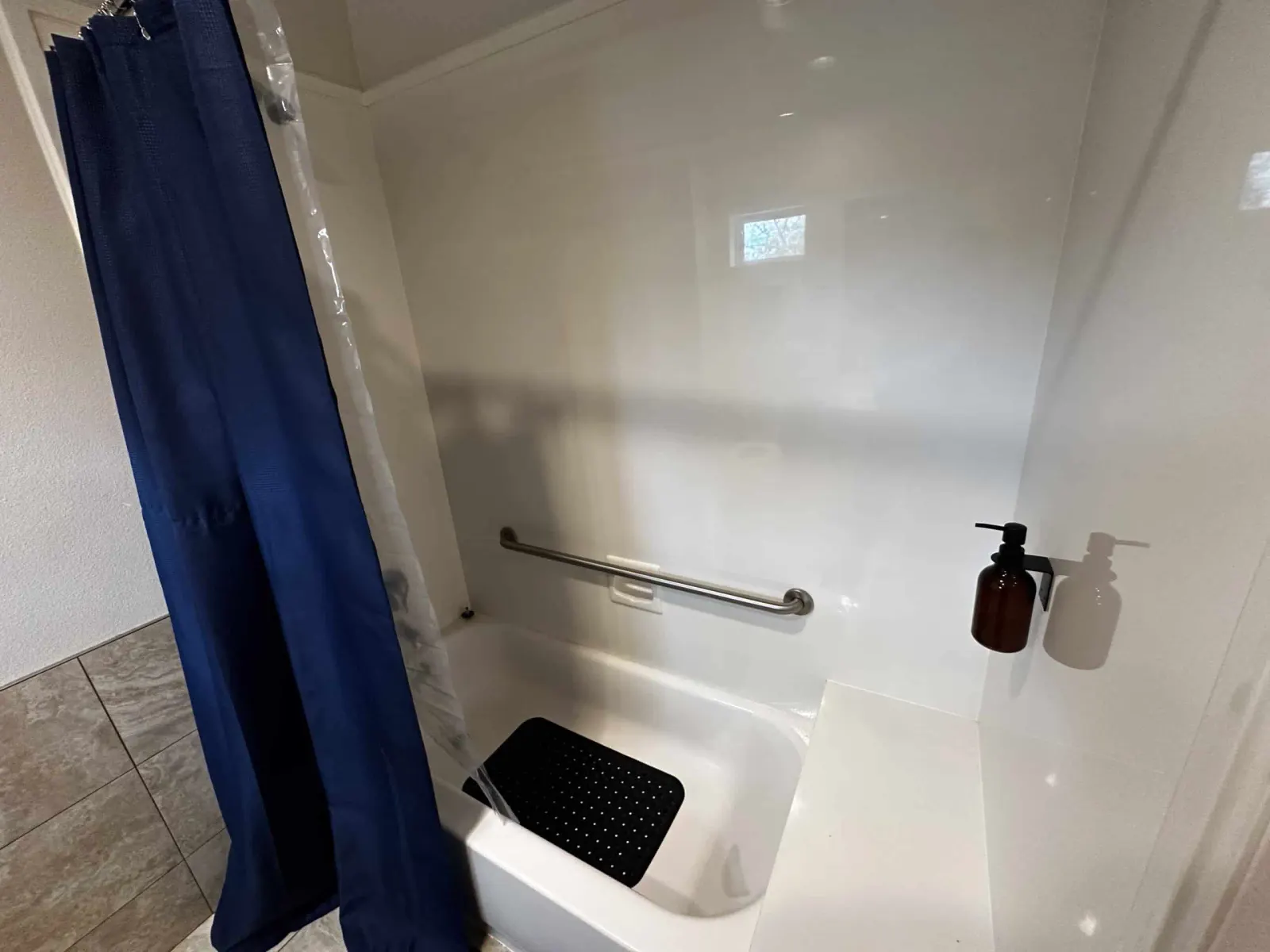
- Comfort‑first environment: Structured routines, hydration, balanced meals, and light movement help reduce early symptoms. Staff coach simple skills—paced breathing, brief walks, stimulus control at night, and trigger mapping—to shorten each craving episode.
- Integrated planning for what comes next: Nicotine withdrawal is often the first step in broader recovery. As a licensed provider in Austin, we coordinate next‑step care after detox and align it with your goals and insurance. Start with admissions: briarwooddetox.com/admissions/
Austin, TX: Getting help today
If you’re searching for substance abuse treatment Austin TX, drug treatment centers in Austin, or austin drug treatment centers, Briarwood Detox Center offers physician‑led medical detox with targeted support for nicotine withdrawal. We serve individuals and families across Austin, Texas, with same‑day admissions when capacity allows, insurance verification, and discreet, compassionate care on‑site. Explore our Austin location: briarwooddetox.com/locations/austin/
What to do next
Prepare for the first week
- Map your top three triggers and a 3‑step response for each (ex: Delay–Drink water–Deep breathe).
- Set caffeine cut‑off times to improve sleep.
- Plan balanced snacks and hydration.
Use structured supports
- Ask your provider about NRT or other medications.
- Build a simple daily routine to reduce decision fatigue.
- If you’re detoxing from other substances, let staff know when cravings spike so your plan can be adjusted.
How Briarwood Detox Center Supports Nicotine Withdrawal Support in Austin, TX
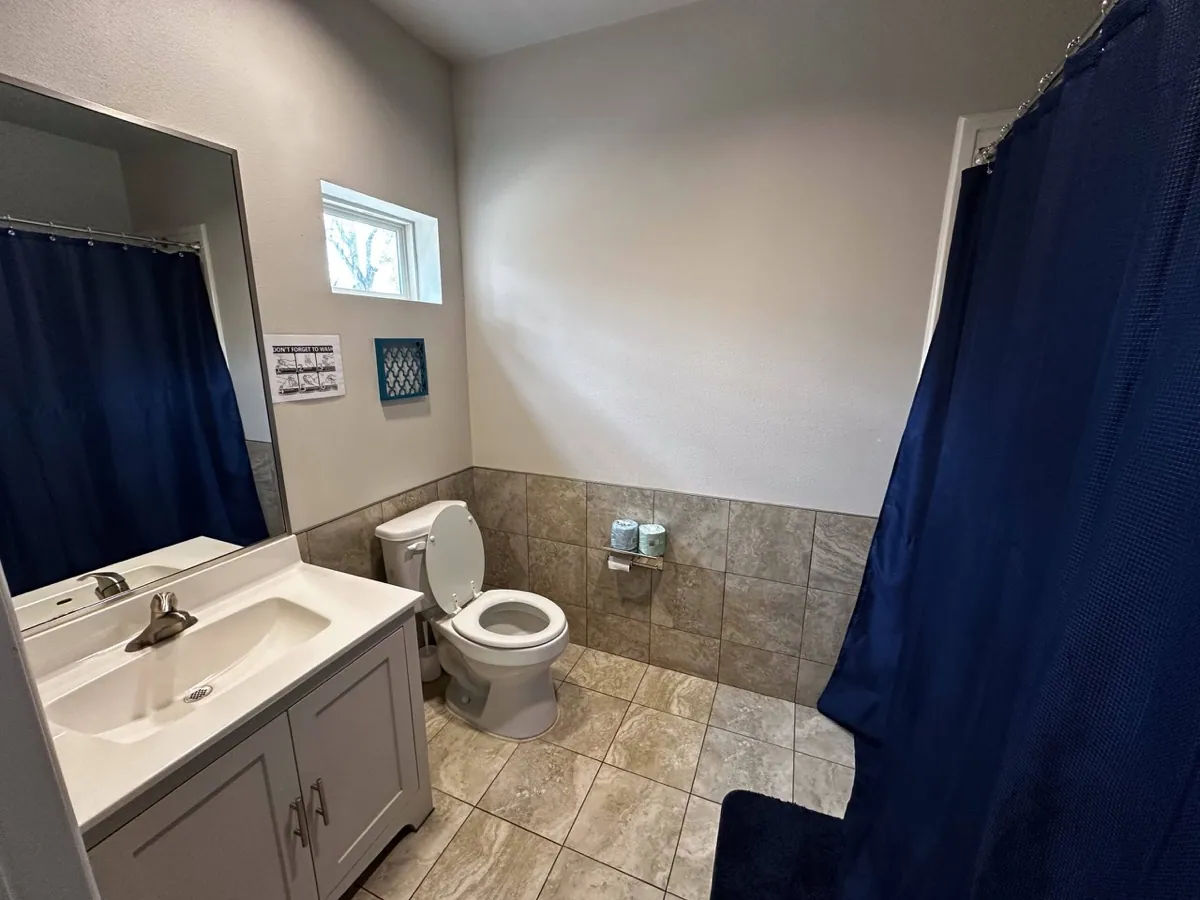
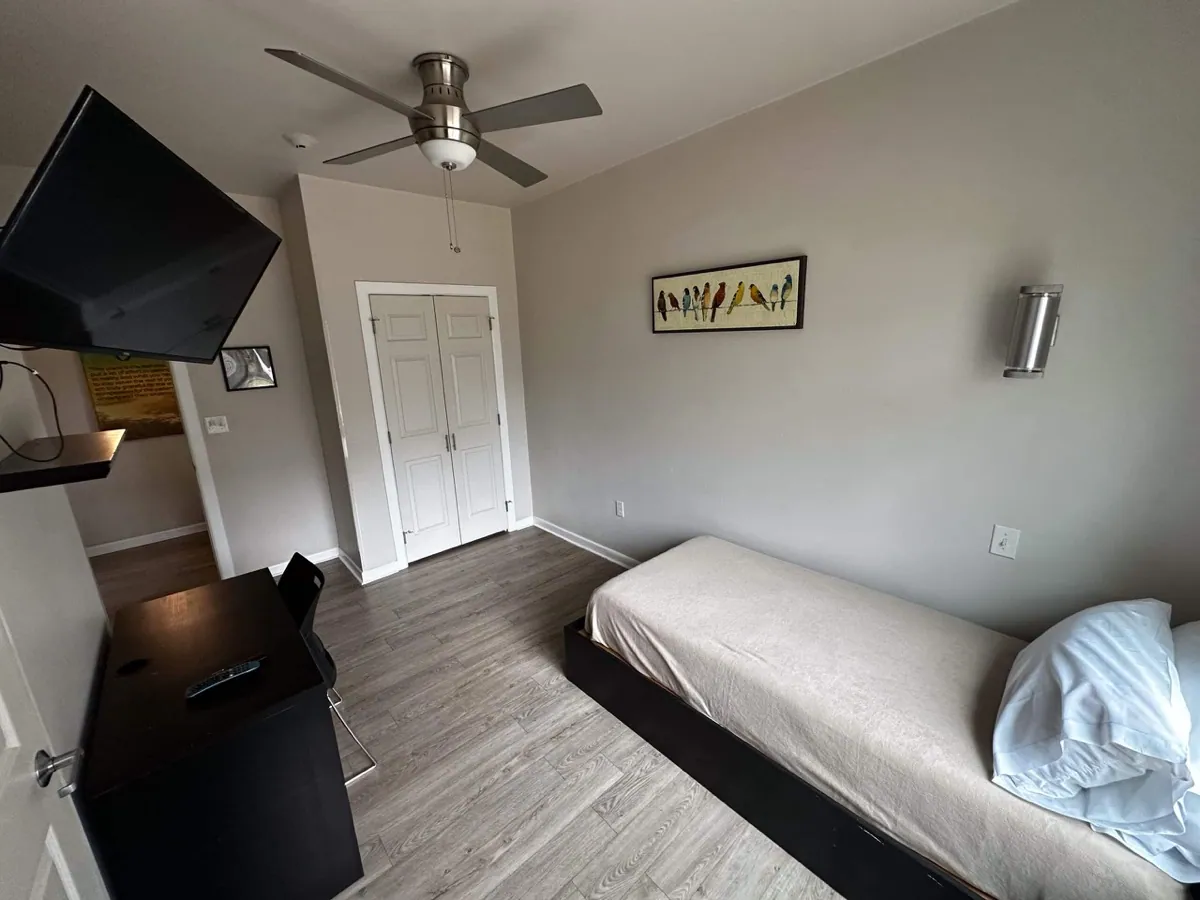
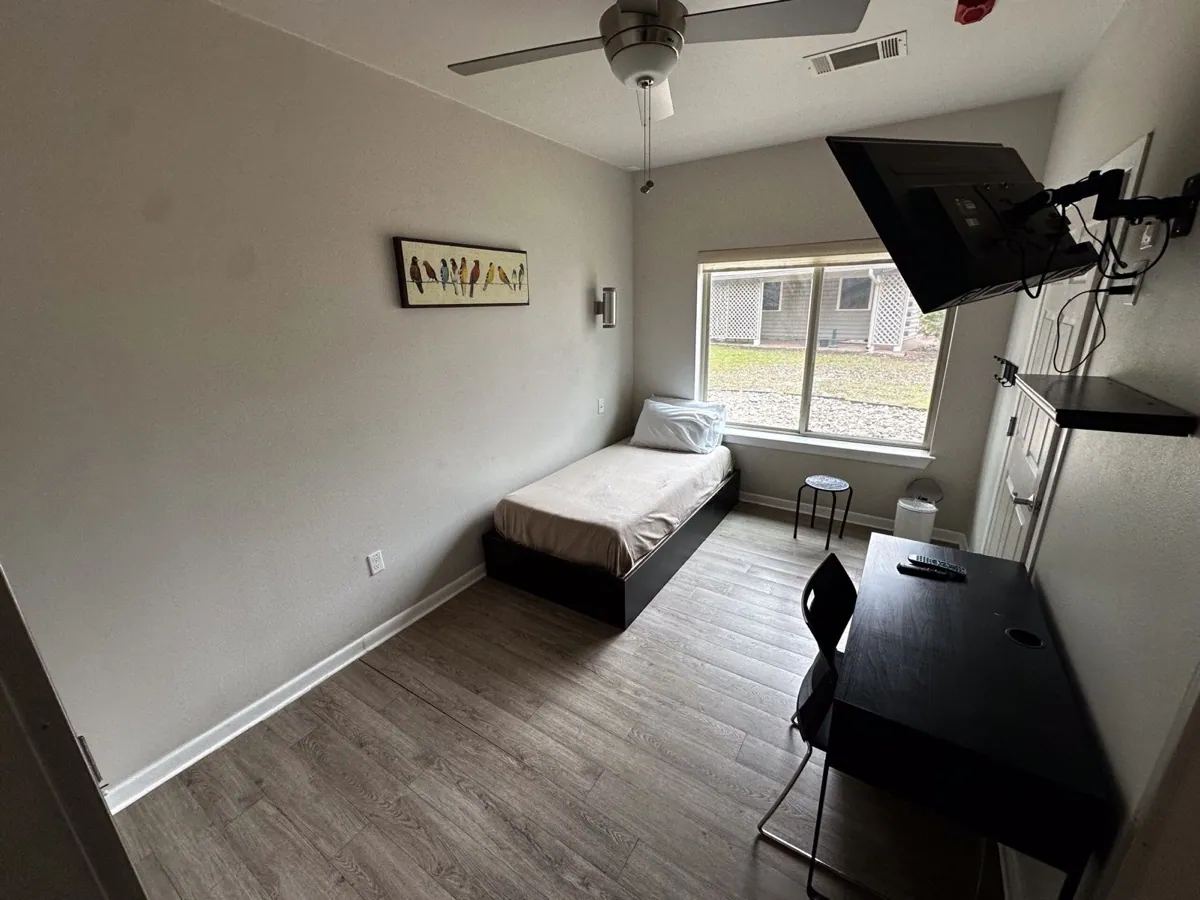
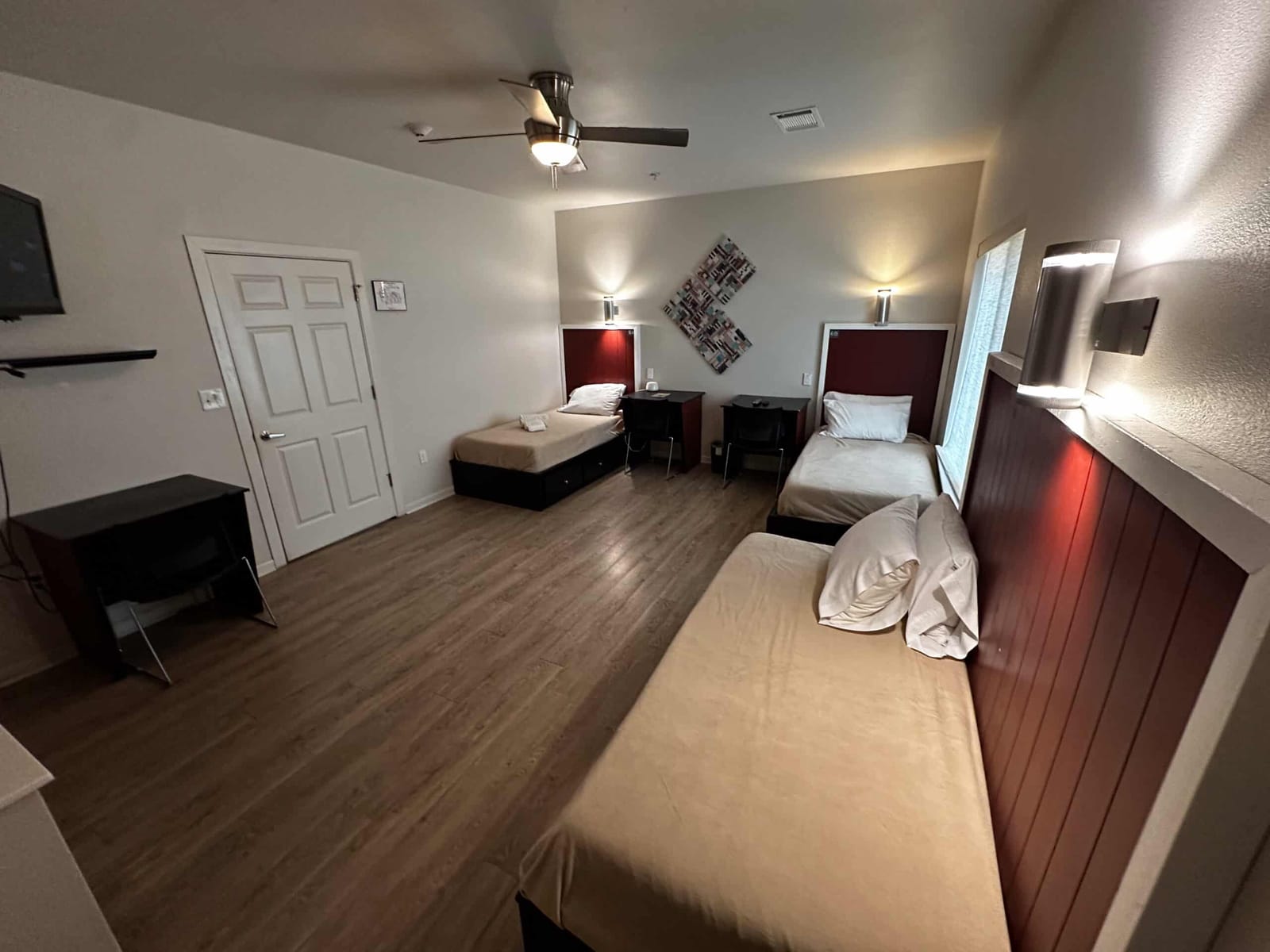
At Briarwood Detox Center, people managing nicotine withdrawal during detox receive attentive, medical support. Our Austin, TX team monitors symptoms, sleep, and cravings around the clock to keep you safe and more comfortable. If you are detoxing from alcohol, opioids, or benzodiazepines, nicotine symptoms often overlap; our provider can add nicotine‑replacement therapy or other evidence‑based options when appropriate. We offer quiet rooms, balanced meals, hydration support, and practical skills coaching to shorten cravings and improve rest. Care plans are individualized and coordinated with aftercare, so your next step is clear. Insurance verification and same‑day admissions are available when capacity allows. Learn more about our medical detox program and our Austin location. If you are searching for substance abuse treatment Austin TX, our inpatient detox can be a safe first step. Briarwood Detox Center also helps you connect with ongoing support after discharge.
Our Local Detox & Nicotine‑Withdrawal Support
[ map — Briarwood Alcohol and Drug Detox - Austin, TX ]
Austin Detox: Nicotine‑Withdrawal Support
[ map — Briarwood Alcohol and Drug Detox - San Antonio ]
San Antonio Outpatient Detox: Craving Relief Near Home
[ map — Briarwood Alcohol and Drug Detox - Houston ]
Houston Medical Detox: 24/7 Nicotine Support
Nicotine Withdrawal FAQs for Austin, TX
How long does nicotine withdrawal last?+–
Most people feel the strongest symptoms in the first 3 days, then notice steady improvement over 2–4 weeks. Brief cravings can still pop up for months, but they tend to be short and tied to triggers.
What are the most common nicotine withdrawal symptoms?+–
Cravings, irritability, anxiety, restlessness, sleep disruption, trouble concentrating, and increased appetite are typical early symptoms. They improve as your brain adapts to life without nicotine.
How long do nicotine cravings last?+–
Each craving episode usually peaks and passes within minutes. They occur most often in week one and become less frequent and less intense over time. Triggers like stress, coffee, driving, or social cues may briefly bring them back.
Do people who vape have the same withdrawal timeline as smokers?+–
Yes—because nicotine drives the process, many people who quit vaping report a similar course: hardest in the first week, improving over the next few weeks.
What helps relieve nicotine withdrawal?+–
Evidence supports a mix of behavioral strategies (trigger planning, activity, breathing, hydration, sleep routines) and medications such as nicotine replacement therapy (NRT), varenicline, or bupropion when appropriate. Combining counseling with FDA‑approved pharmacotherapy improves quit rates.
Is nicotine withdrawal dangerous?+–
It’s uncomfortable but not usually dangerous for otherwise healthy adults. If symptoms feel unmanageable, talk with a clinician; short‑term support and approved medications can help you through the early days.
What happens after 72 hours without nicotine?+–
For many people, the “peak” has passed by day three; sleep and mood gradually stabilize, and cravings become more manageable with a plan.
How does Briarwood Detox Center support nicotine withdrawal during inpatient detox?+–
If you’re detoxing from alcohol, opioids, or benzodiazepines, our Austin team monitors nicotine‑related symptoms, offers comfort measures, and can coordinate NRT or other evidence‑based options when appropriate—so you can focus on recovery in a safe, structured setting. Call our admissions team today at (866) 710-7710.
Where can I get medically supervised detox in Austin, TX?+–
Briarwood Detox Center serves individuals seeking substance abuse treatment Austin TX and those comparing drug treatment centers in Austin by offering physician‑led medical detox with targeted support for nicotine withdrawal and next‑step planning. Same‑day admissions may be available. Call our admissions team today at (866) 710-7710.
Will I gain weight after quitting, and how can I manage it?+–
A temporary increase in appetite is common. Plan balanced snacks, drink water, stay active, and consider short‑acting NRT to take the edge off cravings that masquerade as hunger.
Related guides
About the people behind this guide
Anna-Grace Washington
Medical Content Writer
Anna-Grace Washington is a Medical Content Writer for Briarwood Detox Center. She holds a master’s degree in clinical psychology from the University of Texas and brings a strong understanding of behavioral health, addiction recovery, and evidence-based treatment concepts to her writing.
Dr. Robert Ulrich, DO
Medical Director
Dr. Robert Ulrich serves as Medical Director at Briarwood Detox Center, bringing more than two decades of clinical neurology experience to the treatment of substance use disorders. He is board-certified in neurology by the American Board of Psychiatry and Neurology and completed his neurology residency at UT Southwestern Medical Center in Dallas, where he served as Chief Resident.
In network with most major insurance
Find your plan and see what detox would cost
Most plans cover medical detox. Coverage varies by plan, so we verify it for you before you commit to anything.


















Don't see your plan? We work with out-of-network benefits and offer self-pay options — (866) 710-7710
- Confidential
- Takes about 2 minutes
- No obligation to admit

- Accredited The Joint Commission
- Rated 4.5 · 95 Google reviews
- Admissions 24 hours a day