
Guide
Stay Alcohol‑Free When Coping Skills Are Weak
Joint Commission accredited · In network with most major insurance · Admissions answered 24 hours a day

Published November 11, 2025
Reviewed and updated July 29, 2026
Key Takeaways · 6 points
- Detox Is the First, Medically Supervised Step—Not a Full Treatment Plan. After withdrawal management, most people still need therapy, medication, and support to stay alcohol‑free.
- Top Search Results Agree That Detox Should Connect to Ongoing Care and Skills Training. Page‑one sources emphasize 24/7 admissions, follow‑up treatment, and relapse‑prevention planning.
- A Simple Five‑Step Plan Helps You Stay Alcohol‑Free Even When Coping Skills Feel Weak. Combine safe detox, CBT‑based skills, medications for cravings, daily structure, and a local support map.
- Early Recovery Works Better With Short, Repeatable Coping Moves You Can Use in Minutes. Examples include the HALT check, the 15‑minute rule, and two pre‑written if‑then plans.
- Structure Beats Willpower After Detox. A visible weekly schedule for therapy, medications, meetings, and sober activities keeps momentum going.
- You Can Start Today With a Local Assessment and a Same‑Week Handoff to Treatment. Use San Antonio resources and directories to line up care quickly.
Break Free from Addiction. Detox Safely in San Antonio Today.
Medically Supervised Detox – Compassionate Care Starts Here.
If you’re searching for “detox alcohol free San Antonio,” you’re likely looking for a safe way to stop drinking and a simple plan to stay sober—especially if coping skills feel shaky. This guide explains what local “alcohol‑free” and detox options mean, and gives a step‑by‑step strategy you can follow right away.
What “Detox, Alcohol‑Free, San Antonio” Really Means
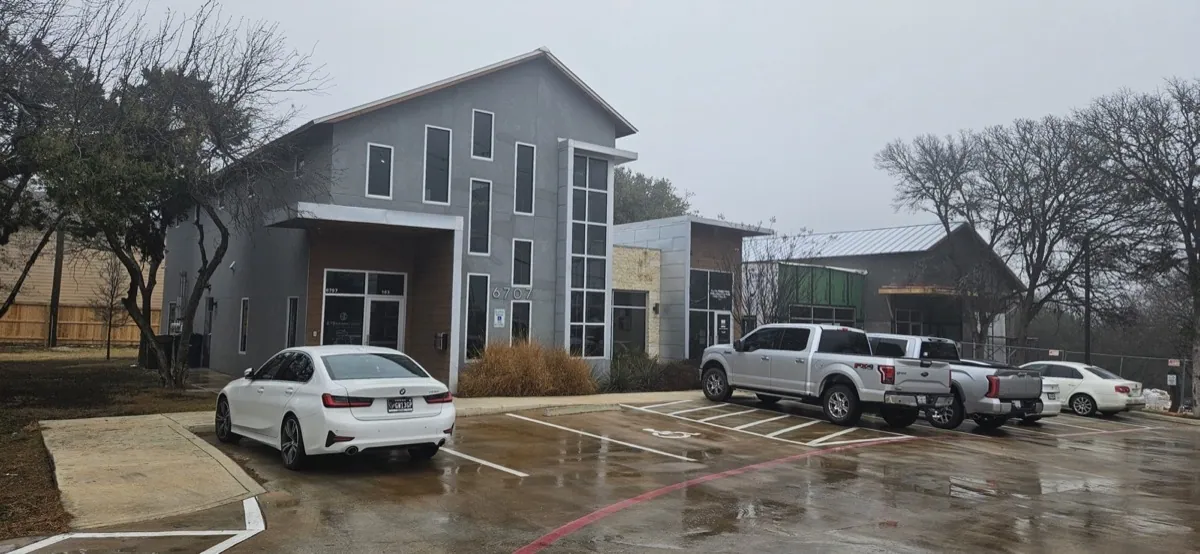
Detox is the short, medically supervised process that helps your body clear alcohol and manage withdrawal. It reduces risk from symptoms like severe tremors or seizures, but it is not the whole treatment; most people still need therapy, medication, and support to stay alcohol‑free after detox. Learn more about what to expect during detox.
In San Antonio, many programs advertise “alcohol‑free” living along with detox and ongoing care. If you need help paying for treatment—or prefer telehealth—Be Well Texas (led by UT Health San Antonio) connects Texans to evidence‑based care, with virtual visits and options for people without insurance.
Local public agencies also coordinate behavioral‑health resources and referrals across Bexar County. These county pages won’t enroll you directly, but they outline programs and helplines that can point you to detox or treatment.
What the Top Google Results Emphasize
A quick scan of page‑one results for alcohol detox in San Antonio shows consistent themes:
- Medical Withdrawal Management First, Then Treatment. Clinics stress 24/7 admissions for detox, followed by residential or outpatient care and aftercare. Evidence‑based guidelines agree: withdrawal management is only the start.
- Skills and Structure Matter. Sites highlight therapy (often CBT), relapse‑prevention planning, and alumni/peer support. Research backs this: therapy plus skills training and monitoring reduce relapse risk.
- Access Options Exist. Statewide and local directories or programs can help you find a fit, including low‑ or no‑cost care.
Where we are
Detox centers across Texas
Three locations, each with its own admissions line and its own clinical team. Pick the one nearest you — or call and we will tell you which has a bed tonight.
-
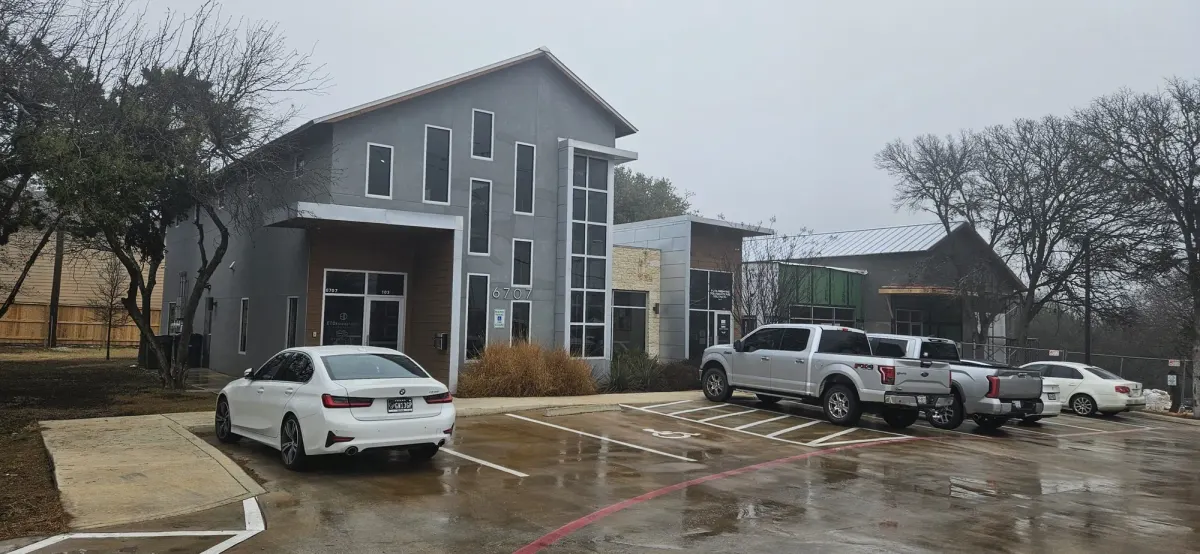 Outpatient
 San Antonio, TX
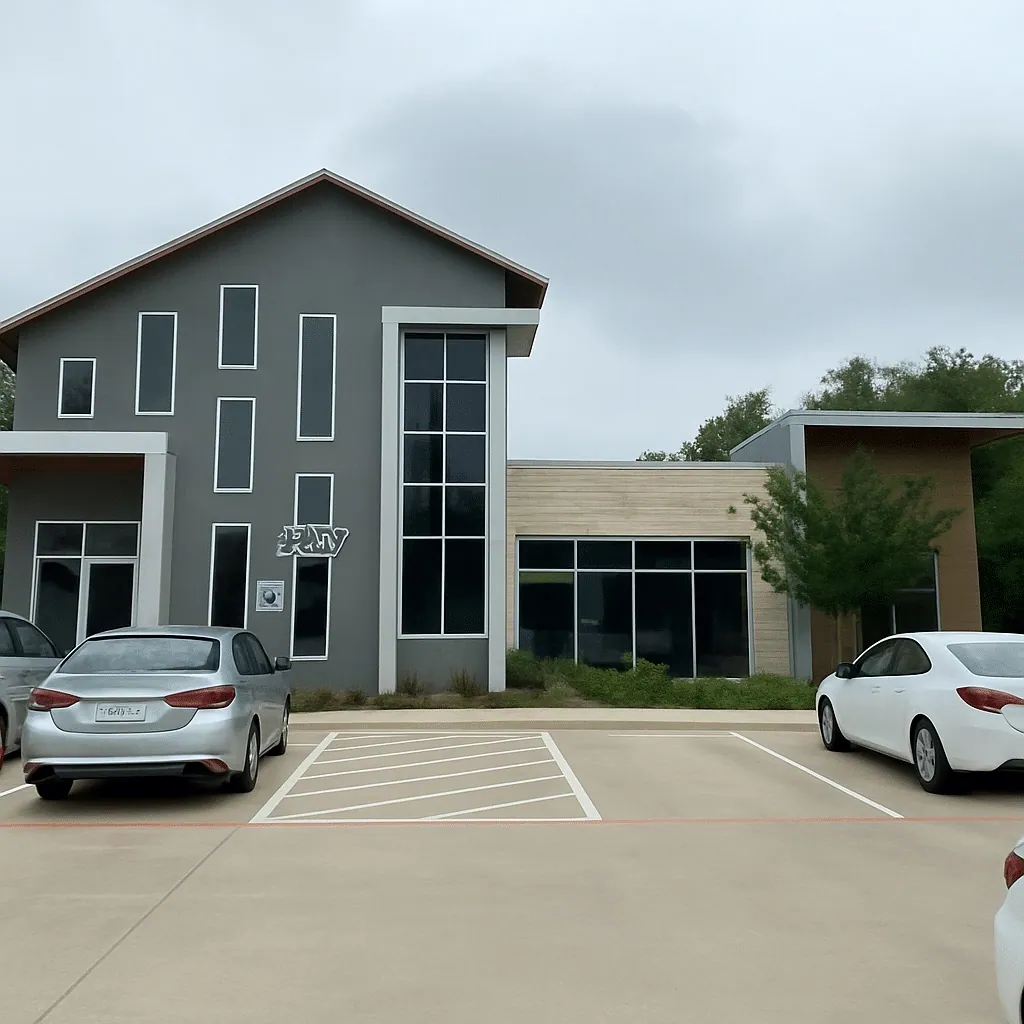
6707 W Hausman Rd · 78249
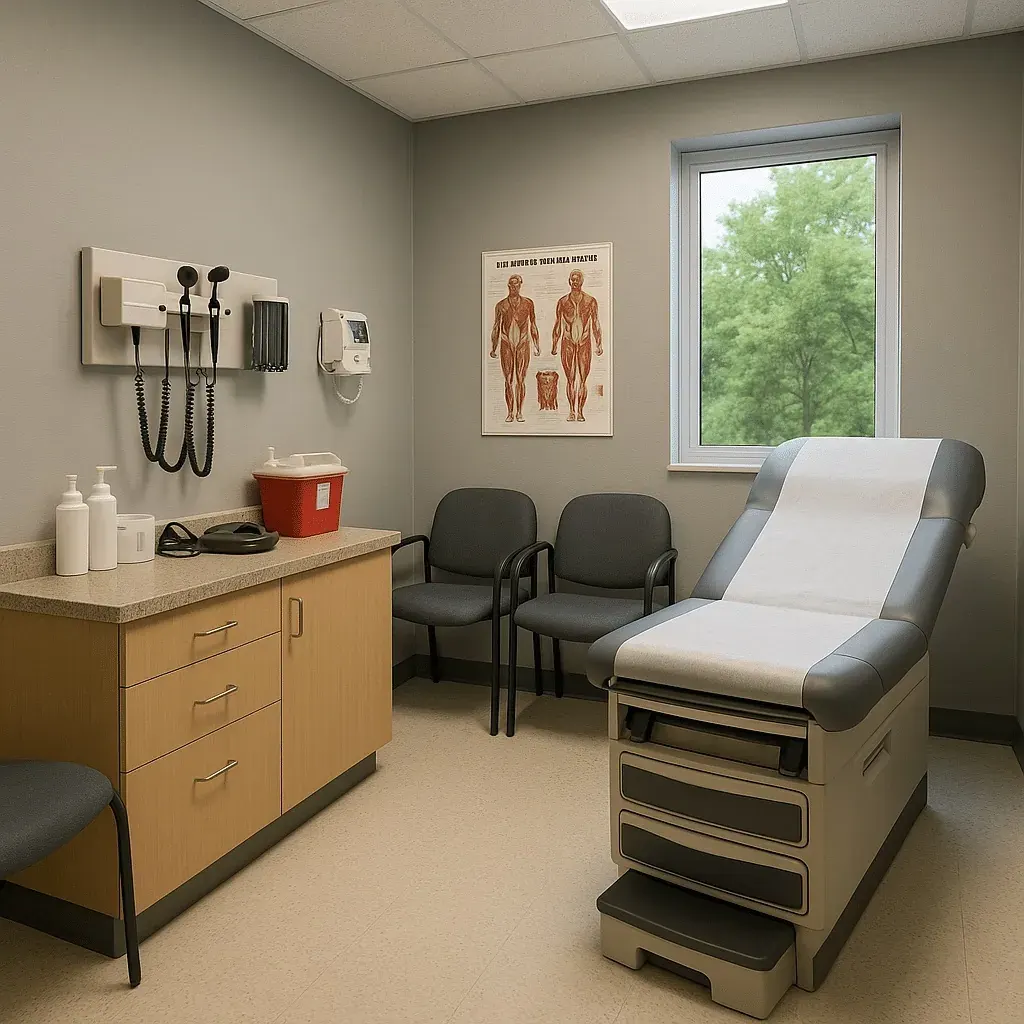
- Outpatient detox with scheduled medical visits
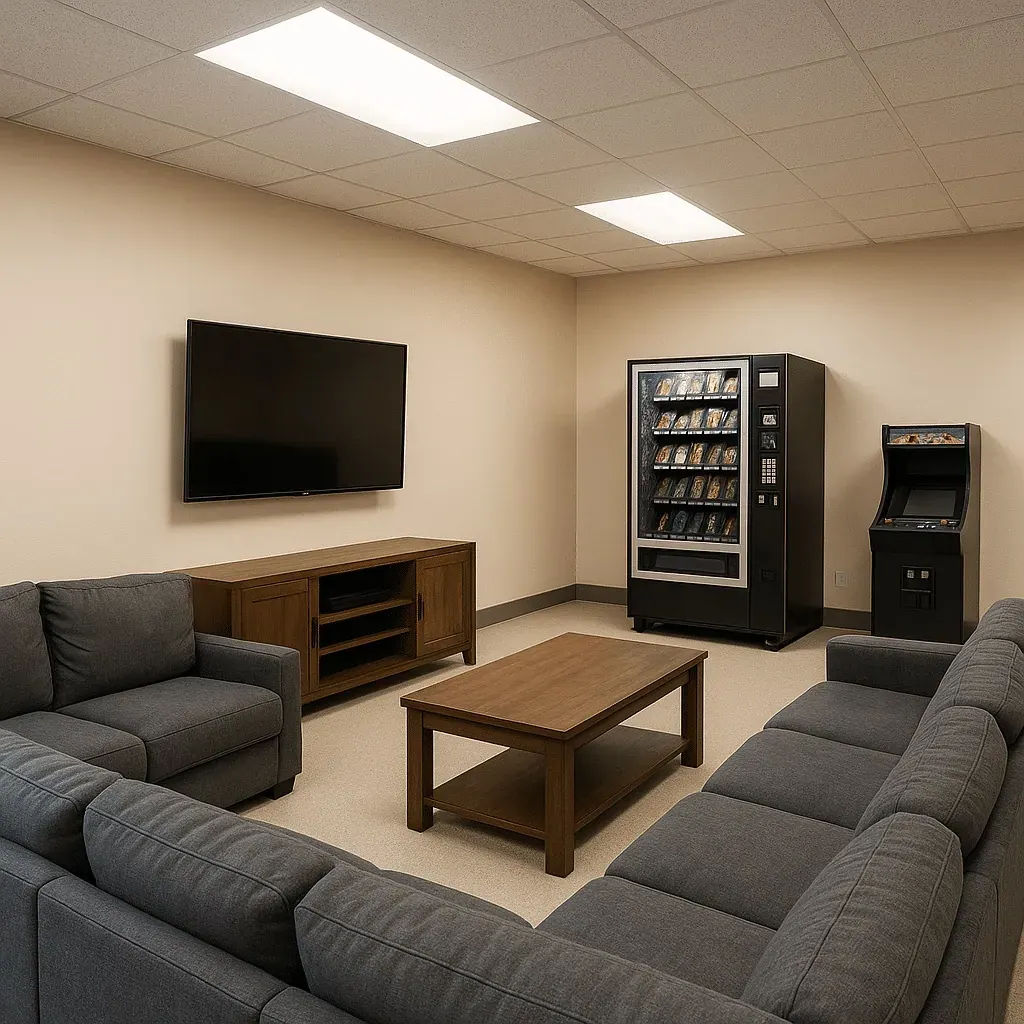
- Outpatient treatment
Outpatient Alcohol Detox in San Antonio — Start Now
-
Alcohol & Drug Detox — San Antonio Programs
Briarwood
Alcohol & Drug Detox — San Antonio Programs
-
Clear, Simple Admissions — Get Started Today
Briarwood
Clear, Simple Admissions — Get Started Today
A Step‑By‑Step Plan to Stay Alcohol‑Free With Limited Coping Skills
Step 1: Secure Safe, Medically Supervised Detox
If you’re drinking daily or have a history of withdrawal, don’t quit alone. A clinician can assess your risk and choose inpatient or ambulatory detox based on safety needs. After detox, ask for a handoff to treatment the same week to keep momentum. You can begin safely through our clear, simple admissions process.
Step 2: Start Skills Training on Day One
Cognitive behavioral therapy (CBT) and dedicated relapse‑prevention approaches teach practical tools—spotting triggers, challenging “permission‑giving” thoughts, and rehearsing new responses. Skills training shows small‑to‑moderate benefits across studies, and digital CBT options can help when appointments are hard to attend.
Step 3: Use Medication to Reduce Cravings
Ask about FDA‑approved medications for alcohol use disorder (AUD) such as naltrexone or acamprosate. Medications don’t replace therapy; they lower the “volume” on cravings so the skills you’re learning can work.
Step 4: Build a Simple Daily Routine
- Sleep 7–8 hours; eat regular meals; hydrate.
- Two check‑ins (morning and evening): “How am I feeling? What’s my next right action?”
- One practice: 3–5 minutes of paced breathing or a short walk.
- One connection: A support meeting, a peer, or a brief text to someone in recovery.
Step 5: Create a San Antonio Support Map
- Clinical care: UT Health’s Be Well Clinic offers in‑person and virtual services; many local centers provide detox plus outpatient or residential treatment.
- Public resources: Bexar County Behavioral Health lists programs and community partners.
- Peer support: 12‑step, SMART Recovery, faith‑based, and veteran‑focused groups meet across the metro area (search directory pages for times/locations).
Practical Coping Moves for the First 30 Days
Use “HALT” to Catch Hidden Triggers
Before a craving decision, ask: Am I Hungry, Angry, Lonely, or Tired? Fix the state first—then reassess the urge. This fast check keeps biology from masquerading as “willpower.”
Run the 15‑Minute Rule
When an urge hits, set a timer for 15 minutes and do one neutral action: walk, shower, journal, or call a peer. Most urges crest and fall like waves. Mindfulness‑based relapse‑prevention research supports riding out cues rather than fighting them.
Swap Avoidant Coping for Active Coping
People reduce risky drinking when they practice active skills—problem‑solving, planning, and using supports—rather than only trying to “white‑knuckle” urges. Tailored CBT that targets your real‑time coping gaps can improve outcomes.
Script Two “If‑Then” Plans
Write simple statements and keep them on your phone:
- If I drive past a bar, then I call my sponsor and keep driving to the gym.
- If a friend offers a drink, then I say, “I’m not drinking—sparkling water for me,” and change the subject.
After Detox: Keep Sobriety Simple in San Antonio
Structure Beats Willpower
Fill a weekly template: therapy session, medication check, two support meetings, one enjoyable sober activity, and one block for chores/finances. Put it on a visible calendar and treat it like a standing appointment.
Make Sober Fun Easy
Plan low‑risk outings that don’t revolve around alcohol. Early morning walks on the River Walk, a museum hour, or a fitness class can become “automatic wins.” Keep travel routes that skip bar‑dense areas during the first months.
Maintain a Relapse‑Response Plan
Relapse risk often unfolds in stages—emotional, mental, then physical. Your plan should list early warning signs (poor sleep, isolating), three people you’ll contact, and one immediate reset step (e.g., same‑day clinic or meeting).
Where to Start Today in San Antonio
If you need local help, start with our San Antonio outpatient detox program.
- Call or schedule with Be Well Texas for an assessment (virtual options available; insurance not required).
- Ask for a direct handoff from detox to therapy/medication the same week.
- Save two directories to find programs and support meetings near your neighborhood.
How Briarwood Detox Center Provides Outpatient Alcohol Detox and Alcohol-Free Support
Briarwood Detox Center helps San Antonio residents find safe, outpatient pathways to an alcohol‑free life. Our clinicians assess your history and design a plan that fits your level of risk. When outpatient detox is appropriate, we coordinate medical oversight, withdrawal monitoring, and symptom relief. You get structured check‑ins, counseling that builds coping skills, and referrals for medication‑assisted treatment when needed. We also connect you with local support groups and telehealth visits to reduce travel and keep care consistent. If an inpatient setting would be safer, we help you transition quickly and return to outpatient care when stable. Our team focuses on practical steps you can use at home, from craving management to relapse‑prevention routines. Services are grounded in evidence‑based practices and align with Central Texas resources. With Briarwood Detox Center, you receive clear guidance and compassionate follow‑up so outpatient detox in San Antonio supports lasting sobriety.
This content is for educational purposes only and is not a substitute for professional medical advice, diagnosis, or treatment. Prescription medications—including antidepressants and antipsychotics—should be taken only under the supervision of a qualified healthcare provider. Do not start, stop, or change any medication without consulting your doctor. If you experience severe side effects, worsening symptoms, or thoughts of self‑harm, call 911 in the United States or seek emergency medical care immediately. For confidential mental health support at any time, dial 988 to reach the Suicide & Crisis Lifeline, available 24/7.
Outpatient Alcohol Detox in San Antonio — Frequently Asked Questions
Can you detox from alcohol as an outpatient?+–
Yes—when a clinician determines your risk is low to moderate, you may complete withdrawal in an ambulatory setting with monitoring, medications, and rapid follow‑up. Higher‑risk patients (history of seizures, unstable vitals, limited support) should use inpatient care.
How long does alcohol detox take?+–
Acute withdrawal often peaks within 24–72 hours and improves over 3–7 days, though timelines vary by drinking pattern and health. Some symptoms like sleep issues can last longer and may need treatment.
What happens during medical detox for alcohol?+–
You receive an assessment, vital‑sign monitoring, symptom‑guided medications, fluids and nutrition, and a plan that transitions you into treatment as detox ends.
Is outpatient alcohol detox safe?+–
It can be safe for selected patients when protocols, medications, and daily check‑ins are in place; clinicians screen first to decide between outpatient and inpatient.
What medications help with alcohol withdrawal or cravings?+–
FDA‑approved options for alcohol use disorder include naltrexone, acamprosate, and disulfiram; your provider will match choices to your goals and medical history.
What’s the difference between alcohol detox and rehab?+–
Detox manages withdrawal and medical risk. Rehab or ongoing treatment adds therapy, relapse‑prevention skills, and medications to support long‑term recovery.
Can I detox from alcohol at home?+–
Stopping suddenly without medical supervision can be dangerous because severe withdrawal may involve seizures or delirium. Seek a clinical evaluation to choose a safe setting.
Is outpatient detox as effective as inpatient?+–
For patients with lower medical risk and good support, ambulatory withdrawal management can work well when paired with structured follow‑up care. Severe or complicated cases require inpatient management.
How do I stay alcohol‑free after detox?+–
Combine skills‑based therapy (often CBT), peer support, and—when appropriate—medication for cravings. Mindfulness‑based relapse‑prevention can also help some people manage triggers.
Where can I find alcohol‑free or treatment support in San Antonio?+–
Texas residents can access Be Well Texas for virtual and in‑person services, and use SAMHSA’s FindTreatment.gov to locate accredited programs by ZIP code.
Does insurance cover substance abuse treatment?+–
Coverage varies by plan and level of care. If cost is a barrier, check FindTreatment.gov and state resources for programs that accept Medicaid, offer sliding‑scale fees, or provide assistance.
What if I’m in crisis or having thoughts of self‑harm while trying to quit?+–
Call or text 988 for the Suicide & Crisis Lifeline for free, confidential help 24/7, or dial 911 for emergencies. 988 Lifeline
Related guides


About the people behind this guide
Anna-Grace Washington
Medical Content Writer
Anna-Grace Washington is a Medical Content Writer for Briarwood Detox Center. She holds a master’s degree in clinical psychology from the University of Texas and brings a strong understanding of behavioral health, addiction recovery, and evidence-based treatment concepts to her writing.
Dr. Robert Ulrich, DO
Medical Director
Dr. Robert Ulrich serves as Medical Director at Briarwood Detox Center, bringing more than two decades of clinical neurology experience to the treatment of substance use disorders. He is board-certified in neurology by the American Board of Psychiatry and Neurology and completed his neurology residency at UT Southwestern Medical Center in Dallas, where he served as Chief Resident.
In network with most major insurance
Find your plan and see what detox would cost
Most plans cover medical detox. Coverage varies by plan, so we verify it for you before you commit to anything.















Don't see your plan? We work with out-of-network benefits and offer self-pay options — (210) 305-4522
- Confidential
- Takes about 2 minutes
- No obligation to admit
- Accredited The Joint Commission
- Rated 5.0 · 80 Google reviews Flourishing Foundations Recovery, now part of Briarwood
- Admissions 24 hours a day