
Guide
Alcohol and Ecstasy: Why Drinking on Molly Can Turn Dangerous
Joint Commission accredited · In network with most major insurance · Admissions answered 24 hours a day


Published January 8, 2026
Reviewed and updated July 29, 2026
Key Takeaways · 8 points
- Understand what “alcohol and ecstasy” means and why the mix can be unpredictable
- Learn why drinking on molly can mask impairment and increase heat risk
- Know the biggest MDMA and alcohol dangers: overheating, dehydration, and low sodium
- Avoid common myths that can make molly and alcohol side effects worse
- Recognize when to call 911 after mixing MDMA and alcohol
- Use practical next-day steps and watch for alcohol withdrawal red flags
- Spot signs that “molly and alcohol” has become a repeating pattern
- Take a simple next step for support in Texas, including Austin, San Antonio, and Houston
Break Free from Addiction. Detox Safely in Austin Today.
Medically Supervised Detox – Compassionate Care Starts Here.
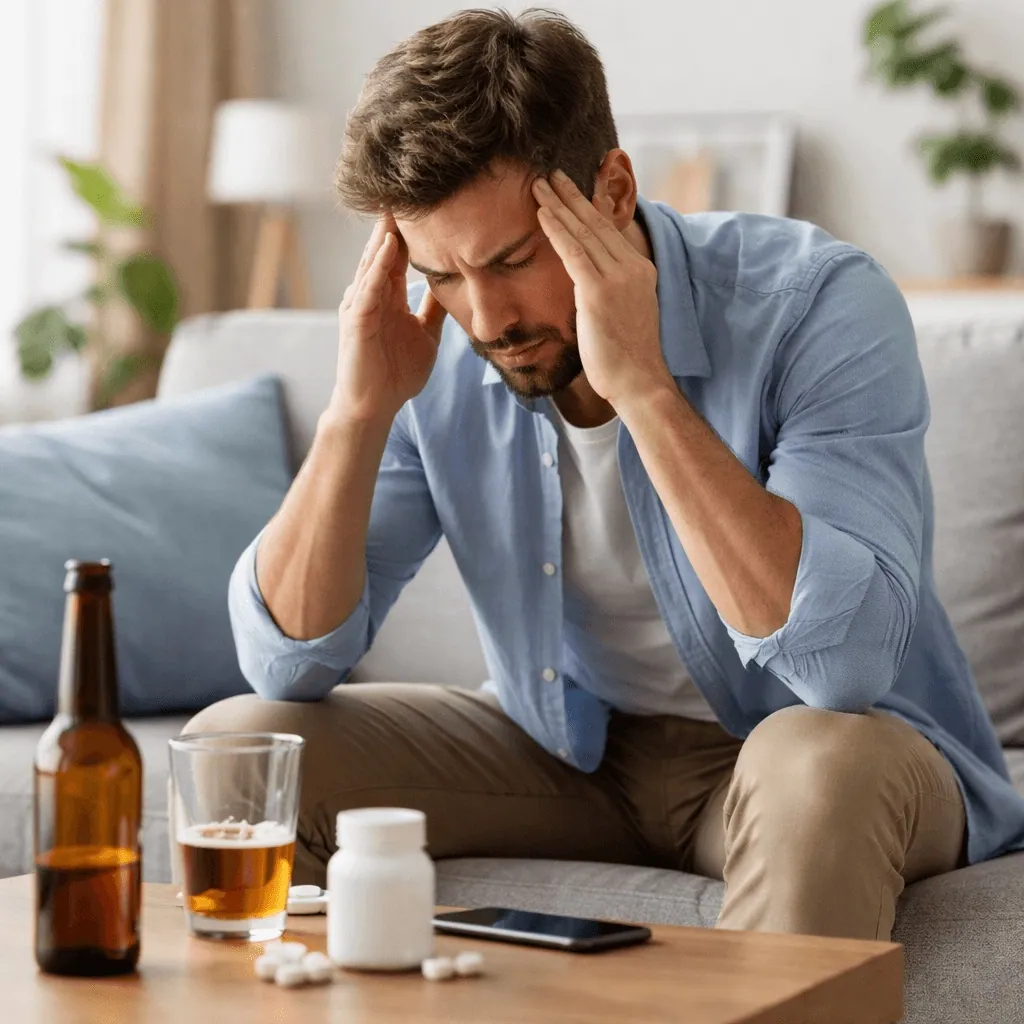
People often search “drinking on molly” the morning after a party, sometimes out of curiosity and sometimes because the night felt out of control.
Mixing MDMA (molly/ecstasy) and alcohol can raise the risk of overheating, dehydration, unsafe decisions, and medical emergencies, and it can also make it harder to notice when your body is in trouble. If you have been combining them, this guide explains what is happening and what to do next.
If you are reading this during a night out and someone is confused, fainting, seizing, or struggling to breathe, call 911 now because it is better to be cautious than to wait.




Alcohol and ecstasy: what the mix actually is
MDMA, ecstasy, and “molly” are often used as the same thing
MDMA is the chemical name, while “ecstasy” usually refers to pills and “molly” often means powder or capsules. In real life, products sold as molly or ecstasy may contain other substances, which makes reactions less predictable.
That unpredictability matters when alcohol is involved, because even a small amount can amplify poor judgment and reduce caution. If a pill or powder is stronger than expected, it is easier to end up in a dangerous range.
Alcohol changes the risk profile right away
Alcohol is a depressant that slows reaction time and dulls awareness, while MDMA acts more like a stimulant with mood and empathy effects. When you combine them, the signals you rely on to pace yourself can get scrambled, including thirst, fatigue, and decision-making.
This kind of combination use is often called polysubstance use, and the core problem is not just “two substances.” It is how each one shifts behavior, hydration, and safety choices in the moment.
Why drinking on molly can feel fine at first
The mix can disguise how intoxicated you are
MDMA can make you feel energized and emotionally open, while alcohol lowers inhibitions, so it can be easier to drink more than you planned and harder to notice how impaired you really are.
As the night goes on, some people keep drinking because they do not feel as sleepy as they expect, while others drink to “take the edge off” stimulation. Either way, the total load on the body increases and the margin for error shrinks.
Heat and dehydration build in the background
MDMA can raise body temperature and increase physical activity, and alcohol also promotes fluid loss while impairing decisions about cooling off. The combination is one reason medical emergencies happen in hot, crowded settings.
Another issue is pacing, because without regular breaks your temperature and heart rate can climb quickly. If you add alcohol, you may be less likely to step outside, sit down, or ask for help. For a plain-language overview of MDMA’s effects and risks, see the National Institute on Drug Abuse page on MDMA (ecstasy/molly).
Where we are
Detox centers across Texas
Three locations, each with its own admissions line and its own clinical team. Pick the one nearest you — or call and we will tell you which has a bed tonight.
-
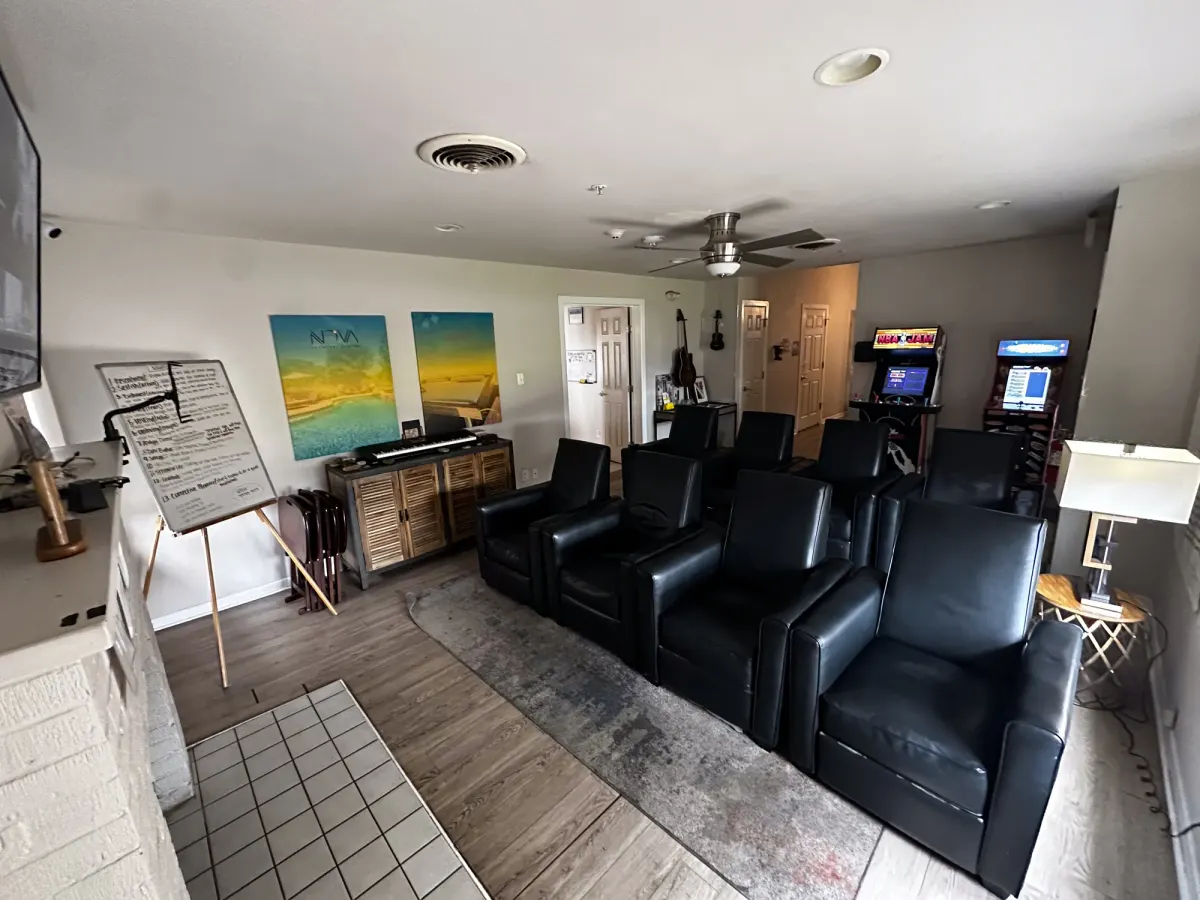 Inpatient
 Austin, TX
11711 N Lamar Blvd · 78753
- 15 beds
- On-site labs
- 24-hour medical staff
Drug & Alcohol Detox in Austin, TX
-
 Inpatient
 Houston, TX
1019 Ashland St · 77008
- On-site labs
- 24-hour medical staff
Drug Detox Center in Houston, TX
-
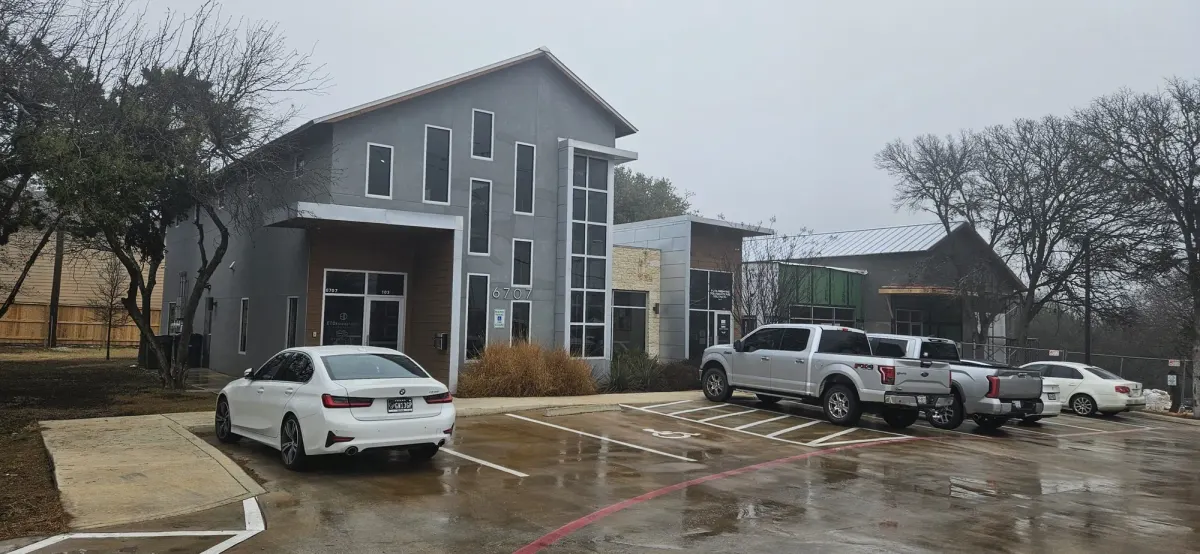 Outpatient
 San Antonio, TX
6707 W Hausman Rd · 78249
- Outpatient detox with scheduled medical visits
- Outpatient treatment
Outpatient Drug & Alcohol Detox in San Antonio
MDMA and alcohol: the biggest short-term risks
Overheating, dehydration, and low sodium are the main threats
When you mix molly and alcohol, three problems show up again and again: overheating, dehydration, and electrolyte imbalance. A systematic review on MDMA-related hyperthermia notes that alcohol can add to the risk for hyperthermia, dehydration, and hyponatremia (dangerously low sodium). You can read the review on PMC (NIH).
- Overheating (hyperthermia): your core temperature rises, especially with dancing and warm air.
- Dehydration: sweating plus alcohol’s diuretic effect can dry you out faster.
- Hyponatremia: drinking large amounts of water without electrolytes can dilute sodium, which can be life-threatening.
Hyponatremia can be confusing because it may look like “too much MDMA,” “a panic attack,” or “just being drunk.” Red flags can include severe headache, confusion, vomiting, or seizures, so if those show up treat it as an emergency.
Heart strain, nausea, and injuries
MDMA can increase heart rate and blood pressure, and alcohol can add dehydration while reducing coordination. Together, they raise the odds of falls, fights, unsafe sex, and driving impairment.
Nausea and vomiting also matter because vomiting increases dehydration and can increase choking risk if someone passes out. If a person cannot stay awake or cannot keep fluids down, get medical help.
Common myths about molly and alcohol
Myth: “Beer is safer than liquor with MDMA”
Beer can still dehydrate you and impair judgment, so the form of alcohol matters less than the total amount and how fast you drink it.
Myth: “I can cancel it out with energy drinks or caffeine”
Caffeine can add stimulation, increase anxiety, and worsen dehydration, and it can also make it harder to notice a racing heart.
Myth: “If I drink lots of water, I am safe”
Staying hydrated helps, but “more water” is not always better, especially when it is chugged quickly. Drinking too much water too fast, without electrolytes, can contribute to dangerously low sodium, so aim for steady fluids and cooling breaks instead of forced drinking.
When to get emergency help after drinking on molly
If someone looks seriously unwell after using MDMA and alcohol, treat it like an emergency and call 911 right away if you notice any of the following.
- Confusion, severe agitation, or not making sense
- Fainting, collapse, or being hard to wake
- Seizure activity
- Chest pain, trouble breathing, or blue/gray lips
- Very hot skin, heavy sweating that suddenly stops, or a fast-rising fever
- Repeated vomiting, especially with dehydration signs
While you wait for help, stay with the person and move them to a cooler space if you can. Do not give more alcohol, and if they are unconscious place them on their side to reduce choking risk.
If you are not sure, err on the side of calling, because many serious outcomes come from waiting too long and hoping it will pass.
The next day: the crash, the hangover, and what helps
What you might feel after mdma and alcohol
The day after MDMA can include low mood, irritability, trouble sleeping, and brain fog, and alcohol can intensify dehydration and nausea. Some people also feel anxiety about what happened, especially if there are memory gaps.
It can help to treat the next 24 to 72 hours as recovery time, because your nervous system is recalibrating and that takes real energy.
Safer ways to stabilize
- Drink fluids slowly and include electrolytes if you have been sweating.
- Eat simple foods if you can tolerate them, like soup, toast, rice, or fruit.
- Skip “hair of the dog” because more alcohol can worsen sleep and mood.
- Avoid mixing in other drugs or supplements without medical advice.
- Ask someone you trust to check in if you feel depressed or panicky.
If your mood drops hard, take it seriously and reach out for help. If you have thoughts of self-harm, call 988 in the U.S. for crisis support, or call 911 if you are in immediate danger.
If you drink heavily or daily, be careful about quitting suddenly because alcohol withdrawal can be medically dangerous for some people. For timing details, Briarwood’s guide on how long alcohol withdrawal can last breaks down the typical alcohol withdrawal time frame and red flags.
When “molly and alcohol” becomes a pattern
Signs the mix is no longer just “a night out”
Some people start using MDMA to drink longer, feel more social, or avoid anxiety, while others drink to smooth out the comedown. Over time, that loop can turn into polysubstance use that is hard to stop without support.
- Continuing to drink on molly even after scary symptoms or close calls.
- Drinking more on MDMA than on a normal night.
- Feeling depressed or panicky for days after, and it keeps getting worse.
- Relying on alcohol, MDMA, or both to feel “normal” at social events.
- Trying to stop, but returning to the same weekend pattern.
Why detox and medical support can matter
Stopping is not always as simple as “just don’t do it again,” because alcohol can create physical dependence and MDMA can drive intense sleep and mood disruption. When both are in the picture, it can feel like you are chasing relief from one substance with the other.
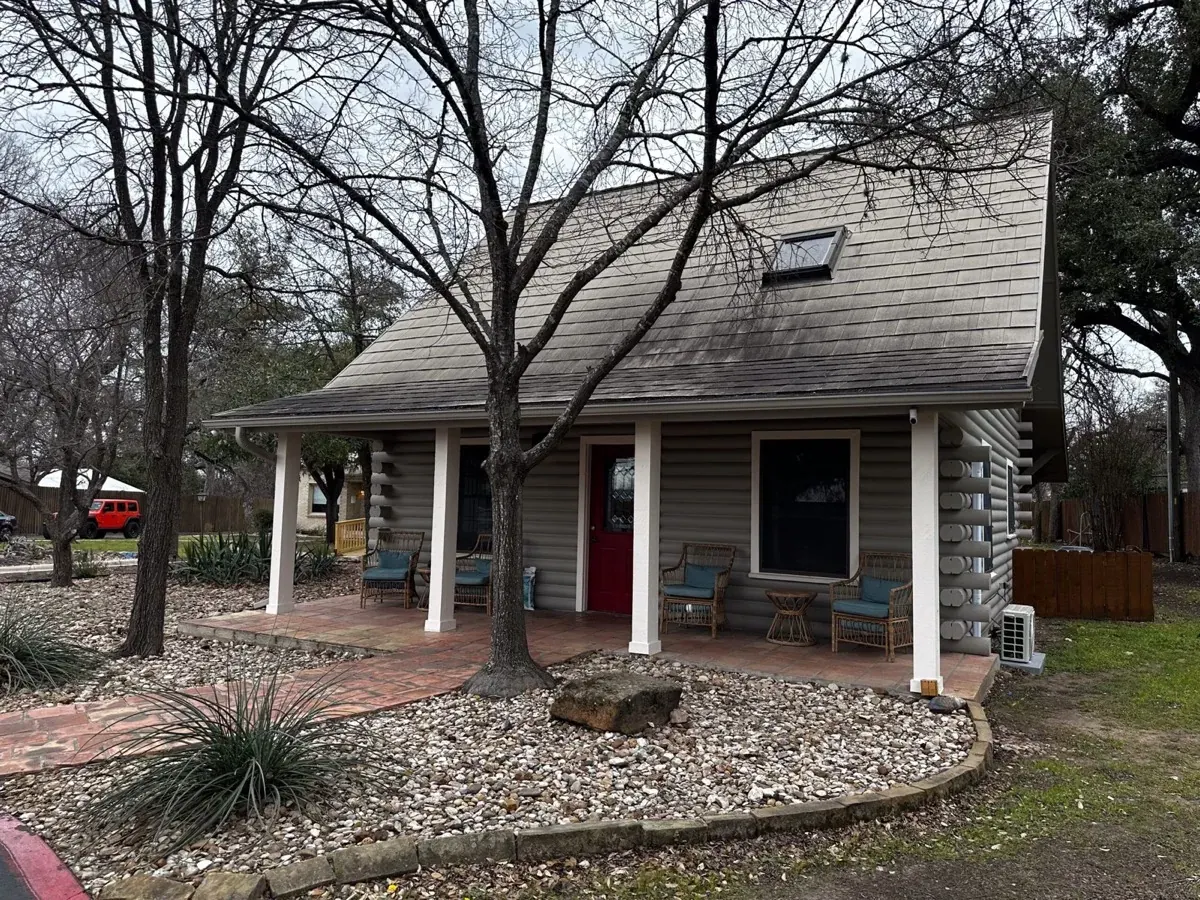
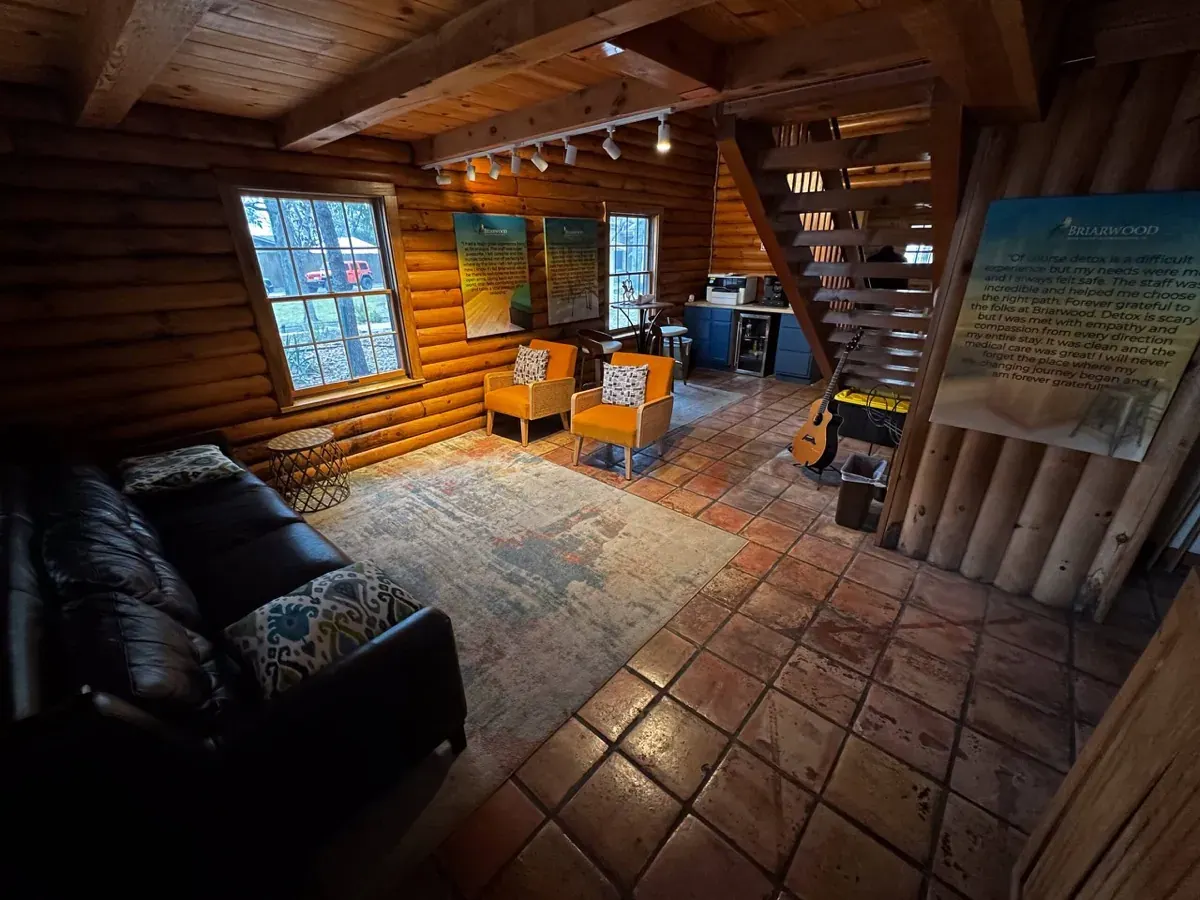
If you want help in the Austin area, a medically supervised detox setting can stabilize sleep, hydration, mood, and withdrawal risk. Learn about options at Briarwood’s Austin detox location.
A simple next step for support in Texas
Use a treatment locator if you do not know where to start
If you are ready to talk to someone today, the federal treatment locator at FindTreatment.gov can help you search for care by ZIP code.
Local care options from Briarwood
If you are closer to San Antonio, you can explore Briarwood’s San Antonio detox location for structured medical support.
If Houston is more accessible, Briarwood also has a Houston detox location where people can start with detox and build a safer plan.
No matter the city, the goal is the same: stop the cycle safely, then build support that lasts beyond the weekend.
This content is for educational and informational purposes only and is not a replacement for professional medical advice, diagnosis, or treatment. Substance use, withdrawal, and medication decisions can involve serious health risks, so always consult a qualified healthcare provider for guidance that fits your situation. Prescription medications should be taken only as directed by a licensed clinician, and you should never start, stop, or change any medication without medical supervision. If you experience severe symptoms, worsening physical or mental health, or thoughts of self-harm, call 911 in the United States or seek emergency medical care immediately. For confidential, 24/7 mental health crisis support in the U.S., call or text 988 to reach the Suicide & Crisis Lifeline.
How to Get Help for Mixing MDMA and Alcohol Without Going Through It Alone
If alcohol and ecstasy have become part of your routine, Briarwood Detox Center can help you break the cycle safely and with medical support. First, the team can assess your alcohol use patterns, recent substance use, and health risks to determine whether medically supervised detox is the safest next step. Because drinking on molly can increase dehydration, overheating risk, and dangerous decision-making, stabilization and monitoring can be especially important after a weekend of mixing substances. Briarwood’s detox approach focuses on comfort, safety, and clear treatment planning so you leave with more than just a “reset.” In addition, clinicians can help you understand what symptoms are normal during early recovery and which signs require urgent medical attention.
If alcohol dependence is present, structured withdrawal support can reduce complications and help you avoid stopping abruptly on your own. Just as important, Briarwood can guide you into next-step care options that match your needs, like ongoing therapy, relapse prevention planning, and recovery supports in the Austin area. Overall, the goal is to help you move from risky nights to a safer, steadier recovery path with a plan you can actually follow.
Alcohol and Ecstasy FAQs: Drinking on Molly, Withdrawal Help, and Austin Detox Support
Can you drink alcohol on molly (MDMA), or is alcohol and ecstasy a dangerous mix?+–
Mixing alcohol and ecstasy is unsafe because MDMA can mask alcohol’s sedating effects while increasing dehydration, overheating risk, and poor judgment. Even if you feel “fine,” impairment can rise quickly, especially in hot or crowded settings. The safest option is to avoid combining them and to seek medical evaluation if symptoms escalate.
What happens in your body when you mix MDMA and alcohol?+–
MDMA and alcohol together can increase heart strain, nausea, vomiting, confusion, and risky decision-making. Alcohol can also make it harder to notice early warning signs like overheating, chest pain, or severe anxiety. Because products sold as “molly” may contain unknown substances, reactions can be unpredictable.
Why can drinking on molly lead to overheating, dehydration, or dangerously low sodium?+–
Drinking on molly can raise body temperature and fluid loss, and it can disrupt how the body regulates salt and water. Sweating plus alcohol’s diuretic effects can lead to dehydration, while chugging large amounts of water can dilute sodium and become dangerous. Seek urgent care for severe headache, confusion, repeated vomiting, or seizure-like symptoms.
What are the emergency warning signs after mixing molly and alcohol?+–
Emergency warning signs after mixing molly and alcohol include trouble breathing, chest pain, fainting, seizures, severe confusion, or very hot skin. If any of these occur, get emergency help immediately rather than waiting to see if it passes. Persistent vomiting, inability to stay awake, or sudden behavior changes are also reasons to treat it as urgent.
Should you let someone “sleep it off” after alcohol and ecstasy, or seek medical care?+–
You should not rely on “sleeping it off” if someone used alcohol and ecstasy and is hard to wake, confused, or breathing irregularly. Alcohol poisoning, overheating, and severe dehydration can worsen during sleep and may be missed until they become life-threatening. When in doubt, get emergency medical help.
Can MDMA and alcohol cause anxiety, depression, or a “crash” the next day?+–
A next-day crash after MDMA and alcohol can include low mood, anxiety, irritability, dehydration, and sleep problems. The mix can feel worse than either substance alone because alcohol disrupts sleep and fluid balance while MDMA can affect mood regulation. Get immediate help if there are suicidal thoughts, panic that feels unmanageable, or physical symptoms like chest pain or confusion.
When should someone in Austin consider medically supervised detox after heavy drinking or drug use?+–
Medically supervised detox is recommended when alcohol use is frequent or heavy, there is a history of withdrawal symptoms, or there are medical or mental health risks that make detox at home unsafe. Warning signs that you should not detox alone include past seizures, hallucinations, severe tremors, uncontrolled vomiting, or very high blood pressure. For detox support in Austin, call Briarwood at (866) 710-7710 or contact our team to discuss detox and next steps.
What is the typical alcohol withdrawal time frame, and when is withdrawal help urgent?+–
The alcohol withdrawal time frame often starts within hours after the last drink, peaks in the first few days, and can continue with sleep and mood symptoms for a week or longer. Withdrawal help is urgent if there is confusion, hallucinations, seizures, fever, or a racing heartbeat that does not settle. For a clear overview, learn about the alcohol withdrawal time frame and detox planning.
What should you bring to detox in Austin, and what does insurance verification check?+–
What to bring to detox in Austin is simple: a photo ID, insurance card, comfortable clothes, basic toiletries, and a list of current medications. Insurance verification checks benefits like in-network coverage, deductible status, estimated out-of-pocket costs, and whether any preauthorization is needed. You can verify your insurance coverage and admissions options before you finalize next steps.
What are next steps after detox, and which Austin recovery resources support treatment planning?+–
Next steps after detox usually include a relapse-prevention plan, therapy schedule, medication follow-up when appropriate, and structured support for triggers and cravings. Austin recovery resources often combine clinical care, stable routines, and accountability, and the right mix depends on your risks, home environment, and work demands. Treatment planning should also address how to avoid repeating alcohol and ecstasy use, especially in social settings where drinking on molly has been a pattern.
Related guides


About the people behind this guide
Anna-Grace Washington
Medical Content Writer
Anna-Grace Washington is a Medical Content Writer for Briarwood Detox Center. She holds a master’s degree in clinical psychology from the University of Texas and brings a strong understanding of behavioral health, addiction recovery, and evidence-based treatment concepts to her writing.
Dr. Robert Ulrich, DO
Medical Director
Dr. Robert Ulrich serves as Medical Director at Briarwood Detox Center, bringing more than two decades of clinical neurology experience to the treatment of substance use disorders. He is board-certified in neurology by the American Board of Psychiatry and Neurology and completed his neurology residency at UT Southwestern Medical Center in Dallas, where he served as Chief Resident.
In network with most major insurance
Find your plan and see what detox would cost
Most plans cover medical detox. Coverage varies by plan, so we verify it for you before you commit to anything.


















Don't see your plan? We work with out-of-network benefits and offer self-pay options — (866) 710-7710
- Confidential
- Takes about 2 minutes
- No obligation to admit
- Accredited The Joint Commission
- Rated 4.7 · 183 Google reviews Flourishing Foundations Recovery, now part of Briarwood
- Admissions 24 hours a day