
Guide
Addiction Treatment Centers in San Antonio That Accept Medicaid or Medicare
Joint Commission accredited · In network with most major insurance · Admissions answered 24 hours a day


Published July 24, 2026
Reviewed and updated July 29, 2026
Yes, there are addiction treatment centers in San Antonio that accept Medicaid or Medicare. Briarwood Detox Center's San Antonio outpatient detox program works with many insurance plans, including Medicare and certain Medicaid plans, to help cover medically supervised withdrawal management. Coverage varies depending on your specific plan, level of care needed, and medical necessity criteria, so the first step is always to verify your benefits directly with your insurance provider or by contacting our admissions team.
If you or someone you love needs more than detox, Briarwood Detox Center also provides drug rehab san antonio.
Understanding how federal insurance programs cover detoxification services can feel overwhelming when you're already navigating the stress of addiction or supporting a loved one in crisis. This guide breaks down what you need to know about Medicare and Medicaid coverage for addiction treatment in San Antonio, how to verify your benefits, and what to expect during the detox process.
Does your insurance cover detox in San Antonio?
Find out in about 2 minutes — free, confidential, no obligation.
Verify InsuranceUnderstanding Medicare Coverage for Addiction Treatment Centers in San Antonio
Medicare is the federal health insurance program primarily serving adults aged 65 and older, as well as certain younger individuals with disabilities. When it comes to substance use disorder treatment, Medicare Part A and Part B both play important roles in covering detoxification services.
Medicare Part A typically covers inpatient hospital stays, including medically supervised detox in a hospital or residential setting when it meets medical necessity criteria. Part B covers outpatient services, including outpatient detox, counseling, and medication-assisted treatment. At Briarwood Detox Center's San Antonio location, we provide outpatient detox services that may be covered under Medicare Part B when you meet clinical criteria for medical withdrawal management.
The key factor determining coverage is medical necessity. Medicare requires documentation that detox services are medically necessary based on your substance use history, withdrawal risk, and overall health status. Our clinical team conducts thorough assessments to determine the appropriate level of care and works with Medicare to verify coverage before you begin treatment.
How Texas Medicaid Covers Drug and Alcohol Detox
Texas Medicaid operates differently than Medicare, with specific eligibility requirements and coverage guidelines that vary by program type. Medicaid in Texas serves low-income families, pregnant women, children, elderly adults, and individuals with disabilities. Coverage for substance use disorder treatment has expanded in recent years, but understanding which services are covered requires knowing your specific Medicaid plan.
Texas Medicaid covers medically necessary detoxification services when provided by an enrolled provider. This includes both inpatient and outpatient detox, depending on the severity of withdrawal symptoms and medical complications. Withdrawal from alcohol, benzodiazepines, and opioids often requires medical supervision to prevent dangerous complications like seizures, delirium tremens, or cardiovascular instability.
Briarwood Detox Center accepts certain Medicaid plans in San Antonio for outpatient detox services. Because Texas Medicaid includes multiple managed care organizations with different networks and authorization requirements, verifying your specific plan's coverage is essential before beginning treatment. Our admissions team can check whether your Medicaid plan is in-network and what authorization steps are needed.
The Difference Between Detox and Long-Term Rehab Coverage
One common source of confusion is the distinction between detoxification and longer-term rehabilitation programs. Detox is the acute medical phase of treatment focused on safely managing withdrawal symptoms as substances leave your system. This typically lasts three to ten days depending on the substance and severity of dependence.
Rehabilitation or residential treatment, by contrast, addresses the behavioral, psychological, and social aspects of addiction recovery over weeks or months. While both Medicaid and Medicare may cover detox services that are medically necessary, coverage for extended residential rehab varies significantly and often requires additional authorization or may have duration limits.
At Briarwood Detox Center in San Antonio, our focus is specifically on the detoxification phase. We provide medically supervised withdrawal management in an outpatient setting, which means you receive daily clinical support, medication management, and monitoring while residing at home or in a supportive environment. This model often has fewer insurance barriers than inpatient hospitalization while still providing the medical oversight necessary for safe withdrawal.
How to Verify Your Medicaid or Medicare Benefits for Addiction Treatment Centers in San Antonio
Before beginning any treatment program, confirming your insurance coverage prevents unexpected costs and delays. Here's how to verify whether your Medicaid or Medicare plan covers detox services at addiction treatment centers in San Antonio:
- Contact your insurance directly: Call the member services number on your insurance card and ask specifically about coverage for outpatient detoxification services, including any copays, deductibles, or authorization requirements.
- Ask about network status: Verify whether Briarwood Detox Center is in-network with your plan. In-network providers typically have lower out-of-pocket costs and simpler authorization processes.
- Request a benefits verification: Our admissions team can conduct a benefits check on your behalf by contacting your insurance with your policy information to determine coverage levels and any required pre-authorization.
- Understand authorization requirements: Many Medicaid managed care plans require prior authorization before beginning detox services. This process typically involves submitting clinical information demonstrating medical necessity.
Having your insurance card, member ID number, and any relevant clinical history available when you call expedites the verification process. If you're in crisis and need immediate help, contact us first—our team can often fast-track insurance verification and coordinate same-day or next-day admission when medically appropriate.
Where we are
Detox centers across Texas
Three locations, each with its own admissions line and its own clinical team. Pick the one nearest you — or call and we will tell you which has a bed tonight.
-
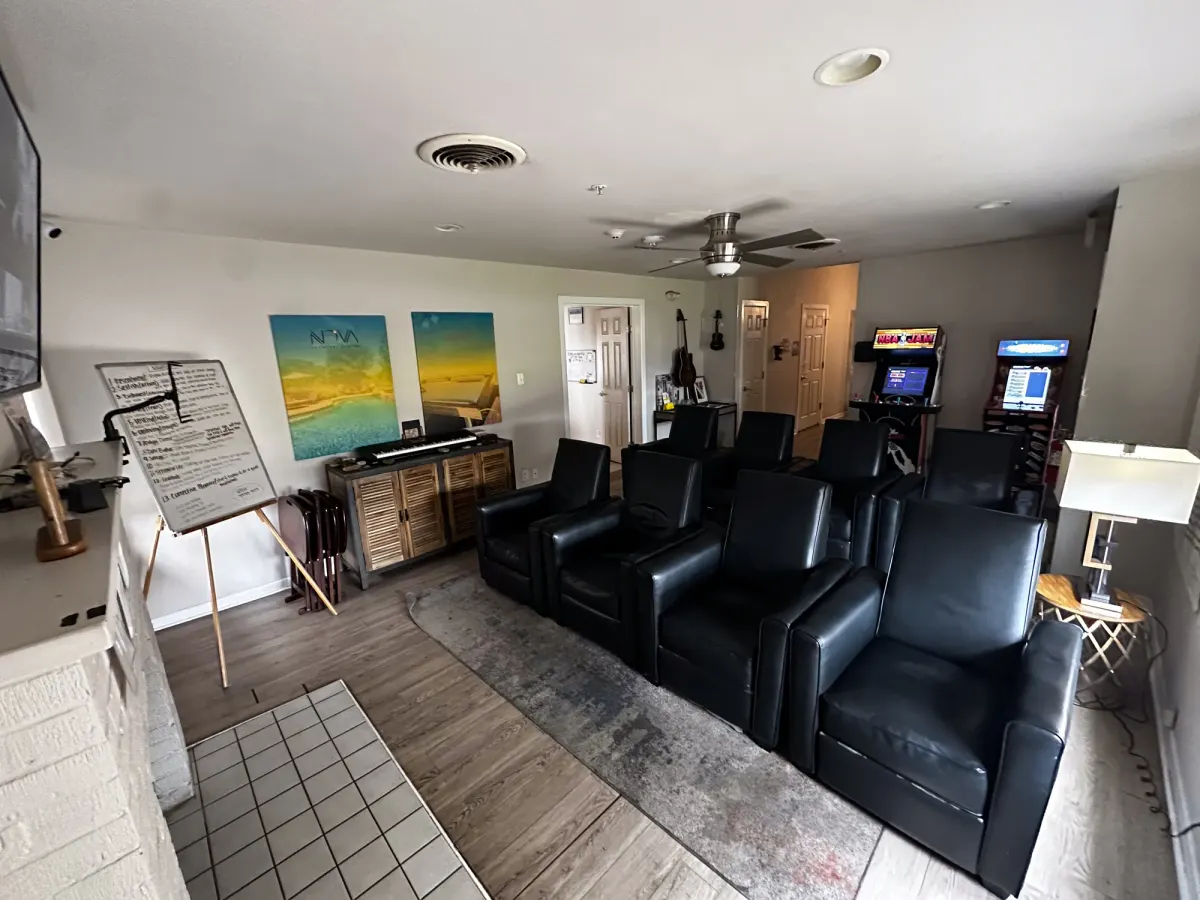 Inpatient
 Austin, TX
11711 N Lamar Blvd · 78753
- 15 beds
- On-site labs
- 24-hour medical staff
Drug & Alcohol Detox in Austin, TX
-
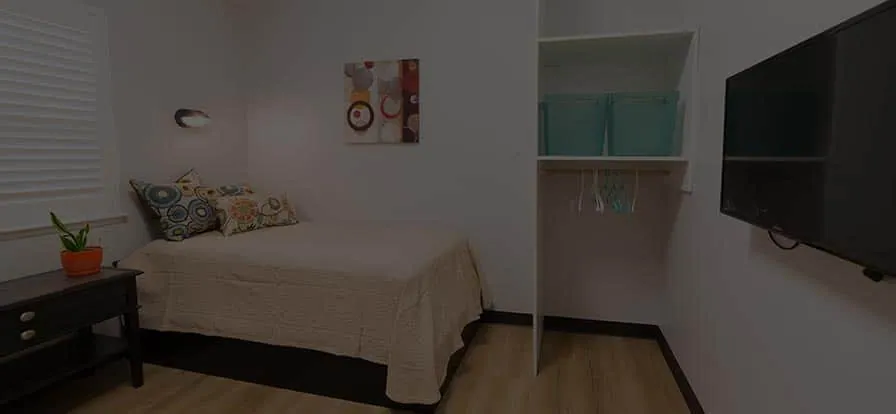 Inpatient
 Houston, TX
1019 Ashland St · 77008
- On-site labs
- 24-hour medical staff
Drug Detox Center in Houston, TX
-
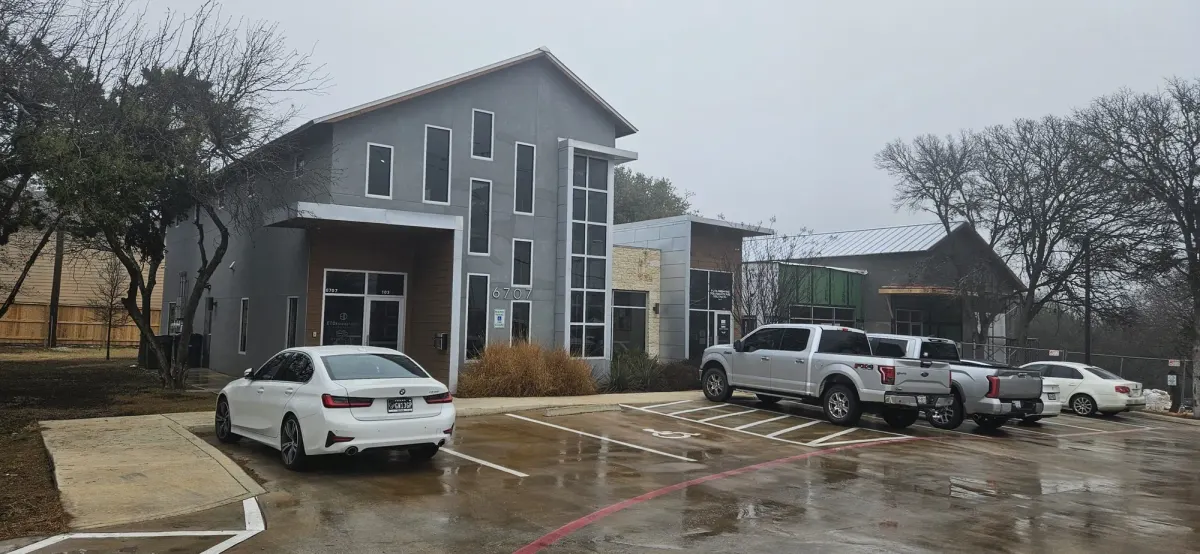 Outpatient
 San Antonio, TX
6707 W Hausman Rd · 78249
- Outpatient detox with scheduled medical visits
- Outpatient treatment
Outpatient Drug & Alcohol Detox in San Antonio
What Medicaid and Medicare Cover During Detox in San Antonio
When your Medicaid or Medicare plan approves coverage for detox services, what exactly does that include? Understanding covered services helps you know what to expect and ensures you receive comprehensive care during withdrawal.
Medical detox coverage typically includes:
- Initial clinical assessment: Comprehensive evaluation of your substance use history, withdrawal risk factors, medical conditions, and mental health status to determine appropriate treatment planning.
- Physician oversight: Medical supervision by physicians experienced in addiction medicine who can prescribe withdrawal management medications and monitor for complications.
- Nursing care: Regular monitoring of vital signs, withdrawal symptoms, and overall medical stability by licensed nursing staff.
- Medication management: Prescription medications to ease withdrawal symptoms and prevent dangerous complications, such as benzodiazepines for alcohol withdrawal or buprenorphine for opioid dependence.
- Laboratory testing: Drug screening, blood work, and other diagnostic tests to assess medical status and guide treatment decisions.
- Care coordination: Discharge planning and referrals to continuing care services after detox is complete.
The frequency and intensity of services depend on your clinical needs and the level of care you're receiving. Outpatient detox at Briarwood Detox Center in San Antonio typically involves daily or near-daily visits during the acute withdrawal phase, with decreasing frequency as symptoms stabilize.
Common Questions About Insurance Coverage for Addiction Treatment Centers in San Antonio
Navigating insurance coverage raises many practical questions, especially when you're trying to access care quickly during a crisis. Here are answers to some of the most common concerns we hear from individuals and families in San Antonio.
Ready to talk to someone now? Briarwood Detox Center's admissions team is here 24/7, and every call is confidential. Call (210) 305-4522.What if My Medicaid Plan Isn't Accepted?
If your specific Medicaid managed care plan isn't in Briarwood Detox Center's network, you have several options. First, ask your plan about out-of-network benefits—some plans cover services from non-network providers at a reduced rate. Second, inquire about single-case agreements, which allow coverage for specific services when no in-network provider offers the necessary care. Finally, our admissions team can discuss payment plan options if insurance coverage isn't available.
Does Medicare Cover the Full Cost of Detox?
Medicare typically covers 80% of approved outpatient services under Part B after you've met your annual deductible, leaving you responsible for the remaining 20% coinsurance. If you have a Medicare Supplement (Medigap) plan or a Medicare Advantage plan, additional coverage may reduce or eliminate your out-of-pocket costs. Always verify your specific plan's cost-sharing structure during benefits verification.
How Long Does Insurance Authorization Take?
Authorization timelines vary by insurance company and plan type. Some Medicaid managed care plans can provide same-day authorization for urgent medical needs, while others require 24 to 72 hours for review. Medicare generally doesn't require prior authorization for outpatient services, though the provider must document medical necessity. When you contact Briarwood Detox Center, our admissions team prioritizes urgent requests and works to expedite authorization whenever possible.
The Medical Necessity Standard for Addiction Treatment Centers in San Antonio
Both Medicaid and Medicare require that detox services meet medical necessity criteria for coverage. Understanding this standard helps explain why insurance companies ask for detailed clinical information and why certain services are approved or denied.
Medical necessity for detox generally requires documentation of several factors: physical dependence on alcohol or drugs with expected withdrawal symptoms, medical or psychiatric risk factors that make unsupervised withdrawal dangerous, previous failed attempts at self-detoxification, and absence of adequate support or resources for safe home-based withdrawal management.
At Briarwood Detox Center in San Antonio, our clinical team conducts evidence-based assessments using standardized tools like the Clinical Institute Withdrawal Assessment to determine the appropriate level of care. We document your clinical presentation thoroughly and communicate with insurance companies to demonstrate why medically supervised detox is necessary for your safety and recovery success.
Beyond Insurance: Additional Financial Considerations
While Medicaid and Medicare coverage significantly reduces the cost barrier to treatment, understanding all financial aspects helps you make informed decisions about your care. Even with insurance, you may face deductibles, copays, or coinsurance that create out-of-pocket expenses.
Many individuals eligible for Medicaid have limited financial resources, which is why the program exists. If you have both Medicare and Medicaid (dual eligibility), Medicaid often covers the cost-sharing amounts that Medicare doesn't pay, potentially eliminating most or all out-of-pocket costs. If you have Medicare alone, consider whether you qualify for Extra Help programs or Medicare Savings Programs that assist with premiums and cost-sharing.
For those without adequate insurance coverage, exploring payment plans makes treatment more accessible. Briarwood Detox Center works with individuals to create manageable payment arrangements when insurance doesn't fully cover services. The most important thing is not to let financial concerns prevent you from seeking medically necessary detox—untreated withdrawal can be dangerous, and our team will work with you to find a solution.
What to Expect at Briarwood Detox Center in San Antonio
Once your insurance coverage is verified and you're ready to begin treatment, understanding what happens during outpatient detox helps reduce anxiety about the process. Our San Antonio program provides comprehensive medical withdrawal management in a setting that allows you to maintain certain daily responsibilities while receiving the clinical support you need.
During your initial visit, you'll complete a thorough assessment with our medical team, including your substance use history, medical conditions, medications, mental health status, and social support system. We'll develop an individualized detox plan that addresses your specific withdrawal risks and needs. For alcohol or benzodiazepine dependence, we'll prescribe medications to prevent seizures and reduce anxiety. For opioid dependence, we may use buprenorphine or other medications to ease cravings and withdrawal discomfort.
You'll return to our San Antonio facility daily or several times per week during the acute withdrawal phase. Each visit includes vital sign monitoring, symptom assessment, medication adjustments as needed, and clinical support. As your symptoms stabilize, visit frequency decreases. Throughout the process, we coordinate with continuing care providers to ensure you have support services in place after detox is complete.
Get Help Today at Briarwood Detox Center
If you or someone you care about is struggling with substance dependence and you're wondering whether addiction treatment centers in San Antonio accept your Medicaid or Medicare coverage, reach out to Briarwood Detox Center today. Our admissions team can verify your benefits, explain your coverage, and help you begin the detox process quickly and safely.
Ready to take the next step?
Briarwood Detox Center provides medically supervised drug & alcohol detox. Call (210) 305-4522 to speak with our team today.
Frequently Asked Questions
Does Texas Medicaid cover drug rehab?+–
Yes, Texas Medicaid covers medically necessary drug detoxification and some rehabilitation services. Coverage varies by specific Medicaid plan and managed care organization. Detox services are typically covered when withdrawal poses medical risk and requires clinical supervision. Authorization requirements and covered duration depend on your plan, so verifying benefits before treatment is essential.
Does Medicare cover alcohol rehab in Texas?+–
Medicare covers medically necessary alcohol detoxification services in Texas. Part A covers inpatient hospital-based detox, while Part B covers outpatient detox programs. Medicare typically pays 80% of approved costs after your deductible is met. The treatment must be deemed medically necessary based on your physical dependence, withdrawal risk, and overall health status.
Is there a drug problem in San Antonio?+–
San Antonio, like many major Texas cities, faces substance use challenges including opioid dependence, methamphetamine use, and alcohol use disorder. The city has seen increases in overdose incidents and addiction-related emergency visits in recent years. However, treatment resources including medically supervised detox programs are available to help individuals safely begin recovery.
How long will Medicaid pay for rehab?+–
Medicaid coverage duration for detox typically ranges from 3 to 10 days depending on medical necessity and withdrawal complexity. Longer residential rehabilitation coverage varies by state and plan, often requiring ongoing authorization review. Texas Medicaid evaluates continued need based on clinical progress and treatment goals. Outpatient services may have more flexible duration limits than inpatient care.
Is rehab free in Texas?+–
Rehab is not free in Texas, but various insurance programs including Medicaid and Medicare help cover costs for eligible individuals. Some facilities offer sliding-scale fees or payment plans. Briarwood Detox Center is a private, for-profit treatment provider that accepts insurance and works with patients on payment arrangements when needed. Coverage and out-of-pocket costs vary by insurance plan.
How many days does Medicare allow you to stay in a rehab facility?+–
Medicare doesn't set a fixed number of days for detoxification services. Coverage is based on medical necessity rather than arbitrary time limits. Typical medically supervised detox lasts 3 to 10 days depending on the substance and withdrawal severity. Medicare requires ongoing documentation that services remain medically necessary. Extended residential rehabilitation has different coverage rules than acute detox.
How much is rehab for alcohol in Texas?+–
Alcohol detox costs in Texas vary widely based on level of care and program type. Outpatient detox programs typically cost less than inpatient hospitalization. With insurance coverage like Medicare or Medicaid, your out-of-pocket costs may be limited to deductibles, copays, or coinsurance. Briarwood Detox Center's admissions team can provide specific cost information after verifying your insurance benefits.
What's the difference between inpatient and outpatient detox coverage?+–
Inpatient detox involves 24-hour hospitalization and is typically covered under Medicare Part A or Medicaid inpatient benefits. Outpatient detox involves regular clinic visits while you reside elsewhere, usually covered under Medicare Part B or Medicaid outpatient services. Outpatient programs often have simpler authorization requirements and lower costs while still providing medical supervision for safe withdrawal management. Ready to Start Your Recovery in San Antonio? Struggling with Are there addiction treatment centers in San Antonio that accept Medic? Briarwood Detox Center's San Antonio facility offers medically supervised detox. Explore our locations, see the facility, and verify your insurance in minutes. See our locations
Related guides



About the people behind this guide
Anna-Grace Washington
Medical Content Writer
Anna-Grace Washington is a Medical Content Writer for Briarwood Detox Center. She holds a master’s degree in clinical psychology from the University of Texas and brings a strong understanding of behavioral health, addiction recovery, and evidence-based treatment concepts to her writing.
Dr. Robert Ulrich, DO
Medical Director
Dr. Robert Ulrich serves as Medical Director at Briarwood Detox Center, bringing more than two decades of clinical neurology experience to the treatment of substance use disorders. He is board-certified in neurology by the American Board of Psychiatry and Neurology and completed his neurology residency at UT Southwestern Medical Center in Dallas, where he served as Chief Resident.
In network with most major insurance
Find your plan and see what detox would cost
Most plans cover medical detox. Coverage varies by plan, so we verify it for you before you commit to anything.
















Don't see your plan? We work with out-of-network benefits and offer self-pay options — (210) 305-4522
- Confidential
- Takes about 2 minutes
- No obligation to admit
- Accredited The Joint Commission
- Rated 5.0 · 80 Google reviews Flourishing Foundations Recovery, now part of Briarwood
- Admissions 24 hours a day