
Guide
Working in an Austin Outpatient Drug Rehab
Joint Commission accredited · In network with most major insurance · Admissions answered 24 hours a day


Published November 4, 2025
Reviewed and updated July 29, 2026
Key Takeaways · 10 points
- Outpatient drug rehab in Austin is built around two levels of care: PHP (about six hours a day, five days a week) and IOP (about three hours a day, three to five days a week).
- Typical program length ranges from six to twelve weeks, with day and evening tracks that allow clients to keep work or school commitments.
- Who benefits most: clients with a stable home setting, basic medical stability, and either completed detox or no detox needs.
- Team structure usually includes therapists or counselors, medical providers for evaluations and medication management, case managers, and peer recovery specialists.
- Daily work mixes group therapy, individual sessions, family meetings, and steady documentation; staff also coordinate services and plan aftercare.
- Common methods include CBT, DBT‑informed skills, trauma therapies such as EMDR, plus wellness activities; family education is a regular feature.
- Safety and quality are shaped by Texas licensing rules; teams step clients up or down the continuum (residential, PHP, IOP, standard outpatient) as needs change.
- Frequent challenges are relapse risk, attendance barriers, and insurance authorizations; flexible schedules and strong admissions/case management help address them.
- Aftercare matters: alumni groups and links to community recovery meetings support long‑term progress.
- If you’re considering a job, look for a role that fits your license, a clear curriculum, a collaborative medical‑therapy model, and schedules that match your availability.
What “Outpatient Drug Rehab” means in Austin
Outpatient rehab lets people live at home while attending structured treatment at a licensed clinic. In Austin, two levels of outpatient care are most common: Partial Hospitalization Programs (PHP) and Intensive Outpatient Programs (IOP). For a deeper breakdown of PHP vs. IOP hours, costs, and care options, explore our Outpatient drug rehab Austin guide. PHPs often run about six hours a day, five days a week. IOPs typically meet three hours a day, three to five days a week, with day or evening tracks so people can keep work or school commitments. Programs often last six to 12 weeks, and some describe the overall range as one to three months, depending on need.
[ map — Briarwood Drug and Alcohol Detox, 6707 W Hausman Rd, San Antonio, TX 78249 ]
Many local centers outline IOPs as non‑residential, step‑down care from inpatient treatment. Several Austin listings describe IOPs around 6–8 weeks with multiple sessions per week, and some centers run eight‑week tracks totaling 15–20 hours per week.
Who Thrives in Outpatient Care
Clinics generally look for a stable, supportive home, basic medical stability, and either prior detox or no detox need. These factors make outpatient work more effective and safer than inpatient alternatives for many patients.
The Work Itself: Roles you’ll See in an Austin Drug Rehab
Outpatient drug rehab in Austin (often called “outpatient drug rehab Austin” in searches) relies on a coordinated team:
Clinical Roles
- Licensed counselors/therapists (LPC, LCSW, LMFT, LCDC): Lead groups, run individual sessions, and develop treatment plans.
- Psychiatrists/PMHNPs/Physicians: Handle evaluations and medication management, common in PHP/IOP settings.
- Case managers/care coordinators: Link patients to housing, employment help, transportation, and aftercare. Texas HHS describes these supports as part of substance use services.
- Peer recovery specialists: People with lived experience who model recovery, run skills groups, and provide support—also recognized in state service descriptions.
Non‑clinical and Support Roles
- Admissions coordinators/OSAR liaisons: Explain programs, verify benefits, and perform screenings; Texas’ OSAR network helps connect people to the right level of care.
- Administrative staff: Manage schedules, intake paperwork, and HIPAA compliance.
- Alumni/community team: Maintains support groups after discharge; many Austin programs highlight alumni groups to sustain momentum.
Where we are
Detox centers across Texas
Three locations, each with its own admissions line and its own clinical team. Pick the one nearest you — or call and we will tell you which has a bed tonight.
-
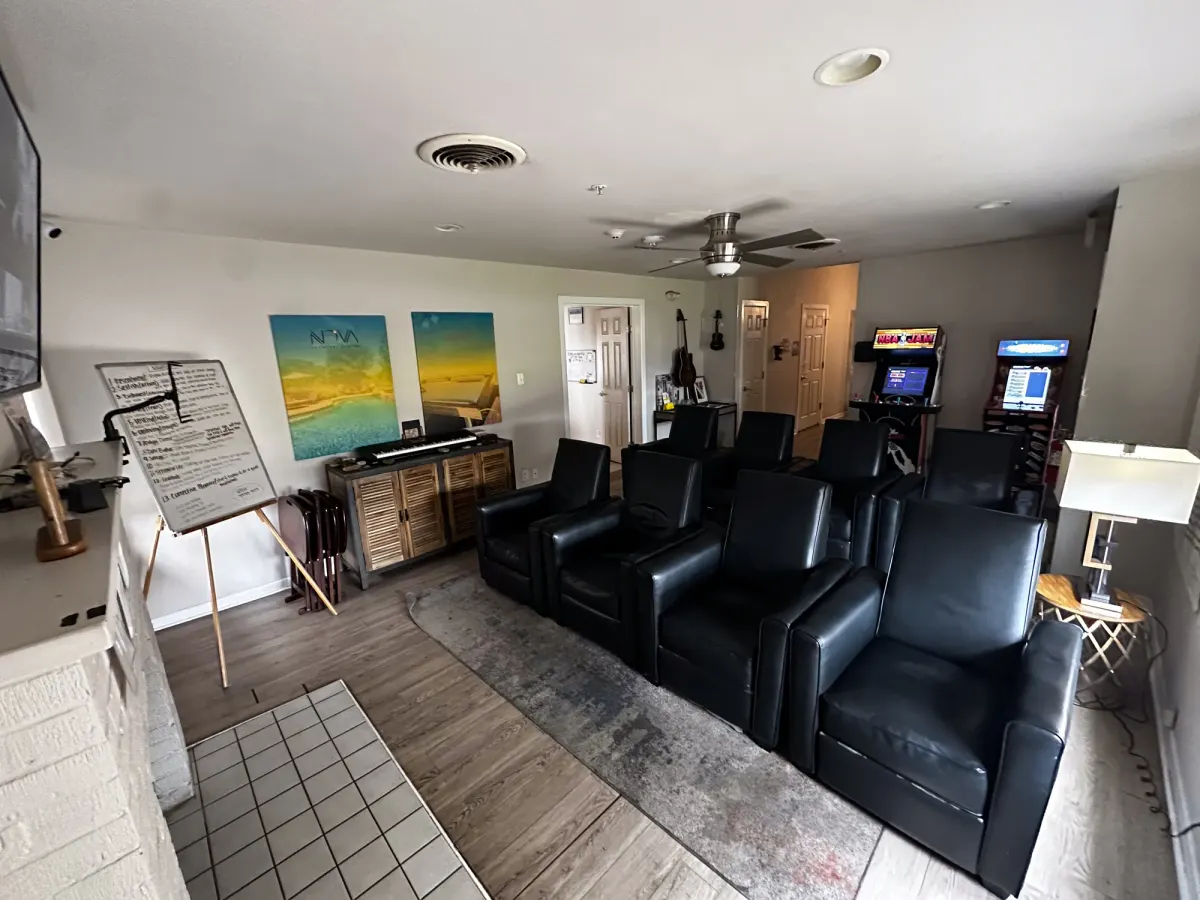 Inpatient
 Austin, TX
11711 N Lamar Blvd · 78753
- 15 beds
- On-site labs
- 24-hour medical staff
Drug & Alcohol Detox in Austin, TX
-
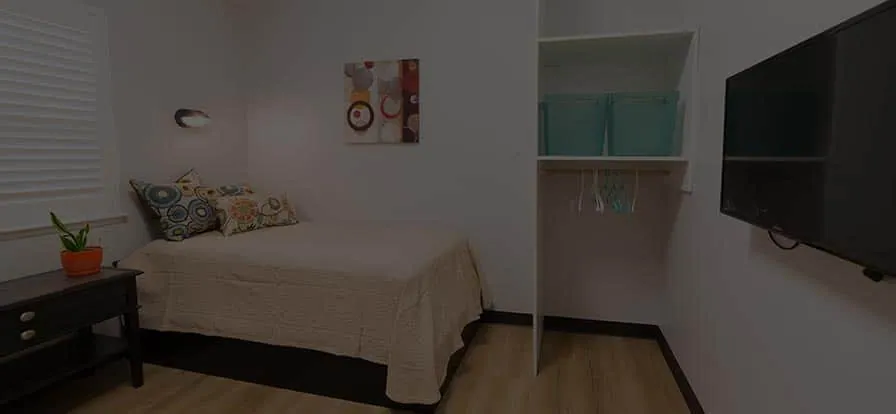 Inpatient
 Houston, TX
1019 Ashland St · 77008
- On-site labs
- 24-hour medical staff
Drug Detox Center in Houston, TX
-
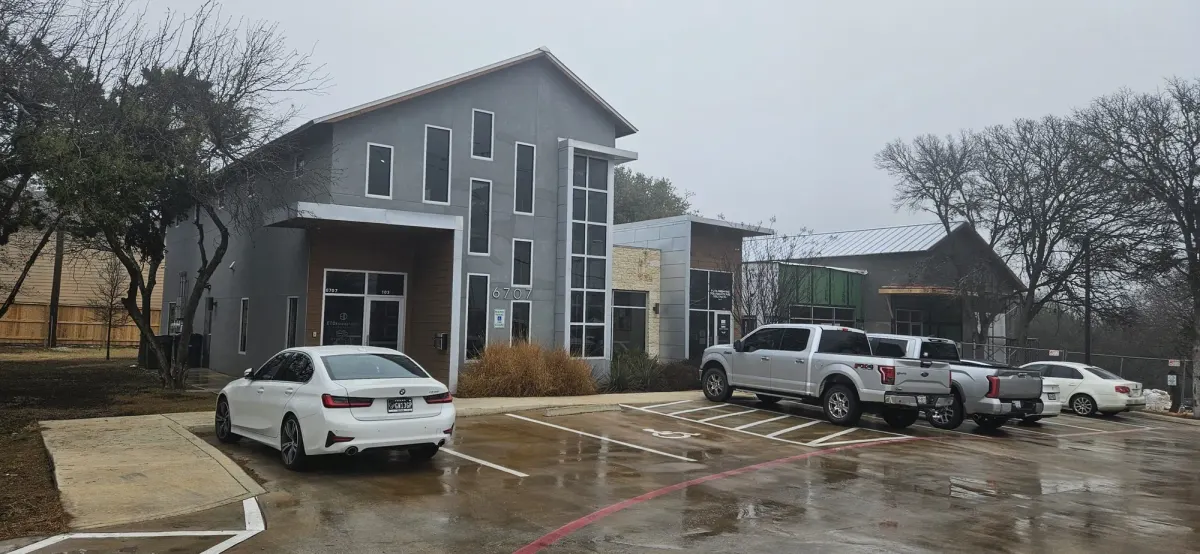 Outpatient
 San Antonio, TX
6707 W Hausman Rd · 78249
- Outpatient detox with scheduled medical visits
- Outpatient treatment
Outpatient Drug & Alcohol Detox in San Antonio
A day in the Life at an Austin IOP (Staff View)
Before Groups
Staff huddles set the plan for the day: safety updates, new admissions, medication changes, and transport needs. Clinicians review goals and adapt group topics to the current cohort.
Group Hours
Most IOPs run three‑hour blocks per session (morning, afternoon, or evening). Facilitators mix psychoeducation and process groups; patients practice coping skills, relapse‑prevention plans, and communication. PHP days run longer and add more structured breaks, medical check‑ins, and skill labs.
Individual Sessions & Family Work
Between groups, clinicians schedule one‑on‑one therapy and family meetings. Many Austin programs blend CBT, DBT elements, EMDR, experiential therapies, and wellness activities. Some sites even note trauma‑sensitive yoga or arts as adjuncts.
Documentation & Coordination
After sessions, staff complete notes, update treatment plans, and coordinate with probation officers, employers, or EAPs when appropriate (with proper releases). Case managers set up aftercare and community supports such as AA/NA or SMART Recovery meetings.
Break Free from Addiction. Detox Safely in Austin Today.
Medically Supervised Detox – Compassionate Care Starts Here.
What Care Looks Like for Patients (And what Staff Deliver)
Treatment Mix you’ll Deliver
- Group therapy plus individual counseling
- Medication support when indicated
- Family meetings and education
- Skill‑building (craving management, stress tolerance, communication)
- Recovery planning (triggers, relapse prevention, sober social routines)
These elements mirror program descriptions across multiple Austin rehab centers.
Intensity and Schedule
Clinicians tailor schedules within the track: some programs run day and evening options; many set a target of 6–12 weeks total, with progress‑based discharge.
Aftercare and Alumni
Outpatient teams emphasize continued supports—alumni groups, referrals to local meetings, and check‑ins—so patients can apply skills at home and work.
How Outpatient Differs from Inpatient and Why It Matters for Staff
- Setting: Patients sleep at home; staff coach real‑world application of skills.
- Time blocks: PHP ≈ 6 hours/day, 5 days/week; IOP ≈ 3 hours/day, 3–5 days/week. Staff manage faster transitions and frequent handoffs. For program specifics, schedules, and what our teams deliver session‑to‑session, see our Intensive Outpatient Program in Austin (IOP).
- Readiness: Outpatient assumes basic stability and support; teams screen carefully and may refer up a level if risks rise.
Compliance, Safety, and Quality in a Texas Setting
- Licensing & setting: Texas HHS notes outpatient SUD care is delivered in community‑based, licensed treatment centers. Staff practices follow state rules and documentation standards.
- Scope of services: The state highlights peer support, case management, individual and group therapy, and employment assistance as components of SUD services—common duties for Austin teams.
- Continuum awareness: Teams coordinate step‑down (from residential) and step‑up (to PHP or inpatient) as needed, aligning with national guidance on IOPs.
Skills that Help you Thrive
Core Competencies
- Calm group facilitation and thoughtful limit‑setting
- Motivational interviewing and trauma‑informed care
- Interdisciplinary collaboration with medical providers
- Accurate, timely documentation to meet payer and state standards
Personal Qualities
- Steady boundaries, empathy without rescuing, and strong self‑care habits to prevent burnout.
Common Challenges Workers Mention
- Relapse risk and crisis navigation within a non‑residential setting
- Attendance barriers (transportation, work conflicts) that require flexible scheduling and creative problem‑solving
- Insurance and authorization cycles that shape length and intensity of care
Programs address many of these issues with day/evening tracks, eight‑week curricula, and staff roles dedicated to benefits and admissions.
Where Outpatient Care Fits Among Austin Rehab Options
Austin has a wide array of rehab centers—from detox and residential to PHP/IOP and standard outpatient therapy. Local directories and center pages emphasize that IOP/PHP are central to the city’s continuum, often used after residential or as a structured alternative when 24‑hour care isn’t required. If you want to compare levels of care, insurance basics, and local options, our Austin drug rehab guide walks through the full continuum. If you search phrases like “austin rehab,” “rehabs in Austin,” “drug rehab center in Austin,” or “drug treatment centers Austin,” you’ll see this continuum reflected in program overviews and schedules.
How Briarwood Homes Supports Outpatient Drug Rehab in Austin
Briarwood Homes can provide stable, well‑managed housing that supports the routines required in outpatient care. Residents can select housing close to transit, clinics, and workplaces, which makes attendance easier. Quiet hours, clear guest policies, and substance‑free rules can be used to protect recovery goals. Reliable internet and private spaces allow for telehealth visits, online groups, and homework between sessions. Property staff can coordinate—only with consent—with case managers to handle letters, schedule notes, or safety concerns. Flexible move‑in timing and short‑term leases can align with treatment milestones and insurance approvals. Prompt maintenance keeps the home safe, reduces daily stress, and preserves focus for therapy. The team can provide residents with lists of local meetings, sober activities, and transportation options across Austin. By removing housing barriers and reinforcing structure, Briarwood Homes helps people stay engaged in outpatient drug rehab Austin.
Verify Your Insurance Instantly
Don’t guess. Know what’s covered. Click below to verify your insurance coverage with 100% confidentiality and zero obligation.
Working in Outpatient Drug Rehab Centers
[ map — Briarwood Alcohol and Drug Detox - Austin, TX ]
Outpatient Drug Rehab Center in Austin
[ map — Briarwood san antonio ]
San Antonio Outpatient Drug Rehab Centers
[ map — Briarwood Houston ]
Outpatient Drug Rehab Centers in Houston
Outpatient Drug Rehab Austin: Frequently Asked Questions
What is outpatient drug rehab and how does it work?+–
Outpatient rehab allows you to live at home while attending scheduled therapy, education groups, and medical check‑ins at a clinic. In Austin, programs commonly include group therapy, individual counseling, case management, and discharge planning within an IOP or PHP track.
How long does outpatient drug rehab in Austin usually last?+–
Program length varies by provider and your progress. Many Austin IOPs run 6–8 weeks or an 8‑week curriculum; some operate on shorter (4–6 weeks) or longer schedules.
How many hours per week is an Intensive Outpatient Program (IOP) in Austin?+–
Expect roughly 9 to 20 hours per week, depending on the site—examples include 3 sessions/week at 3 hours each or 15–20 hours weekly with day or evening tracks.
Do Austin rehab centers offer evening or virtual IOP options?+–
Yes. Several programs list evening or telehealth tracks—for example, one Austin provider offers virtual IOP 5–8 p.m. on select evenings, and others note both day and evening options or virtual IOP availability.
What’s the difference between PHP and IOP?+–
PHP is a higher‑intensity day program (more hours per week) often used as a step‑down from inpatient or step‑up from standard outpatient; IOP is structured but lighter in weekly hours. Many Austin centers offer both and explain them as progressive levels of care.
Is medication‑assisted treatment (MAT) available in outpatient programs in Austin?+–
Texas Health & Human Services lists MAT among outpatient substance use services, and local programs often coordinate medication management within PHP/IOP care.
Can I keep my job while in outpatient drug rehab in Austin?+–
Frequently, yes. Many IOPs in Austin run day and evening schedules or telehealth tracks, allowing people to attend around work or school.
Does insurance cover outpatient drug rehab in Austin?+–
Coverage depends on your plan, but resources note that Medicaid/Medicare/private insurance may cover parts of treatment; some community programs also accept sliding‑scale payments. Check your insurer and local providers for specifics.
How much does outpatient drug rehab cost in Texas?+–
Costs vary widely by provider and benefits. One statewide roundup estimates an average outpatient cost of about $1,698 for 30 days (not a quote for any single Austin facility). Always verify current fees with the provider.
How do I get started or find the right level of care in Austin?+–
You can contact Texas OSAR for free screening and referral to detox, inpatient, PHP/IOP, or standard outpatient services. Regional OSAR programs can connect you to Austin‑area options.
Related guides


About the people behind this guide
Anna-Grace Washington
Medical Content Writer
Anna-Grace Washington is a Medical Content Writer for Briarwood Detox Center. She holds a master’s degree in clinical psychology from the University of Texas and brings a strong understanding of behavioral health, addiction recovery, and evidence-based treatment concepts to her writing.
Dr. Robert Ulrich, DO
Medical Director
Dr. Robert Ulrich serves as Medical Director at Briarwood Detox Center, bringing more than two decades of clinical neurology experience to the treatment of substance use disorders. He is board-certified in neurology by the American Board of Psychiatry and Neurology and completed his neurology residency at UT Southwestern Medical Center in Dallas, where he served as Chief Resident.
In network with most major insurance
Find your plan and see what detox would cost
Most plans cover medical detox. Coverage varies by plan, so we verify it for you before you commit to anything.


















Don't see your plan? We work with out-of-network benefits and offer self-pay options — (866) 710-7710
- Confidential
- Takes about 2 minutes
- No obligation to admit

- Accredited The Joint Commission
- Rated 4.5 · 95 Google reviews
- Admissions 24 hours a day