
Guide
Overcoming Antidepressant Addiction in Austin
Joint Commission accredited · In network with most major insurance · Admissions answered 24 hours a day


Published November 4, 2025
Reviewed and updated July 29, 2026
Key Takeaways · 10 points
- Antidepressants rarely cause addiction in the classic sense, but stopping too fast can lead to discontinuation symptoms. A slow, supervised taper is the safest approach.
- Most people can taper outpatient with their prescriber. Inpatient care in Austin is appropriate when there is suicide risk, severe mood instability, complex co‑occurring substance use, or an unsafe home setting.
- What inpatient rehab in Austin provides: 24/7 supervision, medical evaluation, detox if needed, medication management, individual and group therapy, and coordinated step‑downs to PHP/IOP and aftercare.
- Dual‑diagnosis treatment is essential when mood disorders and substance use occur together; look for programs that treat both at the same time.
- Luxury drug rehab near Austin adds privacy and amenities, but the clinical core should match that of standard programs; choose based on clinical fit first, amenities second.
- Expect length of stay to vary (often 30–90+ days) with a plan for step‑down services, family involvement, and alumni/community support.
- Evaluate rehab centersby their clinical capabilities, experience with antidepressant tapering, level of care, staffing, aftercare planning, environment, and insurance verification.
- Support the taper with therapy, healthy routines, sleep hygiene, and peer support to lower relapse risk.
- Use local searches such as austin rehab, drug rehab austin, drug treatment centers austin, rehab centers in austin texas, and luxury drug rehab to compare options.
- Bottom line: Overcoming issues linked to antidepressant use is a planned medical process, not a quick detox. Pair a measured taper with the right level of care—outpatient or inpatient—to improve safety and outcomes.
Antidepressant “Addiction” vs. Dependence: What Science Says
- Addiction involves compulsive use, cravings, and loss of control. Antidepressants generally do not cause this pattern. People may, however, experience discontinuation symptoms (e.g., dizziness, insomnia, flu‑like feelings, irritability) if the dose is reduced too fast.
- Tapering the dose in stages—over weeks or months—reduces withdrawal effects and relapse risk. Current guidance favors gradual, collaborative dose reductions; some patients need slower “hyperbolic” tapers.
[ map — Briarwood Drug and Alcohol Detox, 6707 W Hausman Rd, San Antonio, TX 78249 ]
- Recent large analyses suggest about 15–20% experience withdrawal symptoms, and severe symptoms in a small minority; rates vary by medication and individual factors.
- If you’re weighing options, start with the basics: what is sertraline and how it compares to Xanax.
When does Inpatient Care in Austin make Sense?
Most people can taper antidepressants as outpatients with their prescriber. However, an inpatient setting (a residential program or a hospital unit) may be appropriate when any of the following apply:
High Clinical Risk
Recent suicide risk, psychosis, or severe mood instability. Hospital programs in Austin emphasize acute stabilization before step‑down care.
Complex Co‑occurring Substance Use
Antidepressant tapering is complicated by alcohol, benzodiazepine, stimulant, or opioid misuse—situations that may require medical detox and integrated dual‑diagnosis treatment under 24/7 supervision.
Repeated Failed Tapers or Unsafe Home Setting
Lack of support, repeated relapse to substance use, or unsafe environment. Austin programs describe structured, residential care with coordinated step‑downs to PHP/IOP.
Where we are
Detox centers across Texas
Three locations, each with its own admissions line and its own clinical team. Pick the one nearest you — or call and we will tell you which has a bed tonight.
-
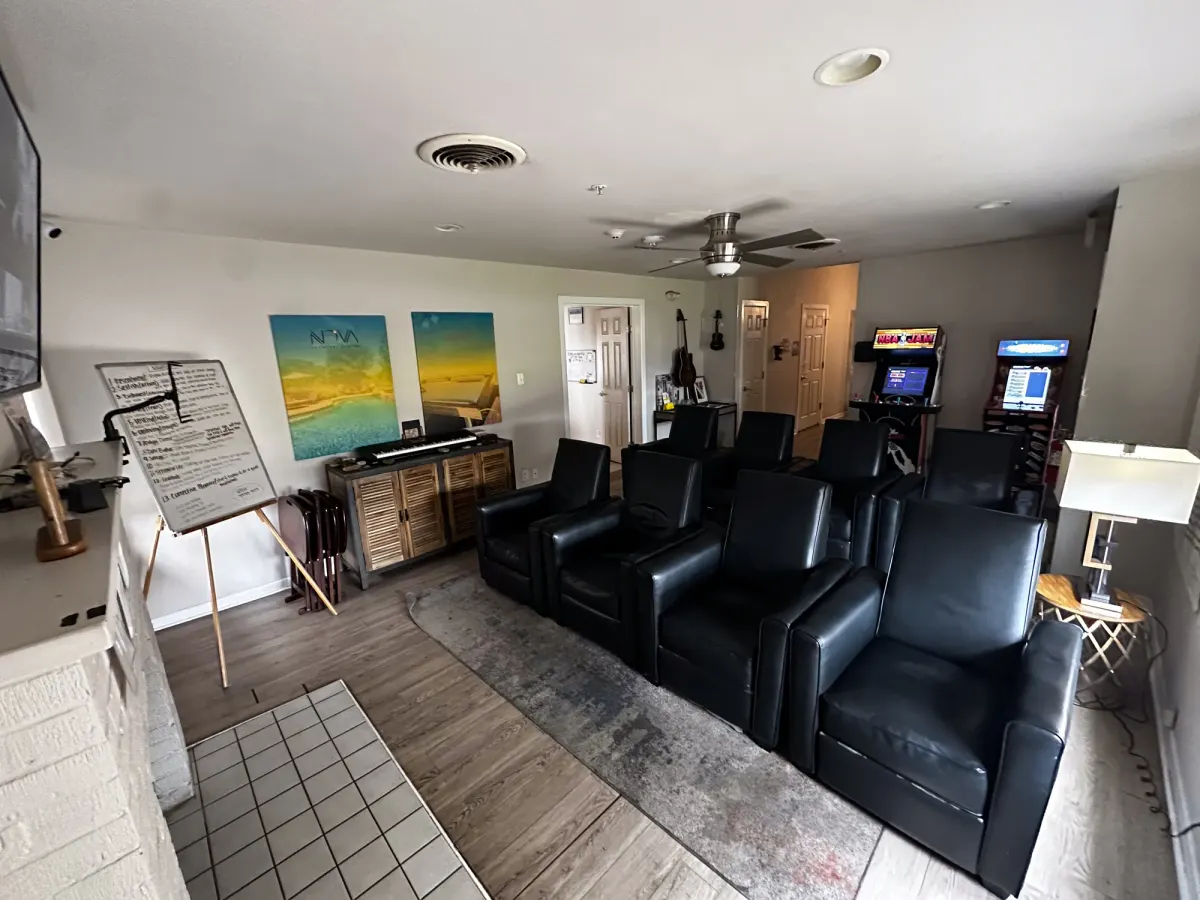 Inpatient
 Austin, TX
11711 N Lamar Blvd · 78753
- 15 beds
- On-site labs
- 24-hour medical staff
Antidepressant Rehab in Austin
-
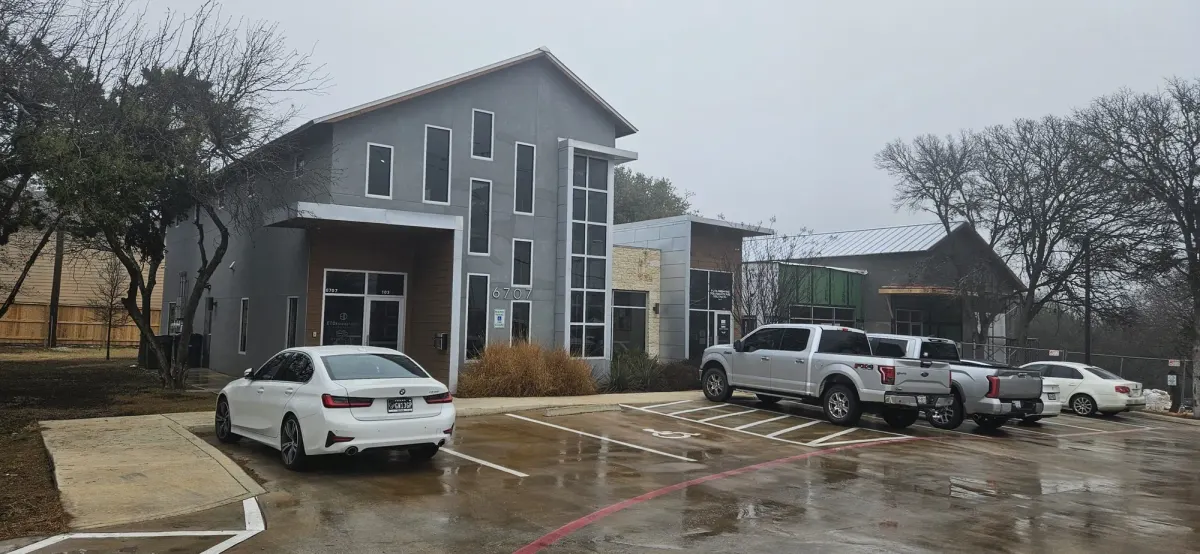 Outpatient
 San Antonio, TX
6707 W Hausman Rd · 78249
- Outpatient detox with scheduled medical visits
- Outpatient treatment
San Antonio Antidepressant Rehab Location
-
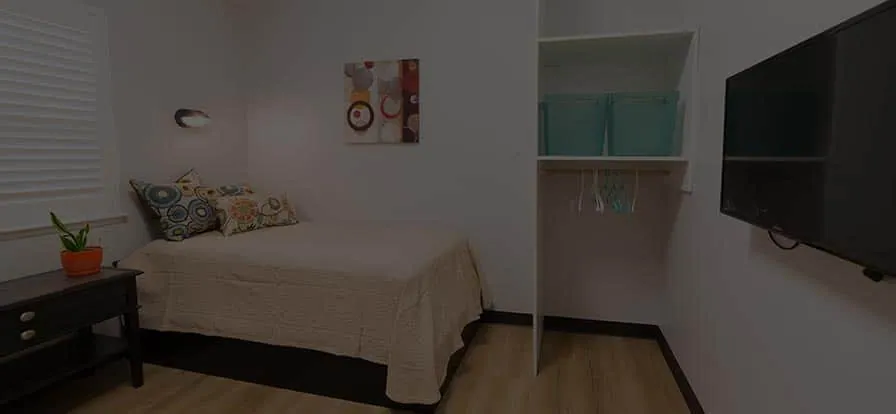 Inpatient
 Houston, TX
1019 Ashland St · 77008
- On-site labs
- 24-hour medical staff
Antidepressant Rehab Location in Houston
What to Expect from Inpatient Drug Rehab in Austin
Intake, Assessment, and Safety Planning
Your team reviews medications, mental health history, and substance use patterns. If needed, hospital programs can provide on‑site detox before therapy begins. If acute withdrawal is a concern, our medical detox in Austin can stabilize you safely before step‑down care.
A Structured Daily Schedule
Expect individual therapy, group therapy, education, and skills practice (e.g., CBT, DBT, trauma work) alongside medication management—an approach highlighted by residential centers near Austin. For a step‑by‑step overview of assessments, monitoring, and daily care, see what to expect during medical detox.
Dual‑diagnosis, Integrated Care
Treatment addresses mood disorders and substance use together—the standard for co‑occurring conditions in leading Austin rehab centers and in federal guidance.
Step‑down and Aftercare
Programs typically discharge to Partial Hospitalization (PHP) or Intensive Outpatient (IOP), then alumni or community supports (AA/NA, therapy, peer groups).
Break Free from Addiction. Detox Safely in Austin Today.
Medically Supervised Detox – Compassionate Care Starts Here.
Overcoming Antidepressant Dependence: Step-by-Step Plan
1) Align With Your Prescriber on Goals
Discuss the reason for continuing or stopping the medication, prior relapse history, and the timing for a trial taper. Agree on a personalized plan and monitoring schedule. Evidence favors shared decision‑making and staged dose reductions.
2) Taper Gradually
Reduce the dose in steps over several weeks or longer; many people need slower tapers, especially after long‑term use or with medicines linked to higher withdrawal rates. If symptoms are significant, pause or step back to the prior dose before proceeding.
3) Support the Taper With Therapy and Routines
CBT, behavioral activation, sleep hygiene, and exercise can reduce relapse risk. In Austin residential programs, these elements are embedded in daily schedules and wellness tracks.
Address Co‑Occurring Substance Use
If alcohol, cannabis, benzodiazepines, or other drugs are involved, integrated treatment—sometimes in inpatient or hospital settings—improves safety and outcomes.
5) Build Your Aftercare
Plan follow‑up visits, therapy, peer support, and crisis resources before the taper ends. Many Austin programs include family education and alumni groups to reinforce progress.
Standard vs. Luxury Drug Rehab in Austin
- Standard residential programs in and around Austin offer 24/7 care, evidence‑based therapies, medication management, and step‑down to PHP/IOP.
- Luxury drug rehab near Austin adds amenities that some people find motivating (private rooms, lower census, spa‑style services, fitness and wellness spaces) while delivering clinical care. These centers may suit professionals or those seeking added privacy.
Choosing a Drug Rehab Center in Austin
Clinical Fit
- Dual‑diagnosis capability, medication management, and experience with antidepressant tapering. (Check program descriptions and staffing.)
Level of Care and Length of Stay
- From short stabilization to 30–90+ day residential care, then PHP/IOP. Ask how length is determined and how step‑downs work.
Environment and Amenities
- Consider campus setting, census, and privacy needs. Some Austin‑area programs provide small, luxury environments with added comforts.
Family Involvement & Aftercare
- Look for structured family work and alumni/community supports.
Access & Insurance
- Many centers verify benefits and accept major plans; hospital programs can coordinate detox and acute care if needed. You can verify your insurance benefits in minutes to understand costs before you choose a program.
Where Inpatient Care Fits in Antidepressant Tapers
Most antidepressant discontinuations happen outpatient with scheduled follow‑ups. Inpatient settings become appropriate when safety is a concern or when co‑occurring substance use demands withdrawal management. The goal is not to “detox” from antidepressants the way one would from alcohol or benzodiazepines; it is to stabilize mood, manage other substances safely, and create a measured taper plan.
For those prescribed SSRIs, knowing sertraline's long-term side effects is an important part of using the medication safely.
Austin Examples (Non‑endorsement)
- Rock Springs details inpatient substance use treatment with assessment → detox → therapy, plus step‑downs to PHP/IOP and alumni supports. Useful if acute stabilization is needed.
- Driftwood Recovery emphasizes integrated mental health and substance use care, family work, fitness/nutrition, and a large Hill Country campus.
- Nova Recovery Center outlines 30/45/60/90‑day residential options near Austin and explains inpatient vs. outpatient pathways; executive suites are available.
Nova Recovery Center Near Austin Texas - Sage Recovery Villa is a small‑census luxury residential program with trauma‑informed care and amenities; transitions to PHP/IOP.
- Cross Creek Hospital provides hospital‑based detox, adult inpatient psychiatry, and age‑specific programming in Austin.
Risks, Cautions, and Realistic Expectations
- Stopping abruptly can trigger withdrawal symptoms and raise relapse risk; always plan together with your prescriber.
- Duration varies. Some people taper over weeks; others need months or longer, especially after long‑term use.
- Co‑occurring disorders are common. Integrated approaches improve outcomes compared with siloed care.
Briarwood Detox Homes: Inpatient Drug Addiction Care in Austin
Briarwood Detox Homes offers a calm, structured setting for people beginning inpatient drug addiction recovery in Austin. The team provides medical assessments, personalized detox plans, and medications to manage withdrawal safely. Clinicians monitor progress and adjust treatment to reduce risks associated with quitting independently. Daily counseling, recovery education, and case management help clients prepare for the next stage of care. After detox, staff coordinate smooth transitions to residential rehab, partial hospitalization, or intensive outpatient programs in Austin. For those with depression, anxiety, or trauma, co-occurring condition screenings ensure alignment with mental health providers. Family communication and discharge planning strengthen stability after treatment. Insurance verification and logistical support simplify access to longer-term recovery options. Briarwood Detox Homes serves as a safe bridge between crisis stabilization and ongoing care, offering the structure and support needed for a successful start to recovery in the Austin area.
Verify Your Insurance Instantly
Don’t guess. Know what’s covered. Click below to verify your insurance coverage with 100% confidentiality and zero obligation.
This information is for educational purposes only and is not a substitute for professional medical advice, diagnosis, or treatment. Prescription medicines—including antidepressants and antipsychotics—should be taken only under the guidance of a licensed healthcare professional. Do not start, stop, or change any medication or taper plan without speaking with your clinician. If you have severe side effects, feel your symptoms are getting worse, or have thoughts of harming yourself or others, call 911 in the United States or seek emergency care right away. For confidential, 24/7 support, call or text 988 to reach the Suicide & Crisis Lifeline.
FAQ: Inpatient Drug Addiction Care in Austin
Are antidepressants addictive?+–
Antidepressants are not considered addictive in the classic sense (no intoxication or cravings), but stopping too fast can cause discontinuation symptoms like dizziness, insomnia, and flu‑like feelings. A gradual, supervised taper is recommended.
What happens if you stop antidepressants suddenly?+–
Abrupt discontinuation increases the chance of withdrawal‑type symptoms and relapse of depression or anxiety. Work with your prescriber on a step‑down plan.
How do you safely taper off antidepressants?+–
Reduce the dose in stages over weeks or months, adjusting based on symptoms. If withdrawal symptoms appear, hold or return to the previous dose and slow the taper.
Can you taper antidepressants during inpatient rehab in Austin?+–
Yes—when clinically appropriate. Inpatient teams can monitor mood, manage co‑occurring substance use, and coordinate step‑down care (PHP/IOP) after discharge.
What’s the difference between inpatient and outpatient rehab?+–
Inpatient/residential care provides 24/7 supervision, structured therapy, and medical management. Outpatient (including IOP/PHP) allows you to live at home while attending frequent therapy sessions. Programs often step down from inpatient → PHP/IOP as stability improves.
How long does inpatient drug rehab usually last?+–
Length varies by need; common ranges are weeks to several months. Research shows staying in treatment long enough improves outcomes; duration should follow clinical progress, not a fixed number.
Does insurance cover drug rehab in Texas?+–
Coverage depends on your plan and the facility. Many Texas programs accept insurance and can verify benefits; the state also offers publicly funded services. Use SAMHSA’s locator to review options and contact centers to confirm coverage.
How do I find reputable inpatient rehab centers in Austin?+–
Start with FindTreatment.gov (filter by location and level of care). Beyond amenities, look for licensure and recognized accreditation (e.g., The Joint Commission), which signals adherence to safety and quality standards.
What is dual‑diagnosis treatment, and why does it matter?+–
Dual‑diagnosis (co‑occurring disorders) means treating mental health and substance use conditions together. Integrated care improves outcomes and is standard practice in quality programs.
What makes a rehab “luxury,” and is it better?+–
“Luxury” typically refers to enhanced privacy and amenities (private rooms, wellness features). Quality, however, is defined by evidence‑based care, licensed clinicians, and accreditation—not décor. Choose clinical fit first; amenities second.
What is medical detox and how is it different from rehab?+–
Detox (withdrawal management) is the medical stabilization phase that manages acute withdrawal. Rehab is the therapeutic treatment that follows—addressing behavior change, skills, and relapse prevention. Many patients need both, in sequence.
Do Austin programs offer medications for addiction treatment (MAT/MOUD)?+–
Many programs either provide or coordinate FDA‑approved medications for opioid and alcohol use disorders (e.g., methadone, buprenorphine, naltrexone) as part of comprehensive care. Ask each center about availability and coordination.
Where can I get help right now?+–
For treatment options, visit FindTreatment.gov. For urgent emotional support, call or text 988 (Suicide & Crisis Lifeline). In emergencies, dial 911.
Related guides



About the people behind this guide
Anna-Grace Washington
Medical Content Writer
Anna-Grace Washington is a Medical Content Writer for Briarwood Detox Center. She holds a master’s degree in clinical psychology from the University of Texas and brings a strong understanding of behavioral health, addiction recovery, and evidence-based treatment concepts to her writing.
Dr. Robert Ulrich, DO
Medical Director
Dr. Robert Ulrich serves as Medical Director at Briarwood Detox Center, bringing more than two decades of clinical neurology experience to the treatment of substance use disorders. He is board-certified in neurology by the American Board of Psychiatry and Neurology and completed his neurology residency at UT Southwestern Medical Center in Dallas, where he served as Chief Resident.
In network with most major insurance
Find your plan and see what detox would cost
Most plans cover medical detox. Coverage varies by plan, so we verify it for you before you commit to anything.


















Don't see your plan? We work with out-of-network benefits and offer self-pay options — (866) 710-7710
- Confidential
- Takes about 2 minutes
- No obligation to admit

- Accredited The Joint Commission
- Rated 4.5 · 95 Google reviews
- Admissions 24 hours a day