
Guide
What's the Relapse Rate After Completing Medical Detox Without Further Treatment?
Joint Commission accredited · In network with most major insurance · Admissions answered 24 hours a day


Published June 23, 2026
Reviewed and updated July 29, 2026
The relapse rate after completing medical detox without further treatment is substantial, and the risk is highest in the first year. Medical detoxification addresses acute physical withdrawal symptoms but does not target the psychological dependence, behavioral patterns, or environmental triggers that sustain addiction. Without continuing care—such as therapy, medication-assisted treatment, or structured aftercare—most individuals return to substance use within weeks or months of discharge from detox.
If you or someone you love needs more than detox, Briarwood Detox Center also provides drug rehab austin.
Why Medical Detox Alone Has High Relapse Rates
Detoxification clears the substance from your body and manages the immediate physiological crisis of withdrawal. At Briarwood Detox Center, we stabilize vital signs, administer medications to reduce discomfort, and monitor complications during the acute withdrawal phase. This typically lasts three to ten days, depending on the drug, dose, and duration of use.
Does your insurance cover detox in Austin?
Find out in about 2 minutes — free, confidential, no obligation.
Verify InsuranceHowever, addiction is not purely a physical dependence issue. The neurobiological changes caused by chronic substance use persist long after detox ends. Your brain's reward circuitry remains dysregulated. Dopamine pathways stay hypersensitive to drug cues. Stress response systems remain impaired. These alterations drive cravings and compulsive use for months or years after the last dose.
Detox does not address these underlying mechanisms. It does not teach coping skills for triggers. It does not rebuild social support networks or repair damaged relationships. It does not treat co-occurring mental health conditions like depression or anxiety that often fuel substance use. Without intervention on these fronts, the same circumstances that led to addiction remain unchanged when you leave detox.
What the Research Shows About Relapse Rates After Detox
Multiple longitudinal studies have tracked outcomes for individuals who completed medical detox but did not engage in subsequent treatment. The data is consistent: most return to use relatively quickly. A landmark study published in the Journal of Substance Abuse Treatment found that only 18% of patients who completed detox alone remained abstinent at 12 months, compared to 62% of those who transitioned to residential or intensive outpatient treatment.
Another analysis in the American Journal of Public Health examined opioid detoxification outcomes. Among patients discharged from detox without continuing care, 59% had relapsed within one week. By 30 days, the relapse rate after completing medical detox without further treatment exceeded 80%. Those who entered medication-assisted treatment programs immediately after detox showed dramatically different outcomes, with 12-month abstinence rates above 50%.
The National Institute on Drug Abuse emphasizes that detox is preparation for treatment, not treatment itself. Their research indicates that individuals who complete detox and then participate in at least 90 days of continuing care have significantly better long-term outcomes across all substance use disorders.
Relapse Risk Varies by Substance Type
The relapse rate after completing medical detox without further treatment differs depending on the primary substance of abuse. Certain drugs produce more enduring neurological changes or have environmental factors that complicate recovery.
Alcohol: Relapse rates after detox alone approach 70-80% within the first year. Alcohol is widely available, socially normalized, and often tied to social rituals and stress management. Protracted withdrawal symptoms—anxiety, sleep disturbance, mood instability—can persist for months, increasing vulnerability without therapeutic support.
Opioids: Without medication-assisted treatment or behavioral therapy, relapse rates after opioid detox exceed 85-90% within 12 months. The opioid system remains sensitized, and environmental cues trigger intense physiological cravings. Additionally, individuals face heightened overdose risk after detox due to reduced tolerance.
Stimulants: Cocaine and methamphetamine detox is followed by relapse in 60-75% of cases without continuing care. These substances cause profound dopamine depletion, leading to anhedonia, fatigue, and depression during early recovery. The psychological pull to restore pleasure and energy is powerful without therapeutic intervention.
Benzodiazepines: Relapse rates mirror those of alcohol, around 70%. Protracted withdrawal from benzodiazepines can include severe anxiety, panic attacks, and perceptual disturbances lasting months. Without medication management and therapy, these symptoms frequently drive return to use.
Where we are
Detox centers across Texas
Three locations, each with its own admissions line and its own clinical team. Pick the one nearest you — or call and we will tell you which has a bed tonight.
-
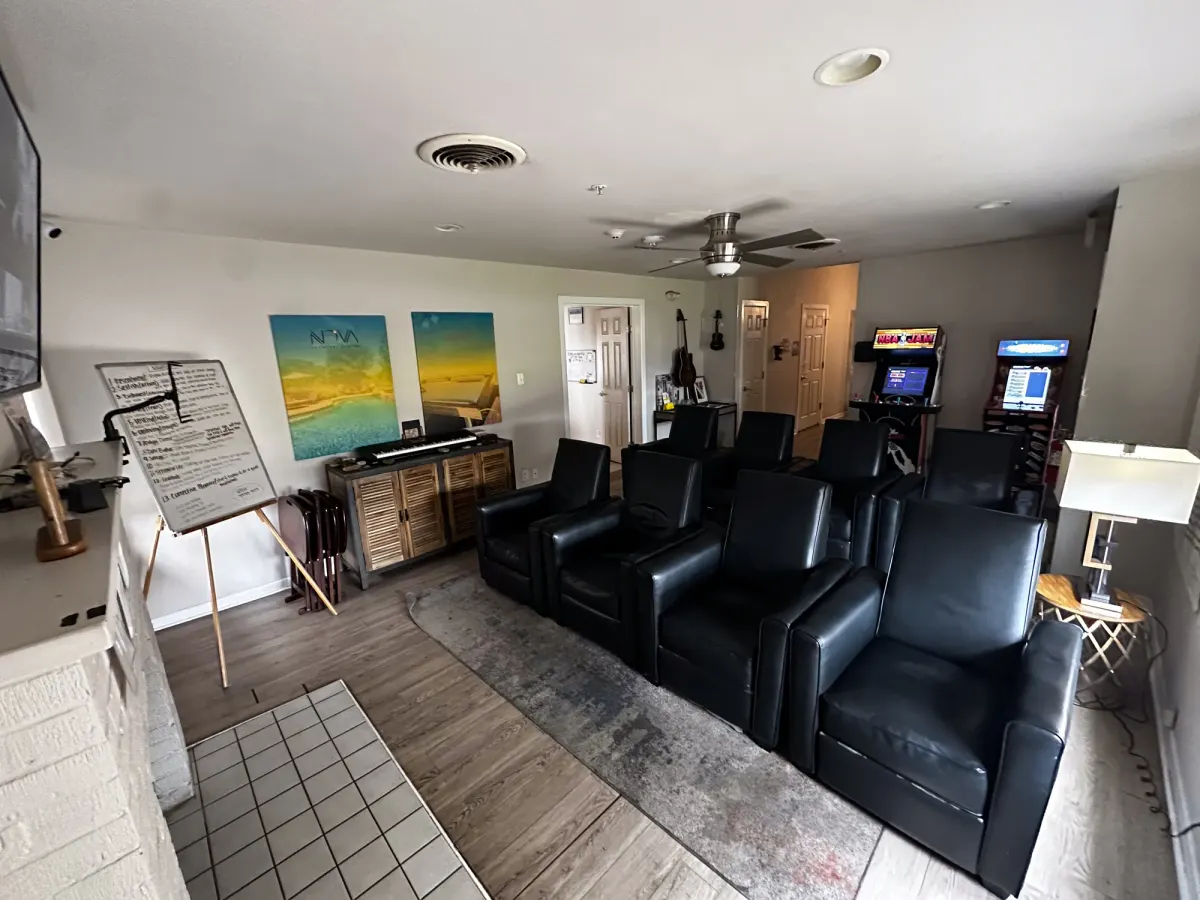 Inpatient
 Austin, TX
11711 N Lamar Blvd · 78753
- 15 beds
- On-site labs
- 24-hour medical staff
Drug & Alcohol Detox in Austin, TX
-
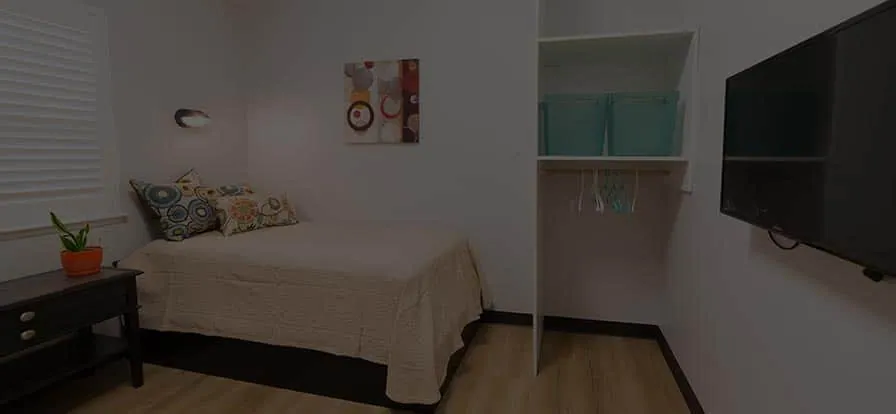 Inpatient
 Houston, TX
1019 Ashland St · 77008
- On-site labs
- 24-hour medical staff
Drug Detox Center in Houston, TX
-
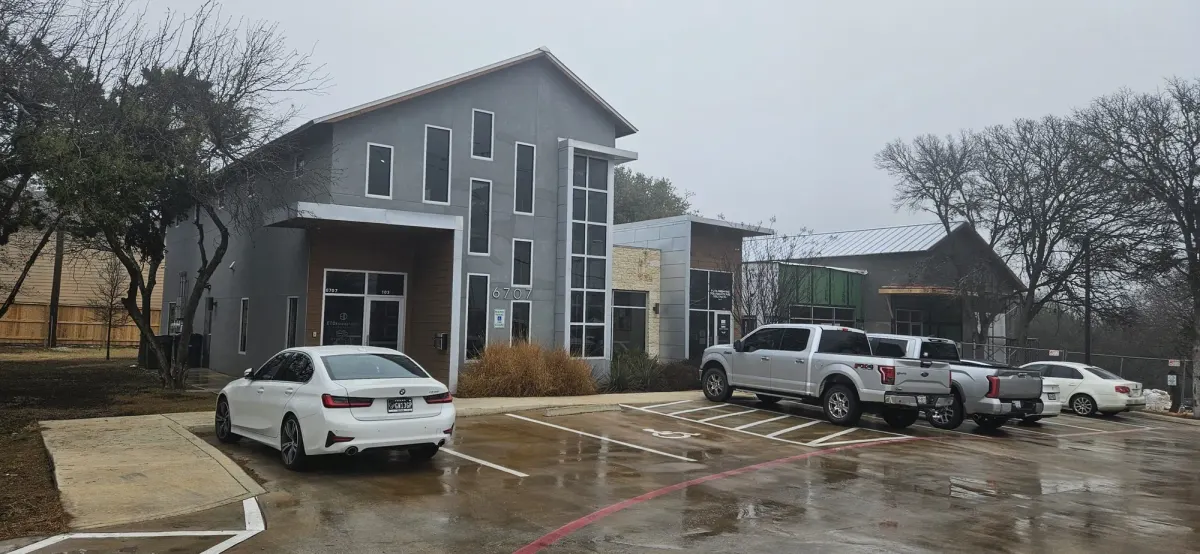 Outpatient
 San Antonio, TX
6707 W Hausman Rd · 78249
- Outpatient detox with scheduled medical visits
- Outpatient treatment
Outpatient Drug & Alcohol Detox in San Antonio
When Relapse Risk is Highest After Detox
Understanding the timeline of vulnerability helps contextualize why continuing care is essential. The highest likelihood of relapse occurs in the first 30 days following detox discharge. This critical window accounts for roughly 40-50% of all relapses in the first year.
Several factors converge during this period. Post-acute withdrawal symptoms peak in weeks two through four for many substances. You transition from the structured, protected environment of detox back to the settings and relationships where your substance use occurred. Cravings intensify when triggered by familiar people, places, or emotional states. Without established coping mechanisms or therapeutic support, the path of least resistance is return to use.
Ready to talk to someone now? Briarwood Detox Center's admissions team is here 24/7, and every call is confidential. Call (866) 710-7710.A secondary risk period occurs between 60 and 90 days, when the initial motivation from the crisis that prompted detox fades. The novelty of sobriety wears off. Life stressors accumulate. This phase requires ongoing reinforcement of recovery skills and external accountability—precisely what structured treatment provides.
Why Continuing Care Changes the Outcome
The dramatic difference in outcomes between detox alone and detox followed by treatment is well-documented. Continuing care addresses the factors that detoxification cannot: psychological dependence, behavioral patterns, skill deficits, and environmental risks.
Evidence-based therapies like cognitive-behavioral therapy help you identify and restructure thought patterns that lead to use. Motivational interviewing strengthens your commitment to change. Contingency management provides structured reinforcement for abstinence. Family therapy repairs relationships and builds support systems. These interventions target the decision-making, emotional regulation, and social dimensions of addiction that detox leaves untouched.
Medication-assisted treatment extends the biological stabilization begun in detox. For opioid use disorder, medications like buprenorphine or naltrexone reduce cravings and normalize brain function, giving behavioral interventions time to take effect. For alcohol use disorder, naltrexone and acamprosate decrease relapse risk. These medications, combined with counseling, produce superior outcomes compared to either intervention alone.
Structured environments—whether residential treatment, partial hospitalization, or intensive outpatient programs—provide accountability, routine, and separation from triggering environments during the vulnerable early recovery period. They create space for neurobiological healing to progress while building the psychological resources needed for long-term sobriety.
What Briarwood Detox Center Recommends
At our inpatient detox facility in Austin and outpatient programs in San Antonio and Houston, we view medical detox as the essential first step in a longer recovery process. Our clinical team works with you during your stay to develop a discharge plan that includes specific recommendations for continuing care based on your substance use history, co-occurring conditions, and social circumstances.
We coordinate with treatment providers throughout Texas to ensure smooth transitions. This includes connecting you with therapists, prescribers for medication-assisted treatment, and residential or outpatient programs matched to your clinical needs. Insurance verification specialists on our team help you understand your coverage for both detox and subsequent treatment, and we assist with authorization processes to minimize gaps in care.
The relapse rate after completing medical detox without further treatment is unacceptably high because detox, by design, addresses only the acute physical withdrawal phase. It creates a physiological baseline from which recovery work can begin, but it is not recovery itself. Without therapeutic intervention on the psychological, behavioral, and social dimensions of addiction, the majority of individuals return to use within months.
If you or someone you care about is struggling with substance dependence, medically supervised detox at Briarwood Detox Center can provide safe withdrawal management and a foundation for recovery. Our team is available to discuss your situation, verify insurance benefits, and help you take the first step toward lasting sobriety.
Ready to take the next step?
Briarwood Detox Center provides medically supervised drug & alcohol detox. Call (866) 710-7710 to speak with our team today.
Frequently Asked Questions
How many people relapse after detox?+–
Relapse is common in the first year after completing detox without continuing treatment. The first 30 days post-detox represent the highest risk period,.
How effective is detox?+–
Medical detox is effective at what it is designed to do: managing acute physical withdrawal under supervision. However, detox alone has limited success in preventing return to substance use. Continuing care after detox — therapy, medication-assisted treatment, or structured sober living — substantially improves the chance of staying abstinent.
When is the highest likelihood of relapse?+–
The highest likelihood of relapse occurs in the first 30 days after completing detox, when post-acute withdrawal symptoms peak and individuals return to triggering environments without established coping skills. This critical window accounts for 40-50% of all relapses in the first year. A secondary high-risk period occurs between 60 and 90 days when initial motivation fades.
What addiction has the highest relapse rate?+–
Opioid use disorder has the highest relapse rate after detox alone, with 85-90% returning to use within 12 months without medication-assisted treatment or therapy. Alcohol and benzodiazepine dependencies show relapse rates of 70-80%, while stimulants like cocaine and methamphetamine have rates around 60-75%. These figures drop significantly when detox is followed by evidence-based continuing care.
When do most addicts relapse?+–
Most individuals relapse within the first three months after detox, with the highest concentration occurring in the first 30 days. Research shows approximately 59% of opioid-dependent patients relapse within one week of detox discharge without continuing care. Vulnerability remains elevated through 90 days as post-acute withdrawal symptoms persist and environmental triggers remain unaddressed without therapeutic support.
What drug takes the longest to detox?+–
Benzodiazepines typically require the longest medically supervised detox timeline, often spanning two to four weeks due to the need for gradual tapering to prevent seizures and severe withdrawal complications. Long-acting benzodiazepines like clonazepam can have extended elimination half-lives. Alcohol detox usually takes 5-10 days, opioids 5-7 days, and stimulants 3-5 days for acute withdrawal management.
Does insurance cover treatment after detox?+–
Most insurance plans cover continuing treatment after detox, including residential programs, intensive outpatient services, and medication-assisted treatment. The Mental Health Parity and Addiction Equity Act requires insurers to cover substance use treatment comparably to medical care. Coverage details vary by plan, so verification of benefits before transitioning from detox to treatment helps identify in-network providers and understand authorization requirements.
What happens to your brain after detox?+–
After detox, your brain begins healing from the neurological changes caused by chronic substance use, but this process takes months or years. Dopamine pathways remain dysregulated, reward circuits stay hypersensitive to drug cues, and stress response systems remain impaired. These lasting changes drive cravings and relapse risk long after physical withdrawal ends, which is why therapy and sometimes medication are necessary. Ready to Start Your Recovery in Austin? Briarwood Detox Center offers medically supervised detox in Austin. Explore our locations, see the facility, and verify your insurance in minutes. See our locations
Related guides

About the people behind this guide
Anna-Grace Washington
Medical Content Writer
Anna-Grace Washington is a Medical Content Writer for Briarwood Detox Center. She holds a master’s degree in clinical psychology from the University of Texas and brings a strong understanding of behavioral health, addiction recovery, and evidence-based treatment concepts to her writing.
Dr. Robert Ulrich, DO
Medical Director
Dr. Robert Ulrich serves as Medical Director at Briarwood Detox Center, bringing more than two decades of clinical neurology experience to the treatment of substance use disorders. He is board-certified in neurology by the American Board of Psychiatry and Neurology and completed his neurology residency at UT Southwestern Medical Center in Dallas, where he served as Chief Resident.
In network with most major insurance
Find your plan and see what detox would cost
Most plans cover medical detox. Coverage varies by plan, so we verify it for you before you commit to anything.











Don't see your plan? We work with out-of-network benefits and offer self-pay options — (866) 710-7710
- Confidential
- Takes about 2 minutes
- No obligation to admit
- Accredited The Joint Commission
- Rated 4.7 · 183 Google reviews Flourishing Foundations Recovery, now part of Briarwood
- Admissions 24 hours a day