
Guide
What Items Should I Pack for Inpatient Detox?
Joint Commission accredited · In network with most major insurance · Admissions answered 24 hours a day

Published July 23, 2026
Reviewed and updated July 29, 2026
When preparing for a stay at an inpatient detox facility, pack comfortable clothing for 5-7 days, essential toiletries (leave-in products only, no aerosols), any prescribed medications in original bottles, your insurance card and photo ID, a small amount of cash for vending machines, and items for comfort like books or a journal. Most facilities prohibit electronics with cameras, valuables, outside food, and anything containing alcohol or mouthwash. You'll spend your time focused on medical stabilization and withdrawal management, so prioritize practical comfort over entertainment.
If you or someone you love needs more than detox, Briarwood Detox Center also provides drug rehab austin.
Understanding What to Bring to Inpatient Detox
Packing for inpatient detox is different from packing for a hotel stay or vacation. The primary goal during your time in a medically supervised detox program is physiological stabilization—managing withdrawal symptoms safely while your body clears substances. Your packing list should reflect that clinical focus.
Does your insurance cover detox in Austin?
Find out in about 2 minutes — free, confidential, no obligation.
Verify InsuranceAt Briarwood Detox Center's inpatient facility in Austin, patients typically stay between five and seven days, though the exact duration depends on the substance, severity of dependence, and individual medical factors. Your belongings will be inspected upon admission for safety reasons, and certain items will be stored or sent home with your family.
Most detox centers operate under strict safety protocols. Understanding why certain items are restricted helps you pack appropriately and avoid delays during the admission process.
Essential Documents and Personal Items
Before packing clothes or toiletries, gather your essential documents. These administrative items are non-negotiable and will be needed during intake:
- Valid government-issued photo identification (driver's license, passport, or state ID)
- Insurance card and any secondary insurance information
- List of current medications with dosages and prescribing physicians
- Any court documents, if detox is part of legal compliance
- Emergency contact information written on paper
Bring $20-40 in small bills for vending machines or incidental purchases from an on-site commissary if available. Leave credit cards, checkbooks, and large amounts of cash at home. Most facilities cannot guarantee security for valuables, and you won't need them during treatment.
Clothing for Your Inpatient Detox Stay
Comfort is the priority when selecting what items to pack for a stay at an inpatient detox facility. Withdrawal symptoms often include temperature dysregulation—you may experience chills, sweating, or both—so layering is essential.
Pack enough clothing for 5-7 days. Most inpatient detox centers provide laundry services mid-week, but having a full week's worth eliminates stress. Choose loose-fitting, soft fabrics without drawstrings (many facilities remove drawstrings for safety reasons).
Recommended clothing items:
- 5-7 comfortable shirts (t-shirts, long sleeves for layering)
- 5-7 pairs of underwear and socks
- 2-3 pairs of loose pants or athletic wear
- One lightweight sweatshirt or cardigan
- Slip-on shoes or sneakers with elastic laces
- Sleepwear (pajama pants and t-shirts work well)
Avoid clothing with offensive graphics, drug references, or alcohol branding. Leave expensive items at home—detox is not the place for designer clothes or sentimental pieces. If you're entering Briarwood Detox Center during winter months, bring an extra layer; if it's summer in Texas, prioritize breathable cotton.
Toiletries and Personal Care Products
Toiletries represent one of the most commonly over-packed categories. Inpatient detox facilities restrict products containing alcohol, aerosols, or glass containers because they pose safety risks or could be misused during the vulnerable early days of withdrawal.
Most detox centers provide basic soap, shampoo, toothpaste, and a toothbrush, but these institutional products may not suit your preferences. Bringing your own increases comfort during a physically challenging time.
Approved toiletries typically include:
- Alcohol-free deodorant (solid or roll-on, not aerosol)
- Toothbrush and alcohol-free toothpaste
- Shampoo and conditioner in plastic bottles
- Body wash or bar soap
- Hairbrush or comb (no metal)
- Alcohol-free moisturizer
- Lip balm
- Feminine hygiene products if needed
- Prescription glasses or contacts with solution
Items usually prohibited:
- Mouthwash (contains alcohol)
- Aerosol sprays of any kind
- Razors (disposable razors are provided under supervision if needed)
- Nail clippers or scissors
- Hair dryers or curling irons (fire hazard)
- Perfume or cologne (often alcohol-based)
When selecting what items to pack for a stay at an inpatient detox facility, remember that staff will inspect all toiletries. Leave items in original packaging when possible to speed the admission process.
Where we are
Detox centers across Texas
Three locations, each with its own admissions line and its own clinical team. Pick the one nearest you — or call and we will tell you which has a bed tonight.
-
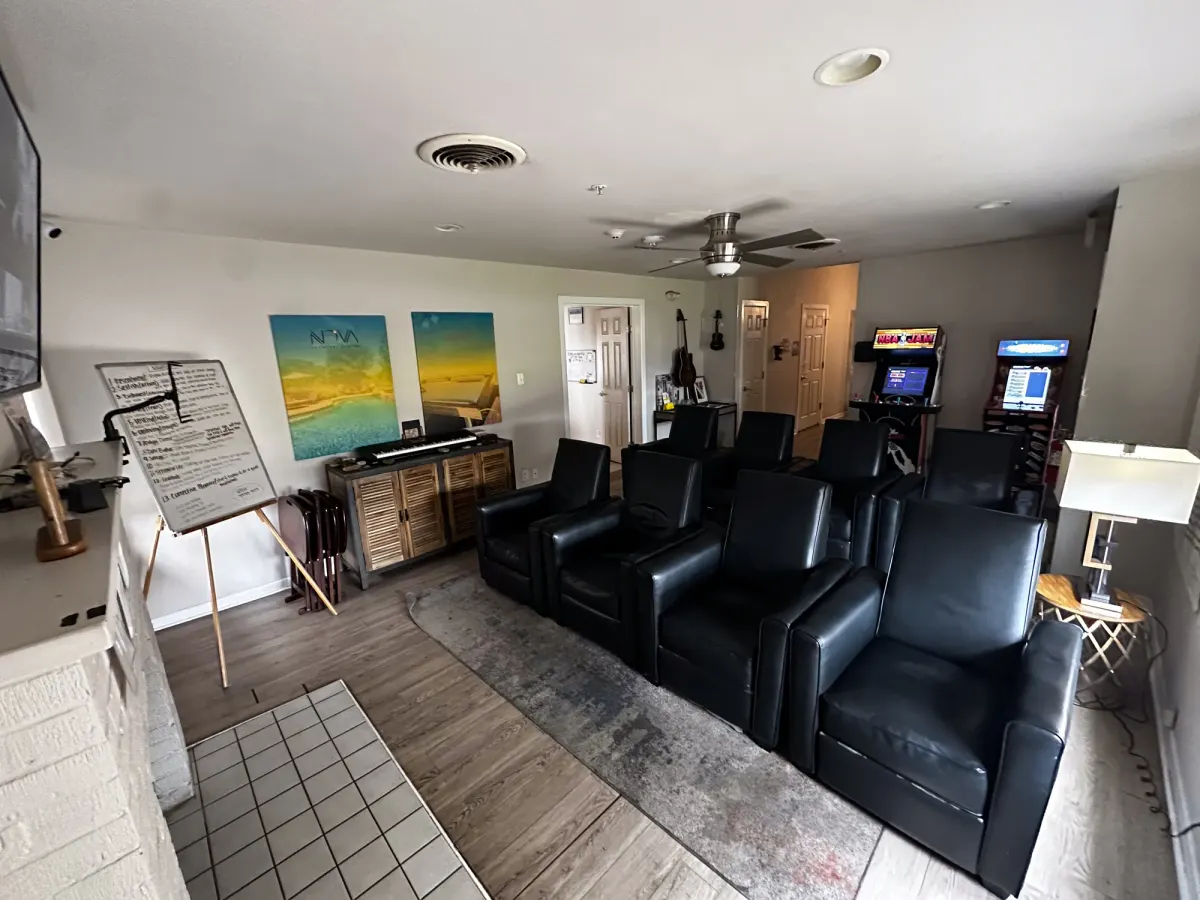 Inpatient
 Austin, TX
11711 N Lamar Blvd · 78753
- 15 beds
- On-site labs
- 24-hour medical staff
Drug & Alcohol Detox in Austin, TX
-
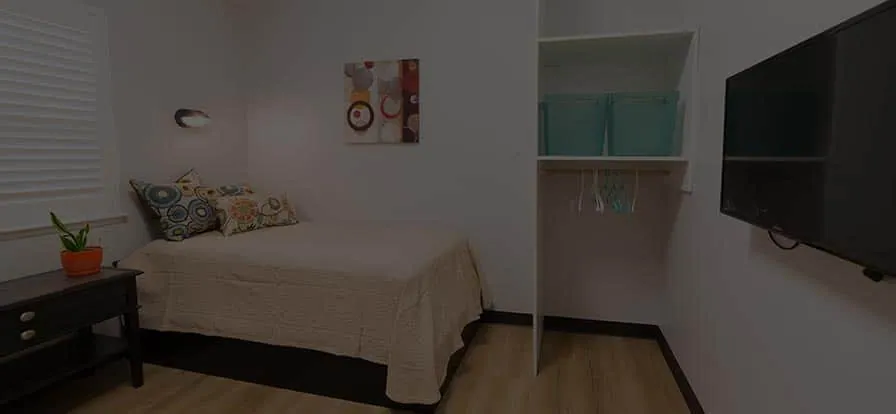 Inpatient
 Houston, TX
1019 Ashland St · 77008
- On-site labs
- 24-hour medical staff
Drug Detox Center in Houston, TX
-
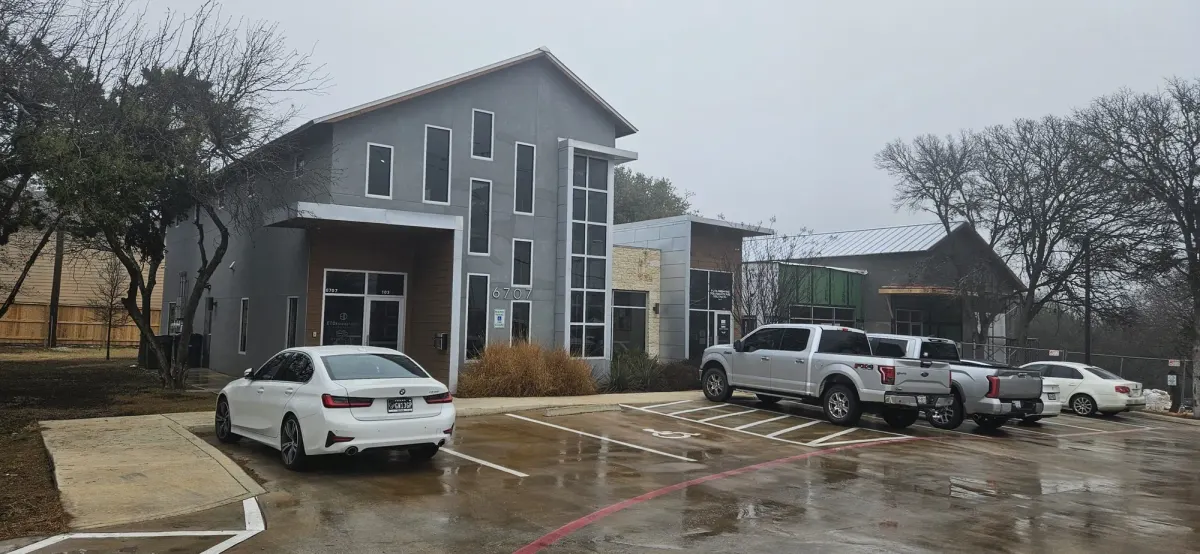 Outpatient
 San Antonio, TX
6707 W Hausman Rd · 78249
- Outpatient detox with scheduled medical visits
- Outpatient treatment
Outpatient Drug & Alcohol Detox in San Antonio
Medications: What to Bring and How
Medication management during detox requires careful coordination. Medical staff need to verify every substance you're taking to avoid dangerous drug interactions with the medications used to manage withdrawal symptoms.
Bring all current prescription medications in their original pharmacy bottles with labels intact. This includes psychiatric medications, blood pressure medicine, diabetes medications, and any other daily prescriptions. The medical team at Briarwood Detox Center will review each medication, verify it with your prescribing physician if needed, and determine whether you'll continue it during detox.
Do not bring over-the-counter medications, vitamins, or supplements unless specifically instructed. Detox facilities provide medically appropriate OTC medications like acetaminophen or antacids through nursing staff. Bringing your own creates inventory-control issues and potential safety concerns.
Never bring medications prescribed to someone else, even if you've been taking them regularly. Controlled substances not prescribed to you cannot be administered in a licensed medical facility and may complicate your admission.
Comfort Items and Entertainment
Inpatient detox involves significant downtime between medical assessments, meals, and group activities. While early withdrawal often leaves patients with little energy for entertainment, having a few comfort items helps during recovery periods.
Most facilities allow books, magazines, and journals. Reading provides distraction from discomfort and helps pass time between medical checks. A personal journal gives you space to process emotions and document your experience—many patients find writing therapeutic during the early stages of recovery.
Ready to talk to someone now? Briarwood Detox Center's admissions team is here 24/7, and every call is confidential. Call (866) 710-7710.Approved comfort items generally include:
- Paperback books or magazines
- Journal and pen (often provided, but you may prefer your own)
- Photographs of loved ones (not in glass frames)
- Puzzle books or crosswords
- Religious or spiritual texts
Items typically not allowed:
- Cell phones or smartphones
- Tablets, laptops, or e-readers
- Gaming devices
- Cameras or video equipment
- Music players (some facilities allow basic MP3 players without internet)
Electronics policies exist to protect patient privacy and maintain a therapeutic environment. Some detox programs permit basic MP3 players without cameras or internet connectivity, but policies vary. If music is important to your comfort, ask about specific device policies when you call to verify your insurance benefits.
What Not to Pack for Inpatient Detox
Understanding prohibited items prevents disappointment during admission. These restrictions exist for medical safety and to support the recovery environment for all patients.
Never bring alcohol, drugs, or drug paraphernalia. This includes prescription medications not prescribed to you, even if you use them regularly. Facilities conduct searches upon admission, and contraband will be confiscated. In some cases, possession of illegal substances can result in discharge or legal consequences.
Other commonly prohibited items include weapons of any kind, lighters or matches, glass containers, aerosol products, and food from outside. External food brings concerns about tampering, allergen cross-contamination, and smuggling contraband. Meals are provided as part of your inpatient detox care, carefully planned to support nutrition during withdrawal.
Avoid bringing expensive jewelry, watches, or sentimental items. While facilities take reasonable security measures, they cannot guarantee protection against loss. Wedding bands and simple religious jewelry are usually acceptable, but leave everything else at home.
Special Considerations for Your Detox Stay
Certain substances create specific packing considerations. If you're detoxing from alcohol or benzodiazepines, you may experience more severe withdrawal symptoms that require intensive medical monitoring. Pack extra comfortable clothing as you may sweat heavily during the first 48-72 hours.
For opioid detox, loose-fitting clothing is especially important. Opioid withdrawal often causes abdominal cramping, muscle aches, and restlessness. Soft, stretchy fabrics reduce physical irritation when your body is already uncomfortable.
If you have specific medical conditions—diabetes, heart disease, or respiratory issues—ensure you pack all related medications and bring documentation of your conditions. Detox places additional stress on your body, and the medical team needs complete information to keep you safe.
Final Packing Tips
Use a soft-sided duffel bag or suitcase rather than hard luggage. It's easier to store in most facility rooms and simpler for staff to inspect. Label your bag with your name and consider packing in gallon-size plastic bags to organize categories—one for toiletries, one for medications, one for clothes.
Don't overthink what items to pack for a stay at an inpatient detox facility. Staff have seen thousands of admissions and understand that many patients arrive with minimal belongings. If you forget something non-essential, the facility can often provide it or arrange for family to bring it during visiting hours.
Pack the night before if possible, while you have support and clear thinking. If you're entering detox in crisis, a trusted friend or family member can pack for you using this guide.
The physical items you bring matter less than your commitment to the medical process ahead. Detox requires courage, and Briarwood Detox Center's medical team handles the clinical complexity while you focus on healing.
If you or someone you care about needs medically supervised detox in Austin, San Antonio, Houston, or Colorado Springs, Briarwood Detox Center can help you understand what to expect and how to prepare for admission.
Ready to take the next step?
Briarwood Detox Center provides medically supervised drug & alcohol detox. Call (866) 710-7710 to speak with our team today.
Frequently Asked Questions
Can I bring my phone to inpatient detox?+–
Most inpatient detox facilities, including Briarwood Detox Center, do not allow cell phones during your stay. This policy protects patient privacy, reduces distractions from medical treatment, and helps you focus on withdrawal management without outside stress. Facilities provide scheduled phone access on landlines to contact family members. You can retrieve your phone when you complete detox or transition to another level of care.
How much clothing should I pack for detox?+–
Pack comfortable clothing for 5-7 days, which is the typical length of stay for medically supervised inpatient detox. Include multiple layers since withdrawal often causes temperature regulation issues. Most facilities offer mid-week laundry service, so a week's worth of clothes is sufficient. Choose loose-fitting, soft fabrics without drawstrings, and prioritize comfort over style during this medical stabilization period.
Are laptops or tablets allowed during detox?+–
Electronic devices with cameras or internet connectivity are generally not permitted in inpatient detox facilities. This protects the privacy of other patients and maintains a therapeutic environment focused on medical withdrawal management. Some programs allow basic MP3 players without internet or camera functions, but policies vary. Contact the facility directly to ask about their specific electronics policy before packing.
Can I bring my own prescribed medications to detox?+–
Yes, bring all current prescription medications in their original pharmacy bottles with labels intact. The medical team will review each medication for safety and potential interactions with detox protocols. However, you cannot bring medications prescribed to someone else, over-the-counter drugs, or supplements unless specifically instructed. The detox facility provides medically appropriate medications to manage withdrawal symptoms and any necessary over-the-counter products.
What toiletries are not allowed in detox?+–
Products containing alcohol are prohibited, including mouthwash, aftershave, perfume, and cologne. Aerosol sprays, razors, nail clippers, scissors, and anything in glass containers are also restricted for safety reasons. Most facilities prohibit hair dryers and heated styling tools due to fire hazards. Bring alcohol-free deodorant, toothpaste, shampoo in plastic bottles, and basic personal care items. Staff will inspect all toiletries during admission.
Should I bring cash or credit cards to inpatient detox?+–
Bring a small amount of cash—typically $20-40 in small bills—for vending machines or commissary purchases if available. Leave credit cards, debit cards, checkbooks, and large amounts of cash at home. Detox facilities cannot guarantee security for valuables, and you will have no need for payment methods during your medical stay. Your insurance handles treatment costs, and all meals are provided.
Can I bring books and journals to detox?+–
Yes, paperback books, magazines, journals, and writing materials are generally encouraged. Reading and journaling provide healthy distraction during downtime between medical assessments and help process emotions during early recovery. Avoid hardcover books with stiff bindings, and do not bring anything in glass frames. Puzzle books, crosswords, and spiritual or religious texts are also typically permitted in inpatient detox facilities.
What happens if I forget to pack something important?+–
Most detox facilities provide basic necessities like soap, shampoo, toothbrushes, and towels if you forget them or arrive in crisis with minimal belongings. For other items, facilities typically allow family members to bring approved belongings during visiting hours. Staff understand that many patients enter detox urgently and may not have time to pack thoroughly. Focus on bringing essential documents, medications, and insurance information—everything else can be arranged. Ready to Start Your Recovery in Austin? Briarwood Detox Center offers medically supervised detox in Austin. Explore our locations, see the facility, and verify your insurance in minutes. See our locations
Related guides

About the people behind this guide
Anna-Grace Washington
Medical Content Writer
Anna-Grace Washington is a Medical Content Writer for Briarwood Detox Center. She holds a master’s degree in clinical psychology from the University of Texas and brings a strong understanding of behavioral health, addiction recovery, and evidence-based treatment concepts to her writing.
Dr. Robert Ulrich, DO
Medical Director
Dr. Robert Ulrich serves as Medical Director at Briarwood Detox Center, bringing more than two decades of clinical neurology experience to the treatment of substance use disorders. He is board-certified in neurology by the American Board of Psychiatry and Neurology and completed his neurology residency at UT Southwestern Medical Center in Dallas, where he served as Chief Resident.
In network with most major insurance
Find your plan and see what detox would cost
Most plans cover medical detox. Coverage varies by plan, so we verify it for you before you commit to anything.

















Don't see your plan? We work with out-of-network benefits and offer self-pay options — (866) 710-7710
- Confidential
- Takes about 2 minutes
- No obligation to admit

- Accredited The Joint Commission
- Rated 4.7 · 183 Google reviews Flourishing Foundations Recovery, now part of Briarwood
- Admissions 24 hours a day