
Guide
What Credentials Should I Look for in an Addiction Treatment Center?
Joint Commission accredited · In network with most major insurance · Admissions answered 24 hours a day


Published July 20, 2026
Reviewed and updated July 29, 2026
When choosing an addiction treatment center, look for independent accreditation by The Joint Commission or the Commission on Accreditation of Rehabilitation Facilities (CARF), state licensure, board-certified medical staff, and licensed addiction counselors. These credentials verify that the facility meets rigorous safety, clinical care, and ethical standards. Equally important are transparent outcome reporting, proper insurance network participation, and evidence-based treatment protocols that guide medical detoxification and withdrawal management.
If you or someone you love needs more than detox, Briarwood Detox Center also provides austin tx drug rehab.
Selecting a detox center is one of the most critical healthcare decisions you'll make during recovery. The credentials a facility holds—or lacks—directly impact your safety during withdrawal, the quality of care you receive, and your foundation for long-term sobriety. Understanding which credentials matter and why can help you distinguish between facilities that meet national standards and those that fall short.
Does your insurance cover detox in Austin?
Find out in about 2 minutes — free, confidential, no obligation.
Verify InsuranceNational Accreditation: The Gold Standard for Treatment Centers
Independent accreditation represents the highest benchmark for quality in addiction treatment. Reputable detox centers pursue voluntary review by organizations that assess everything from clinical protocols to staff training and patient safety measures. The two most recognized accrediting bodies are The Joint Commission and CARF International.
The Joint Commission evaluates healthcare organizations against national performance standards covering patient rights, infection control, medication management, and emergency preparedness. Facilities must undergo rigorous on-site surveys and demonstrate continuous quality improvement. Accreditation is time-limited and requires renewal, ensuring centers maintain standards year after year.
CARF focuses specifically on behavioral health and rehabilitation services. Their standards emphasize person-centered care, outcome measurement, and community integration. A CARF-accredited detox center has proven it follows evidence-based practices, maintains qualified staff, and actively tracks treatment effectiveness. Both accreditations signal a commitment to excellence beyond minimum regulatory requirements.
State Licensure and Regulatory Compliance
Every legitimate addiction treatment center must hold current state licensure to operate legally. State health departments license facilities after verifying they meet baseline safety codes, staffing ratios, and clinical protocols. In Texas, for example, the Department of State Health Services (DSHS) licenses detox programs and conducts regular inspections. Colorado's Department of Human Services oversees similar standards.
Licensure alone doesn't guarantee quality—it's the minimum threshold. However, operating without a valid license is a major red flag. Before committing to any facility, verify its license status through your state health department's online registry. Ask to see the facility's current license certificate and check for any history of violations or corrective action plans.
When evaluating credentials to look for when choosing an addiction treatment center, confirm that licensure covers the specific services you need. Some facilities are licensed only for outpatient care, while others can provide medically supervised inpatient detox with 24/7 nursing. Match the license scope to your clinical needs.
Medical Staff Credentials and Board Certification
Medical detoxification requires physician oversight, yet not all doctors have specialized training in addiction medicine. Board certification in Addiction Medicine or Addiction Psychiatry demonstrates advanced expertise in managing withdrawal, co-occurring disorders, and medication-assisted treatment. These credentials require years of additional training beyond medical school and regular recertification exams.
Physicians certified by the American Board of Addiction Medicine (ABAM) or holding subspecialty certification through the American Board of Psychiatry and Neurology have proven competency in treating substance use disorders. They understand the nuances of alcohol withdrawal syndrome, opioid detox protocols, benzodiazepine tapering, and the pharmacology of withdrawal management medications.
Nursing credentials matter equally. Look for Registered Nurses (RNs) with experience in critical care, emergency medicine, or addiction nursing. The American Nurses Credentialing Center offers Psychiatric-Mental Health Nursing certification, and the International Nurses Society on Addictions provides specialized addiction nursing credentials. During detox, nurses monitor vital signs, administer medications, assess withdrawal severity, and respond to medical emergencies—their expertise can be lifesaving.
Licensed Addiction Counselors and Therapists
While medical staff manage the physical aspects of withdrawal, licensed counselors address the psychological and behavioral dimensions of addiction. Every state requires addiction counselors to hold specific credentials. In Texas, look for Licensed Chemical Dependency Counselors (LCDC) or Licensed Professional Counselors (LPC) with addiction specialization. Colorado recognizes Certified Addiction Counselors (CAC) at multiple levels.
The highest national credential is the Master Addiction Counselor (MAC), awarded by the National Association for Addiction Professionals after rigorous examination and supervised clinical hours. Many effective counselors also hold credentials as Licensed Clinical Social Workers (LCSW) or Licensed Marriage and Family Therapists (LMFT) with addiction training.
Ask about staff credentials during your facility tour. A quality detox center will openly share the qualifications of its clinical team, including education, licensure, years of experience, and continuing education requirements. If a facility is vague about staff credentials, that's a warning sign.
Where we are
Detox centers across Texas
Three locations, each with its own admissions line and its own clinical team. Pick the one nearest you — or call and we will tell you which has a bed tonight.
-
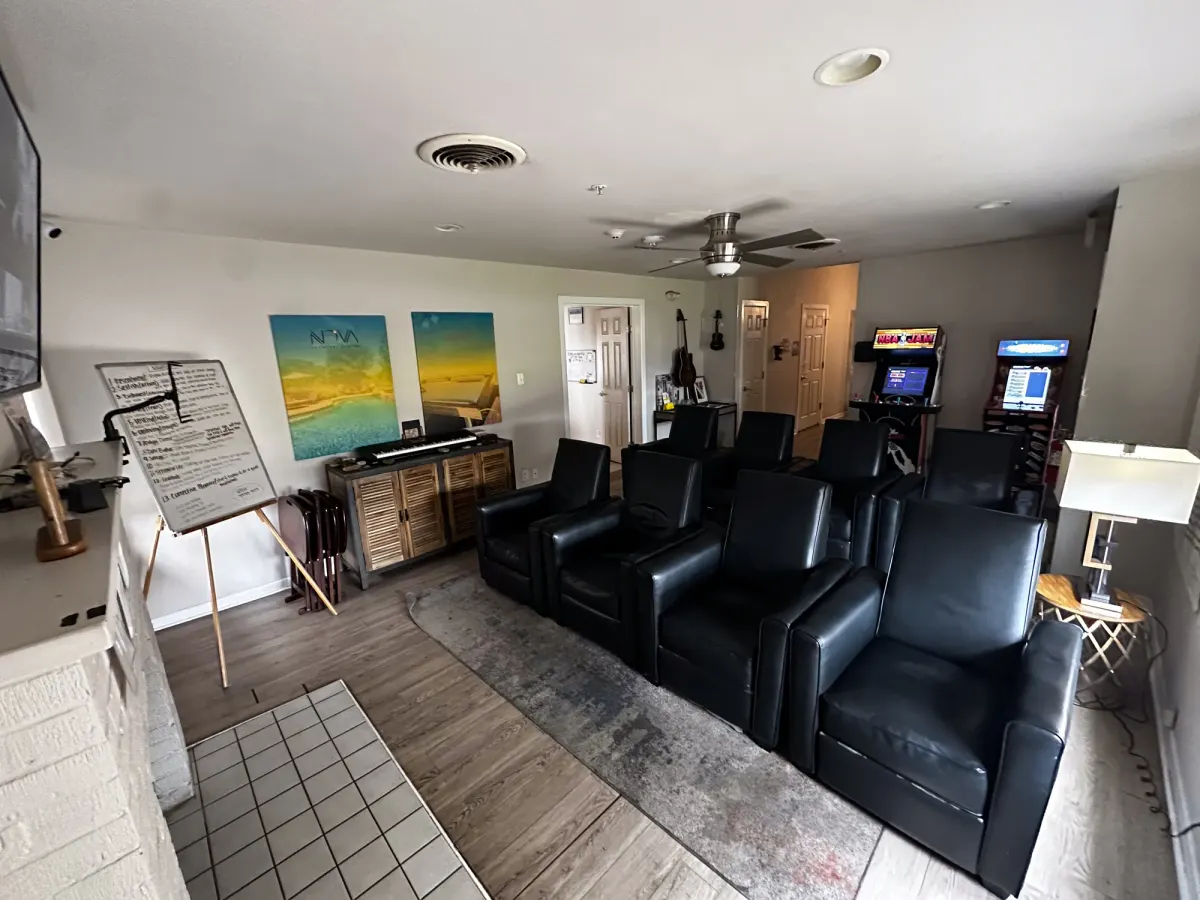 Inpatient
 Austin, TX
11711 N Lamar Blvd · 78753
- 15 beds
- On-site labs
- 24-hour medical staff
Drug & Alcohol Detox in Austin, TX
-
 Inpatient
 Houston, TX
1019 Ashland St · 77008
- On-site labs
- 24-hour medical staff
Drug Detox Center in Houston, TX
-
 Outpatient
 San Antonio, TX
6707 W Hausman Rd · 78249
- Outpatient detox with scheduled medical visits
- Outpatient treatment
Outpatient Drug & Alcohol Detox in San Antonio
Evidence-Based Treatment Protocols
Credentials extend beyond individual staff to the treatment models a center employs. Evidence-based protocols are those validated by peer-reviewed research and endorsed by professional organizations like the American Society of Addiction Medicine (ASAM). For detox specifically, look for facilities that follow ASAM's national practice guidelines.
ASAM guidelines standardize assessment using the multidimensional ASAM Criteria, which determine the appropriate level of care based on withdrawal risk, medical complications, psychiatric conditions, and social support. Facilities that implement these criteria provide individualized treatment matched to clinical need rather than one-size-fits-all programs.
Medication-assisted detox protocols should align with current research. For alcohol withdrawal, evidence supports benzodiazepine administration using symptom-triggered dosing protocols like the Clinical Institute Withdrawal Assessment (CIWA-Ar). Opioid detox may involve buprenorphine or methadone transition. Ask which withdrawal assessment tools and medication protocols the facility uses—vague answers suggest outdated or non-standardized care.
Insurance Network Participation and Transparency
A facility's willingness to work with insurance networks reflects its commitment to accessibility and regulatory compliance. In-network providers have agreed to meet the insurer's quality standards, submit to utilization review, and provide transparent billing. While network participation isn't technically a clinical credential, it indicates a facility operates within mainstream healthcare standards.
Ready to talk to someone now? Briarwood Detox Center's admissions team is here 24/7, and every call is confidential. Call (866) 710-7710.When evaluating what credentials should I look for when choosing an addiction treatment center, consider financial transparency part of the credential package. Reputable centers verify insurance benefits before admission, provide written estimates of costs, explain payment plans, and clearly outline what services insurance covers versus out-of-pocket expenses.
Beware of facilities that promise treatment without checking benefits, refuse to work with insurance, or provide only vague cost information. These practices often signal substandard care, inflated pricing, or reluctance to meet third-party quality standards. At Briarwood Detox Center, we verify benefits and work with major insurance plans across our Austin inpatient facility and outpatient locations in San Antonio, Houston, and Colorado Springs.
Outcome Measurement and Quality Reporting
Credible detox centers track and report treatment outcomes. While HIPAA protects individual patient information, aggregate data on completion rates, patient satisfaction, post-detox engagement in continuing care, and readmission rates demonstrate accountability. Facilities pursuing accreditation must collect and analyze this data.
Ask prospective facilities about their outcomes. How many patients complete detox safely? What percentage transition to ongoing treatment? How does the facility measure success? Centers confident in their clinical quality will share this information. Those that deflect or claim they "can't track outcomes" may be hiding poor performance.
Third-party review sites and state quality reports provide additional insight. While individual reviews should be taken in context, patterns of complaints about safety, unqualified staff, or billing practices warrant serious concern when choosing an addiction treatment center.
Continuing Education and Clinical Supervision
Credentials aren't static—they require ongoing education and peer review. Ask whether the facility requires continuing education for all clinical staff and how often. Most professional licenses mandate annual training hours, but leading facilities exceed minimums, providing regular grand rounds, case conferences, and training on emerging research.
Clinical supervision structures matter, especially for newer counselors. Licensed supervisors should regularly review case notes, observe sessions, and provide feedback. This oversight ensures consistent quality across all staff members and helps less experienced clinicians develop expertise under mentorship.
Specialized Credentials for Co-Occurring Disorders
More than half of people entering detox have co-occurring mental health conditions like depression, anxiety, PTSD, or bipolar disorder. Dual diagnosis treatment requires specialized training beyond basic addiction credentials. Look for psychiatric staff—psychiatrists, psychiatric nurse practitioners, or clinical psychologists—who can diagnose and manage mental health conditions alongside addiction.
Integrated treatment models, where the same clinical team addresses both substance use and mental health, produce better outcomes than parallel or sequential approaches. Facilities with dual diagnosis capability should have mental health professionals on staff, not just referral relationships with outside providers.
Making Your Decision
When researching what credentials should I look for when choosing an addiction treatment center, create a checklist. Verify national accreditation, confirm state licensure, ask about physician board certification, review counselor credentials, and assess the facility's commitment to evidence-based care and outcome measurement. No single credential guarantees quality, but multiple strong credentials indicate a facility that prioritizes safety, clinical excellence, and continuous improvement.
Tour the facility in person if possible. Meet the staff, observe the environment, and ask detailed questions about the credentials and protocols that will guide your care. Trust your instincts—a facility genuinely committed to quality will welcome your questions and provide clear, detailed answers.
If you or a loved one needs medical detox services in Austin, San Antonio, Houston, or Colorado Springs, Briarwood Detox Center is here to help. Our team is ready to verify your insurance benefits, answer your questions about our credentials and treatment approach, and guide you toward safe, evidence-based withdrawal management.
Ready to take the next step?
Briarwood Detox Center provides medically supervised drug & alcohol detox. Call (866) 710-7710 to speak with our team today.
Frequently Asked Questions
How to pick a good rehab facility?+–
Pick a facility with national accreditation (Joint Commission or CARF), current state licensure, board-certified medical staff, and licensed addiction counselors. Verify they use evidence-based protocols like ASAM criteria, accept and verify insurance, track treatment outcomes, and provide transparent cost information. Tour the facility, meet the staff, and trust your instincts about whether they prioritize safety and quality care.
What should a person consider when choosing a drug treatment program?+–
Consider the facility's accreditation and licensing status, staff credentials including physician board certification and counselor licensure, evidence-based treatment protocols, ability to manage co-occurring mental health conditions, insurance participation, transparent costs, and reported outcomes. Also assess the level of care offered—whether inpatient medical detox or outpatient—and confirm it matches your clinical needs and withdrawal risks.
How to evaluate a rehab center?+–
Evaluate by verifying credentials: check state health department records for current licensure, confirm Joint Commission or CARF accreditation, review medical staff board certifications, and ask about counselor credentials. Request information on treatment protocols, outcome data, insurance networks, and complaints history. Visit in person, observe the environment, meet staff, and ask detailed questions about their approach to withdrawal management and continuing care planning.
What degree is best for a substance abuse counselor?+–
A master's degree in counseling, social work, psychology, or a related behavioral health field provides the strongest foundation for substance abuse counseling. Many states require at least a bachelor's degree plus supervised clinical hours for licensure as an LCDC, LPC, or LCSW. Advanced credentials like Master Addiction Counselor (MAC) or clinical licenses (LPC, LCSW, LMFT) with addiction specialization indicate higher expertise and training.
What is the 60% rule in rehab?+–
The 60% rule is a Medicare regulation for inpatient rehabilitation facilities requiring that at least 60% of patients have one of 13 specified conditions, primarily orthopedic and neurological diagnoses. It does not apply to addiction treatment centers or detox facilities. This rule is specific to general medical rehabilitation hospitals and is not relevant when evaluating substance use disorder treatment programs or detoxification services.
What is the 3 3 3 rule for addiction?+–
The 3-3-3 rule for addiction refers to attending three recovery meetings per week for three months while connecting with three people at each meeting. It's an informal guideline to build early recovery support and routine, not a clinical standard or credential. While helpful for ongoing recovery, it doesn't relate to choosing a detox facility, which should be based on medical credentials, accreditation, and clinical quality standards.
What is The Joint Commission accreditation for addiction treatment?+–
The Joint Commission is an independent nonprofit that accredits healthcare organizations based on rigorous performance standards covering patient safety, clinical quality, infection control, medication management, staff qualifications, and emergency preparedness. Accreditation requires on-site surveys, demonstrated continuous improvement, and periodic renewal. For addiction treatment, it signals a facility meets national benchmarks for safety and clinical excellence beyond minimum state requirements.
Should a detox center have board-certified physicians?+–
Yes, board certification in Addiction Medicine or Addiction Psychiatry demonstrates a physician has completed specialized training in managing withdrawal, co-occurring disorders, and medication-assisted treatment. Medical detoxification involves managing potentially life-threatening withdrawal syndromes, requiring expertise beyond general medical practice. Board-certified physicians understand complex pharmacology, withdrawal protocols, and evidence-based practices that ensure safe, effective detox with appropriate medical oversight and emergency response capability. Ready to Start Your Recovery in Austin? Briarwood Detox Center offers medically supervised detox in Austin. Explore our locations, see the facility, and verify your insurance in minutes. See our locations
Related guides



About the people behind this guide
Anna-Grace Washington
Medical Content Writer
Anna-Grace Washington is a Medical Content Writer for Briarwood Detox Center. She holds a master’s degree in clinical psychology from the University of Texas and brings a strong understanding of behavioral health, addiction recovery, and evidence-based treatment concepts to her writing.
Dr. Robert Ulrich, DO
Medical Director
Dr. Robert Ulrich serves as Medical Director at Briarwood Detox Center, bringing more than two decades of clinical neurology experience to the treatment of substance use disorders. He is board-certified in neurology by the American Board of Psychiatry and Neurology and completed his neurology residency at UT Southwestern Medical Center in Dallas, where he served as Chief Resident.
In network with most major insurance
Find your plan and see what detox would cost
Most plans cover medical detox. Coverage varies by plan, so we verify it for you before you commit to anything.












Don't see your plan? We work with out-of-network benefits and offer self-pay options — (866) 710-7710
- Confidential
- Takes about 2 minutes
- No obligation to admit
- Accredited The Joint Commission
- Rated 4.7 · 183 Google reviews Flourishing Foundations Recovery, now part of Briarwood
- Admissions 24 hours a day