
Guide
What Credentials to Look for Choosing Addiction Treatment in Texas
Joint Commission accredited · In network with most major insurance · Admissions answered 24 hours a day


Published June 21, 2026
Reviewed and updated July 29, 2026
When choosing an addiction treatment facility in Texas, prioritize facilities that hold Joint Commission accreditation, employ board-certified addiction physicians and licensed medical staff, maintain active Texas Department of State Health Services licensing, and staff licensed master's-level clinicians (LPCs, LCSWs, LMFTs). For medically supervised detox specifically—the critical first phase of recovery—verify that the facility operates under physician oversight with 24/7 nursing staff credentialed in withdrawal management. These credentials ensure you receive evidence-based care during the most physiologically vulnerable period of treatment.
If you or someone you love needs more than detox, Briarwood Detox Center also provides drug treatment centers austin.
Why Credentials Matter Most During Medical Detox
Detoxification is not simply abstinence. It's a medical process that triggers profound neurochemical and physiological changes. Alcohol withdrawal can produce life-threatening seizures and delirium tremens. Benzodiazepine withdrawal carries seizure risk that persists for weeks. Opioid withdrawal, while rarely fatal, causes severe autonomic dysregulation that requires careful symptom management.
Does your insurance cover detox in Austin?
Find out in about 2 minutes — free, confidential, no obligation.
Verify InsuranceCredentialed medical professionals understand withdrawal pharmacology, recognize complications early, and adjust protocols in real time. A facility's credentials directly correlate with the training, oversight, and competency of the team managing your withdrawal—making this the most critical factor when choosing an addiction treatment facility in Texas for detox services.
At Briarwood Detox Center, our Austin inpatient facility and Houston and San Antonio outpatient locations maintain physician oversight, employ registered nurses trained in addiction medicine, and hold active Texas licensure and national accreditation standards.
Essential Facility-Level Credentials and Accreditations
Start by verifying that any detox provider holds current licensure from the Texas Department of State Health Services (DSHS). Texas law requires chemical dependency treatment facilities to maintain active permits, which involve regular inspections, staff background checks, and compliance with health and safety standards.
Beyond state licensure, look for national accreditation from organizations like The Joint Commission or CARF (Commission on Accreditation of Rehabilitation Facilities). These third-party bodies audit clinical protocols, medication management systems, infection control procedures, and patient rights protections. Accreditation signals a facility meets rigorous, evidence-based standards beyond minimum legal requirements.
Key facility credentials to verify:
- Active Texas DSHS chemical dependency treatment license
- Joint Commission or CARF accreditation
- DEA registration for controlled substance prescribing and storage
- Medicare/Medicaid certification (demonstrates federal compliance standards)
- Liability insurance and financial stability documentation
Request these documents directly. Reputable facilities provide proof immediately. Hesitation or vague answers are red flags.
Medical Staffing Credentials: Physicians and Nurses
Medically supervised detox requires physician involvement. Ask whether the facility employs or contracts with board-certified physicians—ideally those certified in addiction medicine by the American Board of Addiction Medicine (ABAM) or holding ASAM (American Society of Addiction Medicine) credentials.
For inpatient detox settings like our Austin facility, 24/7 registered nurse (RN) coverage is non-negotiable. Verify that RNs hold active Texas licenses and preferably certifications in addiction nursing (CARN) or emergency/critical care backgrounds. Withdrawal complications emerge unpredictably; credentialed nurses recognize subtle warning signs—blood pressure trends suggesting autonomic instability, early confusion indicating encephalopathy, tremor patterns predicting seizure risk.
Outpatient detox programs in Houston and San Antonio require equally rigorous medical oversight, though the monitoring model differs. Patients report daily or several times weekly for vitals assessment, medication dispensing, and symptom evaluation by licensed nursing staff under physician supervision.
Critical medical staff credentials:
- Board-certified physicians (MD or DO) with addiction medicine or psychiatry specialization
- Registered nurses with active Texas RN licenses
- CARN (Certified Addiction Registered Nurse) or equivalent addiction-specific training
- Licensed vocational nurses (LVNs) for supplemental care under RN supervision
- Medical director with addiction medicine fellowship or extensive withdrawal management experience
Clinical and Counseling Staff Qualifications
While detox focuses on medical stabilization, most credible programs integrate clinical assessment and discharge planning. This requires licensed master's-level clinicians: Licensed Professional Counselors (LPCs), Licensed Clinical Social Workers (LCSWs), or Licensed Marriage and Family Therapists (LMFTs).
Texas law permits credentialed addiction counselors (LCDC—Licensed Chemical Dependency Counselor) to provide certain services. However, for comprehensive assessment, co-occurring mental health screening, and treatment planning, master's-level licensure offers deeper training in psychopathology, crisis intervention, and evidence-based modalities.
During detox, clinicians conduct biopsychosocial assessments, screen for suicide risk, identify trauma histories that complicate withdrawal, and coordinate transitions to continuing care. Their credentials determine whether you receive perfunctory intake paperwork or a genuinely individualized stabilization plan.
What credentials should I look for when choosing an addiction treatment facility in Texas for clinical services?
- LPC, LCSW, or LMFT licenses (verify via Texas Behavioral Health Executive Council)
- LCDC or LCDC-I (Licensed Chemical Dependency Counselor-Intern) for supplemental counseling
- Specialized training in motivational interviewing, trauma-informed care, or co-occurring disorders
- Supervision structures for unlicensed interns (ensures accountability and quality)
Where we are
Detox centers across Texas
Three locations, each with its own admissions line and its own clinical team. Pick the one nearest you — or call and we will tell you which has a bed tonight.
-
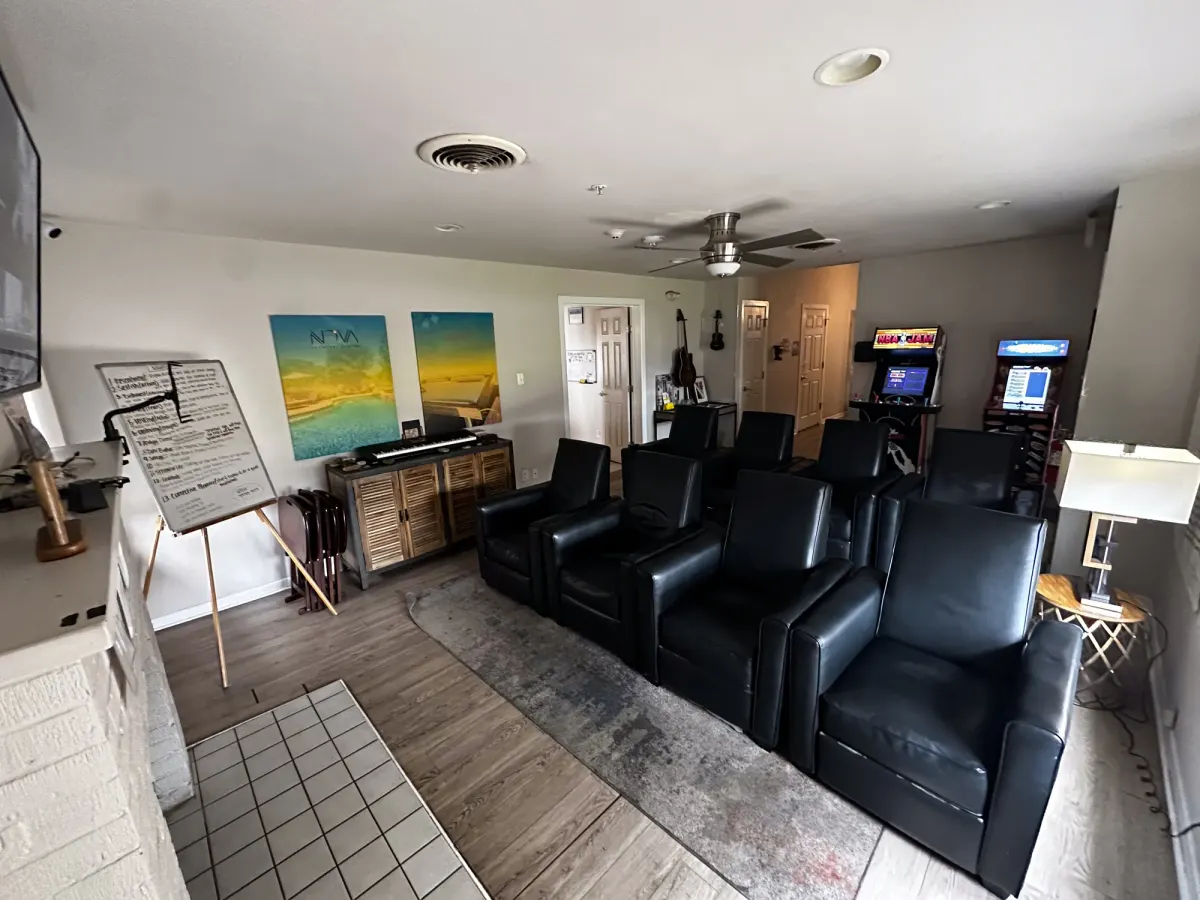 Inpatient
 Austin, TX
11711 N Lamar Blvd · 78753
- 15 beds
- On-site labs
- 24-hour medical staff
Drug & Alcohol Detox in Austin, TX
-
 Inpatient
 Houston, TX
1019 Ashland St · 77008
- On-site labs
- 24-hour medical staff
Drug Detox Center in Houston, TX
-
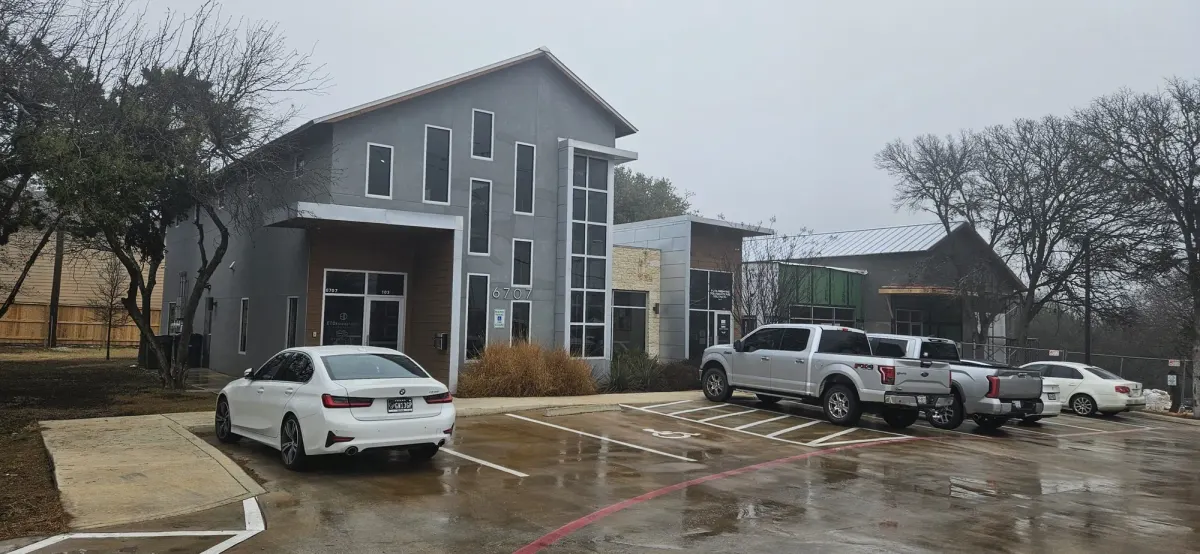 Outpatient
 San Antonio, TX
6707 W Hausman Rd · 78249
- Outpatient detox with scheduled medical visits
- Outpatient treatment
Outpatient Drug & Alcohol Detox in San Antonio
Verifying Credentials: How to Check Independently
Never rely solely on a facility's marketing materials. Texas provides public verification tools for every license type.
Check physician credentials through the Texas Medical Board's online portal. Enter the doctor's name to confirm active licensure, board certifications, disciplinary history, and malpractice claims. For nurses, use the Texas Board of Nursing verification system. Counselor and therapist licenses appear on the Texas Behavioral Health Executive Council database.
Facility-level permits are searchable via the Texas Health and Human Services website under chemical dependency treatment facility licensing. Joint Commission accreditation status is public on their Quality Check tool—search by facility name and location.
This takes fifteen minutes and eliminates facilities operating with expired permits, unlicensed staff, or fabricated credentials. It's the single most important due diligence step when choosing an addiction treatment facility in Texas.
Red Flags: When Credentials Don't Add Up
Certain warning signs indicate credential problems before you even verify licenses. If a facility cannot or will not provide the full name and license number of its medical director, walk away. If staff refuse to specify RN-to-patient ratios or claim "nurses are available on call" for inpatient detox, that's unsafe and likely non-compliant.
Ready to talk to someone now? Briarwood Detox Center's admissions team is here 24/7, and every call is confidential. Call (866) 710-7710.Marketing language like "holistic healing" or "non-medical detox" often masks the absence of credentialed medical staff. Legitimate holistic adjuncts—acupuncture, yoga, nutritional support—complement medical detox; they never replace it. Facilities that downplay medical oversight typically lack the credentials to provide it.
Beware of operations that emphasize amenities over clinical staffing. Luxury accommodations matter far less than whether a board-certified physician designs your taper protocol and a credentialed RN monitors your vitals every four hours.
Insurance Verification and Credentialing
A facility's insurance network participation offers indirect credential validation. Major payers—Aetna, Blue Cross Blue Shield, UnitedHealthcare, Cigna—credential providers before contracting. They verify licenses, malpractice coverage, accreditation, and outcomes data.
If a facility accepts your insurance, it has passed the payer's credentialing process. This doesn't replace your own verification, but it's a useful preliminary filter. Conversely, facilities that only accept cash and provide vague explanations about insurance should raise suspicion.
At Briarwood Detox Center, we work with most major Texas insurance plans and verify benefits up front, providing transparency about coverage, co-pays, and out-of-pocket costs before admission.
Matching Credentials to Your Clinical Needs
The credentials you prioritize depend partly on your substance use history and medical complexity. Someone detoxing from a decade of daily alcohol use with prior seizures needs a facility with robust medical credentials—24/7 physician availability, ICU transfer agreements, advanced cardiac monitoring capabilities.
For outpatient detox from shorter-term opioid use in a medically stable patient, the credential bar shifts slightly. Daily physician oversight and RN assessment remain essential, but the infrastructure resembles intensive outpatient medical management rather than inpatient critical care.
Polysubstance use, co-occurring psychiatric conditions, pregnancy, or significant medical comorbidities (liver disease, heart failure, uncontrolled diabetes) all demand higher credentialing standards. Ask explicitly whether the facility's staff hold certifications in dual diagnosis treatment, perinatal addiction medicine, or internal medicine backgrounds.
Beyond Credentials: Treatment Philosophy and Continuity
Credentials establish baseline competency, but philosophy determines how that competency gets applied. Does the facility view detox as isolated stabilization, or as the critical first phase of long-term recovery?
Credentialed clinicians should conduct thorough discharge planning—connecting you with appropriate continuing care whether that's intensive outpatient programming, individual therapy, or residential treatment. A detox-only focus is appropriate for Briarwood's scope, but credentialed staff ensure you leave with a clear map for the next phase, appropriate referrals, and medication management coordination.
Ask how the facility handles medically assisted treatment (MAT). Board-certified addiction physicians understand that buprenorphine or naltrexone induction during detox dramatically improves outcomes for opioid use disorder. Facilities with credentialed addiction medicine specialists offer these evidence-based options rather than ideology-driven abstinence-only approaches.
Questions to Ask About Credentials During Your Initial Call
When contacting potential detox facilities in Austin, Houston, or San Antonio, ask these specific questions:
- What is your medical director's full name and board certifications?
- What is your RN-to-patient ratio during day and night shifts?
- Are physicians on-site 24/7 or on-call? What is the average response time?
- Which national accreditation do you hold, and when was your last survey?
- What licenses do your therapists and counselors hold?
- Can you provide your Texas DSHS facility license number for verification?
- Do your physicians have DEA X-waivers for buprenorphine prescribing?
- What specialized certifications do staff hold in withdrawal management?
Credible facilities answer these instantly and offer to send documentation. Evasive or defensive responses indicate problems.
Making Your Decision With Confidence
Choosing an addiction treatment facility in Texas based on credentials protects your safety and maximizes the likelihood of successful stabilization. Detox is medical care—treat facility selection with the same rigor you'd apply to choosing a surgeon or hospital for any serious medical condition.
Verify licenses independently, prioritize medical oversight, confirm accreditation, and ensure master's-level clinical staff manage your assessment and planning. These credentials represent years of training, ongoing professional development, regulatory oversight, and accountability systems designed to protect patients during their most vulnerable hours.
If you're seeking medically supervised detox in Texas, Briarwood Detox Center offers inpatient services in Austin and outpatient detox programs in San Antonio and Houston, all staffed by credentialed physicians, registered nurses, and licensed clinicians committed to evidence-based withdrawal management.
Ready to take the next step?
Briarwood Detox Center provides medically supervised drug & alcohol detox. Call (866) 710-7710 to speak with our team today.
Frequently Asked Questions
How to pick a good rehab facility?+–
Pick a facility with active state licensing, national accreditation (Joint Commission or CARF), board-certified physicians, licensed nursing staff, and master's-level clinicians. Verify credentials independently through state licensing boards. Ensure the facility specializes in your specific needs—medical detox requires 24/7 physician oversight and RN staffing, while outpatient programs need structured monitoring protocols. Ask about insurance verification, treatment philosophy, and discharge planning support.
Which factor is most critical in determining eligibility for inpatient rehabilitation facility care?+–
Medical necessity is the most critical factor. Inpatient detox is appropriate when withdrawal poses medical risks—alcohol or benzodiazepine dependence with seizure potential, severe polysubstance use, significant medical or psychiatric comorbidities, prior complicated withdrawals, or lack of stable housing. Insurance companies use criteria like the ASAM levels of care to assess whether outpatient monitoring is insufficient and 24-hour medical supervision is required for safe stabilization.
What should a person consider when choosing a drug treatment program?+–
Consider the facility's credentials (licensing, accreditation, staff qualifications), specialization in your substance and medical complexity, insurance acceptance and cost transparency, location and logistics, treatment philosophy (evidence-based vs. non-medical approaches), and continuity planning. For detox specifically, prioritize medical staffing credentials, physician oversight models, withdrawal protocol experience, and whether they offer medication-assisted treatment options. Verify everything independently through state licensing databases before committing.
What are the different levels of care for addiction treatment?+–
The ASAM criteria define levels from least to most intensive: outpatient (weekly counseling), intensive outpatient or IOP (9+ hours weekly), partial hospitalization or PHP (20+ hours weekly), residential treatment (24-hour non-medical care), and medically supervised inpatient detox (24-hour medical monitoring). Detox addresses acute withdrawal and medical stabilization, while other levels focus on longer-term behavioral treatment and relapse prevention. Most people step down through multiple levels during recovery.
What is the 60% rule in rehab?+–
The 60% rule is a Medicare compliance standard requiring that at least 60% of an inpatient rehabilitation facility's patients have one of thirteen qualifying medical conditions (stroke, brain injury, amputation, etc.). This rule applies to inpatient rehabilitation hospitals—not addiction treatment or detox facilities. It ensures Medicare reimburses facilities primarily serving patients needing intensive medical rehabilitation rather than custodial or less medically complex care.
What are the 3 R's of rehabilitation?+–
The three R's typically refer to Restore, Recover, and Reintegrate—a framework emphasizing restoring function, recovering health and skills, and reintegrating into community life. In addiction treatment specifically, they can represent Recognition (acknowledging the problem), Recovery (active treatment and stabilization), and Resilience (building long-term coping skills). During medical detox, the focus is primarily on the first phase: safely restoring physiological stability and preparing for ongoing recovery.
Can I verify a detox facility's credentials myself before admission?+–
Yes, and you should. Use the Texas Medical Board portal to verify physician licenses and certifications, the Texas Board of Nursing database for RN credentials, and the Texas Behavioral Health Executive Council site for therapist licenses. Check facility-level permits through Texas Health and Human Services chemical dependency licensing search. Verify Joint Commission accreditation via their Quality Check tool. These public databases confirm active licenses, disciplinary history, and credential validity within minutes.
Do outpatient detox programs require the same medical credentials as inpatient?+–
Yes, outpatient detox requires equally rigorous medical credentialing—board-certified physicians, licensed RNs, and active facility licensing—though the service delivery model differs. Instead of 24/7 on-site monitoring, patients attend daily or multiple times weekly for vitals checks, medication management, and symptom assessment. The medical team must have identical expertise in withdrawal pharmacology and complication recognition; outpatient appropriateness depends on your specific medical risk profile and home environment stability. Ready to Start Your Recovery in Austin? Briarwood Detox Center offers medically supervised detox in Austin. Explore our locations, see the facility, and verify your insurance in minutes. See our locations
Related guides



About the people behind this guide
Anna-Grace Washington
Medical Content Writer
Anna-Grace Washington is a Medical Content Writer for Briarwood Detox Center. She holds a master’s degree in clinical psychology from the University of Texas and brings a strong understanding of behavioral health, addiction recovery, and evidence-based treatment concepts to her writing.
Dr. Robert Ulrich, DO
Medical Director
Dr. Robert Ulrich serves as Medical Director at Briarwood Detox Center, bringing more than two decades of clinical neurology experience to the treatment of substance use disorders. He is board-certified in neurology by the American Board of Psychiatry and Neurology and completed his neurology residency at UT Southwestern Medical Center in Dallas, where he served as Chief Resident.
In network with most major insurance
Find your plan and see what detox would cost
Most plans cover medical detox. Coverage varies by plan, so we verify it for you before you commit to anything.

















Don't see your plan? We work with out-of-network benefits and offer self-pay options — (866) 710-7710
- Confidential
- Takes about 2 minutes
- No obligation to admit
- Accredited The Joint Commission
- Rated 4.7 · 183 Google reviews Flourishing Foundations Recovery, now part of Briarwood
- Admissions 24 hours a day