
Guide
Can You Overdose on Crack? What It Looks Like and What to Do
Joint Commission accredited · In network with most major insurance · Admissions answered 24 hours a day

Published August 27, 2026
Yes. You can overdose on crack, people do every day, and the reason the question gets asked is that a crack overdose does not look like the overdose most people picture.
There is no nodding off. A stimulant overdose is the body redlining — heart, temperature, brain — and the person having one is often still awake, terrified, and insisting they are fine. Here is what it actually looks like, and what to do about it.
Can You Overdose on Crack?
Crack is cocaine — the smokable rock form of the same drug — so a crack overdose is a cocaine overdose, and the National Institute on Drug Abuse is blunt about the stakes: any route of use can deliver a toxic amount, causing heart attacks, strokes, or seizures, all of which can result in sudden death.
There is no established safe threshold, because the dose that ends in an emergency depends on purity nobody can see, heart health nobody has measured, and what else is on board. People overdose on a first use, and long-time users overdose on an amount they have handled before.
Why Does Smoking Make It More Dangerous?
Because of the cycle it creates.
Smoking delivers cocaine to the brain in seconds, and the high lasts only five to ten minutes. That combination — fastest onset, shortest duration — produces rapid re-dosing, and re-dosing is how a toxic total accumulates in an evening without any single hit feeling like too much. The heart does not experience the hits separately; it experiences the total.
What Does a Crack Overdose Look Like?
Not sleepy. Overloaded. The signs worth acting on:
- chest pain, or a heartbeat that is racing, pounding or irregular
- body heat that is obviously wrong — hot, flushed skin, sometimes with no sweat left
- a seizure, in someone with or without epilepsy
- stroke signs: sudden weakness on one side, slurred speech, a face that droops
- extreme agitation, panic or paranoia that keeps climbing instead of settling
And one more that looks like the opposite: someone who used crack and is now unresponsive, limp, or breathing slowly. That is not what cocaine does — it is what an opioid does, and it usually means fentanyl was in the supply. Treat it as an opioid overdose.
Where we are
Detox centers across Texas
Three locations, each with its own admissions line and its own clinical team. Pick the one nearest you — or call and we will tell you which has a bed tonight.
-
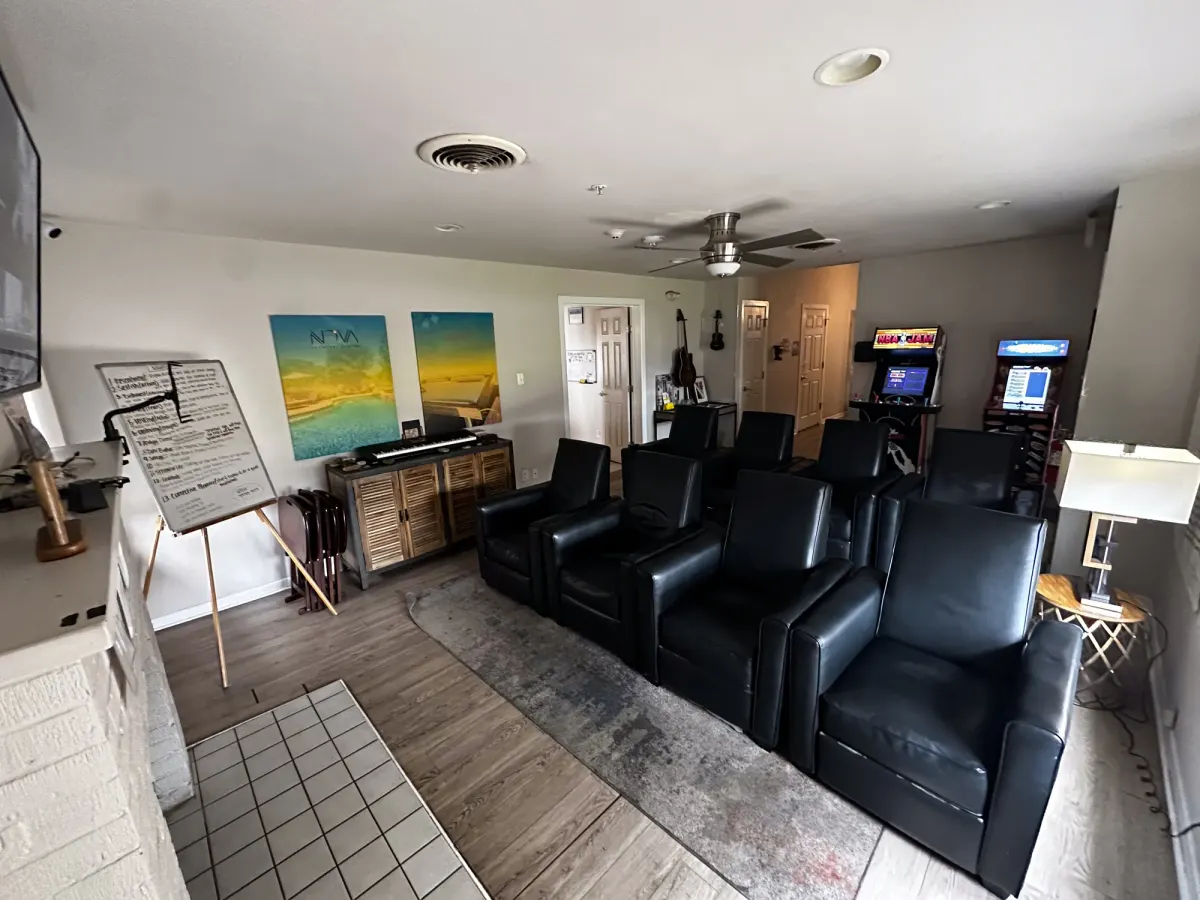 Inpatient
 Austin, TX
11711 N Lamar Blvd · 78753
- 15 beds
- On-site labs
- 24-hour medical staff
Drug & Alcohol Detox in Austin, TX
-
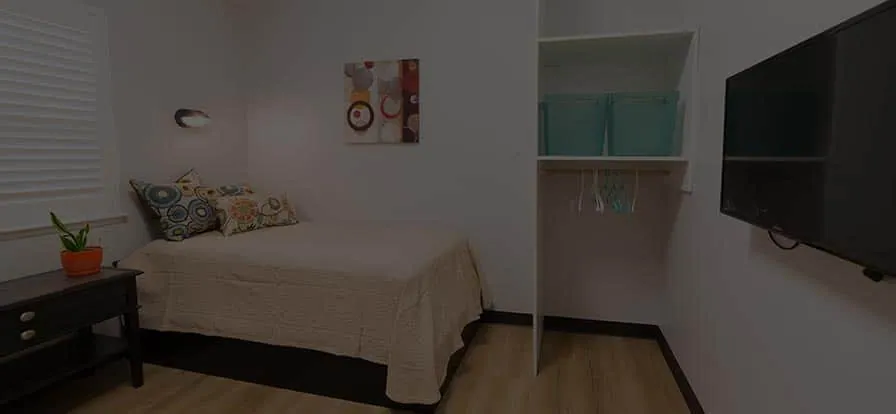 Inpatient
 Houston, TX
1019 Ashland St · 77008
- On-site labs
- 24-hour medical staff
Drug Detox Center in Houston, TX
-
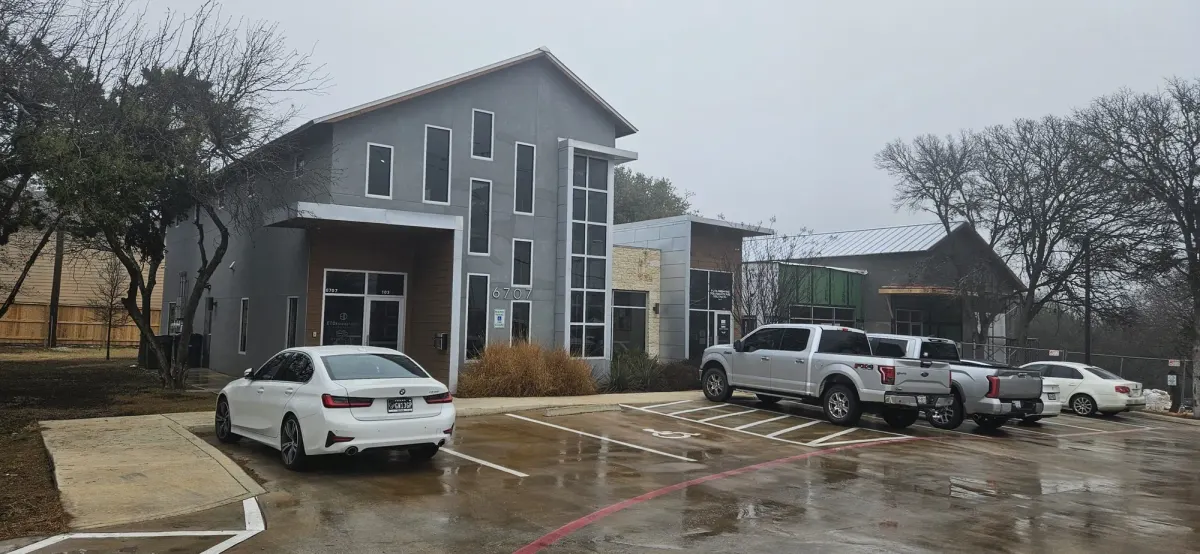 Outpatient
 San Antonio, TX
6707 W Hausman Rd · 78249
- Outpatient detox with scheduled medical visits
- Outpatient treatment
Outpatient Drug & Alcohol Detox in San Antonio
Is There an Antidote Like Narcan for Crack?
No — and this is the most important difference from an opioid overdose.
Naloxone reverses opioids. Nothing equivalent reverses a stimulant; a crack overdose is managed in an emergency department, treating the heart, the temperature and the seizures directly. That is why the response is 911 first, always.
Give naloxone anyway if the person is unresponsive and you have it. It will not fix the cocaine, but NIDA identifies fentanyl adulteration as a major driver of rising overdose deaths — and if fentanyl is what is shutting their breathing down, naloxone is the thing that works. It does no harm if opioids are absent.
What Should You Do While Help Is Coming?
Call 911 first — before anything else on this list.
Stay with them. Keep them as calm and still as the situation allows; agitation and exertion push the heart harder. Move them somewhere cooler if overheating is obvious. If they are unconscious but breathing, roll them onto their side. Do not put them in a shower, do not give them anything to eat, drink or take, and do not try to physically restrain a panicking person.
When EMS arrives, say exactly what was used and when. Nobody is calling the police about it; they are dosing their treatment to your answer.
Why Do Crack Overdoses Involve Fentanyl Now?
Because the supply is contaminated, not because people are choosing it.
Fentanyl is cheap, potent, and now routinely found in stimulants. A person who only ever uses crack, and has no opioid tolerance at all, can take a fatal opioid dose without knowing an opioid was present. This is also why mixing adds danger in every direction: alcohol combined with cocaine produces cocaethylene, a metabolite harder on the heart than either drug alone, and deliberately pairing stimulants with opioids stacks two opposite ways to die.
Preventing overdose after detox covers the related risk on the other side of treatment, when a reset tolerance meets an old dose.
What Happens After Surviving One?
The emergency department stabilizes the overdose. It does not treat the reason there will be a next one — and survivors of a stimulant overdose remain at high risk precisely because the drug’s pull returns before the cardiac damage heals.
The days after an overdose are also one of the moments people are genuinely willing to stop. That window matters. Cocaine detox manages the crash — the exhaustion, depression and craving of stimulant withdrawal — with structure and monitoring rather than willpower, and what to expect covers what an admission looks like from the first call.
Common Questions
How much crack does it take to overdose?+–
There is no number, and anyone offering one is guessing. Purity varies rock to rock, fentanyl contamination changes the math entirely, and individual heart health moves the line. The same amount a person used last week can be an overdose this week.
Can you overdose on crack the first time you use it?+–
Yes. Cocaine can trigger heart attack, stroke or seizure in a first-time user, and a first-time user has no opioid tolerance if the supply is contaminated with fentanyl — the combination that kills people who "barely used anything."
Is a crack overdose different from a cocaine overdose?+–
Same drug, same toxicity — the difference is speed. Smoking reaches the brain fastest and wears off fastest, which drives the re-dosing cycle that builds a toxic total.
Does mixing crack with alcohol make it worse?+–
Yes, in a specific way: the body combines cocaine and alcohol into cocaethylene, which stresses the heart more than either substance alone and lasts longer than the cocaine itself.
Will naloxone reverse a crack overdose?+–
Not the stimulant part — no medication does. But give it anyway if the person is unresponsive, because unresponsiveness after crack usually means opioid contamination, and naloxone reverses that. Then 911, whether they wake or not.
Does surviving one overdose mean the next one will be survivable?+–
No. Cocaine's cardiac stress is cumulative — each event can leave damage the next one lands on. Treating the survival as the warning, not the proof of durability, is the honest read.
Related guides

About the people behind this guide
Anna-Grace Washington
Medical Content Writer
Anna-Grace Washington is a Medical Content Writer for Briarwood Detox Center. She holds a master’s degree in clinical psychology from the University of Texas and brings a strong understanding of behavioral health, addiction recovery, and evidence-based treatment concepts to her writing.
Dr. Robert Ulrich, DO
Medical Director
Dr. Robert Ulrich serves as Medical Director at Briarwood Detox Center, bringing more than two decades of clinical neurology experience to the treatment of substance use disorders. He is board-certified in neurology by the American Board of Psychiatry and Neurology and completed his neurology residency at UT Southwestern Medical Center in Dallas, where he served as Chief Resident.
In network with most major insurance
Find your plan and see what detox would cost
Most plans cover medical detox. Coverage varies by plan, so we verify it for you before you commit to anything.











Don't see your plan? We work with out-of-network benefits and offer self-pay options — (866) 710-7710
- Confidential
- Takes about 2 minutes
- No obligation to admit
- Accredited The Joint Commission
- Rated 4.7 · 183 Google reviews Flourishing Foundations Recovery, now part of Briarwood
- Admissions 24 hours a day