
Guide
Sertraline Side Effects: Common, Severe, and Long-Term in Austin, TX
Joint Commission accredited · In network with most major insurance · Admissions answered 24 hours a day


Published November 18, 2025
Reviewed and updated July 29, 2026
Key Takeaways · 10 points
- Sertraline changes serotonin signaling, and many early side effects reflect your body adapting to that shift. Most short‑term effects ease as treatment continues with monitoring from your prescriber.
- Common effects include nausea, headache, sleep changes, dizziness, sweating, dry mouth, sexual side effects, and weight change. Tell your clinician if these persist or interfere with daily life.
- Serious or urgent effects—such as suicidal thoughts, serotonin‑syndrome symptoms, severe bleeding, seizures, or allergic reaction—require immediate medical attention. Do not wait for symptoms to resolve on their own.
- Long‑term considerations may involve ongoing sexual side effects, bleeding risk, emotional blunting, and weight change. Schedule regular reviews to balance benefits and risks.
- Do not stop sertraline suddenly; tapering helps prevent antidepressant discontinuation symptoms. Work with your prescriber on a gradual, personalized plan.
- “Sertranorm” is a regional brand name for sertraline and follows the same dosing and safety profile. If your label reads Sertranorm, the guidance in this page applies.
- Interactions with MAOIs, pimozide, other serotonergic drugs, NSAIDs/anticoagulants, alcohol, and certain CYP‑affecting medicines can raise risk. Share all meds and supplements with your prescriber.
- If you’re on sertraline and also misuse alcohol, opioids, benzodiazepines, or stimulants, Briarwood Detox Center in Austin provides 24/7 medical detox and coordinates with your prescriber. This is a safe first step for people searching for substance abuse treatment Austin TX, drug treatment centers in Austin, Austin drug treatment centers, or drug treatment centers Austin Texas. Call our admissions team today at (866) 710-7710.
- Contact your prescriber promptly if side effects last beyond a few weeks, worsen, or you plan to add or change medications. Early communication reduces risk.
- During detox at Briarwood, expect a medical assessment, individualized protocols, 24/7 monitoring, comfort supports, and coordinated next steps. Our Austin team helps you move from stabilization into appropriate ongoing care.
Break Free from Addiction. Detox Safely in Austin Today.
Medically Supervised Detox – Compassionate Care Starts Here.
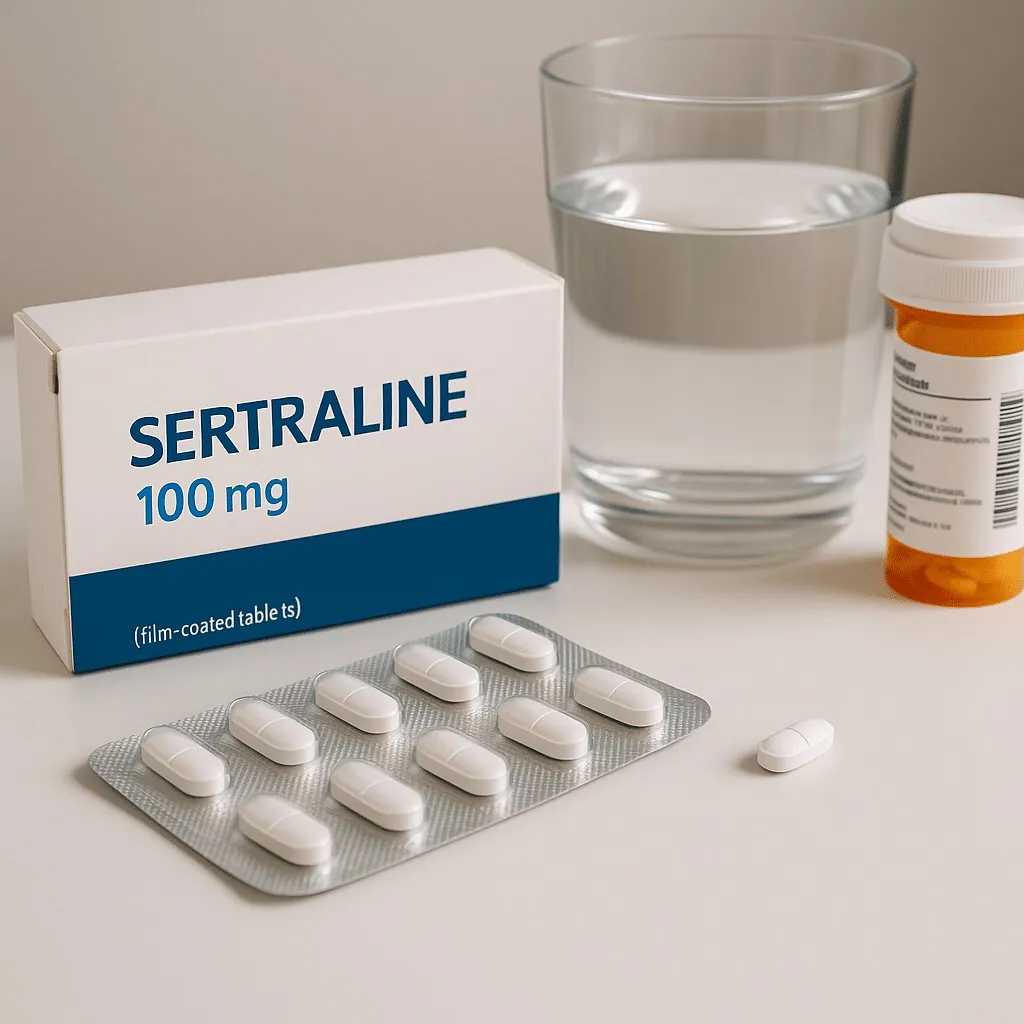
Sertraline is a selective serotonin reuptake inhibitor (SSRI) prescribed for depression, anxiety disorders, OCD, PTSD, panic disorder, social anxiety, and PMDD. It is generally well‑tolerated, yet side effects can occur—some mild and temporary, others serious and needing urgent medical attention. Understanding what to expect helps you and your clinician make safe, informed choices.





















How Sertraline Works & Why Side Effects Happen
Sertraline (Zoloft) is an SSRI used for conditions like depression, anxiety, PTSD and OCD—if you’re wondering what is sertraline (Zoloft)? and how it compares to benzos like Xanax, our comparison guide breaks it down in plain language. Sertraline raises serotonin levels by limiting reabsorption in the brain. Most side effects appear as the body adapts to this change. Many improve within a few weeks, but some persist or emerge later. Always report new, worsening, or concerning symptoms to your prescriber.
Common Side Effects (Usually Short‑Term)
These effects are reported frequently and often lessen after the first few weeks:
- Nausea or upset stomach; diarrhea or loose stools
- Headache
- Insomnia or sleepiness
- Dizziness
- Increased sweating
- Dry mouth
- Sexual side effects (reduced libido, delayed orgasm, erectile dysfunction)
- Weight changes (gain or loss)
Self‑care tips (do not replace medical advice): take with food if nauseated, maintain hydration, and ask your clinician before using over‑the‑counter sleep or stomach remedies. If symptoms remain bothersome beyond a few weeks, discuss dose timing or adjustments with your prescriber.
Where we are
Detox centers across Texas
Three locations, each with its own admissions line and its own clinical team. Pick the one nearest you — or call and we will tell you which has a bed tonight.
-
 Inpatient
 Austin, TX
11711 N Lamar Blvd · 78753
- 15 beds
- On-site labs
- 24-hour medical staff
Austin Medical Detox — 24/7 Care
-
 Outpatient
 San Antonio, TX
6707 W Hausman Rd · 78249
- Outpatient detox with scheduled medical visits
- Outpatient treatment
San Antonio Outpatient Detox
-
 Inpatient
 Houston, TX
1019 Ashland St · 77008
- On-site labs
- 24-hour medical staff
Houston Drug & Alcohol Detox
Severe or Urgent Side Effects (Seek Care Now)
Call your clinician right away or seek emergency care for:
- Suicidal thoughts or behavior, especially in people under 25 or when starting or changing dose
- Serotonin syndrome: agitation, confusion, fever, muscle rigidity or twitching, heavy sweating, fast heart rate, diarrhea, shivering
- Allergic reaction: swelling of face/tongue, trouble breathing, hives
- Seizure
- Severe bleeding or easy bruising, especially if combined with NSAIDs, aspirin, or anticoagulants
- Hyponatremia (low sodium): headache, confusion, weakness, unsteadiness
- Mania/hypomania (unusually elevated or irritable mood)
- Angle‑closure glaucoma symptoms (eye pain, vision changes)
Long‑Term Considerations
Some effects may persist or appear with long‑term use:
- Sexual dysfunction may continue unless addressed; clinicians may adjust dose, timing, or consider adjunctive options.
- Bleeding risk can increase with chronic SSRI exposure, especially when combined with drugs affecting platelets.
- Weight change can occur in either direction; monitoring is helpful.
- Emotional blunting or reduced intensity of feelings is reported by some patients; share these changes with your prescriber.
- Periodic review: evidence‑based guidance recommends scheduled reviews (e.g., every 6 months) to reassess benefits, side effects, and the ongoing need for medication.
Discontinuation & Withdrawal (Antidepressant Discontinuation Syndrome)
Do not stop sertraline abruptly without medical guidance. Tapering reduces the chance of withdrawal symptoms, which may include dizziness, flu‑like symptoms, vivid dreams, insomnia, irritability or anxiety, “brain zaps,” and nausea. Symptoms typically begin within 3–5 days of stopping (range 1–10 days) and usually resolve in 1–3 weeks, though some people experience longer courses. Slow, personalized tapers work best.
What Is Sertranorm? (Brand‑Specific Notes)
Sertranorm is a branded sertraline product marketed in some regions (e.g., parts of Europe). The dosing ranges (often 25–200 mg/day), indications, and adverse‑event profile mirror other sertraline formulations. If your prescription label lists “Sertranorm,” you are taking sertraline; follow the same safety guidance and consult your local prescriber before any changes.
Interactions That Raise Risk
Tell your prescriber about all medicines and supplements. Key interactions include:
- MAOIs and pimozide: contraindicated—dangerous reactions
- Other serotonergic drugs (e.g., certain migraine meds, tramadol, linezolid, St. John’s wort): higher risk of serotonin syndrome
- Blood thinners/NSAIDs/aspirin: higher bleeding risk
- Alcohol and sedatives: may worsen drowsiness and impair judgment
- Drugs affecting CYP enzymes may alter sertraline levels; clinicians adjust as needed
Sertraline, Substance Use, and Medical Detox in Austin
Sertraline itself is not a substance Briarwood Detox Center tapers or “detoxes” in isolation. However, many people prescribed SSRIs also struggle with alcohol, opioids, benzodiazepines, or stimulants. If you’re taking sertraline and also using substances, medically supervised detox may be the safest first step to reduce withdrawal risks and prepare for ongoing care.
At Briarwood Detox Center in Austin, we provide 24/7 monitored medical detox with individualized protocols, on‑site nursing, and physician oversight. We coordinate with your prescribing clinician so that your mental‑health medications—like sertraline—are reviewed and continued or adjusted appropriately while we address alcohol or drug withdrawal safely. If you’re searching for substance abuse treatment Austin TX, looking at drug treatment centers in Austin, exploring Austin drug treatment centers, or comparing drug treatment centers Austin Texas, our team can walk you through options and insurance coverage. Explore our Austin program and admissions details here:
- Austin Medical Detox: briarwooddetox.com/austin/
- Admissions & Insurance: briarwooddetox.com/admissions/ and briarwooddetox.com/what-to-expect/insurance/
When to Contact Your Prescriber
Reach out promptly if you have:
- Side effects that persist beyond a few weeks or interfere with daily life
- Any symptoms listed in the urgent section above
- New medications (including herbal products) to add to your routine
- Questions about tapering or missed doses
If you’re dealing with alcohol or drug use alongside sertraline, Briarwood can help you plan a safe detox and next steps while your psychiatric care remains under your prescriber’s guidance.
What to Expect at Briarwood During Detox
Our Austin team begins with a medical assessment, builds a tailored detox plan, monitors vitals around the clock, and supports sleep, nutrition, and comfort. We also coordinate post‑detox referrals so you have a clear transition into ongoing care that fits your goals and insurance. Learn about our process and insurance verification: What to Expect and Insurance.
How Briarwood Detox Center Supports LSertranorm Support & Medical Detox in Austin, TX
Briarwood Detox Center supports people who take Sertranorm, a sertraline brand, during medically supervised detox in Austin, TX. At intake, our clinicians review your prescriptions, mental health history, and pattern of alcohol or drug use. We consult with your prescribing provider to continue or adjust Sertranorm, when appropriate, so treatment remains consistent. Licensed nurses monitor vitals 24/7 and manage withdrawal with evidence‑based protocols under physician oversight. Medication management supports comfort, sleep, hydration, and nutrition. Comfort medications are used as needed and adjusted based on response. We verify insurance quickly and streamline admissions to minimize delays. For those searching for substance abuse treatment Austin TX or Austin drug treatment centers, our detox is a direct first step. Briarwood Detox Center keeps Sertranorm care aligned with your outpatient plan as you begin recovery in a trusted, local setting.
Sertraline & Sertranorm FAQs: Side Effects, Withdrawal, and Austin Detox Support
What are the most common sertraline side effects?+–
Nausea, headache, sleep changes, dizziness, sweating, dry mouth, sexual side effects, and weight change are among the most reported and often improve after the first few weeks.
Which sertraline side effects are severe and need urgent care?+–
Seek medical help for suicidal thoughts, serotonin‑syndrome symptoms (agitation, fever, tremor, diarrhea), severe bleeding or easy bruising, seizures, allergic reaction, or confusion from low sodium.
How long do sertraline side effects last?+–
Many side effects lessen within 1–2 weeks as the body adapts, but some persist. Speak with your prescriber if symptoms remain bothersome.
How long does sertraline (Sertranorm) take to work?+–
Early benefits may appear in 1–2 weeks, with full effect commonly seen by 4–8 weeks, depending on the condition and dose.
Can I drink alcohol while taking sertraline?+–
It’s best to avoid alcohol. Combining alcohol with antidepressants can worsen symptoms and increase side‑effect risks.
Is sertraline addictive?+–
Antidepressants are not addictive in the way nicotine or opioids are, but stopping suddenly can cause withdrawal‑type symptoms; taper only with medical guidance.
What is serotonin syndrome and how is it related to sertraline?+–
Serotonin syndrome is a potentially life‑threatening reaction from excess serotonin, often triggered by combining serotonergic medicines. Symptoms include agitation, fever, sweating, tremor, and diarrhea.
What are sertraline withdrawal symptoms, and how do I stop safely?+–
Dizziness, flu‑like symptoms, vivid dreams, insomnia, irritability, and “electric‑shock” sensations can occur after abrupt stopping. A gradual taper with your prescriber reduces risk.
Does sertraline cause weight gain or sexual side effects?+–
Both can occur. Weight change varies by person and may be small on average; sexual side effects (low libido, delayed orgasm, erectile difficulties) are reported. Discuss options if they persist.
What should I avoid while taking sertraline?+–
Do not use MAOIs or pimozide with sertraline. Combining with other serotonergic drugs raises serotonin‑syndrome risk; NSAIDs/aspirin/anticoagulants can increase bleeding. Always review all meds and supplements with your clinician.
What is Sertranorm—Is it the same as sertraline?+–
Sertranorm is a regional brand of sertraline; the active ingredient and safety profile match other sertraline products. Follow the same precautions and prescriber guidance.
How does Briarwood Detox Center help if I take Sertranorm or sertraline and also use alcohol or other drugs?+–
Our Austin medical detox team reviews your prescriptions at intake, coordinates with your prescriber, and monitors you 24/7 while managing withdrawal safely. We help keep your antidepressant plan consistent as you stabilize and plan next steps. Call our admissions team today at (866) 710-7710.
I’m searching for substance abuse treatment in Austin, TX—can Briarwood coordinate my sertraline during detox?+–
Yes. We verify insurance, streamline admissions, and manage a personalized detox while communicating with your outpatient provider about sertraline or Sertranorm. This keeps care aligned as you transition to ongoing treatment locally. Call our admissions team today at (866) 710-7710.
Related guides


About the people behind this guide
Anna-Grace Washington
Medical Content Writer
Anna-Grace Washington is a Medical Content Writer for Briarwood Detox Center. She holds a master’s degree in clinical psychology from the University of Texas and brings a strong understanding of behavioral health, addiction recovery, and evidence-based treatment concepts to her writing.
Dr. Robert Ulrich, DO
Medical Director
Dr. Robert Ulrich serves as Medical Director at Briarwood Detox Center, bringing more than two decades of clinical neurology experience to the treatment of substance use disorders. He is board-certified in neurology by the American Board of Psychiatry and Neurology and completed his neurology residency at UT Southwestern Medical Center in Dallas, where he served as Chief Resident.
In network with most major insurance
Find your plan and see what detox would cost
Most plans cover medical detox. Coverage varies by plan, so we verify it for you before you commit to anything.


















Don't see your plan? We work with out-of-network benefits and offer self-pay options — (866) 710-7710
- Confidential
- Takes about 2 minutes
- No obligation to admit

- Accredited The Joint Commission
- Rated 4.5 · 95 Google reviews
- Admissions 24 hours a day