
Guide
Residential Drug and Alcohol Detox in Austin, TX | Briarwood Detox Center
Joint Commission accredited · In network with most major insurance · Admissions answered 24 hours a day


Published September 2, 2024
Reviewed and updated July 29, 2026
Table of contents
- Understanding Residential Detox
- Why Choose Residential Detox?
- The Detox Process at Briarwood Detox Center
- Long-Term Support After Detox
- Why Briarwood Detox Center?
- Your Path to Lasting Recovery
- Drug Detox With Briarwood
- Break Free From Your Addiction Today
When you’re fighting drug and alcohol addiction, detox is the first big step. But what exactly does residential detox involve? In this guide, we’ll look at why residential detox is so important, how it’s different from other options, and why it’s key for long-term recovery.
If you or someone you love needs more than detox, Briarwood Detox Center also provides drug treatment centers austin.
Briarwood Detox Center’s alcohol detox program program provides medically supervised, evidence-based care.
Understanding Residential Detox
Residential detox means staying in a safe, supervised place where you go through detoxification. This approach provides a secure setting that helps you start your recovery. Unlike outpatient detox, residential detoxification requires you to stay at the facility. This ensures you get care and support around the clock during the detox process.
Does your insurance cover detox in Austin?
Find out in about 2 minutes — free, confidential, no obligation.
Verify InsuranceWhy Choose Residential Detox?
Residential detoxification offers many benefits for those who want to recover. First of all, it provides a focused environment that removes you from the triggers and temptations of daily life. At Briarwood Detox Center, we know how important it is to be in a controlled place where you can focus only on your recovery.
Also, our residential detoxification programs are made to fit your needs. We know that no two cases of addiction are the same. So, our programs address your specific physical, emotional, and mental challenges. This personal approach ensures you get the support you need during this crucial time.
Plus, residential detoxification gives you quick access to doctors who can help manage and ease withdrawal symptoms. With 24/7 care, you can go through detox with more safety and comfort.
The Detox Process at Briarwood Detox Center
At Briarwood Detox Center in Austin, TX, our residential detoxification program follows a clear plan designed to support you at every step.
Comprehensive Assessment
To start, we do a full assessment. This helps us understand your health, substance use, and the level of your addiction. With this info, we create a detoxification plan that’s just right for you.
Medical Supervision and Support
Detox can be hard both physically and emotionally. That’s why our skilled medical team provides constant care and support. Especially when detoxing from substances like alcohol or opioids, medical care is key. It helps manage any complications and serious withdrawal symptoms.
Evidence-Based Treatment
At Briarwood Detox Center, we use proven treatments and therapies. These have been shown to help with successful detoxification. For example, we use medical treatments to manage withdrawal symptoms and lower the chance of relapse.
Comprehensive Care
In addition to medical treatments, we use a whole-person care approach. This looks at the physical, mental, and emotional parts of addiction. By adding therapies like counseling and mindfulness, we help you build a strong base for recovery.
Long-Term Support After Detox
Detox alone isn’t enough for lasting sobriety. That’s why we focus on long-term support after detoxification at Briarwood Detox Center. Our step-by-step care plan helps you move smoothly into the next stages of recovery. This could mean inpatient rehab, outpatient care, or sober living.
Also, we provide resources that help you stay sober. With ongoing counseling and support groups, we stay committed to your long-term success and well-being.
Why Briarwood Detox Center?
Choosing the right detoxification center is key. At Briarwood Detox Center, we stand out for our commitment to personal care.
Ready to talk to someone now? Briarwood Detox Center's admissions team is here 24/7, and every call is confidential. Call (866) 710-7710.Located in Austin, TX, our center provides a peaceful place that’s perfect for healing. Our team of experts combines medical knowledge with caring support. We guide you through every part of the detoxification process.
Also, we base our treatments on proven practices. So, you get the most effective care available. Our whole-person approach looks at not just the symptoms of addiction but also the root causes. This helps heal the mind, body, and soul.
Finally, we know that money can be a worry. That’s why we accept most insurances and offer private insurance checks. We aim to make our services easy for everyone to access.
Your Path to Lasting Recovery
If you or someone you love is struggling with addiction, don’t wait another day to get help. Contact Briarwood Detox Center in Austin, TX, today to learn more about our residential detoxification programs. See availability today and take the first step toward a healthier, sober life. Our caring team is ready to help you and provide the care you need.
Get Help Today
Residential detoxification is a key first step in overcoming addiction. By choosing Briarwood Detox Center, you choose a recovery process that focuses on your needs.
Remember, recovery is a journey, not a quick fix. With the right support, lasting sobriety is within reach. Take control of your life today and let Briarwood Detox Center be your partner in this journey to a better life.
Drug Detox With Briarwood
Briarwood Detox Center offers detox treatment for alcohol, opioid, methamphetamine, prescription drugs, and many other addictions we treat. Our experienced clinical staff provides round-the-clock monitoring throughout the drug detox process and our therapy team provides support to help manage the emotional response to treatment. Additionally, we have detox facilities located in Austin, Houston, and Colorado Springs with state-of-the-art amenities.
Briarwood is dedicated to facilitating a healthy and safe environment that empowers people to make significant and lasting changes in their lives. We look forward to supporting you or your loved one on the journey to recovery. Call (866) 710-7710 today for more information on our programs and admission process.
Where we are
Detox centers across Texas
Three locations, each with its own admissions line and its own clinical team. Pick the one nearest you — or call and we will tell you which has a bed tonight.
-
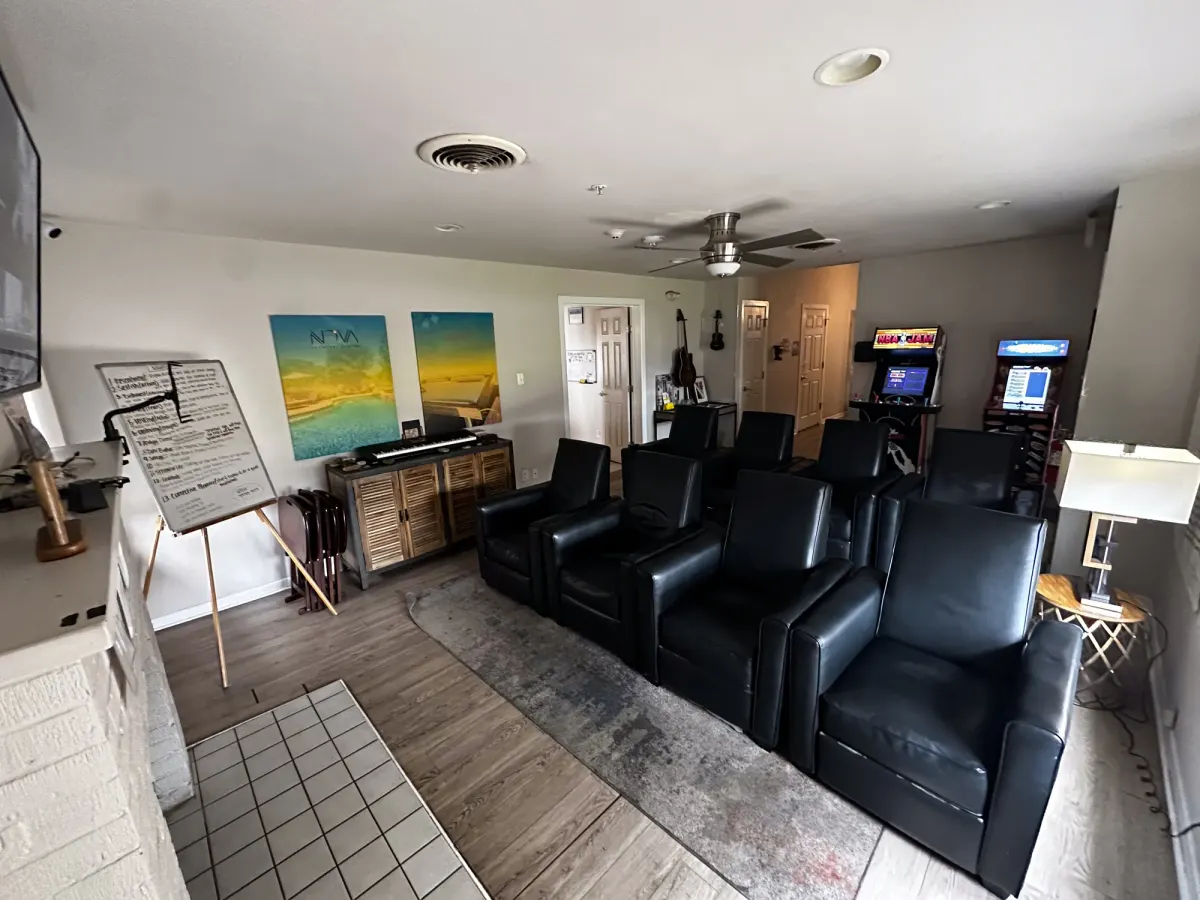 Inpatient
 Austin, TX
11711 N Lamar Blvd · 78753
- 15 beds
- On-site labs
- 24-hour medical staff
Drug & Alcohol Detox in Austin, TX
-
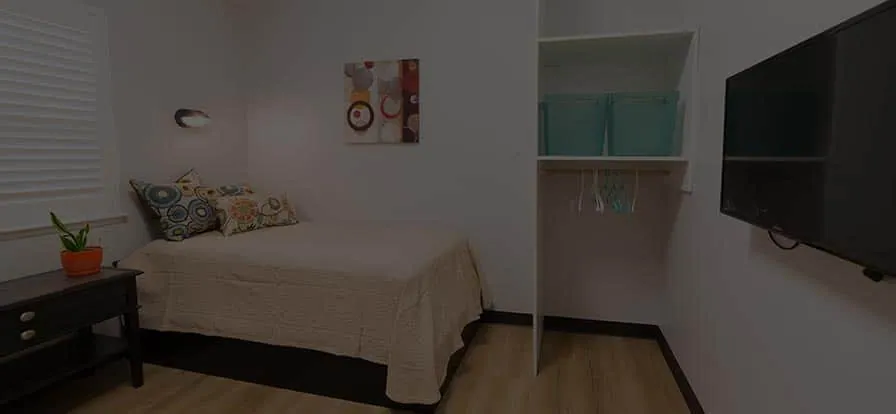 Inpatient
 Houston, TX
1019 Ashland St · 77008
- On-site labs
- 24-hour medical staff
Drug Detox Center in Houston, TX
-
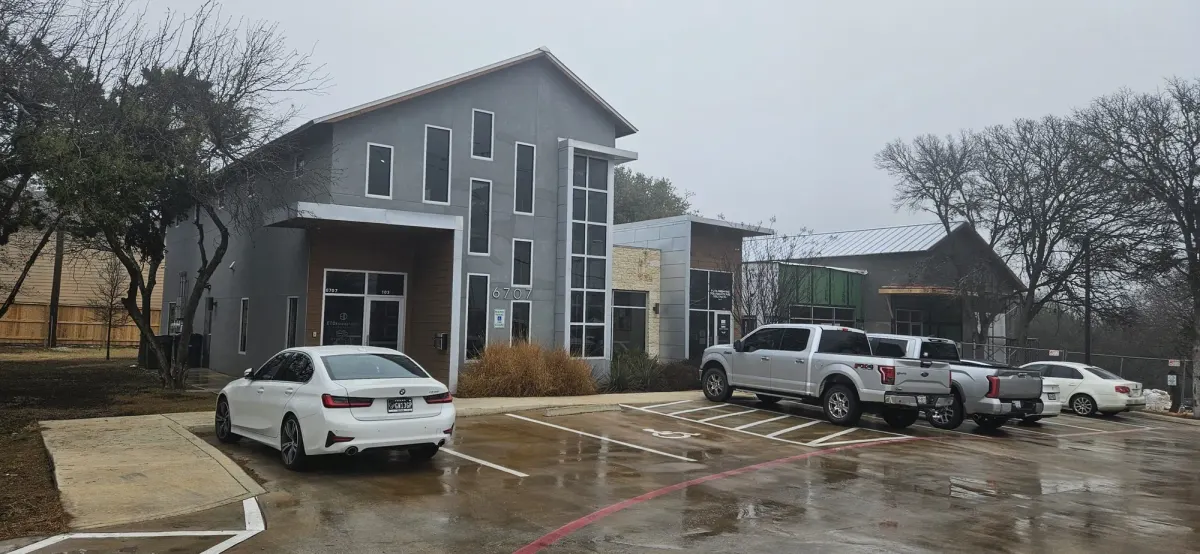 Outpatient
 San Antonio, TX
6707 W Hausman Rd · 78249
- Outpatient detox with scheduled medical visits
- Outpatient treatment
Outpatient Drug & Alcohol Detox in San Antonio
Our center is in-network with many insurances
Using BlueCross BlueShield to pay for detox
Using United Healthcare to pay for detox
Using Magellan to pay for detox
Using Beacon Health to pay for detox
Call (866) 710-7710 to verify your benefits.





Break Free From Your Addiction Today
(in 3 easy, confidential steps)
Verify your insurance
Complete our fast, free, and easy verification process over the phone to determine the extent of your insurance coverage.
Make an informed decision
We will provide personalized placement recommendations based on your insurance, treatment needs, financial situation, and schedule.
Contact us
Call (866) 710-7710 or fill out our online form for a free and confidential personal consultation with an admissions specialist.


Can Family Members Visit During Residential Treatment at Briarwood Detox Center?
Yes, family involvement is encouraged at Briarwood Detox Center. While there may be an initial stabilization period during the first few days of residential detox when visits are limited to allow patients to focus on withdrawal management and medical stabilization, most patients can receive family visits within the first week. Our clinical team works with each patient individually to determine the best timing for family engagement based on their medical condition and treatment progress.
Family support plays a vital role in successful recovery, and we integrate family participation through scheduled visitation, family therapy sessions, and educational programming. During your loved one's stay at our Austin, Texas residential detox facility, our staff will coordinate appropriate visitation schedules that support both the patient's medical needs and family connection. For specific visitation policies and to schedule a family visit, contact our admissions team at (866) 710-7710.
Understanding the Initial Treatment Phase
The first 24-72 hours of residential detox represent the most medically intensive period, when withdrawal symptoms peak and require close monitoring by our board-certified physicians and nursing staff. During this critical stabilization phase, we may temporarily limit visitation to ensure:
- Patient safety — uninterrupted medical monitoring and rapid response to withdrawal complications
- Clinical focus — allowing patients to rest, adjust to the treatment environment, and engage with medical protocols without distraction
- Medication effectiveness — establishing proper dosing of withdrawal management medications before introducing external stimuli
- Privacy and dignity — protecting patients during vulnerable moments of acute withdrawal
This brief initial period is not a punitive "blackout" but a medically sound practice that prioritizes patient health and safety. Once patients are medically stable—typically within 3-5 days for most substance types—regular visitation and family therapy can begin.
Family Involvement in the Recovery Process
At Briarwood Detox Center, we recognize that addiction affects entire families, not just the individual struggling with substance use. Our residential program in Austin incorporates family-centered elements including:
- Family therapy sessions — licensed therapists facilitate conversations that rebuild trust, address codependency, and establish healthy communication patterns
- Educational workshops — helping family members understand addiction as a medical condition, recognize enabling behaviors, and learn effective support strategies
- Discharge planning collaboration — involving family in creating sustainable aftercare plans and community support networks
- Flexible visitation scheduling — accommodating work schedules and travel needs for out-of-town families
For patients in our outpatient detox programs serving Austin, San Antonio, Houston, and Colorado Springs, family involvement is even more immediate, as patients return home daily while receiving medical supervision during scheduled treatment hours.
What to Expect When Visiting
When you visit a loved one at Briarwood Detox Center's residential facility, you can expect:
- A safe, clean, homelike environment designed to promote healing and comfort
- Professional, compassionate staff who can answer questions about treatment progress (with patient consent)
- Structured visit times that balance family connection with programmatic activities and rest periods
- The opportunity to participate in family therapy sessions or educational groups
- Clear communication about your loved one's anticipated discharge date and next steps in recovery
Every patient's detox experience is unique, depending on the substance(s) used, duration of use, co-occurring mental health conditions, and overall physical health. Our medical team provides individualized care and will communicate with designated family members about appropriate timing and nature of visits throughout the residential stay.
Frequently Asked Questions About Family Visitation
Is there a complete blackout period where no family contact is allowed?
No, there is no complete blackout. While in-person visits may be limited during the first 2-3 days of acute withdrawal management, patients can typically make brief phone calls to family members once they are medically stable enough to do so. Our clinical team evaluates each patient individually and facilitates family communication as soon as it is medically appropriate and therapeutically beneficial.
How long does residential detox at Briarwood typically last?
Residential detox length varies by individual need, substance type, and medical complexity, but typically ranges from 5 to 10 days. Alcohol and benzodiazepine detox may require longer stays due to the extended withdrawal timeline and medical risks, while opioid detox may stabilize more quickly with medication-assisted treatment protocols. Our medical team continuously assesses each patient and provides discharge recommendations when medical detox is complete and the patient is stable for the next level of care.
Can I bring items to my loved one during a visit?
For safety and medical reasons, all items brought to the facility must be approved by staff. Generally permitted items include comfortable clothing, toiletries in original packaging, books, and written letters. Items that are typically not allowed include electronics with cameras, outside food or beverages, aerosol products, and anything that could pose a safety risk. Our admissions team provides a detailed list of permitted and prohibited items during intake, and staff can answer questions about specific items you wish to bring during visitation.
What if my family member doesn't want visitors?
Patient autonomy and consent are fundamental to our care philosophy. If a patient chooses to decline visits, we respect that decision while exploring the reasons with our clinical team. Sometimes patients experience shame, guilt, or anxiety about facing family during early recovery. Our therapists work with patients to process these emotions and, when appropriate, facilitate family reconciliation at a pace that feels safe for the patient. Family therapy can sometimes begin even without in-person visits, through therapist-mediated communication or letters.
Does insurance cover family therapy sessions during residential detox?
Most insurance plans that cover residential detox treatment also cover family therapy as part of the treatment program. Briarwood Detox Center works with most major insurance providers and our admissions specialists conduct a free, confidential insurance verification to determine your specific coverage for detox services, including family therapy components. Coverage details vary by plan, but family involvement is recognized as an evidence-based component of addiction treatment. Call (866) 710-7710 to verify your benefits.
What happens after residential detox is complete?
Detox is the first step in recovery, not the final destination. Before discharge from our Austin residential facility, our clinical team works with patients and families to create a comprehensive aftercare plan that may include transitioning to our outpatient detox program, connecting with residential rehabilitation centers, establishing outpatient counseling, joining mutual-support groups, and arranging medication-assisted treatment (MAT) if appropriate. Family involvement in discharge planning significantly improves long-term recovery outcomes, and we encourage family members to participate in these critical planning sessions.
Need immediate help or have questions about family visitation? Contact Briarwood Detox Center's admissions team 24/7 at (866) 710-7710. Our compassionate staff can answer your specific questions, verify insurance coverage, and help you understand what to expect during your loved one's residential detox treatment in Austin, Texas.
For more information about our treatment approach and programs, explore these resources:
- Comprehensive Guide to Withdrawal Management at Briarwood Detox Center
- How to Support a Loved One in Drug and Alcohol Detox
- My Loved One Refuses to Go to Detox: How to Help Them Start Their Recovery Journey
- Preparing for Drug and Alcohol Detox in Austin, TX
- Post-Detox Care: Sustaining Long-Term Recovery
Ready to Start Your Recovery in Austin?
Briarwood Detox Center offers medically supervised detox in Austin. Explore our locations, see the facility, and verify your insurance in minutes.
See our locationsRelated guides


About the people behind this guide
Anna-Grace Washington
Medical Content Writer
Anna-Grace Washington is a Medical Content Writer for Briarwood Detox Center. She holds a master’s degree in clinical psychology from the University of Texas and brings a strong understanding of behavioral health, addiction recovery, and evidence-based treatment concepts to her writing.
Dr. Robert Ulrich, DO
Medical Director
Dr. Robert Ulrich serves as Medical Director at Briarwood Detox Center, bringing more than two decades of clinical neurology experience to the treatment of substance use disorders. He is board-certified in neurology by the American Board of Psychiatry and Neurology and completed his neurology residency at UT Southwestern Medical Center in Dallas, where he served as Chief Resident.
In network with most major insurance
Find your plan and see what detox would cost
Most plans cover medical detox. Coverage varies by plan, so we verify it for you before you commit to anything.



















Don't see your plan? We work with out-of-network benefits and offer self-pay options — (866) 710-7710
- Confidential
- Takes about 2 minutes
- No obligation to admit

- Accredited The Joint Commission
- Rated 4.5 · 95 Google reviews
- Admissions 24 hours a day