
Guide
Lyrica Withdrawal: Symptoms, How Long It Lasts, Seizure Risk, and Why You Taper
Joint Commission accredited · In network with most major insurance · Admissions answered 24 hours a day

Published September 2, 2026
Reviewed and updated September 20, 2026
Lyrica is prescribed for nerve pain, fibromyalgia and seizures, and people stop taking it for ordinary reasons: the pain improved, the side effects did not, the prescription ran out. What many are not told is that pregabalin, the drug in Lyrica, produces a withdrawal syndrome of its own, listed on the manufacturer’s label, and that the label’s instruction is to taper over at least a week rather than stop. This page covers what that withdrawal feels like, how long it lasts, who is genuinely at risk of seizures, and when it is a matter for a detox center rather than a prescriber’s taper.
What are the symptoms of Lyrica withdrawal?
Lyrica withdrawal symptoms are insomnia, nausea, headache, anxiety, nervousness, irritability, sweating and diarrhea, the list on the drug’s own label, with agitation, tremor and a racing heart in more severe cases.
The prescribing information for Lyrica states that following abrupt or rapid discontinuation, some patients reported insomnia, nausea, headache, anxiety and diarrhea. The clinical pharmacology reference StatPearls adds nervousness, irritability and heavy sweating to that list. The label’s postmarketing section is longer and includes the severe end: seizures, depression, suicidal thoughts and behavior, agitation, confusion, disorientation, psychotic symptoms, pain, sweating, tremor, dizziness and malaise. Clinicians describe the picture as resembling benzodiazepine withdrawal, which makes sense given that both drugs damp down nervous system excitability and removing either leaves the system briefly over-responsive.
Two things about the list matter. It appears in people taking regular prescribed doses, not only in people misusing the drug. And it is the drug’s own manufacturer saying so, which is why the taper instruction is on the label rather than a matter of clinical opinion.
Sources: LYRICA (pregabalin) prescribing information, DailyMed, National Library of Medicine. Pregabalin, StatPearls, National Library of Medicine.
How long does Lyrica withdrawal last?
Lyrica withdrawal begins within a day or two of the last dose, because pregabalin’s half-life is about six hours, and its length depends on dose, duration of use, and whether you tapered.
Pregabalin has a mean elimination half-life of about 6.3 hours in people with normal kidney function, so the drug is largely gone within a day and a half. Withdrawal starts at the point of absence, not during clearance, which is why “it is out of my system” and “the hard part is over” are not the same statement; the hard part often starts when it is out. Reduced kidney function slows clearance and shifts the whole timeline later, because pregabalin is eliminated by the kidneys almost entirely unchanged.
There is no established figure for how long the syndrome lasts, and this page will not invent one. What the literature does say is that duration tracks dose, duration of use and the speed of stopping, and that a gradual taper prevents most of it. The review dedicated to acute pregabalin withdrawal describes the evidence on managing it as severely limited, so anyone quoting a precise day count is guessing.
Source: Acute pregabalin withdrawal: a case report and review of the literature, Southwest Journal of Pulmonary, Critical Care and Sleep.
Can Lyrica withdrawal cause seizures?
Stopping Lyrica abruptly can increase seizure frequency in people who already have a seizure disorder, the label’s specific warning; seizures also appear in postmarketing withdrawal reports, so everyone tapers.
The distinction is worth stating in both halves. If you take pregabalin for epilepsy or another seizure disorder, the label says directly that rapid discontinuation may increase seizure frequency, and that is the reason the taper instruction exists. If you take it for nerve pain, fibromyalgia or anxiety and have never had a seizure, the documented withdrawal syndrome is the list above; seizures are reported in the postmarketing data but the risk in people without a seizure disorder is not established.
Most of the “pregabalin causes seizures” material online comes from a different phenomenon: seizures caused by taking pregabalin, particularly in overdose. A systematic review of seizures as an adverse effect of pregabalin consumption found nine documented cases, three at therapeutic doses, two in recreational use, and four in intentional overdoses of 1,200 to 4,500 mg. That review concerns consumption, not withdrawal. If you are searching because you are stopping, the overdose literature is not your literature.
Source: Seizures as an Adverse Effect of Pregabalin Consumption: A Systematic Review, National Library of Medicine.
Where we are
Detox centers across Texas
Three locations, each with its own admissions line and its own clinical team. Pick the one nearest you — or call and we will tell you which has a bed tonight.
-
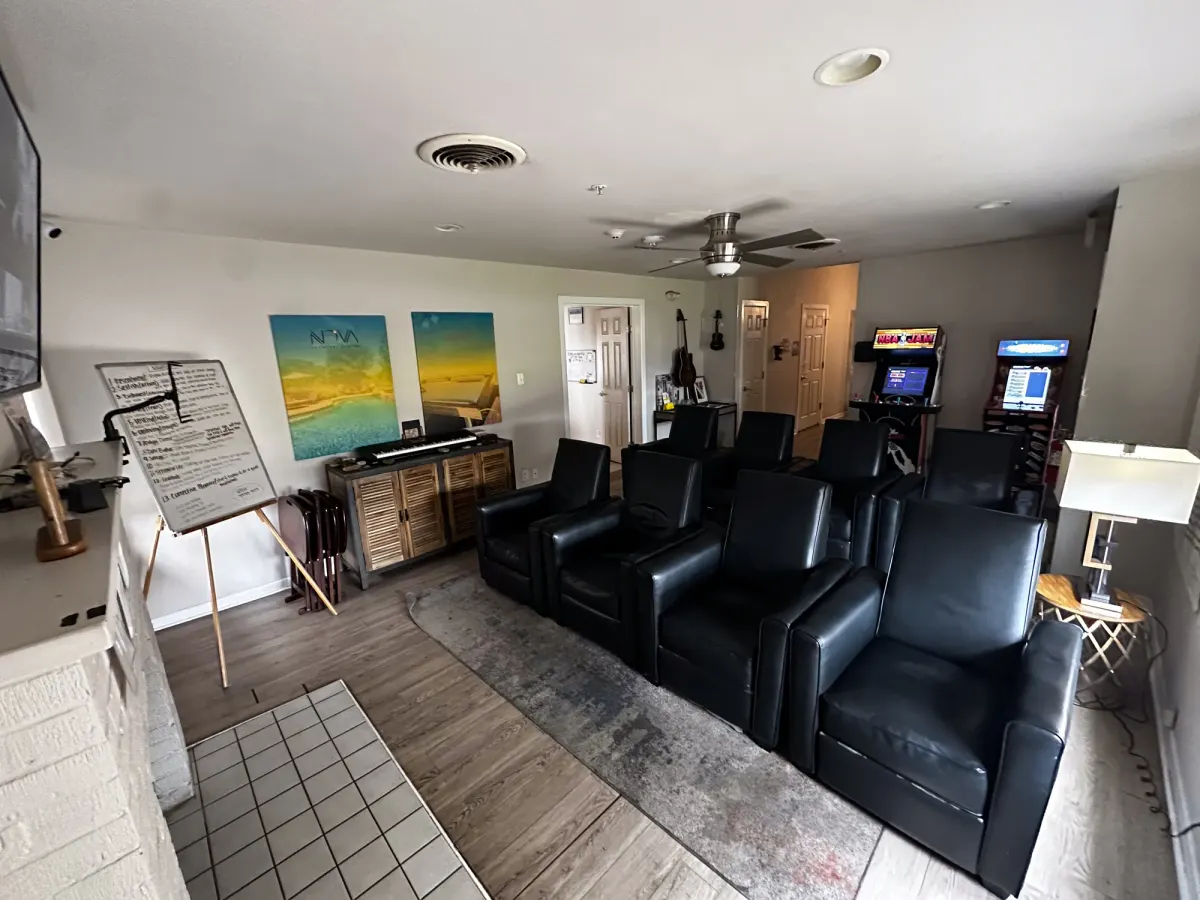 Inpatient
 Austin, TX
11711 N Lamar Blvd · 78753
- 15 beds
- On-site labs
- 24-hour medical staff
Drug & Alcohol Detox in Austin, TX
-
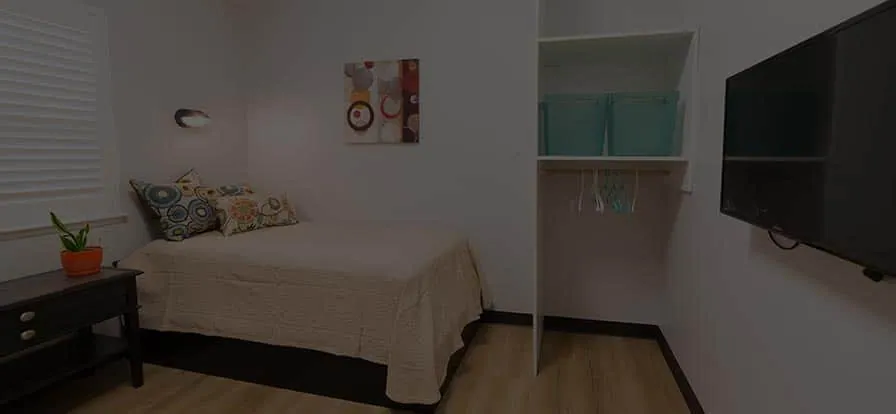 Inpatient
 Houston, TX
1019 Ashland St · 77008
- On-site labs
- 24-hour medical staff
Drug Detox Center in Houston, TX
-
 Outpatient
 San Antonio, TX
6707 W Hausman Rd · 78249
- Outpatient detox with scheduled medical visits
- Outpatient treatment
Outpatient Drug & Alcohol Detox in San Antonio
Do you have to taper Lyrica?
Yes, taper Lyrica over at least one week rather than stopping abruptly: that is the manufacturer’s instruction, MedlinePlus repeats it, and for people with a seizure disorder it is not optional.
The label’s wording is to taper gradually over a minimum of one week rather than discontinuing the drug abruptly. MedlinePlus, the National Library of Medicine’s patient information, says the same in plainer terms: do not stop suddenly, because you may experience trouble sleeping, nausea, diarrhea, headaches or seizures, and your doctor will probably decrease your dose gradually over at least a week. One week is the minimum, not the schedule. What a taper should look like for you depends on your dose, how long you have taken it and your kidney function, which is a prescriber’s calculation. If the reason you are reading this is that you have already stopped, that conversation is still worth having; a prescriber can restart a low dose and taper properly.
Source: Pregabalin, MedlinePlus, National Library of Medicine.
Is Lyrica addictive?
Lyrica is a Schedule V controlled substance with documented misuse, especially alongside opioids, but most people prescribed it develop physical dependence and a discontinuation syndrome rather than addiction.
The label is candid about the abuse potential. In a study of recreational users of sedative drugs, a single 450 mg dose of Lyrica received ratings of “good drug effect,” “high” and “liking” similar to 30 mg of diazepam, and in controlled trials 4% of patients on Lyrica reported euphoria against 1% on placebo. StatPearls notes that chronic use can result in physical dependence and that the abuse risk is highest in people taking opioids or with a history of substance use. None of that means the average patient on 150 mg for nerve pain is addicted. Dependence, meaning the body has adapted and will react to a sudden stop, is expected with this drug. Addiction, meaning compulsive use despite harm, is a different thing, and it is the combination with alcohol, opioids or benzodiazepines where pregabalin misuse mostly shows up.
When does Lyrica withdrawal need medical detox?
Lyrica withdrawal needs medical detox when there is a seizure disorder, when doses are far above what was prescribed, or when alcohol, opioids or benzodiazepines are being stopped at the same time.
For a prescribed dose tapered under a prescriber’s guidance, medical detox is not usually needed, and saying otherwise would be selling something. The situations that change the answer are specific. A seizure disorder, where abrupt discontinuation carries the label’s documented risk. Doses well above what was prescribed, or pregabalin that was never prescribed to you, where the taper is longer and the withdrawal larger than a prescriber’s office is set up for. A previous attempt to stop that ended in restarting because the symptoms were worse than expected. And the common case: pregabalin taken alongside heavy drinking, opioids or benzodiazepines, where the combined withdrawal is a different and more dangerous problem than pregabalin alone. Briarwood’s prescription drug detox page describes how these cases are assessed.
What if you take Lyrica with alcohol or opioids?
If you take Lyrica with alcohol or opioids, the alcohol or opioid sets the medical risk, both in combined sedation and in withdrawal, and pregabalin is tapered alongside them in a supervised detox.
While you are still taking them, the danger is additive sedation: the label warns that respiratory depression may occur when Lyrica is used with other central nervous system depressants, and alcohol and opioids are both in that class. When you stop, the order of risk is clear. Heavy daily drinking can produce withdrawal seizures within 8 to 48 hours of the last drink and delirium tremens over the following days, which is a dangerous withdrawal in a way pregabalin’s is not; the alcohol withdrawal seizures page covers that timeline. Opioid withdrawal is rarely dangerous but is severe enough to need medication. In a supervised detox the dangerous half is treated first, and the pregabalin is tapered at the same time rather than left for later, which avoids a second withdrawal a week after the first.
What does Briarwood do for Lyrica withdrawal?
Briarwood manages Lyrica withdrawal as part of a supervised detox when it comes with alcohol or another drug, tapering pregabalin over the stay; a prescribed taper alone is your prescriber’s job.
Most people who arrive at Briarwood taking pregabalin are there for something else, and the pregabalin is one line on a medication list that admissions asks for on the first call. It matters that it is on that list, because a nurse who knows about it can plan the taper into the stay and watch for the symptoms above, rather than have them appear on day three and be mistaken for something else. Anyone taking pregabalin at high doses without a prescription, or who has failed a taper before, can also be assessed for detox on its own merits. The step after detox page describes what follows, and for the separate question of how long the drug shows in the body, the Lyrica versus gabapentin page has the detection figures.
Common Questions
What are the symptoms of Lyrica withdrawal?+–
Insomnia, nausea, headache, anxiety, nervousness, irritability, sweating and diarrhea, per the label and StatPearls. Severe reports include agitation, tremor, confusion, seizures and suicidal thoughts.
How long does Lyrica withdrawal last?+–
It begins within a day or two of the last dose, because the half-life is about six hours. There is no established duration; it depends on dose, length of use and whether the drug was tapered.
Can you have a seizure from stopping Lyrica if you do not have epilepsy?+–
It is not established. The label's seizure warning concerns people with an existing seizure disorder. Seizures appear in postmarketing withdrawal reports, which is one reason the taper instruction applies to everyone.
How do you taper off Lyrica?+–
Gradually, over a minimum of one week, on a schedule your prescriber sets from your dose, duration of use and kidney function. Do not stop abruptly.
Is Lyrica withdrawal dangerous?+–
For most people it is uncomfortable rather than dangerous. It becomes a medical matter with a seizure disorder, very high doses, or when alcohol, opioids or benzodiazepines are being stopped at the same time.
Related guides


About the people behind this guide
Anna-Grace Washington
Medical Content Writer
Anna-Grace Washington is a Medical Content Writer for Briarwood Detox Center. She holds a master’s degree in clinical psychology from the University of Texas and brings a strong understanding of behavioral health, addiction recovery, and evidence-based treatment concepts to her writing.
In network with most major insurance
Find your plan and see what detox would cost
Most plans cover medical detox. Coverage varies by plan, so we verify it for you before you commit to anything.



















Don't see your plan? We work with out-of-network benefits and offer self-pay options — (866) 710-7710
- Confidential
- Takes about 2 minutes
- No obligation to admit

- Accredited The Joint Commission
- Rated 4.7 · 183 Google reviews Flourishing Foundations Recovery, now part of Briarwood
- Admissions 24 hours a day