
Guide
Is a Medically Induced Coma Safe for Drinking Detox? Understanding the Risks and Alternatives | Briarwood Detox Center in Austin
Joint Commission accredited · In network with most major insurance · Admissions answered 24 hours a day


Published January 13, 2025
Reviewed and updated July 29, 2026
Table of contents
- Is a Medically Induced Coma Safe for Drinking Detox?
- Understanding the Risks of Medically Induced Comas
- Evidence-Based Alternatives for Drinking Detox
- Why Choose Briarwood Detox Center in Austin, TX?
- Take the First Step Towards Recovery
- Drug Detox With Briarwood
- Break Free From Your Addiction Today
Drinking detox is a necessary step for anyone ready to overcome alcohol addiction. Many people ask if a medically induced coma is a safe option for detox. While it may sound appealing as a shortcut, this method carries serious risks. Instead of taking unnecessary chances, you can choose safer, proven alternatives. At Briarwood Detox Center in Austin, Texas, we provide the care and support needed to help you recover effectively.
If you or someone you love needs more than detox, Briarwood Detox Center also provides rehab in austin texas.
Briarwood Detox Center’s alcohol detox program program provides medically supervised, evidence-based care.
Is a Medically Induced Coma Safe for Drinking Detox?
Some people may think a medically induced coma offers a quick and painless way to detox from alcohol. However, this approach comes with significant risks that often outweigh the potential benefits. It is rarely used because safer, evidence-based options are available.
Does your insurance cover detox in Austin?
Find out in about 2 minutes — free, confidential, no obligation.
Verify InsuranceUnderstanding the Risks of Medically Induced Comas
High Risk of Medical Complications
When someone is placed in a medically induced coma, their body is exposed to additional stress. During alcohol withdrawal, this stress can lead to serious problems such as breathing issues, heart failure, or infections.
Lack of Evidence-Based Support
Medically induced comas for drinking detox lack sufficient evidence to support their use. In contrast, many other treatments have been tested and proven to work.
Limited Accessibility
This treatment requires specialized care and equipment, which makes it both expensive and difficult to find. Most people cannot access this option even if they wanted to.
Evidence-Based Alternatives for Drinking Detox
At Briarwood Detox Center, we focus on methods that are proven to work. Our approach ensures you get the care you need without unnecessary risks.
- Preparation for Long-Term Recovery Detox is only the first step in your recovery journey. We help you transition into ongoing care, such as inpatient or outpatient programs, so you can build a stable and sober future.
- Around-the-Clock Medical Care We provide 24/7 monitoring to ensure that withdrawal symptoms are managed quickly and effectively. This helps you feel as comfortable as possible while staying safe.
- Medications to Ease Symptoms When appropriate, our team uses medications to reduce discomfort and prevent complications. These medications are chosen specifically for your needs.
- Emotional Support Detox is challenging both physically and emotionally. Our counselors are here to guide you through the process, offering encouragement and understanding when you need it most.
Why Choose Briarwood Detox Center in Austin, TX?
Briarwood Detox Center is dedicated to helping people in Austin and the surrounding areas achieve lasting recovery. Our caring and professional team creates a safe space where you can begin the process of rebuilding your life.
Comprehensive Care
From your first step into detox to ongoing recovery, we provide full support at every stage.
Experienced Professionals
Our skilled medical professionals specialize in managing alcohol withdrawal safely and effectively.
Ready to talk to someone now? Briarwood Detox Center's admissions team is here 24/7, and every call is confidential. Call (866) 710-7710.Insurance Assistance
We work with most insurance providers to make quality care accessible and affordable.
Take the First Step Towards Recovery
If you or a loved one is struggling with alcohol addiction, drinking detox is the first step toward a healthier, sober future. While a medically induced coma may seem appealing, safer, proven methods are more effective. At Briarwood Detox Center, we provide the tools and support you need to start your recovery journey.
Call us today to check availability and take your first step toward lasting recovery.
Drug Detox With Briarwood
Briarwood Detox Center offers detoxification treatment for alcohol, opioid, methamphetamine, prescription drugs, and many other addictions we treat. Our experienced clinical staff provides round-the-clock monitoring throughout the drug detoxification process and our therapy team provides support to help manage the emotional response to treatment. Additionally, we have detox facilities located in Austin, Houston, and Colorado Springs with state-of-the-art amenities.
Briarwood is dedicated to facilitating a healthy and safe environment that empowers people to make significant and lasting changes in their lives. We look forward to supporting you or your loved one on the journey to recovery. Call (866) 710-7710 today for more information on our programs and admission process.
Ready to Start Your Recovery in Austin?
Briarwood Detox Center offers medically supervised detox in Austin. Explore our locations, see the facility, and verify your insurance in minutes.
See our locationsFrequently Asked Questions About Medical Management in Alcohol Detox
Is a medically induced coma ever used for alcohol withdrawal?
Medically induced coma is extremely rare in alcohol detox and reserved only for life-threatening complications like refractory status epilepticus or severe delirium tremens that cannot be controlled through standard protocols. At Briarwood Detox Center in Austin, we use evidence-based medical detox protocols that prevent the progression to such dangerous states, making induced coma unnecessary in the vast majority of cases. Our 24/7 medical supervision and medication-assisted protocols safely manage withdrawal symptoms before they escalate.
What are the safest alternatives to medically induced coma for severe alcohol withdrawal?
The safest approach is preventive medical detox using benzodiazepine protocols tailored to individual needs. At Briarwood Detox Center, we employ CIWA (Clinical Institute Withdrawal Assessment) protocols to monitor symptoms and adjust medications in real time. This proactive approach—combined with 24/7 nursing care, physician oversight, nutritional support, and vital sign monitoring—safely manages even severe alcohol dependence without the risks associated with induced coma. Our inpatient medical detox in Austin provides the intensive monitoring needed for high-risk cases.
What risks are associated with medically induced coma during detox?
Medically induced coma carries serious risks including respiratory complications requiring ventilation, pneumonia, blood clots, pressure ulcers, cardiovascular instability, and potential brain injury from prolonged sedation. Additionally, patients in induced coma cannot participate in early recovery interventions or communicate symptoms. These risks make induced coma a last-resort measure for only the most extreme medical emergencies—not a standard detox protocol. Briarwood's evidence-based protocols prevent the need for such extreme interventions through early, expert medical management.
How does Briarwood Detox Center manage severe alcohol withdrawal safely?
Briarwood Detox Center uses a multi-layered approach: comprehensive medical assessment to identify risk factors, individualized benzodiazepine tapering protocols, 24/7 medical and nursing staff, continuous vital sign and symptom monitoring, nutritional therapy and hydration management, and immediate intervention if complications arise. Our Austin inpatient facility is equipped for intensive medical management, while our outpatient programs in Austin, Houston, San Antonio, and Colorado Springs serve those with lower-risk withdrawal profiles. Call (866) 710-7710 for a confidential assessment to determine the appropriate level of care.
When is inpatient medical detox necessary for alcohol withdrawal?
Inpatient medical detox is recommended for anyone with: a history of severe withdrawal, seizures, or delirium tremens; very heavy or prolonged alcohol use; co-occurring medical or psychiatric conditions; previous failed detox attempts; lack of a safe home environment; or use of other substances alongside alcohol. These factors increase the risk of dangerous complications that require 24/7 medical supervision. Briarwood's medical team conducts thorough assessments to determine if inpatient care in Austin or outpatient services in our other locations is the safest choice for each individual.
Why Evidence-Based Alcohol Detox Protocols Are the Safer Choice
In 2025, the standard of care for alcohol withdrawal emphasizes prevention of complications through early intervention, not crisis management through extreme measures like medically induced coma. Research consistently shows that medication-assisted detox protocols using benzodiazepines (such as lorazepam, diazepam, or chlordiazepoxide) effectively prevent progression to severe withdrawal states when properly dosed and monitored.
At Briarwood Detox Center in Austin, our protocols are built on the latest clinical evidence and national guidelines from organizations including the American Society of Addiction Medicine (ASAM). Our medical team—board-certified physicians and experienced addiction specialists—customize treatment plans based on each patient's drinking history, medical conditions, and withdrawal risk factors.
Key Components of Safe Medical Alcohol Detox
- Initial Assessment: Comprehensive evaluation including medical history, CIWA scoring, lab work, and risk stratification
- Symptom-Triggered Medication: Benzodiazepines dosed based on real-time symptom severity rather than fixed schedules, preventing both under- and over-medication
- Continuous Monitoring: Vital signs, neurological status, and withdrawal symptoms checked every few hours by nursing staff
- Nutritional Support: Thiamine, folate, and multivitamins to address deficiencies common in alcohol use disorder and prevent Wernicke-Korsakoff syndrome
- Comfort Measures: Hydration, rest, quiet environment, and adjunct medications for specific symptoms like nausea or insomnia
- Early Intervention: Immediate escalation of care if symptoms worsen, preventing progression to life-threatening complications
This comprehensive approach means that even patients with severe alcohol dependence can detox safely and comfortably without the extreme risks of induced coma. The goal is always to use the least invasive, most effective intervention—and decades of clinical experience show that properly managed medical detox achieves this goal.
Where we are
Detox centers across Texas
Three locations, each with its own admissions line and its own clinical team. Pick the one nearest you — or call and we will tell you which has a bed tonight.
-
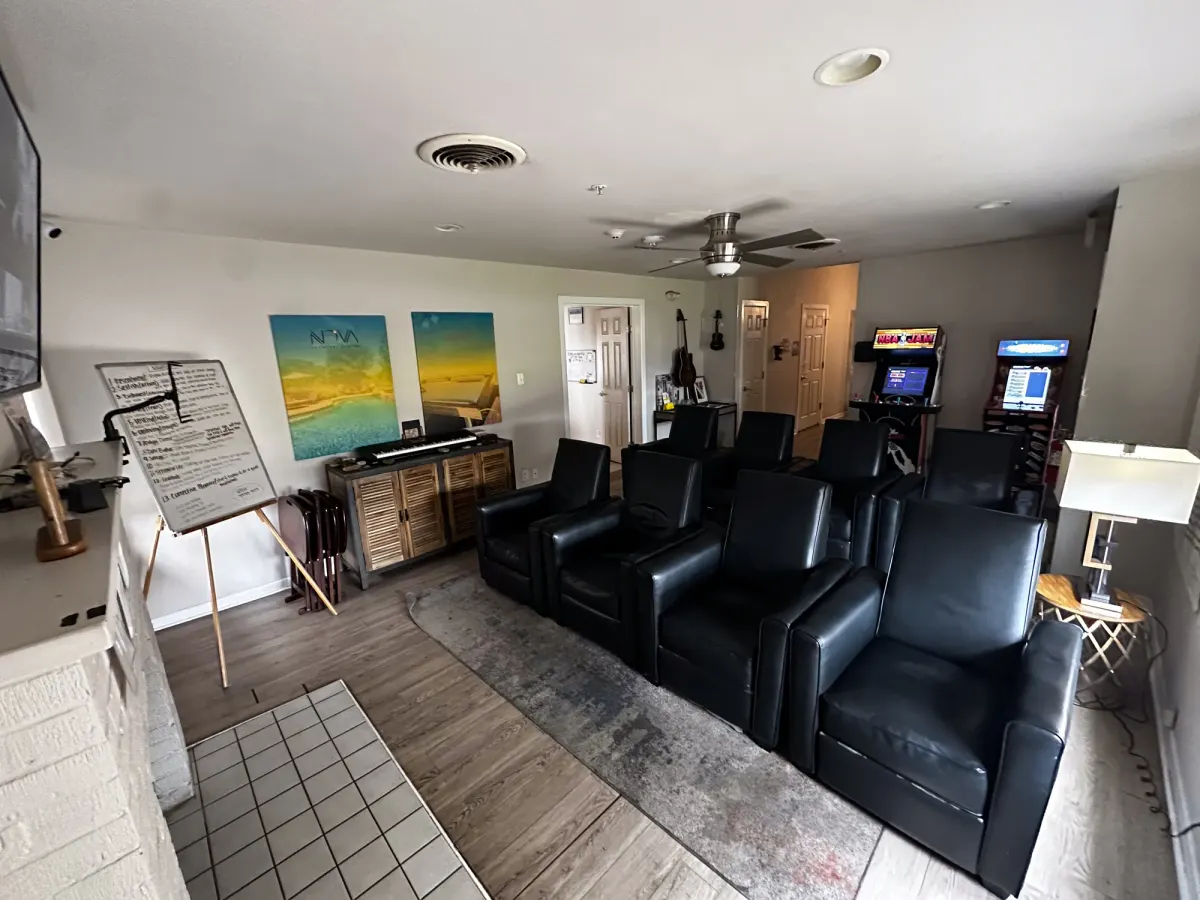 Inpatient
 Austin, TX
11711 N Lamar Blvd · 78753
- 15 beds
- On-site labs
- 24-hour medical staff
Drug & Alcohol Detox in Austin, TX
-
 Inpatient
 Houston, TX
1019 Ashland St · 77008
- On-site labs
- 24-hour medical staff
Drug Detox Center in Houston, TX
-
 Outpatient
 San Antonio, TX
6707 W Hausman Rd · 78249
- Outpatient detox with scheduled medical visits
- Outpatient treatment
Outpatient Drug & Alcohol Detox in San Antonio
Understanding When Alcohol Detox Becomes a Medical Emergency
While medically induced coma is rarely needed, it's important to understand when alcohol withdrawal becomes a true medical emergency. Delirium tremens (DTs)—the most severe form of alcohol withdrawal—occurs in approximately 3-5% of people withdrawing from alcohol and typically appears 48-96 hours after the last drink. Warning signs include:
- Profound confusion and disorientation
- Visual, auditory, or tactile hallucinations
- Severe agitation and restlessness
- High fever (above 101°F)
- Rapid heart rate and elevated blood pressure
- Heavy sweating and tremors
- Seizures
Even DTs can usually be managed with high-dose benzodiazepines, supportive care, and ICU-level monitoring—without induced coma. Briarwood Detox Center's Austin facility maintains protocols and relationships with hospital partners to immediately escalate care if a patient shows signs of DTs or other complications requiring intensive medical intervention.
The key takeaway: you should never attempt to detox from alcohol at home if you have been drinking heavily or daily for an extended period. The risks are simply too great. Professional medical detox at a facility like Briarwood provides the safety net that prevents withdrawal from becoming life-threatening.
Briarwood's Continuum of Care for Alcohol Use Disorder
Detox is the critical first step, but lasting recovery requires comprehensive treatment. After safely completing medical detox, Briarwood Detox Center connects patients with:
- Outpatient Rehab Programs: Available in Austin, Houston, San Antonio, and Colorado Springs, offering therapy, counseling, and medication-assisted treatment while you maintain daily responsibilities
- Individual and Group Therapy: Evidence-based approaches including cognitive-behavioral therapy (CBT), motivational interviewing, and trauma-informed care
- Medication-Assisted Treatment: FDA-approved medications like naltrexone or acamprosate to reduce cravings and support long-term sobriety
- Aftercare Planning: Coordination with community resources, support groups, and ongoing care providers
Recovery from alcohol use disorder is not just about getting through withdrawal—it's about building a life where alcohol no longer has power over you. Our team at Briarwood supports you through every stage of that journey, starting with the safest, most comfortable detox possible.
Take the First Step Toward Safe Alcohol Detox Today
If you or someone you love is struggling with alcohol dependence, waiting only increases the risks. Professional medical detox provides the safety, comfort, and expert care needed to begin recovery on the right foundation—without the dangers of unmanaged withdrawal or extreme interventions like induced coma.
Briarwood Detox Center in Austin, Texas offers 24/7 admissions and immediate placement for those who need inpatient medical detox. Our compassionate team is standing by to answer your questions, verify insurance coverage, and get you started on the path to recovery.
Call (866) 710-7710 now for a free, confidential assessment. You don't have to face this alone, and you don't have to wait. Safe, professional alcohol detox is available today.
Related Resources on Alcohol Detox and Recovery
- The Dangers of Alcohol Withdrawal and How Detox Can Help
- What Is Medical Detox for Alcohol Withdrawal?
- Recognizing the Warning Signs of Alcohol Poisoning and Alcohol Withdrawal
- Is Medical Detox the Best Solution for Alcohol Withdrawal?
- Navigating Alcohol Withdrawal and Treatment for Alcohol Use Disorder
- Why Supervised Medical Detox Is Essential for Alcohol and Drug Withdrawal
Frequently Asked Questions About Medical Management in Alcohol Detox
Is a medically induced coma ever used for alcohol withdrawal?
Medically induced coma is extremely rare in alcohol detox and reserved only for life-threatening complications like refractory status epilepticus or severe delirium tremens that cannot be controlled through standard protocols. At Briarwood Detox Center in Austin, we use evidence-based medical detox protocols that prevent the progression to such dangerous states, making induced coma unnecessary in the vast majority of cases. Our 24/7 medical supervision and medication-assisted protocols safely manage withdrawal symptoms before they escalate.
What are the safest alternatives to medically induced coma for severe alcohol withdrawal?
The safest approach is preventive medical detox using benzodiazepine protocols tailored to individual needs. At Briarwood Detox Center, we employ CIWA (Clinical Institute Withdrawal Assessment) protocols to monitor symptoms and adjust medications in real time. This proactive approach—combined with 24/7 nursing care, physician oversight, nutritional support, and vital sign monitoring—safely manages even severe alcohol dependence without the risks associated with induced coma. Our inpatient medical detox in Austin provides the intensive monitoring needed for high-risk cases.
What risks are associated with medically induced coma during detox?
Medically induced coma carries serious risks including respiratory complications requiring ventilation, pneumonia, blood clots, pressure ulcers, cardiovascular instability, and potential brain injury from prolonged sedation. Additionally, patients in induced coma cannot participate in early recovery interventions or communicate symptoms. These risks make induced coma a last-resort measure for only the most extreme medical emergencies—not a standard detox protocol. Briarwood's evidence-based protocols prevent the need for such extreme interventions through early, expert medical management.
How does Briarwood Detox Center manage severe alcohol withdrawal safely?
Briarwood Detox Center uses a multi-layered approach: comprehensive medical assessment to identify risk factors, individualized benzodiazepine tapering protocols, 24/7 medical and nursing staff, continuous vital sign and symptom monitoring, nutritional therapy and hydration management, and immediate intervention if complications arise. Our Austin inpatient facility is equipped for intensive medical management, while our outpatient programs in Austin, Houston, San Antonio, and Colorado Springs serve those with lower-risk withdrawal profiles. Call (866) 710-7710 for a confidential assessment to determine the appropriate level of care.
When is inpatient medical detox necessary for alcohol withdrawal?
Inpatient medical detox is recommended for anyone with: a history of severe withdrawal, seizures, or delirium tremens; very heavy or prolonged alcohol use; co-occurring medical or psychiatric conditions; previous failed detox attempts; lack of a safe home environment; or use of other substances alongside alcohol. These factors increase the risk of dangerous complications that require 24/7 medical supervision. Briarwood's medical team conducts thorough assessments to determine if inpatient care in Austin or outpatient services in our other locations is the safest choice for each individual.
Why Evidence-Based Alcohol Detox Protocols Are the Safer Choice
In 2025, the standard of care for alcohol withdrawal emphasizes prevention of complications through early intervention, not crisis management through extreme measures like medically induced coma. Research consistently shows that medication-assisted detox protocols using benzodiazepines (such as lorazepam, diazepam, or chlordiazepoxide) effectively prevent progression to severe withdrawal states when properly dosed and monitored.
At Briarwood Detox Center in Austin, our protocols are built on the latest clinical evidence and national guidelines from organizations including the American Society of Addiction Medicine (ASAM). Our medical team—board-certified physicians and experienced addiction specialists—customize treatment plans based on each patient's drinking history, medical conditions, and withdrawal risk factors.
Key Components of Safe Medical Alcohol Detox
- Initial Assessment: Comprehensive evaluation including medical history, CIWA scoring, lab work, and risk stratification
- Symptom-Triggered Medication: Benzodiazepines dosed based on real-time symptom severity rather than fixed schedules, preventing both under- and over-medication
- Continuous Monitoring: Vital signs, neurological status, and withdrawal symptoms checked every few hours by nursing staff
- Nutritional Support: Thiamine, folate, and multivitamins to address deficiencies common in alcohol use disorder and prevent Wernicke-Korsakoff syndrome
- Comfort Measures: Hydration, rest, quiet environment, and adjunct medications for specific symptoms like nausea or insomnia
- Early Intervention: Immediate escalation of care if symptoms worsen, preventing progression to life-threatening complications
This comprehensive approach means that even patients with severe alcohol dependence can detox safely and comfortably without the extreme risks of induced coma. The goal is always to use the least invasive, most effective intervention—and decades of clinical experience show that properly managed medical detox achieves this goal.
Understanding When Alcohol Detox Becomes a Medical Emergency
While medically induced coma is rarely needed, it's important to understand when alcohol withdrawal becomes a true medical emergency. Delirium tremens (DTs)—the most severe form of alcohol withdrawal—occurs in approximately 3-5% of people withdrawing from alcohol and typically appears 48-96 hours after the last drink. Warning signs include:
- Profound confusion and disorientation
- Visual, auditory, or tactile hallucinations
- Severe agitation and restlessness
- High fever (above 101°F)
- Rapid heart rate and elevated blood pressure
- Heavy sweating and tremors
- Seizures
Even DTs can usually be managed with high-dose benzodiazepines, supportive care, and ICU-level monitoring—without induced coma. Briarwood Detox Center's Austin facility maintains protocols and relationships with hospital partners to immediately escalate care if a patient shows signs of DTs or other complications requiring intensive medical intervention.
The key takeaway: you should never attempt to detox from alcohol at home if you have been drinking heavily or daily for an extended period. The risks are simply too great. Professional medical detox at a facility like Briarwood provides the safety net that prevents withdrawal from becoming life-threatening.
Briarwood's Continuum of Care for Alcohol Use Disorder
Detox is the critical first step, but lasting recovery requires comprehensive treatment. After safely completing medical detox, Briarwood Detox Center connects patients with:
- Outpatient Rehab Programs: Available in Austin, Houston, San Antonio, and Colorado Springs, offering therapy, counseling, and medication-assisted treatment while you maintain daily responsibilities
- Individual and Group Therapy: Evidence-based approaches including cognitive-behavioral therapy (CBT), motivational interviewing, and trauma-informed care
- Medication-Assisted Treatment: FDA-approved medications like naltrexone or acamprosate to reduce cravings and support long-term sobriety
- Aftercare Planning: Coordination with community resources, support groups, and ongoing care providers
Recovery from alcohol use disorder is not just about getting through withdrawal—it's about building a life where alcohol no longer has power over you. Our team at Briarwood supports you through every stage of that journey, starting with the safest, most comfortable detox possible.
Take the First Step Toward Safe Alcohol Detox Today
If you or someone you love is struggling with alcohol dependence, waiting only increases the risks. Professional medical detox provides the safety, comfort, and expert care needed to begin recovery on the right foundation—without the dangers of unmanaged withdrawal or extreme interventions like induced coma.
Briarwood Detox Center in Austin, Texas offers 24/7 admissions and immediate placement for those who need inpatient medical detox. Our compassionate team is standing by to answer your questions, verify insurance coverage, and get you started on the path to recovery.
Call (866) 710-7710 now for a free, confidential assessment. You don't have to face this alone, and you don't have to wait. Safe, professional alcohol detox is available today.
Related Resources on Alcohol Detox and Recovery
- The Dangers of Alcohol Withdrawal and How Detox Can Help
- What Is Medical Detox for Alcohol Withdrawal?
- Recognizing the Warning Signs of Alcohol Poisoning and Alcohol Withdrawal
- Is Medical Detox the Best Solution for Alcohol Withdrawal?
- Navigating Alcohol Withdrawal and Treatment for Alcohol Use Disorder
- Why Supervised Medical Detox Is Essential for Alcohol and Drug Withdrawal
Related guides


About the people behind this guide
Anna-Grace Washington
Medical Content Writer
Anna-Grace Washington is a Medical Content Writer for Briarwood Detox Center. She holds a master’s degree in clinical psychology from the University of Texas and brings a strong understanding of behavioral health, addiction recovery, and evidence-based treatment concepts to her writing.
Dr. Robert Ulrich, DO
Medical Director
Dr. Robert Ulrich serves as Medical Director at Briarwood Detox Center, bringing more than two decades of clinical neurology experience to the treatment of substance use disorders. He is board-certified in neurology by the American Board of Psychiatry and Neurology and completed his neurology residency at UT Southwestern Medical Center in Dallas, where he served as Chief Resident.
In network with most major insurance
Find your plan and see what detox would cost
Most plans cover medical detox. Coverage varies by plan, so we verify it for you before you commit to anything.














Don't see your plan? We work with out-of-network benefits and offer self-pay options — (866) 710-7710
- Confidential
- Takes about 2 minutes
- No obligation to admit
- Accredited The Joint Commission
- Rated 4.5 · 95 Google reviews
- Admissions 24 hours a day