
Guide
Austin Inpatient Drug Rehab: What to Expect
Joint Commission accredited · In network with most major insurance · Admissions answered 24 hours a day


Published November 11, 2025
Reviewed and updated July 29, 2026
Key Takeaways · 10 points
- Inpatient treatment provides 24/7, structured care that combines medical support with daily therapy in a safe setting.
- Medical detox manages withdrawal and stabilizes patients before deeper therapy begins when symptoms are severe or risky.
- Evidence‑based therapies—often paired with medications for certain substance use disorders—improve treatment outcomes.
- Inpatient care is most appropriate when safety is a concern, withdrawal risks are high, or co‑occurring mental health needs are present.
- Texas licenses chemical dependency treatment facilities and sets standards for residential and withdrawal management services.
- Admission begins with a clinical assessment, and many people step down to PHP or IOP after inpatient care to continue progress.
- Continuity of care—medications when prescribed, therapy, and peer support—reduces relapse risk after discharge.
- When choosing a program, verify state licensure and ask how evidence‑based care is delivered and supervised.
- Use FindTreatment.gov filters to locate Austin‑area residential and detox programs that match your clinical and payment needs.
- For urgent safety needs, contact the 988 Suicide & Crisis Lifeline or call 911 in a medical emergency.
Break Free from Addiction. Detox Safely in Austin Today.
Medically Supervised Detox – Compassionate Care Starts Here.
Inpatient or residential treatment provides 24/7 care in a structured setting and can be an effective part of treating substance use disorders. Evidence shows that addiction is treatable and that a combination of behavioral therapies, medications when indicated, and ongoing recovery support improves outcomes.
What Inpatient Treatment Involves
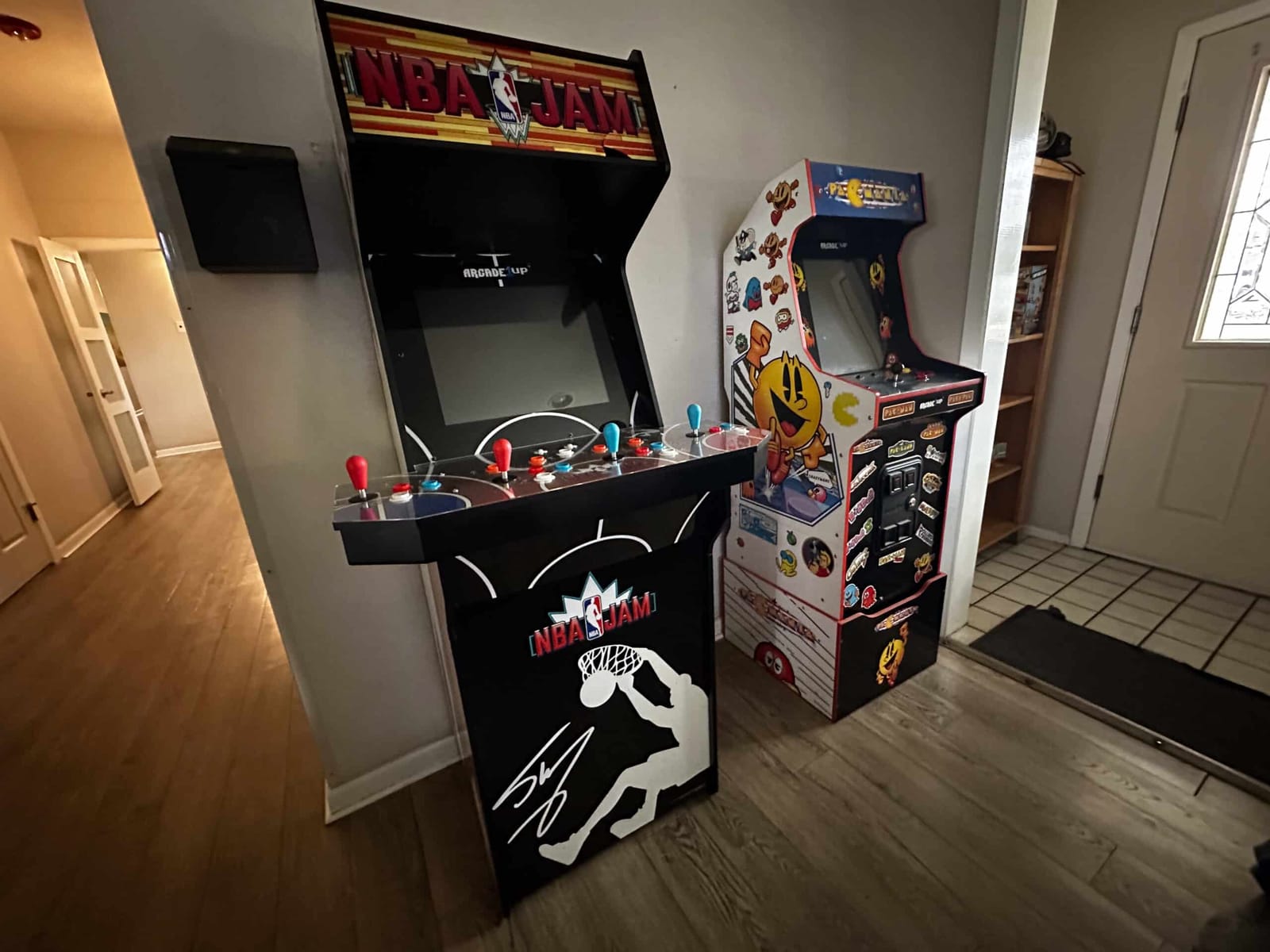
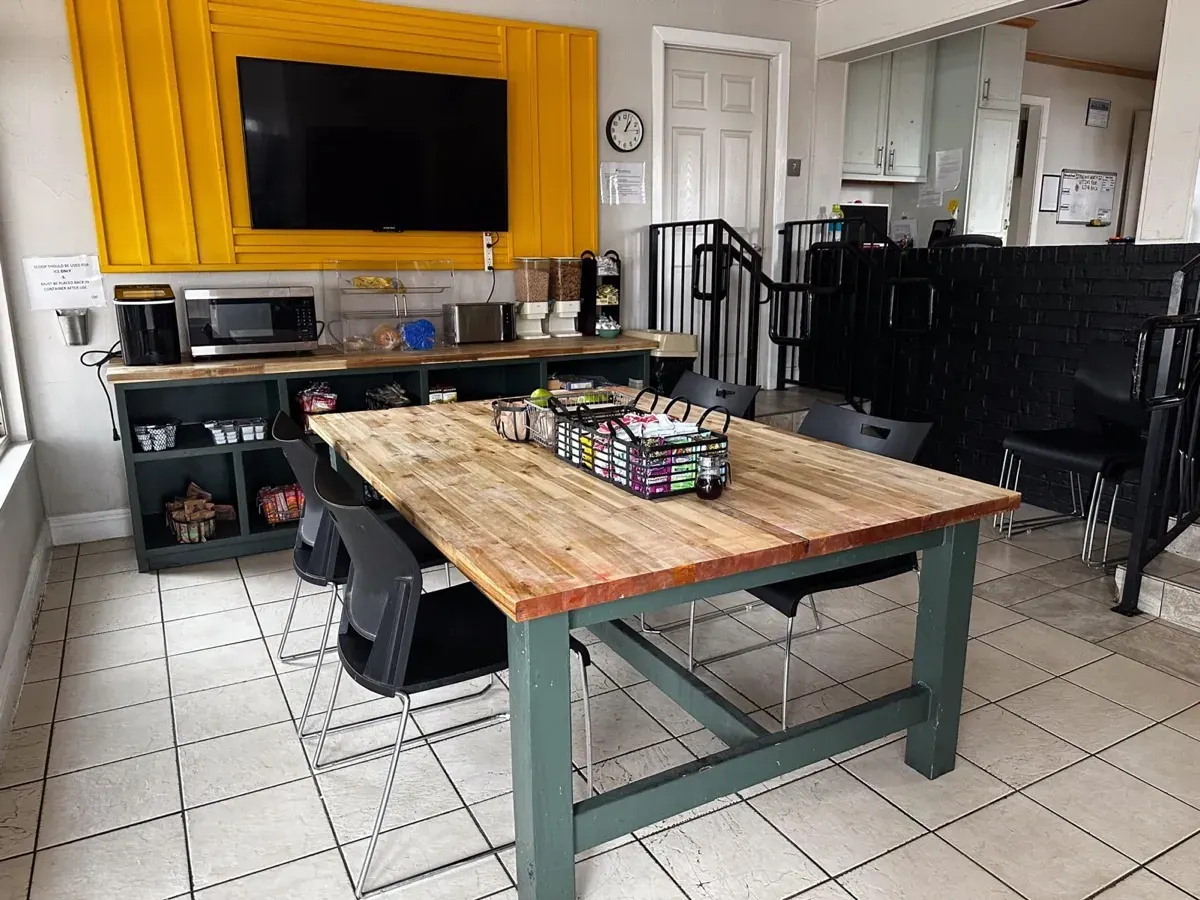
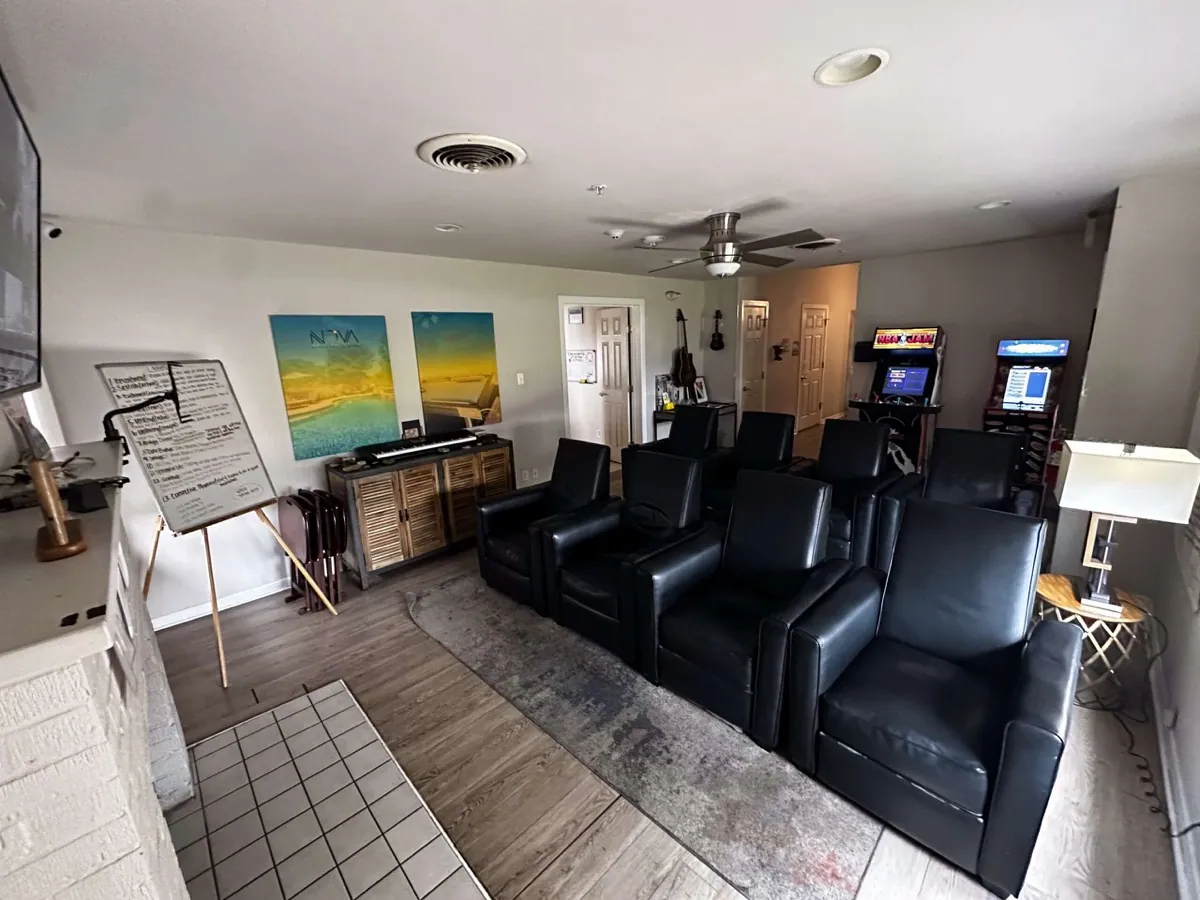
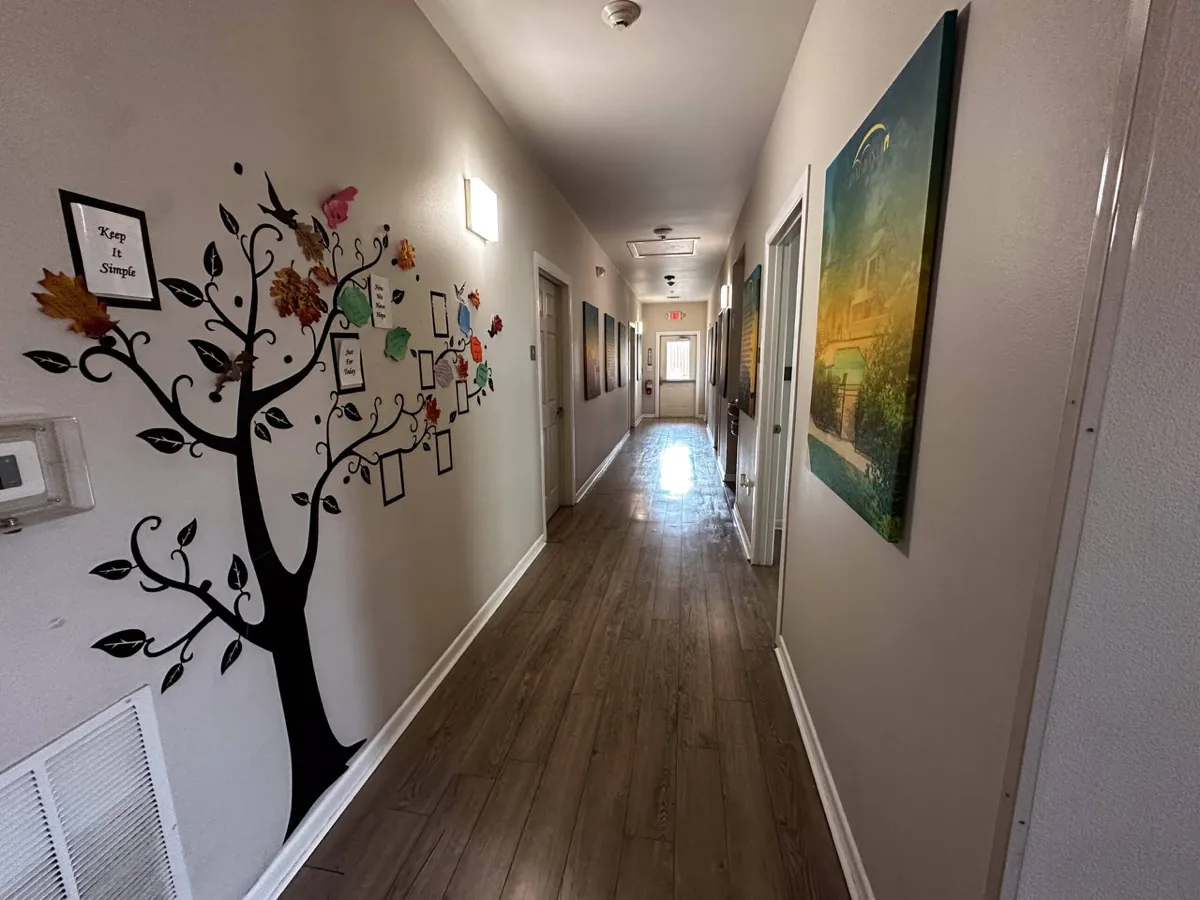
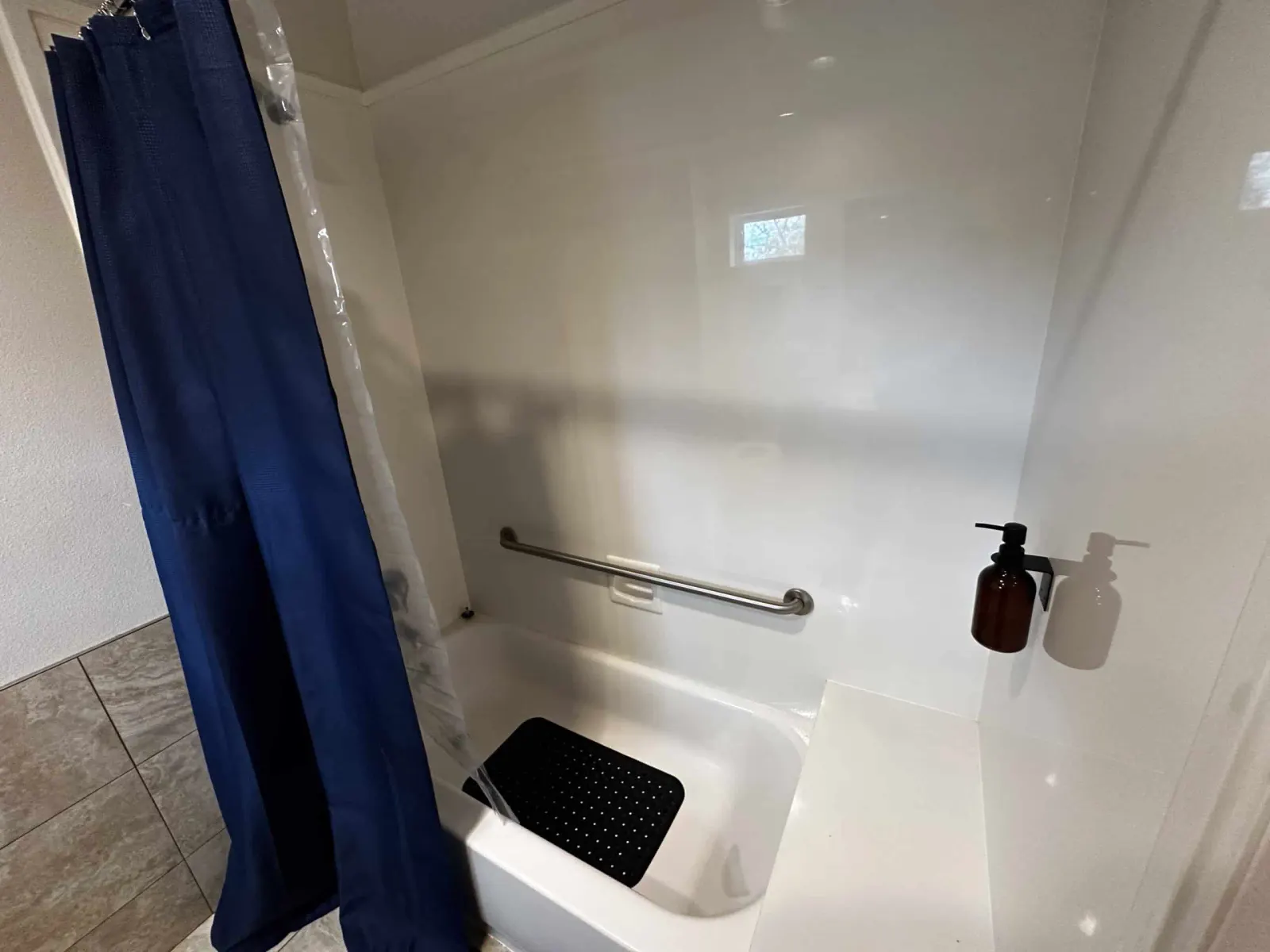
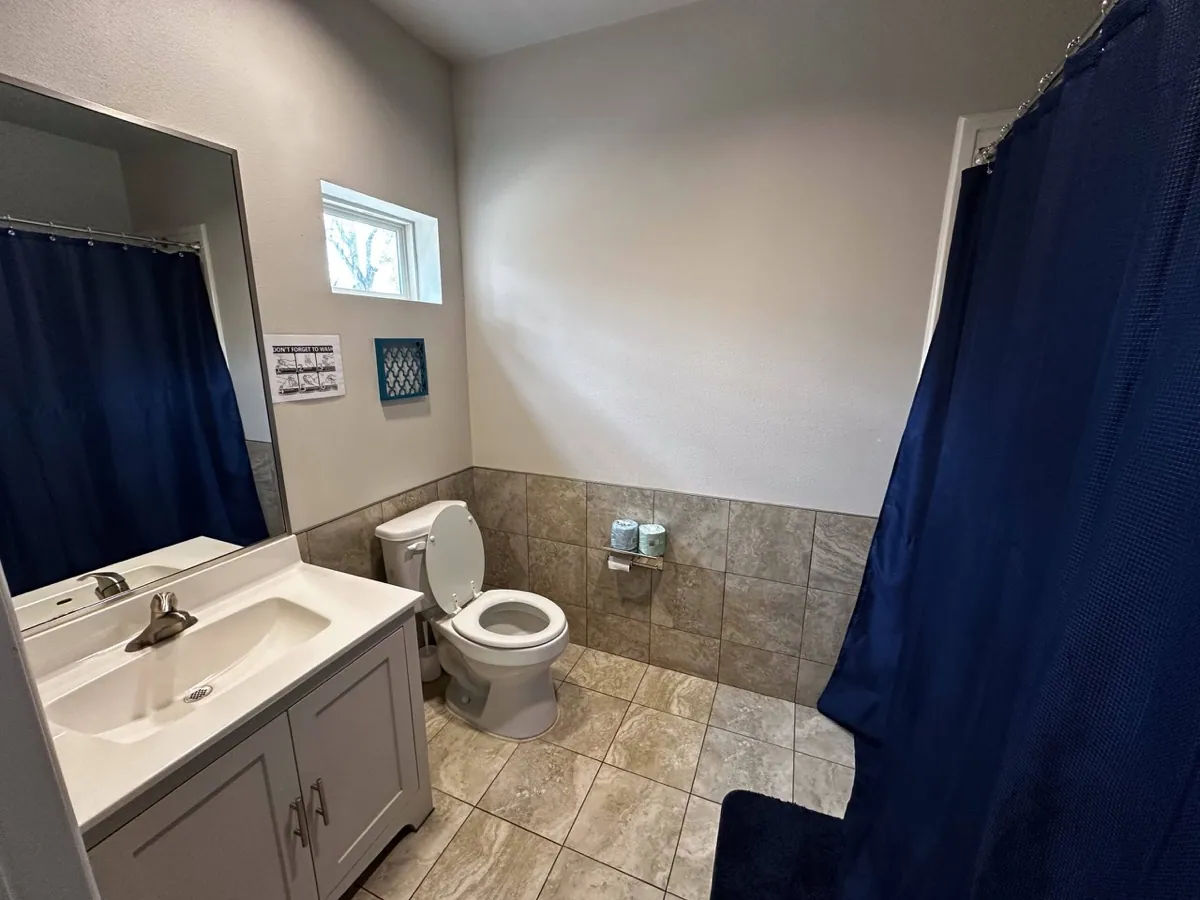
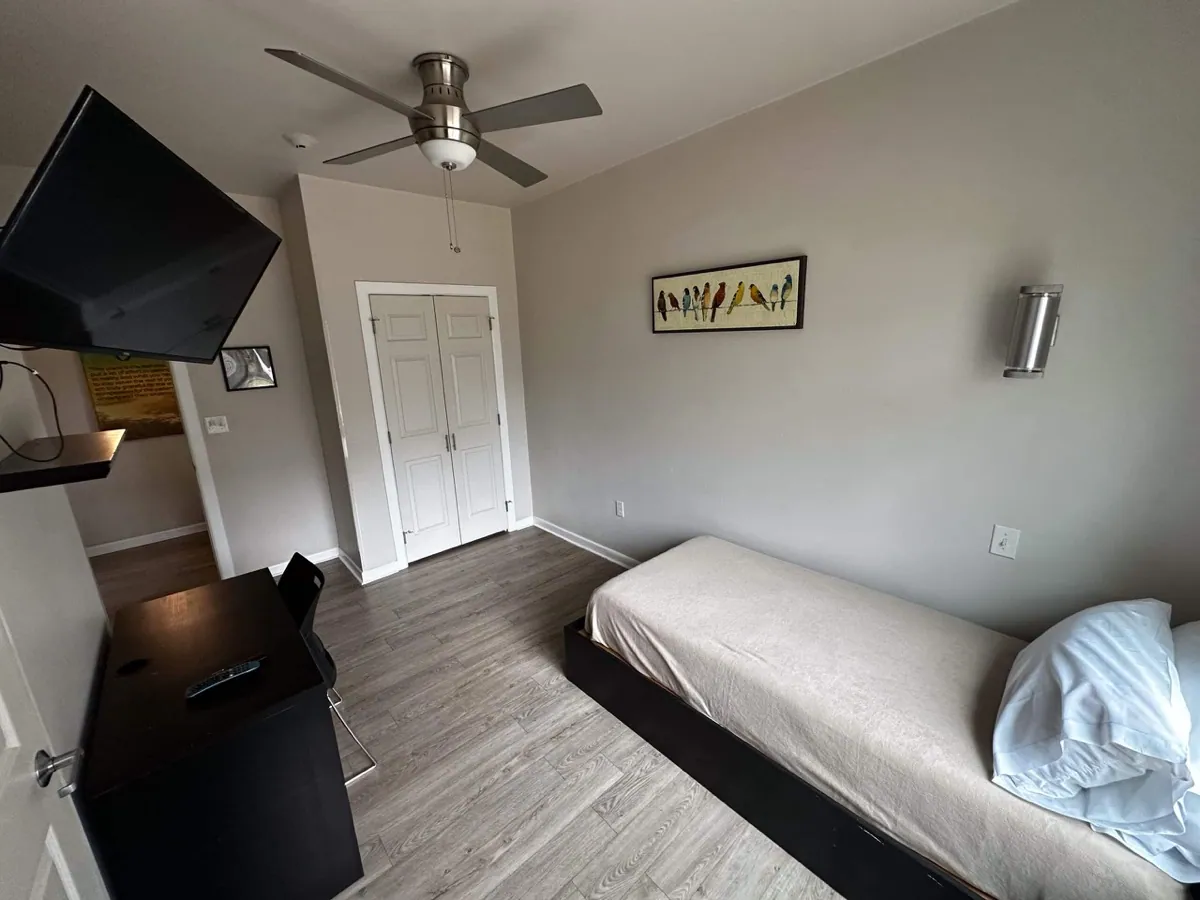
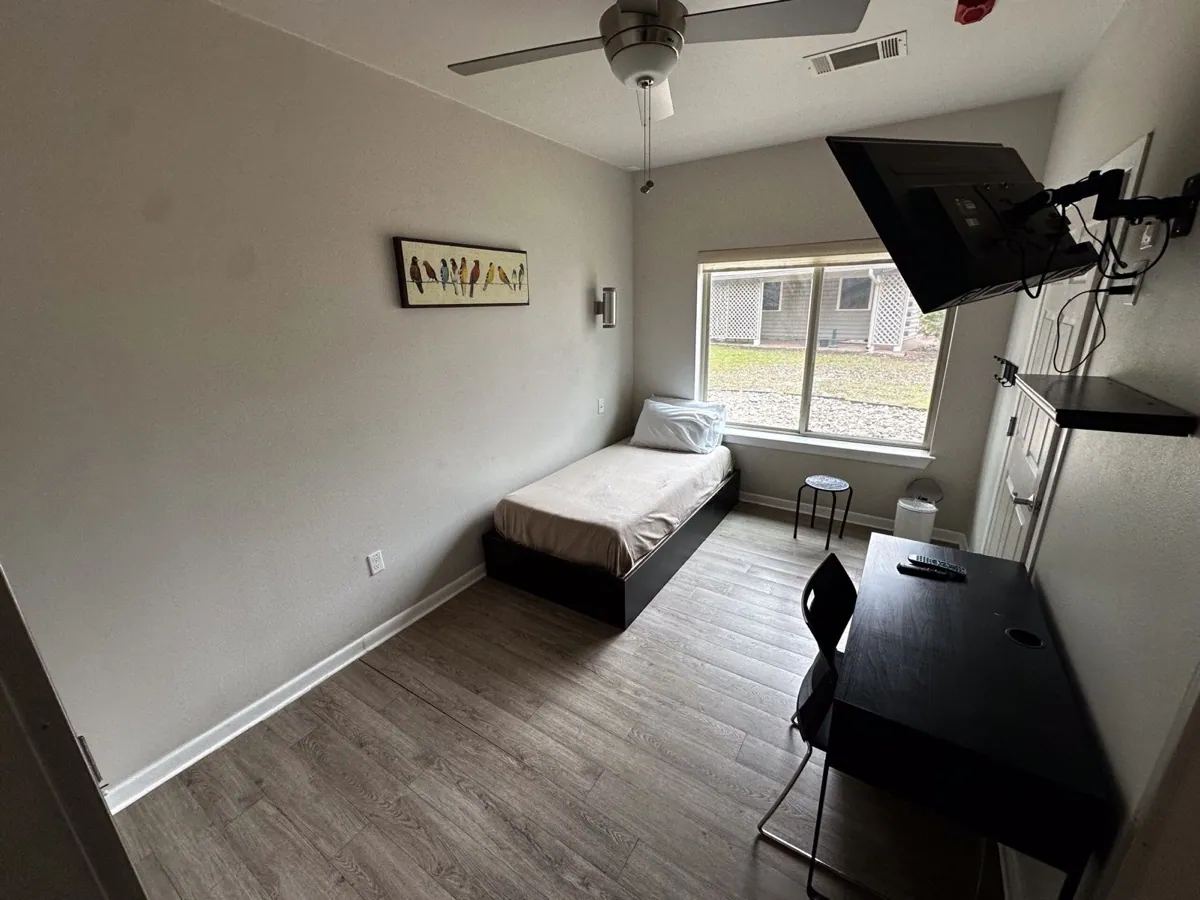
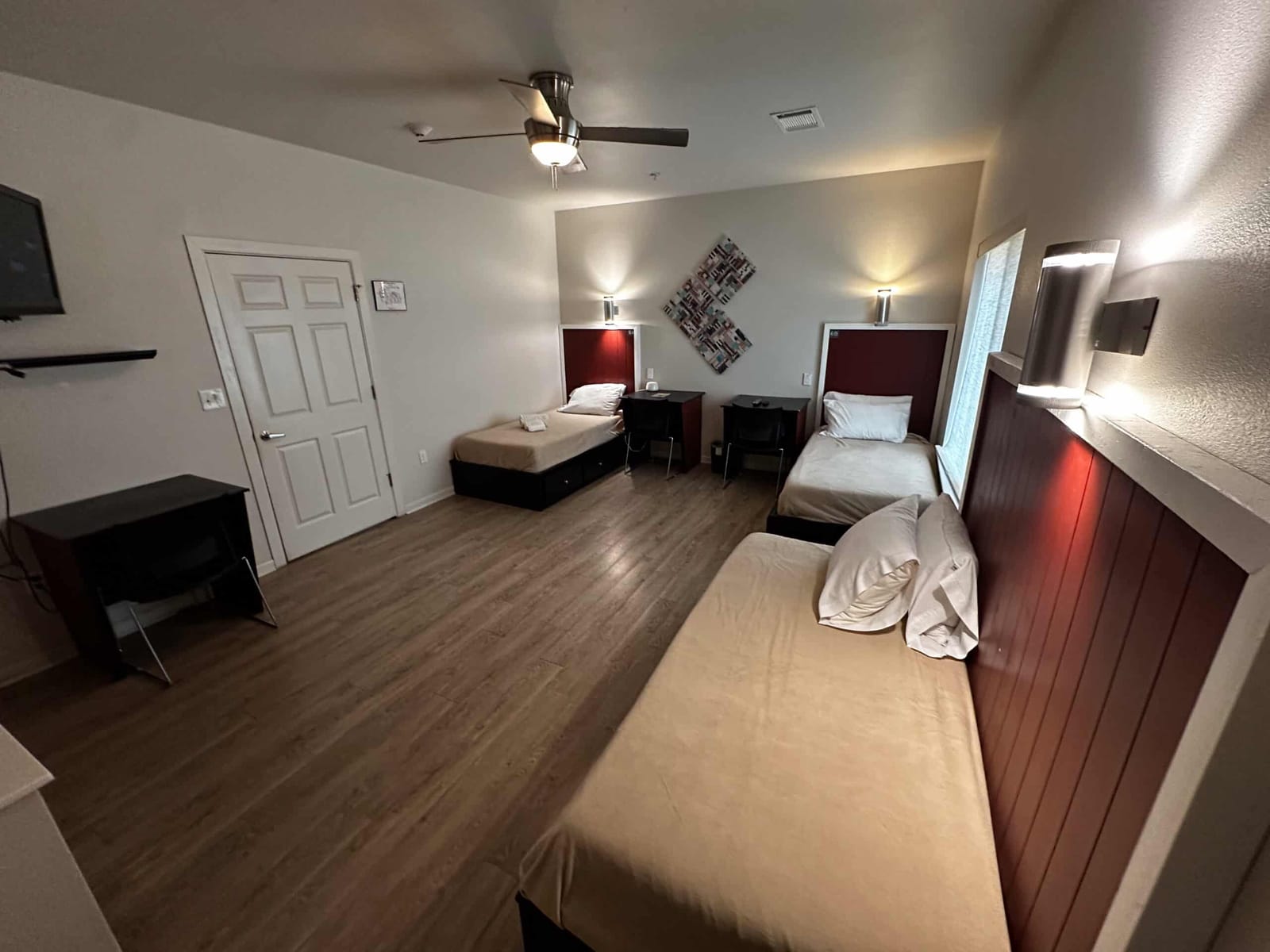
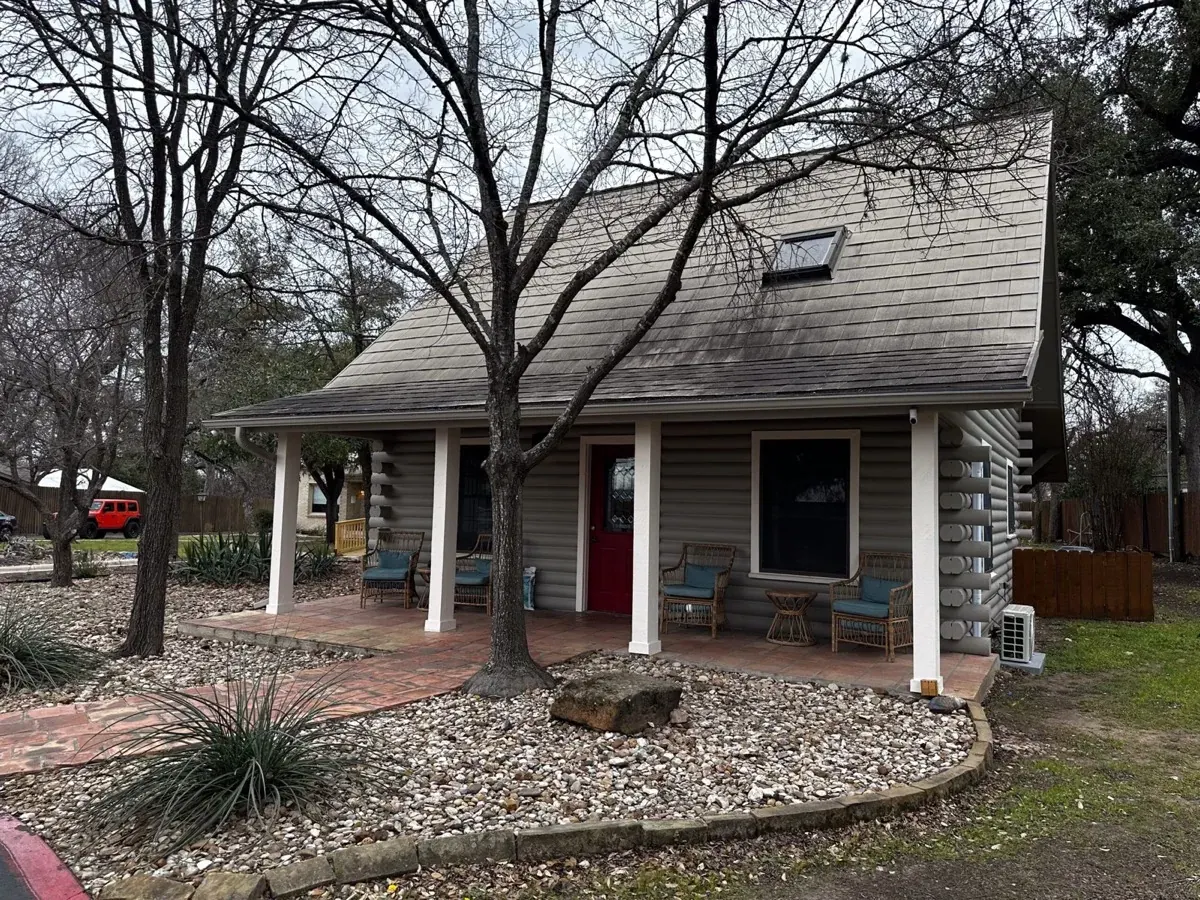
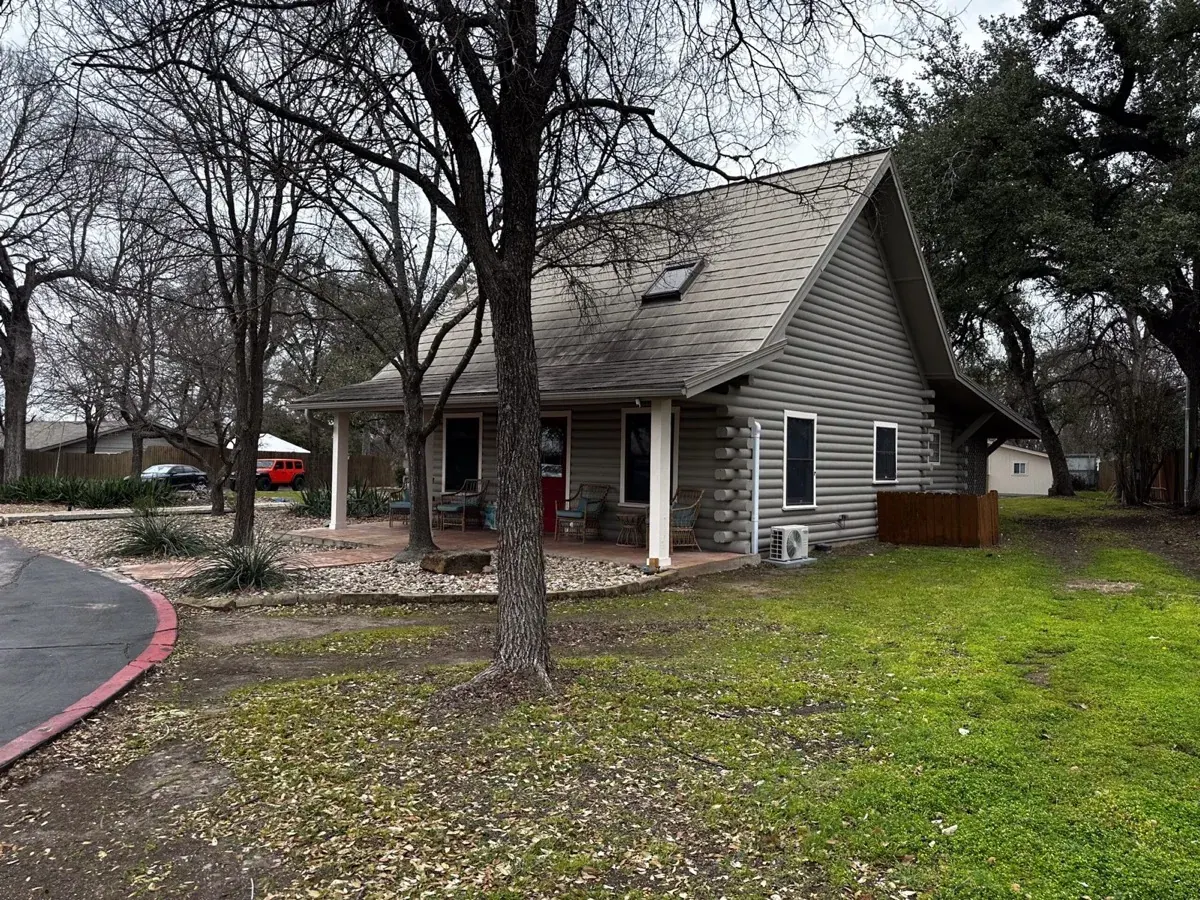
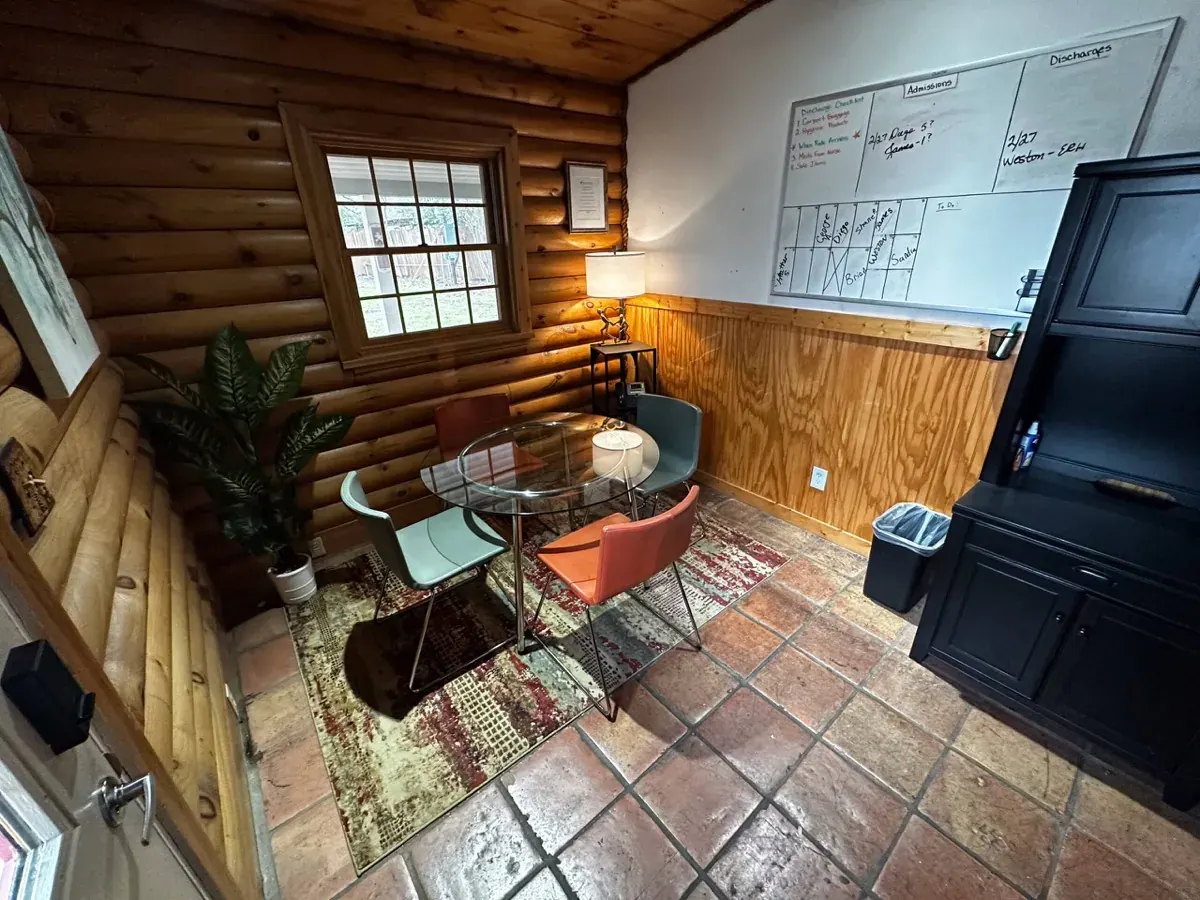
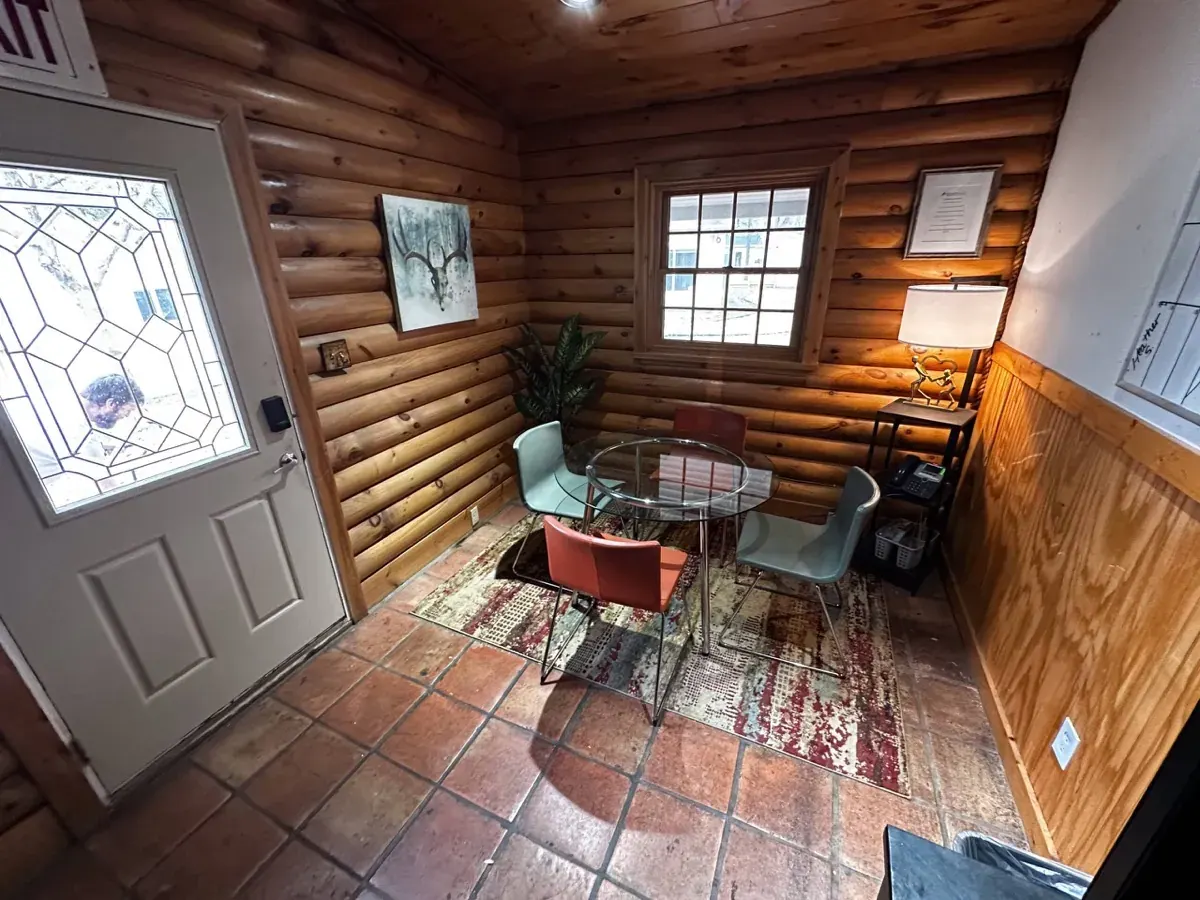
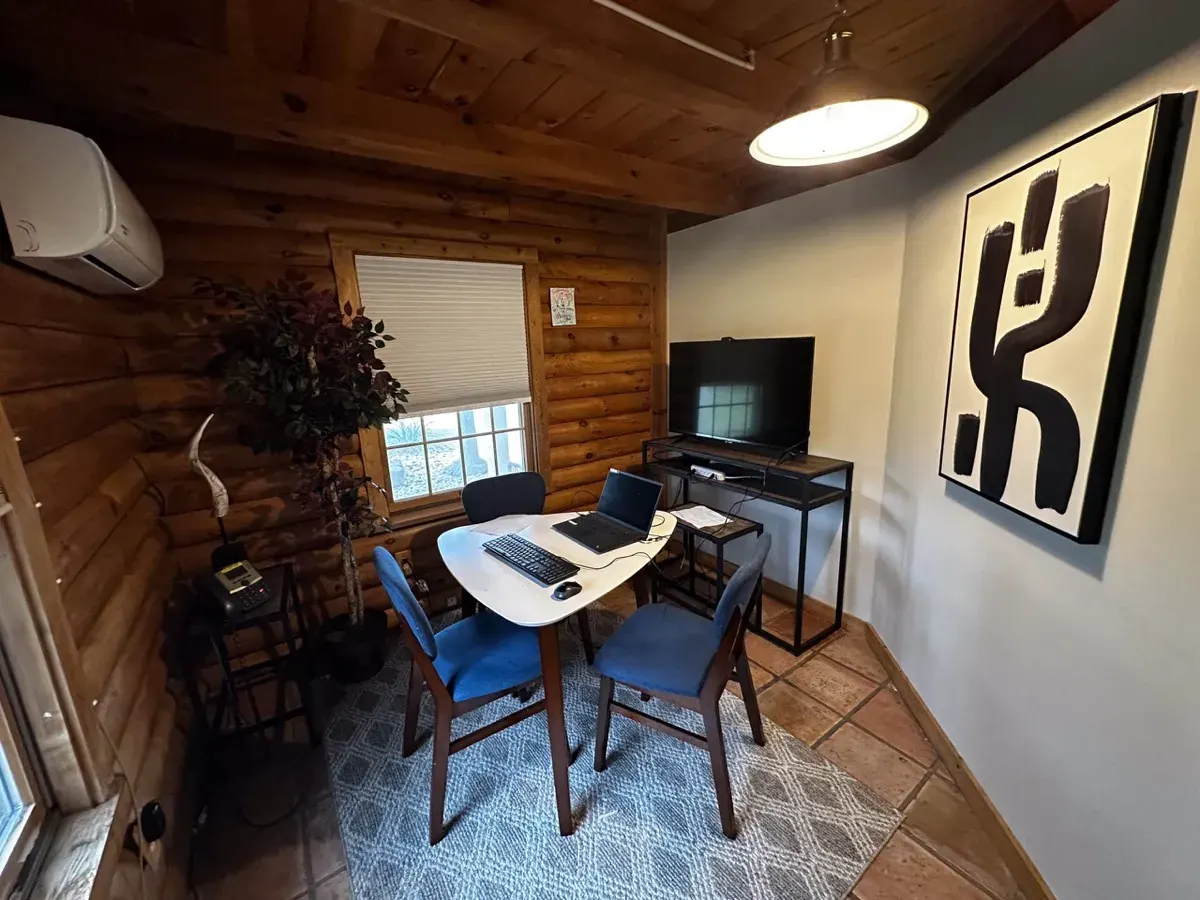
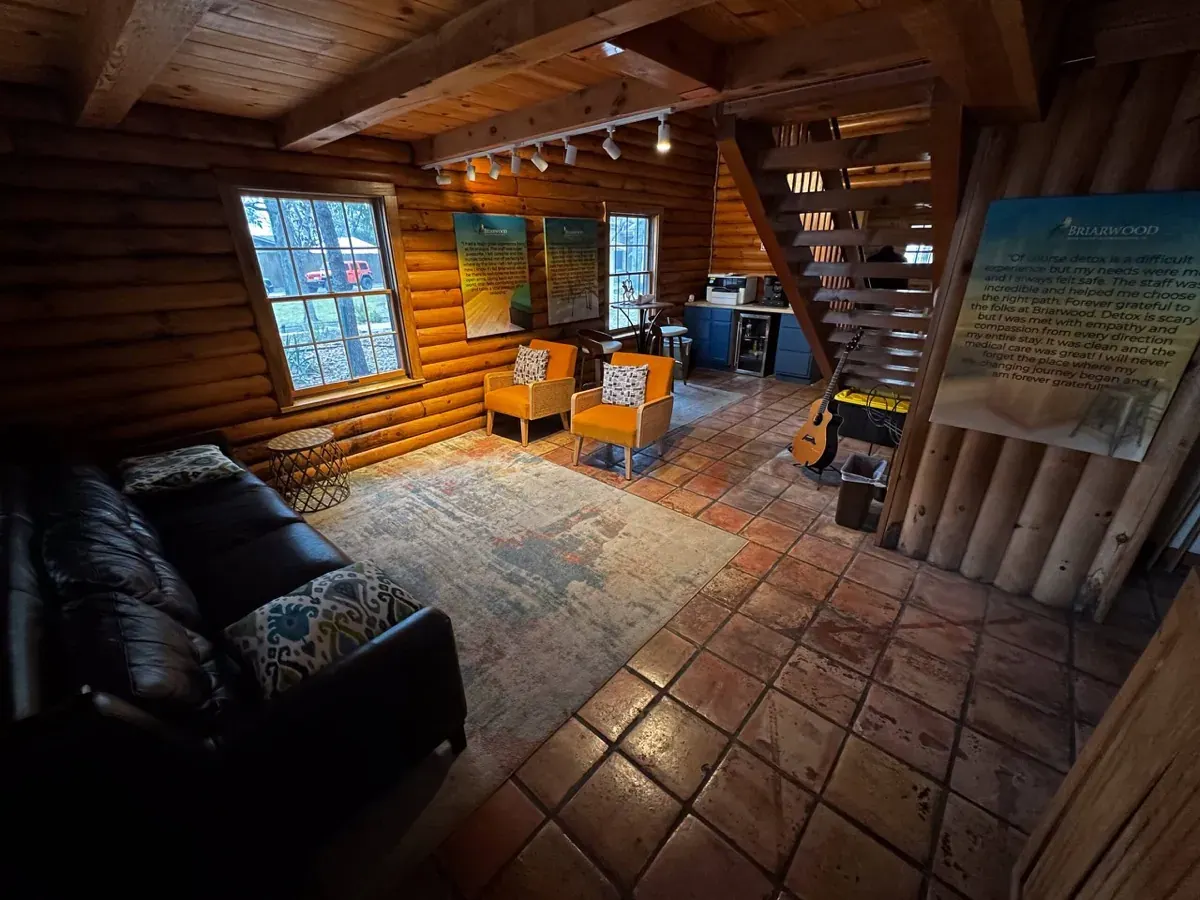
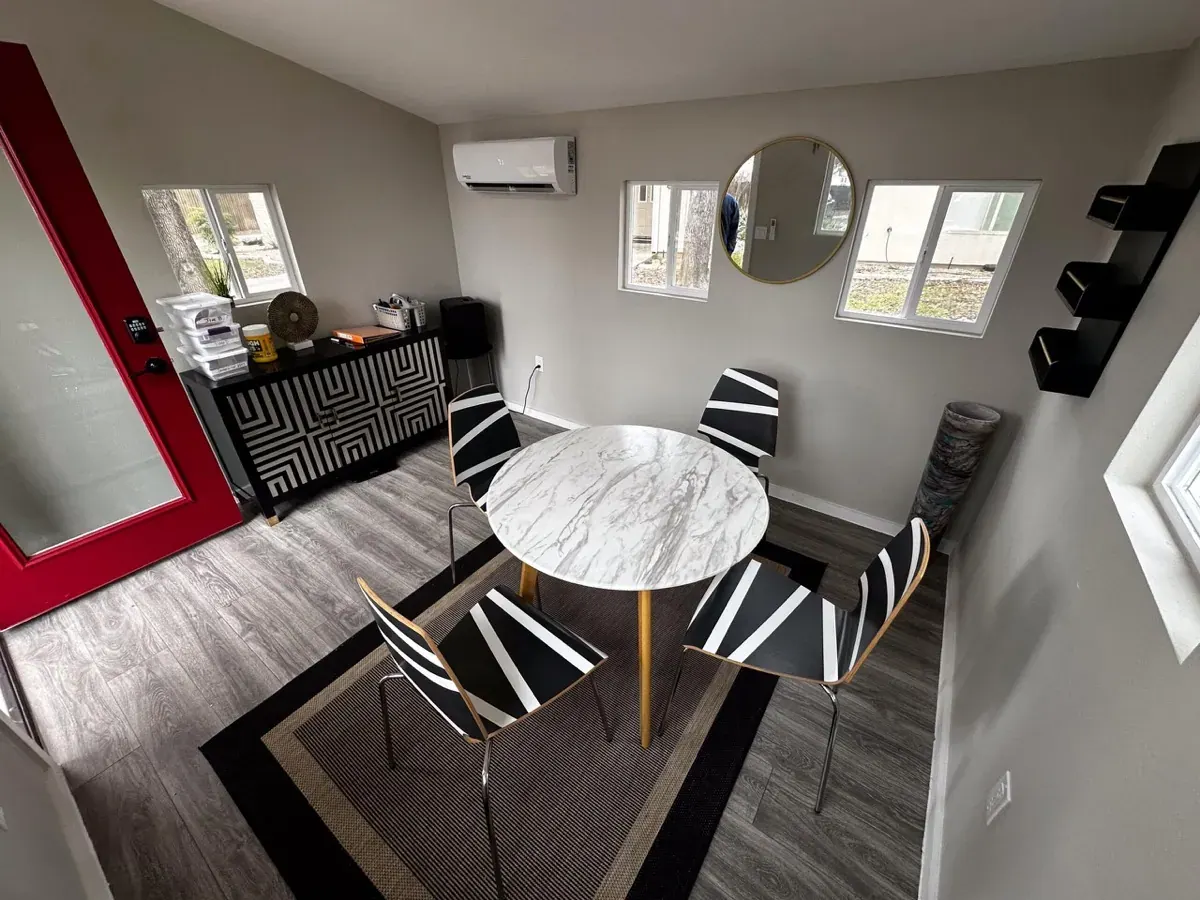
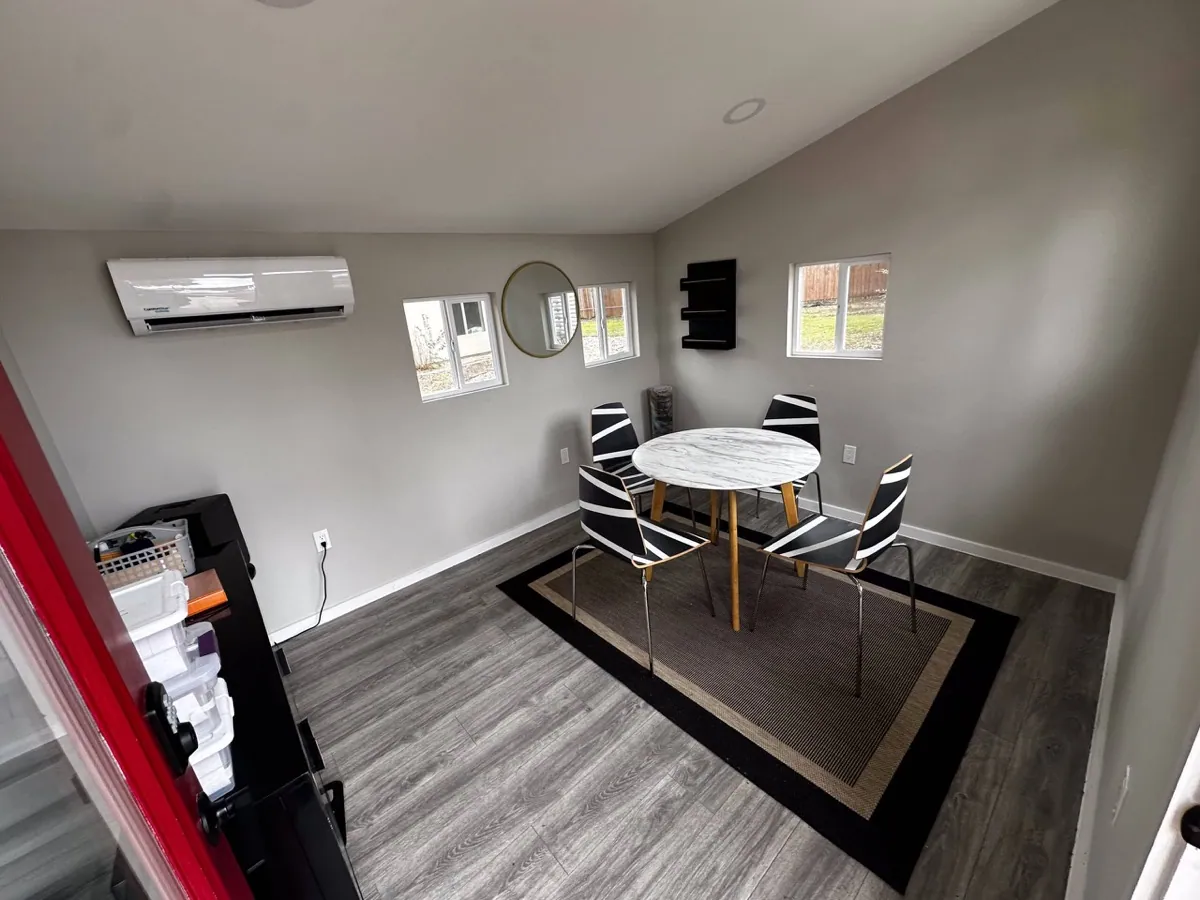
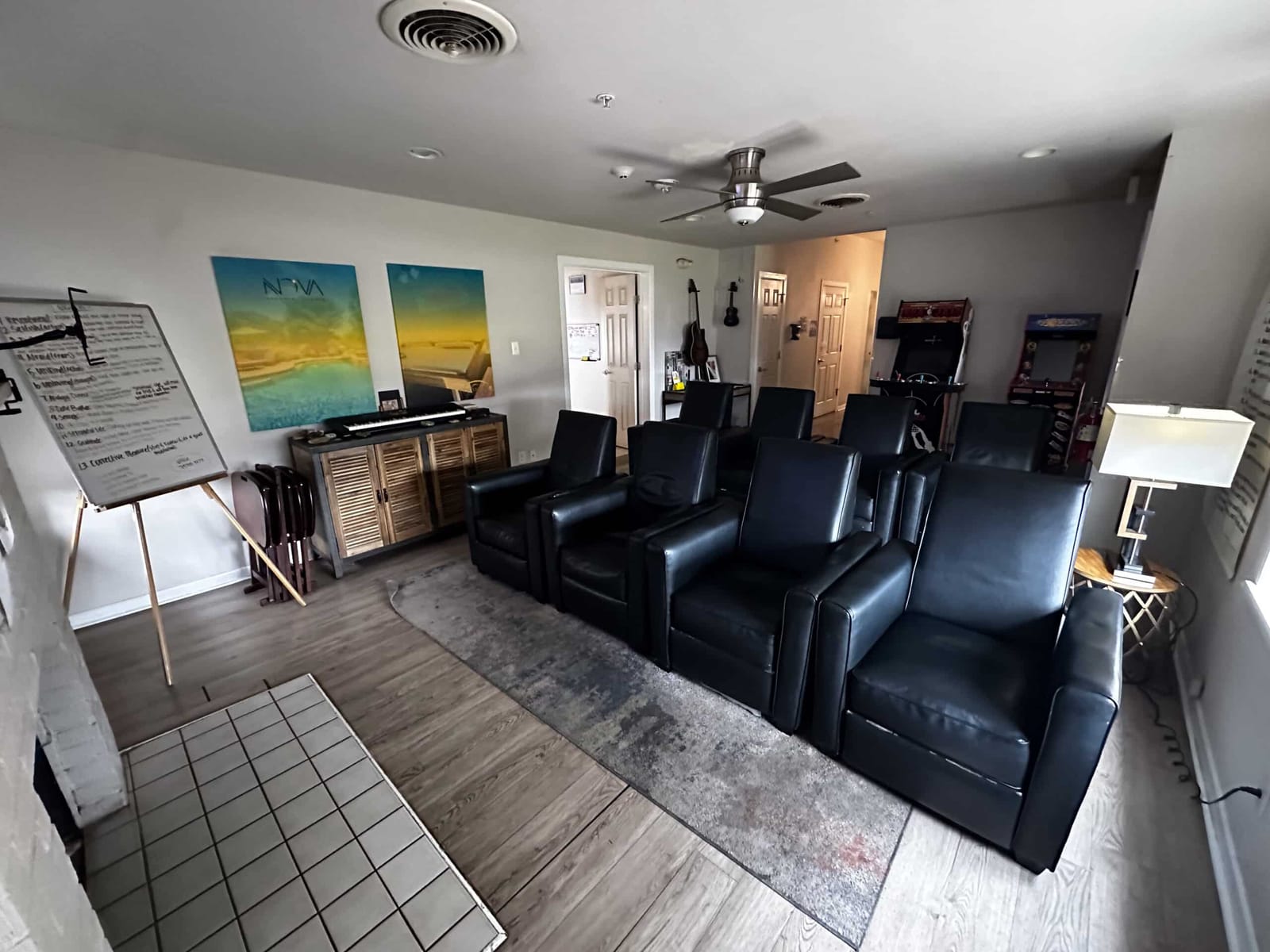
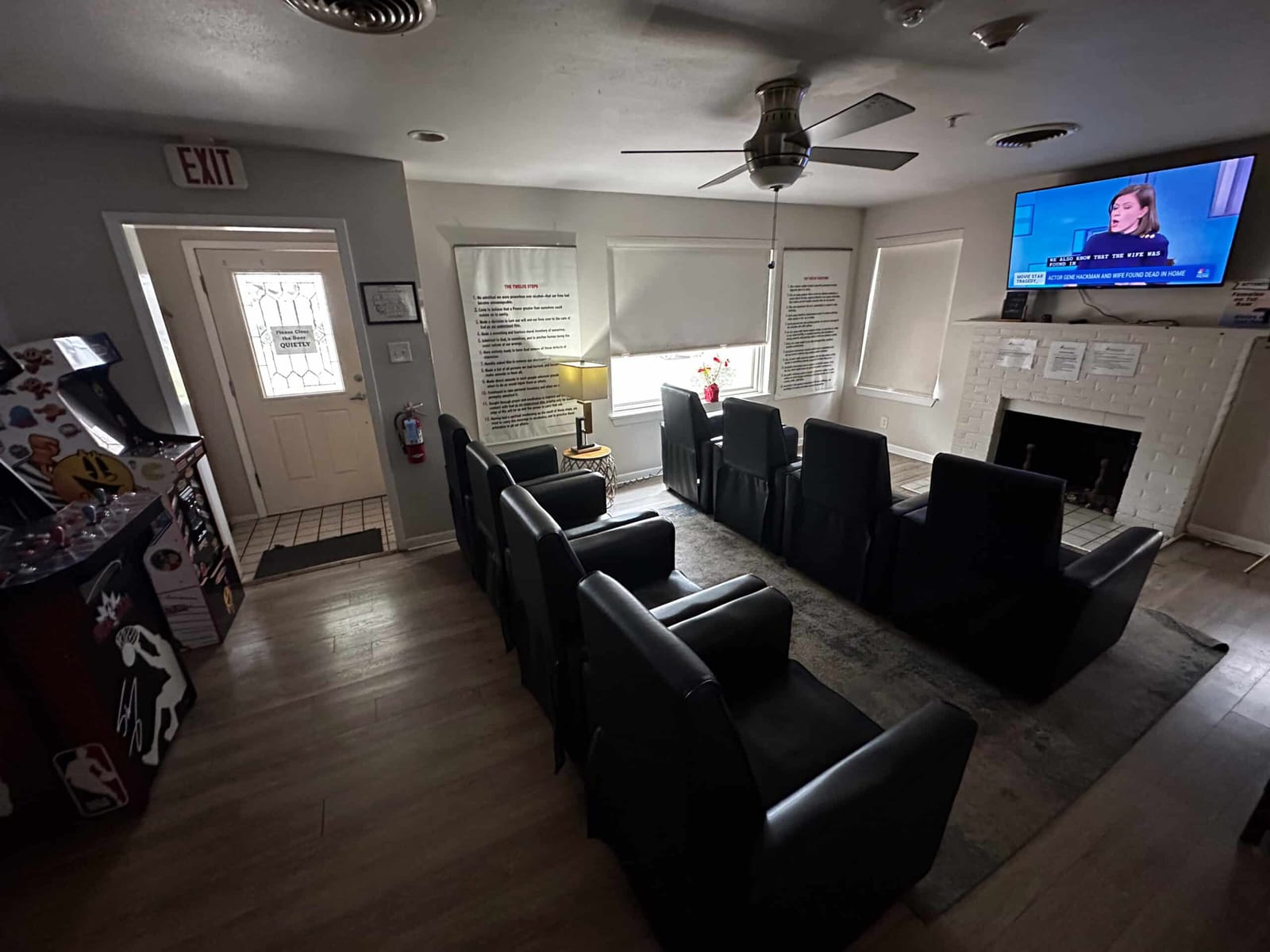
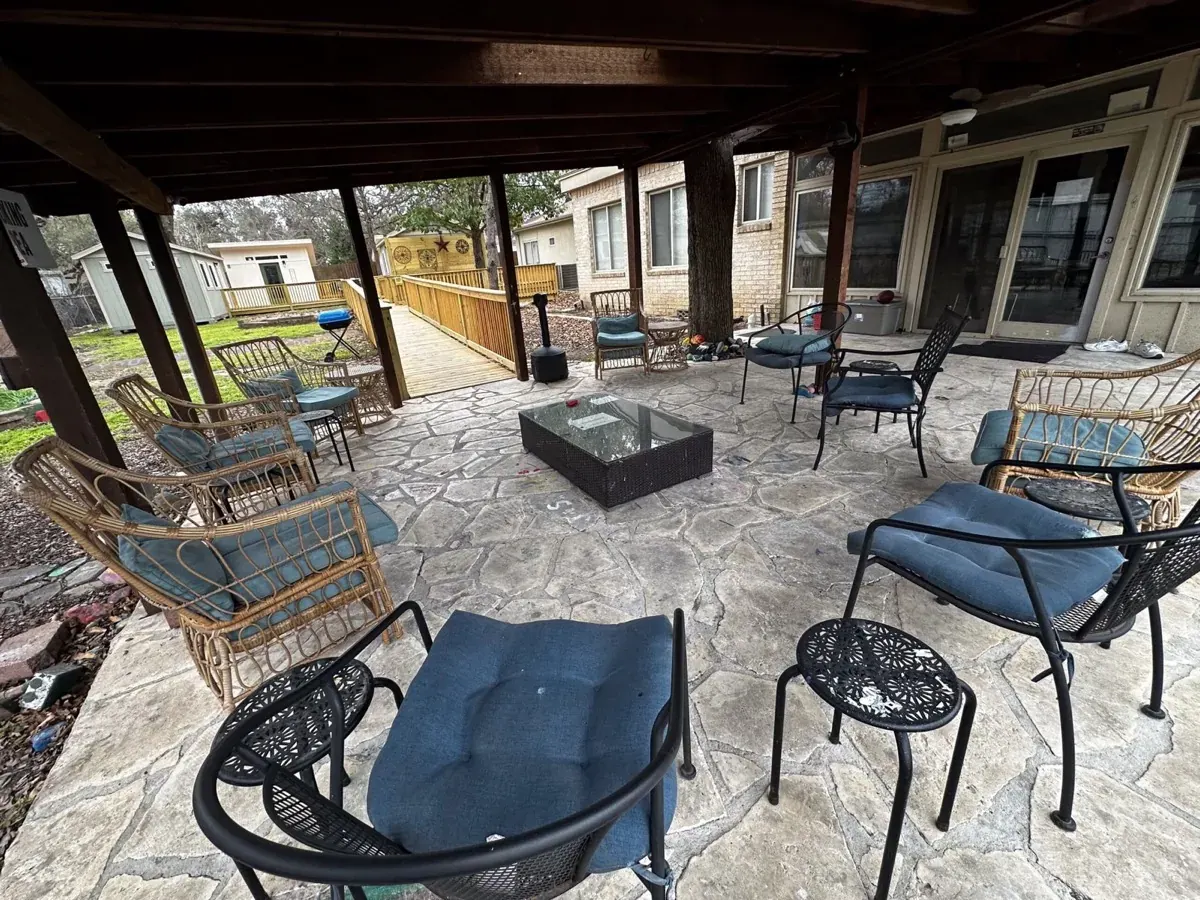
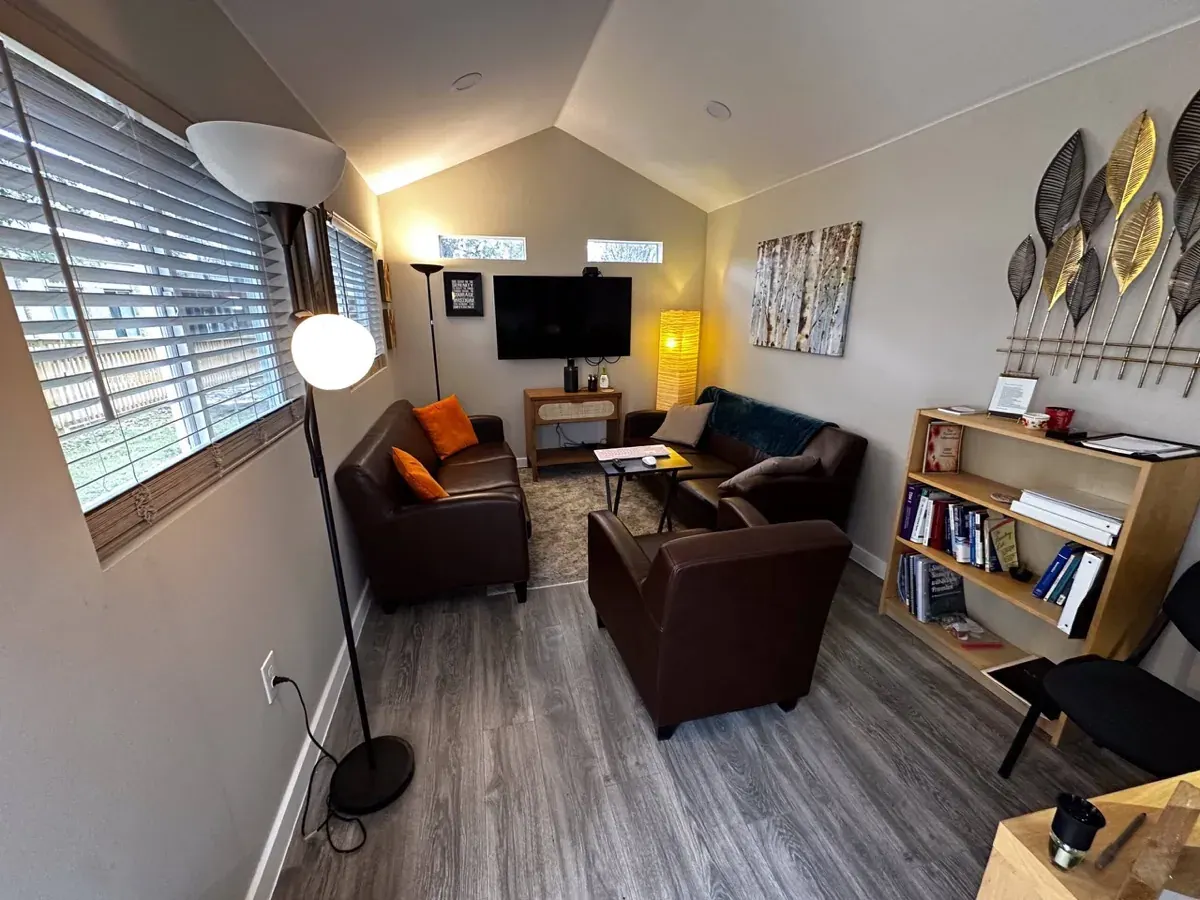
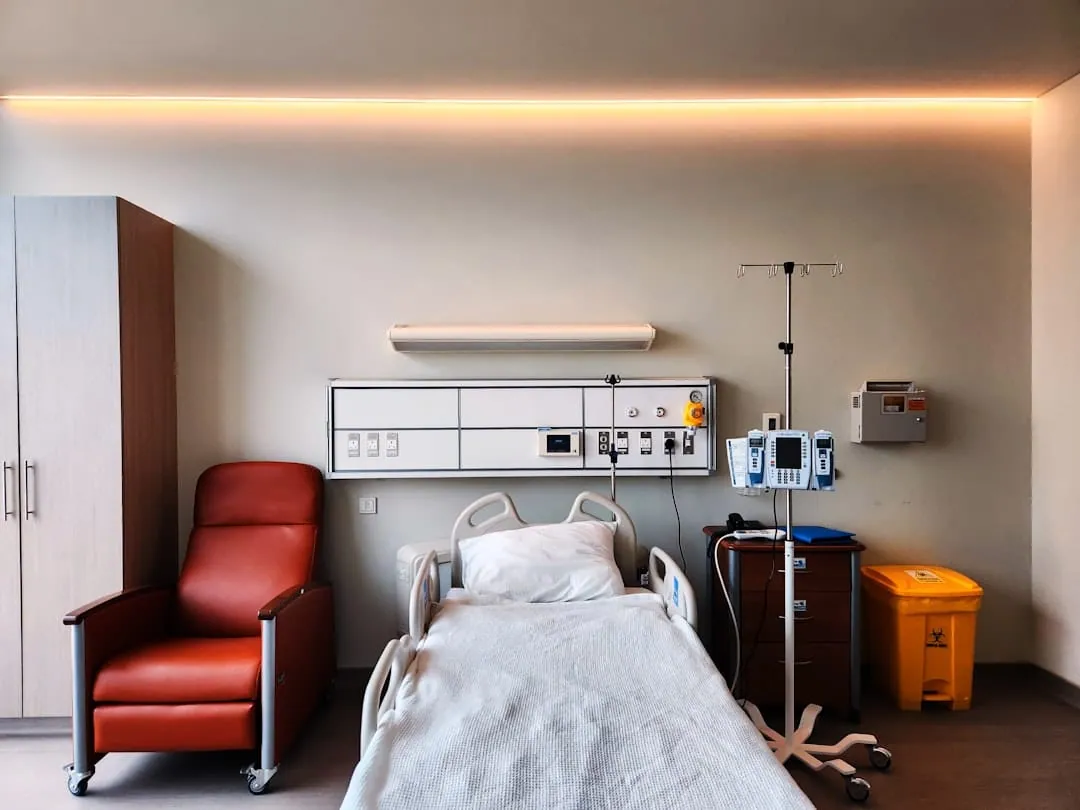
Inpatient programs deliver intensive services on a campus or hospital unit. Care typically includes medical support, daily therapy, and skills practice in a safe environment. Programs in Texas operate within an organized plan of care and are part of a larger continuum that also includes outpatient options.
Medical Detox and Withdrawal Management
Detox (also called withdrawal management) may be the first step. Clinicians monitor symptoms, manage medical risks, and begin stabilization before therapy. Not everyone needs inpatient detox, but it is recommended when withdrawal can be severe or risky. If you need Austin drug detox, start with medically supervised care to manage withdrawal safely before therapy.
24/7 Supervision and Structured Days
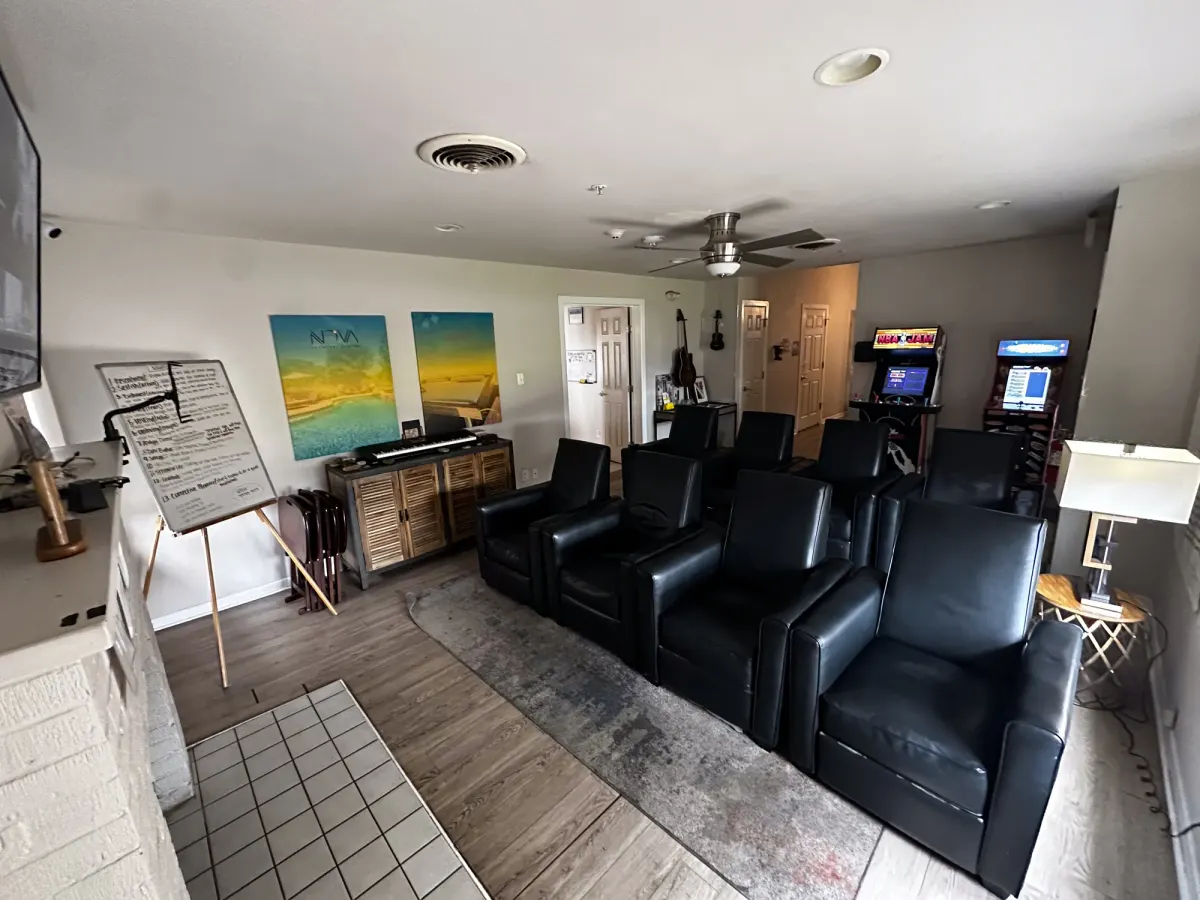
Residential settings use a daily schedule—groups, individual sessions, medication management when appropriate, education, and healthy routines. The goal is to reduce exposure to triggers and start practicing recovery skills.
Evidence‑Based Therapies
Programs often use cognitive behavioral therapy, motivational approaches, contingency management, and family work. For opioid and sometimes alcohol use disorders, FDA‑approved medications (like buprenorphine, methadone, or naltrexone) can be combined with counseling.
Recovery Support and Case Management
Quality programs connect people to peer support, case management, employment or education help, and other services that support life in recovery. These services improve continuity after discharge.
Where we are
Detox centers across Texas
Three locations, each with its own admissions line and its own clinical team. Pick the one nearest you — or call and we will tell you which has a bed tonight.
Medical Detox vs. Inpatient Drug Rehab—What’s the Difference?
Medical detox manages withdrawal and stabilizes you medically; inpatient drug rehab adds daily therapy, skills practice, and 24/7 structure. If withdrawal risks are high, start with detox in Austin, then step into inpatient rehab for fuller behavioral care.
Who Benefits From Inpatient Care
When Safety Is a Concern
Inpatient care is appropriate when there’s a high risk of medical complications during withdrawal, severe cravings, or safety concerns at home. Hospital‑linked units or residential programs can provide continuous monitoring.
Co‑Occurring Mental Health Needs
People with co‑occurring mental health conditions may benefit from inpatient settings that coordinate psychiatric and substance use care under one plan. Integrated treatment reduces relapse risk and improves stability.
After Outpatient Efforts Haven’t Worked
How Inpatient Care Works in Austin
Licensed Facility Types and Oversight
In Texas, “chemical dependency treatment facilities” provide organized programs and must meet state standards. These include residential/inpatient care and withdrawal management services. Checking licensure helps confirm oversight.
Admission, Length of Stay, and Step‑Down
Your admissions process begins with a brief assessment so the team can match you to the right level of care. Length of stay varies by need and insurer rules. Many people transition to partial hospitalization or intensive outpatient programs to maintain gains and return to community life.
Paying for Care and Using Locators
Many programs accept private insurance, Medicaid, or self‑pay. The SAMHSA treatment locator lets you search by location, level of care (inpatient/residential or detox), and payment options to find Austin‑area facilities.
How Long Does Inpatient Drug Rehab Last in Austin?
Length of stay varies by need and insurance. Many Austin programs run 30–90 days, with step‑down to PHP/IOP afterward. Your team will match level of care to safety, stability at home, and co‑occurring needs.
Comparing Inpatient, Partial Hospitalization, and Outpatient
Intensity and Structure
Inpatient treatment offers the most structure and continuous support. Partial hospitalization (PHP) delivers full‑day therapy with evenings at home. Intensive outpatient (IOP) provides several sessions per week while maintaining daily routines. The right level depends on medical risk, stability, and support at home.
Why Continuity Matters
Sustained recovery requires ongoing care. After discharge, continuing medication (when prescribed), therapy, and peer support lowers relapse risk and supports long‑term change. To plan your step‑down care, see what comes after detox, including residential, IOP, online IOP, and sober living options.
How to Choose an Inpatient Program in Austin
Confirm Licensure and Accreditation
Ask programs for their Texas facility license and any accreditation. Licensure indicates the program operates under state rules for safety and quality.
Ask About Evidence‑Based Care
Request details about the therapies used, staff credentials, supervision, and how medications for substance use disorders are offered when appropriate. Evidence‑based approaches have stronger outcomes.
Use Trusted, Noncommercial Resources
Start your search with neutral directories and helplines. SAMHSA’s website and FindTreatment.gov list programs, payment types, and levels of care without advertising.
Getting Help Now in Austin
If You Are in Crisis
For immediate emotional support or thoughts of self‑harm, call or text 988 to reach the Suicide & Crisis Lifeline. Trained counselors are available 24/7. If there is a medical emergency or overdose, call 911.
Finding Local Inpatient and Detox Options
Use FindTreatment.gov and set filters for “residential (inpatient)” or “detox,” select the Austin area, and choose payment options that fit your situation. Many listings include contact numbers and intake hours so you can speak with admissions teams the same day.
How Briarwood Detox Center Helps with Inpatient Drug Abuse in Austin
At Briarwood Detox Center, we help adults take the first step toward inpatient drug abuse treatment in Austin. Our medical team monitors withdrawal 24/7 in a safe, licensed setting. We offer individualized detox plans for opioids, alcohol, and other substances. Care includes medication‑assisted support when appropriate, vital‑sign monitoring, and comfort measures. Daily check‑ins, counseling, and case management prepare you for the next level of care. We coordinate a smooth transition to trusted inpatient rehab and residential programs in Austin and Central Texas. We verify benefits, review costs, and help you choose a program that fits your needs. Family updates and discharge planning support a safer return to daily life. If you need inpatient drug abuse help in Austin, Briarwood Detox Center offers a compassionate start and a clear plan forward.
Frequently Asked Questions About Inpatient Drug Abuse Treatment in Austin
What is inpatient drug rehab?+–
Inpatient (residential) rehab is live‑in, 24/7 care that combines medical support with evidence‑based therapies like counseling and behavioral treatments. It is part of a continuum that includes outpatient options and ongoing recovery support.
How is inpatient rehab different from outpatient treatment?+–
Inpatient care provides round‑the‑clock supervision in a structured setting; outpatient care lets you live at home while attending scheduled therapy. Clinicians match the level of care to your medical and recovery needs using criteria such as the ASAM framework.
What happens during medical detox?+–
A clinical team monitors vital signs, manages withdrawal symptoms, and starts stabilization. Detox prepares you for rehab but does not replace counseling or long‑term treatment.
Is detox the same as rehab?+–
No. Detox addresses withdrawal and medical stability. Rehab adds therapy, medications when indicated, and recovery supports to change patterns and reduce relapse risk.
How long does medical detox take?+–
It varies by substance, dose, health status, and withdrawal risk. Clinical guidelines emphasize individualized withdrawal management rather than a fixed timeline.
Which medications are used for opioid use disorder?+–
FDA‑approved options are methadone, buprenorphine, and naltrexone. They are often combined with counseling and other supports.
Who should go to inpatient rehab instead of outpatient?+–
People with high medical or safety risks, severe withdrawal, unstable housing, or limited support at home may be better served in residential or hospital‑linked care. Level‑of‑care decisions follow national criteria.
Does insurance or Medicaid cover inpatient rehab in Texas?+–
Many programs accept private insurance and Medicaid; payment‑assistance and low‑cost options also exist. Use SAMHSA’s guidance and locator filters to review accepted payment types.
How do I find licensed detox or residential programs in Austin?+–
Search FindTreatment.gov and filter for “residential (inpatient)” or “detox,” then review each listing’s services and payment options.
How can I verify a treatment facility is licensed in Texas?+–
Texas Health & Human Services defines and regulates chemical dependency treatment facilities; you can check requirements and licensure information through HHSC.
Where can I get help right now if I’m in crisis?+–
Call or text 988 to reach the Suicide & Crisis Lifeline for free, confidential support 24/7. For medical emergencies or overdose, call 911.
Related guides


About the people behind this guide
Anna-Grace Washington
Medical Content Writer
Anna-Grace Washington is a Medical Content Writer for Briarwood Detox Center. She holds a master’s degree in clinical psychology from the University of Texas and brings a strong understanding of behavioral health, addiction recovery, and evidence-based treatment concepts to her writing.
Dr. Robert Ulrich, DO
Medical Director
Dr. Robert Ulrich serves as Medical Director at Briarwood Detox Center, bringing more than two decades of clinical neurology experience to the treatment of substance use disorders. He is board-certified in neurology by the American Board of Psychiatry and Neurology and completed his neurology residency at UT Southwestern Medical Center in Dallas, where he served as Chief Resident.
In network with most major insurance
Find your plan and see what detox would cost
Most plans cover medical detox. Coverage varies by plan, so we verify it for you before you commit to anything.

















Don't see your plan? We work with out-of-network benefits and offer self-pay options — (866) 710-7710
- Confidential
- Takes about 2 minutes
- No obligation to admit
- Accredited The Joint Commission
- Rated 4.5 · 95 Google reviews
- Admissions 24 hours a day