
Guide
Conditions Treated With Behavioral Therapy
Joint Commission accredited · In network with most major insurance · Admissions answered 24 hours a day


Published November 11, 2025
Reviewed and updated July 29, 2026
Key Takeaways · 6 points
- Behavioral therapy is a structured, skills‑based treatment that helps people change unhelpful thoughts and behaviors. It teaches practical coping skills and uses short, goal‑oriented sessions.
- Behavioral therapy helps treat depression, anxiety, PTSD, OCD, eating disorders, insomnia, and substance use disorders. It can be used alone or alongside medication, depending on the person’s needs.
- Inpatient detox programs in Austin use behavioral therapies alongside medical care to manage cravings and plan next‑step treatment. Therapy supports stabilization and prepares patients for continuing care.
- Inpatient detox is recommended when withdrawal risks are high or when mental health symptoms require close monitoring. A clinical assessment determines whether inpatient or outpatient care is safer.
- During an Austin inpatient detox stay, patients can expect assessment, withdrawal management, brief therapy sessions, and discharge planning. These steps build a bridge from detox to ongoing treatment.
- When choosing an inpatient detox center in Austin, confirm 24/7 medical coverage, evidence‑based therapies, integrated mental health care, and clear aftercare options. Accreditation and public resources can help with comparisons.
Break Free from Addiction. Detox Safely in Austin Today.
Medically Supervised Detox – Compassionate Care Starts Here.
What Behavioral Therapy Is
Behavioral therapy is a group of structured, skills‑based treatments that help people change patterns of thinking and behavior that keep problems going. Cognitive behavioral therapy (CBT) is the best‑known approach. It uses short, goal‑oriented sessions to teach practical strategies, such as identifying thinking traps, scheduling healthy routines, and practicing exposure to feared situations.


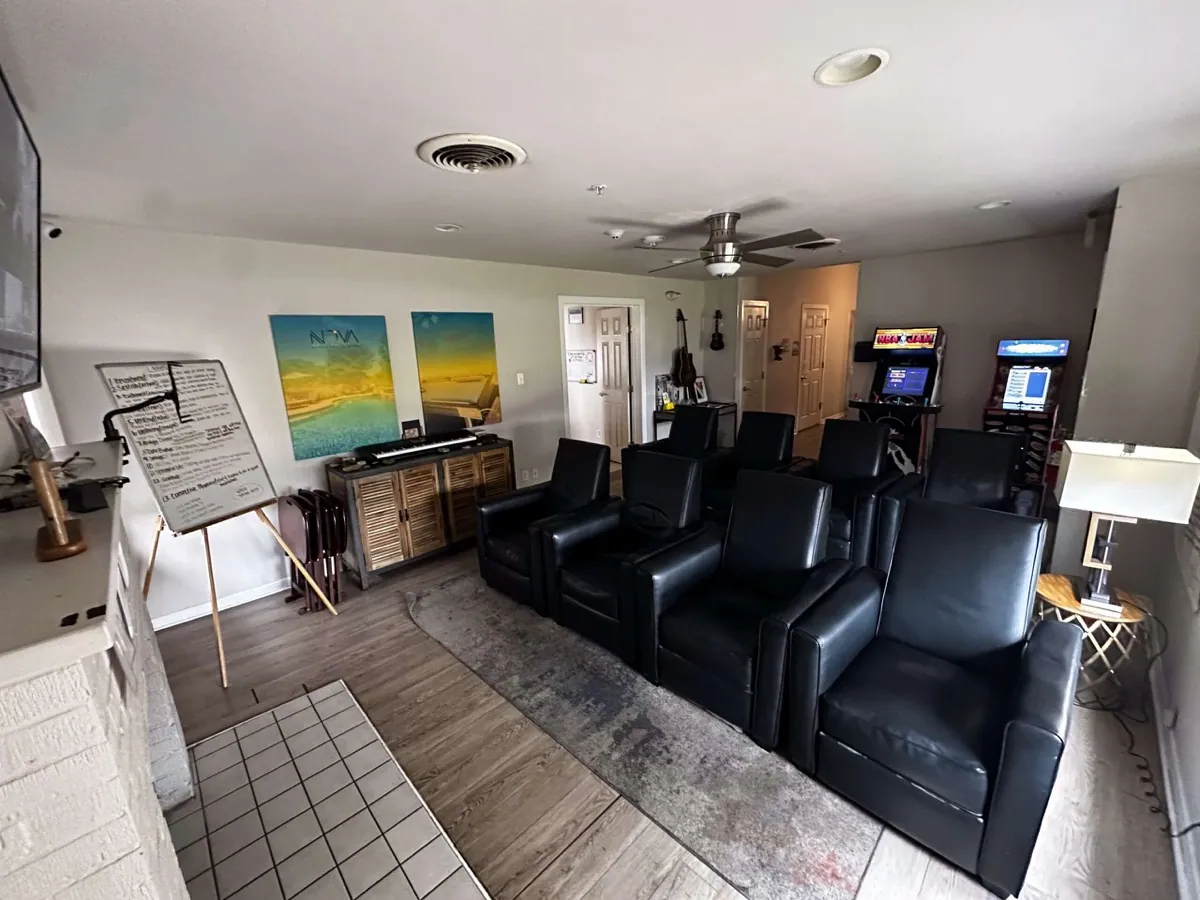

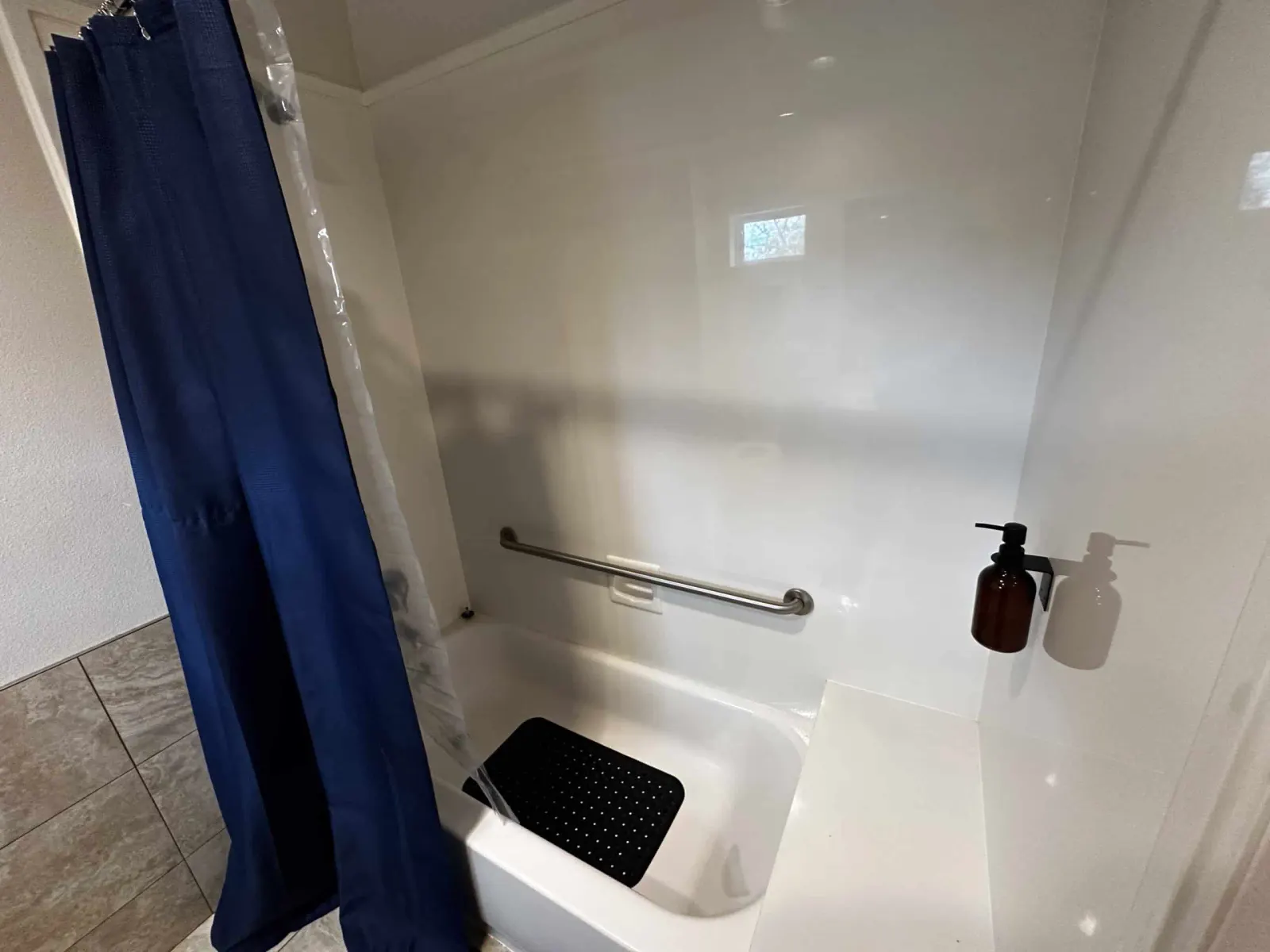
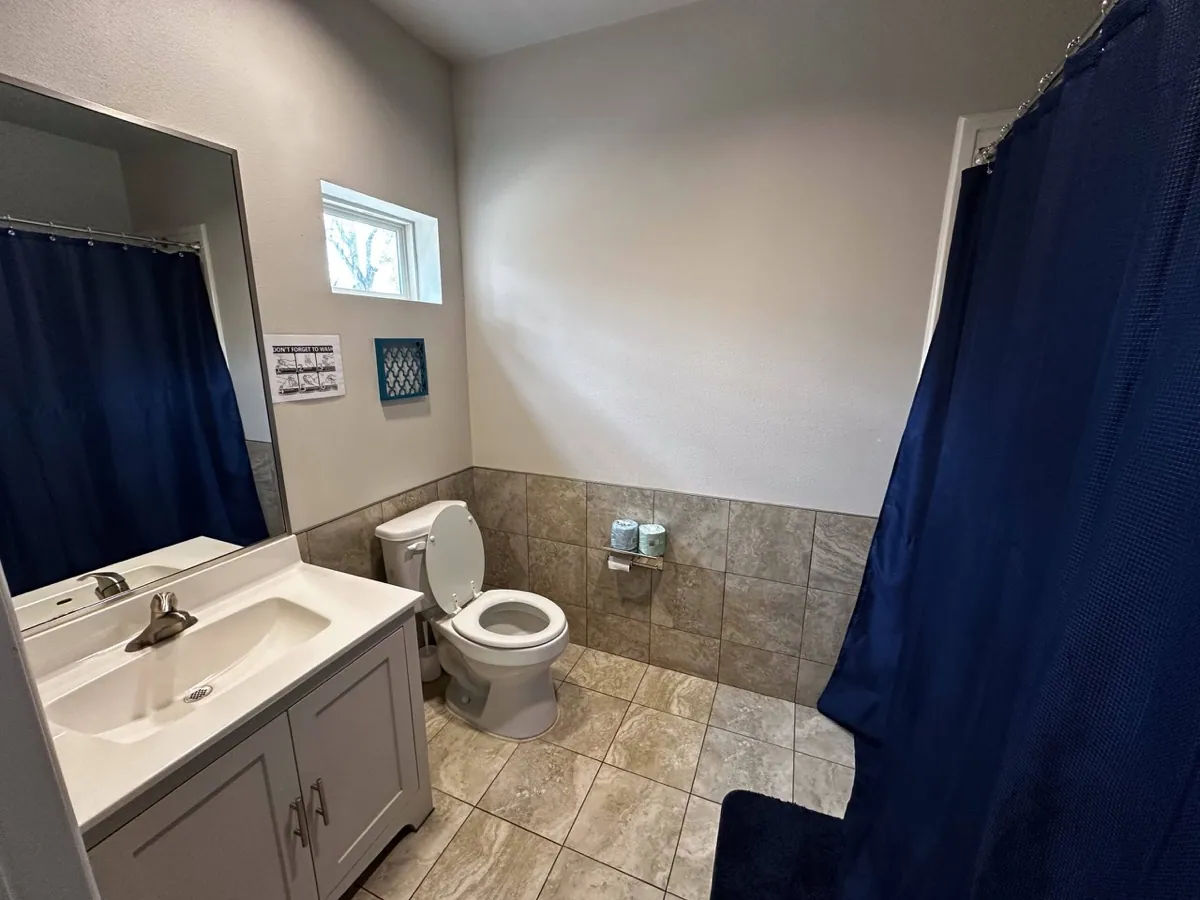

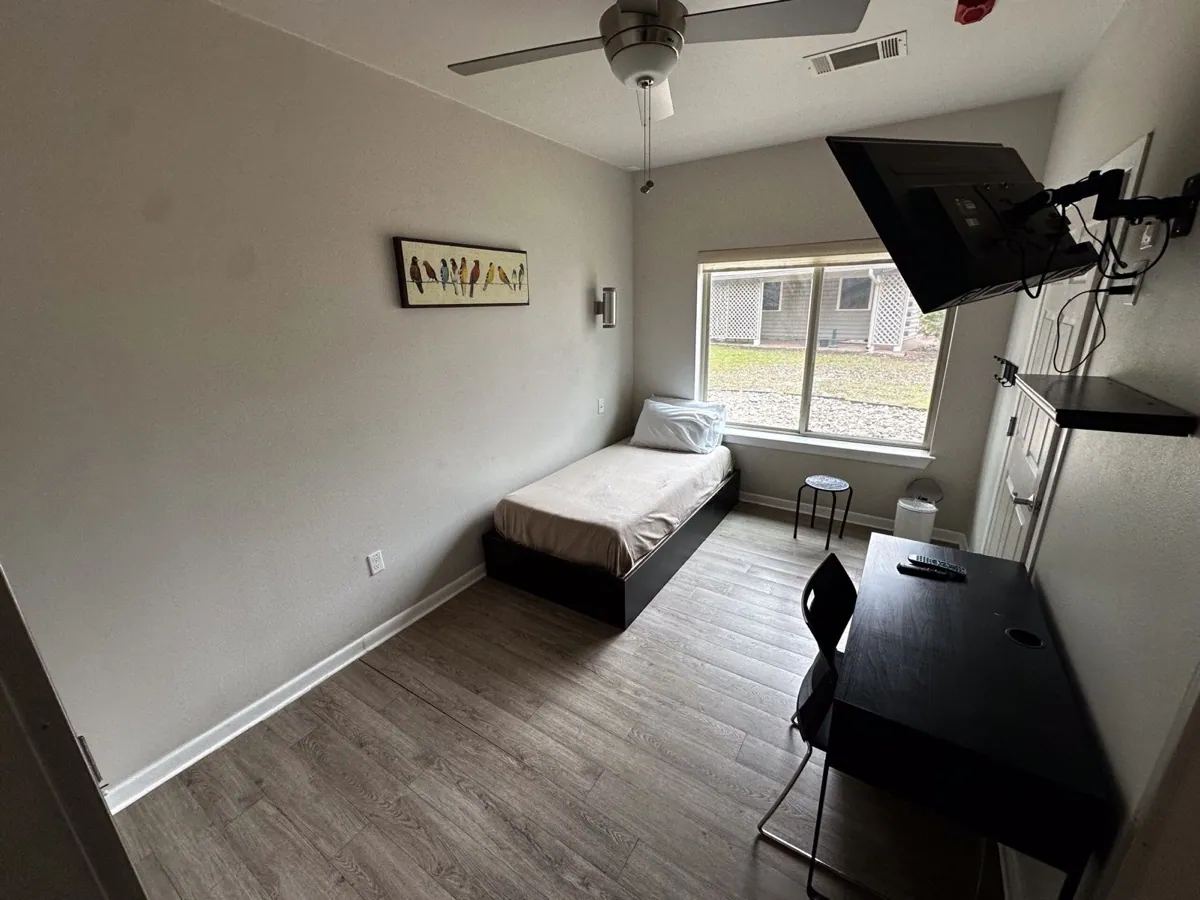











Where we are
Detox centers across Texas
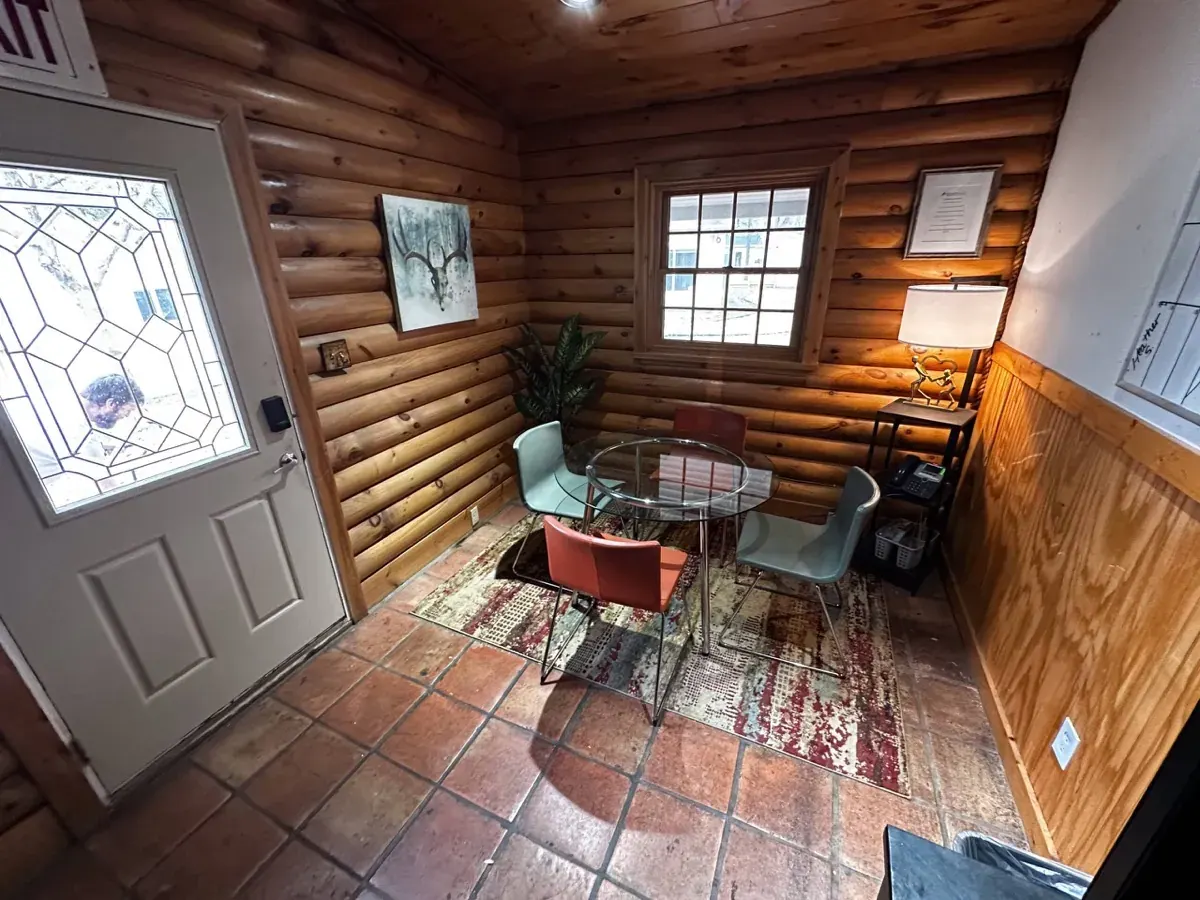
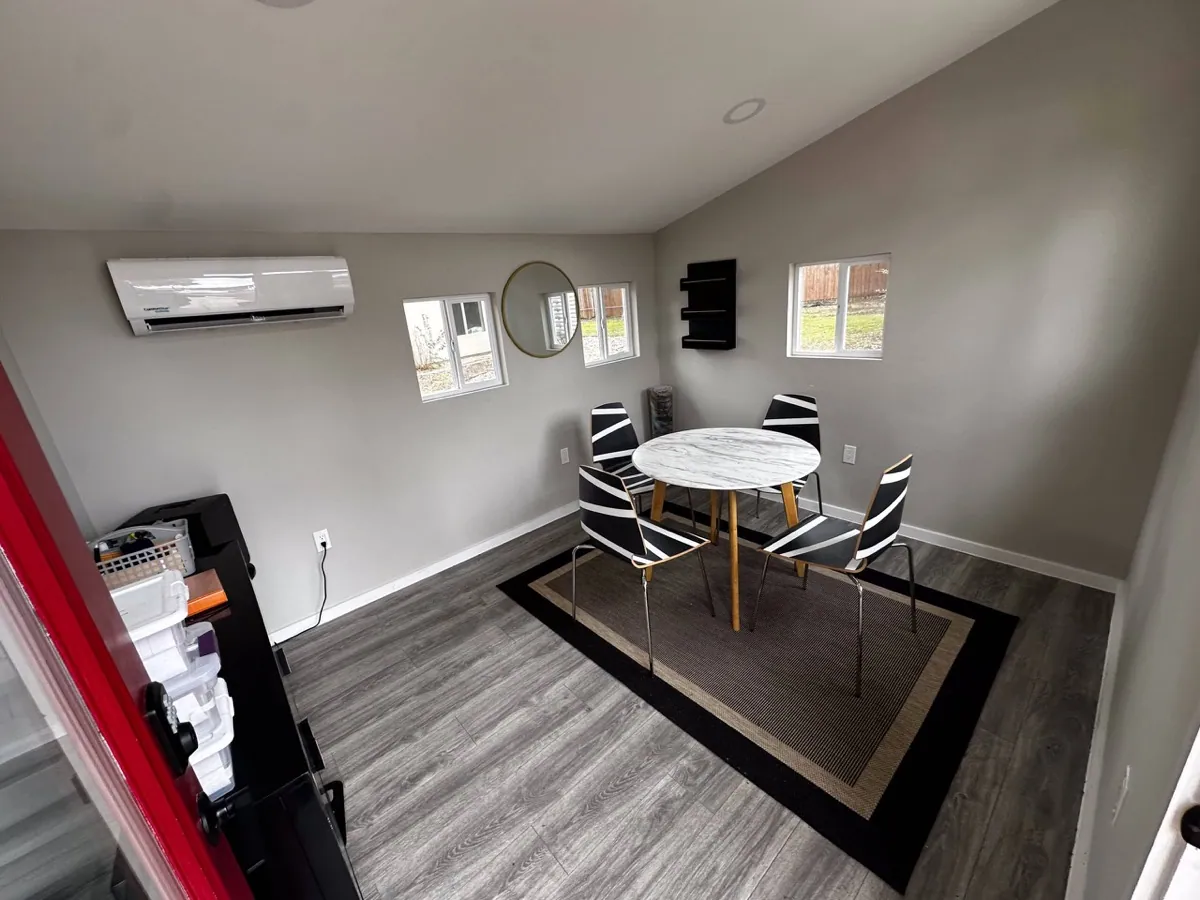
Three locations, each with its own admissions line and its own clinical team. Pick the one nearest you — or call and we will tell you which has a bed tonight.
-
 Inpatient
 Austin, TX
11711 N Lamar Blvd · 78753
- 15 beds
- On-site labs
- 24-hour medical staff
Austin Inpatient Detox — Start Safely Today
-
Alcohol & Drug Detox in San Antonio
Briarwood
Alcohol & Drug Detox in San Antonio
-
 Outpatient
 San Antonio, TX
6707 W Hausman Rd · 78249
- Outpatient detox with scheduled medical visits
- Outpatient treatment
Outpatient Detox Programs — San Antonio
Conditions Behavioral Therapy Helps Treat
Behavioral therapy has strong evidence across many mental health concerns. Below are the broad condition groups most often treated.
Mood and Anxiety Disorders
CBT is widely recommended for major depression and anxiety disorders such as generalized anxiety, social anxiety, panic disorder, and specific phobias. It can reduce symptoms and improve daily functioning, either alone or combined with medication when needed.
Trauma‑ and Stress‑Related Disorders
For post‑traumatic stress disorder (PTSD), trauma‑focused CBT and related exposure methods are standard options. They teach coping skills while helping people safely process traumatic memories and reduce avoidance.
Obsessive‑Compulsive and Related Disorders
CBT techniques—especially exposure and response prevention (ERP)—are first‑line treatments for obsessive‑compulsive disorder (OCD). ERP helps people face intrusive thoughts while resisting compulsive behaviors.
Eating and Sleep Disorders
CBT has proven benefits for eating disorders such as bulimia and binge‑eating, and for insomnia, where CBT‑I targets the habits and thoughts that disrupt sleep.
Substance Use Disorders and Cravings
Behavioral therapies are central to care for substance use disorders. They teach craving management, trigger awareness, and relapse‑prevention planning. They are often paired with medications (e.g., buprenorphine, methadone, or naltrexone) to improve outcomes.
Personality and Emotion Regulation Disorders
Dialectical behavior therapy (DBT)—a CBT‑based method—was developed for borderline personality disorder and chronic emotion dysregulation. DBT builds skills in distress tolerance, mindfulness, emotion regulation, and interpersonal effectiveness. It is now used more broadly for self‑harm and severe mood instability.
How Behavioral Therapy Supports Inpatient Detox in Austin
Inpatient programs may also address co‑occurring mental health conditions that often surface during early recovery. A structured behavioral approach helps people stabilize, learn coping skills, and transition to ongoing care in the community. Local hospitals, such as Austin Oaks Hospital, offer inpatient detox within broader psychiatric services, which can be helpful when mental health symptoms are severe.
Managing Withdrawal and Cravings
Behavioral strategies—urge surfing, stimulus control, and coping plans—are taught alongside medical care. The aim is to decrease risk during acute withdrawal and build habits patients can keep using after discharge.
Dual Diagnosis Care
If depression, anxiety, PTSD, or other conditions are present, behavioral therapy targets both the mental health symptoms and the substance use patterns. This integrated approach improves continuity as patients move from detox to residential or outpatient care.
Skills for Early Recovery
Patients learn relapse‑prevention plans, sleep routines, and emotion‑regulation skills (often drawn from DBT). These tools prepare people for the higher‑risk first weeks after detox.
Who Inpatient Detox Is Right For
Inpatient detox is considered when withdrawal risks are high (e.g., alcohol, benzodiazepines, or complicated opioid use), when there is limited social support, or when psychiatric symptoms require close monitoring. Some people can detox safely in outpatient care, but others need 24/7 medical oversight for stability and safety. A clinician can help decide the right level of care.
What To Expect in an Austin Inpatient Detox Program
- Assessment: Medical and psychiatric screening to set a personalized plan.
- Withdrawal Management: Medications as appropriate, hydration, nutrition, and vital‑sign monitoring.
- Behavioral Therapy: Brief group and individual therapy sessions focused on coping skills, sleep, and craving control
- Family and Aftercare Planning: Discharge planning links clients to residential or outpatient services across Austin and explains what comes after detox for continuous care.
How To Choose an Inpatient Detox Center in Austin
- Medical Coverage: Confirm 24/7 nursing support and on‑call medical providers.
- Behavioral Therapies Offered: Ask whether CBT, DBT skills, and relapse‑prevention are built into care.
- Co‑Occurring Care: Look for integrated mental health treatment.
- Next‑Step Options: Ensure a clear path to residential or outpatient therapy after detox.
- Accreditation and Public Resources: Use SAMHSA’s treatment locator and state resources to compare programs and funding options.
How Briarwood Detox Center Supports Inpatient Detox Therapy in Austin
Briarwood Detox Center provides inpatient detox therapy in Austin with round‑the‑clock clinical oversight. Our team completes a full assessment and builds a safe, individualized plan. Admissions staff guide scheduling and explain costs and coverage options in plain language. Medical providers manage withdrawal and monitor vital signs throughout care. Evidence‑based protocols, including medication‑assisted treatment when appropriate, help reduce discomfort and risk. Patients receive brief behavioral support to manage cravings, anxiety, and sleep problems. We teach practical skills for stress, nutrition, and relapse prevention to prepare for next steps. Discharge planning links clients to residential or outpatient services across Austin for continuous care. Our location offers convenient access for Austin, Central Texas, and surrounding communities. With experienced staff and a focus on continuity, Briarwood Detox Center helps people start recovery with confidence.
Frequently Asked Questions About Behavioral Therapy and Inpatient Detox in Austin
What conditions can behavioral therapy treat?+–
Behavioral therapy, including CBT, is used for depression, anxiety disorders, PTSD, OCD, insomnia, and eating disorders. It can also support people living with substance use disorders as part of a broader treatment plan.
How does cognitive behavioral therapy work?+–
CBT is a structured, time‑limited therapy that teaches skills to identify and change unhelpful thoughts and behaviors. Sessions often include goal setting and practice between visits.
Is behavioral therapy effective for addiction?+–
Yes. Behavioral therapies are core treatments for substance use disorders and are often combined with medications to improve outcomes.
What happens during medical detox?+–
Medical detox starts with assessment and monitoring to manage withdrawal safely. Clinicians may use medications and supportive care, then connect patients with ongoing treatment after stabilization.
How long does inpatient detox take?+–
Length varies by substance, health history, and symptom severity. For example, alcohol withdrawal often peaks within 24–72 hours and can last several days; opioid withdrawal is variable and should be medically supervised.
Is detox the same as rehab?+–
No. Detox manages withdrawal and medical safety, while rehab (residential or outpatient) provides therapy and long‑term recovery supports; most people need both levels in sequence.
Do I need inpatient or outpatient detox?+–
Inpatient detox is recommended when risks are high (e.g., alcohol or benzodiazepine withdrawal, prior seizures, serious medical or psychiatric issues) or home support is limited. Some people can detox safely in outpatient settings after a clinical evaluation.
Is inpatient detox covered by insurance in Texas?+–
Under the Affordable Care Act, mental health and substance use disorder services are essential health benefits; Texas parity rules also apply. Coverage details vary by plan, and Medicare covers certain SUD services. Check your benefits and ask the provider’s admissions team to verify.
What are common withdrawal symptoms, and are they dangerous?+–
Symptoms can include tremor, sweating, nausea, anxiety, and sleep problems; severe alcohol withdrawal can lead to delirium tremens, which is life‑threatening. Seek medical care if withdrawal is likely or already underway.
What is dual diagnosis treatment?+–
Dual diagnosis care treats substance use and mental health conditions together using coordinated services across the continuum of care. SAMHSA and Texas HHS describe integrated programs that include withdrawal management, counseling, and ongoing treatment.
How does DBT help with cravings and emotion regulation?+–
Dialectical behavior therapy teaches skills in distress tolerance, emotion regulation, mindfulness, and interpersonal effectiveness. Studies show DBT and DBT‑skills training can reduce substance use for select groups and improve emotion regulation.
How can I find accredited inpatient detox centers near Austin?+–
Use SAMHSA’s treatment locator to compare licensed programs, levels of care, and payment options, or start with the agency’s “Find Help” hub for hotlines and directories.
Related guides



About the people behind this guide
Anna-Grace Washington
Medical Content Writer
Anna-Grace Washington is a Medical Content Writer for Briarwood Detox Center. She holds a master’s degree in clinical psychology from the University of Texas and brings a strong understanding of behavioral health, addiction recovery, and evidence-based treatment concepts to her writing.
Dr. Robert Ulrich, DO
Medical Director
Dr. Robert Ulrich serves as Medical Director at Briarwood Detox Center, bringing more than two decades of clinical neurology experience to the treatment of substance use disorders. He is board-certified in neurology by the American Board of Psychiatry and Neurology and completed his neurology residency at UT Southwestern Medical Center in Dallas, where he served as Chief Resident.
In network with most major insurance
Find your plan and see what detox would cost
Most plans cover medical detox. Coverage varies by plan, so we verify it for you before you commit to anything.
















Don't see your plan? We work with out-of-network benefits and offer self-pay options — (866) 710-7710
- Confidential
- Takes about 2 minutes
- No obligation to admit

- Accredited The Joint Commission
- Rated 4.5 · 95 Google reviews
- Admissions 24 hours a day