
Guide
Tips on Paying for Detox With and Without Insurance
Joint Commission accredited · In network with most major insurance · Admissions answered 24 hours a day

Published March 21, 2019
Reviewed and updated July 29, 2026
For many people, choosing a detox center ultimately comes down to cost. Although other factors like treatment methods, privacy, amenities, and accreditation are also very important, detox treatment must also be affordable.
If you or someone you love needs more than detox, Briarwood Detox Center also provides austin tx drug rehab.
Table of contents
- Paying for Drug Detox With Insurance
- How to Verify Your Health Insurance Benefits
- Paying for Drug Detox Without Insurance
If you or a loved one is looking for an inpatient drug detox program but you’re not sure how to pay for detox, this blog will answer some questions you may have about paying for drug detox with and without insurance.
Does your insurance cover detox in Austin?
Find out in about 2 minutes — free, confidential, no obligation.
Verify InsurancePaying for Drug Detox With Insurance
Health insurance companies are generally required to provide coverage for mental health and substance abuse disorders, so in most cases, health insurance will cover a portion of the cost of treatment in detox.1 However, insurance can be confusing and complicated, so a lack of information about benefits and treatment coverage often keeps people from getting the treatment they need.
If you have health insurance and you want to use your insurance benefits to pay for drug detox, your insurance company may offer full or partial substance abuse treatment coverage. The degree of coverage will vary depending on the details of the insurance policy you’ve purchased.
Various health insurance companies and policies work differently, so your health insurance provider may require that you meet a deductible before they will pay for any of your treatment in drug detox. For example, you may be required to pay up to $2,500 before your insurance benefits can be applied to the overall cost of treatment. Alternatively, your health insurance company may also require that you choose from a select group of approved providers.
How to Verify Your Health Insurance Benefits
The best way to determine the extent of your insurance coverage for detox is to contact your health insurance company directly and ask. A company representative should be able to tell you how much of the cost of drug detox will be covered by insurance and how much will be left for you to pay out-of-pocket.
If you would like to enroll in drug detox at Briarwood Detox Center, you can call our admissions team directly and we will complete an insurance verification for you. This just means that we will contact your health insurance company on your behalf to find out if they cover detox treatment at our facility, as well as the degree of coverage that is provided. We work with many different U.S. health insurance companies, including:
- Aetna
- Ambetter
- AmeriHealth
- Beacon/ValueOptions
- Blue Cross Blue Shield
- Cigna
- First Health
- Humana
- Magellan
- Magnacare
- Medical Mutual
- UMR
- UnitedHealthcare
- Scott and White
- WebTPA
If you’d like us to verify your health insurance benefits today, we will need you to provide the company name and phone number of your health insurance provider, your member ID number, and your date of birth. The insurance verification process is completely free, confidential, and you are not obligated to enroll in treatment at Briarwood Detox Center.
Paying for Drug Detox Without Insurance
If you do not have health insurance or your benefits won’t kick in until you pay a certain amount out-of-pocket, there are several other alternative payment options that can help reduce the overall cost of drug detox.
Ready to talk to someone now? Briarwood Detox Center's admissions team is here 24/7, and every call is confidential. Call (866) 710-7710.Health Savings Account (HSA) Funds
If you do not have insurance or you have a high-deductible insurance plan, your out-of-pocket expenses for drug detox may be higher. In this case, using HSA funds is a great way to reduce your expenses for treatment. You can use your HSA to pay for things like lodging, meals, and transportation to AA meetings (if this is a part of your treatment) while enrolled in an inpatient detox program.2
Employee Assistance Programs
If your employer offers an Employee Assistance Program (EAP), this is another resource you can tap into. An EAP program is a confidential program offered through an HR department or third-party that is free for employees to use. It provides immediate professional assistance for personal issues like substance abuse problems while also helping you maintain your employment. Depending on your employer, your EAP program may offer counseling, referrals to addiction treatment programs, family support, and help re-integrating back into the workplace once your treatment is complete. If you’re not sure if your employer offers an EAP, you may want to ask your HR department for more information.
Financed Healthcare Loans
Healthcare lending companies may offer simple interest loans that provide longer terms and lower monthly payments, so you can pay off the remaining balance for detox treatment in smaller, more manageable chunks. Often times, all you have to do to get a loan is complete a short and simple online inquiry.
Credit Cards
Although using credit cards may not be an ideal way to pay for drug detox, it can work if it’s your only option. If you have good credit, you may want to apply for credit cards with a low-interest or no-interest rate so that carrying a balance from month to month is a little more manageable.
Crowdfunding
Crowdfunding websites are online tools that people use to raise money for medical care or causes and organizations that they are passionate about. Using crowdfunding websites like GoFundMe, Fundly, FundRazr, or GoGetFunding can be a highly effective way to raise funds from friends, family, and even strangers who want to help you get the treatment you need to recover.
When it comes down to it, the cost of not getting addiction treatment is higher than any monetary price. Fortunately, there are many ways to reduce the cost of drug detox and get high-quality, effective treatment that will help you achieve a life of continued recovery.
If you’d like to learn more about using your health insurance benefits to pay for drug detox at Briarwood or you want more information about alternative payment options, our admissions team is ready to answer your questions. Just call (866) 710-7710 to get started today.References:
How Much Does 90 Days of Residential Treatment Cost with Insurance?
The out-of-pocket cost for 90 days of residential addiction treatment with insurance typically ranges from $0 to $15,000, depending on your plan's deductible, copays, coinsurance, and whether the facility is in-network. Total program costs before insurance can range from $30,000 to over $100,000 for 90 days, but the Affordable Care Act requires most insurers to cover substance use disorder treatment as an essential health benefit, significantly reducing what you pay.
At Briarwood Detox Center, we accept major insurance carriers including Aetna, Blue Cross Blue Shield, Cigna, and UnitedHealthcare for our medically supervised detox programs in Austin, TX, and outpatient detox services in Austin, San Antonio, Houston, and Colorado Springs, CO. While Briarwood specializes in detoxification and withdrawal management (typically 5-10 days inpatient), we work closely with patients and families to verify insurance benefits and coordinate transitions to appropriate residential treatment partners when extended care is recommended.
Factors That Affect Your Insurance Coverage for Residential Treatment
- In-network vs. out-of-network status: In-network facilities have negotiated rates with your insurer, resulting in significantly lower out-of-pocket costs—often 60-80% less than out-of-network care.
- Deductible and out-of-pocket maximum: You'll pay the full negotiated rate until your deductible is met; after that, coinsurance applies until you hit your annual out-of-pocket maximum.
- Medical necessity and prior authorization: Insurers require documentation that residential treatment is medically necessary; your provider must submit clinical assessments and treatment plans for approval.
- Plan type (PPO, HMO, EPO): PPO plans typically offer more flexibility in choosing providers, while HMO and EPO plans may have stricter network requirements or require referrals.
- State parity laws: Federal and Texas parity laws require insurers to cover mental health and substance use treatment at the same level as medical/surgical care, but enforcement and interpretation vary.
Understanding the Full Cost Beyond Detox
Detoxification is the critical first step in recovery, but it addresses only the physical withdrawal symptoms. A comprehensive 90-day residential program includes:
- Individual and group therapy (CBT, DBT, trauma-informed care)
- Medical monitoring and medication management
- Psychiatric evaluation and dual-diagnosis treatment
- Family counseling and education
- Relapse prevention planning and life skills training
- Aftercare coordination and continuing care planning
Briarwood's medically supervised detox programs provide the safe, compassionate foundation for this longer journey. Our clinical team works with each patient to create a personalized discharge plan that includes referrals to appropriate residential or outpatient programs based on individual needs and insurance coverage.
How to Verify Your Insurance Benefits
Before entering treatment, take these steps to understand your coverage:
- Call the number on your insurance card and ask specifically about substance use disorder treatment benefits, including inpatient detox, residential treatment, and outpatient services.
- Request a benefits verification in writing that details your deductible, coinsurance percentage, copays, out-of-pocket maximum, and any pre-authorization requirements.
- Ask about in-network providers for both detox and residential treatment in your area.
- Confirm coverage duration limits—some plans cap residential treatment at 30, 60, or 90 days per year.
- Contact Briarwood Detox Center at (866) 710-7710—our admissions team will verify your benefits at no cost and explain exactly what your plan covers for detox services.
What If Insurance Doesn't Cover the Full 90 Days?
If your insurance approves less than 90 days of residential treatment, or if out-of-pocket costs are prohibitive, consider these evidence-based alternatives:
- Intensive outpatient programs (IOP): Meet 3-5 days per week for several hours while living at home; often covered more generously than residential care
- Partial hospitalization programs (PHP): Full-day treatment 5-7 days per week with overnight stays at home; a step-down from residential that's typically better covered
- Step-down care models: Start with 30 days residential, transition to PHP or IOP for the remaining 60 days; insurers often approve this graduated approach more readily
- Outpatient detox plus outpatient treatment: Briarwood offers outpatient detox in Austin, San Antonio, Houston, and Colorado Springs that allows medically supervised withdrawal while maintaining work and family commitments, followed by local outpatient therapy
Does insurance really cover 90 days of residential addiction treatment?
Yes, most insurance plans cover residential addiction treatment for up to 90 days when medically necessary, thanks to federal parity laws and the Affordable Care Act's requirement that substance use disorder treatment be covered as an essential health benefit. However, coverage varies widely—some plans cover the full 90 days at in-network rates with only deductible and coinsurance, while others may require step-down to outpatient care after 30-60 days or limit total residential days per year. Your insurer will require prior authorization and ongoing utilization review to confirm medical necessity throughout the stay.
What is the difference between detox and residential treatment costs?
Detoxification (typically 5-10 days) focuses exclusively on medically supervised withdrawal management and stabilization, with costs ranging from $1,500 to $10,000 before insurance. Residential treatment (30-90 days) includes detox plus comprehensive therapeutic programming—individual therapy, group counseling, psychiatric care, family therapy, and skill-building—with costs ranging from $10,000 to over $100,000 for a full 90-day program. Insurance often covers detox more readily because it's acute medical care, while extended residential treatment may face more utilization review and medical necessity hurdles. Briarwood Detox Center specializes in the critical detox phase and works with families to coordinate insurance-covered transitions to residential or outpatient programs based on clinical need.
How do I know if 90 days of residential treatment is medically necessary for me?
Medical necessity for extended residential treatment is typically determined by clinical factors including severity and duration of substance use, previous treatment attempts and outcomes, presence of co-occurring mental health disorders, medical complications, risk of severe withdrawal, lack of stable housing or supportive home environment, and immediate safety concerns. A comprehensive assessment by an addiction medicine specialist or licensed clinician—using standardized tools like the ASAM criteria—will determine the appropriate level of care. Briarwood's medical team conducts thorough evaluations during detox and provides clinical recommendations for next-level care, including documentation to support insurance authorization when residential treatment is indicated.
Can I use my HSA or FSA to pay for residential treatment costs not covered by insurance?
Yes, Health Savings Accounts (HSA) and Flexible Spending Accounts (FSA) can be used to pay for qualified medical expenses including substance use disorder treatment, detox, and residential rehab programs. This includes deductibles, copays, coinsurance, and even out-of-network costs not covered by your insurance. Using HSA/FSA funds provides a tax advantage because the money is pre-tax, effectively reducing your out-of-pocket cost. Keep all receipts and documentation from your treatment provider for your records. Contact Briarwood Detox Center at (866) 710-7710 to discuss payment options and insurance coordination for our detox services in Austin, San Antonio, Houston, and Colorado Springs.
Ready to understand your insurance coverage and take the first step toward recovery? Call Briarwood Detox Center today at (866) 710-7710. Our admissions specialists will verify your benefits at no cost, explain your coverage for medically supervised detox, and help coordinate a seamless care plan tailored to your needs and insurance coverage.
Where we are
Detox centers across Texas
Three locations, each with its own admissions line and its own clinical team. Pick the one nearest you — or call and we will tell you which has a bed tonight.
-
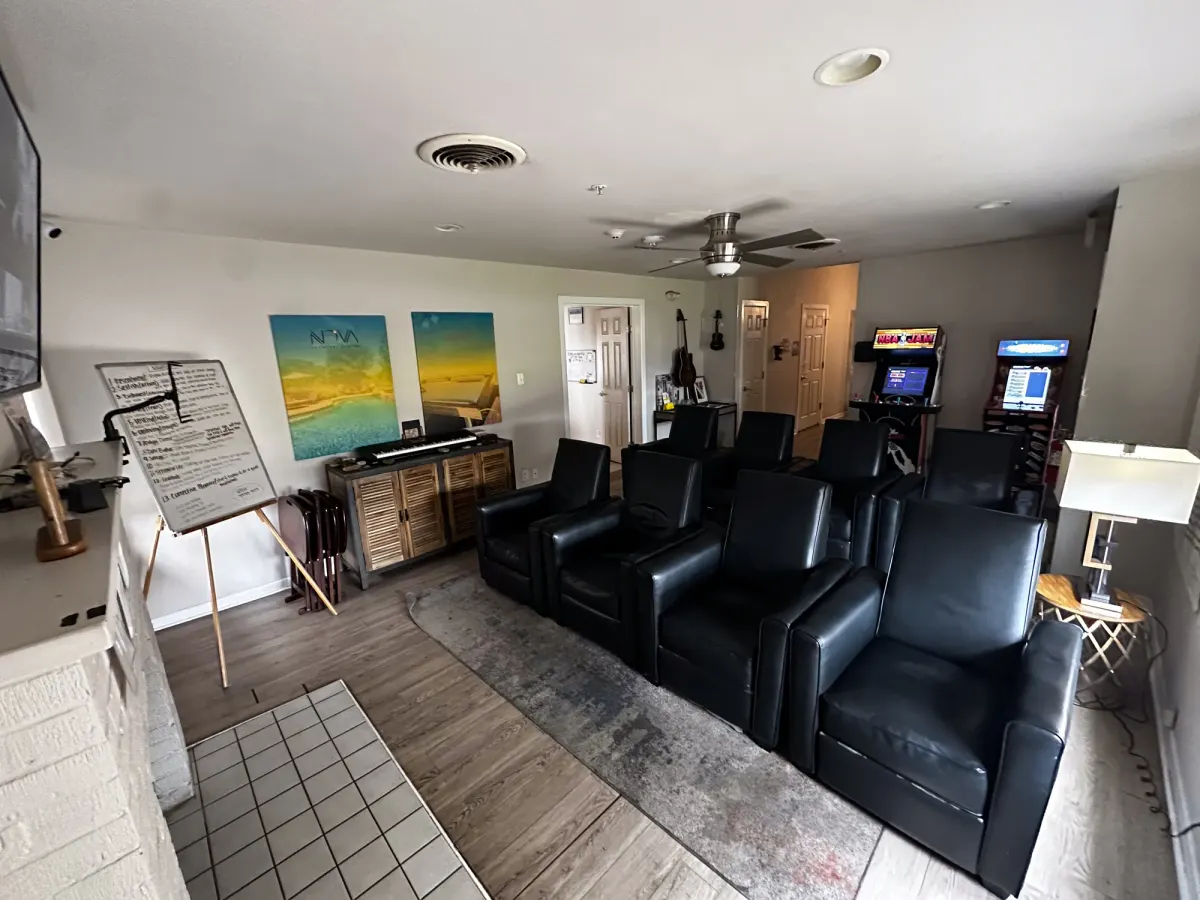 Inpatient
 Austin, TX
11711 N Lamar Blvd · 78753
- 15 beds
- On-site labs
- 24-hour medical staff
Drug & Alcohol Detox in Austin, TX
-
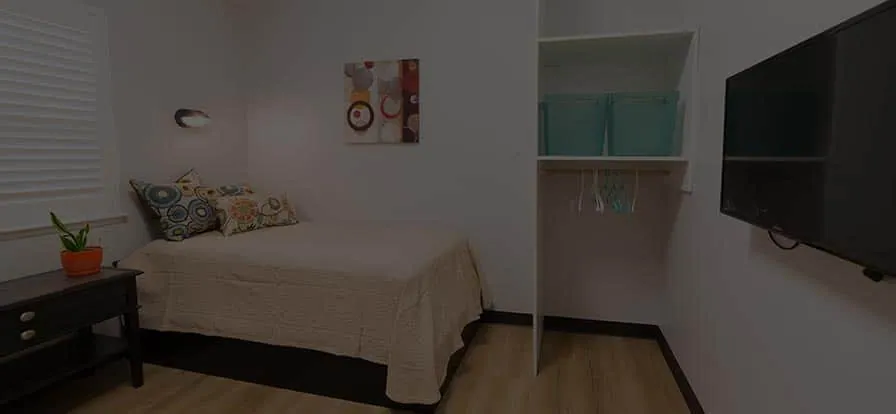 Inpatient
 Houston, TX
1019 Ashland St · 77008
- On-site labs
- 24-hour medical staff
Drug Detox Center in Houston, TX
-
 Outpatient
 San Antonio, TX
6707 W Hausman Rd · 78249
- Outpatient detox with scheduled medical visits
- Outpatient treatment
Outpatient Drug & Alcohol Detox in San Antonio
What's the Typical Cost of a 7-Day Medical Detox Without Insurance in Texas?
What's the typical cost of a 7-day medical detox without insurance in Texas?
The cost of a 7-day medical detox program without insurance in Texas typically ranges from $1,500 to $10,000 or more, depending on the level of care, facility amenities, medications required, and the substances involved. Medical detox in a licensed facility with 24/7 clinical supervision and medication-assisted treatment generally costs more than outpatient or non-medical alternatives. At Briarwood Detox Center, we work with individuals to explore payment options, HSA/FSA accounts, and financing solutions to make medically supervised detox accessible.
Several factors influence the final cost of medical detox without insurance coverage in Texas:
- Level of care: Inpatient medical detox with round-the-clock nursing and physician oversight costs more than outpatient detox programs, reflecting the intensity of monitoring and support.
- Substance type: Detoxing from alcohol, benzodiazepines, or opioids often requires more extensive medical intervention, including specific medications (such as benzodiazepines for alcohol withdrawal or buprenorphine for opioid withdrawal), which can increase costs.
- Length of stay: While 7 days is a common timeframe for detox, some individuals may need shorter or longer stays depending on withdrawal severity and medical complexity.
- Facility amenities: Centers with private rooms, enhanced nutrition services, holistic therapies, and higher staff-to-patient ratios may charge higher rates.
- Co-occurring conditions: Patients with mental health disorders, chronic medical conditions, or polysubstance use may require specialized care that affects pricing.
It's important to understand that medical detox is not optional for many substances—alcohol and benzodiazepine withdrawal can be life-threatening without proper medical management. Attempting to detox at home or in an unsupervised setting to save money can lead to dangerous complications, seizures, or relapse. The investment in professional medical detox is an investment in safety and long-term recovery success.
How can I pay for medical detox in Texas without insurance?
Many detox centers, including Briarwood Detox Center, offer multiple payment options for individuals without insurance:
- Self-pay or private pay: Pay out-of-pocket using cash, credit cards, or bank transfers. Some facilities offer self-pay discounts or transparent pricing to help individuals budget.
- Health Savings Accounts (HSA) and Flexible Spending Accounts (FSA): These tax-advantaged accounts can be used to cover qualified medical expenses, including detox treatment. Learn more about using your HSA for drug detox.
- Payment plans and financing: Many centers partner with healthcare financing companies to offer installment payment plans with low or no interest, making treatment more affordable over time.
- Employer assistance programs (EAPs): Some employers provide confidential support and financial assistance for substance use treatment.
- Scholarships or sliding-scale fees: While Briarwood Detox Center is a private, for-profit facility and does not offer free services, we encourage individuals to inquire about any available payment assistance or flexible arrangements.
We recommend calling our admissions team at (866) 710-7710 to discuss your specific financial situation and explore all available options. Our goal is to remove barriers to life-saving detox care.
Is medical detox worth the cost without insurance?
Absolutely. The cost of medical detox is a critical investment in your health and safety. Withdrawal from alcohol, benzodiazepines, and certain other substances can be medically dangerous or even fatal without proper supervision. Medical detox provides:
- 24/7 medical monitoring: Nurses and physicians track vital signs and manage complications in real time.
- Medication-assisted treatment (MAT): Evidence-based medications reduce withdrawal symptoms, prevent seizures, and increase comfort and safety.
- Emotional and psychological support: Trained counselors and therapists help address anxiety, cravings, and the emotional challenges of early recovery.
- Foundation for long-term recovery: Completing detox in a structured, supportive environment increases the likelihood of transitioning successfully to outpatient rehab or ongoing treatment.
The alternative—attempting detox alone or in an unsafe setting—carries significant risks, including relapse, medical emergencies, and the emotional toll of repeated failed attempts. Many people find that the upfront cost of professional detox is far outweighed by the long-term benefits of stable, supported recovery and the avoidance of costly emergency room visits or repeated detox attempts.
For more information on what to expect during detox and how to prepare, visit our guides on preparing for drug and alcohol detox and the comprehensive guide to drug detox in Austin, Texas.
Does Briarwood Detox Center offer detox services in Texas?
Yes. Briarwood Detox Center provides medically supervised inpatient detox in Austin, Texas, as well as outpatient detox services in Austin, San Antonio, and Houston. Our experienced medical team specializes in withdrawal management for alcohol, opioids, benzodiazepines, stimulants, and other substances. We offer individualized treatment plans, evidence-based medications, and compassionate care to ensure a safe and comfortable detox experience.
Whether you need intensive inpatient support or the flexibility of outpatient care, we're here to help you take the first critical step toward recovery. Call us at (866) 710-7710 to learn more about our Texas locations and payment options.
Ready to Start Your Recovery in Austin?
Briarwood Detox Center offers medically supervised detox in Austin. Explore our locations, see the facility, and verify your insurance in minutes.
See our locationsRelated guides



About the people behind this guide
Anna-Grace Washington
Medical Content Writer
Anna-Grace Washington is a Medical Content Writer for Briarwood Detox Center. She holds a master’s degree in clinical psychology from the University of Texas and brings a strong understanding of behavioral health, addiction recovery, and evidence-based treatment concepts to her writing.
In network with most major insurance
Find your plan and see what detox would cost
Most plans cover medical detox. Coverage varies by plan, so we verify it for you before you commit to anything.














Don't see your plan? We work with out-of-network benefits and offer self-pay options — (866) 710-7710
- Confidential
- Takes about 2 minutes
- No obligation to admit
- Accredited The Joint Commission
- Rated 4.7 · 183 Google reviews Flourishing Foundations Recovery, now part of Briarwood
- Admissions 24 hours a day