
Guide
Does Weed Kill Brain Cells? What Studies Say in Austin, TX
Joint Commission accredited · In network with most major insurance · Admissions answered 24 hours a day


Published November 20, 2025
Reviewed and updated July 29, 2026
Key Takeaways · 8 points
- Cannabis doesn’t clearly kill neurons in humans. Heavy or frequent use is still linked to measurable changes in memory, attention, and brain function.
- Adolescents are most vulnerable to lasting effects from heavy, early use. Starting young and using often increases risk for cognitive decline.
- Potency matters—especially with hybrid weed. High‑THC products raise the odds of short‑term impairment and dependence.
- Chemistry and use pattern matter more than the “hybrid” label. THC, CBD, and frequency of use drive outcomes far more than strain names.
- Adults may show functional brain changes without proven neuron loss. Findings vary by dose, frequency, and time since last use.
- Memory and learning networks—especially the hippocampus—are most affected. Effects appear during intoxication and with heavy, long‑term exposure.
- Know the red flags that use is taking control. Tolerance, withdrawal, missed obligations, and failed cut‑downs signal a need for support.
- If you’re searching for substance abuse treatment in Austin, TX, Briarwood Detox Center provides 24/7 medical detox and coordinated next steps. Sa
Break Free from Addiction. Detox Safely in Austin Today.
Medically Supervised Detox – Compassionate Care Starts Here.
People ask this because cannabis is everywhere, products are stronger than they used to be, and many strains—especially hybrid weed—promise powerful effects. The short answer: human studies do not show routine cannabis use directly “kills” brain cells in the way a toxin might, but heavy and early use is linked to measurable changes in brain structure, function, and thinking skills. Those risks are higher with high‑THC products and adolescent use. If you’re also hearing about dab the dance trend or “dabs” and wax, our guide to dabbing and cannabis concentrates shows how this high‑THC method affects both brain function and lung health.




















Key takeaways at a glance
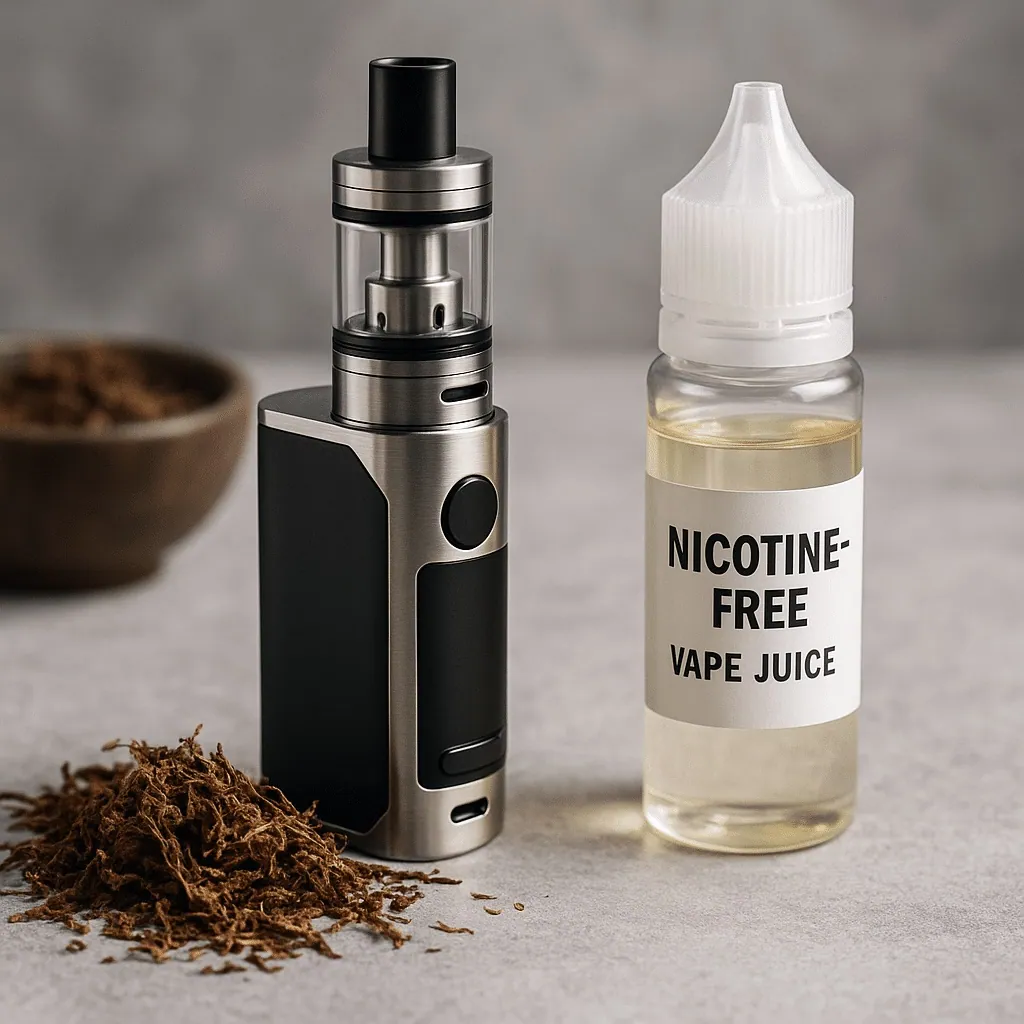
- Cannabis doesn’t clearly kill neurons in humans, but heavy or early use can affect memory, attention, and brain development. If you’re also using e‑cigs, vaping without nicotine still exposes your brain and lungs to heated solvents and flavor chemicals—our nicotine‑free vape guide explains what that means.
- Adolescents are most vulnerable. Persistent, heavy use starting in the teen years is associated with lasting cognitive declines.
- Potency matters—especially with hybrid weed. Today’s THC levels are far higher than past decades, which can increase risk.
- What you use and how often you use it shape outcomes more than the label “indica,” “sativa,” or “hybrid.”
- If cannabis use is starting to control your day, medical detox and stabilization at Briarwood Detox Center in Austin can help you reset safely and plan next steps.
What scientists mean by “brain cell damage” vs. “cognitive effects”
Damage to neurons vs. changes in performance
“Killing brain cells” suggests neurons die. Human research doesn’t provide clear evidence that typical cannabis exposure causes neuron death. What researchers do see, mainly with frequent or heavy use, are changes in how brain networks work (for example, during working‑memory tasks) and, in some studies, differences in brain volume in areas tied to learning and memory.
What large studies report
A recent imaging study of more than 1,000 adults found reduced brain activity during working‑memory tasks among heavy and recent users. That points to functional impact even when scans don’t prove cell death.
Where we are
Detox centers across Texas
Three locations, each with its own admissions line and its own clinical team. Pick the one nearest you — or call and we will tell you which has a bed tonight.


So…does weed kill brain cells?
The bottom line from public‑health and research groups
Public‑health reviews say cannabis affects brain function—especially memory, attention, decision‑making, and coordination—and it can influence brain development in teens. But they stop short of claiming cannabis routinely kills neurons in people. Effects vary with dose, frequency, and age of first use. If you’re unsure where heavy or frequent cannabis use crosses the line into chronic use, our explainer on what does chronic user mean for marijuana and Sudafed walks through the patterns clinicians look for.
Evidence in adolescents
Long‑term cohort data show persistent, heavy use starting in adolescence is associated with IQ declines and changes in the developing cortex. These findings suggest heavy teen use can leave lasting marks on thinking skills.
Evidence in adults
Adult findings are mixed. Some imaging work shows no major structural loss, while others find functional changes during memory tasks. Results differ by study design, abstinence period before testing, and product potency.
Where hybrid weed fits into the risk
“Hybrid” is a marketing label—chemistry drives effects
Many products are sold as hybrid weed, blending genetics from indica and sativa lines. Yet the chemical profile—especially THC and CBD levels plus terpenes—predicts effects better than the hybrid label. In other words, “hybrid” alone doesn’t make a product safer for the brain. For a plain‑English primer on strains and potency, see what is hybrid weed (hybrid THC) and how it works, then come back to understand brain‑health risks.
Potency has climbed sharply
Average THC in U.S. cannabis has risen several‑fold since the 1990s, and many products now exceed 15–20% THC, with concentrates far higher. Higher potency can increase the chance of short‑term memory problems, poor attention, and stronger intoxication.
Practical guidance if you choose to use
If someone insists on using cannabis, lower‑THC products, infrequent use, and delaying initiation until adulthood likely reduce risk compared with frequent, high‑THC exposure. That said, if control is slipping, help is available in Austin, TX at Briarwood Detox Center’s medically supervised program.
What brain areas are most affected?
Memory and learning networks
Studies repeatedly highlight the hippocampus and related networks. Users may have reduced memory performance during or shortly after use, and heavy lifetime use can be linked to altered activity during memory tasks.
Attention and decision‑making
Cannabis can impair reaction time, attention, and judgment while intoxicated, affecting driving and complex tasks. These effects are dose‑dependent and more pronounced with high‑THC products.
Who is at higher risk for long‑term problems?
People who start young and use heavily
Persistent heavy use beginning in adolescence has been linked with 8‑point IQ declines and cortical development changes. The younger the start and the more frequent the use, the higher the risk.
People using high‑THC products frequently
Rising potency means the same number of hits can deliver far more THC than in prior decades. That raises the odds of cognitive side effects and dependence.
Signs cannabis use is becoming a problem
Red flags to watch
- Needing stronger or more frequent hybrid weed to feel the same effect
- Memory lapses, missed obligations, or declining grades/work reviews
- Using to avoid withdrawal symptoms (irritability, poor sleep, low appetite)
- Failed cut‑down attempts and spending more time obtaining or recovering from use
If these sound familiar, medical detox can help you stabilize and plan a path forward. Briarwood Detox Center provides 24/7 care with individualized plans and seamless transition planning after detox.
Substance abuse treatment in Austin, TX—how Briarwood Detox helps
Searching “substance abuse treatment Austin TX” or “drug treatment centers in Austin”?
When people search phrases like substance abuse treatment Austin TX, austin drug treatment centers, or drug treatment centers Austin Texas, they’re often looking for safe, same‑day help. Briarwood Detox Center in Austin, TX offers medically supervised detox, compassionate support, and coordinated next‑step placement after stabilization.
What to expect at Briarwood
- 24/7 medical oversight to manage withdrawal safely
- Individual and group support to help you prepare for rehab
- Medication‑assisted protocols when appropriate
- After‑detox planning so you step into the right level of care next
How Briarwood Detox Center Supports Hybrid Weed Detox & Substance Abuse Treatment in Austin, TX
riarwood Detox Center provides medically supervised detox in Austin, TX for people seeking help with hybrid weed and other substance use. Our Austin program offers 24/7 nursing oversight and physician‑directed protocols. We stabilize withdrawal symptoms such as irritability, poor sleep, and appetite changes while monitoring safety. You receive a private, supportive setting with daily clinical check‑ins and recovery education. Many people searching for substance abuse treatment Austin TX or austin drug treatment centers start with safe detox, and our admissions process is simple with same‑day options and insurance verification. During detox, counselors assess mental health needs and any co‑occurring alcohol or prescription use. We also prepare a personalized after‑detox plan so your next step fits your goals. Visit the Austin location page to confirm availability. Briarwood Detox Center helps you take the first step toward stability with supportive, local care.
Content on this page is for educational purposes only and is not a substitute for professional medical advice, diagnosis, or treatment. Prescription medications, including antidepressants and antipsychotics, should be used only under the guidance of a qualified healthcare provider. Never start, stop, or change any medication without first consulting your doctor. If you experience severe side effects, worsening symptoms, or thoughts of self‑harm, call 911 in the United States or seek emergency medical help right away. For confidential mental health support, dial 988 to connect with the Suicide & Crisis Lifeline, available 24/7. Briarwood Detox Center does not provide emergency services; our team offers non‑emergency detox and stabilization. If you or a loved one needs support related to hybrid weed or other substance use, please contact our admissions team.
Hybrid Weed, Brain Health & Detox: Frequently Asked Questions
Does weed kill brain cells?+–
Current human research does not show routine neuron death from typical cannabis use. However, cannabis affects brain function involved in memory, attention, decision‑making, coordination, and reaction time, with risks increasing as use becomes heavier or starts earlier in life.
How does THC affect the brain?+–
THC is the primary intoxicating compound in cannabis. It alters areas that support learning, memory, attention, and decision‑making, which can affect day‑to‑day performance while intoxicated and in heavy users.
What is hybrid weed?+–
“Hybrid” refers to cannabis cultivated from mixed genetics (commonly marketed as blends of “indica” and “sativa”). Research suggests those labels don’t reliably predict chemical profile or effects; the product’s cannabinoids and terpenes matter more.
Is hybrid weed stronger than indica or sativa?+–
Strength depends on potency—especially THC level—not on whether a product is labeled hybrid, indica, or sativa. Some hybrids are high‑THC, but labeling alone doesn’t indicate intensity. Check verified cannabinoid content.
Does weed lower IQ, especially if used as a teen?+–
A well‑known cohort study linked persistent, heavy cannabis use beginning in adolescence with IQ decline into midlife; other analyses note possible confounding factors. The most consistent risk signal appears for heavy, early‑onset use.
Can the brain recover after quitting cannabis?+–
Some studies show functional changes lessen with reduced or discontinued use, while outcomes vary by age of first use, dose, and duration. Adolescent‑onset heavy use may show more persistent effects than adult‑onset use.
What are common marijuana (cannabis) withdrawal symptoms?+–
Regular or heavy users who stop may experience irritability, anxiety, sleep disturbance, depressed mood, decreased appetite, restlessness, and physical discomforts (e.g., headache, chills).
How common is cannabis withdrawal?+–
A 2020 meta‑analysis estimated cannabis withdrawal syndrome in about 47% of people with regular or dependent use who reduce or stop; rates are higher in clinical settings and daily users.
How long does cannabis withdrawal last?+–
Onset usually occurs within a few days after stopping, with symptoms often peaking in the first week; some symptoms can persist longer in heavier users. Time course varies by individual and pattern of use.
Do I need medical detox for cannabis?+–
Some people benefit from medical detox when withdrawal, co‑occurring substance use, or mental‑health symptoms make quitting difficult. In Austin, Briarwood Detox Center provides 24/7 monitoring, comfort‑focused care, and coordinated next steps after stabilization. Call our admissions team today at (866) 710-7710. (Program details are internal to Briarwood services.)
Where can I find substance abuse treatment in Austin, TX for hybrid weed or other cannabis use?+–
If cannabis use is disrupting your life, Briarwood Detox Center in Austin offers medically supervised detox with individualized plans and seamless placement into ongoing care after detox. Call our admissions team today at (866) 710-7710.
Related guides

About the people behind this guide
Anna-Grace Washington
Medical Content Writer
Anna-Grace Washington is a Medical Content Writer for Briarwood Detox Center. She holds a master’s degree in clinical psychology from the University of Texas and brings a strong understanding of behavioral health, addiction recovery, and evidence-based treatment concepts to her writing.
Dr. Robert Ulrich, DO
Medical Director
Dr. Robert Ulrich serves as Medical Director at Briarwood Detox Center, bringing more than two decades of clinical neurology experience to the treatment of substance use disorders. He is board-certified in neurology by the American Board of Psychiatry and Neurology and completed his neurology residency at UT Southwestern Medical Center in Dallas, where he served as Chief Resident.
In network with most major insurance
Find your plan and see what detox would cost
Most plans cover medical detox. Coverage varies by plan, so we verify it for you before you commit to anything.


















Don't see your plan? We work with out-of-network benefits and offer self-pay options — (866) 710-7710
- Confidential
- Takes about 2 minutes
- No obligation to admit

- Accredited The Joint Commission
- Rated 4.5 · 95 Google reviews
- Admissions 24 hours a day