
Guide
Dealing With an Alcoholic Spouse: Finding Hope and Help with Briarwood Detox Center
Joint Commission accredited · In network with most major insurance · Admissions answered 24 hours a day


Published December 6, 2024
Reviewed and updated July 29, 2026
Table of contents
- Why Drinking Detox Is a Critical First Step
- Signs Your Spouse May Need Professional Help
- How to Approach Your Spouse About Seeking Help
- Why Choose Briarwood Detox Center for Drinking Detox?
- Supporting Yourself While Supporting Your Spouse
- Taking the First Step: Contact Briarwood Detox Center Today
- Finding Hope for a Brighter Future
- Drug Detox With Briarwood
- Break Free From Your Addiction Today
Living with an alcoholic spouse can feel overwhelming, isolating, and at times, hopeless. The emotional toll of navigating this situation may leave you searching for answers and wondering where to turn. If you’re in Austin, Texas, or the surrounding area, Briarwood Detox Center is here to provide the support, guidance, and professional care you and your loved one need during this challenging time. Whether you’re seeking help for a drinking detox or simply looking for ways to cope, this guide will offer actionable advice and insight.
If you or someone you love needs more than detox, Briarwood Detox Center also provides austin tx drug rehab.
Briarwood Detox Center’s alcohol detox program provides medically supervised, evidence-based care.
Understanding Alcohol Addiction and Its Impact
Does your insurance cover detox in Austin?
Find out in about 2 minutes — free, confidential, no obligation.
Verify InsuranceAlcohol addiction is a disease that affects not only the individual struggling with it but also their family and loved ones. An alcoholic spouse may display behaviors such as neglecting responsibilities, mood swings, or withdrawing from family life. These behaviors often lead to strained relationships, financial difficulties, and emotional exhaustion.
Why Drinking Detox Is a Critical First Step
Detoxification is the first and most crucial step in overcoming alcohol addiction. It helps remove toxins from the body while managing withdrawal symptoms in a safe, supervised environment. At Briarwood Detox Center, we specialize in drinking detox programs designed to prioritize safety, comfort, and long-term success.
Signs Your Spouse May Need Professional Help
Acknowledging that your spouse needs professional help is never easy, but there are key signs that drinking detox and treatment might be necessary:
- Increased Alcohol Tolerance: Drinking larger amounts without seeming intoxicated.
- Withdrawal Symptoms: Experiencing shaking, sweating, or irritability when not drinking.
- Neglecting Responsibilities: Missing work, neglecting children, or ignoring household duties.
- Behavioral Changes: Mood swings, aggression, or secrecy around drinking habits.
- Failed Attempts to Quit: Expressing a desire to stop but being unable to do so.
If you recognize these behaviors in your spouse, seeking professional detox services can be the turning point that starts their recovery journey.
How to Approach Your Spouse About Seeking Help
Talking to an alcoholic spouse about their drinking can be daunting. It’s important to approach the conversation with empathy and understanding. Here are a few tips:
- Pick the Right Time: Choose a calm moment when your spouse is sober and distractions are minimal.
- Express Concern Without Judgment: Use “I” statements to share how their behavior affects you. For example, “I feel worried when you drink heavily.”
- Avoid Blame: Focus on the behavior, not the person. Instead of saying, “You’re ruining everything,” try, “I’ve noticed how drinking has impacted our family.”
- Be Prepared with Resources: Share information about Briarwood Detox Center and the benefits of a structured drinking detox program.
It’s essential to remember that your spouse may not be ready to accept help immediately. Patience and persistence can go a long way in encouraging them to take the first step toward recovery.
Why Choose Briarwood Detox Center for Drinking Detox?
Located in Austin, Texas, Briarwood Detox Center offers a compassionate and evidence-based approach to alcohol and drug detox. Here’s what sets us apart:
- Comprehensive Care: From initial detox to ongoing recovery support, we provide a continuum of care tailored to meet each individual’s unique needs.
- Relapse Prevention: Our programs are designed to address chronic relapse through personalized treatment plans and proven strategies.
- Evidence-Based Treatment: Utilizing therapies grounded in research, we aim to provide the highest chance for long-term sobriety.
- Mind, Body, and Soul Approach: By addressing the physical, emotional, and spiritual aspects of addiction, we help clients rebuild their lives holistically.
At Briarwood Detox Center, we understand the challenges of addiction and are committed to helping families heal and thrive.
Supporting Yourself While Supporting Your Spouse
Caring for an alcoholic spouse can leave you feeling drained, but it’s essential to prioritize your own well-being. Here are some ways to practice self-care:
Ready to talk to someone now? Briarwood Detox Center's admissions team is here 24/7, and every call is confidential. Call (866) 710-7710.- Seek Support: Join a local support group, such as Al-Anon, to connect with others who understand what you’re going through.
- Set Boundaries: Establish clear boundaries to protect your emotional and physical well-being.
- Educate Yourself: Learn more about alcohol addiction and the recovery process so you can provide informed support.
- Consider Counseling: Individual or family counseling can provide a safe space to process your emotions and develop coping strategies.
Remember, you cannot control your spouse’s choices, but you can control how you respond and care for yourself during this journey.
Taking the First Step: Contact Briarwood Detox Center Today
When your spouse is ready to begin their recovery journey, the first step is reaching out to a trusted detox center. At Briarwood Detox Center, we make the process as seamless and confidential as possible. From verifying insurance to answering your questions, our team is here to help every step of the way.
- Get Help Today: Contact Briarwood Detox Center now to learn about our drinking detox programs.
- See Availability Today: Check availability and secure a spot for your spouse’s detox journey.
- Confidential Insurance Check: Let us handle the details while you focus on what matters most.
- Most Insurances Accepted: We strive to make detox services accessible to everyone.
Finding Hope for a Brighter Future
While dealing with an alcoholic spouse is undoubtedly challenging, it’s important to remember that recovery is possible. With the right resources, support, and professional care, your spouse can overcome alcohol addiction and rebuild their life—and you can begin to heal, too. At Briarwood Detox Center, we’re dedicated to helping families in Austin, Texas, and beyond find hope and lasting recovery.
Take the first step today—call us, and let’s start this journey together.
Where we are
Detox centers across Texas
Three locations, each with its own admissions line and its own clinical team. Pick the one nearest you — or call and we will tell you which has a bed tonight.
-
 Inpatient
 Austin, TX
11711 N Lamar Blvd · 78753
- 15 beds
- On-site labs
- 24-hour medical staff
Drug & Alcohol Detox in Austin, TX
-
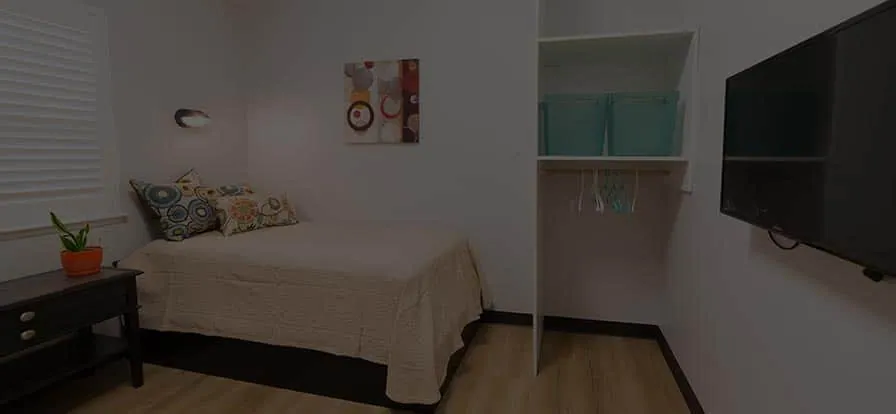 Inpatient
 Houston, TX
1019 Ashland St · 77008
- On-site labs
- 24-hour medical staff
Drug Detox Center in Houston, TX
-
 Outpatient
 San Antonio, TX
6707 W Hausman Rd · 78249
- Outpatient detox with scheduled medical visits
- Outpatient treatment
Outpatient Drug & Alcohol Detox in San Antonio
Drug Detox With Briarwood
Briarwood Detox Center offers detoxification treatment for alcohol, opioid, methamphetamine, prescription drugs, and many other addictions we treat. Our experienced clinical staff provides round-the-clock monitoring throughout the drug detoxification process and our therapy team provides support to help manage the emotional response to treatment. Additionally, we have detox facilities located in Austin, Houston, and Colorado Springs with state-of-the-art amenities.
Briarwood is dedicated to facilitating a healthy and safe environment that empowers people to make significant and lasting changes in their lives. We look forward to supporting you or your loved one on the journey to recovery. Call (866) 710-7710 today for more information on our programs and admission process.
Our center is in-network with many insurances
Using BlueCross BlueShield to pay for detox
Using United Healthcare to pay for detox
Using Magellan to pay for detox
Using Beacon Health to pay for detox
Call (866) 710-7710 to verify your benefits.





Break Free From Your Addiction Today
(in 3 easy, confidential steps)
Verify your insurance
Complete our fast, free, and easy verification process over the phone to determine the extent of your insurance coverage.
Make an informed decision
We will provide personalized placement recommendations based on your insurance, treatment needs, financial situation, and schedule.
Contact us
Call (866) 710-7710 or fill out our online form for a free and confidential personal consultation with an admissions specialist.


My Husband Refuses to Admit He Has a Drinking Problem. How Do I Convince Him to Get Help?
Direct Answer: You cannot force someone to recognize their drinking problem or seek treatment, but you can create conditions that encourage change. Focus on honest communication using "I" statements, document specific behaviors and consequences, set firm boundaries with follow-through, and consider a professionally guided intervention. At Briarwood Detox Center, our team can guide families through this difficult process with compassion and evidence-based strategies.
When your husband denies he has a drinking problem despite clear evidence to the contrary, you face one of the most frustrating and heartbreaking challenges in addiction. Denial is a core feature of alcohol use disorder—not simply stubbornness or dishonesty, but a psychological defense mechanism that protects the person from confronting painful truths about their relationship with alcohol.
Why Denial Is So Powerful in Alcohol Use Disorder
Alcohol changes brain chemistry in ways that reinforce continued use and make it extremely difficult for the person drinking to see the problem objectively. Your husband may genuinely believe he has his drinking under control, even when family, work, health, and relationships clearly suffer. This is not willful blindness—it's a symptom of the disease itself.
Recognizing this helps you approach the situation with both firmness and compassion. You are not dealing with a character flaw; you are dealing with a medical condition that distorts perception and judgment.
Effective Strategies to Encourage Treatment
1. Choose the Right Time and Setting
Never attempt a serious conversation when your husband is intoxicated, hungover, or in the middle of a crisis. Wait for a calm, private moment when he is sober and you can speak without interruption. Approach the conversation from a place of love and concern rather than anger or blame.
2. Use Specific, Concrete Examples
Vague accusations like "you drink too much" are easy to dismiss. Instead, reference specific incidents:
- "Last Tuesday you missed our daughter's recital because you fell asleep after drinking."
- "On Saturday morning you couldn't remember the argument we had Friday night."
- "Your hands shake in the morning until you have a drink."
- "You've called in sick to work three Mondays this month."
Concrete examples are harder to rationalize away and help him see the pattern you're witnessing.
3. Express Impact Using "I" Statements
Frame your concerns in terms of how his drinking affects you and the family, rather than attacking his character:
- "I feel scared when you drive after drinking."
- "I feel lonely because we don't connect when you're drinking every evening."
- "I'm worried about your health—I've noticed you're having memory problems."
This approach reduces defensiveness and opens space for empathy.
4. Set and Maintain Clear Boundaries
Boundaries are not punishments—they are necessary protections for your own wellbeing and that of your children. Decide what behaviors you will and will not accept, and communicate these clearly:
- "I will not ride in a car with you if you've been drinking."
- "I will not make excuses to your employer when you miss work due to drinking."
- "If you choose to drink, I will take the children and stay elsewhere for the night."
The crucial element is follow-through. Boundaries without consequences teach him that his drinking has no real impact on the family system, which reinforces denial.
5. Stop Enabling Behaviors
Family members often unknowingly protect the drinker from the natural consequences of their alcohol use. Common enabling behaviors include:
- Calling in sick to work on his behalf
- Making excuses to friends and family
- Taking over all household and parenting responsibilities
- Paying bills or legal fees resulting from drinking
- Cleaning up after drinking episodes
While these actions come from love and a desire to keep the peace, they actually remove motivation for change. When you stop enabling, the consequences of drinking become visible—and consequences can be powerful motivators.
6. Educate Yourself and Share Information
Learn about alcohol use disorder as a medical condition. Share articles, videos, or books about alcoholism when your husband is receptive (not in a confrontational way). Sometimes information from a neutral third party carries more weight than a spouse's concerns.
Focus on the medical aspects—how alcohol affects the brain, the physical symptoms of dependence, the process of withdrawal—to help him see this as a health issue requiring professional treatment, not a moral failing or weakness.
7. Involve Trusted Third Parties
Your husband may dismiss concerns from you but listen to a friend, family member, physician, religious leader, or colleague he respects. Consider asking someone in his circle to express their concerns privately. A doctor's recommendation can be particularly powerful, as it frames the issue in medical rather than emotional terms.
8. Consider a Professional Intervention
When other approaches fail and the situation is serious, a professionally guided intervention can be effective. This is not the confrontational "ambush" often portrayed in media, but a carefully planned conversation led by a trained interventionist who helps the family:
- Prepare specific, non-judgmental statements about observed behaviors and their impact
- Present treatment options with logistics already arranged
- Establish consequences if treatment is refused
- Maintain a loving but firm tone throughout
At Briarwood Detox Center, we work with families to coordinate interventions and have treatment options ready so your husband can enter care immediately if he agrees. Call us at (866) 710-7710 to discuss intervention support.
What If He Still Refuses?
Despite your best efforts, your husband may continue to deny the problem and refuse treatment. This is devastating, but it does not mean you have failed or that hope is lost.
You cannot control his choices, but you can control your own:
- Protect yourself and your children. Your wellbeing matters. Consider Al-Anon or family therapy for support.
- Maintain your boundaries consistently. Even if he doesn't change, boundaries protect you from the worst impacts of his drinking.
- Keep the door open. Let him know that when he's ready for help, you'll support that decision—but make clear you won't support continued drinking.
- Document everything. Keep records of incidents, expenses, and impacts. This documentation may become important if legal protections become necessary, and it provides clear evidence if he later questions whether there really was a problem.
Many people with alcohol use disorder reach a point of readiness only after experiencing significant consequences. Your job is not to prevent those consequences (that's enabling) but to be prepared with treatment options when he hits his own bottom and becomes willing to accept help.
When He's Ready: Immediate Access to Medical Detox
The window of willingness can be small. When your husband finally admits he needs help, you want to act quickly before ambivalence returns. Briarwood Detox Center offers same-day admission for alcohol detoxification in Austin, Texas, and outpatient detox services in San Antonio, Houston, and Colorado Springs.
Our medical team provides 24/7 supervision, medication-assisted treatment to ease withdrawal symptoms, and compassionate care that addresses both the physical and psychological aspects of alcohol dependence. We also offer family education and support throughout the detox process.
Call (866) 710-7710 anytime to discuss your situation confidentially, learn about our alcohol detox protocols, verify insurance coverage, and have a plan ready for when your husband is willing to take the first step toward recovery.
You Are Not Alone
Living with a spouse who refuses to acknowledge their drinking problem is isolating and exhausting. You may feel like you're the only one who sees the truth, or that you're overreacting. You're not. Trust what you observe. Trust your instincts. And know that thousands of families have walked this path before you.
Whether your husband enters treatment tomorrow or a year from now, support is available for you today. Reach out to Briarwood Detox Center to speak with professionals who understand both the medical realities of alcohol use disorder and the family dynamics that surround it.
Ready to Start Your Recovery in Austin?
Briarwood Detox Center offers medically supervised detox in Austin. Explore our locations, see the facility, and verify your insurance in minutes.
See our locationsRelated guides



About the people behind this guide
Anna-Grace Washington
Medical Content Writer
Anna-Grace Washington is a Medical Content Writer for Briarwood Detox Center. She holds a master’s degree in clinical psychology from the University of Texas and brings a strong understanding of behavioral health, addiction recovery, and evidence-based treatment concepts to her writing.
Dr. Robert Ulrich, DO
Medical Director
Dr. Robert Ulrich serves as Medical Director at Briarwood Detox Center, bringing more than two decades of clinical neurology experience to the treatment of substance use disorders. He is board-certified in neurology by the American Board of Psychiatry and Neurology and completed his neurology residency at UT Southwestern Medical Center in Dallas, where he served as Chief Resident.
In network with most major insurance
Find your plan and see what detox would cost
Most plans cover medical detox. Coverage varies by plan, so we verify it for you before you commit to anything.



















Don't see your plan? We work with out-of-network benefits and offer self-pay options — (866) 710-7710
- Confidential
- Takes about 2 minutes
- No obligation to admit

- Accredited The Joint Commission
- Rated 4.7 · 183 Google reviews Flourishing Foundations Recovery, now part of Briarwood
- Admissions 24 hours a day