
Guide
What Is Outpatient Substance Abuse Treatment?
Joint Commission accredited · In network with most major insurance · Admissions answered 24 hours a day

Published November 13, 2025
Reviewed and updated July 29, 2026
Key Takeaways · 9 points
- Outpatient treatment is scheduled care you attend while living at home. It includes therapy, education, medication support when appropriate, and recovery planning.
- Outpatient care ranges from standard weekly visits to IOP (9+ hours per week) and PHP day treatment. Programs add services and structure based on clinical need.
- Outpatient care fits people who are medically stable and can participate safely without 24‑hour supervision. Placement depends on assessment, home supports, and risks.
- In San Antonio, expect structured groups, individual counseling, medication management as needed, and family involvement. Your plan adjusts as progress and goals evolve.
- Outpatient treatment supports work or school but requires structure, transportation, and skills to manage everyday triggers. Some people step up or down in intensity as needs change.
- Briarwood Detox Center stabilizes withdrawal and builds a step‑down plan to the right outpatient level in San Antonio. Discharge planning includes relapse‑prevention strategies and coordinated follow‑up.
- When choosing a program, confirm clinician credentials, evidence‑based therapies, and weekly hours; amenities are secondary to clinical safety and fit. This applies even if you’re searching for luxury substance abuse treatment centers.
- Outpatient services are often covered when medically necessary, but costs and copays vary by plan and benefit type. Texas resources can assist eligible residents.
- Getting started is straightforward: call admissions, complete an assessment, verify benefits, and plan your transition after detox. Clear next appointments and goals support continuity of care.
Break Free from Addiction. Detox Safely in San Antonio Today.
Medically Supervised Detox – Compassionate Care Starts Here.
Outpatient substance abuse treatment is care you attend on a set schedule while living at home. It may include individual and group therapy, education, medication management, family involvement, and recovery planning. Care ranges from a few hours a week to most of the day, depending on need. Public health agencies describe outpatient care as part of a continuum that also includes inpatient or residential services.
How Outpatient Treatment Is Structured
Levels of Outpatient Care
- Standard Outpatient (OP): Usually 1–2 therapy sessions per week with added services as needed.
- Intensive Outpatient Program (IOP): Structured, non‑residential care that typically provides a minimum of 9 hours per week for adults, delivered across several days.
- Partial Hospitalization/Day Treatment (PHP): A higher‑intensity, daytime program that falls between IOP and inpatient care; Medicare describes IOP and PHP as more rigorous than weekly office visits and less than 24/7 hospitalization.
Core Services You May See
Counseling (group and individual), family psychoeducation, case management, relapse‑prevention skills, and linkage to mutual‑support groups are common elements in outpatient programs for substance use disorders.
Who Outpatient Care Is Designed For
Typical Clinical Fit
Outpatient care can be appropriate when withdrawal is medically stable, home and work settings are reasonably safe, and you can engage in structured therapy without 24‑hour supervision. Evidence reviews note that IOPs are effective alternatives to inpatient care for many people and help build coping skills and relapse‑management strategies.
When Detox or a Higher Level May Be Needed
Where we are
Detox centers across Texas
Three locations, each with its own admissions line and its own clinical team. Pick the one nearest you — or call and we will tell you which has a bed tonight.
-
 Outpatient
 San Antonio, TX
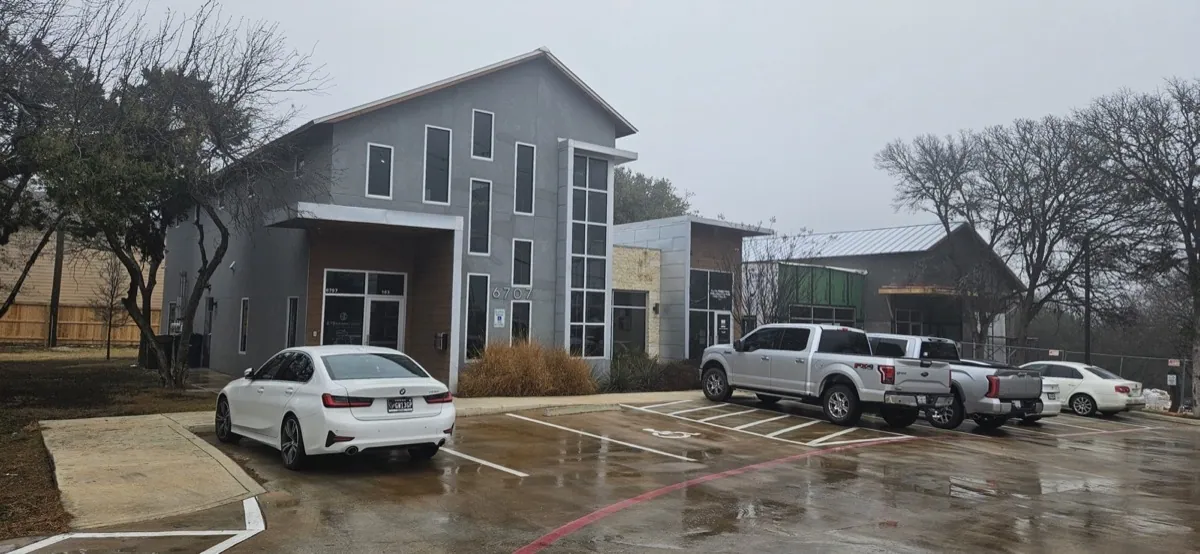
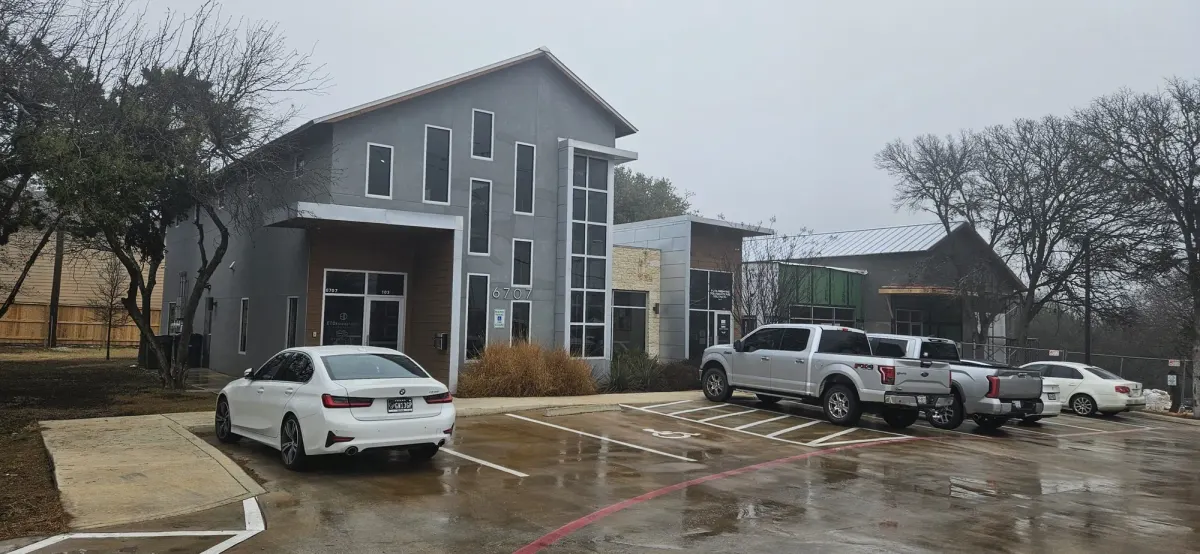
6707 W Hausman Rd · 78249
- Outpatient detox with scheduled medical visits
- Outpatient treatment
San Antonio Outpatient Alcohol & Drug Detox
-
 Inpatient
 Austin, TX
11711 N Lamar Blvd · 78753
- 15 beds
- On-site labs
- 24-hour medical staff
Austin Medical Drug & Alcohol Detox
-
 Inpatient
 Houston, TX
1019 Ashland St · 77008
- On-site labs
- 24-hour medical staff
Houston Drug & Alcohol Detox Programs
What to Expect in San Antonio Outpatient Care
Scheduling and Time in Care
IOP commonly involves 3–5 days per week with sessions adding up to 9 or more hours; PHP is longer per day. Standard outpatient is less frequent. Your plan is adjusted based on progress and clinical assessment.
Therapies and Medications
Treatment often blends cognitive‑behavioral strategies, relapse‑prevention skills, family education, and medication management (for example, medications for alcohol or opioid use disorders) as part of a comprehensive plan. National agencies frame outpatient services as therapy‑based, with medical oversight as needed.
Community Context in Bexar County
Local leaders have highlighted the urgency of addressing overdose risk in Bexar County, underscoring the value of accessible, ongoing care after stabilization.
Benefits and Considerations
Advantages
- Continue school, work, or caregiving while in treatment.
- Practice recovery skills in real‑life settings with clinical support.
- Often lower cost than 24/7 residential care and typically eligible for health‑plan coverage when medically necessary. Medicare and most insurers cover outpatient behavioral health services subject to plan rules.
Considerations
- Home triggers and stressors remain part of daily life.
- Requires reliable transportation and scheduling discipline.
- Some people need a step up (PHP or inpatient) if cravings, safety issues, or medical risks increase.
- Guidance from SAMHSA and Texas HHS stresses stepping levels of care up or down as needs change.
“Substance Abuse Treatment San Antonio”: How Briarwood Detox Center Fits Your Path
If you need a local option for stabilization before therapy, explore our outpatient detox in San Antonio to begin safely and keep your routine. Briarwood Detox Center provides medically supervised detox to stabilize withdrawal safely and prepare you for the next level of care. Our team develops a discharge plan with you so you can transition into the appropriate outpatient setting in San Antonio.
What We Do During Detox to Support Outpatient Success
- Assessment & stabilization: Medical oversight and monitoring to manage withdrawal risks.
- Care coordination: Our team coordinates your OP, IOP, or PHP schedule and prepares you for what comes after detox with a clear step‑down plan.
- Recovery planning: Relapse‑prevention strategies, medication education, and linkage to community resources before discharge.
- Family involvement: With your consent, loved ones receive education about outpatient expectations and support.
Choosing an Outpatient Program in San Antonio
Clinical Quality and Accreditation
Ask about licensed clinicians, evidence‑based therapies, and medication services. Federal and state resources describe outpatient programs as structured services delivered by qualified professionals; confirm that with any provider you consider.
Intensity, Schedule, and Fit
Clarify weekly hours, evening/weekend options, family sessions, and telehealth availability. For IOP, confirm that weekly programming meets the 9‑hour minimum standard referenced in national guidance.
Comfort, Privacy, and Amenities
Some people search for luxury substance abuse treatment centers because comfort and privacy matter. Amenities can support engagement, but clinical appropriateness and safety should guide decisions first—especially if detox is required before outpatient care. National guidance emphasizes matching level of care to medical need and stability.
Cost, Coverage, and Access in Texas
Getting Started with Briarwood Detox Center
- Call our admissions team to discuss symptoms, medications, and safety.
- Complete a clinical assessment to confirm whether medical detox is recommended before outpatient care.
- To confirm benefits and potential costs before starting outpatient care, verify your insurance with our admissions team.
- Begin detox in a medically supervised setting focused on comfort, privacy, and stabilization.
- Transition plan to the right outpatient schedule in San Antonio with clear goals and follow‑up appointments.
How Briarwood Detox Center Supports Outpatient Substance Abuse Treatment in San Antonio
If you’re searching for substance abuse treatment San Antonio or San Antonio substance abuse treatment, Briarwood Detox Center provides safe, medically supervised detox to help you take the first step. Our clinicians complete a detailed assessment to confirm your needs and determine the most appropriate outpatient level of care. Throughout detox, we monitor your health, manage withdrawal, and support comfort so you can stabilize and focus on recovery goals. After stabilization, we create a personalized step-down plan that connects you with OP, IOP, or PHP services in the San Antonio area. To support continuity of care, we provide relapse-prevention education, medication education, and coordinated follow-ups. Our Admissions team explains timelines, what to bring, and how detox fits into your outpatient plan, ensuring a smooth transition into treatment.
This page provides educational information and is not a substitute for professional medical advice, diagnosis, or treatment. Prescription medicines—including antidepressants and antipsychotics—should be used only under the supervision of a qualified healthcare provider. Do not start, stop, or change any medication without first consulting your doctor. If you experience severe side effects, worsening symptoms, or thoughts of self‑harm, call 911 in the United States or seek emergency medical care immediately. For confidential mental health support, dial 988 to reach the Suicide & Crisis Lifeline, available 24 hours a day.
Outpatient Substance Abuse Treatment in San Antonio
What is outpatient substance abuse treatment?+–
Outpatient treatment is scheduled care—therapy, education, and medication management as needed—that you attend while living at home and returning the same day. Programs range in intensity from standard outpatient to intensive outpatient and day treatment.
How is outpatient rehab different from inpatient rehab?+–
Inpatient requires 24/7 residence at a facility; outpatient provides structured services without an overnight stay so you can maintain daily routines. Clinicians match the level of care to medical risk, support, and treatment goals.
How many hours per week is an Intensive Outpatient Program (IOP)?+–
For coverage and clinical standards, Medicare specifies a minimum of 9 hours of services per week delivered across multiple days.
What is Partial Hospitalization/Day Treatment (PHP), and how is it different from IOP?+–
PHP is a higher‑intensity daytime program that requires at least 20 hours of therapeutic services per week; IOP requires fewer hours (≥9). Neither involves overnight stays.
Who is outpatient treatment best for?+–
Outpatient care can suit people who are medically stable, have a safe living environment, and can participate consistently in therapy without 24‑hour supervision; final placement is based on clinical assessment.
Is outpatient substance abuse treatment effective?+–
Yes. Research shows substance use disorders are treatable with evidence‑based therapies and, when appropriate, medications; outcomes improve when care is matched to need and continued long enough.
Do I need medical detox before starting outpatient care?+–
Some people do—especially with substances where withdrawal can be serious (e.g., alcohol). Medical guidelines recommend supervised withdrawal management when risks are present before stepping down to outpatient services. If you’re unsure, we can assess and coordinate a safe plan that transitions to the right level of outpatient care in San Antonio. Call our admissions team today at (210) 305-4522.
Can I work or go to school during outpatient treatment?+–
Often yes. Outpatient services are designed so people can receive therapy while maintaining daily responsibilities when clinically appropriate.
How long does outpatient treatment last?+–
Length varies by needs and progress. NIDA notes that remaining in treatment for an adequate period is critical, with many patients benefiting from about three months or more of care across levels to see meaningful improvement.
Does insurance cover outpatient treatment (IOP or PHP)?+–
Coverage depends on your plan, but Medicare covers IOP and PHP when criteria are met; costs and coinsurance vary by setting and benefits. Many commercial plans also cover outpatient behavioral health.
What state resources can help me find outpatient services in or near San Antonio?+–
Texas Health & Human Services lists Adult Substance Use Services and OSAR (Outreach, Screening, Assessment, and Referral) programs that connect residents with treatment options; FindTreatment.gov is another national resource.Medicare +1
How does Briarwood Detox Center help with outpatient substance abuse in San Antonio?+–
We provide medically supervised detox, stabilize withdrawal, and create a step‑down plan that coordinates OP, IOP, or PHP scheduling in San Antonio. We also help with relapse‑prevention education and follow‑up appointments so you start outpatient care with structure and support. Call our admissions team today at (210) 305-4522.
Related guides



About the people behind this guide
Anna-Grace Washington
Medical Content Writer
Anna-Grace Washington is a Medical Content Writer for Briarwood Detox Center. She holds a master’s degree in clinical psychology from the University of Texas and brings a strong understanding of behavioral health, addiction recovery, and evidence-based treatment concepts to her writing.
Dr. Robert Ulrich, DO
Medical Director
Dr. Robert Ulrich serves as Medical Director at Briarwood Detox Center, bringing more than two decades of clinical neurology experience to the treatment of substance use disorders. He is board-certified in neurology by the American Board of Psychiatry and Neurology and completed his neurology residency at UT Southwestern Medical Center in Dallas, where he served as Chief Resident.
In network with most major insurance
Find your plan and see what detox would cost
Most plans cover medical detox. Coverage varies by plan, so we verify it for you before you commit to anything.


















Don't see your plan? We work with out-of-network benefits and offer self-pay options — (210) 305-4522
- Confidential
- Takes about 2 minutes
- No obligation to admit
- Accredited The Joint Commission
- Rated 5.0 · 80 Google reviews Flourishing Foundations Recovery, now part of Briarwood
- Admissions 24 hours a day