
Guide
Inpatient Substance Abuse Care in Austin
Joint Commission accredited · In network with most major insurance · Admissions answered 24 hours a day


Published November 13, 2025
Reviewed and updated July 29, 2026
Key Takeaways · 7 points
- Inpatient detox is the first clinical step that stabilizes withdrawal and prepares you for treatment. It addresses the acute medical needs so therapy can begin effectively.
- Choose inpatient care in Austin when withdrawal risks are high, co‑occurring conditions exist, or home support is limited. Round‑the‑clock monitoring and structure help protect early recovery.
- Briarwood Detox Center provides medically supervised inpatient detox with 24/7 monitoring in Austin. Care plans are individualized and adjusted as symptoms change.
- Expect daily monitoring, medication management, nutrition, and brief counseling during detox. Length of stay varies by substance use history and overall health.
- Detox is a starting point—not a standalone cure—so plan your next level of care before discharge. Briarwood coordinates referrals and follow‑up appointments to maintain momentum.
- Inpatient detox is a strong fit if you’ve had severe withdrawals, use alcohol or benzodiazepines, have medical or psychiatric conditions, or lack a stable home. A short admissions call helps confirm placement.
- Getting started is straightforward: call admissions, verify benefits, and plan transportation. Case management supports a smooth entry and transition.
Break Free from Addiction. Detox Safely in Austin Today.
Medically Supervised Detox – Compassionate Care Starts Here.
Substance abuse rarely has a single “fix.” Most people do best with a stepwise plan that starts with safe withdrawal management and then moves into ongoing care. In Austin, Briarwood Detox Center provides inpatient medical detox designed to stabilize individuals, reduce health risks, and prepare them for the next phase of treatment.
What Is the Solution to Substance Abuse?

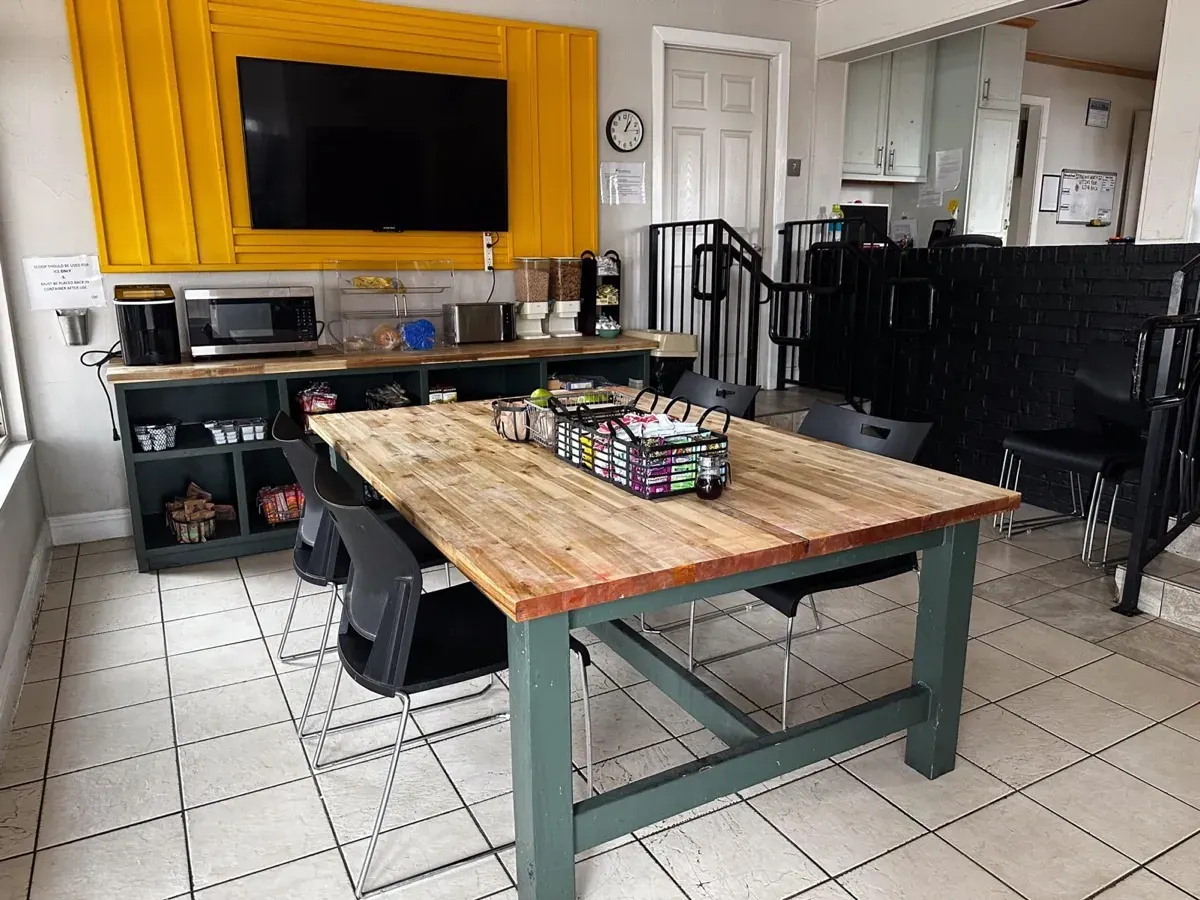


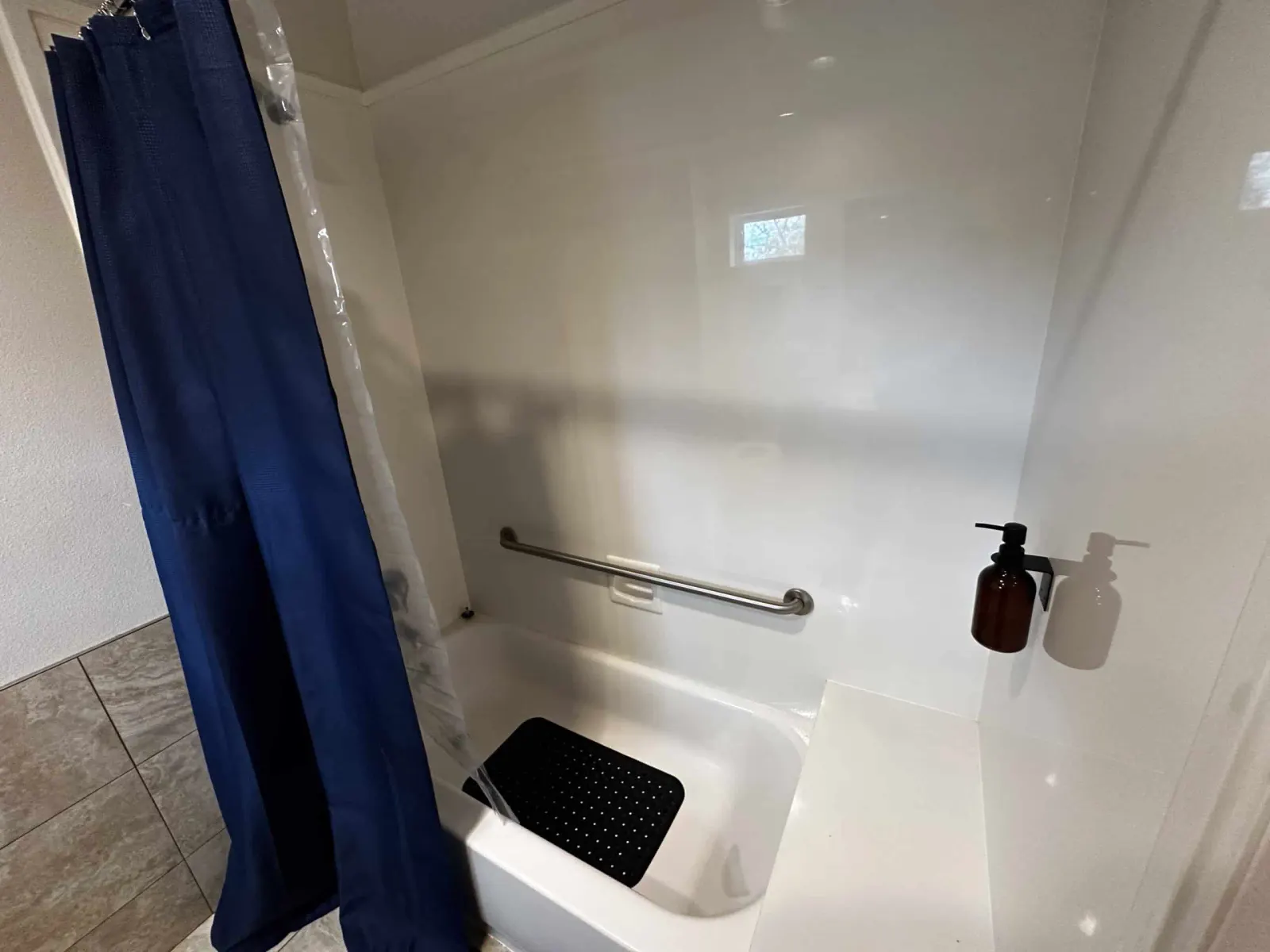
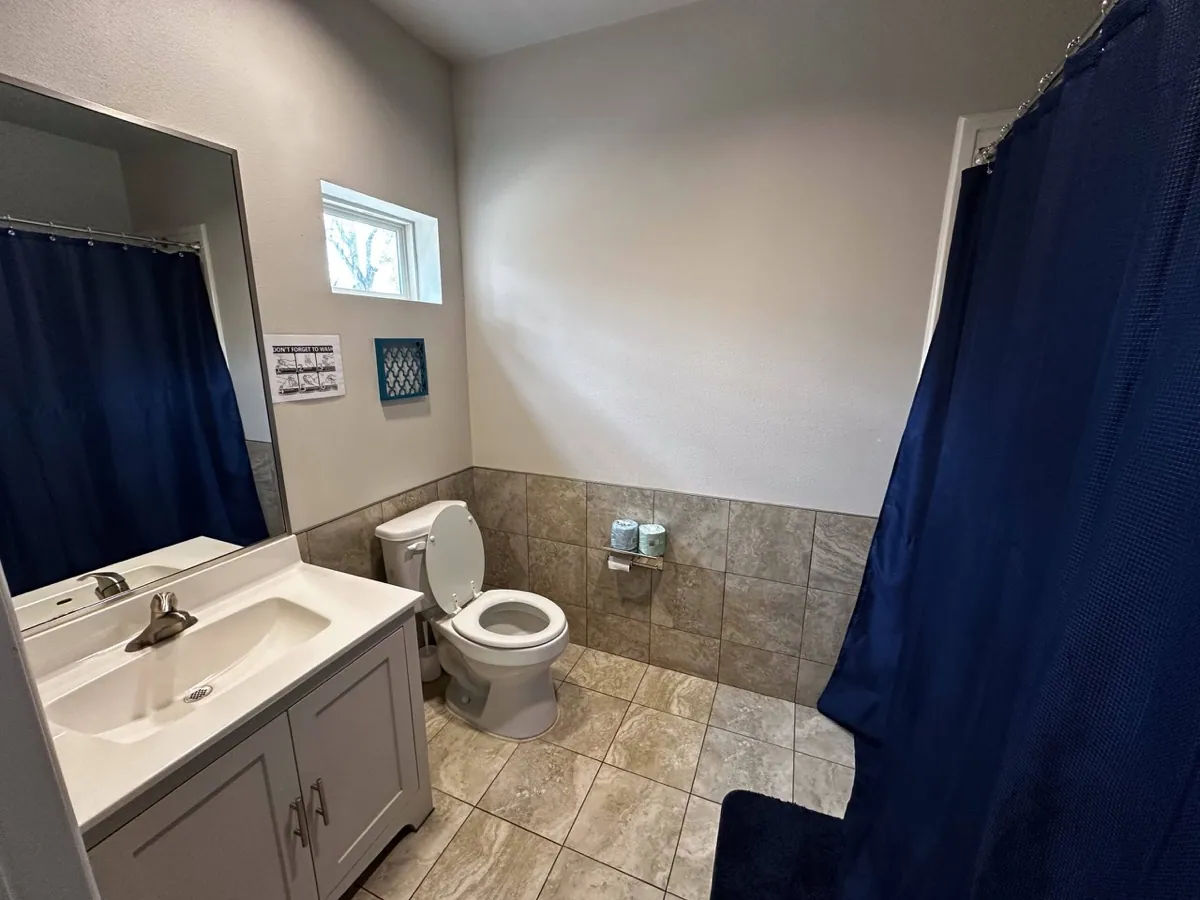
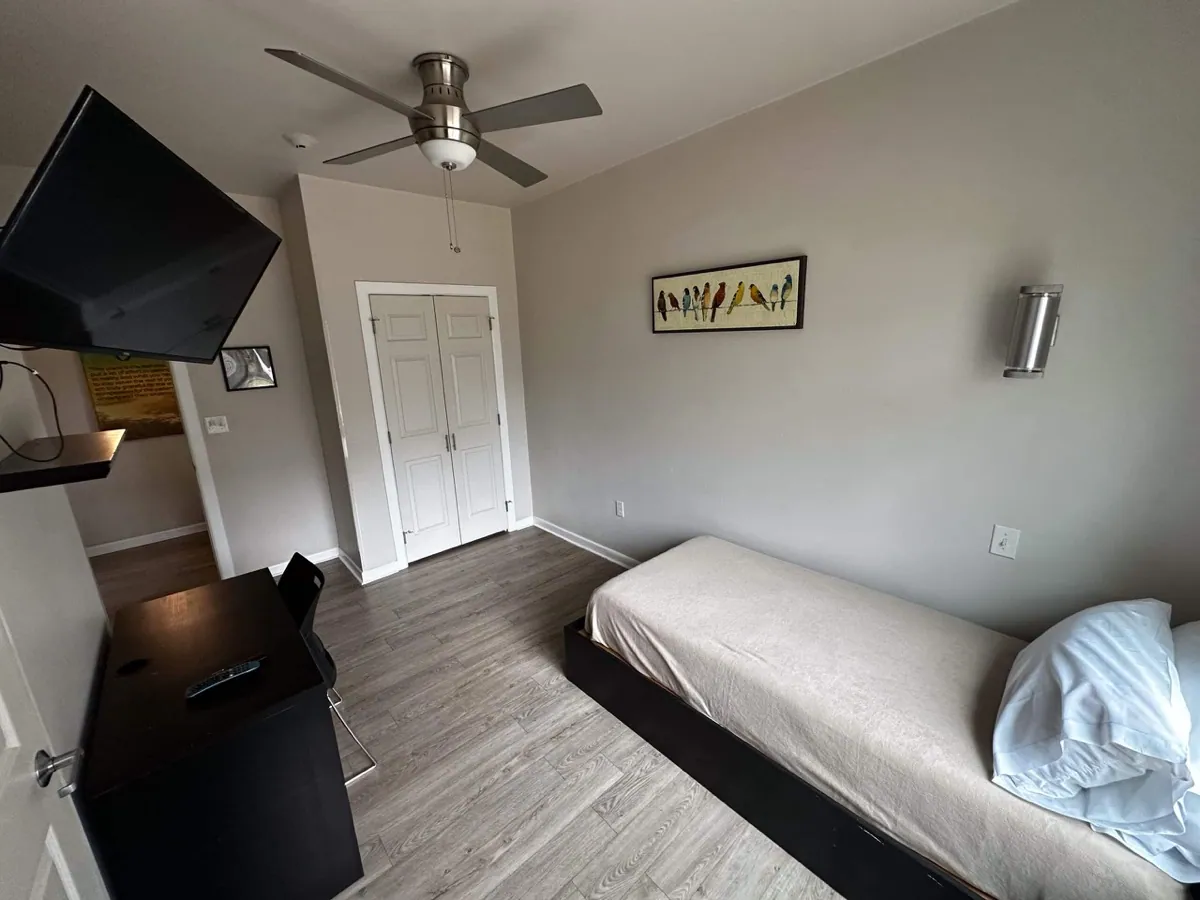
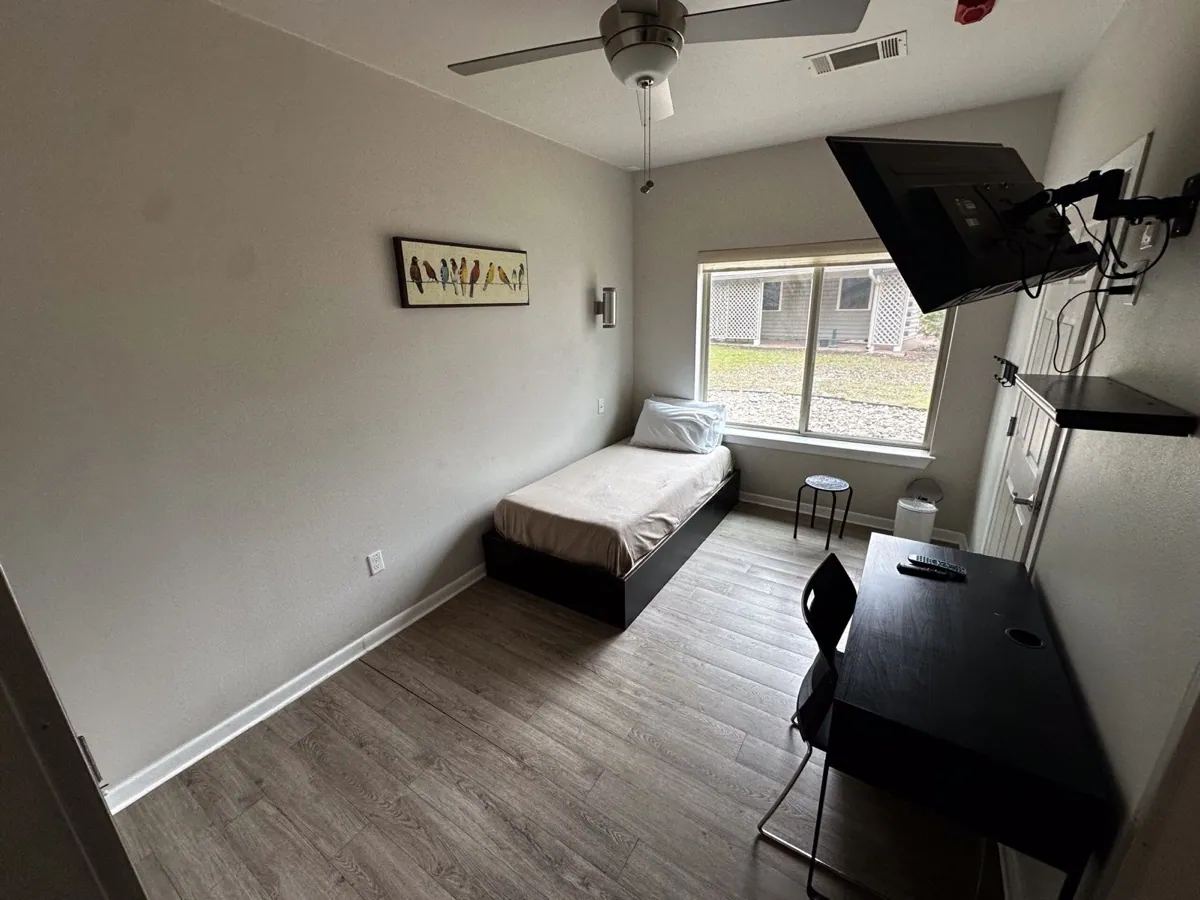




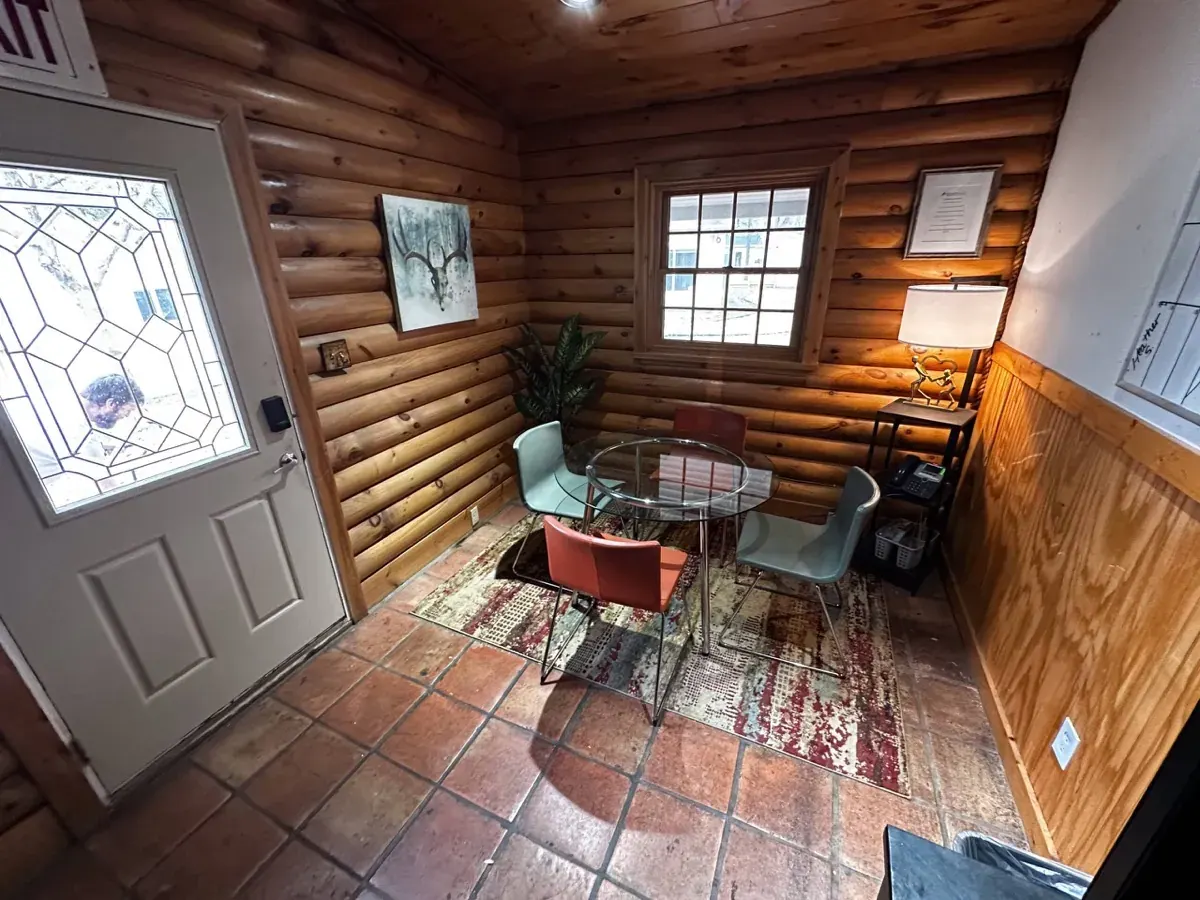



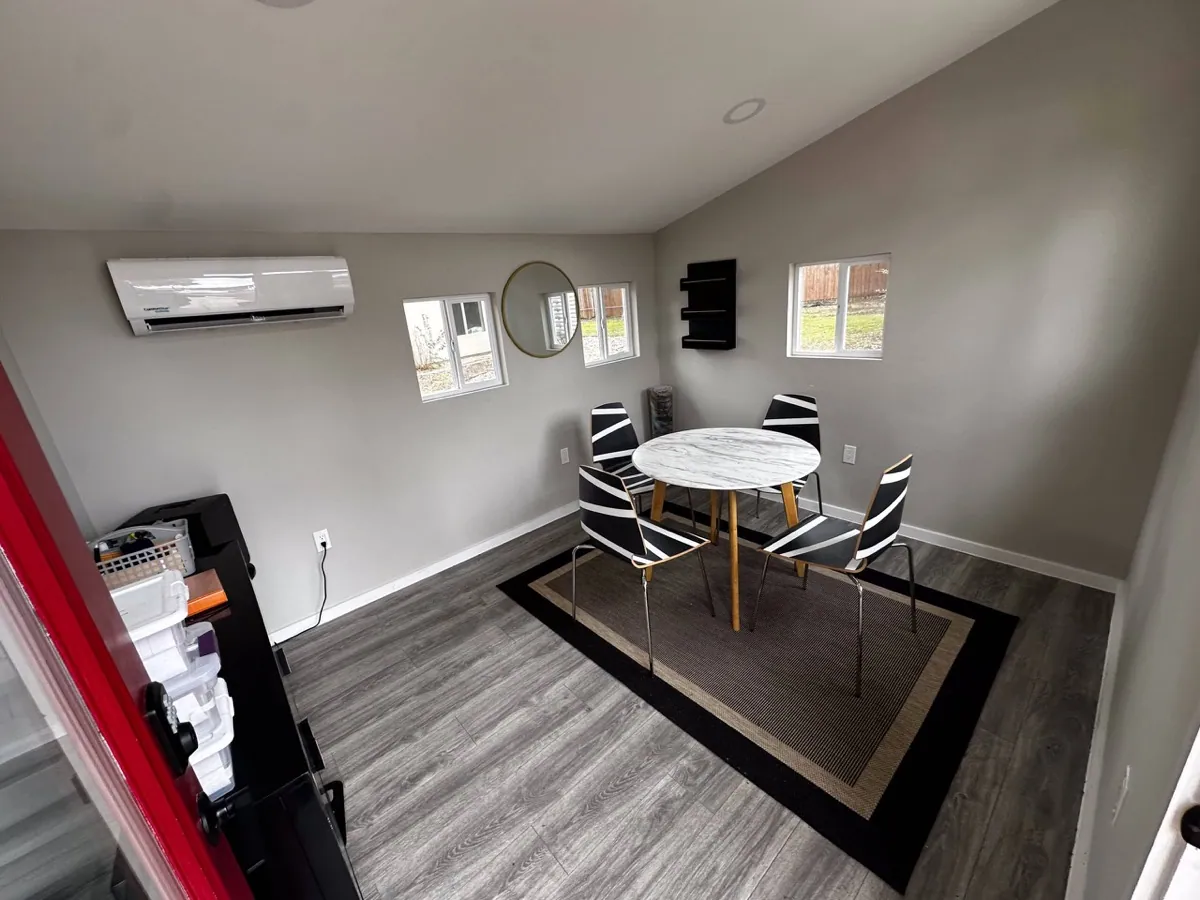


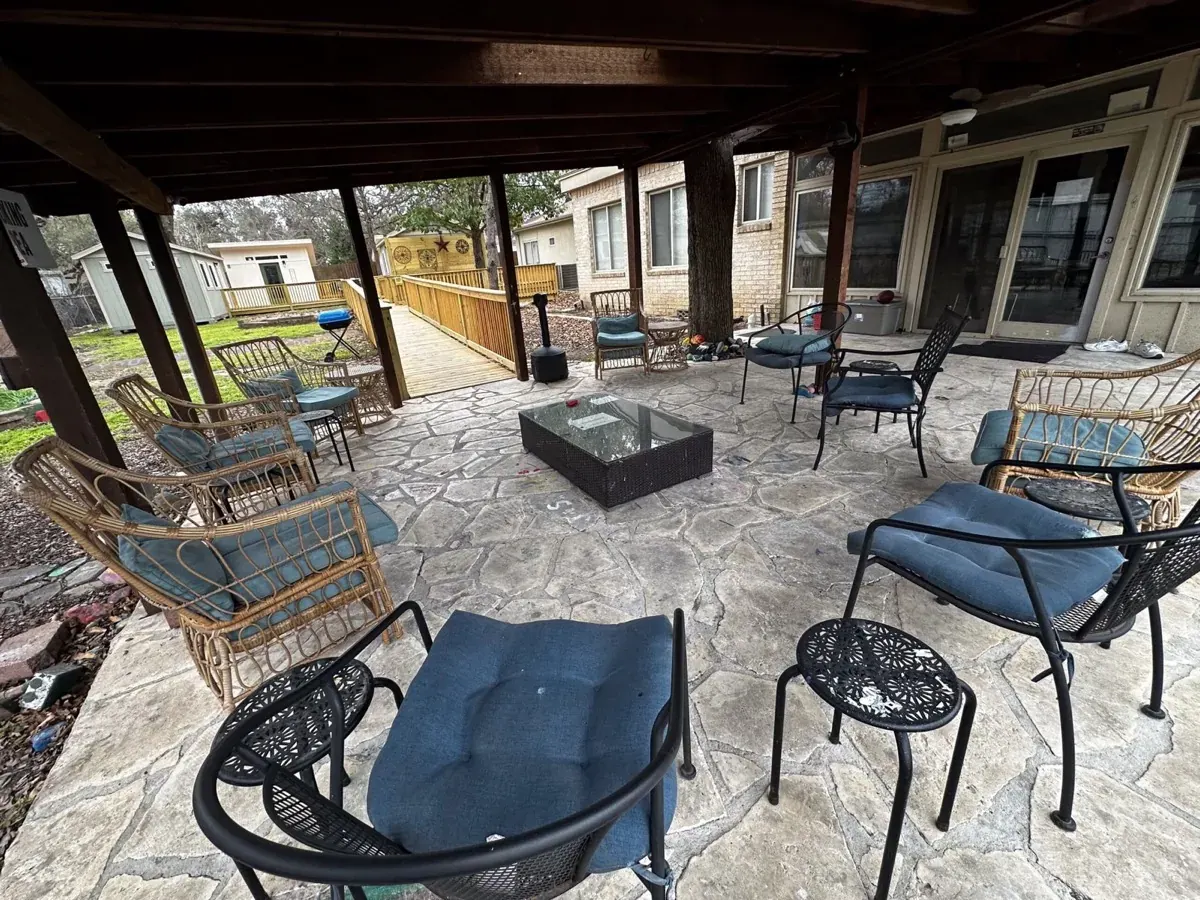

Lasting change usually combines several pieces: medical support for withdrawal, evidence‑based therapies, medication when appropriate, skills practice, and a stable recovery environment. In most cases, detox is the first clinical step; it makes the transition to treatment safer by managing acute withdrawal and medical complications. After detox, treatment focuses on behavior change, relapse prevention, and support.
Why start with inpatient detox?
Inpatient settings offer 24/7 monitoring, quick response to symptoms, and structured routines that limit exposure to triggers during the most fragile period. This level of structure is helpful when withdrawal risks are high or when home environments are unstable.
Substance Abuse Treatment Austin TX: When Inpatient Makes Sense
If you’re searching for “substance abuse treatment Austin TX,” consider inpatient care when any of the following apply:
- History of severe withdrawal (e.g., alcohol, benzodiazepines)
- Co‑occurring medical or mental health concerns
- Limited support at home or high relapse risk
- Need for medication management and frequent vital‑sign monitoring
These criteria align with widely used placement guidelines that match a person’s needs to the most appropriate level of care.
What inpatient care provides
Inpatient detox focuses on medical stabilization, symptom relief, hydration and nutrition, and preparation for continuing treatment—often over several days, depending on the substance, dose, duration of use, and health status.
Where we are
Detox centers across Texas
Three locations, each with its own admissions line and its own clinical team. Pick the one nearest you — or call and we will tell you which has a bed tonight.
-
 Inpatient
 Austin, TX
11711 N Lamar Blvd · 78753
- 15 beds
- On-site labs
- 24-hour medical staff
Inpatient Drug & Alcohol Detox in Austin
-
 Outpatient
 San Antonio, TX
6707 W Hausman Rd · 78249
- Outpatient detox with scheduled medical visits
- Outpatient treatment
Outpatient Detox Programs in San Antonio
-
 Inpatient
 Houston, TX
1019 Ashland St · 77008
- On-site labs
- 24-hour medical staff
Safe Drug & Alcohol Detox in Houston
Briarwood Detox Center’s Inpatient Detox in Austin
Briarwood offers individualized, medically supervised detox with round‑the‑clock care. The team completes comprehensive assessments, monitors withdrawal, and uses evidence‑based protocols to support comfort and safety. Insurance is accepted, and admissions are available year‑round.
Medical detox & 24/7 monitoring
Therapeutic support during detox
Detox is paired with one‑to‑one and group support to build motivation and prepare for the next stage of care. The goal is stabilization plus a clear plan for what comes next.
Admissions & insurance
A simple admissions process, benefits verification, and confidential intake help remove barriers to entering care.
What to Expect Day‑to‑Day
A typical day in inpatient detox—see what to expect during detox includes vital‑sign checks, medication management, hydration and nutrition, brief counseling or educational groups, and time to rest. Family check‑ins and case management can be coordinated as appropriate. Length of stay varies; many detox stays last several days to a week, depending on clinical factors.
The first 24 hours
- Medical and psychosocial assessment
- Safety planning and orientation
- Initial medications and symptom tracking
Through stabilization
- Ongoing monitoring and medication adjustments
- Supportive counseling and discharge planning
- Introduction to coping strategies for cravings and stress
Searching for “Drug Treatment Centers Austin”? How This Fits Your Next Steps
Search results for “drug treatment centers Austin” or “drug treatment centers in Austin” often list many options and levels of care. In practice, detox is the starting point—not a standalone cure. After medical stabilization, people transition to the level of treatment that best fits their needs (residential, day treatment/PHP, IOP, outpatient therapy, community supports). Continuity of care is linked with better engagement and safer outcomes. Briarwood helps plan that handoff before discharge. For a step‑by‑step overview of what comes after detox, see our guide.
How Briarwood prepares the transition
- Written after‑detox plan with appointments and referrals
- Medication planning and education
- Family communication (with consent)
- Relapse‑prevention and overdose‑response education where appropriate
Is Inpatient Detox Right for You?
Consider inpatient detox if you:
- Use substances with dangerous withdrawal profiles (e.g., alcohol, benzodiazepines)
- Have had seizures, delirium tremens, or complicated withdrawals
- Have medical/psychiatric conditions needing close observation
- Lack a safe, stable home environment for early recovery
A brief call with admissions can help determine fit and timing. Clinical placement decisions rely on standardized assessments that weigh risks, strengths, and recovery environment.
Getting Started at Briarwood Detox Center (Austin)
- Call Admissions: Verify benefits, discuss timing, review transportation, and learn our admissions process.
- Pack Simply: Identification, basic clothing, current medications as instructed.
- Plan the Next Step: Work with case management to schedule follow‑up care before discharge.
How Briarwood Detox Center Supports Inpatient Substance Abuse Austin
If you’re seeking inpatient substance abuse Austin care, Briarwood Detox Center provides medically supervised detox that stabilizes withdrawal and prepares you for the next level of treatment. People searching for drug treatment centers Austin or drug treatment centers in Austin often need a safe first step before therapy-focused care. Our admissions team verifies insurance, reviews medical history, and confirms whether inpatient detox is appropriate based on withdrawal risks or co-occurring conditions. Throughout your stay, licensed clinicians monitor you around the clock, manage symptoms, and follow evidence-based protocols to reduce complications. When helpful, a provider may recommend medications and explain benefits, risks, and alternatives. You’ll receive education, brief counseling, and case management that connect you with substance abuse treatment Austin TX options. Before discharge, we coordinate step-down care to ensure a smooth transition.
This content is provided for general education and is not a substitute for professional medical advice, diagnosis, or treatment. Prescription medications—including antidepressants and antipsychotics—should be used only under the supervision of a qualified healthcare provider. Do not start, stop, or adjust any medication without first consulting your doctor or prescriber. If you experience severe side effects, worsening symptoms, or thoughts of self‑harm, call 911 in the United States or seek emergency medical help immediately. For confidential mental health support at any time, call or text 988 to reach the Suicide & Crisis Lifeline, available 24/7.
Inpatient Substance Abuse Austin: Frequently Asked Questions
What is inpatient substance abuse treatment in Austin?+–
Inpatient care provides 24/7 clinical monitoring, medically supported withdrawal management, and a structured setting that reduces exposure to triggers. It is part of a broader continuum of substance use disorder treatment, not a stand‑alone cure. After stabilization, people transition to ongoing therapy and support matched to their needs.
What happens during medical detox?+–
A licensed team evaluates medical and mental health needs, monitors vital signs, manages withdrawal symptoms, and offers hydration, nutrition, and education. The goal is medical stabilization and a safe handoff to the next level of care.
How long does inpatient detox usually last?+–
The timeline varies by substance, dose, duration of use, and overall health. Many people stabilize over several days, while some withdrawal symptoms—especially from alcohol—can peak within 24–72 hours and occasionally persist longer.
When is inpatient detox recommended instead of outpatient care?+–
Inpatient withdrawal management is typically recommended when there’s risk for severe or complicated withdrawal, co‑occurring medical or psychiatric needs, unsafe home settings, or limited support. These placement decisions are guided by nationally used ASAM Criteria.
Is detox the same as rehab?+–
No. Detox addresses the acute medical phase—withdrawal and stabilization—while treatment focuses on behavior change, medications when indicated, relapse‑prevention skills, and ongoing recovery support. Detox alone does not address the causes of substance use.
Are medications used during detox, and why?+–
Yes. Depending on the substance and clinical needs, clinicians may use medications to control symptoms and reduce risks (e.g., FDA‑approved medications for opioid use disorder). Medication use is individualized and part of evidence‑based protocols.
Does insurance cover inpatient substance abuse treatment in Austin, TX?+–
Many health plans cover mental health and substance use disorder services as essential benefits, including inpatient services, subject to plan rules. Check your benefits and any prior‑authorization requirements.
What are the risks of alcohol withdrawal if I stop suddenly?+–
Alcohol withdrawal can be serious; symptoms range from tremor and insomnia to seizures and delirium tremens in severe cases. Medical supervision reduces risk and allows rapid treatment if complications arise. Seek urgent help for severe symptoms.
What happens after detox—do I go straight home?+–
Most people step down to the level of care that fits their needs (residential, partial hospitalization, intensive outpatient, or outpatient therapy). Continuity of care after detox is linked to better engagement and safer outcomes.
How does Briarwood Detox Center help with inpatient substance abuse in Austin?+–
Briarwood provides medically supervised detox with round‑the‑clock monitoring, individualized plans, and coordination for step‑down treatment so you don’t lose momentum after stabilization. Our admissions team can verify benefits and help you prepare for a safe, timely admission—Call our admissions team today at (866) 710-7710.
Where should I start if I need inpatient detox in Austin right now?+–
If you’re in immediate danger or experiencing severe symptoms, call 911 first. Otherwise, connect with admissions to review your needs, timing, and coverage; we’ll guide you through next steps and coordinate your transition into care—Call our admissions team today. For confidential crisis support any time, you can also call or text 988.
Related guides



About the people behind this guide
Anna-Grace Washington
Medical Content Writer
Anna-Grace Washington is a Medical Content Writer for Briarwood Detox Center. She holds a master’s degree in clinical psychology from the University of Texas and brings a strong understanding of behavioral health, addiction recovery, and evidence-based treatment concepts to her writing.
Dr. Robert Ulrich, DO
Medical Director
Dr. Robert Ulrich serves as Medical Director at Briarwood Detox Center, bringing more than two decades of clinical neurology experience to the treatment of substance use disorders. He is board-certified in neurology by the American Board of Psychiatry and Neurology and completed his neurology residency at UT Southwestern Medical Center in Dallas, where he served as Chief Resident.
In network with most major insurance
Find your plan and see what detox would cost
Most plans cover medical detox. Coverage varies by plan, so we verify it for you before you commit to anything.



















Don't see your plan? We work with out-of-network benefits and offer self-pay options — (866) 710-7710
- Confidential
- Takes about 2 minutes
- No obligation to admit

- Accredited The Joint Commission
- Rated 4.5 · 95 Google reviews
- Admissions 24 hours a day