
Guide
Inpatient Drug Rehab in Austin: Programs, Costs & FAQs
Joint Commission accredited · In network with most major insurance · Admissions answered 24 hours a day


Published November 4, 2025
Reviewed and updated July 29, 2026
Key Takeaways · 10 points
- “Best” means best fit. Start with clinical quality, not amenities. Verify licensure/accreditation, evidence‑based therapies, and integrated mental‑health (dual‑diagnosis) support.
- Young‑adult focus matters. Look for tracks designed for ages 18–25 with peer groups, life‑skills coaching, and structured family involvement.
- Residential = live‑in care. Most inpatient stays run 30–90 days and include step‑downs (PHP/IOP) plus aftercare to support a safe return home or to school/work.
- Luxury is optional, not a substitute. Luxury or high‑end centers add privacy, smaller groups, and wellness amenities. These can help comfort and focus, but clinical standards should be the deciding factor.
- Insurance vs. out‑of‑pocket. Insurance often covers treatment components; premium amenities may not be covered. Have the provider check your benefits before admission.
- Men‑only options exist. A male‑specific program can reduce distractions and build accountability for some clients; consider it if gender‑specific care is a priority.
- Compare several programs. Tour at least two facilities. Ask about staff credentials, caseloads, detox availability, typical length of stay, relapse‑prevention planning, and alumni support.
- Austin starting points. When you search online, you’ll see many licensed residential programs in and around Austin. Use trusted directories and clinical guidance to build a balanced short list.
- Use directories to widen the net. Reputable treatment directories let you filter for young‑adult inpatient care, location, and amenities, helping you build a balanced comparison.
- If there’s immediate risk. Call or text 988 (U.S. Suicide & Crisis Lifeline) or dial 911 for emergencies.
Where we are
Detox centers across Texas
Three locations, each with its own admissions line and its own clinical team. Pick the one nearest you — or call and we will tell you which has a bed tonight.
-
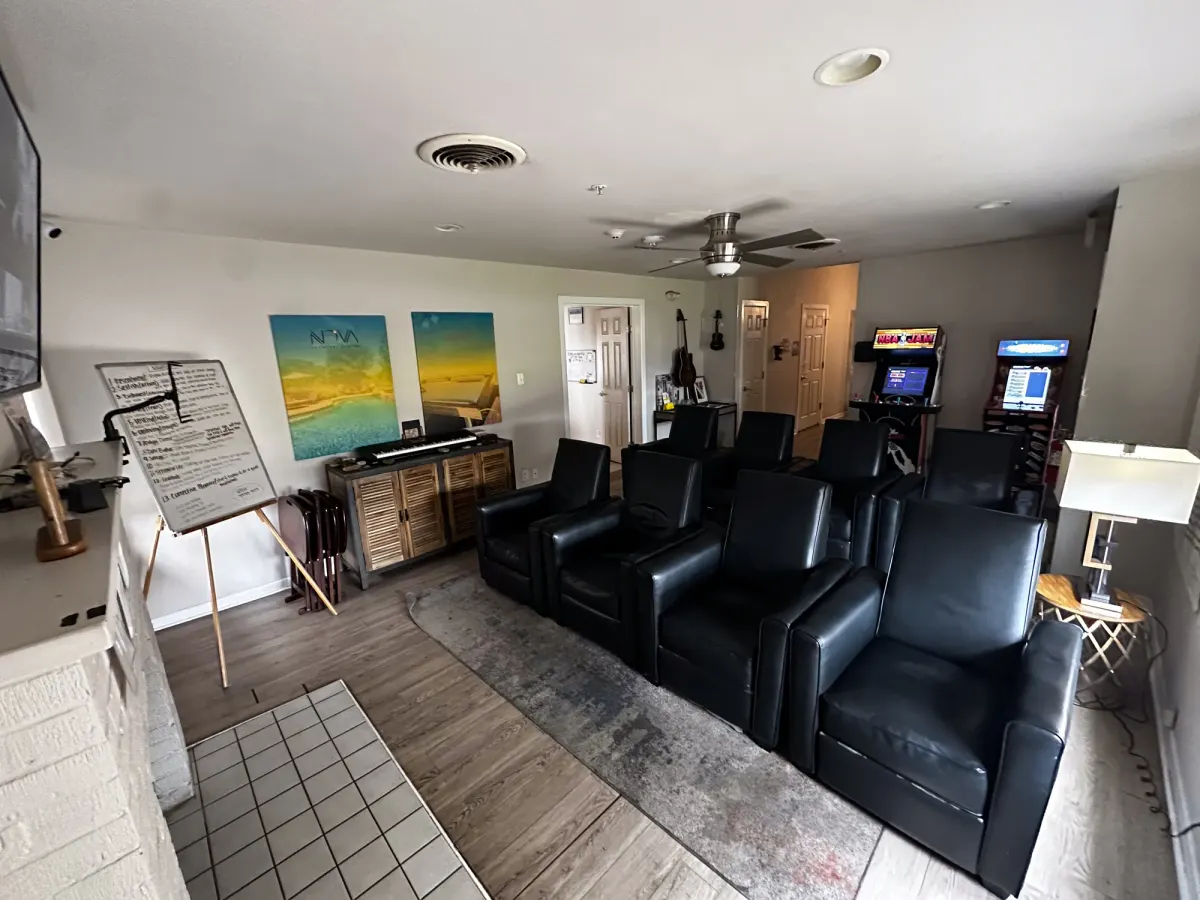 Inpatient
 Austin, TX
11711 N Lamar Blvd · 78753
- 15 beds
- On-site labs
- 24-hour medical staff
Young Adult Inpatient Rehab in Austin
-
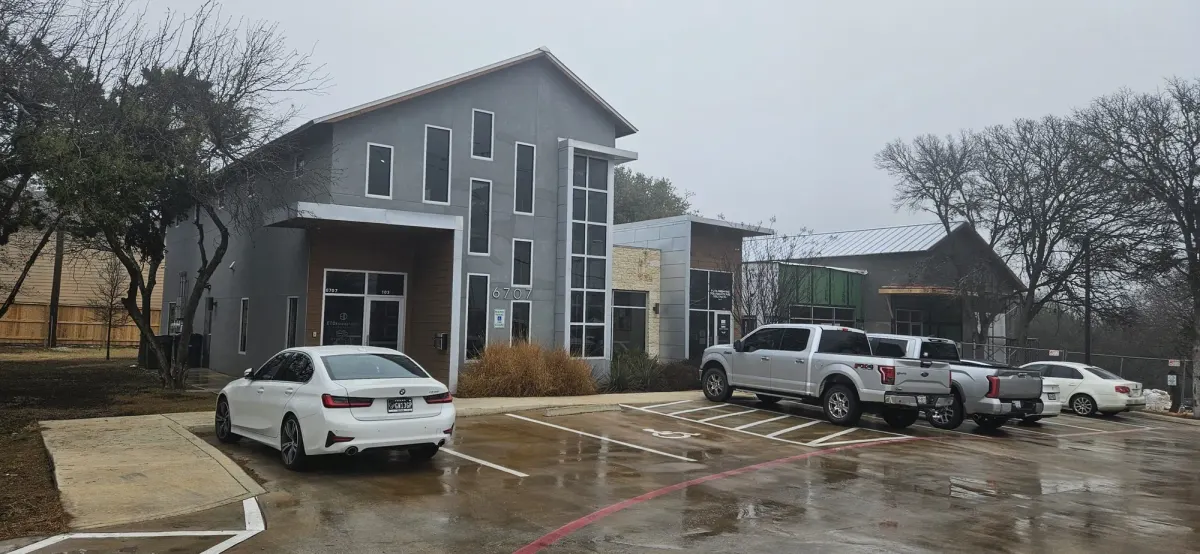 Outpatient
 San Antonio, TX
6707 W Hausman Rd · 78249
- Outpatient detox with scheduled medical visits
- Outpatient treatment
San Antonio Young Adult Inpatient Rehab Location
-
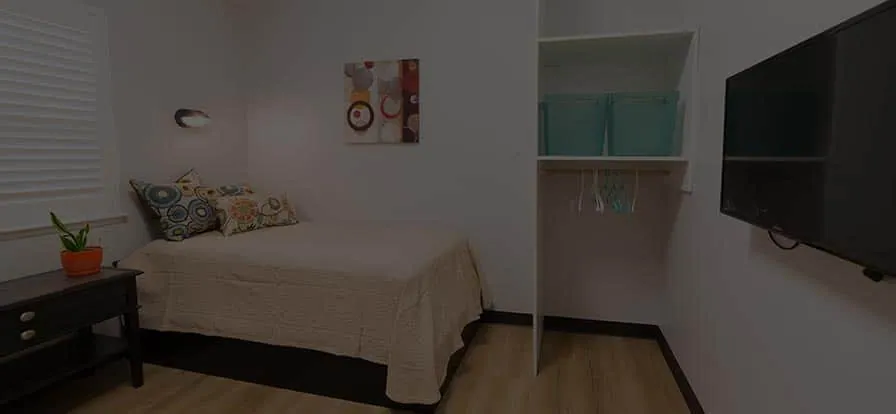 Inpatient
 Houston, TX
1019 Ashland St · 77008
- On-site labs
- 24-hour medical staff
Yound Adult Inpatient Rehab Location in Houston
How to Define “Best” for a Young Adult
Clinical Quality Comes First
For any inpatient or residential program, confirm licensure/accreditation, evidence‑based care, and support for co‑occurring mental health needs (dual diagnosis). When people search for luxury drug rehab or high‑end drug rehab, they’re usually looking for smaller client counts, privacy, and premium amenities—but those are extras on top of clinical care.
[ map — Briarwood Drug and Alcohol Detox, 6707 W Hausman Rd, San Antonio, TX 78249 ]
Expect individualized plans, credentialed staff, and options that protect privacy at luxury drug treatment centers and luxury drug rehab centers.
Programs Tailored to Ages 18–25
Young adults tend to benefit from age‑specific tracks that include peer groups, life‑skills coaching, and step‑down planning. Reputable directories describe common levels of care—medical detox, inpatient (residential), PHP, and IOP—and the therapies often used (CBT, DBT, motivational interviewing, trauma therapies like EMDR).
When a “Luxury” Setting Makes Sense
A more private or high‑end environment can reduce distractions, offer a lower staff‑to‑client ratio, and provide space to focus. It does not replace clinical quality; it complements it. Insurance may cover treatment itself but not every upscale amenity, so always verify benefits.
Inpatient Drug Rehab in Austin: What to Expect (30–90 Days)
Common Inpatient Program Models Around Austin
- Small‑census residential campuses on larger properties with trauma‑informed, dual‑diagnosis care.
- Programs south or north of Austin that offer medical detox plus residential and step‑down services.
- Men‑only models with ranch‑style settings and experiential therapies such as equine work.
- Longer‑stay programs with robust aftercare and family participation.
Break Free from Addiction. Detox Safely in Austin Today.
Medically Supervised Detox – Compassionate Care Starts Here.
Choosing an Inpatient Program: A Quick Checklist
First Step — Clarify Fit
- Age band and setting: confirm the program serves young adults (18–25) in an inpatient or residential level of care.
- Co‑occurring care: ask about integrated treatment for anxiety, depression, PTSD, and other conditions.
Second Step — Verify Quality
Ask for licensure/accreditation (e.g., Joint Commission) and staff credentials; request typical caseloads and staff‑to‑client ratios.
Third Step — Compare Experience
For luxury drug rehabs, compare amenities (private rooms, wellness services), privacy policies, and census size. These elements vary and explain price differences.
Fourth Step — Confirm Access and Cost
Call admissions to discuss bed availability, intake timing, and whether on‑site detox is needed. Insurance: treatment is often covered; high‑end amenities may not be. Have the center check benefits before you decide.
Fifth Step — Visit or Tour (Virtual or in Person)
Local resource lists recommend touring more than one facility before committing. Bring questions about length of stay, family involvement, and aftercare.
When a Men‑only Inpatient Program May Help
Some young adults prefer gender‑specific care. If gender‑specific care fits your situation, compare male drug rehab programs in our 2025 guide.
Austin‑area options include male‑only models with ranch‑style campuses and experiential therapies such as equine services. Local directories list several examples; your clinician or case manager can help you compare them. The Last Resort and other men‑only programs listed locally are typical examples.
Luxury vs. Standard Inpatient Rehab: Key Differences
Similarities
Both should deliver evidence‑based therapies, individualized plans, and medical oversight where needed.
Differences
Luxury drug treatment centers tend to offer private or semi‑private rooms, smaller groups, concierge‑style services, and wellness amenities. These features can support comfort and privacy but do not replace clinical quality. Costs vary by location, length of stay, amenities, and staffing. Insurance rules apply to treatment; confirm what is and isn’t covered. For a deeper comparison of luxury drug rehab in Austin, see our step‑by‑step guide.
How Briarwood Homes Helps Young Adults Find Inpatient Drug Rehab in Austin
Briarwood Homes offers a helpful starting point for families exploring inpatient drug rehab for young adults in Austin. The team helps clarify recovery goals, insurance details, and admissions steps while coordinating with licensed detox and residential programs. They can connect families with facilities offering dual-diagnosis care, gender-specific options, and structured support for academic or work schedules. For those seeking privacy and comfort, Briarwood explains differences among luxury and high-end centers and assists with tour scheduling. During treatment, they help organize family communication, lodging, and educational resources. As clients prepare for discharge, they guide transitions to PHP, IOP, or sober-living programs to support ongoing recovery. Briarwood Homes is not a medical provider but serves as an informed resource to simplify choices and reduce stress for families navigating Austin’s rehab landscape.
Verify Your Insurance Instantly
Don’t guess. Know what’s covered. Click below to verify your insurance coverage with 100% confidentiality and zero obligation.
Austin Young‑Adult Inpatient Rehab: Frequently Asked Questions
What is inpatient drug rehab for young adults in Austin?+–
Inpatient (residential) rehab means living on‑site at a licensed facility for structured, 24/7 care—typically combining counseling, medical oversight, and skills building. Texas HHS classifies “residential treatment services” as short‑term stays in licensed facilities; SAMHSA’s treatment overview explains how inpatient/residential fits within the overall continuum of care.
What levels of care are available near Austin (detox → inpatient → PHP/IOP)?+–
Common options include medically managed detox, inpatient/residential treatment, partial hospitalization (PHP), and intensive outpatient (IOP). Austin‑area providers list these levels and describe what to expect at each step.
How long does inpatient rehab usually last?+–
Length varies by assessment and progress, but research highlights that adequate time in treatment is critical for outcomes; many programs plan for 30–90 days with step‑downs afterward.
Does insurance cover inpatient drug rehab in Austin?+–
Yes—mental health and substance use disorder treatment are essential health benefits under the Affordable Care Act, though coverage specifics vary by plan. Local roundups also note that many Texas facilities accept private insurance and Medicaid. Always verify benefits with the provider and your insurer.
How much does luxury drug rehab cost?+–
Published estimates place luxury programs roughly in the $30,000–$100,000 per month range, depending on location, length of stay, and amenities.
What makes a “luxury” or “high‑end” rehab different?+–
Luxury centers emphasize privacy, lower client‑to‑staff ratios, private or semi‑private rooms, and wellness amenities—layered on top of evidence‑based care. Texas‑specific pages describe these upscale features and how they fit the same clinical continuum.
Are there male‑only inpatient options near Austin?+–
Yes. There are men‑only inpatient options near Austin that offer residential care with structured step‑down services. Use regulated directories or clinical referrals to identify programs that fit your needs.
Do Austin inpatient programs treat co‑occurring mental health conditions (dual diagnosis)?+–
Many do. The standard of care is to integrate mental‑health treatment (e.g., CBT, medication management when indicated) with substance use treatment within one plan.
How do I choose the best inpatient drug rehab for a young adult in Austin?+–
Confirm licensure, accreditation, and fit for the 18–25 age band; review levels of care, staff credentials, family involvement, aftercare, and insurance acceptance. Use SAMHSA’s FindTreatment.gov and Texas HHS resources to compare regulated facilities.
What should I do in a crisis while I’m researching programs?+–
If there’s immediate risk, call 911. For confidential 24/7 help with suicidal or emotional crisis (including substance use concerns), call or text 988 to reach the Suicide & Crisis Lifeline.
Related guides



About the people behind this guide
Anna-Grace Washington
Medical Content Writer
Anna-Grace Washington is a Medical Content Writer for Briarwood Detox Center. She holds a master’s degree in clinical psychology from the University of Texas and brings a strong understanding of behavioral health, addiction recovery, and evidence-based treatment concepts to her writing.
Dr. Robert Ulrich, DO
Medical Director
Dr. Robert Ulrich serves as Medical Director at Briarwood Detox Center, bringing more than two decades of clinical neurology experience to the treatment of substance use disorders. He is board-certified in neurology by the American Board of Psychiatry and Neurology and completed his neurology residency at UT Southwestern Medical Center in Dallas, where he served as Chief Resident.
In network with most major insurance
Find your plan and see what detox would cost
Most plans cover medical detox. Coverage varies by plan, so we verify it for you before you commit to anything.


















Don't see your plan? We work with out-of-network benefits and offer self-pay options — (866) 710-7710
- Confidential
- Takes about 2 minutes
- No obligation to admit

- Accredited The Joint Commission
- Rated 4.5 · 95 Google reviews
- Admissions 24 hours a day