
Guide
Are Barbiturates Like Xanax in Austin, TX?
Joint Commission accredited · In network with most major insurance · Admissions answered 24 hours a day


Published January 29, 2026
Reviewed and updated July 29, 2026
Key Takeaways · 7 points
- Barbiturates are older sedative‑hypnotic drugs that strongly depress the central nervous system and carry a high risk of barbiturate overdose.
- Xanax is a benzodiazepine, not a barbiturate, even though both drug types act on GABA and can be misused or lead to dependence.
- Barbiturates and Xanax share sedating effects, but barbiturates have a much narrower safety margin and are more likely to cause life‑threatening overdoses.
- Barbiturate overdose often involves confusion, extreme drowsiness, unstable walking, shallow breathing, and can progress quickly to coma or respiratory failure.
- Any suspected barbiturate overdose is a medical emergency that requires calling 911 and rapid hospital care for airway support and monitoring.
- Medically supervised detox at Briarwood Detox Center in Austin offers a safer way to withdraw from barbiturates and begin substance abuse treatment in Austin, TX.
- After detox, Briarwood’s team helps clients and families connect with ongoing treatment options in Austin so recovery can continue beyond the initial crisis.
Break Free from Addiction. Detox Safely in Austin Today.
Medically Supervised Detox – Compassionate Care Starts Here.
Many people in Austin who are prescribed Xanax or who misuse sedatives wonder whether barbiturates and Xanax are basically the same. Both can reduce anxiety and help with sleep, and both slow activity in the brain. Yet they belong to different drug classes and carry different risks, especially when it comes to overdose. Xanax (alprazolam) is a benzodiazepine, while barbiturates are an older group of sedative‑hypnotic medications with a much narrower safety margin.












Barbiturate overdose is particularly dangerous because a dose only slightly higher than prescribed can suppress breathing, blood pressure, and consciousness. National data suggest that about one in ten people who experience a serious barbiturate overdose die, often due to heart or lung complications.
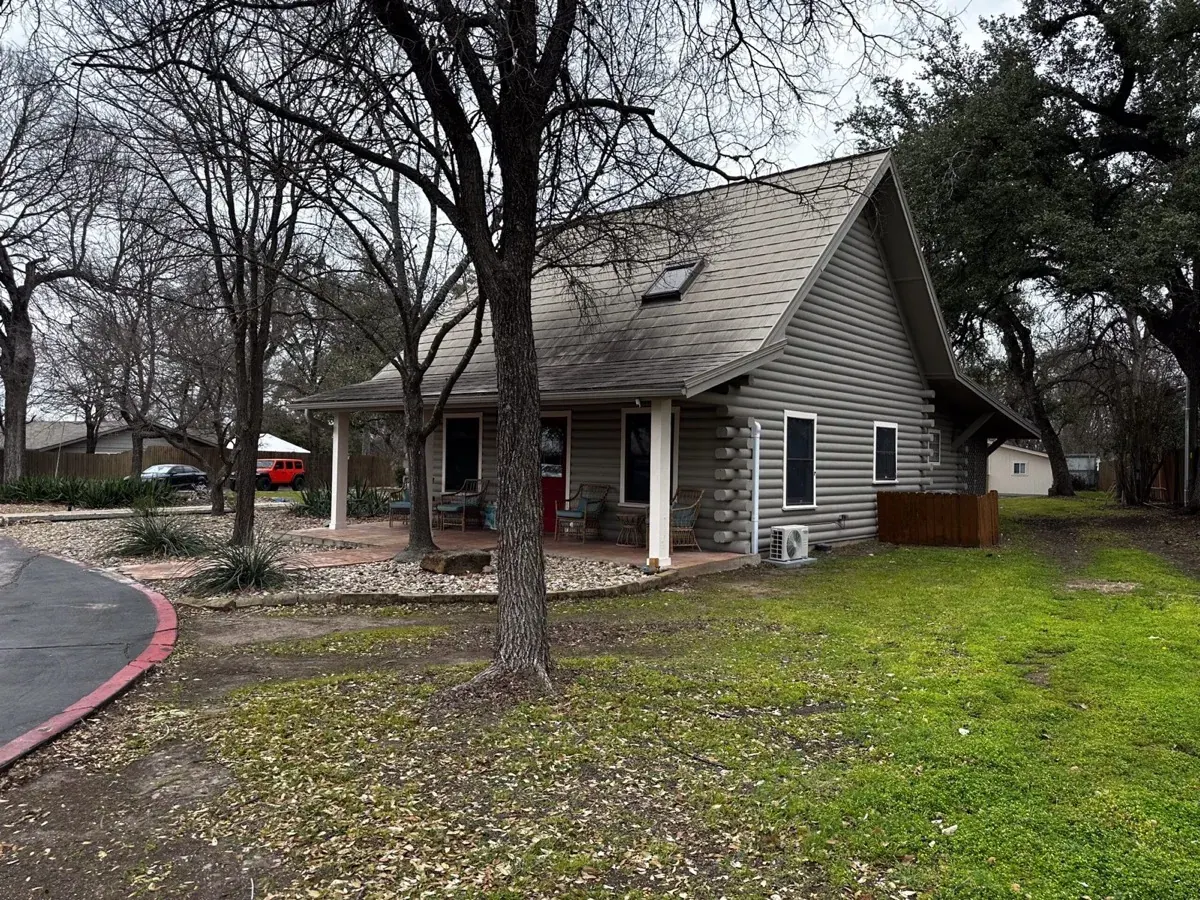
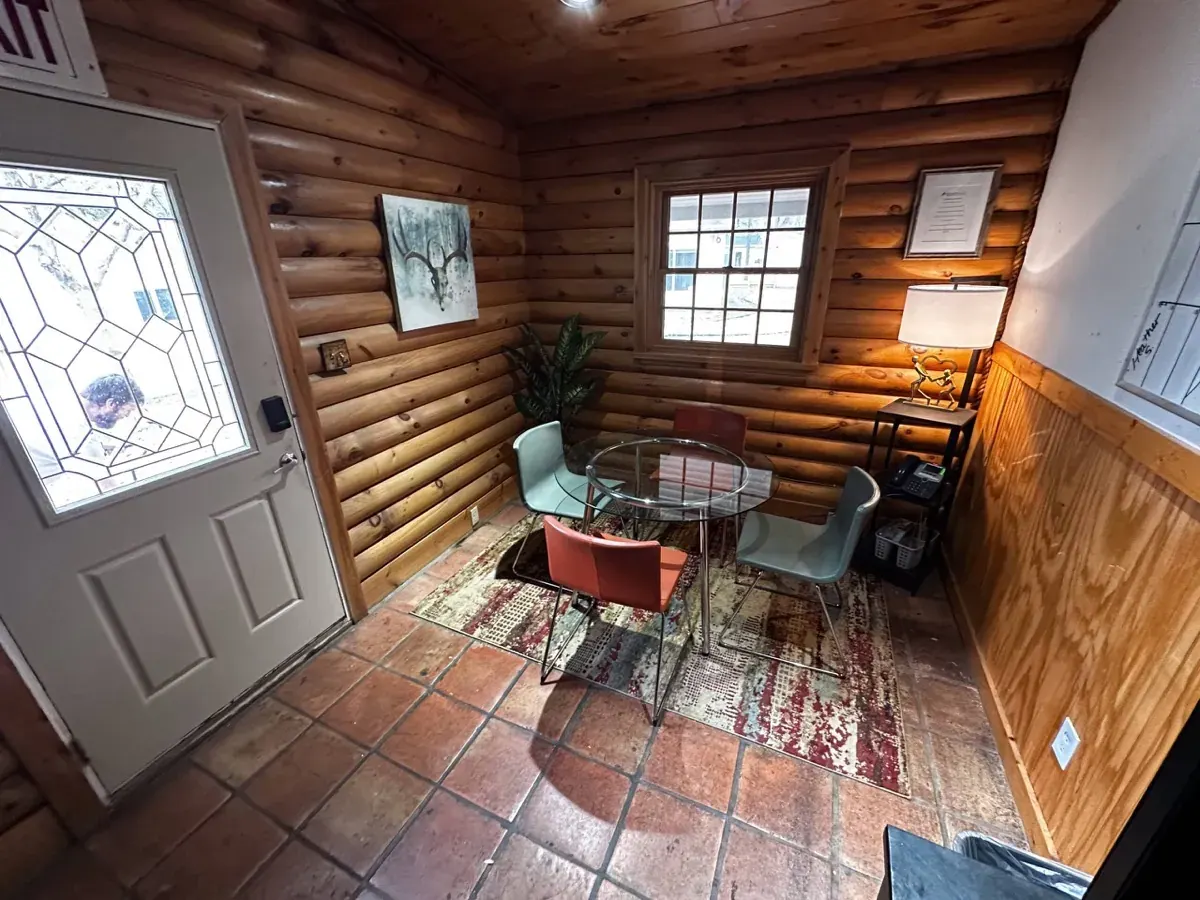
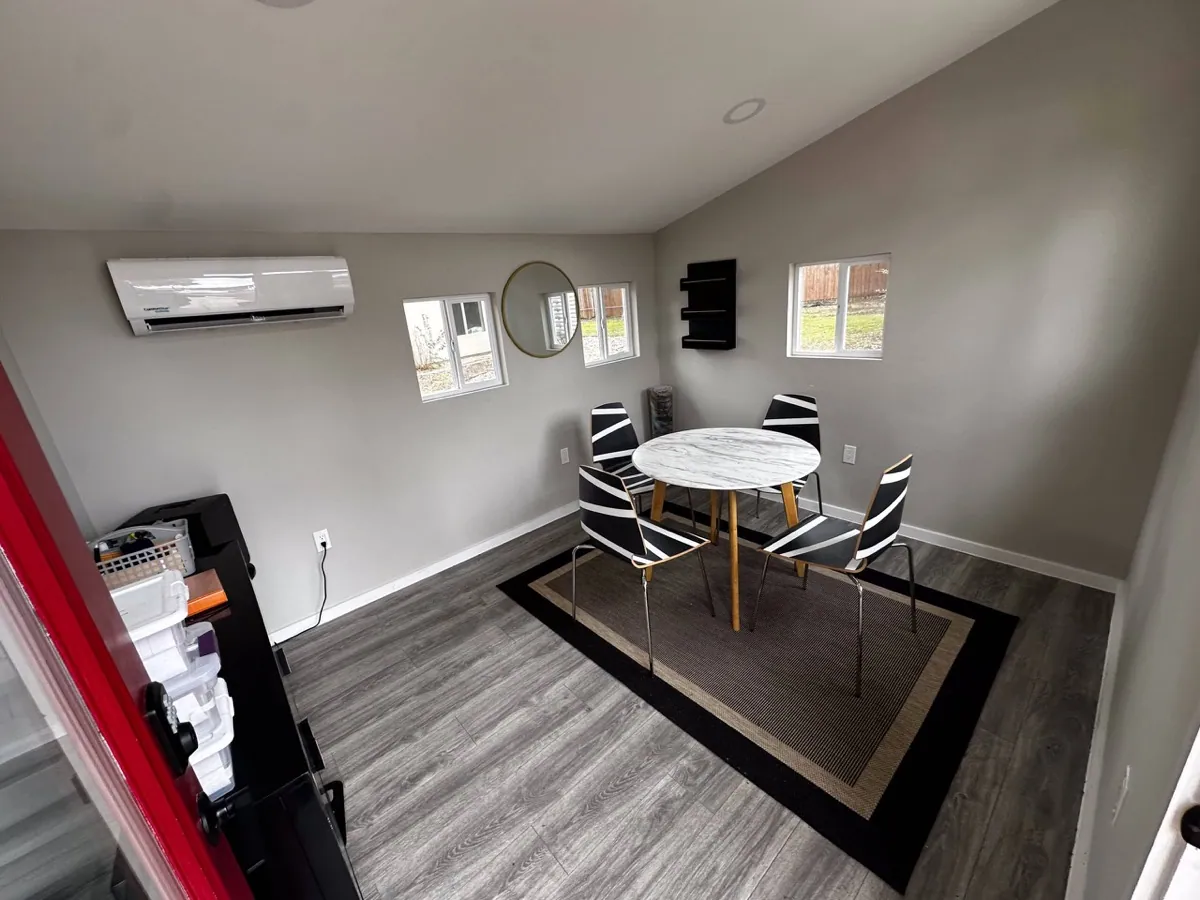
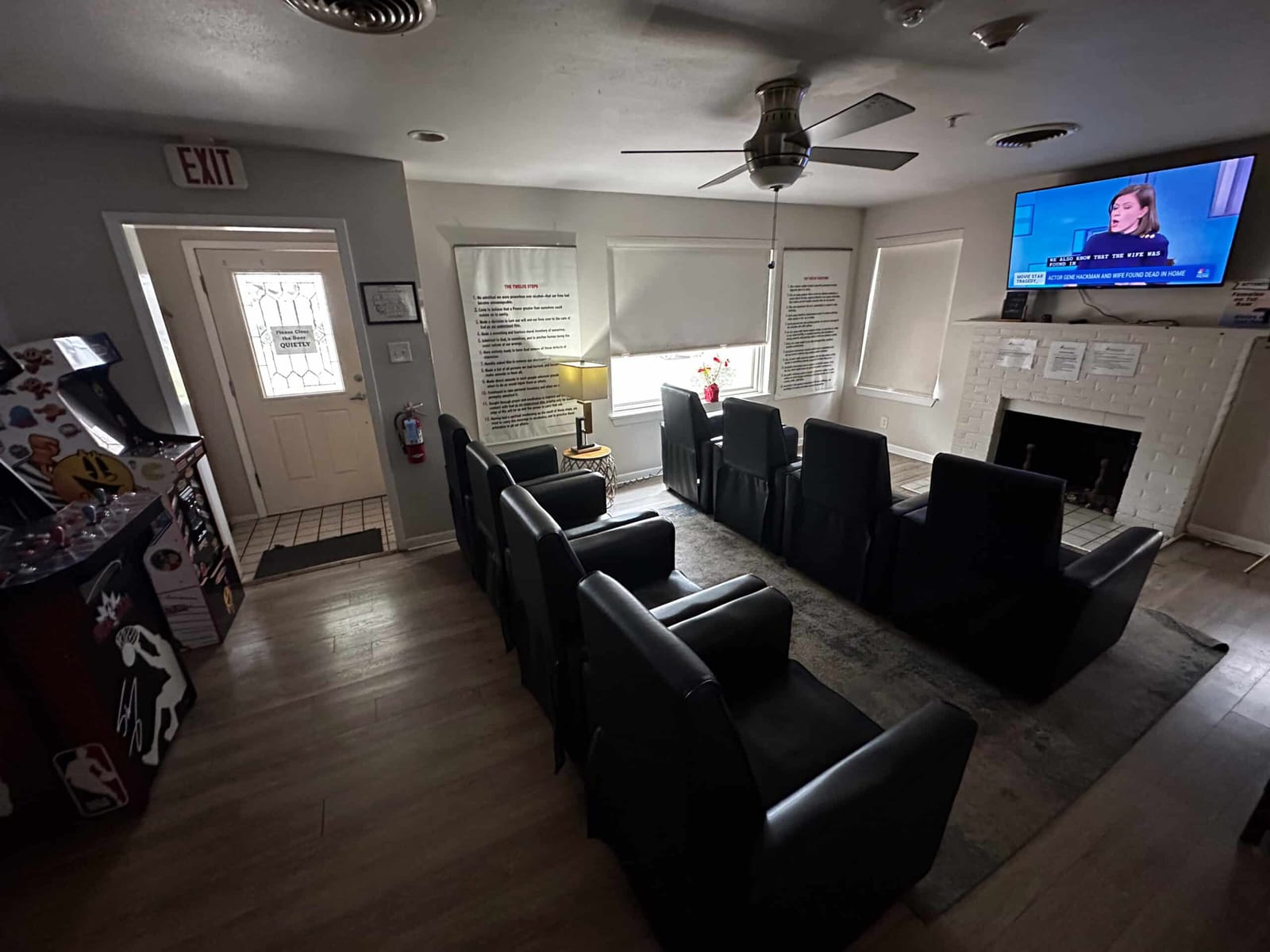
For Austin residents searching online for “substance abuse treatment Austin TX” or “drug treatment centers in Austin,” understanding these differences can help you recognize medical emergencies and plan safer next steps. At Briarwood Detox Center’s Austin location, medical detox provides a stabilizing first step for people who misuse barbiturates, benzodiazepines like Xanax, or multiple substances at once.
What Are Barbiturates?
Barbiturates are sedative‑hypnotic drugs derived from barbituric acid. They act on the brain and spinal cord to produce relaxation, drowsiness, and—in higher doses—anesthesia and coma.
Because barbiturates strongly depress the central nervous system (CNS), they have historically been used for conditions such as seizure disorders, anesthesia, and severe insomnia. Today, they are prescribed far less often because safer alternatives are available and because the risk of overdose is high.
How Barbiturates Work in the Brain
Barbiturates enhance the effect of gamma‑aminobutyric acid (GABA), an inhibitory neurotransmitter that slows brain activity. They increase how long the GABA‑activated chloride channel stays open, which can lead to profound sedation and respiratory depression when doses are too high.
The gap between a dose that helps with symptoms and a dose that causes coma is relatively small. This “narrow therapeutic index” is one reason why barbiturates are so risky and why overdose can occur even with a modest increase in dose or when the drugs are combined with alcohol or opioids.
Common Medical Uses and Examples
Although use has declined, some barbiturates are still prescribed in specific situations—for example, phenobarbital for certain seizure disorders or pentobarbital in critical care settings.
Outside of supervised care, barbiturates may be misused for their calming or sedating effects. Misuse might involve:
- Taking more tablets than prescribed
- Using someone else’s prescription
- Mixing barbiturates with alcohol, opioids, or benzodiazepines
These patterns sharply increase the risk of barbiturate overdose and physical dependence.
What Is Xanax and How Is It Different?
Xanax as a Benzodiazepine
Xanax is the brand name for alprazolam, a benzodiazepine most often prescribed for generalized anxiety disorder and panic disorder. Benzodiazepines also act on GABA receptors, but they increase how often the receptor opens rather than how long it stays open. This tends to give benzodiazepines a wider safety margin than barbiturates, although overdose and dependence remain real risks.
Xanax is classified as a Schedule IV controlled substance, indicating medical usefulness but potential for misuse and addiction. At Briarwood Detox Center, Xanax misuse is addressed through medically supervised benzodiazepine detox programs rather than barbiturate protocols, reflecting its different pharmacology and withdrawal pattern.
Why People Confuse Xanax with Barbiturates
People often assume Xanax is a barbiturate because:
- Both drug types treat anxiety, insomnia, or seizures
- Both cause relaxation, slowed thinking, and drowsiness
- Both are CNS depressants and can be misused with other substances
Historically, benzodiazepines were introduced in part to replace barbiturates due to a better safety profile. Still, benzodiazepines like Xanax can be addictive, especially when taken in higher doses or for longer than prescribed.
Where we are
Detox centers across Texas
Three locations, each with its own admissions line and its own clinical team. Pick the one nearest you — or call and we will tell you which has a bed tonight.
-
 Inpatient
 Austin, TX
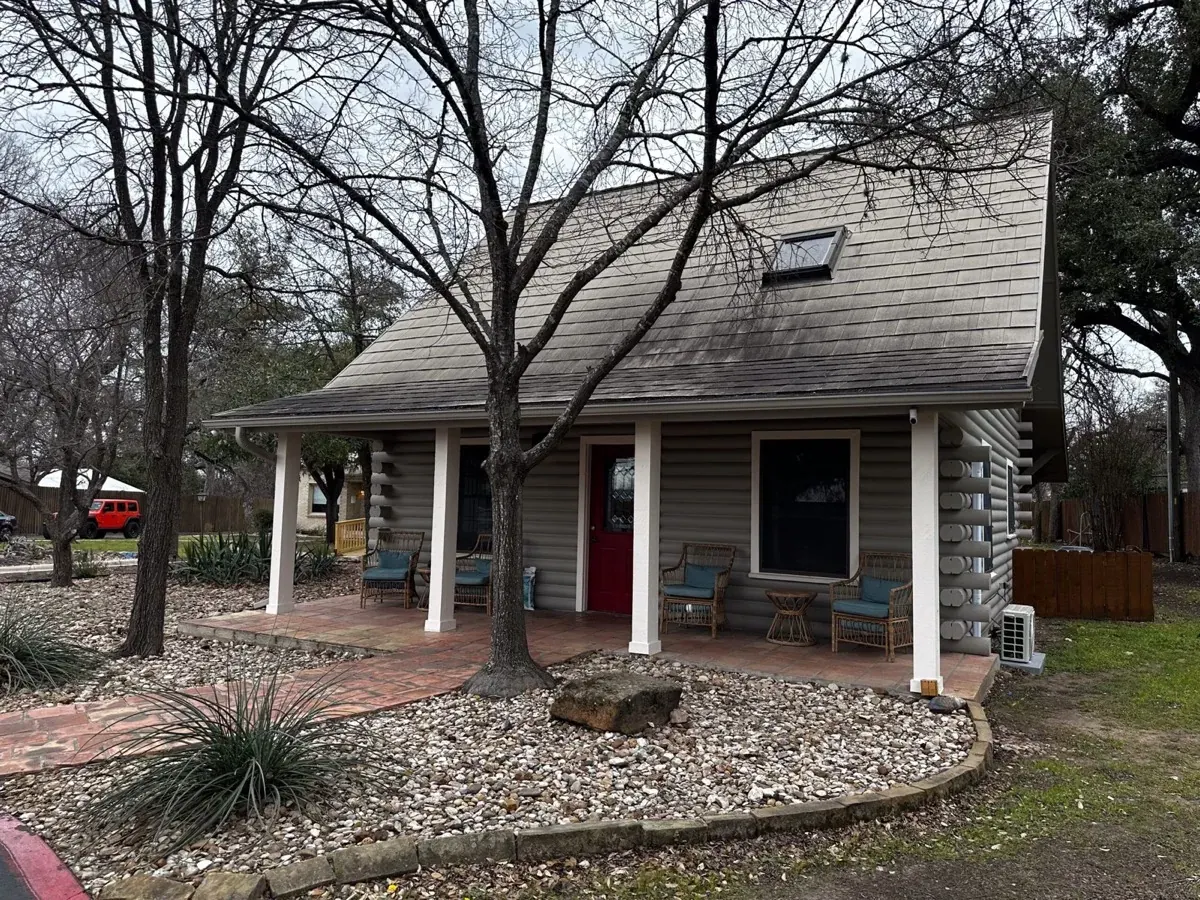
11711 N Lamar Blvd · 78753
- 15 beds
- On-site labs
- 24-hour medical staff
Inpatient in Austin
-
 Outpatient
 San Antonio, TX
6707 W Hausman Rd · 78249
- Outpatient detox with scheduled medical visits
- Outpatient treatment
San Antonio Inpatient Center
-
 Inpatient
 Houston, TX
1019 Ashland St · 77008
- On-site labs
- 24-hour medical staff
IOP in Houston
Are Barbiturates Like Xanax? Key Similarities and Differences
Shared Effects as Central Nervous System Depressants
Barbiturates and benzodiazepines share several clinical effects:
- Relief of anxiety and tension
- Sedation and impaired coordination
- Slowed reaction time and reduced alertness
- Potential for tolerance, dependence, and withdrawal
Differences in Overdose Risk and Prescribing Trends
Despite these similarities, there are critical distinctions:
- Overdose risk: Barbiturates have a higher likelihood of causing coma and respiratory arrest at doses only slightly above therapeutic levels. Benzodiazepine overdoses can also be serious, but they are less likely to be fatal when taken alone.
- Prescribing patterns: Since the 1970s, barbiturate prescribing has declined sharply, while benzodiazepines became more common for anxiety and insomnia.
- Clinical use today: Many barbiturates are now limited to hospital settings or specific seizure disorders, whereas benzodiazepines like Xanax remain widely prescribed in outpatient practice.
Understanding these differences can help Austin patients talk more clearly with prescribers and can also guide families as they watch for signs of barbiturate overdose or benzodiazepine misuse at home.
What Is a Barbiturate Overdose?
How Overdose Happens
A barbiturate overdose occurs when the blood level of the drug exceeds what the body can safely process. This can happen when someone:
- Takes a very large dose at once
- Re‑doses too soon, not realizing the previous dose is still active
- Mixes barbiturates with alcohol, opioids, or benzodiazepines
- Uses barbiturates in a suicide attempt
Because barbiturates depress the respiratory and cardiovascular centers in the brain, an overdose can quickly progress from confusion to coma and respiratory failure.
Signs and Symptoms to Watch For
Symptoms of barbiturate overdose often build over minutes to hours. They may include:
- Difficulty thinking or responding
- Extreme drowsiness, stupor, or loss of consciousness
- Slurred or slowed speech
- Poor coordination, staggering, or falls
- Shallow or slowed breathing
- Slow heart rate or weak, rapid pulse
- Cold, clammy skin
- Dilated pupils
- Coma or unresponsiveness
Even without visible breathing problems, anyone with these symptoms after taking barbiturates needs urgent medical evaluation.
Barbiturate Overdose vs. Benzodiazepine Overdose
Benzodiazepine overdoses can also cause confusion, slurred speech, and unsteady walking. However, when taken alone, they are less likely to cause profound respiratory arrest than barbiturates. The risk changes dramatically when either class is combined with alcohol, opioids, or other sedatives.
From a practical standpoint, families in Austin should treat any suspected barbiturate or benzodiazepine overdose as a medical emergency. Only a physician can determine how severe the situation is and what level of monitoring is required.
Emergency Response to Suspected Barbiturate Overdose
Immediate Steps While Waiting for Help
If you suspect someone has overdosed on barbiturates:
- Call 911 immediately. Do not wait to see if the person “sleeps it off.”
- Stay with the person. Check whether they are breathing and responding.
- Place them on their side if they are unconscious but still breathing. This recovery position can reduce the risk of choking if they vomit.
- Do not give food, drinks, or more medication. These can worsen sedation or cause choking.
- If you suspect opioids were also taken and naloxone is available, use it as directed. Naloxone can reverse opioid effects but does not treat barbiturate toxicity, so emergency care is still required.
Hospital Treatment and Monitoring
In the emergency department, treatment focuses on stabilizing breathing and circulation:
- Airway support with oxygen, a breathing tube, or a ventilator if needed
- Monitoring of heart rhythm, blood pressure, and oxygen levels
- Intravenous fluids and medications to support blood pressure
- Activated charcoal in some cases to reduce further absorption
- In rare, severe cases, dialysis or other methods to enhance drug elimination
There is no direct antidote for barbiturates, so careful supportive care and continuous monitoring are essential. Once the person is medically stable, attention shifts to managing withdrawal and addressing ongoing substance use.
Why Medical Detox Matters After a Barbiturate Overdose
Risks of Quitting Barbiturates on Your Own
Barbiturates can produce strong physical dependence. Stopping suddenly after regular use may trigger severe withdrawal, including:
- Anxiety and agitation
- Insomnia and restlessness
- Tremors and rapid heart rate
- Hallucinations or delirium
- Seizures
- In extreme cases, life‑threatening complications
Because of these risks, experts recommend medically supervised detox for anyone who has been using moderate to high doses of barbiturates, especially after an overdose or when other substances are involved. For many people, a structured prescription drug detox program is the safest way to stop.
How Briarwood Detox Center in Austin Supports Safe Withdrawal
At Briarwood Detox Center’s Austin facility, barbiturate withdrawal is managed in a structured, 24/7 medical setting. Our team designs an individualized plan that may include:
- A complete physical and psychological assessment on admission
- Medication protocols to taper sedatives safely when appropriate
- Continuous vital‑sign monitoring and nursing support
- Observation for respiratory depression, seizures, or changes in mental status
- Coordination with prescribing providers when barbiturates were originally used for seizures or other medical conditions
Medical detox at Briarwood is often the first step in a broader plan for substance abuse treatment in Austin, TX, helping clients stabilize before choosing longer‑term services.
What to Expect from Barbiturate Detox at Briarwood
During a typical barbiturate detox stay in Austin, clients can expect:
- Assessment and planning: Clinicians gather information about barbiturate use, other substances, medical history, and mental health so they can tailor detox goals.
- Active detox phase: Medications, rest, and supportive care are used to ease withdrawal symptoms while keeping safety the top priority.
- Therapeutic support: Individual and group sessions introduce coping skills, relapse‑prevention concepts, and education about CNS depressants, including barbiturates and benzodiazepines like Xanax.
- Discharge and next‑step coordination: Case managers help clients transition into appropriate ongoing care—such as residential treatment, intensive outpatient programming, or sober housing—once detox is complete.
Coordinating Ongoing Substance Abuse Treatment in Austin, TX
Transitioning from Detox to Longer‑Term Care
Detox alone does not resolve barbiturate or benzodiazepine addiction. It clears the body of substances and reduces immediate medical risks, but long‑term recovery depends on continued therapy, support, and lifestyle changes.
Many people begin this next phase by researching “drug treatment centers in Austin,” “Austin drug treatment centers,” or “drug treatment centers Austin Texas” to compare options. Detox at Briarwood helps individuals reach this point safely, with a clearer mind and a better understanding of what kind of care they may need.
How Briarwood Helps You Plan Next Steps
While remaining focused on detox services, Briarwood’s Austin team provides practical guidance for what comes after:
- Reviewing clinical recommendations and personal goals
- Discussing financial and insurance considerations
- Coordinating referrals to licensed residential or outpatient programs that match each client’s needs and location
- Sharing relapse‑prevention and safety planning tools to carry into the next level of care
This planning allows clients and families to move from crisis—such as a recent barbiturate overdose—into a structured path for ongoing substance abuse treatment in Austin, TX.
How Briarwood Detox Center Supports Barbiturate Overdose Recovery
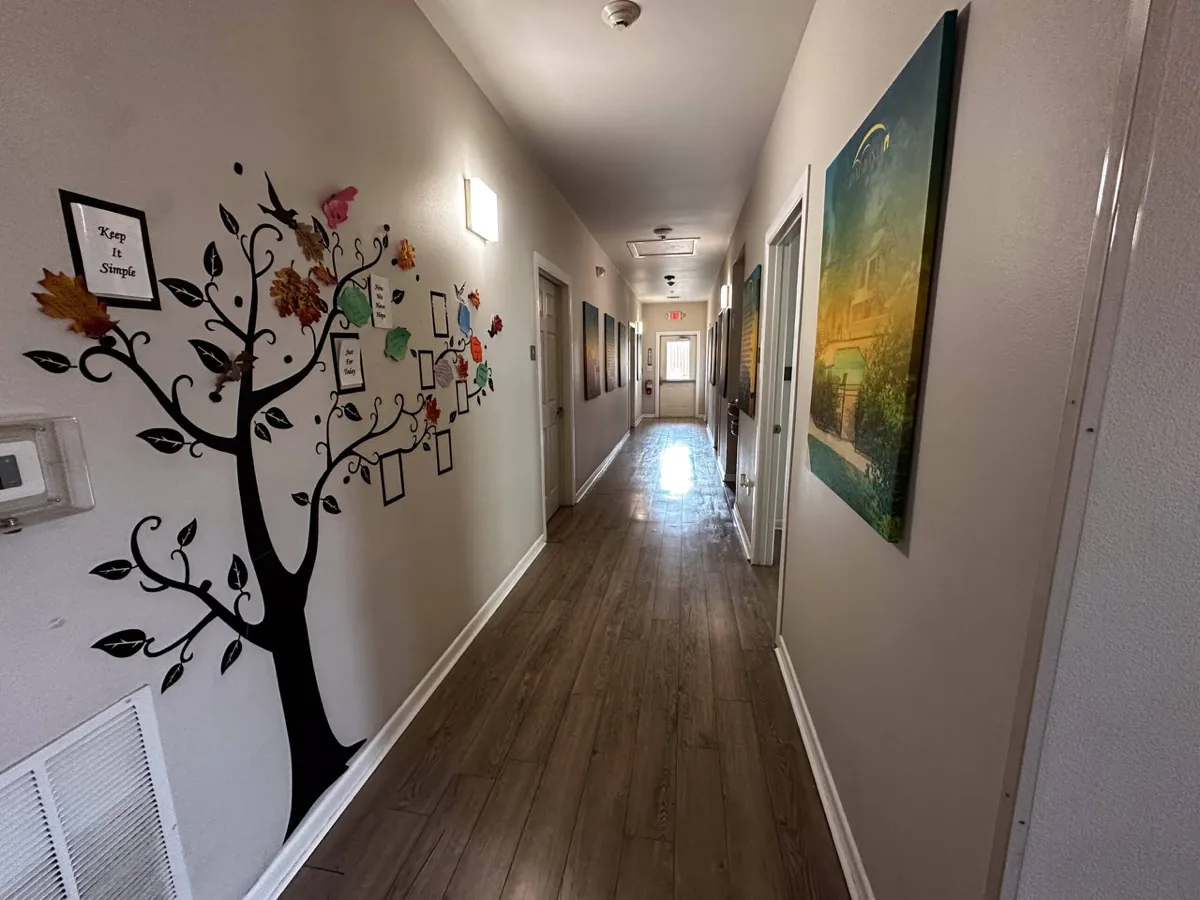
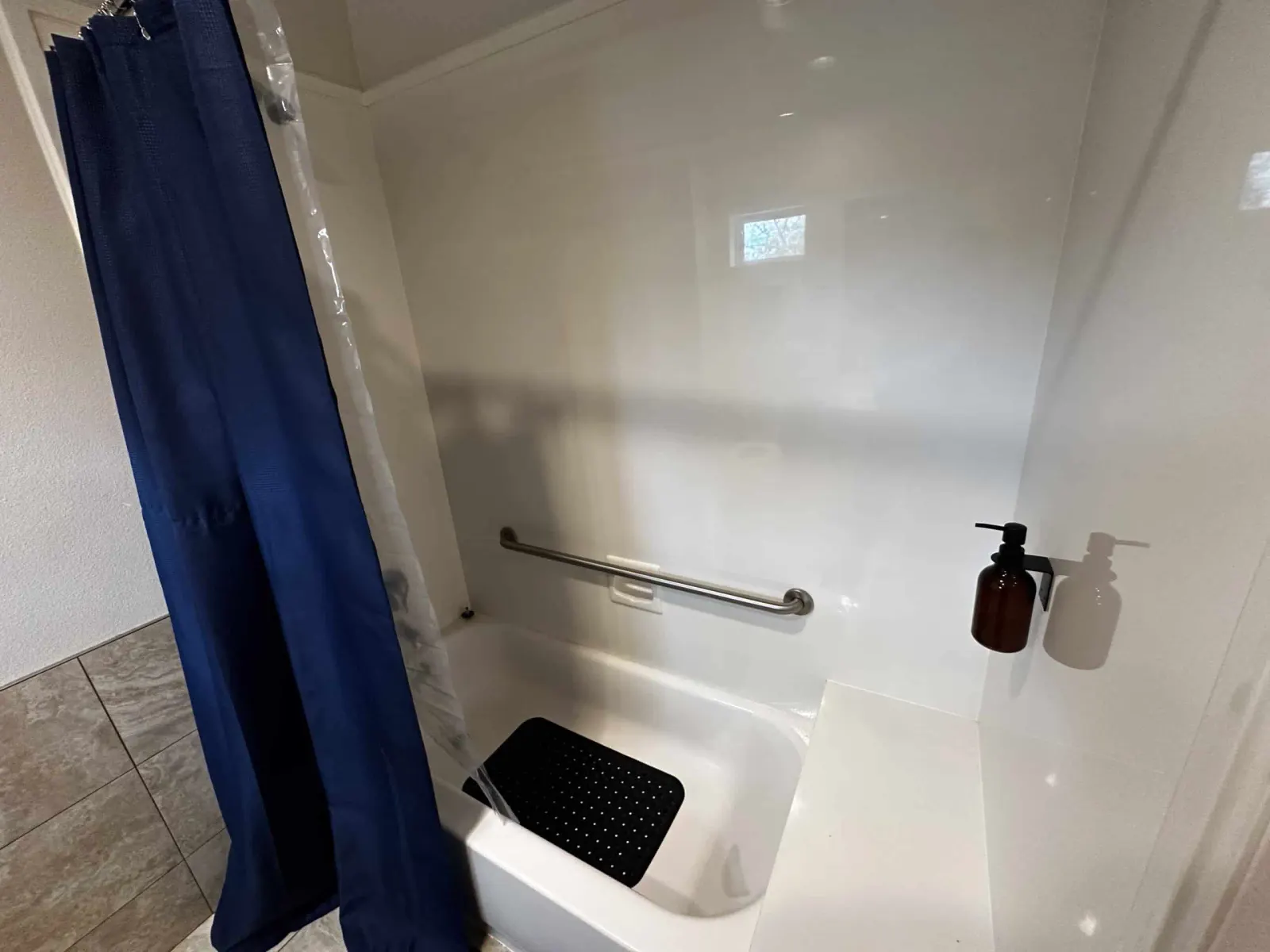
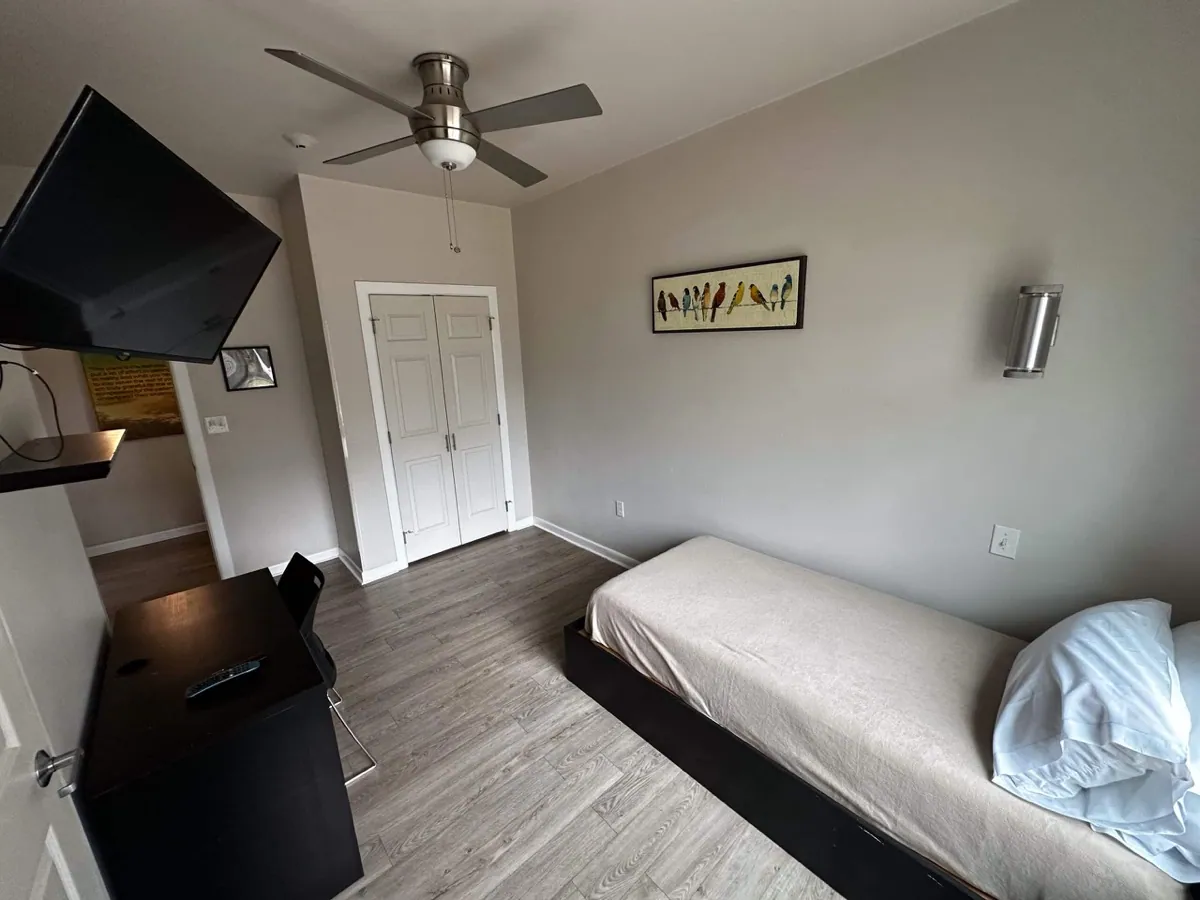
Briarwood Detox Center provides medically supervised detox services for people who have experienced a barbiturate overdose. Our Austin location offers 24/7 nursing care, on‑site medical providers, and continuous monitoring of breathing, heart rate, and mental status. Clinicians complete a detailed assessment so detox plans match each person’s medical history, substance use, and mental health needs. Medications are used when appropriate to taper sedatives safely and to reduce the risk of seizures or other complications. Staff members check vital signs often, respond quickly to changes, and keep the environment calm and structured. Education about sedatives, relapse risks, and safer coping skills is built into the detox stay. For families searching for substance abuse treatment Austin TX or drug treatment centers in Austin, our team also helps coordinate next‑step care. Briarwood Detox Center works to make this first stage of recovery as safe, comfortable, and respectful as possible.
Frequently Asked Questions About Barbiturates, Xanax, and Overdose
Is Xanax considered a barbiturate?+–
No. Xanax (alprazolam) is a benzodiazepine, not a barbiturate. Both types of medication act on the brain’s GABA system and can reduce anxiety or help with sleep, but they belong to different drug classes. Barbiturates are older drugs with a higher risk of overdose at only slightly higher doses. Benzodiazepines like Xanax have a wider safety margin but can still be misused and may cause dependence or withdrawal if taken for long periods or in large amounts.
What is the difference between barbiturates and benzodiazepines like Xanax?+–
Barbiturates and benzodiazepines are both central nervous system depressants, but they work in different ways at the GABA receptor. Barbiturates directly prolong the opening of the receptor channel, which can cause deep sedation and slow breathing at high doses. Benzodiazepines help GABA work more effectively without pushing the system as hard, so they are generally safer in overdose when taken alone. Even so, both can be dangerous when misused or combined with alcohol or opioids.
What happens during a barbiturate overdose?+–
During a barbiturate overdose, the drug slows brain and body functions to a dangerous level. People may become very drowsy, confused, or unresponsive. Breathing can become shallow or slow, and blood pressure may drop. In severe cases, overdose can lead to coma, respiratory arrest, or death. Because symptoms can worsen quickly, any suspected barbiturate overdose should be treated as a medical emergency and evaluated in an emergency department as soon as possible.
What are early signs of a barbiturate overdose I should watch for?+–
Early signs can include heavy drowsiness, trouble staying awake, slowed thinking, poor coordination, and slurred speech. A person may seem “drunk” without drinking alcohol. As overdose progresses, you might notice shallow breathing, cold or clammy skin, or a weak, rapid pulse. If someone has taken barbiturates and begins to show these symptoms, call 911 right away and stay with them until help arrives.
Can mixing Xanax or barbiturates with alcohol cause an overdose?+–
Yes. Mixing Xanax or barbiturates with alcohol, opioids, or other sedatives is one of the most common ways overdose occurs. All of these substances slow the central nervous system. When taken together, their effects stack, which can sharply increase the risk of dangerously slow breathing, low blood pressure, loss of consciousness, and death. Even if each substance is taken in what seems like a “normal” dose, combining them can create an emergency.
How is a barbiturate overdose treated in the hospital?+–
Hospital care focuses on protecting breathing and circulation while the body clears the drug. Staff check vital signs, provide oxygen, and may place a breathing tube if the person cannot maintain their airway. Intravenous fluids help support blood pressure, and activated charcoal may be used in some cases to limit absorption. Because there is no simple antidote for barbiturates, continuous monitoring and supportive care are critical until the person is stable.
Is barbiturate withdrawal dangerous?+–
Yes, barbiturate withdrawal can be dangerous and should not be managed alone at home. Symptoms may include anxiety, tremors, rapid heart rate, nausea, insomnia, and in severe cases hallucinations or seizures. Stopping heavy or long‑term use suddenly can lead to life‑threatening complications. For this reason, a medically supervised detox program is strongly recommended for anyone who has been using barbiturates regularly.
How long does barbiturate withdrawal usually last?+–
The length of withdrawal depends on the specific drug, dose, and how long it has been used. Many people notice symptoms starting within hours to a day after the last dose. The most intense phase often occurs over the first several days, but some sleep problems, mood changes, or anxiety can last longer. In a medical detox setting, healthcare professionals can taper medication and monitor symptoms, which often makes the process safer and more manageable.
How can I get help for barbiturate overdose recovery in Austin, TX?+–
After emergency treatment for a barbiturate overdose, many people need structured support to stop using safely and reduce the risk of another crisis. At Briarwood Detox Center in Austin, medical staff provide 24/7 monitoring, medication support, and a calm environment for barbiturate detox. The team also helps plan the next steps in care so recovery can continue after discharge. If you or someone you love needs help after a barbiturate overdose in Austin, our admissions team can discuss options and answer your questions. Call our admissions team today at (866) 710-7710.
What does medical detox for barbiturates involve at Briarwood Detox Center?+–
Medical detox at Briarwood Detox Center starts with a full assessment of your health, substance use, and medications. Clinicians design a plan that may include a gradual dose reduction, supportive medications, and continuous vital‑sign monitoring to lower the risk of seizures or breathing problems. You receive education about barbiturates, co‑occurring substances like Xanax or alcohol, and relapse‑prevention strategies. Staff also help you explore ongoing treatment options in and around Austin so you leave detox with a clear plan for continuing care. If you are ready to talk about medical detox for barbiturates, Briarwood’s team is available to help. Call our admissions team today at (866) 710-7710.
Related guides



About the people behind this guide
Anna-Grace Washington
Medical Content Writer
Anna-Grace Washington is a Medical Content Writer for Briarwood Detox Center. She holds a master’s degree in clinical psychology from the University of Texas and brings a strong understanding of behavioral health, addiction recovery, and evidence-based treatment concepts to her writing.
Dr. Robert Ulrich, DO
Medical Director
Dr. Robert Ulrich serves as Medical Director at Briarwood Detox Center, bringing more than two decades of clinical neurology experience to the treatment of substance use disorders. He is board-certified in neurology by the American Board of Psychiatry and Neurology and completed his neurology residency at UT Southwestern Medical Center in Dallas, where he served as Chief Resident.
In network with most major insurance
Find your plan and see what detox would cost
Most plans cover medical detox. Coverage varies by plan, so we verify it for you before you commit to anything.


















Don't see your plan? We work with out-of-network benefits and offer self-pay options — (866) 710-7710
- Confidential
- Takes about 2 minutes
- No obligation to admit

- Accredited The Joint Commission
- Rated 4.5 · 95 Google reviews
- Admissions 24 hours a day