
Guide
Alcohol and Concussion: What to Know About Drinking
Joint Commission accredited · In network with most major insurance · Admissions answered 24 hours a day


Published January 5, 2026
Reviewed and updated July 29, 2026
Key Takeaways · 8 points
- Concussion basics and why alcohol matters
- Alcohol and concussion: what can go wrong fast
- When can you drink again? A safer decision checklist
- Daily drinking and concussion: know the withdrawal risk
- Red flags that need urgent medical care
- How to support recovery without alcohol
- If alcohol use is affecting recovery: next steps in Texas
- Quick answers about concussion and drinking
Break Free from Addiction. Detox Safely in Austin Today.
Medically Supervised Detox – Compassionate Care Starts Here.
A concussion is a mild brain injury that can affect how you think, sleep, and move for days or weeks.
If you are wondering about concussion and drinking, you are not alone. Most medical advice is clear: avoid alcohol while you have symptoms, and ask your doctor before you drink again.
If you are in Central Texas and cutting back feels hard or risky, Briarwood Detox Center can help you start safely in Austin.
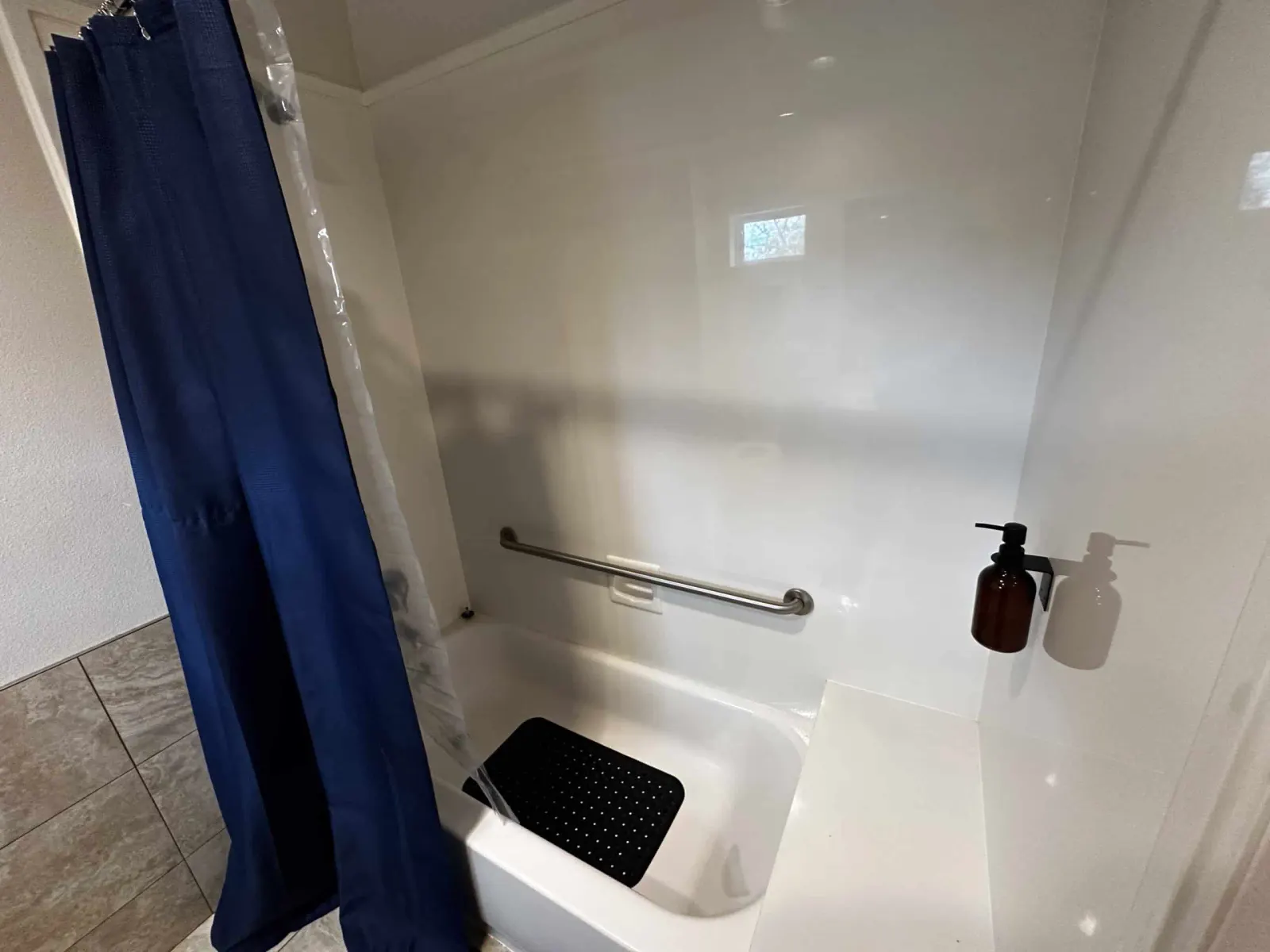
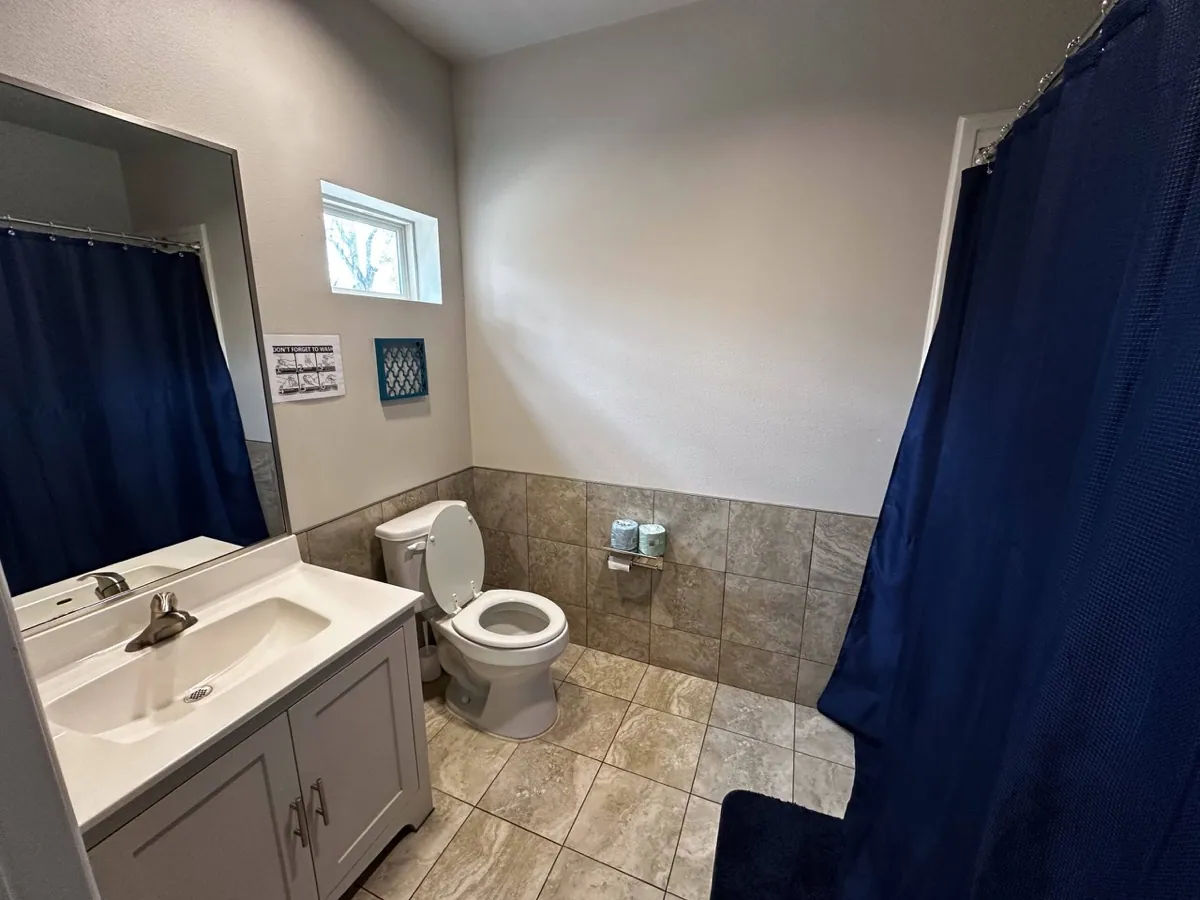
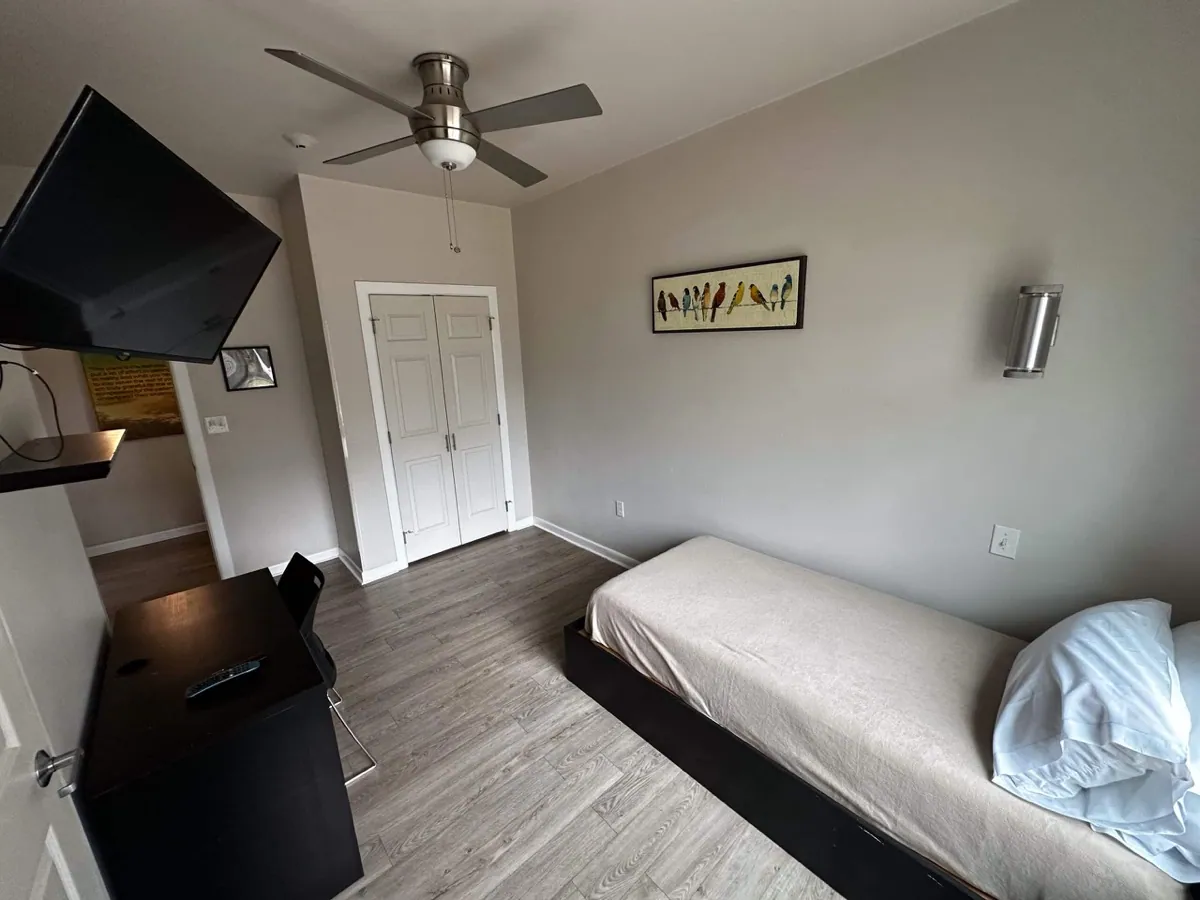
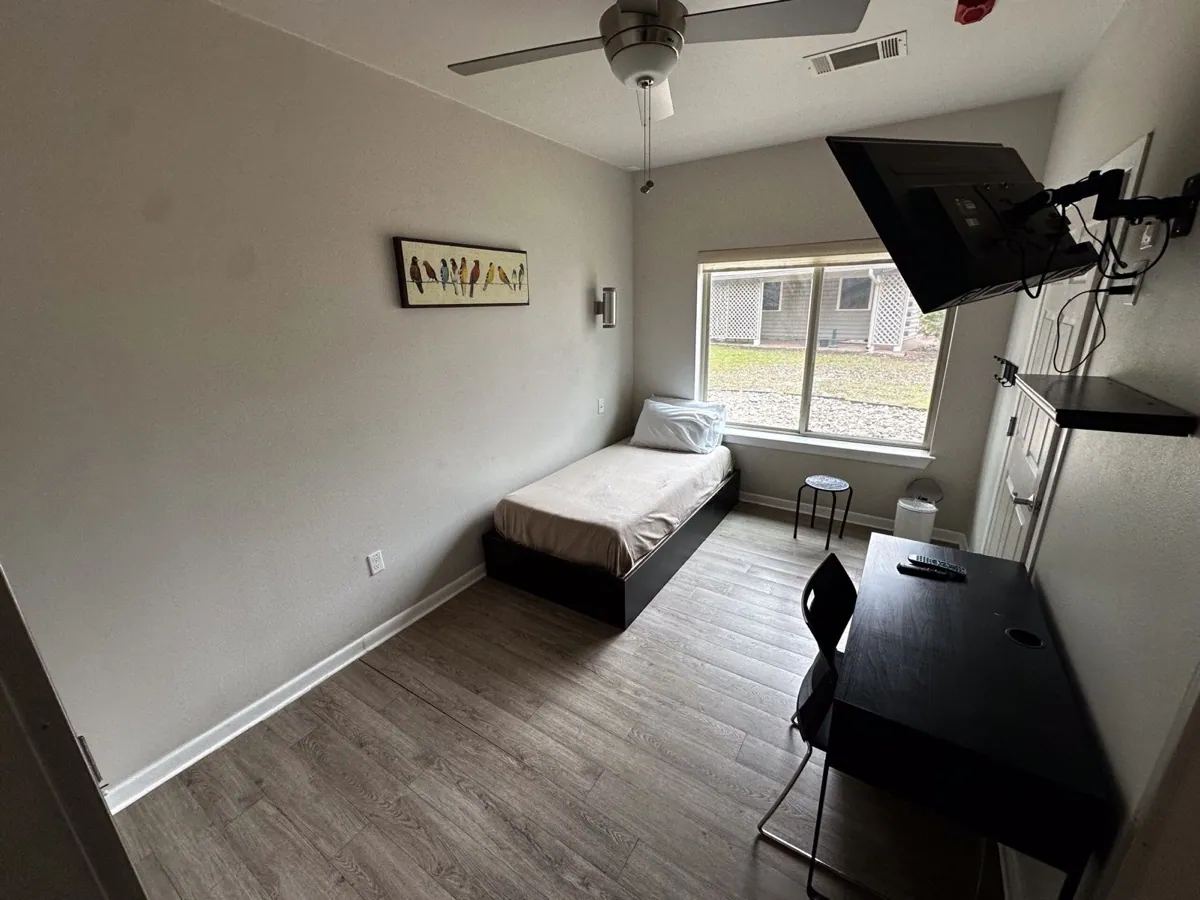







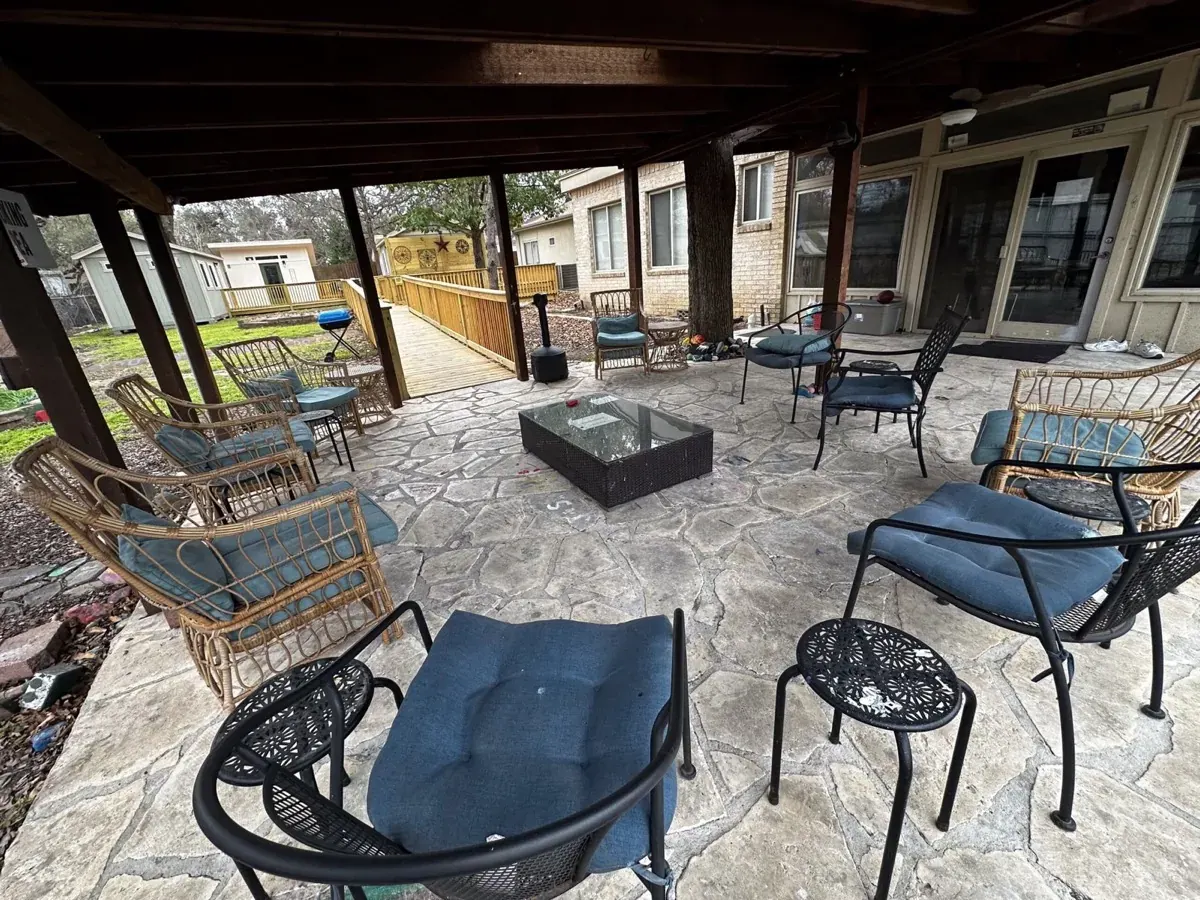

Concussion basics and why alcohol matters
A concussion happens when a hit or jolt makes the brain move inside the skull, which can disrupt normal brain signals. Symptoms often include headache, foggy thinking, nausea, mood swings, and trouble sleeping.
A plain-English definition
Alcohol and concussion means drinking during the time your brain is healing after a head injury. During that window, alcohol can worsen symptoms and raise the risk of another injury.
Why alcohol can feel stronger after a head injury
After a concussion, many people feel off-balance or slower than usual, and alcohol can add to those changes by lowering judgment and slowing reaction time.
Sleep is another key factor, because deep sleep supports healing. Alcohol may make you drowsy at first, but it can fragment sleep later in the night and leave you tired the next day.
In short, concussion and drinking can blur the line between “normal recovery” and “something is wrong,” so many providers recommend zero alcohol until you are cleared.
Alcohol and concussion: what can go wrong fast
Even one night of drinking can create setbacks if you are still in the symptom phase, and alcohol can also copy concussion symptoms, which makes recovery harder to track.
Symptoms that may get worse
- Headache or head pressure
- Dizziness or balance issues
- Nausea
- Light or noise sensitivity
- Slower thinking, poor focus, or memory slips
- Irritability, anxiety, or low mood
Why re-injury risk increases
Alcohol increases risk-taking and reduces coordination, while concussion recovery can already involve slower reflexes. That combination can lead to a fall, a sports impact, or a crash.
A second concussion before you recover can lead to longer symptoms and can make work or school harder, because the brain has less reserve.
Medication and pain relief
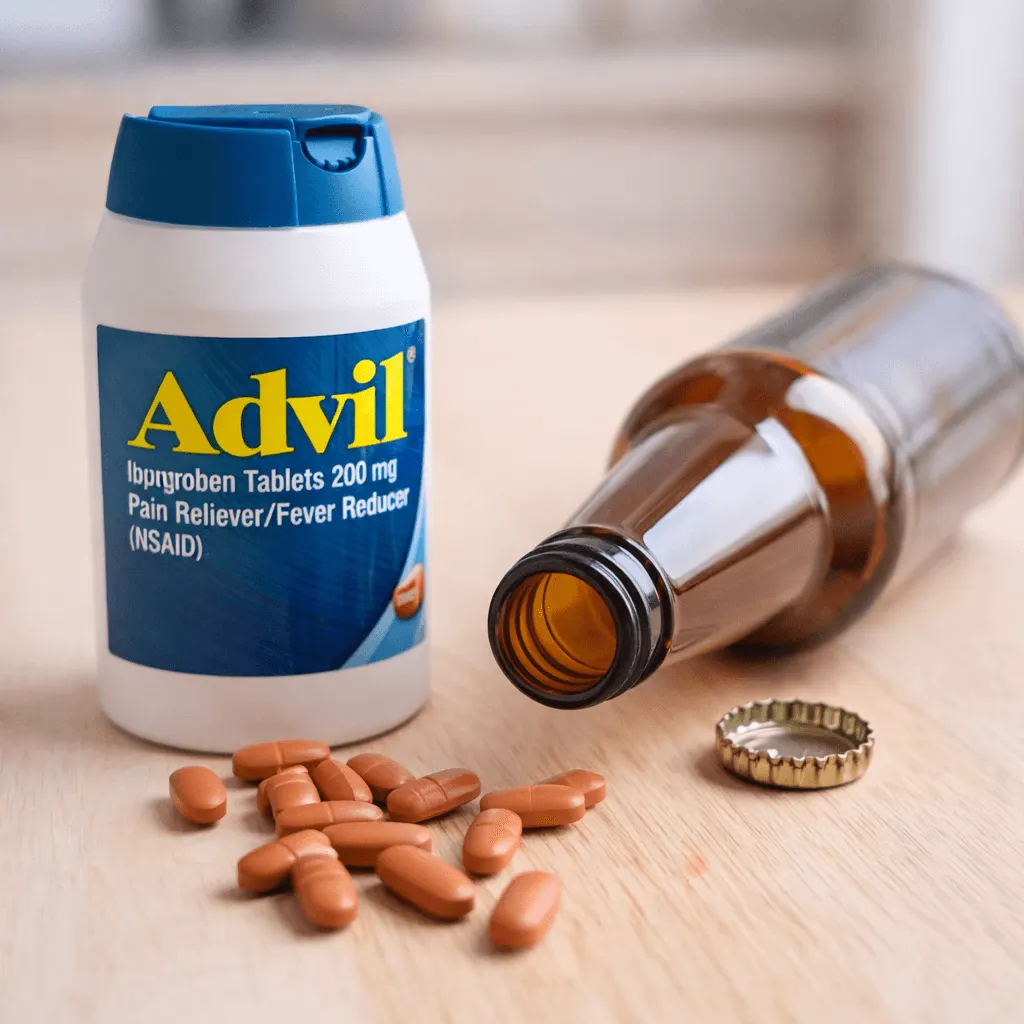
Many people use over-the-counter pain relief after a concussion, but alcohol can increase side effects with some medicines, including stomach irritation and bleeding risks with some pain relievers.
For a simple safety overview, see Briarwood’s guide on Advil and alcohol.
When can you drink again? A safer decision checklist
There is no single day that fits everyone, so a safer rule is to wait until your symptoms are fully gone, your sleep is steady, and your doctor says it is okay.
If you still have headache, brain fog, or dizziness, it is usually best to hold off because drinking too soon can set you back or hide a dangerous change.
Quick checklist before you consider a drink
- Back to baseline at rest.
- Normal daily tasks do not bring symptoms back.
- Sleep is steady without alcohol.
- Avoid medicines that should not mix with alcohol.
- Medical clearance is in place if the injury was severe, repeated, or tied to sports or safety work.
Questions to ask your provider
- Do you want me to avoid alcohol for a specific period?
- Are my symptoms typical, or do they need follow-up testing?
- Which medicines are safe right now, and which should I avoid?
- When can I drive, work out, or return to contact sports?
If you are unsure, ask one direct question: “Is it safe for me to drink now?” A clear answer can prevent guesswork and reduce risk.
Where we are
Detox centers across Texas
Three locations, each with its own admissions line and its own clinical team. Pick the one nearest you — or call and we will tell you which has a bed tonight.
-
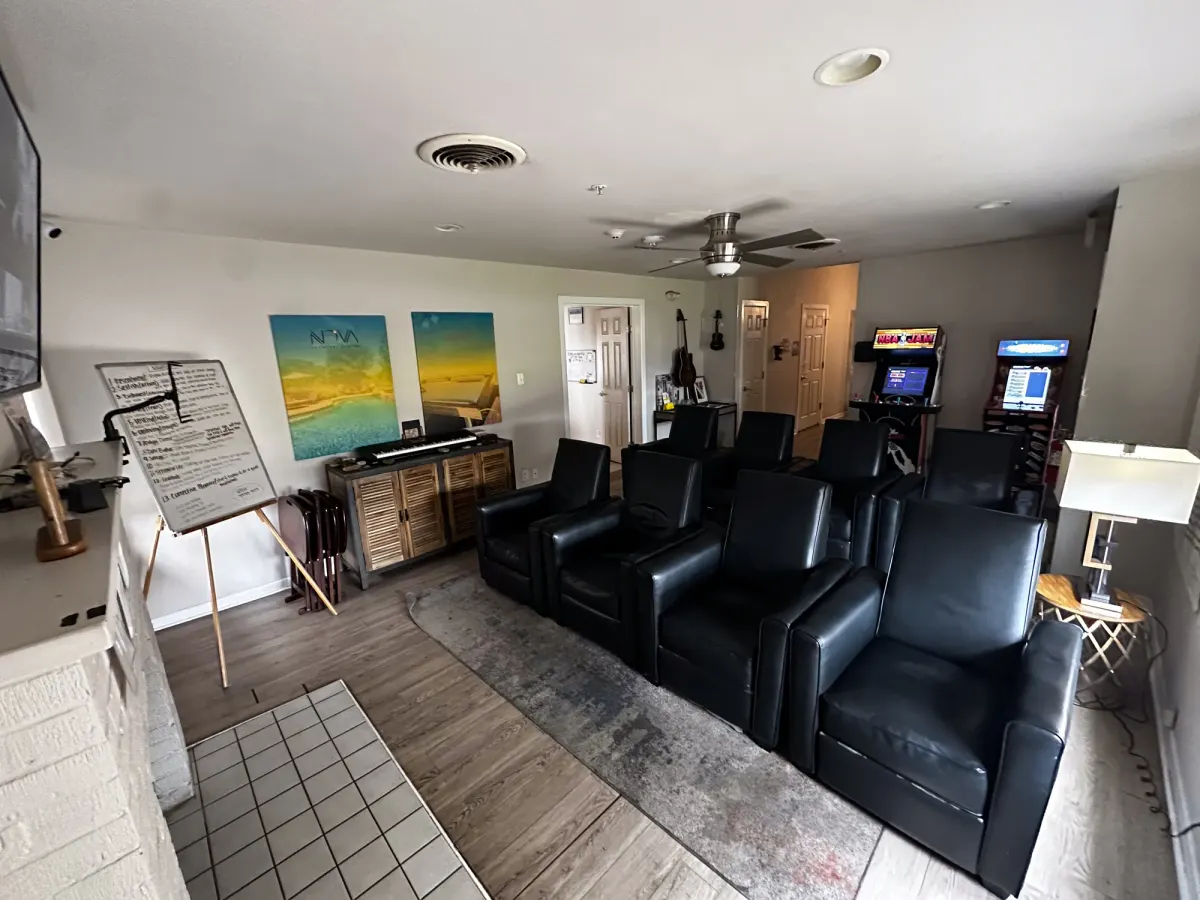 Inpatient
 Austin, TX
11711 N Lamar Blvd · 78753
- 15 beds
- On-site labs
- 24-hour medical staff
Drug & Alcohol Detox in Austin, TX
-
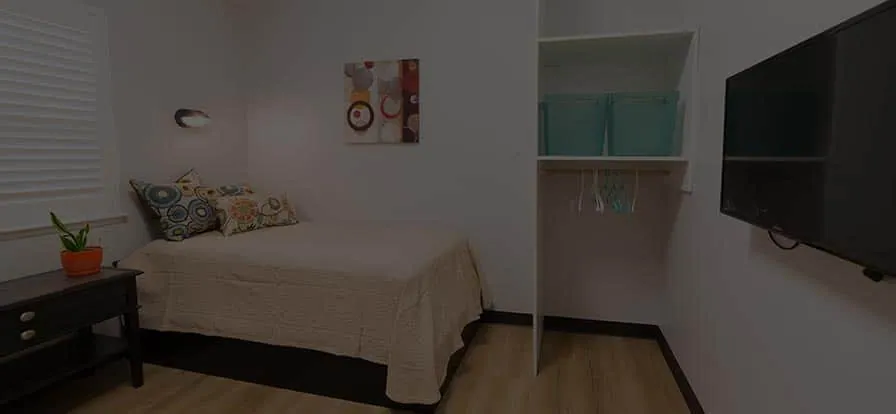 Inpatient
 Houston, TX
1019 Ashland St · 77008
- On-site labs
- 24-hour medical staff
Drug Detox Center in Houston, TX
-
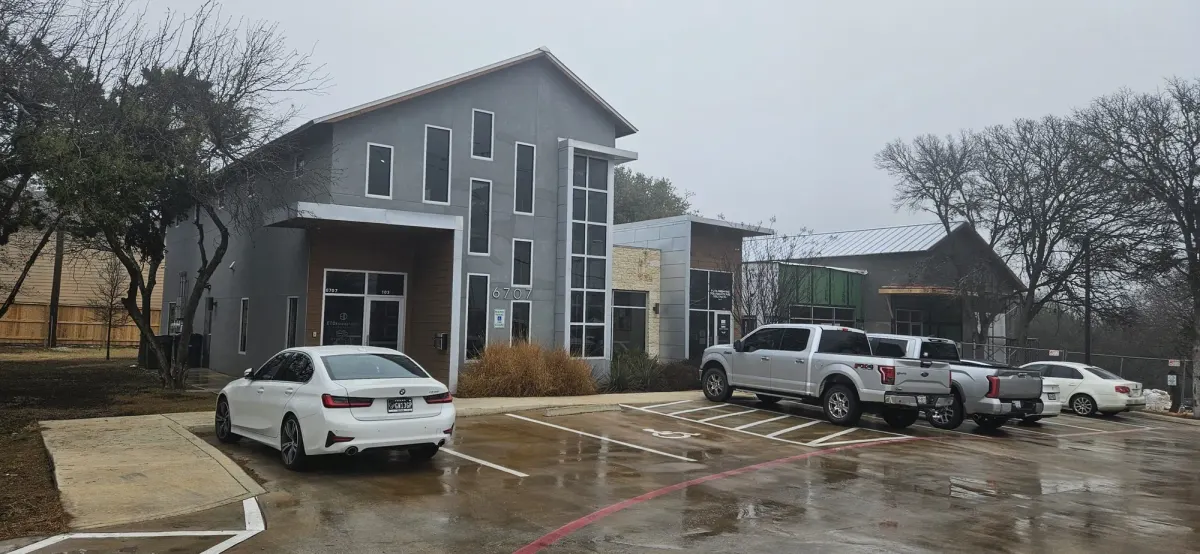 Outpatient
 San Antonio, TX
6707 W Hausman Rd · 78249
- Outpatient detox with scheduled medical visits
- Outpatient treatment
Outpatient Drug & Alcohol Detox in San Antonio
Daily drinking and concussion: know the withdrawal risk
Some people plan to avoid alcohol after a concussion and then realize they cannot stop easily. If you drink daily or heavily, quitting all at once can cause withdrawal symptoms.
Withdrawal happens when the nervous system has adapted to alcohol, and removing alcohol can push the body into an overactive state. That can feel like severe anxiety, shaking, and insomnia.
For some people, withdrawal can become dangerous, and confusion, hallucinations, or seizures are emergency symptoms.
If you are worried about withdrawal, read Briarwood’s guide on how long alcohol withdrawal can last and get medical advice before you quit cold turkey.
Red flags that need urgent medical care
Concussion symptoms often improve over time, but some warning signs mean you should get urgent help right away, even if you think alcohol played a role.
Call 911 or go to the ER for
- A severe or worsening headache
- Repeated vomiting
- Seizures
- Weakness, numbness, or trouble walking
- Slurred speech or new confusion
- Trouble waking up or staying awake
- Unequal pupils or clear fluid from the nose or ears
If you are not sure, it is safer to be checked, because alcohol can blur symptoms and delay care. When possible, ask someone sober to stay with you and help monitor changes.
How to support recovery without alcohol
Most concussion plans focus on rest, steady sleep, and a gradual return to activity. You do not need to do everything at once, but small changes can still help.
Simple habits that often support healing
- Drink water and eat regular meals to lower headache risk.
- Limit screens, loud music, and bright light if they trigger symptoms.
- Take short breaks during work or school tasks.
- Walk or do light movement if a doctor says it is safe.
- Follow a consistent sleep schedule and keep evenings calm.
Stress management matters, too, because stress can worsen symptoms and increase cravings. Try slow breathing, brief stretching, or a quiet walk, and use them when you would normally reach for a drink.
For a practical handout, CDC shares “Tips to Feel Better After a Mild Traumatic Brain Injury or Concussion,” which includes advice to avoid alcohol during recovery. Use this guide: CDC concussion recovery tips (PDF).
Social plans can be hard during recovery, especially if alcohol is part of your routine. One strategy is to bring a non-alcohol drink, set a clear end time, and leave early if symptoms start.
If alcohol use is affecting recovery: next steps in Texas
Some people use alcohol to manage pain, stress, or sleep after an injury, while others already had heavy drinking patterns and the concussion makes the risks feel clearer. Either way, you deserve a plan that protects your brain and your health.
If you find it hard to stop or control alcohol use, you may be dealing with alcohol use disorder. AUD is a medical condition, not a character flaw, and the National Institute on Alcohol Abuse and Alcoholism explains it at NIAAA: Understanding Alcohol Use Disorder.
When you want help and do not know where to start, free and confidential referrals are available. You can contact SAMHSA’s National Helpline any time.
For people in Texas who need a safe, structured start, Briarwood Detox Center offers medically supervised detox in San Antonio.
Care is also available in Houston, with medical monitoring to help manage symptoms and plan next steps.
Quick answers about concussion and drinking
Can I have “just one drink” if I feel almost normal?
If you still have any symptoms, it is safer to skip alcohol, because even a small amount can worsen sleep, balance, and headache in some people.
What if my concussion happened while I was drinking?
Tell your medical provider the full story, since alcohol can affect memory and make it harder to track symptoms. Your provider can help you build a safer plan for rest, work, and return to activity.
Does alcohol raise the risk of another concussion?
Yes, because alcohol affects judgment, balance, and reaction time, which can increase the risk of falls, sports impacts, and vehicle crashes.
What if stopping alcohol makes me shake or panic?
That can be a withdrawal sign, so do not treat it as a test of willpower. Medical support can make stopping safer and more comfortable.
If you are ready to talk through options, you can review Briarwood’s admissions process. If you feel unsafe or have emergency symptoms, call 911.
This content is for general educational information only and is not medical advice. It does not replace evaluation, diagnosis, or treatment from a licensed healthcare professional. Medications should be taken only as prescribed and monitored by a qualified provider, and you should never start, stop, or change a medication dose without medical guidance. If symptoms become severe, worsen suddenly, or you suspect a medical emergency such as serious withdrawal complications, seek immediate help by calling 911 in the United States or going to the nearest emergency room. If you are experiencing thoughts of self-harm or need confidential crisis support, call or text 988 to reach the Suicide & Crisis Lifeline, available 24/7.
Getting Safe Withdrawal Help in Austin and Planning Your Next Steps
Briarwood Detox can support people in Austin who are dealing with alcohol use and want a safer path forward, especially when alcohol withdrawal risk is a concern. Because withdrawal can escalate quickly, Briarwood helps patients start with medical oversight that focuses on comfort, stabilization, and safety. The team can also help you understand whether your symptoms suggest mild withdrawal or a higher-risk situation that needs monitored detox care. Just as important, Briarwood can guide next steps after detox, including treatment planning and recovery resources that fit your daily life in Austin. If you’re recovering from a concussion or other injury, the admissions process can include practical questions about symptoms and medications so your care plan accounts for safety concerns.
Briarwood also helps with insurance and logistical planning, which can reduce delays when you’re ready to take action. While the goal is stabilization first, the larger focus is building a realistic plan for ongoing recovery support, relapse prevention, and continued clinical care when needed. Overall, Briarwood offers a structured, compassionate starting point for people who need withdrawal help and want clear next steps in Austin.
Alcohol and Concussion FAQs: Detox Support and Recovery Resources in Austin
Can you drink alcohol with a concussion?+–
It’s safest to avoid alcohol with a concussion until your symptoms are gone and a clinician clears you to drink. Alcohol can worsen headache, dizziness, and brain fog, and it can hide warning signs of a more serious injury. Concussion and drinking also raises fall and re-injury risk because balance and judgment can be impaired.
How long after a concussion can you drink alcohol?+–
There isn’t a universal timeline, so the safest guideline is to wait until you are symptom-free and back to normal daily activities without symptoms returning. Also wait until you are no longer taking medications that should not mix with alcohol, such as certain pain medicines or sedatives. If you try alcohol after clearance, start small and stop if symptoms flare.
What happens if you drink alcohol after a concussion?+–
Drinking after a concussion can intensify symptoms like nausea, light sensitivity, poor sleep, and slower thinking. It can also make it harder to tell whether you are improving or developing a complication. If you notice worsening headache, repeated vomiting, increasing confusion, or new weakness, seek urgent medical care right away.
Does alcohol make concussion symptoms worse or last longer?+–
Yes, alcohol can make concussion symptoms worse and may slow recovery for some people by disrupting sleep and concentration. Alcohol is also dehydrating, which can aggravate headaches and fatigue during healing. Avoiding alcohol and concussion overlap is a conservative, brain-safe choice until you are fully recovered.
Can drinking after a concussion cause post-concussion syndrome?+–
Alcohol does not automatically cause post-concussion syndrome, but drinking while symptomatic can prolong symptoms and complicate recovery. If symptoms last longer than expected or interfere with school, work, or mood, follow up with a medical professional for a targeted plan. Many people recover more smoothly when they avoid alcohol completely during the healing phase.
If I drink daily, is it dangerous to stop alcohol suddenly after a concussion?+–
Stopping alcohol suddenly can be dangerous if your body is dependent, even if you want to avoid alcohol and concussion risks. Alcohol withdrawal can cause shaking, sweating, rapid heart rate, severe anxiety, hallucinations, or seizures. If you have a history of severe withdrawal, drink heavily every day, or feel unable to cut down safely, medical detox is the safest option. Seek emergency help immediately for seizures, confusion, or hallucinations.
When should I seek medical detox support in Austin for alcohol withdrawal?+–
Medical detox in Austin is recommended when alcohol withdrawal risk is moderate to severe or uncertain. Key signs include daily heavy drinking, prior withdrawal complications, seizures, severe anxiety or tremors when you stop, or medical/mental health conditions that make home detox unsafe. For confidential withdrawal help and detox support in Austin, call (866) 710-7710 or contact our team to discuss detox and next steps.
How does insurance verification work for detox admissions in Austin?+–
Insurance verification is a benefits check that estimates what your plan may cover for detox and clarifies expected out-of-pocket costs. You’ll usually provide basic policy details and a brief clinical history so admissions can match the safest level of care. To move faster with treatment planning, you can verify your insurance coverage and admissions options.
What are next steps after alcohol detox for recovery resources in Austin?+–
Next steps after alcohol detox often include ongoing therapy, relapse-prevention skills, and a recovery plan that supports sleep, mood, and stress without alcohol. If concussion symptoms are still present, follow-up medical care and a gradual return to activity should be part of the plan. Austin recovery resources may include structured outpatient care, peer support, and a clear safety plan for cravings and high-risk situations.
Related guides


About the people behind this guide
Anna-Grace Washington
Medical Content Writer
Anna-Grace Washington is a Medical Content Writer for Briarwood Detox Center. She holds a master’s degree in clinical psychology from the University of Texas and brings a strong understanding of behavioral health, addiction recovery, and evidence-based treatment concepts to her writing.
Dr. Robert Ulrich, DO
Medical Director
Dr. Robert Ulrich serves as Medical Director at Briarwood Detox Center, bringing more than two decades of clinical neurology experience to the treatment of substance use disorders. He is board-certified in neurology by the American Board of Psychiatry and Neurology and completed his neurology residency at UT Southwestern Medical Center in Dallas, where he served as Chief Resident.
In network with most major insurance
Find your plan and see what detox would cost
Most plans cover medical detox. Coverage varies by plan, so we verify it for you before you commit to anything.


















Don't see your plan? We work with out-of-network benefits and offer self-pay options — (866) 710-7710
- Confidential
- Takes about 2 minutes
- No obligation to admit

- Accredited The Joint Commission
- Rated 4.7 · 183 Google reviews Flourishing Foundations Recovery, now part of Briarwood
- Admissions 24 hours a day