
Guide
5 Stages of Addiction Recovery in Austin
Joint Commission accredited · In network with most major insurance · Admissions answered 24 hours a day


Published December 8, 2025
Reviewed and updated July 29, 2026
Key Takeaways · 8 points
- Understanding addiction treatment in Austin starts with medically supervised detox and continues through ongoing support. This section shows how Briarwood Detox Center fits into the larger recovery process.
- The five stages of addiction recovery offer a clear framework for how motivation to change develops over time. You can see how these stages guide realistic expectations for progress.
- In Stage 1, precontemplation, people often do not yet see their substance use as a serious problem. Loved ones usually notice consequences first and may initiate difficult conversations.
- In Stage 2, contemplation, the person begins weighing the pros and cons of substance use and starts gathering information about treatment options. This is when neutral, fact‑based support can make a big difference.
- In Stage 3, preparation, the decision to seek help becomes more concrete and practical plans for entering detox or rehab take shape. Logistical and emotional planning helps reduce anxiety about starting care.
- In Stage 4, action, detox and early treatment are underway and the person actively follows medical guidance and counseling recommendations. At Briarwood Detox Center this includes supervised withdrawal management and structured daily routines.
- In Stage 5, maintenance, long‑term recovery focuses on relapse‑prevention skills, stable routines, and ongoing professional and peer support. The work here is about protecting gains and building a satisfying life without substances.
- Knowing when to consider detox in Austin depends on withdrawal symptoms, health risks, and past attempts to stop using without support. The related section outlines common warning signs and how Briarwood Detox Center can provide a safe first step.
Break Free from Addiction. Detox Safely in Austin Today.
Medically Supervised Detox – Compassionate Care Starts Here.
Many people in Austin look for addiction treatment when alcohol or drug use starts to affect daily life. Knowing the main addiction recovery stages and the basic steps of substance abuse treatment can make the process feel more manageable. At Briarwood Detox Center, these ideas shape how safe, medically supervised detox and early rehab services are offered.


















Understanding Addiction Treatment in Austin
Addiction treatment in Austin usually begins with medically supervised detox. Detox is common when someone has used alcohol, opioids, benzodiazepines, or other drugs that cause physical dependence. This stage helps the body clear substances and manage withdrawal symptoms. Research from national health agencies shows that detox alone rarely changes long‑term substance use, so follow‑up care is very important. For many individuals and families, finding affordable drug rehab in Austin starts with choosing a safe, medically supervised detox program.
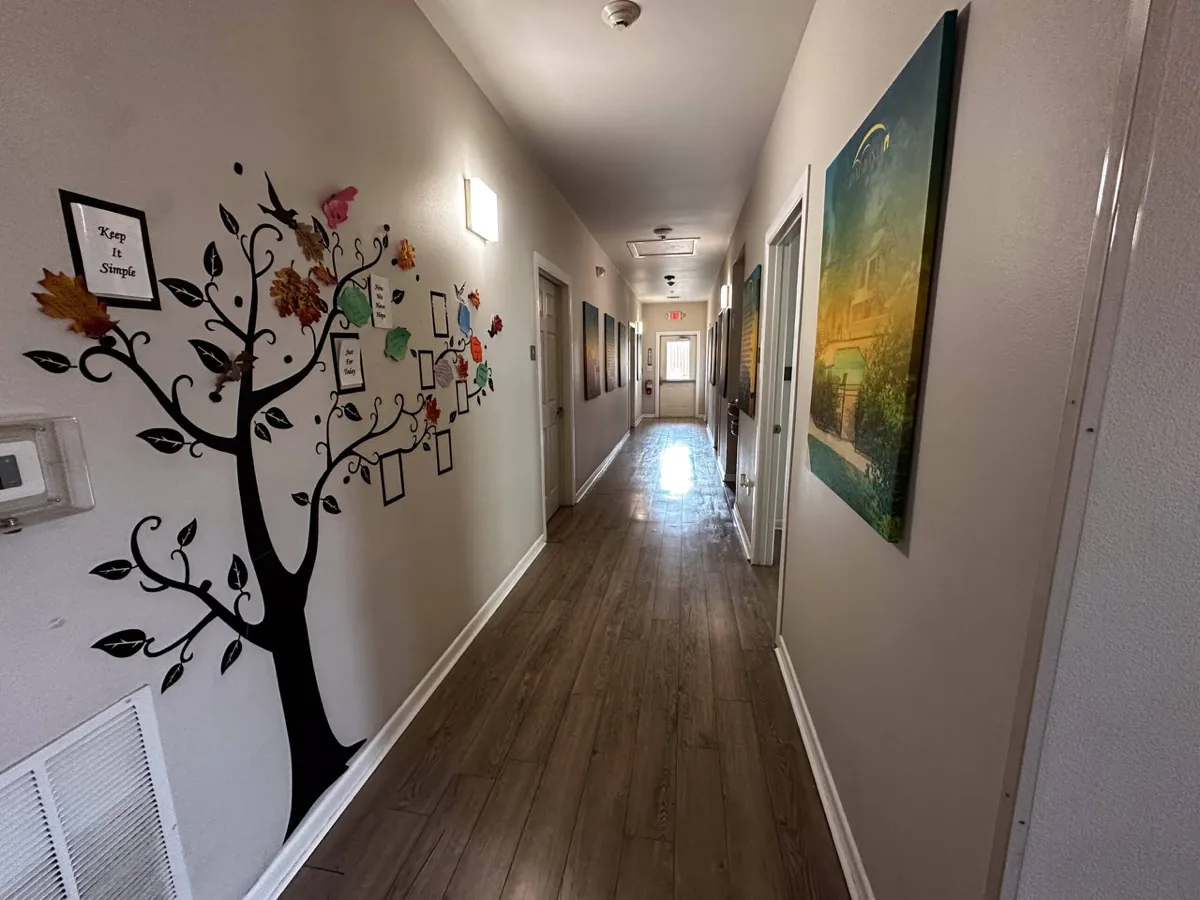
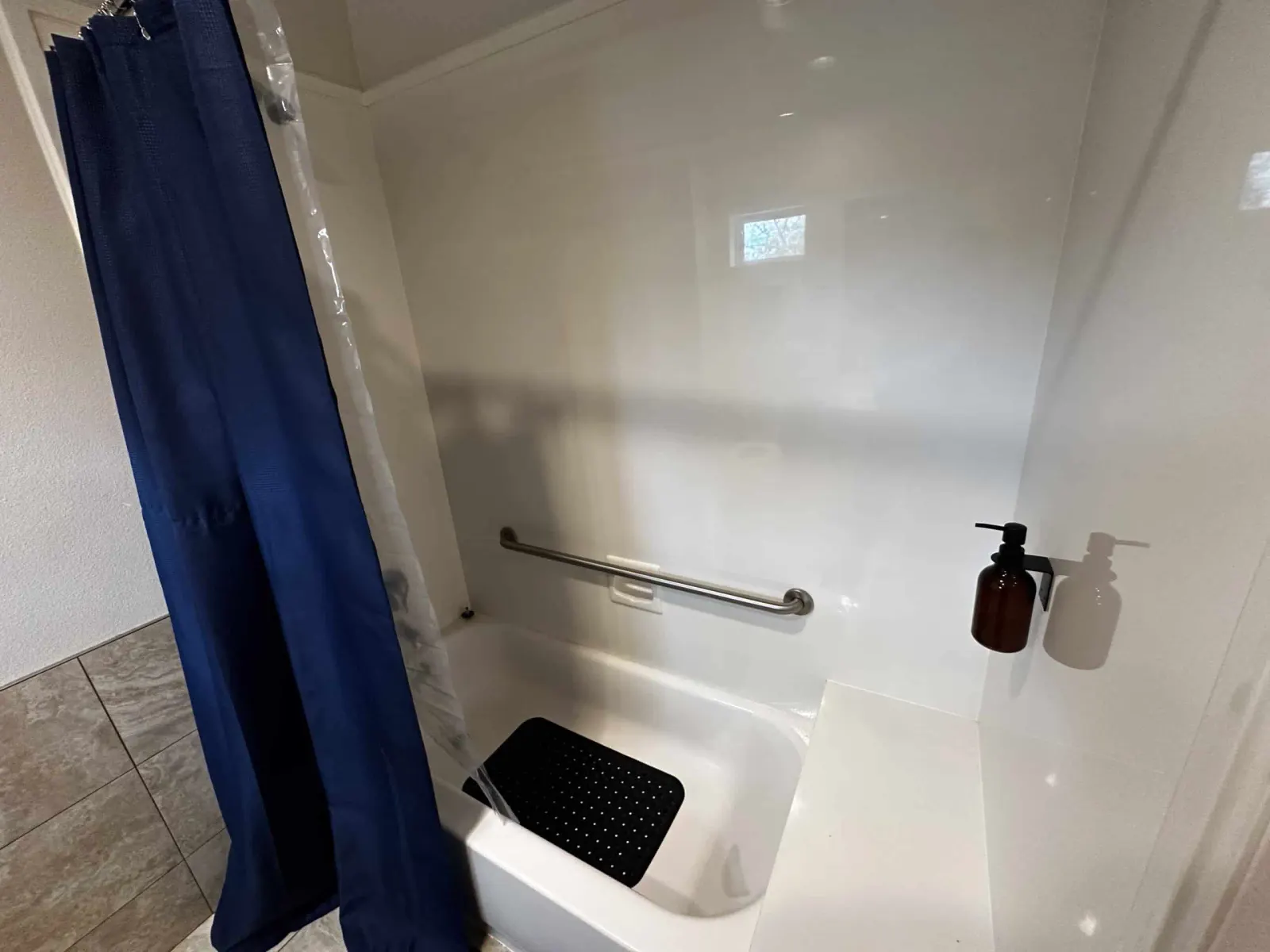
Briarwood Detox Center focuses on this first step. The medical team monitors vital signs, manages withdrawal, and prepares each person for the next phase of care. For local residents and families, this creates a structured starting point for rehab drug addiction services.
Why recovery is described in stages
Clinicians often talk about five stages of addiction recovery. These stages come from the Transtheoretical Model of Change, which explains how people move from not thinking about change to taking action and keeping new habits over time. In substance use treatment, the model offers a simple way to understand where a person is in the change process.
How stages connect with treatment steps
The recovery stages describe motivation and readiness. The steps of recovery describe what happens in treatment. When someone moves from awareness to preparation, they may be ready for assessment and admission to detox. During the action stage, they follow medical advice, attend counseling, and begin building new routines. In maintenance, they focus on relapse‑prevention skills and long‑term support.
What Are the 5 Stages of Addiction Recovery?
The five stages of addiction recovery are precontemplation, contemplation, preparation, action, and maintenance. These five stages of addiction are widely used in counseling and research. Each stage reflects how ready a person feels to change their substance use and how actively they are working on recovery. People may move back and forth between stages. Progress is rarely a straight line.
The sections below describe each of the addiction recovery stages and how Briarwood Detox Center supports people at every point in the journey.
Stage 1 – Precontemplation or Limited Awareness
In precontemplation, a person may not see their substance use as a serious problem. Friends or family members may notice changes first. Missed workdays, health problems, or arguments at home can appear, yet the person may blame stress or other people instead of alcohol or drugs.
Common signs in this stage
- Denies or minimizes the impact of alcohol or drug use
- Avoids conversations about rehab or treatment
- Focuses on the benefits of using and not the costs
- Feels defensive or embarrassed when others express concern
Loved ones who see these signs can still help. Calm, non‑judgmental conversations and simple education about the five stages of addiction may plant early seeds of change.
How Briarwood Detox Center can help
Even in precontemplation, people sometimes contact Briarwood to ask about withdrawal, detox safety, or how long treatment might last. Staff members can explain what medical detox involves and answer basic questions without pressure. For some people, a brief phone call is the first real step toward later treatment.
Where we are
Detox centers across Texas
Three locations, each with its own admissions line and its own clinical team. Pick the one nearest you — or call and we will tell you which has a bed tonight.
-
 Inpatient
 Austin, TX
11711 N Lamar Blvd · 78753
- 15 beds
- On-site labs
- 24-hour medical staff
Drug & Alcohol Detox in Austin, TX
-
 Outpatient
 San Antonio, TX
6707 W Hausman Rd · 78249
- Outpatient detox with scheduled medical visits
- Outpatient treatment
Outpatient Drug & Alcohol Detox in San Antonio, TX
-
 Inpatient
 Houston, TX
1019 Ashland St · 77008
- On-site labs
- 24-hour medical staff
Drug & Alcohol Detox in Houston, TX
Stage 2 – Contemplation
During contemplation, the person begins to weigh the pros and cons of their substance use. They may notice health issues, legal problems, or strain in important relationships. At the same time, they worry about losing a familiar coping tool and about how hard change may feel.
Mental and emotional shifts
Someone in contemplation may:
- Admit privately that their use is out of control
- Search online for “addiction treatment Austin” or “steps rehab”
- Compare different levels of care and detox options
- Talk about wanting help but feel unsure about timing
This mix of motivation and fear is normal. Helpful support in this stage focuses on listening, exploring goals, and offering clear, practical information.
Practical next steps
A confidential assessment with Briarwood Detox Center can clarify how severe the problem is and whether medical detox is recommended. The team explains what to expect during admission, withdrawal, and early recovery. Having a concrete plan often makes the idea of treatment less overwhelming.
Stage 3 – Preparation
In preparation, the decision to seek help becomes more definite. The person may choose admission dates, arrange time away from work, and talk with family about responsibilities at home. Anxiety is common, but many people also feel relief that a plan is in place.
Steps substance abuse treatment uses before admission
Before someone arrives at Briarwood Detox Center, several key steps take place:
- Intake interview: A nurse or counselor gathers details about substances used, medical history, mental health, and past treatment.
- Safety review: The team checks for urgent medical issues such as seizure risk or heart problems.
- Logistics: Staff review transportation, what to bring, and how communication with family will work.
- Insurance and payment: Financial questions are addressed so the person can focus on recovery.
These steps of recovery reduce surprise and help the first days in treatment feel more predictable.
Getting ready emotionally
Emotionally, preparation includes telling trusted people about the plan and thinking about personal reasons for change. Writing down goals for detox and early recovery can be useful. Many people keep these notes nearby during difficult moments in withdrawal.
Stage 4 – Action
In the action stage, treatment is active and visible. The person enters detox or another level of care, follows medical directions, and begins therapy. Change is no longer just an idea; it shows up in new choices and routines.
Detox and withdrawal management at Briarwood
At Briarwood Detox Center in Austin, the action stage usually begins with medical detox. Depending on the substance and pattern of use, this may include:
- Twenty‑four‑hour monitoring of vital signs and symptoms
- Medications to reduce withdrawal discomfort and cravings
- Structured daily schedules that include rest, meals, and light activities
- Early counseling or education sessions about the 5 stages of addiction recovery and coping skills
For many people, detox is the first time in years that their body is free from alcohol or drugs. This phase can be physically demanding, but it also offers clearer thinking and a fresh start.
Steps rehab programs use to stabilize health
During and after detox, early treatment steps often include:
- Screening for anxiety, depression, or other mental health concerns
- Beginning individual or group counseling to explore patterns of use
- Teaching simple stress‑management tools such as breathing exercises or grounding skills
- Starting discharge planning to identify the right follow‑up program in or near Austin
These actions connect the medical side of detox with the emotional and social work of long‑term recovery.
Stage 5 – Maintenance and Long‑Term Recovery
Maintenance is the stage where people protect the progress they have made. After detox, many move into residential, day‑treatment, or outpatient programs and then into community‑based support. Recovery becomes less about crises and more about building a stable, satisfying life without substances.
Life after detox
After leaving Briarwood Detox Center, common goals include:
- Continuing therapy, medication management, or support groups
- Developing healthy sleep, nutrition, and exercise habits
- Repairing relationships affected by substance use
- Returning to work, school, or caregiving roles in a sustainable way
Relapse rates for substance use disorders can be similar to those for other chronic illnesses, so ongoing support remains important during maintenance.
Building a relapse‑prevention plan
A relapse‑prevention plan usually covers:
- Personal triggers such as certain places, emotions, or social situations
- Early warning signs like isolation, mood changes, or renewed contact with using peers
- Specific coping strategies, including who to call and what to do when cravings rise
- Steps to take if a lapse occurs, so a short slip does not become a full return to heavy use
Planning ahead in this way supports long‑term recovery.
The Five Steps of Recovery in Substance Abuse Treatment
The five stages of addiction recovery describe inner readiness. Treatment teams also think in terms of five broad steps of recovery that organize care.
Step 1 – Recognition and outreach
The process begins when someone or their family notices a problem and reaches out. At Briarwood Detox Center, staff members answer questions, provide screening, and describe available services in Austin.
Step 2 – Assessment and planning
Clinicians complete detailed assessments and work with the person to build an individualized plan. This plan may include medical detox, mental health support, and recommendations for later levels of care.
Step 3 – Medically supervised detox
Detox helps the body clear alcohol or drugs under close medical supervision. The focus is on safety, comfort, and preparing for the next phase rather than on quick fixes.
Step 4 – Transition to ongoing treatment
Before discharge, staff and clients choose the next step together. Options may include residential treatment, day programs, or outpatient therapy in the Austin area, depending on clinical needs and supports at home.
Step 5 – Long‑term recovery support
Sustained recovery often includes ongoing counseling, peer support, healthy routines, and regular check‑ins with professionals. Families learn how to encourage progress without enabling use. These five steps of recovery are common in substance abuse treatment and give a clear path from crisis to stability.
How Briarwood Detox Center Serves Different Addiction Types
Alcohol and sedative use
Stopping alcohol or certain sedative medications suddenly can lead to dangerous withdrawal symptoms, including seizures and large swings in blood pressure or heart rate. In these cases, medical detox with close monitoring and appropriate medications is especially important.
Opioid dependence
People who use prescription pain medicines, fentanyl, or heroin often face intense physical discomfort during withdrawal. Medication‑assisted approaches, along with emotional support, can make this phase more tolerable and may lower the risk of early relapse.
Stimulant and polysubstance use
Stimulants such as cocaine and methamphetamine can strongly affect mood, sleep, and appetite. When mixed with alcohol or other drugs, withdrawal may be more complex. The team at Briarwood evaluates each person’s pattern of use and designs a detox plan that addresses both physical and emotional needs.
When to Consider Detox in Austin
Detox at Briarwood Detox Center may be appropriate if you or someone close to you:
- Needs more of a substance to feel the same effect
- Has withdrawal symptoms such as shaking, sweating, nausea, or anxiety when cutting back
- Has tried to quit alone but returns quickly to heavy use
- Hides or lies about drinking or drug use
- Has medical or mental health conditions that make withdrawal riskier
Reaching out for information does not commit anyone to treatment. It simply opens the door to clear options and the next reasonable step toward addiction treatment in Austin and surrounding areas.
How Briarwood Detox Center Supports Steps of Substance Abuse Treatment
Briarwood Detox Center provides a structured first step for people seeking addiction treatment in Austin and nearby communities. Our team completes thorough assessments so each person understands the steps substance abuse treatment usually involves, from medical stabilization through follow-up care. Licensed medical staff monitor withdrawal, manage symptoms, and use evidence-informed protocols to improve safety and comfort. Counseling and education begin early, helping clients learn about addiction recovery stages and what to expect after detox. Case managers help coordinate the next level of care, so detox connects smoothly to residential, outpatient, or community support options. Family communication, when appropriate, keeps loved ones informed and engaged in healthy ways. The environment is calm, supervised, and routine-driven to reduce stress during a vulnerable time. By starting care at Briarwood Detox Center, individuals can enter the rest of the rehab process with a clearer mind, realistic plan, and stronger foundation for long-term recovery.
Frequently Asked Questions About the 5 Stages of Addiction Recovery and Detox in Austin
What are the 5 stages of addiction recovery?+–
The 5 stages of addiction recovery are precontemplation, contemplation, preparation, action, and maintenance. These stages describe how ready a person is to change and what kind of support might help most at each point. In precontemplation, someone may not see a problem. In contemplation, they start weighing pros and cons. During preparation, they make a plan to seek help. The action stage includes detox and active treatment, while maintenance focuses on protecting progress and preventing relapse.
What are the main steps of substance abuse treatment?+–
Steps in substance abuse treatment usually include recognition of a problem, professional assessment, medically supervised detox when needed, structured therapy, and long‑term recovery support. Assessment helps identify substance use patterns, mental health needs, and medical risks. Detox focuses on safety and withdrawal management. Therapy and education address thoughts, behaviors, and coping skills. Aftercare planning connects people with ongoing services, support groups, and relapse‑prevention tools.
What is the first step in treating a substance use disorder?+–
The first step is acknowledging that alcohol or drug use is causing harm and reaching out for professional help. This may begin with a conversation with a healthcare provider or an experienced admissions team at a detox center. Early contact allows staff to screen for withdrawal risk, medical concerns, and safety issues. From there, they can recommend whether medical detox, outpatient care, or another level of treatment is the safest and most effective starting point.
What happens during medical detox for rehab drug addiction?+–
During medical detox, clinicians monitor vital signs, withdrawal symptoms, and overall comfort around the clock. They may use medications to ease symptoms, reduce cravings, and lower the risk of complications. Staff also provide hydration, nutrition, and quiet rest so the body can stabilize. As withdrawal becomes more manageable, clients begin light counseling and education to prepare for the next phase of rehab and the ongoing addiction recovery stages that follow detox.
Is detox alone enough to treat addiction?+–
Detox is an important first step but is rarely enough on its own to create lasting change. Detox clears substances from the body and makes withdrawal safer, but it does not address the thoughts, behaviors, and environmental triggers linked to substance use. Most people benefit from continuing into residential, day, or outpatient treatment after detox. Ongoing therapy, healthy routines, and recovery support reduce the risk of relapse and strengthen the five steps of recovery over time.
How long does addiction recovery take?+–
There is no single timeline for addiction recovery. Medical detox for alcohol or drugs may last several days to a week, depending on health, substance type, and history of use. Structured rehab drug addiction programs often continue for weeks or months. Many people then stay involved in counseling or peer support for a year or longer. Recovery is best viewed as an ongoing process rather than a fixed schedule, with different supports used at different stages.
How do I know if I need rehab or just detox?+–
Detox is usually recommended when someone has developed physical dependence and experiences withdrawal symptoms when they cut back or stop. Rehab refers more broadly to the therapy and structured support that follow detox. If you have withdrawal symptoms, medical problems, or past attempts to quit that did not last, a supervised detox followed by structured treatment is often safest. A professional assessment can clarify which level of care fits your needs and goals.
How can Briarwood Detox Center help with the first steps of recovery?+–
Briarwood Detox Center focuses on the early steps substance abuse treatment often requires, including assessment, medical detox, and transition planning. The team evaluates substance use history, checks for mental and physical health concerns, and designs an individualized detox plan. During your stay, staff manage withdrawal, provide education about addiction recovery stages, and help arrange the next level of care. To talk through your options and see if our Austin detox program is a good fit, Call our admissions team today at (866) 710-7710.
How do I start addiction treatment in Austin today?+–
Starting addiction treatment in Austin usually begins with a phone call to discuss your situation, verify benefits, and schedule an admission date if detox is needed. At Briarwood Detox Center, admissions specialists ask about your health, substances used, and any urgent concerns so they can guide you to safe, appropriate care right away. If you are ready to take the first step toward recovery, Call our admissions team today at (866) 710-7710.
Related guides


About the people behind this guide
Anna-Grace Washington
Medical Content Writer
Anna-Grace Washington is a Medical Content Writer for Briarwood Detox Center. She holds a master’s degree in clinical psychology from the University of Texas and brings a strong understanding of behavioral health, addiction recovery, and evidence-based treatment concepts to her writing.
Dr. Robert Ulrich, DO
Medical Director
Dr. Robert Ulrich serves as Medical Director at Briarwood Detox Center, bringing more than two decades of clinical neurology experience to the treatment of substance use disorders. He is board-certified in neurology by the American Board of Psychiatry and Neurology and completed his neurology residency at UT Southwestern Medical Center in Dallas, where he served as Chief Resident.
In network with most major insurance
Find your plan and see what detox would cost
Most plans cover medical detox. Coverage varies by plan, so we verify it for you before you commit to anything.


















Don't see your plan? We work with out-of-network benefits and offer self-pay options — (866) 710-7710
- Confidential
- Takes about 2 minutes
- No obligation to admit
- Accredited The Joint Commission
- Rated 4.5 · 95 Google reviews
- Admissions 24 hours a day