
Guide
Are There 1‑Year Drug Treatment Programs?
Joint Commission accredited · In network with most major insurance · Admissions answered 24 hours a day


Published November 11, 2025
Reviewed and updated July 29, 2026
Key Takeaways · 7 points
- Year‑long drug treatment programs exist, most often as therapeutic communities that run about 6–12 months. These programs use a structured, peer‑driven model that gives time to practice skills and stabilize.
- In Central Texas, 12‑month residential options are available near Austin, although many city programs focus on 30–90‑day stays. Families may need to consider nearby long‑term programs or combine levels of care.
- A year‑long residential plan is best suited to people with severe substance use disorders or repeated relapse. The extended time can help when housing is unstable or when mental health needs are present.
- Completing at least three months of structured care improves outcomes, whether in one level or across a year‑long continuum. Many people pair residential care with intensive outpatient treatment and recovery housing.
- A 12‑month stay offers time to stabilize and build habits but requires greater cost and time away from work or school. Deciding on length involves weighing these trade‑offs with clinical need.
- Use SAMHSA’s treatment locator and ask programs about true 12‑month options or step‑down plans that build a full year of care. Verify licensing and request a written outline of services and schedules.
- Coverage varies—many year‑long programs are faith‑based or self‑pay—so request a detailed cost estimate and discuss funding options in advance. Scholarships, payment plans, or community support may be available.
Break Free from Addiction. Detox Safely in Austin Today.
Medically Supervised Detox – Compassionate Care Starts Here.
If you live in Austin and need inpatient drug treatment, you may be wondering whether any programs run for a full year. The short answer is yes—year‑long options exist, though they are less common than 30‑, 60‑, or 90‑day residential stays. Below is a clear look at what a 12‑month program involves, who it helps, how to find one near Austin, and what to expect from the process.
What a 1‑Year Program Means
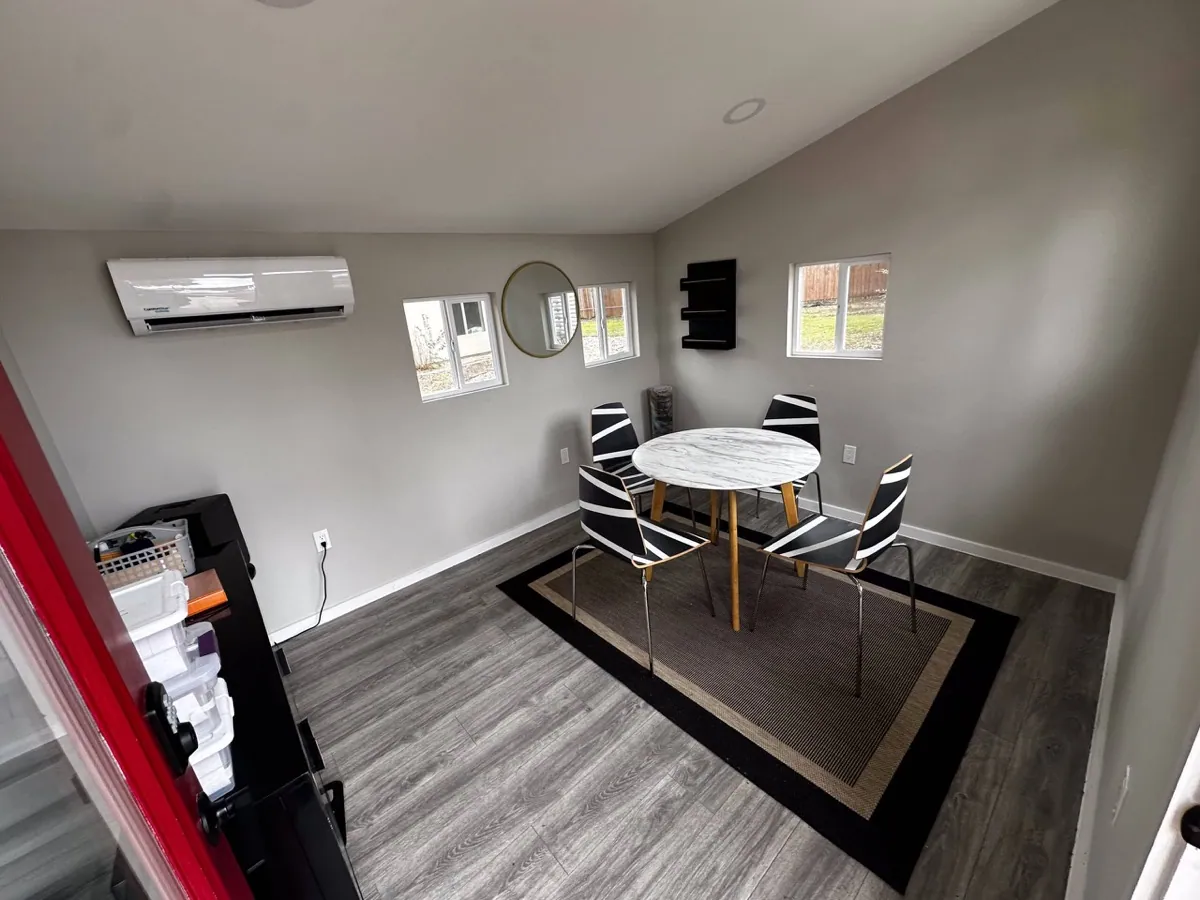
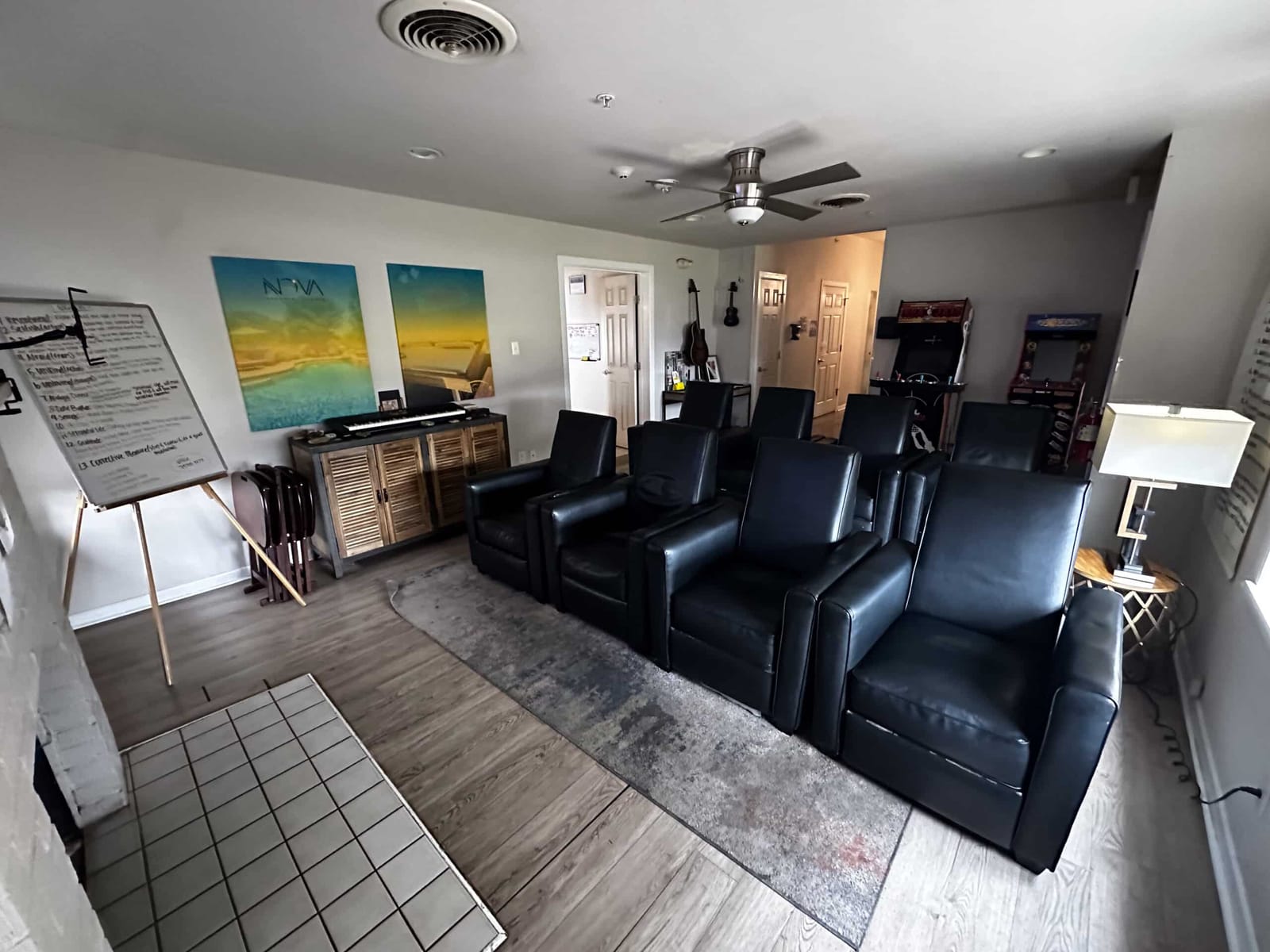
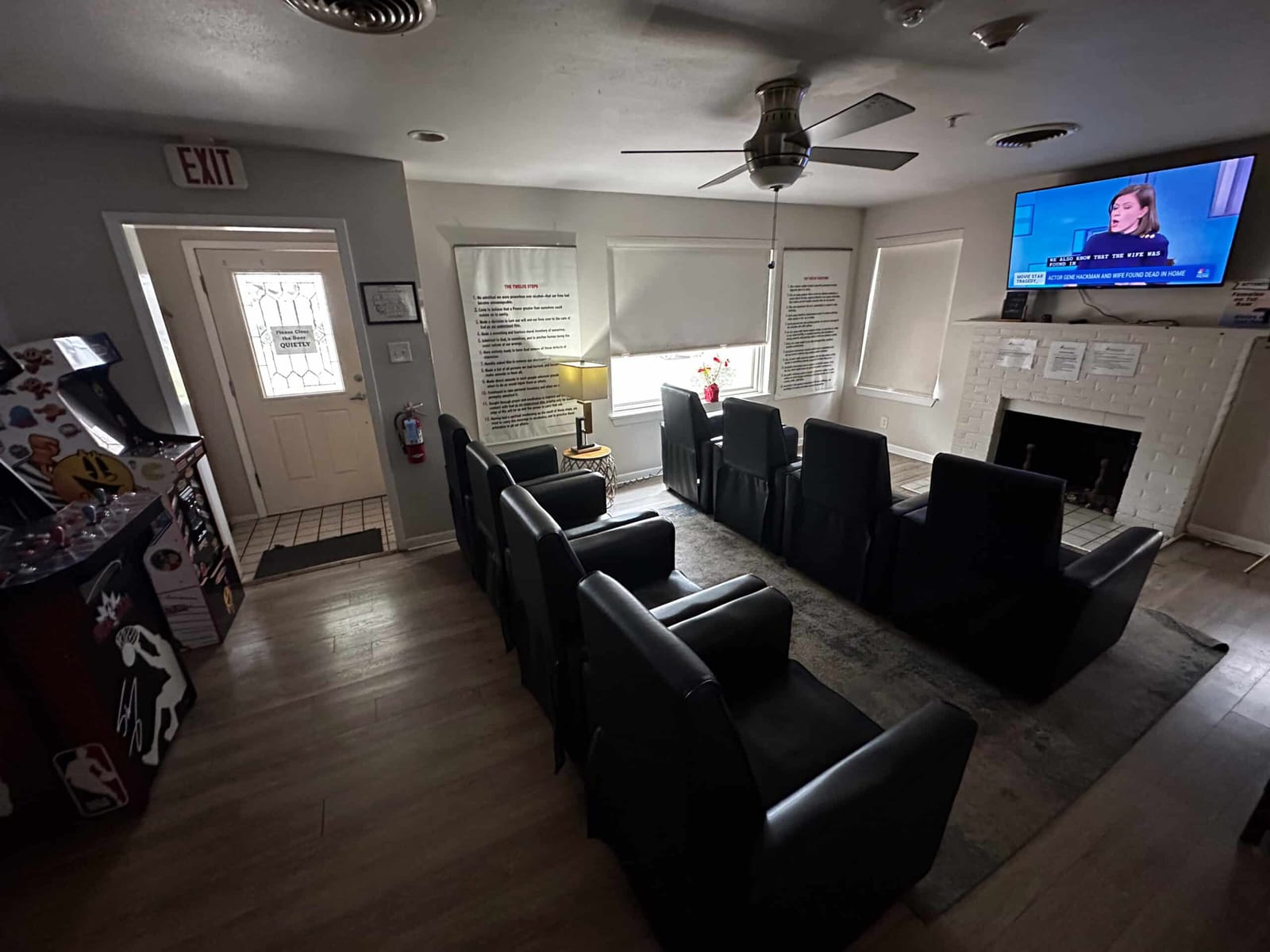
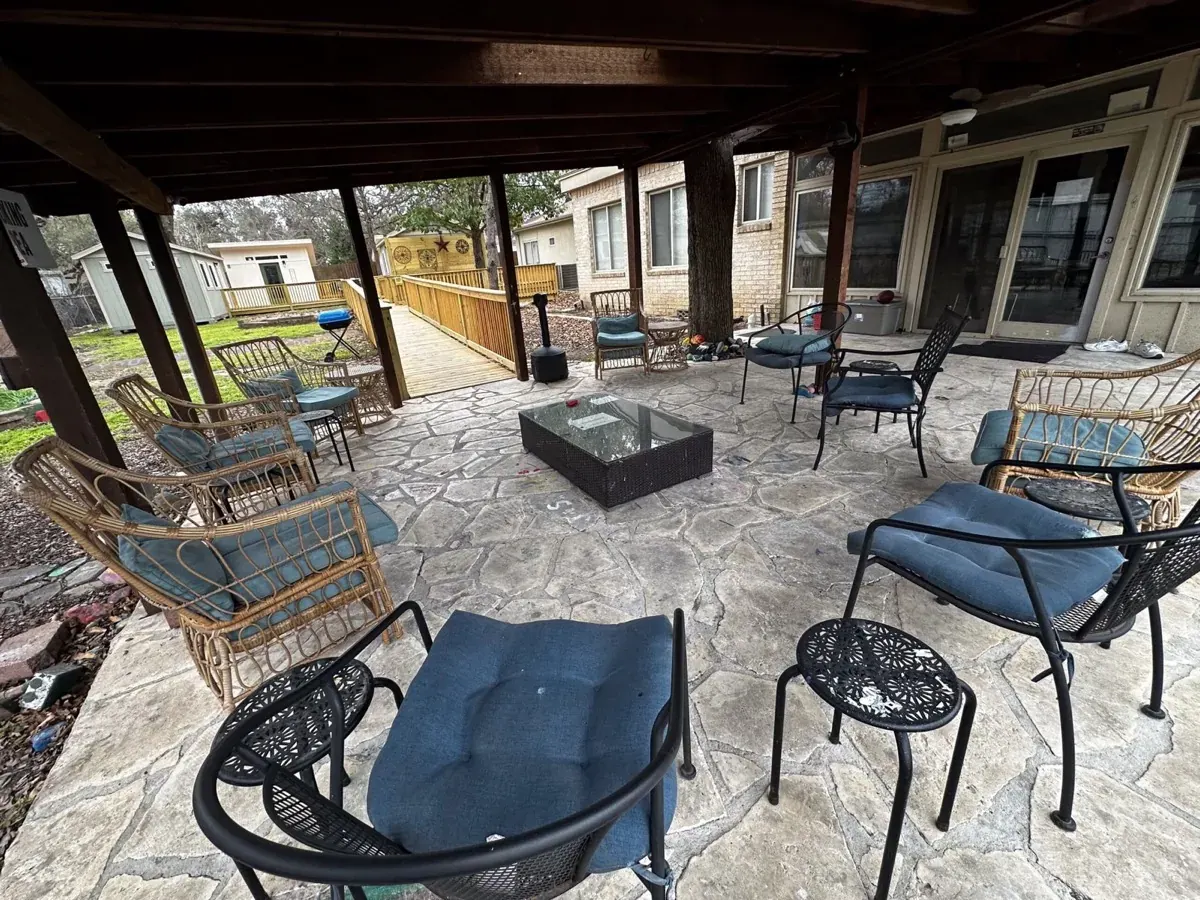
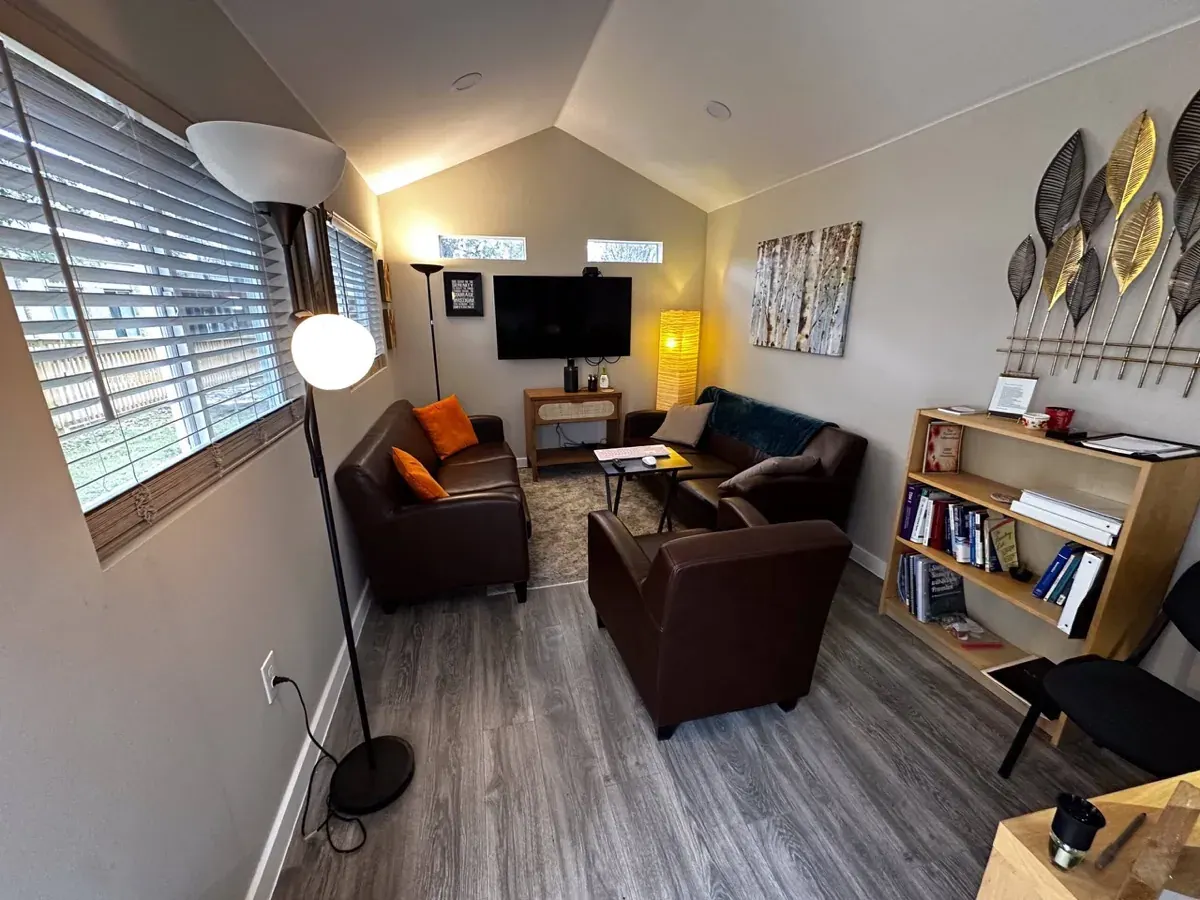
Therapeutic Communities (TCs)
TCs use the “community‑as‑method” approach. Residents progress through phases, accept responsibilities, and receive counseling, education, and support. Research shows that outcomes improve as time in treatment increases, and many TC models expect at least 90 days as a baseline, with better results beyond that point.
Where we are
Detox centers across Texas
Three locations, each with its own admissions line and its own clinical team. Pick the one nearest you — or call and we will tell you which has a bed tonight.
-
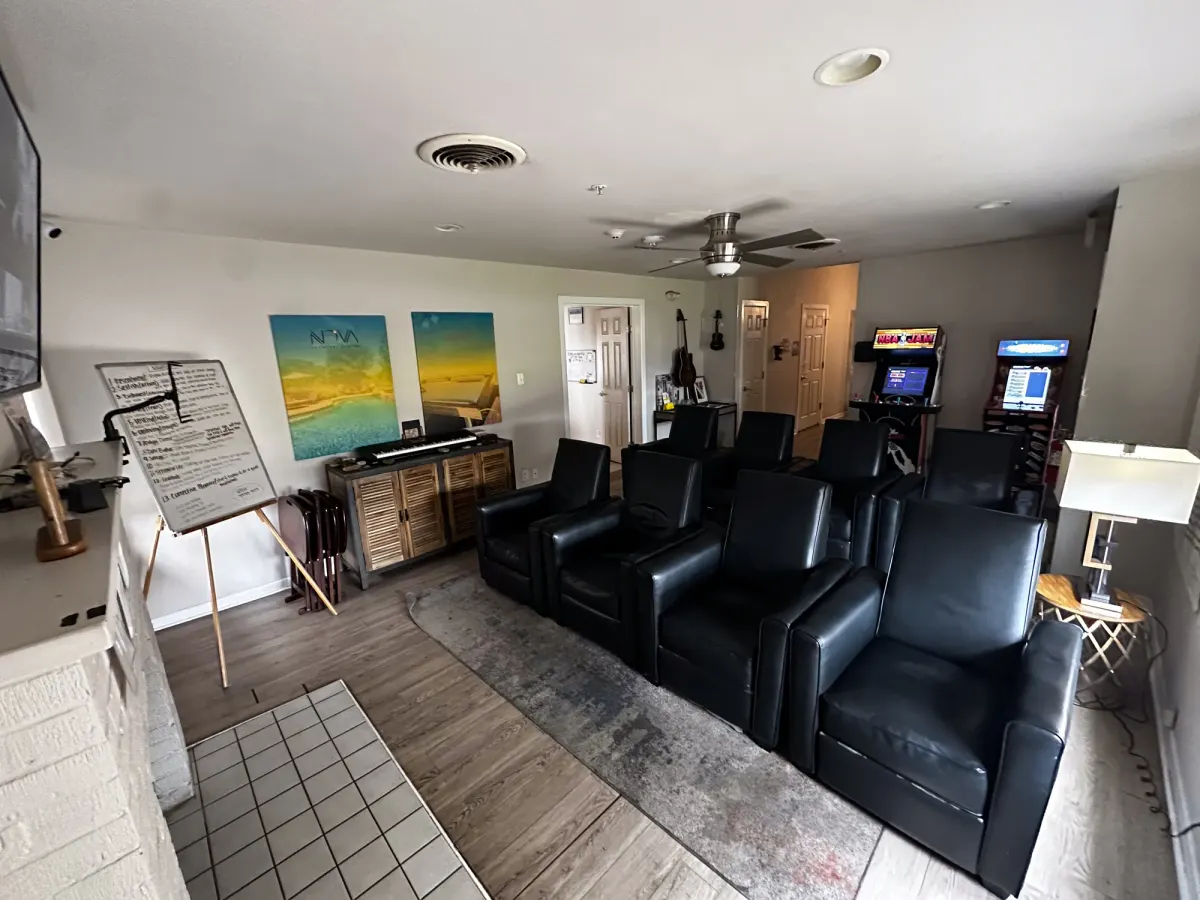 Inpatient
 Austin, TX
11711 N Lamar Blvd · 78753
- 15 beds
- On-site labs
- 24-hour medical staff
Medical Detox in Austin — Start Safely Today
-
Executive Detox in Houston — Private, Discreet Care
Briarwood
Executive Detox in Houston — Private, Discreet Care
-
Detox Services in San Antonio — Quick Admission
Briarwood
Detox Services in San Antonio — Quick Admission
Do 12‑Month Programs Exist Near Austin?
Yes. Texas has long‑term residential options, including faith‑based programs and licensed therapeutic communities. While many Austin inpatient centers focus on 30‑ to 90‑day care, several long‑term programs in Texas operate on a twelve‑month schedule. For example, Adult & Teen Challenge of Texas lists a 12‑month stay at its San Antonio women’s campus. National guidance also notes that, while residential care usually lasts weeks to months, treatment for more serious conditions can extend to a year or more. Some options are in Central Texas and the San Antonio area, which may be within commuting distance for families.
A Note on Availability
Program length varies by funding, insurance, and clinical need. Admissions teams often combine residential care with later outpatient treatment and recovery housing to build a year‑long plan, even when a single residential stay does not last twelve months.
Who Benefits From Long‑Term Residential Care
A year‑long program is not necessary for everyone. It can be most appropriate for people with severe or long‑standing substance use disorders, repeated relapse after shorter stays, limited housing stability, co‑occurring mental health needs, or legal pressures. Time in a safe setting can reduce distractions and support steady practice of coping and life skills.
When a Shorter Stay May Suffice
If the substance use disorder is less severe, if the home environment is stable, and if strong supports are in place, a 30‑ to 90‑day inpatient stay followed by outpatient care may meet the goal.
How Inpatient Drug Treatment in Austin Usually Works
A Year‑Long Care Pathway
What to Ask Any Program
Ask about the expected length of stay, criteria for extending care, use of medications for opioid or alcohol use disorder, support for co‑occurring mental health needs, and coordination with outpatient providers and recovery housing. Also ask whether the program follows a therapeutic community model or another residential approach, and how family participation works.
Pros and Cons of a Year‑Long Program
A 12‑month commitment has strengths and trade‑offs. Advantages include more time to stabilize, intensive practice of new habits, strong peer support, and a slower return to daily stressors. Potential drawbacks include the cost of a longer stay, time away from work or school, and fewer programs to choose from. Because of these trade‑offs, many teams personalize a full‑year plan using a mix of residential, outpatient, and housing supports.
How to Find a 1‑Year Program From Austin
Use the national treatment locator to search for residential programs near Austin and filter for long‑term or therapeutic community models. SAMHSA’s site lists the major locators, including FindTreatment.gov. Call programs and ask whether they offer a twelve‑month stay or can build a one‑year plan through step‑down services. Confirm that any Texas program is properly licensed, and if it is a therapeutic community, note that state rules expect a minimum of 90 days of stay to support outcomes. Request a written outline of services and schedule.
Questions to Ask on the First Call
- Do you offer a twelve‑month residential stay or a long‑term TC model?
- If not, how do you help clients build a full year of care?
- What is the minimum stay to remain in good standing?
- What therapies and medications are available?
- How do you coordinate with recovery housing and outpatient providers in Austin?
Cost, Insurance, and Practical Planning
Insurance coverage for long residential care varies. Some year‑long programs are faith‑based and low‑cost but do not bill insurance. Others use a mix of private pay, scholarships, and community support. Before admission, ask for a detailed cost estimate, what is included, and how the program supports re‑entry to work, school, and family life.
How Briarwood Detox Center Supports Inpatient Drug Treatment in Austin
Briarwood Detox Center helps individuals begin inpatient drug treatment in Austin with safe, medically supervised detox. Our licensed team manages withdrawal with 24/7 nursing oversight and physician‑directed care. We use evidence‑based protocols and medications to ease symptoms and reduce complications. Comfortable, structured settings support rest and stabilization. Case managers coordinate next steps with trusted residential programs across Austin and Central Texas. If you need inpatient drug treatment Austin residents can access quickly, our admissions staff confirms benefits and schedules detox fast. We explain coverage, outline timelines, and arrange smooth transfers so care continues without gaps. Our clinicians screen for co‑occurring mental health needs and communicate those findings to the receiving team. Clients receive individualized plans, peer support, and family updates to keep everyone aligned. With a strong start in detox, Briarwood Detox Center helps you move into the right inpatient program and stay on track.
Frequently Asked Questions About 1‑Year and Inpatient Drug Treatment in Austin
How long is inpatient drug rehab?+–
Length varies by need and program. Evidence shows outcomes improve when people remain in treatment long enough—about 90 days as a general minimum across levels of care, with some staying longer.
Are there 1‑year drug rehab programs?+–
Yes. Many therapeutic community (TC) programs are designed for 6 to 12 months of residential care, with gradual increases in responsibility and recovery skills. Availability differs by state and funding.
What is inpatient drug treatment?+–
Inpatient (or residential) treatment provides 24/7 care in a live‑in setting with counseling, medical and psychiatric support, and structured programming. It is one part of a broader continuum that also includes outpatient and intensive outpatient options.
What is a therapeutic community in addiction treatment?+–
A TC is a highly structured residential model that uses the community‑as‑method to change behaviors and lifestyles. Texas regulations describe TCs and their program features; durations typically extend several months.
Does insurance cover inpatient rehab?+–
Coverage depends on your plan and state program funding. Use the NIAAA Navigator to learn what to ask about costs and benefits, and check state resources for public options.
How much does inpatient rehab cost in Texas?+–
Prices vary widely by length of stay, services, and amenities. Compare programs and verify benefits with your insurer; federal and state resources can help identify lower‑cost options.
What happens during medical detox?+–
Detox (withdrawal management) provides medical monitoring, supportive care, and medications when indicated to manage withdrawal safely and prepare for ongoing treatment. SAMHSA’s TIP 45 describes protocols and clinical considerations.
How do I find long‑term rehab near Austin?+–
Search FindTreatment.gov and filter for residential or long‑term programs, then call to confirm current lengths of stay. This federal locator lists licensed providers nationwide, including Central Texas.
What is the difference between inpatient and outpatient treatment?+–
Inpatient care offers 24‑hour support in a residential setting. Outpatient and intensive outpatient programs provide structured therapy while you live at home; both are parts of a step‑up/step‑down continuum.
Is long‑term rehab more effective than short‑term care?+–
Longer retention is linked to better outcomes. Research indicates completing at least three months of treatment is associated with improved results, and some individuals benefit from longer residential stays.
What levels of care come after inpatient rehab?+–
Many people transition to intensive outpatient or outpatient care and may use recovery housing. The ASAM framework outlines levels across this continuum to match services with clinical needs.
Do residential programs use medications for opioid or alcohol use disorders?+–
Many programs integrate FDA‑approved medications (e.g., buprenorphine, methadone, naltrexone, acamprosate) with counseling. Ask each provider about their medication policies and coordination of care.
Related guides


About the people behind this guide
Anna-Grace Washington
Medical Content Writer
Anna-Grace Washington is a Medical Content Writer for Briarwood Detox Center. She holds a master’s degree in clinical psychology from the University of Texas and brings a strong understanding of behavioral health, addiction recovery, and evidence-based treatment concepts to her writing.
Dr. Robert Ulrich, DO
Medical Director
Dr. Robert Ulrich serves as Medical Director at Briarwood Detox Center, bringing more than two decades of clinical neurology experience to the treatment of substance use disorders. He is board-certified in neurology by the American Board of Psychiatry and Neurology and completed his neurology residency at UT Southwestern Medical Center in Dallas, where he served as Chief Resident.
In network with most major insurance
Find your plan and see what detox would cost
Most plans cover medical detox. Coverage varies by plan, so we verify it for you before you commit to anything.

















Don't see your plan? We work with out-of-network benefits and offer self-pay options — (866) 710-7710
- Confidential
- Takes about 2 minutes
- No obligation to admit
- Accredited The Joint Commission
- Rated 4.5 · 95 Google reviews
- Admissions 24 hours a day