
Guide
What to Know About Post-Acute Withdrawal Syndrome (PAWS)
Joint Commission accredited · In network with most major insurance · Admissions answered 24 hours a day

Published October 25, 2022
Reviewed and updated July 29, 2026
Table of contents
Post-Acute Withdrawal Syndrome (PAWS) can happen to anyone transitioning into recovery. One of the most dangerous things about this syndrome is that individuals affected by it have an inclination to relapse.
If you or someone you love needs more than detox, Briarwood Detox Center also provides drug treatment centers austin.
This is because a fair amount of symptoms tend to be difficult for people to overcome, especially in high-stress situations. And people in high-stress situations generally fall back to previously reliable coping mechanisms like substance use. But what exactly is PAWS and what are these relapse-inducing symptoms? Let’s explore the term.
Does your insurance cover detox in Austin?
Find out in about 2 minutes — free, confidential, no obligation.
Verify InsuranceWhat is PAWS?
Post-Acute Withdrawal Syndrome or PAWS refers to symptoms of intoxication that can persist for weeks or even months after abstaining from substance use. PAWS is also synonymous with post-withdrawal syndrome, prolonged withdrawal syndrome, or protracted withdrawal syndrome. This condition is characterized by symptoms that present similarly to mood disorders and anxiety disorders. PAWS symptoms develop after a period of withdrawal from alcohol, benzodiazepines, and opioids, but are occasionally seen in withdrawal from other psychoactive substances. Research estimates that 90 percent of recovering opioid users experience PAWS as well as 75 percent of recovering alcohol and benzodiazepine users.
Signs and Symptoms
PAWS symptoms tend to fluctuate in severity based on the length of sobriety achieved and the amount of stress stimulus an individual may be under. Symptoms may even disappear entirely only to reappear later with no apparent trigger. Some common symptoms include:
- Difficulty with cognitive tasks, such as problem-solving or memory recall
- Irritability
- Feelings of anxiety or panic
- Depression
- Obsessive-compulsive behaviors
- Difficulty maintaining social relationships
- Craving originally used substances
- Apathy or pessimism
- Disturbances in sleep patterns
- Increased sensitivity to stress
Again, these symptoms may come and go over time with some cases even developing chronic life-long symptoms. However, in most cases, symptoms usually last a couple of days at most depending on the severity of the addiction. In a typical case of addiction, it may take anywhere from 6 months to 2 years for the brain to begin naturally producing endorphins and dopamine again.
Ready to talk to someone now? Briarwood Detox Center's admissions team is here 24/7, and every call is confidential. Call (866) 710-7710.Where we are
Detox centers across Texas
Three locations, each with its own admissions line and its own clinical team. Pick the one nearest you — or call and we will tell you which has a bed tonight.
-
 Inpatient
 Austin, TX
11711 N Lamar Blvd · 78753
- 15 beds
- On-site labs
- 24-hour medical staff
Drug & Alcohol Detox in Austin, TX
-
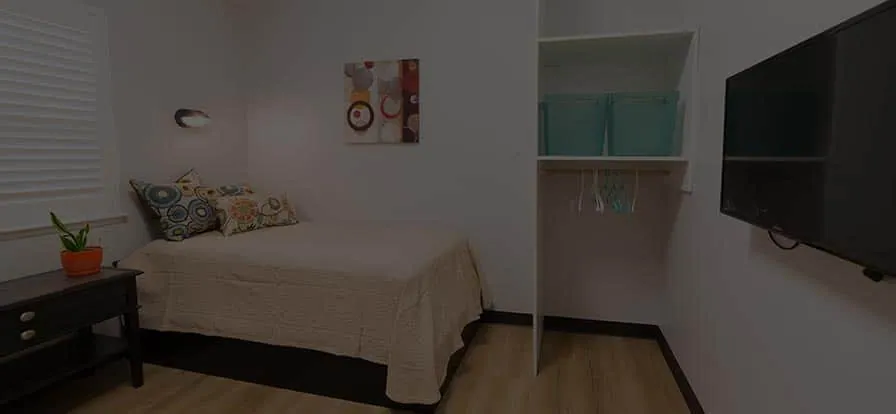 Inpatient
 Houston, TX
1019 Ashland St · 77008
- On-site labs
- 24-hour medical staff
Drug Detox Center in Houston, TX
-
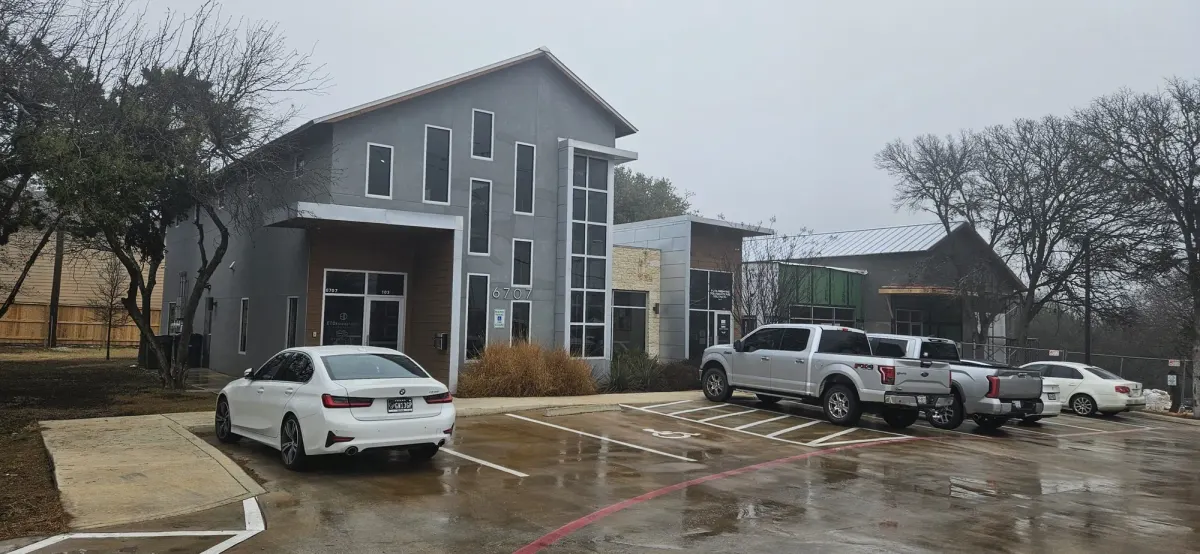 Outpatient
 San Antonio, TX
6707 W Hausman Rd · 78249
- Outpatient detox with scheduled medical visits
- Outpatient treatment
Outpatient Drug & Alcohol Detox in San Antonio
Treatment for Post-Acute Withdrawal Syndrome
Treatment for PAWS tends to stretch over an extended period of time due to the unpredictable fluctuating in symptoms. Some treatments may last up to two years, again, depending on the severity of the addiction. Acamprosate has been found to be effective in managing some PAWS symptoms, though it’s not a cure-all. The most effective treatment options generally include psychotherapy in the form of behavioral therapy, group therapy, or a combination of the two. In therapy, patients learn valuable coping skills to manage symptoms and gain support from individuals with shared experiences.
Some coping strategies include:
- Journaling to document experiences and identify triggers
- Disrupt cyclical thinking by doing something different (go for a walk, draw a picture, talk to a friend)
- Practice healthy habits like exercising, eating right, and avoiding known triggers
- If your memory has been affected by PAWS write things down as soon as they come into your mind
- If you’re experiencing insomnia, limit caffeine intake, set up a sleep schedule, and refrain from doing wakeful activities in your bedroom.
Detox With Briarwood
Briarwood Detox Center offers detox treatment for alcohol, opioid, methamphetamine, prescription drugs, and much more. Our experienced clinical staff provides round-the-clock monitoring throughout the detox process and our therapy team provides support to help manage the emotional response to treatment. Additionally, we have detox facilities located in Austin, Houston, and Colorado Springs with state-of-the-art amenities.
Briarwood is dedicated to facilitating a healthy and safe environment that empowers people to make significant and lasting changes in their lives. We look forward to supporting you or your loved one on the journey to recovery. Call (866) 710-7710 today for more information on our programs and admission process.
Ready to Start Your Recovery in Austin?
Briarwood Detox Center offers medically supervised detox in Austin. Explore our locations, see the facility, and verify your insurance in minutes.
See our locationsRelated guides

In network with most major insurance
Find your plan and see what detox would cost
Most plans cover medical detox. Coverage varies by plan, so we verify it for you before you commit to anything.

















Don't see your plan? We work with out-of-network benefits and offer self-pay options — (866) 710-7710
- Confidential
- Takes about 2 minutes
- No obligation to admit

- Accredited The Joint Commission
- Rated 4.7 · 182 Google reviews Flourishing Foundations Recovery, now part of Briarwood
- Admissions 24 hours a day