
Guide
The Importance of Seeking Professional Drug Detox in Austin, Texas
Joint Commission accredited · In network with most major insurance · Admissions answered 24 hours a day

Published November 16, 2023
Reviewed and updated July 29, 2026
Table of contents
- Understanding the dangers of drug addiction
- The benefits of professional drug detox
- Seeking professional drug detox in Austin, Texas
- The importance of a supportive environment
- Sober fun places to visit in Austin, Texas
- Drug Detox With Briarwood
- Break Free From Your Addiction Today
Seeking professional help is crucial for successful recovery from drug addiction. Drug detox is the initial and vital step in treatment, as it helps the body remove harmful substances and start healing.
If you or someone you love needs more than detox, Briarwood Detox Center also provides alcohol rehab austin.
In Austin, Texas, there are many places that offer drug detox services. These services help people safely and effectively remove drugs from their bodies. This post will explain the importance of professional drug detox in Austin, Texas. Additionally, it will discuss how this treatment can assist individuals struggling with addiction.
Does your insurance cover detox in Austin?
Find out in about 2 minutes — free, confidential, no obligation.
Verify InsuranceUnderstanding the dangers of drug addiction
Understanding the dangers of drug addiction is crucial for those seeking professional drug detox in Austin, Texas. Drug addiction can severely damage a person's body and mind, causing harm in many aspects of their life. Substance misuse harms health, damages relationships, hampers career growth, and disrupts stability.
When considering professional drug detox services, individuals can expect to receive comprehensive care in a safe and controlled environment. These facilities offer a supportive setting where individuals can receive the necessary medical and emotional support they need during the detoxification process. This reduces the dangers of withdrawal symptoms, which can be severe and risky by themselves.
Getting professional drug detox services gives you access to a team of experts who specialize in addiction treatment. These experts understand addiction well and can create personalized treatment plans to meet individual needs. They can help people determine why they are addicted to drugs or alcohol and understand the reasons behind it. By doing so, they can assist individuals in developing effective coping mechanisms that can prevent relapse in the future.
Overall, professional drug detox in Austin, Texas, is an essential step for individuals looking to overcome drug addiction. It offers a safe place for detox and support, with expert guidance and resources to help people recover. With proper treatment and ongoing support, individuals can regain control over their lives and achieve long-term sobriety.
The benefits of professional drug detox
Seeking professional drug detox in Austin, Texas offers many benefits for individuals struggling with addiction. One of the primary advantages is the safe and controlled environment provided by these facilities. Withdrawal symptoms can be severe and risky. However, in a detox center, medical professionals are present to monitor and handle them properly.
Furthermore, professional drug detox programs offer a range of therapies and treatments tailored to each individual's specific needs. These programs help with addiction by addressing both the physical and mental issues that cause substance abuse. Experts help individuals with comprehensive care, teaching coping mechanisms, healthy habits, and preventing relapse.
Lastly, professional drug detox programs provide ongoing support and aftercare services to ensure long-term success. The journey to recovery doesn't end with detox; it requires ongoing commitment and support. Detox centers in Austin, Texas help people recover and provide ongoing care and support for lasting results.
Seeking professional drug detox in Austin, Texas
is a vital step for anyone looking to overcome addiction. With such a robust network of facilities, there is no shortage of options available. Taking the time to research and select a program that aligns with your specific needs and goals is crucial.
Ready to talk to someone now? Briarwood Detox Center's admissions team is here 24/7, and every call is confidential. Call (866) 710-7710.When choosing a professional drug detox center, consider factors such as accreditation, staff expertise, treatment approaches, and aftercare support. Look for facilities that offer evidence-based therapies, individualized treatment plans, and a supportive environment. A multidisciplinary team of professionals, including medical doctors, therapists, and counselors, can provide a comprehensive approach to your recovery.
The importance of a supportive environment
A crucial aspect of seeking professional drug detox is finding a program that provides a supportive environment. Having supportive people who understand your struggles and can motivate you is crucial for your recovery.
A supportive environment within a drug detox center can take various forms. You can join group therapy to connect with others who are facing similar challenges. This will help you feel a sense of togetherness and understanding. Having caring and skilled staff to help and support you can greatly impact your progress.
Sober fun places to visit in Austin, Texas
When looking for drug detox in Austin, Texas, it's important to consider both the treatment program and the location. Austin is an ideal city for individuals in recovery to enjoy themselves and explore new experiences. It offers a wide range of activities and has a vibrant culture.
Getting professional drug detox in Austin allows you to do things that help you stay sober and grow personally. In Austin, people in recovery can do activities like hiking, biking, visiting art galleries, and museums.
The city has a strong recovery community, with many support groups and meetings for ongoing support. In Austin, individuals can connect with others who are on a similar journey. They can do this by attending AA or NA meetings or by joining sober social events.
Drug Detox With Briarwood
Briarwood Detox Center offers detox treatment for alcohol, opioid, methamphetamine, prescription drugs, and many other addictions we treat. Our experienced clinical staff provides round-the-clock monitoring throughout the drug detox process and our therapy team provides support to help manage the emotional response to treatment. Additionally, we have detox facilities located in Austin, Houston, and Colorado Springs with state-of-the-art amenities.
Briarwood is dedicated to facilitating a healthy and safe environment that empowers people to make significant and lasting changes in their lives. We look forward to supporting you or your loved one on the journey to recovery. Call (866) 710-7710 today for more information on our programs and admission process.
What Kind of Therapy Is Included in Residential Addiction Treatment Beyond Just Group Meetings?
Direct answer: Residential addiction treatment programs include a comprehensive range of evidence-based therapies beyond group meetings, such as individual counseling (CBT, DBT, motivational interviewing), family therapy, trauma-focused therapy (EMDR), holistic modalities (yoga, meditation, art therapy), psychiatric care for co-occurring disorders, and medication-assisted treatment (MAT). At Briarwood Detox Center in Austin, Texas, our medically supervised detox program integrates individual therapy, psychiatric evaluation, and personalized treatment planning to address the root causes of addiction during the critical withdrawal phase.
While group therapy is a valuable component of addiction treatment, effective residential programs deliver individualized clinical interventions tailored to each patient's unique history, mental health needs, and substance use patterns. Understanding the full spectrum of therapeutic modalities available helps patients and families make informed decisions about treatment.
Core Therapy Modalities in Residential Treatment
- Individual Therapy: One-on-one sessions with licensed counselors using cognitive behavioral therapy (CBT) to identify and change thought patterns, dialectical behavior therapy (DBT) for emotional regulation, and motivational interviewing to strengthen commitment to recovery.
- Family Therapy: Structured sessions that repair relationships, educate loved ones about addiction as a disease, establish healthy boundaries, and build a supportive home environment for sustained recovery.
- Trauma-Focused Therapy: Specialized approaches like Eye Movement Desensitization and Reprocessing (EMDR) and trauma-informed CBT address childhood trauma, PTSD, and adverse experiences that often underlie substance use disorders.
- Psychiatric Care: Evaluation and treatment of co-occurring mental health disorders (depression, anxiety, bipolar disorder) through medication management and integrated therapy, essential for dual diagnosis patients.
- Medication-Assisted Treatment (MAT): FDA-approved medications (buprenorphine, naltrexone, acamprosate) combined with counseling to reduce cravings, prevent relapse, and support long-term recovery from opioid and alcohol use disorders.
- Holistic Therapies: Complementary modalities including yoga, meditation, acupuncture, art therapy, and nutrition counseling that support whole-person healing and stress management skills.
How Briarwood Detox Center Integrates Therapy During Medical Detox
Detoxification is the critical first step in residential treatment, and at Briarwood Detox Center in Austin, we recognize that effective detox goes far beyond medical stabilization. Our board-certified physicians and addiction specialists provide:
- 24/7 Medical Supervision: Round-the-clock monitoring and medication protocols to manage withdrawal symptoms safely and comfortably.
- Individualized Treatment Plans: Comprehensive assessments that identify co-occurring disorders, trauma history, and personal recovery goals to guide therapy integration.
- Counseling During Detox: Licensed therapists begin therapeutic work during the detox phase, establishing rapport, motivational foundations, and coping strategies for the transition to ongoing treatment.
- Psychiatric Evaluation: Mental health screening and medication management for dual diagnosis patients, ensuring that underlying conditions are addressed from day one.
- Discharge Planning: Care coordination with outpatient programs, residential rehab facilities, and community resources to ensure continuity of the therapeutic modalities started during detox.
Our outpatient detox programs in Austin, San Antonio, Houston, and Colorado Springs extend this therapeutic support into flexible treatment schedules that allow patients to maintain work and family responsibilities while receiving professional care.
Why a Multidisciplinary Approach Matters
Addiction is a complex brain disease influenced by genetics, environment, trauma, and mental health. Research consistently shows that integrated, evidence-based therapy—not a single modality alone—produces the highest rates of sustained recovery. Programs that combine medical detox, individual counseling, group support, family involvement, and holistic care address the biological, psychological, and social dimensions of addiction simultaneously.
At Briarwood Detox Center, we emphasize continuum of care: starting with safe, comfortable medical detox and connecting patients to the full spectrum of therapies needed for long-term success. If you or a loved one is seeking comprehensive addiction treatment in Austin, our team is available 24/7 to answer questions and verify insurance coverage. Call (866) 710-7710 to speak with an admissions specialist today.
Frequently Asked Questions About Therapy in Residential Addiction Treatment
What is the difference between group therapy and individual therapy in addiction treatment?
Group therapy provides peer support, shared experiences, and accountability in a facilitated setting with multiple patients, while individual therapy offers one-on-one clinical sessions tailored to a patient's unique trauma, mental health needs, and personal recovery goals. Both are essential components of comprehensive treatment; individual therapy addresses root causes and personalized issues, and group therapy builds community and relational skills.
Does Briarwood Detox Center provide therapy during the detox phase?
Yes. Briarwood Detox Center integrates individual counseling, psychiatric evaluation, and treatment planning during the medically supervised detox process. Our licensed therapists and board-certified physicians work together to address co-occurring mental health disorders, establish therapeutic rapport, and prepare patients for continued treatment after detox is complete.
What types of therapy help with trauma and co-occurring mental health disorders?
Trauma-focused therapies such as Eye Movement Desensitization and Reprocessing (EMDR), trauma-informed cognitive behavioral therapy (CBT), and dialectical behavior therapy (DBT) are proven effective for patients with PTSD, childhood trauma, anxiety, and depression. Integrated psychiatric care that combines therapy with medication management is critical for patients with co-occurring disorders, ensuring both conditions receive evidence-based treatment simultaneously.
Are holistic therapies like yoga and meditation part of medical detox programs?
Many residential programs incorporate holistic therapies as complementary modalities alongside evidence-based medical and psychological treatment. Practices such as yoga, meditation, acupuncture, and nutrition counseling support stress reduction, emotional regulation, and overall wellness. At Briarwood Detox Center, our focus during detox is medical stabilization and clinical therapy; we connect patients with comprehensive residential or outpatient programs that offer holistic care as part of ongoing recovery.
How do I know if a residential program offers the right therapies for my needs?
Ask about the program's clinical staff credentials, evidence-based treatment modalities (CBT, DBT, MAT, trauma therapy), individualized assessment processes, and continuum of care planning. A reputable program will conduct a comprehensive evaluation, address co-occurring disorders, integrate family involvement, and provide a personalized treatment plan. Briarwood Detox Center offers free insurance verification and confidential consultations to help you understand your options. Call (866) 710-7710 anytime to speak with our admissions team.
Related resources:
- Understanding Co-Occurring Disorders and Their Role in Drug and Alcohol Detox
- Navigating the Connection Between Childhood Trauma and Addiction
- Understanding Behavioral Therapies for Effective Drug and Alcohol Detox in Austin
- Debunking MAT Myths: Safe, Effective Drug and Alcohol Detox Austin
- Post-Detox Care: Sustaining Long-Term Recovery with Briarwood Detox Center
Ready to Start Your Recovery in Austin?
Briarwood Detox Center offers medically supervised detox in Austin. Explore our locations, see the facility, and verify your insurance in minutes.
See our locationsWhere we are
Detox centers across Texas
Three locations, each with its own admissions line and its own clinical team. Pick the one nearest you — or call and we will tell you which has a bed tonight.
-
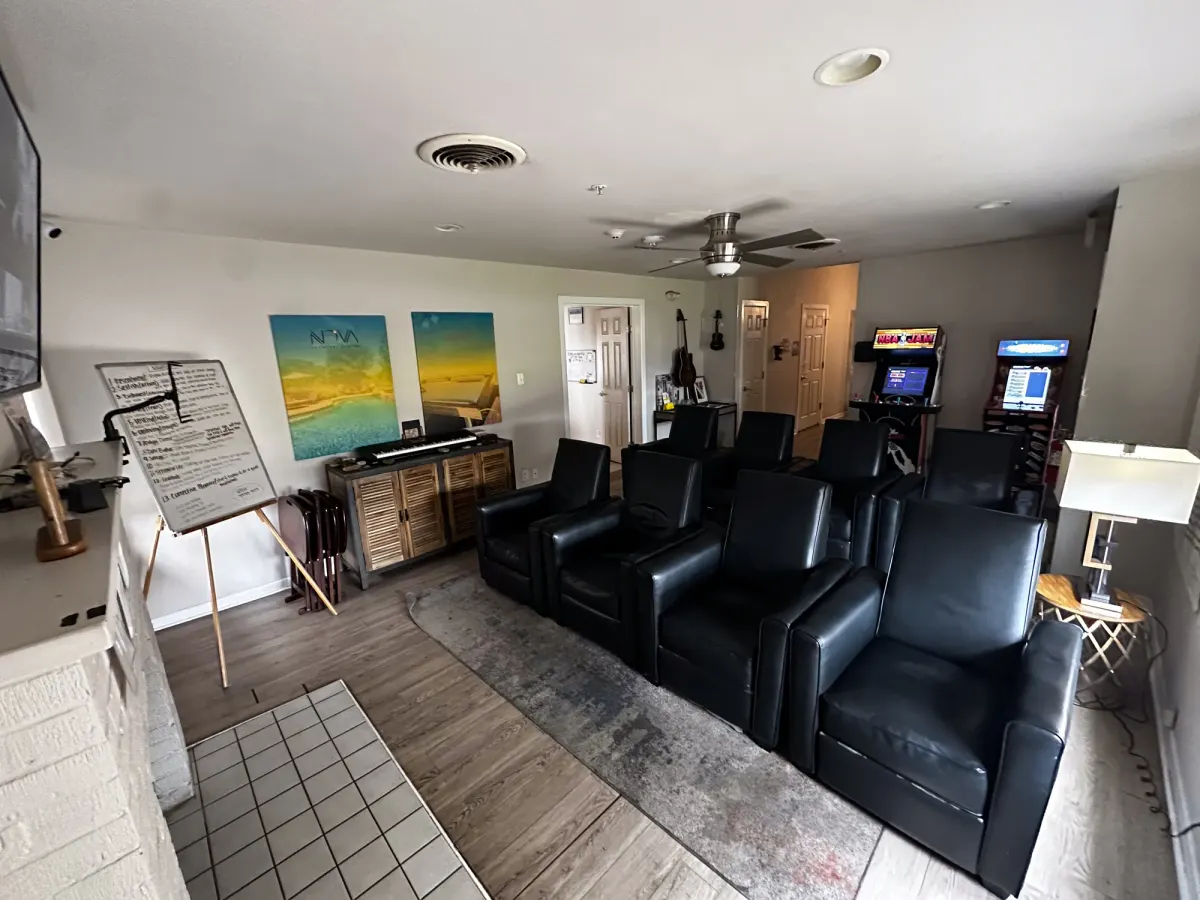 Inpatient
 Austin, TX
11711 N Lamar Blvd · 78753
- 15 beds
- On-site labs
- 24-hour medical staff
Drug & Alcohol Detox in Austin, TX
-
 Inpatient
 Houston, TX
1019 Ashland St · 77008
- On-site labs
- 24-hour medical staff
Drug Detox Center in Houston, TX
-
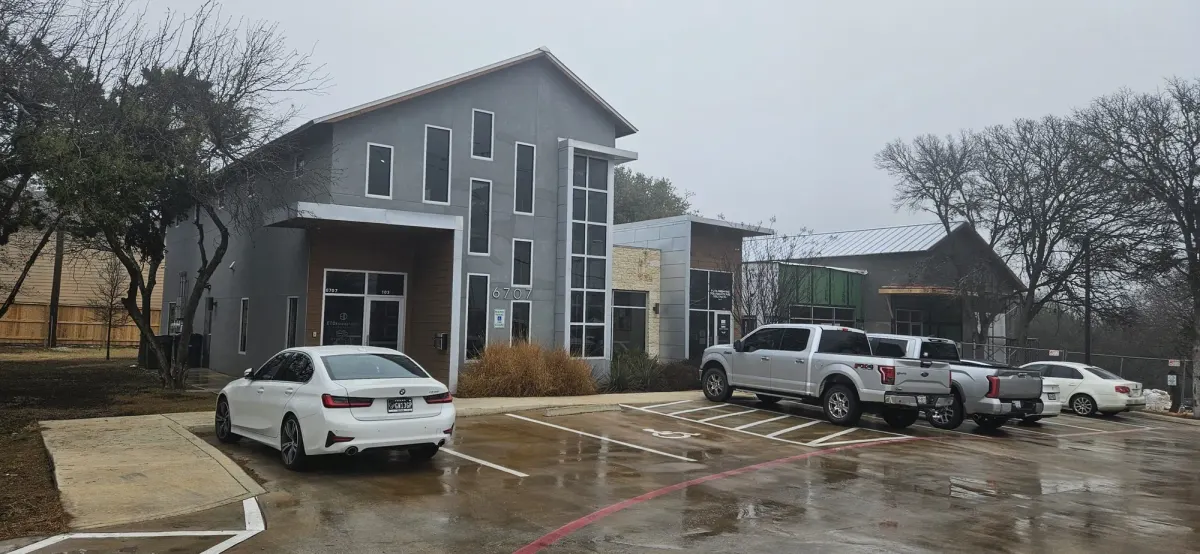 Outpatient
 San Antonio, TX
6707 W Hausman Rd · 78249
- Outpatient detox with scheduled medical visits
- Outpatient treatment
Outpatient Drug & Alcohol Detox in San Antonio
What Kind of Therapy Is Included in Residential Addiction Treatment Beyond Just Group Meetings?
Direct answer: Residential addiction treatment programs include a comprehensive range of evidence-based therapies beyond group meetings, such as individual counseling (CBT, DBT, motivational interviewing), family therapy, trauma-focused therapy (EMDR), holistic modalities (yoga, meditation, art therapy), psychiatric care for co-occurring disorders, and medication-assisted treatment (MAT). At Briarwood Detox Center in Austin, Texas, our medically supervised detox program integrates individual therapy, psychiatric evaluation, and personalized treatment planning to address the root causes of addiction during the critical withdrawal phase.
While group therapy is a valuable component of addiction treatment, effective residential programs deliver individualized clinical interventions tailored to each patient's unique history, mental health needs, and substance use patterns. Understanding the full spectrum of therapeutic modalities available helps patients and families make informed decisions about treatment.
Core Therapy Modalities in Residential Treatment
- Individual Therapy: One-on-one sessions with licensed counselors using cognitive behavioral therapy (CBT) to identify and change thought patterns, dialectical behavior therapy (DBT) for emotional regulation, and motivational interviewing to strengthen commitment to recovery.
- Family Therapy: Structured sessions that repair relationships, educate loved ones about addiction as a disease, establish healthy boundaries, and build a supportive home environment for sustained recovery.
- Trauma-Focused Therapy: Specialized approaches like Eye Movement Desensitization and Reprocessing (EMDR) and trauma-informed CBT address childhood trauma, PTSD, and adverse experiences that often underlie substance use disorders.
- Psychiatric Care: Evaluation and treatment of co-occurring mental health disorders (depression, anxiety, bipolar disorder) through medication management and integrated therapy, essential for dual diagnosis patients.
- Medication-Assisted Treatment (MAT): FDA-approved medications (buprenorphine, naltrexone, acamprosate) combined with counseling to reduce cravings, prevent relapse, and support long-term recovery from opioid and alcohol use disorders.
- Holistic Therapies: Complementary modalities including yoga, meditation, acupuncture, art therapy, and nutrition counseling that support whole-person healing and stress management skills.
How Briarwood Detox Center Integrates Therapy During Medical Detox
Detoxification is the critical first step in residential treatment, and at Briarwood Detox Center in Austin, we recognize that effective detox goes far beyond medical stabilization. Our board-certified physicians and addiction specialists provide:
- 24/7 Medical Supervision: Round-the-clock monitoring and medication protocols to manage withdrawal symptoms safely and comfortably.
- Individualized Treatment Plans: Comprehensive assessments that identify co-occurring disorders, trauma history, and personal recovery goals to guide therapy integration.
- Counseling During Detox: Licensed therapists begin therapeutic work during the detox phase, establishing rapport, motivational foundations, and coping strategies for the transition to ongoing treatment.
- Psychiatric Evaluation: Mental health screening and medication management for dual diagnosis patients, ensuring that underlying conditions are addressed from day one.
- Discharge Planning: Care coordination with outpatient programs, residential rehab facilities, and community resources to ensure continuity of the therapeutic modalities started during detox.
Our outpatient detox programs in Austin, San Antonio, Houston, and Colorado Springs extend this therapeutic support into flexible treatment schedules that allow patients to maintain work and family responsibilities while receiving professional care.
Why a Multidisciplinary Approach Matters
Addiction is a complex brain disease influenced by genetics, environment, trauma, and mental health. Research consistently shows that integrated, evidence-based therapy—not a single modality alone—produces the highest rates of sustained recovery. Programs that combine medical detox, individual counseling, group support, family involvement, and holistic care address the biological, psychological, and social dimensions of addiction simultaneously.
At Briarwood Detox Center, we emphasize continuum of care: starting with safe, comfortable medical detox and connecting patients to the full spectrum of therapies needed for long-term success. If you or a loved one is seeking comprehensive addiction treatment in Austin, our team is available 24/7 to answer questions and verify insurance coverage. Call (866) 710-7710 to speak with an admissions specialist today.
Frequently Asked Questions About Therapy in Residential Addiction Treatment
What is the difference between group therapy and individual therapy in addiction treatment?
Group therapy provides peer support, shared experiences, and accountability in a facilitated setting with multiple patients, while individual therapy offers one-on-one clinical sessions tailored to a patient's unique trauma, mental health needs, and personal recovery goals. Both are essential components of comprehensive treatment; individual therapy addresses root causes and personalized issues, and group therapy builds community and relational skills.
Does Briarwood Detox Center provide therapy during the detox phase?
Yes. Briarwood Detox Center integrates individual counseling, psychiatric evaluation, and treatment planning during the medically supervised detox process. Our licensed therapists and board-certified physicians work together to address co-occurring mental health disorders, establish therapeutic rapport, and prepare patients for continued treatment after detox is complete.
What types of therapy help with trauma and co-occurring mental health disorders?
Trauma-focused therapies such as Eye Movement Desensitization and Reprocessing (EMDR), trauma-informed cognitive behavioral therapy (CBT), and dialectical behavior therapy (DBT) are proven effective for patients with PTSD, childhood trauma, anxiety, and depression. Integrated psychiatric care that combines therapy with medication management is critical for patients with co-occurring disorders, ensuring both conditions receive evidence-based treatment simultaneously.
Are holistic therapies like yoga and meditation part of medical detox programs?
Many residential programs incorporate holistic therapies as complementary modalities alongside evidence-based medical and psychological treatment. Practices such as yoga, meditation, acupuncture, and nutrition counseling support stress reduction, emotional regulation, and overall wellness. At Briarwood Detox Center, our focus during detox is medical stabilization and clinical therapy; we connect patients with comprehensive residential or outpatient programs that offer holistic care as part of ongoing recovery.
How do I know if a residential program offers the right therapies for my needs?
Ask about the program's clinical staff credentials, evidence-based treatment modalities (CBT, DBT, MAT, trauma therapy), individualized assessment processes, and continuum of care planning. A reputable program will conduct a comprehensive evaluation, address co-occurring disorders, integrate family involvement, and provide a personalized treatment plan. Briarwood Detox Center offers free insurance verification and confidential consultations to help you understand your options. Call (866) 710-7710 anytime to speak with our admissions team.
Related resources:
- Understanding Co-Occurring Disorders and Their Role in Drug and Alcohol Detox
- Navigating the Connection Between Childhood Trauma and Addiction
- Understanding Behavioral Therapies for Effective Drug and Alcohol Detox in Austin
- Debunking MAT Myths: Safe, Effective Drug and Alcohol Detox Austin
- Post-Detox Care: Sustaining Long-Term Recovery with Briarwood Detox Center
Related guides



About the people behind this guide
Anna-Grace Washington
Medical Content Writer
Anna-Grace Washington is a Medical Content Writer for Briarwood Detox Center. She holds a master’s degree in clinical psychology from the University of Texas and brings a strong understanding of behavioral health, addiction recovery, and evidence-based treatment concepts to her writing.
In network with most major insurance
Find your plan and see what detox would cost
Most plans cover medical detox. Coverage varies by plan, so we verify it for you before you commit to anything.

















Don't see your plan? We work with out-of-network benefits and offer self-pay options — (866) 710-7710
- Confidential
- Takes about 2 minutes
- No obligation to admit
- Accredited The Joint Commission
- Rated 4.5 · 95 Google reviews
- Admissions 24 hours a day