
Guide
Beginner’s Guide to Drug Abuse Counseling in San Antonio
Joint Commission accredited · In network with most major insurance · Admissions answered 24 hours a day

Published November 14, 2025
Reviewed and updated July 29, 2026
Key Takeaways · 9 points
- Beginner counseling means listening and connecting, not diagnosing. Your role is to open a respectful conversation and guide toward care, not to provide treatment.
- Do a quick safety check before any conversation. If there’s risk of overdose or medical danger, call 911; for emotional crisis, call or text 988.
- Prepare with a few open questions and a calm setting. Ask about what’s being used and what the person wants to change—without interrogation.
- Start the talk with motivational interviewing basics (OARS). Ask permission, reflect what you hear, and invite one small next step.
- Outpatient counseling fits best when withdrawal risks are low and life is stable. It’s a common entry point for substance abuse treatment in San Antonio.
- Some people need medical detox before outpatient care. Briarwood Detox Center provides safe, medically supervised detox in San Antonio and coordinates step‑down to counseling.
- Focus on quality over amenities when comparing “luxury substance abuse treatment centers.” Evidence‑based care, qualified staff, and aftercare planning matter most.
- Verify insurance early and ask questions about coverage. Briarwood offers confidential benefits checks and guidance on payment options.
- Use the practical checklist to move from talk to action. Choose one next step today—schedule an assessment, call admissions, or set a follow‑up time.
Break Free from Addiction. Detox Safely in San Antonio Today.
Medically Supervised Detox – Compassionate Care Starts Here.
Starting a conversation about drug use is hard, especially when you’re new to it. This guide explains how to open that discussion, when outpatient counseling fits, and where Briarwood Detox Center can help as part of a safe, evidence‑based plan in San Antonio. It uses plain steps grounded in national guidance on treatment and motivational interviewing.
What “counseling” means when you’re a beginner

If you’re not a licensed clinician, “counseling” here means a respectful, structured talk that helps the person consider change and connects them with care. It is not diagnosis or therapy. A practical model for beginners is SBIRT—Screening, Brief Intervention, and Referral to Treatment—often paired with motivational interviewing (MI).
Know your role and limits
- You can listen, reflect, and encourage the next step.
- You should not manage withdrawal or medical risk yourself. Sudden quitting may be dangerous for some substances. Direct the person to medical care if you suspect withdrawal, overdose risk, pregnancy, or co‑occurring mental health concerns.
Use an ethical, evidence‑based frame
Motivational interviewing aims to evoke the person’s own reasons for change. Core MI skills are known as OARS: Open questions, Affirmations, Reflective listening, and Summaries. Keep judgment low and curiosity high.
Prepare for the first talk
Do a quick safety check
- If the person is unresponsive, suicidal, or in medical distress, call 911.
- For urgent emotional support, call/text 988 (24/7).
- If opioids are involved, ask about access to naloxone.
Gather what you can—without interrogation
Gently learn what is being used, how often, and what the person wants to change. Your goal is to understand, not to “catch” details. Short screenings and open questions keep the door open for help.
Where we are
Detox centers across Texas
Three locations, each with its own admissions line and its own clinical team. Pick the one nearest you — or call and we will tell you which has a bed tonight.

Start the conversation (a simple script you can adapt)
Ask permission and state concern
“Would it be okay to talk about your use? I care about you, and I’m worried about how it’s affecting your sleep and work.”
Why it works: Asking permission reduces resistance and invites collaboration.
Listen and reflect, don’t argue
“You said using helps with stress and you’re tired of hiding it.” Reflections show you heard both sides of ambivalence, a key MI step.
Elicit change talk and agree on one next step
Use open prompts:
- “What’s one reason you might cut back?”
- “On a 0–10 scale, how ready are you to talk with a counselor?”
If readiness is ≥2, ask, “What makes it that number and not lower?” Then summarize and suggest a next step like an assessment for San Antonio substance abuse treatment.
If the person isn’t ready to engage, consider our Intervention Assistance for structured, step‑by‑step support.
Substance abuse treatment San Antonio: where outpatient fits
Outpatient counseling works best when withdrawal risks are low to moderate, the person has a stable place to live, and daily structure is possible. In Texas, substance use services include withdrawal management (detox), outpatient, intensive outpatient (IOP), and recovery supports. Programs often combine therapy and, when appropriate, medications for alcohol or opioid use disorders.
Why this matters: Research shows time in treatment and continuity of care are linked with better outcomes. A plan built around the person—medical, psychological, social—works best.
When detox is the safer first step—and how Briarwood helps
Some people need medical detox before outpatient counseling. This is especially likely with heavy alcohol use, benzodiazepines, or opioids. Detox manages withdrawal safely and prepares the person for counseling and longer‑term care.
Briarwood Detox Center in San Antonio
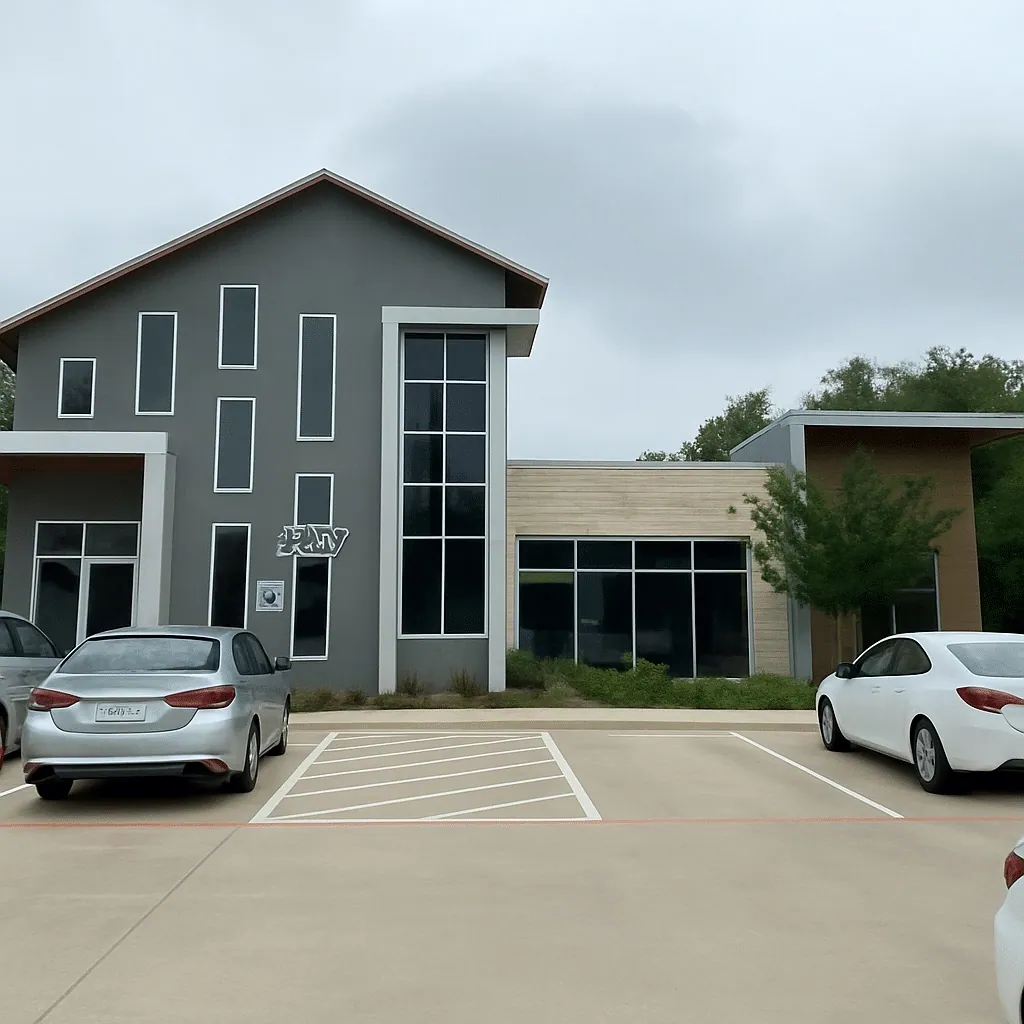
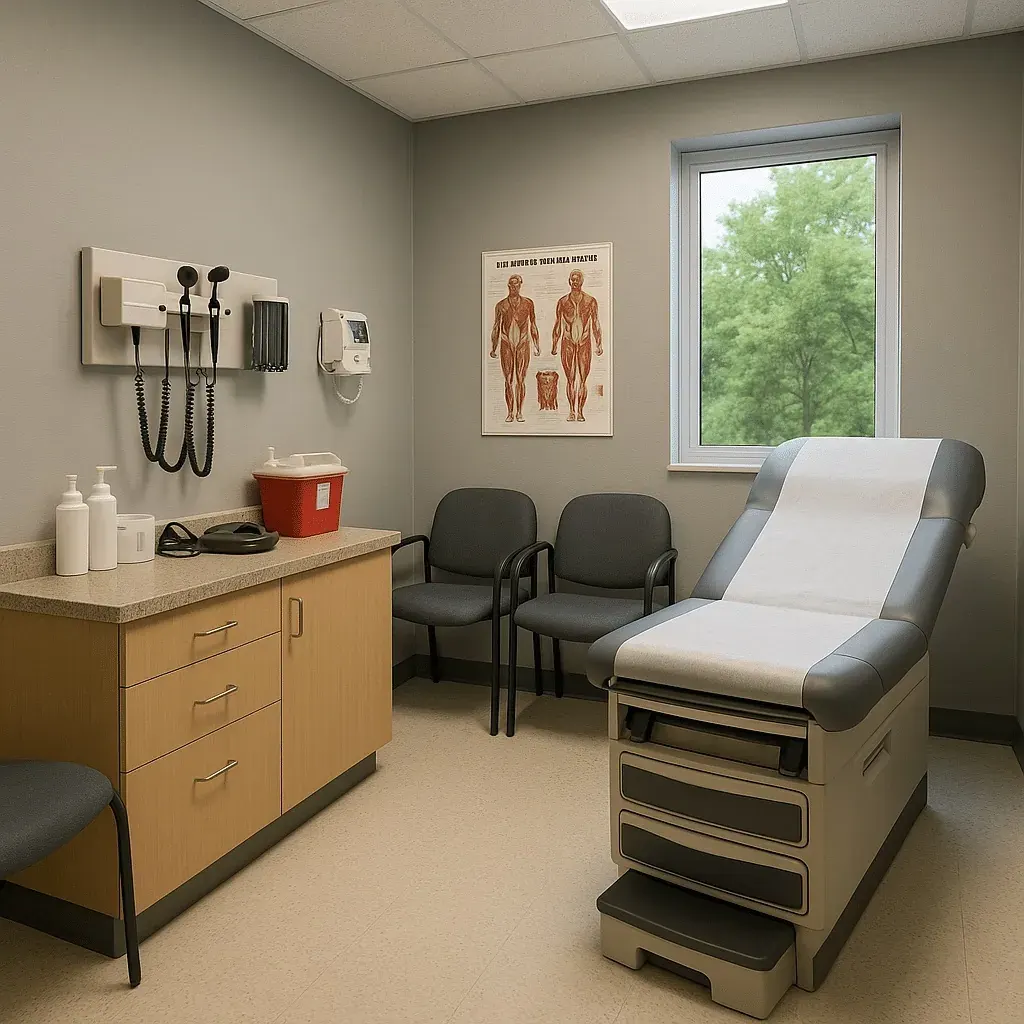
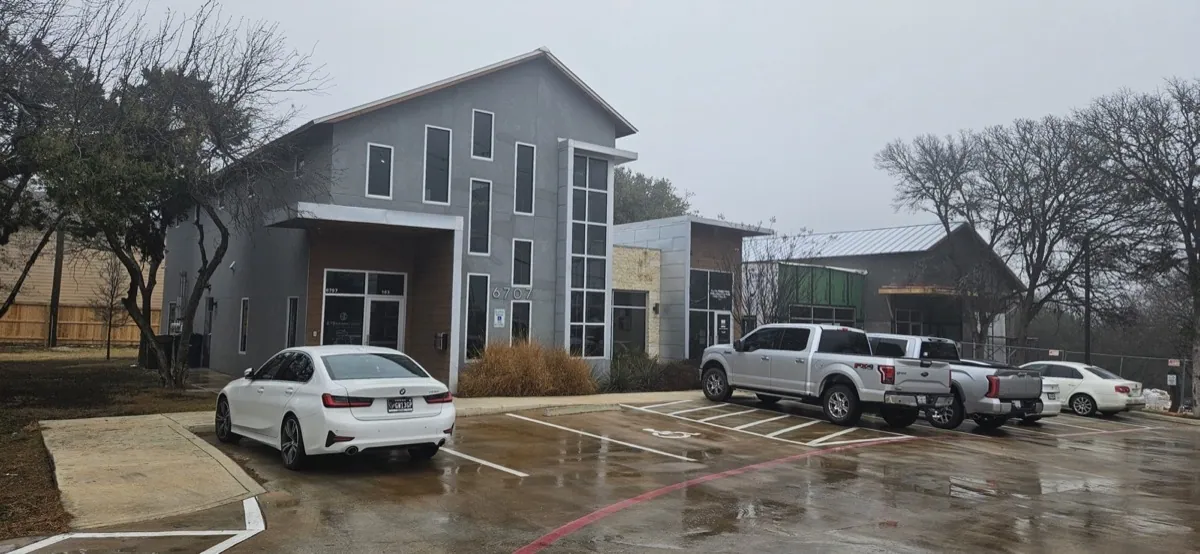
Briarwood Detox Center provides alcohol and drug detox services in San Antonio with a supportive, structured setting designed for safety and dignity. Clinical teams monitor symptoms and coordinate the next level of care after detox.
Step‑down to counseling
After detox at Briarwood, clients receive individualized placement guidance for outpatient counseling or higher‑support programs in the area, aligning with treatment goals, insurance, and schedule.
Choosing comfort without losing quality
Many people search for “luxury substance abuse treatment centers.” Comfort and privacy can help people engage in care, but quality and safety should lead the decision. Look for:
- Evidence‑based care (CBT, MI, medications for addiction treatment when indicated).
- Qualified staff and clear medical oversight.
- Continuum of care and discharge planning.
- Trauma‑informed and culturally responsive practices.
Focus on whether the program measures outcomes and tailors care to the whole person—not just amenities.
Insurance and cost: practical first calls
Confidential insurance verification at Briarwood
Briarwood Detox Center can verify benefits, explain coverage, and discuss payment options—confidentially and without obligation. See Insurance & Cost resources or request verification.
If you don’t have insurance
Texas offers funded services for eligible adults; county pages list local programs and supports. These resources help people connect to care regardless of ability to pay.
How to begin: a one‑page checklist
Before you talk
- Clarify your goal: support and connect, not “fix.”
- Plan a private, calm time and place.
- Have phone numbers ready (Briarwood admissions, (210) 305-4522).
During the talk
- Ask permission, then state concern.
- Use OARS skills; avoid lecturing.
- Ask for a readiness rating (0–10) and invite one next step.
After the talk
- If detox seems necessary, contact Briarwood Detox Center for a same‑day discussion.
- If outpatient fits, schedule an assessment and set a follow‑up check‑in date.
- Text or call a brief support message (e.g., “I’m here—how can I help today?”).
San Antonio substance abuse treatment: getting started with Briarwood
- Detox Services: Safe, medically supervised care to manage withdrawal and prepare for counseling.
- Outpatient Detox Options:Start with an assessment for our Outpatient Drug & Alcohol Detox in San Antonio to see if ambulatory detox is a safe first step.
- After Detox: Placement support to appropriate outpatient counseling, IOP, recovery housing, and peer support.
How Briarwood Detox Center Supports Outpatient Substance Abuse Treatment in San Antonio
Briarwood Detox Center helps people who are new to supporting a loved one with drug use take clear, safe first steps in San Antonio. If you’re searching for substance abuse treatment San Antonio or San Antonio substance abuse treatment, our admissions team provides a confidential conversation about options and next steps. Clinicians assess health needs to determine whether outpatient counseling is appropriate or if medical detox should come first for safety. After detox, we coordinate a smooth transition into outpatient counseling and recovery supports based on clinical recommendations and personal goals. For families comparing “luxury substance abuse treatment centers,” we focus on evidence-based care, comfort, and continuity rather than amenities alone. Insurance verification is confidential, costs are explained clearly, and scheduling is arranged to fit work and family needs. Our goal is to help beginners move from concern to action with confidence.
The material on this page is for educational purposes only and does not replace professional medical advice, diagnosis, or treatment. Prescription medications—including antidepressants and antipsychotics—must be used only under the guidance of a qualified healthcare provider. Do not start, stop, or adjust any medication without first consulting your doctor. If you experience severe side effects, worsening symptoms, or thoughts of self‑harm, call 911 in the United States or seek emergency medical care right away. For confidential mental health support at any time, call or text 988 to reach the Suicide & Crisis Lifeline, available 24/7.
Outpatient Counseling & San Antonio Substance Abuse Treatment
What types of substance abuse treatment are available in San Antonio?+–
San Antonio substance abuse treatment commonly includes withdrawal management (medical detox), standard outpatient counseling, intensive outpatient programs (IOP), medications for addiction treatment when appropriate, and recovery supports such as peer services and case management. Texas HHS outlines this continuum for adults statewide, which applies to the San Antonio area.
What does outpatient substance abuse treatment involve?+–
Outpatient care typically uses counseling (individual and group), skills training, family involvement, and, when indicated, medications. It lets people live at home and keep work or school commitments while receiving structured care; IOP adds more sessions each week for added support. Evidence shows behavioral therapies and medications can be effective parts of treatment.
How long does outpatient or IOP usually last?+–
Length varies by need and progress. Programs often run for several weeks; IOP generally meets multiple days per week, while standard outpatient meets less often. The right duration is tailored to the person rather than a fixed timeline.
Do I need detox before starting outpatient counseling?+–
Some people do. Medical detox is recommended when withdrawal from substances like alcohol, benzodiazepines, or opioids may be risky. Detox stabilizes health and prepares you to enter counseling or another appropriate level of care.
How can a beginner start a conversation about a loved one’s drug use?+–
A brief, structured approach like SBIRT (Screening, Brief Intervention, and Referral to Treatment) helps you ask permission, share concerns, and connect the person to care. Motivational interviewing techniques can reduce resistance and encourage next steps.
Does insurance cover substance abuse treatment?+–
Many plans cover mental health and substance use services as essential health benefits, and federal parity rules require comparable coverage to medical/surgical care. Coverage specifics depend on the plan and network, so benefits should be verified.
Are “luxury substance abuse treatment centers” more effective?+–
Comfort and privacy may help engagement, but effectiveness depends on evidence‑based care, qualified clinicians, and coordinated aftercare—regardless of amenities. Look for programs that use proven therapies and medications when indicated.
What should I do if I’m worried about overdose, severe withdrawal, or self‑harm?+–
Call 911 for any medical emergency. For 24/7 confidential help during mental health or substance‑related crises, call or text 988 to reach the Suicide & Crisis Lifeline.
How can Briarwood Detox Center help a beginner choose between detox and outpatient counseling in San Antonio?+–
Briarwood Detox Center provides medically supervised detox in San Antonio and helps you determine whether outpatient counseling or IOP is the next best step. Our team coordinates a smooth transition to the appropriate level of care and verifies benefits to make the process simpler. Call our admissions team today.
Can treatment be scheduled around work or school?+–
Yes. Outpatient and IOP models are designed to fit daily life while delivering structured support. After detox, Briarwood guides you into schedule‑friendly counseling options that match your goals and commitments. Call our admissions team today.
Where can I find official information about services in Texas?+–
Texas Health and Human Services lists statewide adult substance use services, and SAMHSA provides national treatment locators and helplines, including 988.
Related guides



About the people behind this guide
Anna-Grace Washington
Medical Content Writer
Anna-Grace Washington is a Medical Content Writer for Briarwood Detox Center. She holds a master’s degree in clinical psychology from the University of Texas and brings a strong understanding of behavioral health, addiction recovery, and evidence-based treatment concepts to her writing.
Dr. Robert Ulrich, DO
Medical Director
Dr. Robert Ulrich serves as Medical Director at Briarwood Detox Center, bringing more than two decades of clinical neurology experience to the treatment of substance use disorders. He is board-certified in neurology by the American Board of Psychiatry and Neurology and completed his neurology residency at UT Southwestern Medical Center in Dallas, where he served as Chief Resident.
In network with most major insurance
Find your plan and see what detox would cost
Most plans cover medical detox. Coverage varies by plan, so we verify it for you before you commit to anything.

















Don't see your plan? We work with out-of-network benefits and offer self-pay options — (210) 305-4522
- Confidential
- Takes about 2 minutes
- No obligation to admit
- Accredited The Joint Commission
- Rated 5.0 · 80 Google reviews Flourishing Foundations Recovery, now part of Briarwood
- Admissions 24 hours a day