
Guide
What Is Maeng Da Kratom? Effects, Uses, and Safety Guide in Austin, TX
Joint Commission accredited · In network with most major insurance · Admissions answered 24 hours a day


Published November 29, 2025
Reviewed and updated July 29, 2026
Key Takeaways · 9 points
- Maeng Da Kratom is a highly potent form of kratom whose unregulated products can make side effects and dependence more likely. Regular use increases the chance of withdrawal symptoms and health problems, especially when people rely on it to manage pain, mood, or sleep.
- Maeng Da’s main alkaloids act on opioid receptors in the brain, creating both stimulant and sedative effects depending on the dose. This dual action can lead to short-term energy or pain relief but also to drowsiness, confusion, and changes in heart rate or blood pressure.
- People often use Maeng Da Kratom for pain, energy, or self-directed withdrawal management even though it is not an approved medical treatment. Relying on it instead of evidence-based care can delay diagnosis and treatment of underlying physical or mental health conditions.
- Different Maeng Da strains such as red, green, and white can feel very different, but all may deliver higher-than-expected doses because potency is inconsistent. This variation makes it hard for users to predict effects and increases the risk of taking more than intended.
- Short- and long-term Maeng Da use can cause gastrointestinal issues, liver problems, mood changes, and other medical complications, especially when mixed with alcohol or sedating drugs. These risks are greater for people with existing health conditions or those who use multiple substances.
- Stopping Maeng Da suddenly after frequent use can trigger a recognizable withdrawal syndrome with muscle aches, insomnia, irritability, and cravings. Symptoms can last for days or longer and may be difficult to manage without professional support.
- Maeng Da use may signal a need for help when it becomes difficult to cut back, when it interferes with daily responsibilities, or when it is used to cope with most emotional or physical discomfort. At that point, continuing to use often maintains rather than solves the underlying problems.
- Briarwood Detox Center in Austin, TX offers medically supervised detox for Maeng Da Kratom and other substances, providing 24/7 monitoring and symptom management in a structured setting. This focused level of care helps stabilize the body, reduce withdrawal risks, and connect clients with ongoing treatment options in the area.
- Families and partners can play an important role by speaking calmly about Maeng Da use, expressing concern, and sharing information about safe detox options like Briarwood. Supportive conversations, even if they are difficult at first, can be an important step toward accepting help.
Break Free from Addiction. Detox Safely in Austin Today.
Medically Supervised Detox – Compassionate Care Starts Here.
Maeng Da Kratom is often marketed as a “natural” way to boost energy, focus, or relieve pain. It is also used by some people trying to manage opioid withdrawal on their own. Yet research shows that kratom’s active compounds act on the same brain receptors as opioids and can lead to dependence, withdrawal, and serious health problems.







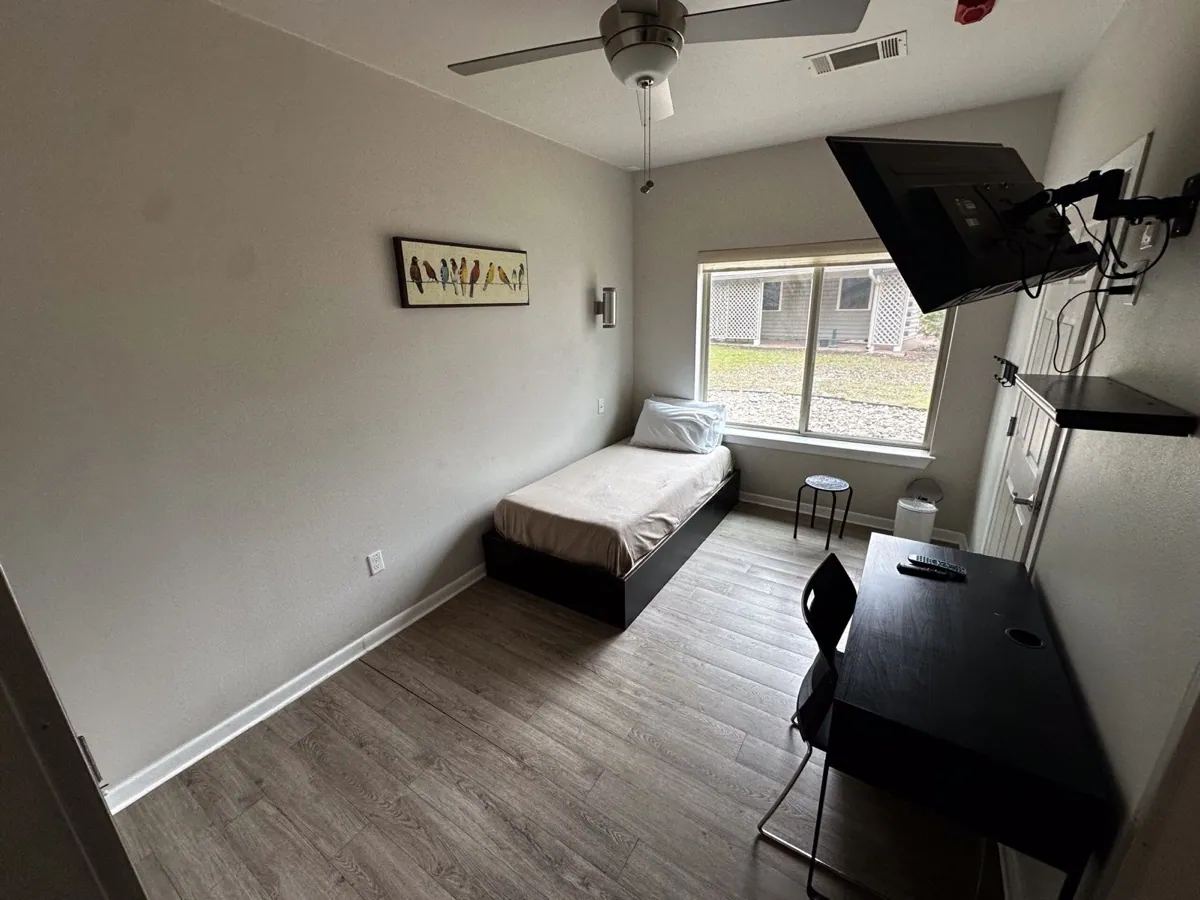











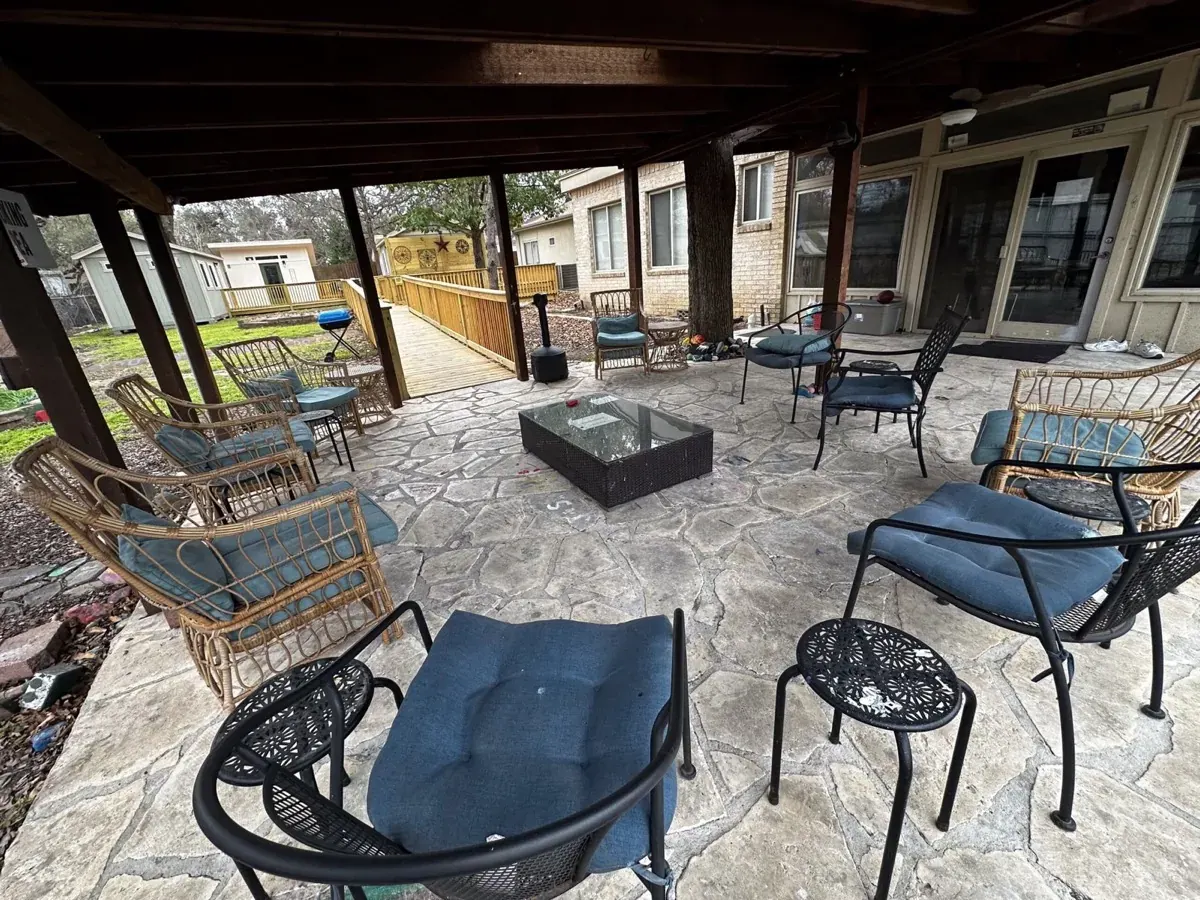

For people in Austin, Texas who are struggling with Maeng Da Kratom use, understanding how this substance works—and what safe detox looks like—can make the next step clearer.
Understanding Maeng Da Kratom
Maeng Da Kratom comes from the leaves of the Mitragyna speciosa tree. In traditional settings, people chewed the leaves or brewed them as tea for stamina and pain relief. Today, concentrated powders, capsules, and extracts are more common, which can make dosing less predictable and increase the risk of side effects.
The phrase “Maeng Da” is often translated from Thai as “pimp grade,” a slang term that reflects its reputation for being stronger than typical kratom. Different manufacturers may use the name for slightly different blends, so potency can vary widely from one product to another.
A national survey estimated that about 1.7 million people in the United States aged 12 or older used kratom in 2021, highlighting how widely available and normalized these products have become despite ongoing safety concerns.
How Maeng Da Kratom Affects the Brain and Body
Alkaloids and opioid receptors
Maeng Da Kratom contains dozens of active compounds. The best‑studied are mitragynine and 7‑hydroxymitragynine. These alkaloids interact with opioid receptors in the brain and spinal cord, similar to prescription pain medications, though their effects are typically weaker and more complex.
Because of this interaction, Maeng Da can change how the body perceives pain, shift mood, and affect energy levels. It may act like a stimulant at lower amounts and more like a sedative at higher amounts.
Short‑term effects at low and high doses
People who use Maeng Da report a range of experiences, including:
- Increased alertness, talkativeness, or motivation
- Temporary relief of pain or tension
- Elevated mood or mild euphoria
At higher levels, effects may flip and include:
- Drowsiness or heavy sedation
- Confusion, dizziness, or poor coordination
- Nausea, vomiting, and constipation
Because many products are unregulated, it is difficult for users to know how strong a dose really is, which can increase the risk of both acute side effects and longer‑term harm.
Common Uses and Perceived Benefits
Maeng Da Kratom is often marketed or discussed online as a tool for:
- Managing chronic pain
- Improving focus or productivity
- Relieving anxiety or low mood
- Coping with opioid withdrawal symptoms
It is important to note that none of these uses are supported by high‑quality clinical trials, and federal health agencies have not approved kratom for any medical purpose.
When someone starts using Maeng Da to self‑medicate—especially for ongoing pain or emotional distress—the line between “occasional use” and dependence can blur. Over time, the brain may adapt, leading to tolerance and difficulty stopping without support.
For a deeper clinical discussion of kratom’s risks, Briarwood Detox Center also offers educational resources such as the article “What Is Kratom? Its Side Effects, Detox, Withdrawal & More”.
Where we are
Detox centers across Texas
Three locations, each with its own admissions line and its own clinical team. Pick the one nearest you — or call and we will tell you which has a bed tonight.
-
 Inpatient
 Austin, TX
11711 N Lamar Blvd · 78753
- 15 beds
- On-site labs
- 24-hour medical staff
Drug & Alcohol Detox in Austin, TX
-
 Outpatient
 San Antonio, TX
6707 W Hausman Rd · 78249
- Outpatient detox with scheduled medical visits
- Outpatient treatment
Outpatient Detox Programs in San Antonio
-
 Inpatient
 Houston, TX
1019 Ashland St · 77008
- On-site labs
- 24-hour medical staff
Drug Detox Center in Houston, TX
Types of Maeng Da Kratom (Red, Green, and White)
Manufacturers commonly divide Maeng Da products by “vein color.” While terminology varies, the three main categories are:
Red Maeng Da
Red Maeng Da is often described as the most sedating variety. Users report stronger pain relief, physical relaxation, and heavier drowsiness. Because it is also highly potent, it may carry greater risk for dependence and withdrawal.
Green Maeng Da
Green Maeng Da is usually marketed as a middle‑ground option. People may use it for both mild energy and mood support, while still noticing some calming effects.
White Maeng Da
White Maeng Da is typically associated with more stimulating effects. Users may take it to feel more alert, social, or focused. In some people, this same stimulation may trigger anxiety, agitation, or insomnia.
Regardless of color, Maeng Da products are often more concentrated than other kratom strains, which can make side effects more likely when people experiment with dose or frequency.
Side Effects and Health Risks of Maeng Da Kratom
Short‑term side effects
Short‑term reactions may include:
- Nausea, vomiting, or stomach cramps
- Constipation and reduced appetite
- Sweating, flushing, or itching
- Increased heart rate or blood pressure
- Dizziness, tremors, or poor coordination
- Anxiety, irritability, or restlessness
In some cases, people have reported hallucinations, confusion, or psychotic symptoms, especially when using high doses or multiple substances.
Long‑term health concerns
Repeated Maeng Da use has been linked to:
- Liver injury and abnormal liver function tests
- Significant weight loss and poor nutrition
- Hormonal and sleep disruption
- Worsening depression, anxiety, or other mental‑health concerns
- Development of substance use disorder involving kratom
While severe outcomes are less common, some deaths have been associated with kratom, often in combination with other drugs or underlying medical issues.
Mixing Maeng Da with other substances
Combining Maeng Da Kratom with alcohol, benzodiazepines, opioids, or sedating medications can slow breathing and heart rate, increasing the risk of overdose and medical emergencies.
Because many people with substance use concerns take multiple drugs at once, Briarwood Detox Center evaluates all substances involved—not just Maeng Da—when designing a safe detox plan.
Dependence, Addiction, and Withdrawal
Signs of problematic Maeng Da use
Kratom’s reputation as a “natural supplement” can make it easy to minimize risks. However, Maeng Da use may be moving toward addiction if someone:
- Needs larger or more frequent doses to feel the same effect
- Spends significant time obtaining or recovering from use
- Continues using despite relationship, work, or health problems
- Feels unable to cut back or stop
- Experiences cravings or anxiety when they try to skip a dose
What Maeng Da withdrawal can feel like
When a person who is physically dependent on Maeng Da Kratom stops suddenly, they may develop withdrawal symptoms similar to—but often milder than—opioid withdrawal.
Common symptoms include:
- Muscle aches and joint pain
- Restlessness or insomnia
- Irritability, anger, or low mood
- Runny nose, sweating, or chills
- Nausea, stomach cramps, or diarrhea
- Tremors or jerky movements
Symptoms usually begin within a day after the last use, peak over several days, and gradually improve. However, underlying anxiety, depression, or cravings can last longer, which is why professional support is important.
Briarwood Detox Center has already outlined these concerns in detail in “Maeng Da Kratom: Dangers, Side Effects & Detox Options.”
Legal Status and Regulation
In the United States, kratom remains in a complex legal position. The substance is not scheduled at the federal level, but several states and municipalities have banned it or restricted its sale. At the same time, federal health agencies warn that kratom products pose risks of liver toxicity, seizures, and substance use disorder, and they emphasize that no kratom‑containing product is approved as a medication or dietary supplement.
Because regulations are evolving, anyone who uses or possesses Maeng Da should be aware that laws can change and that product quality varies widely.
When Maeng Da Use Signals a Need for Help
Maeng Da Kratom may start as a way to manage pain, stress, or sleep problems, especially when access to formal care feels limited. Over time, however, people may notice that:
- They feel unwell or anxious if they do not take it
- They hide their use from family or partners
- Health providers express concern about liver tests, heart rate, or mood changes
- Maeng Da becomes one of the main ways they cope with daily life
At this point, continued use may be doing more harm than good. A structured detox can provide a safe space to stabilize the body, assess mental health, and plan next steps in treatment.
Kratom Detox and Substance Abuse Treatment in Austin, TX
People who begin searching online for “substance abuse treatment Austin TX,” “drug treatment centers in Austin,” or “austin drug treatment centers” are often looking for clear, trustworthy options—not more confusion about kratom supplements. Briarwood Detox Center serves as a focused starting point for anyone in Central Texas whose Maeng Da use has become unmanageable, offering drug and alcohol detox in Austin with 24/7 medical monitoring.
Unlike many general drug treatment centers Austin Texas offers, Briarwood is dedicated to medically supervised detox. Our clinical team monitors vital signs, manages withdrawal symptoms, and addresses complications related to Maeng Da Kratom and other substances. After stabilization, we coordinate with reputable programs for the next phase of care, so the transition from detox into ongoing treatment is as smooth as possible.
What to Expect at Briarwood Detox Center
Detox from Maeng Da Kratom at Briarwood is structured but straightforward.
Assessment and individualized detox planning
On arrival, each client completes a medical and psychological assessment. The team reviews:
- Substance use history, including Maeng Da and any other drugs
- Current medications and medical conditions
- Mental‑health symptoms such as depression, anxiety, or trauma
This information guides an individualized detox plan that prioritizes safety and comfort.
24/7 monitoring and symptom management
During detox, clients stay in a supervised setting where staff monitor vital signs and watch for complications such as dehydration, agitation, or severe mood changes. Depending on the situation, medications may be used to reduce withdrawal symptoms, improve sleep, and manage anxiety or pain.
Counselors and support staff are available to help clients process what led to Maeng Da use and to begin thinking about long‑term recovery goals.
Planning next steps after detox in Austin
This approach ensures that people leaving Briarwood are not navigating the next phase of recovery alone.
Talking to a Loved One About Maeng Da Kratom
Watching someone close struggle with Maeng Da Kratom can feel frustrating and confusing. Approaching the conversation thoughtfully may reduce defensiveness and open the door to help.
Consider the following principles:
- Stay factual and non‑judgmental. Focus on specific changes you have noticed (sleep, mood, responsibilities) rather than labels or accusations.
- Express concern, not control. Emphasize that you care about their health and safety and that you are not trying to punish or shame them.
- Ask open questions. Invite them to share what they feel Maeng Da is doing for them—relief, energy, coping—and listen before offering feedback.
- Offer concrete options. Having information about a medically supervised program like Briarwood Detox Center can make change feel more realistic.
If the conversation does not go as planned, you can still reach out to Briarwood staff to discuss safe ways to support your loved one and explore intervention options.
How Briarwood Detox Center Helps With Maeng Da Kratom
Briarwood Detox Center provides medically supervised detox for people who are struggling with Maeng Da Kratom and other substances. Our team evaluates each person’s history, current symptoms, and overall health to create an individualized detox plan. Licensed medical staff monitor vital signs, manage withdrawal symptoms, and help reduce discomfort as the body clears kratom. This structured setting lowers the risks of detoxing alone at home and supports better safety for clients from Austin and the surrounding Central Texas communities. We also screen for co‑occurring mental health concerns and polysubstance use, which are common with Maeng Da Kratom. Case managers help clients plan the next level of care, connecting them with ongoing recovery options that match their needs and goals. Briarwood Detox Center serves as a stable first step for people searching online for substance abuse treatment Austin TX or drug treatment centers Austin Texas.
Frequently Asked Questions About Maeng Da Kratom and Detox in Austin, TX
What is Maeng Da Kratom used for?+–
Maeng Da Kratom is typically used for energy, focus, pain relief, and to self-manage anxiety or low mood. Some people also use it on their own to try to ease opioid withdrawal symptoms. These uses are based on user reports, not strong clinical research, and they carry real medical risks.
Is Maeng Da Kratom safe to use?+–
Maeng Da Kratom is not approved by the FDA for any medical use, and its products are not lawfully marketed as drugs or dietary supplements in the United States. Health agencies warn that kratom can cause serious side effects, including heart problems, seizures, liver injury, and addiction, especially when used in high doses or with other substances. Because it is unregulated, strength and purity can vary widely from one product to another.
What are the side effects of Maeng Da Kratom?+–
Commonly reported side effects include nausea, vomiting, constipation, sweating, dizziness, and changes in heart rate or blood pressure. Some people experience anxiety, irritability, confusion, or hallucinations. More serious reactions such as liver damage, seizures, or heart rhythm problems have also been reported, particularly with heavy or long-term use.
Can Maeng Da Kratom cause dependence or addiction?+–
Yes. Regular use of Maeng Da Kratom can lead to tolerance, which means needing more to feel the same effect. Over time, this can develop into physical dependence and a substance use disorder, with cravings and withdrawal symptoms when use stops. National public health agencies now list kratom as an emerging drug of abuse because of this risk.
What are common kratom withdrawal symptoms?+–
When someone who uses Maeng Da or other kratom products regularly stops, they may feel muscle and joint aches, restlessness, insomnia, runny nose, sweating, and stomach cramps. Nausea, diarrhea, irritability, anxiety, and depressed mood are also common. The severity can range from uncomfortable to very distressing, depending on dose, duration of use, and individual health.
How long does kratom withdrawal usually last?+–
Physical symptoms often start within about a day after the last dose, peak over the next few days, and for many people improve within a week. Sleep problems, mood changes, and cravings can last longer. Because timelines vary, medical monitoring during withdrawal is safer than going through it alone.
Is Maeng Da Kratom legal in the United States or in Texas?+–
At the federal level, kratom is not currently scheduled as a controlled substance, but the FDA does not consider any kratom product legal to market as a drug, supplement, or food. Several states and local areas have restricted or banned kratom, and some health departments in Texas have issued advisories about concentrated 7‑hydroxymitragynine products. Laws continue to change, so legality is separate from safety.
What is the safest way to detox from Maeng Da Kratom?+–
The safest approach is medically supervised detox, where a clinical team monitors vital signs, manages withdrawal symptoms, and addresses complications such as dehydration, severe anxiety, or co‑occurring substance use. At Briarwood Detox Center in Austin, TX, clients stay in a structured, 24/7 setting designed to reduce risks of kratom withdrawal and prepare them for the next phase of treatment. If you are considering stopping Maeng Da Kratom and are worried about symptoms, our admissions team can explain what detox looks like and help you decide on next steps. Call our admissions team today at (866) 710-7710.
Where can I get help for Maeng Da Kratom use or kratom detox in Austin, TX?+–
If Maeng Da Kratom use is starting to affect your health, mood, or daily life, Briarwood Detox Center offers a focused starting point in Austin, Texas. Our program provides medically supervised detox for kratom and other substances, with individualized care plans and support for transition into ongoing treatment after detox. You can speak confidentially with our admissions staff about symptoms, insurance, and timing for admission so you do not have to navigate recovery alone. Call our admissions team today at (866) 710-7710.
Does Maeng Da Kratom show up on a drug test?+–
Standard 5‑panel workplace drug tests usually do not screen for kratom. However, some extended or specialized panels can detect kratom compounds, and detection windows depend on factors like dose, frequency of use, and the type of test. If drug testing is a concern, it is best to ask the testing provider which substances are included.
Can I mix Maeng Da Kratom with alcohol or other drugs?+–
Mixing Maeng Da Kratom with alcohol, benzodiazepines, opioids, or other sedating medications is risky. Many serious adverse events and some deaths involving kratom also involve additional substances, which can intensify sedation, slow breathing, and strain the heart and liver. Using Maeng Da on its own already carries health risks; combining it with other drugs increases those dangers.
Related guides
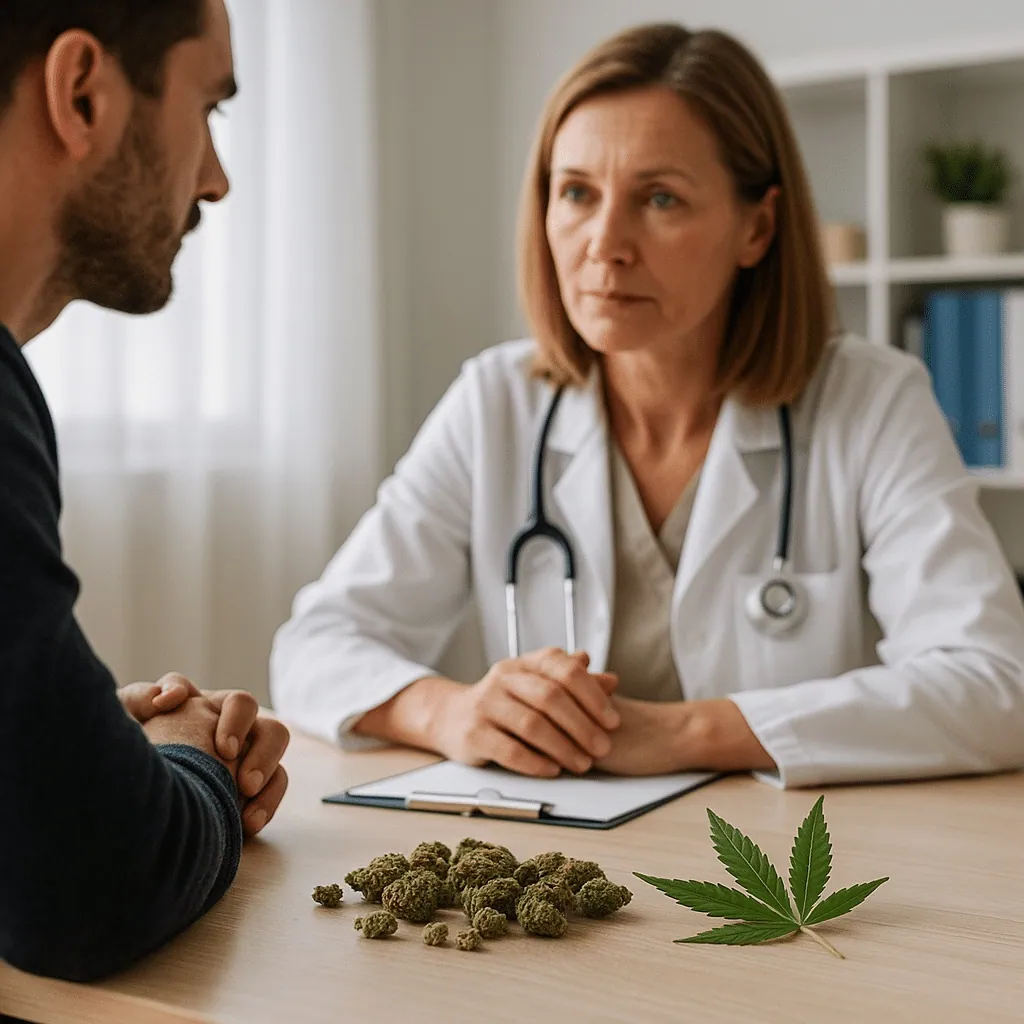
About the people behind this guide
Anna-Grace Washington
Medical Content Writer
Anna-Grace Washington is a Medical Content Writer for Briarwood Detox Center. She holds a master’s degree in clinical psychology from the University of Texas and brings a strong understanding of behavioral health, addiction recovery, and evidence-based treatment concepts to her writing.
Dr. Robert Ulrich, DO
Medical Director
Dr. Robert Ulrich serves as Medical Director at Briarwood Detox Center, bringing more than two decades of clinical neurology experience to the treatment of substance use disorders. He is board-certified in neurology by the American Board of Psychiatry and Neurology and completed his neurology residency at UT Southwestern Medical Center in Dallas, where he served as Chief Resident.
In network with most major insurance
Find your plan and see what detox would cost
Most plans cover medical detox. Coverage varies by plan, so we verify it for you before you commit to anything.


















Don't see your plan? We work with out-of-network benefits and offer self-pay options — (866) 710-7710
- Confidential
- Takes about 2 minutes
- No obligation to admit

- Accredited The Joint Commission
- Rated 4.5 · 95 Google reviews
- Admissions 24 hours a day