
Guide
Hash Meaning: What Are Hashish and Hash Oil in Austin, TX?
Joint Commission accredited · In network with most major insurance · Admissions answered 24 hours a day


Published November 25, 2025
Reviewed and updated July 29, 2026
Key Takeaways · 11 points
- Hash means either hashish (pressed resin) or hash oil (a concentrated extract). Both are cannabis concentrates with higher THC than most flower and may increase risk for dependence in heavy, frequent use.
- Hashish is made by collecting and pressing trichomes from cannabis flowers. It’s commonly smoked or vaporized, and potency varies by source and method.
- Hash oil is a solvent‑ or CO₂‑extracted concentrate with higher average THC than plant cannabis. Textures range from liquid to shatter, and products are smoked, vaped, dabbed, or ingested.
- Dabbing or vaping concentrates delivers large THC doses quickly and comes with unique risks. Sourcing from informal markets increases safety concerns highlighted in public‑health reports.
- High‑THC concentrates are linked to stronger short‑term impairment and potential mental‑health impacts for some people. Tolerance builds faster for regular users, which can drive heavier patterns of use.
- Cannabis withdrawal is real and often includes irritability, sleep disturbance, restlessness, and cravings. Symptoms typically begin within 24–48 hours, peak within a few days, and ease over 2–3 weeks for heavy users.
- Warning signs that hash use is becoming a problem include needing more to get the same effect, cravings, and interference with work, school, or relationships. A structured pause with clinical support can reduce relapse risk.
- Briarwood Detox Center provides 24/7, medically supervised detox with comfort‑focused care and co‑occurring support. We also coordinate seamless next steps so you leave detox with a clear plan.
- If you’re in Austin, Briarwood offers individualized medical detox with streamlined admissions and insurance verification. This is a practical first step for those searching substance abuse treatment in Austin, TX.
- Hashish and hash oil differ in form, potency, and risk profile. Understanding those differences helps you choose safer next steps and the right level of care.
- Your treatment pathway at Briarwood includes admissions support, detox in Austin, and coordinated aftercare. This continuity helps you move from stabilization to sustainable recovery.
Break Free from Addiction. Detox Safely in Austin Today.
Medically Supervised Detox – Compassionate Care Starts Here.
If you’ve heard people use the word “hash,” they usually mean either hashish (pressed cannabis resin) or hash oil (a liquid or semi‑solid cannabis extract). Both are cannabis concentrates with more THC per dose than most plant cannabis and can lead to dependence and withdrawal in some people.




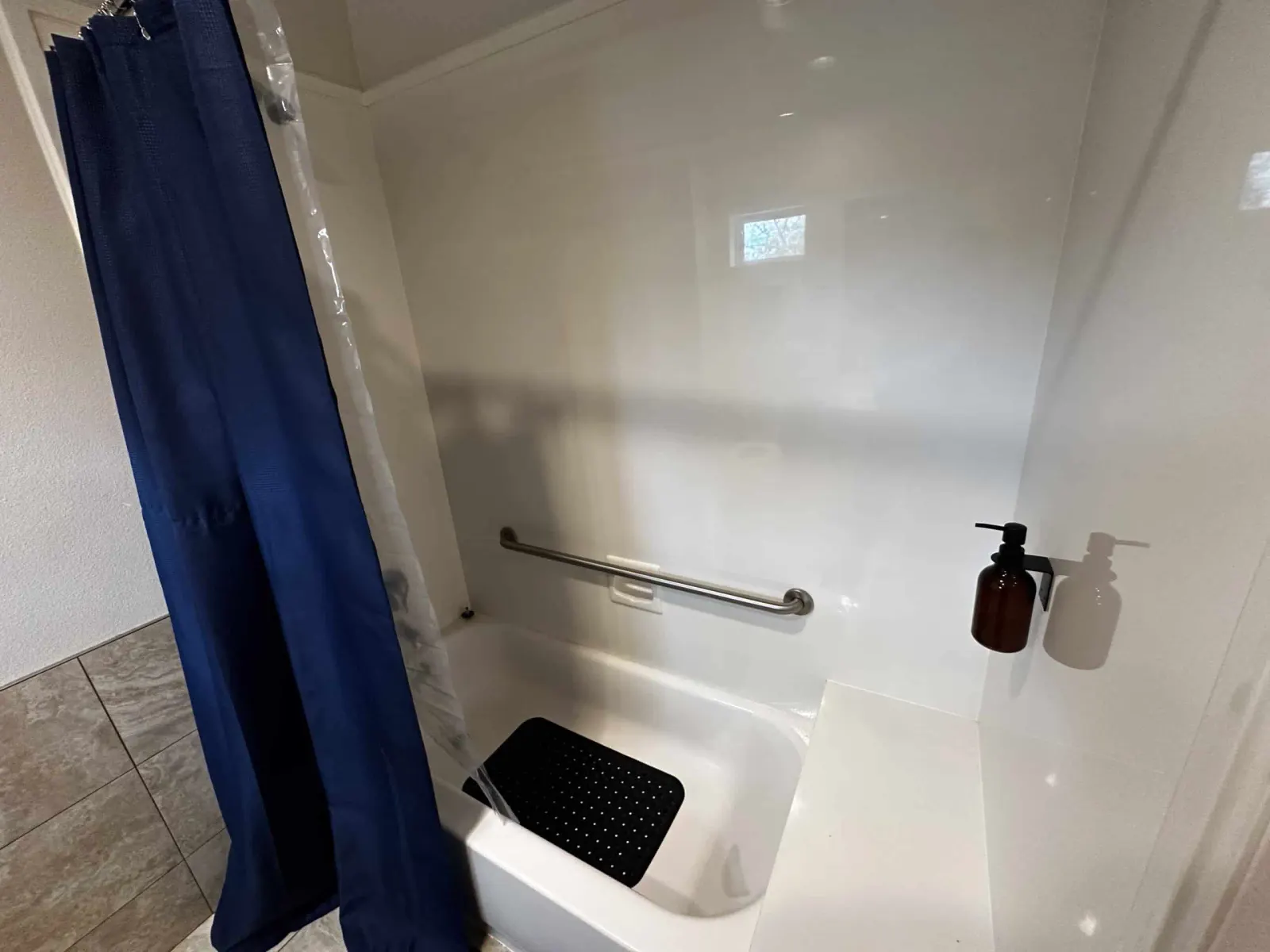




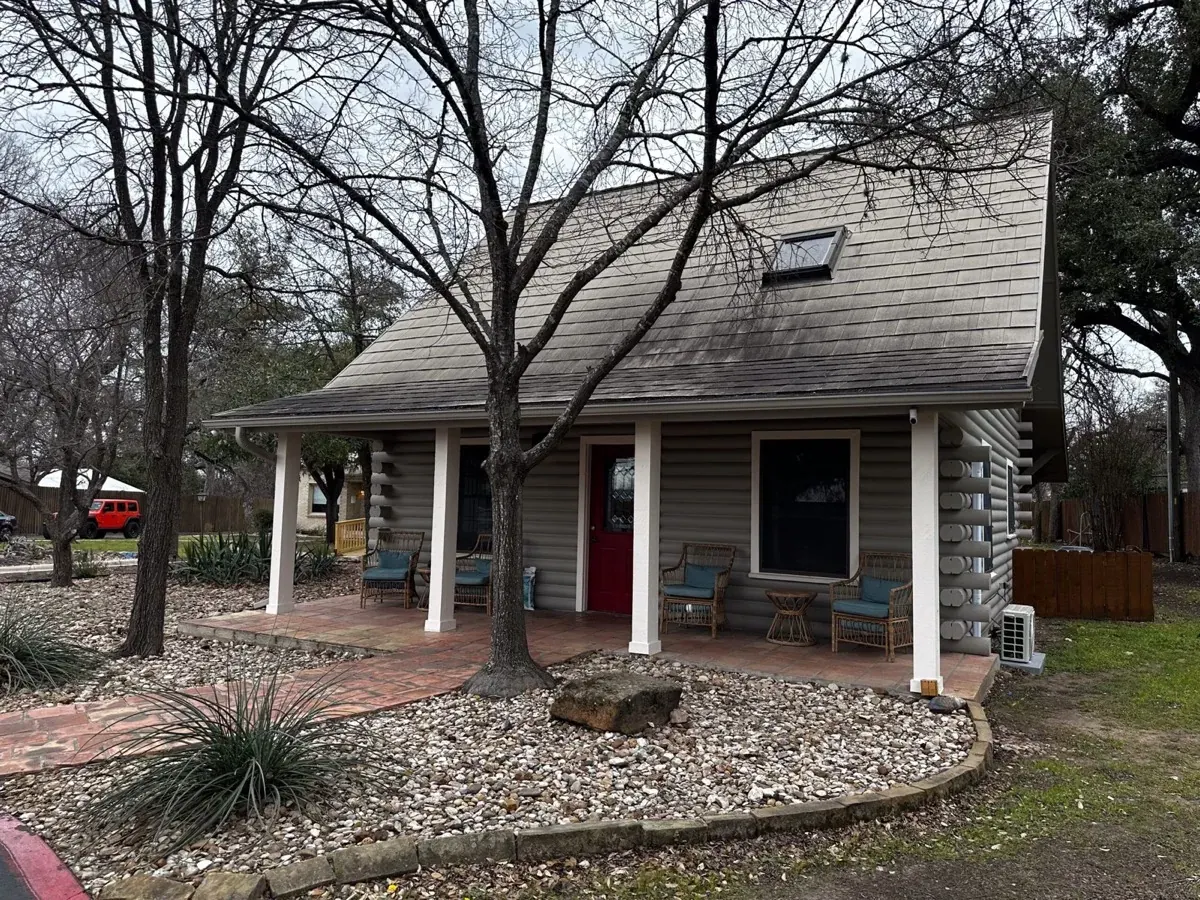
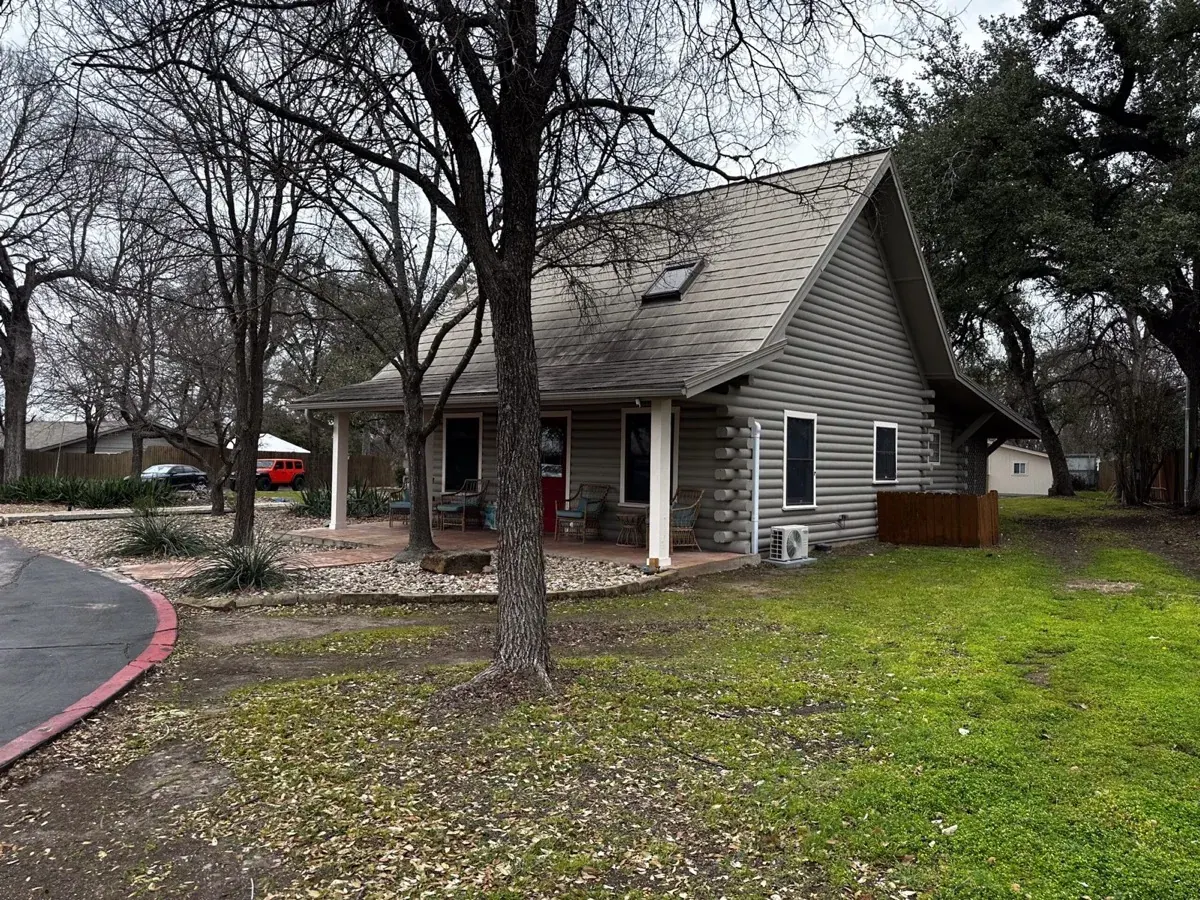








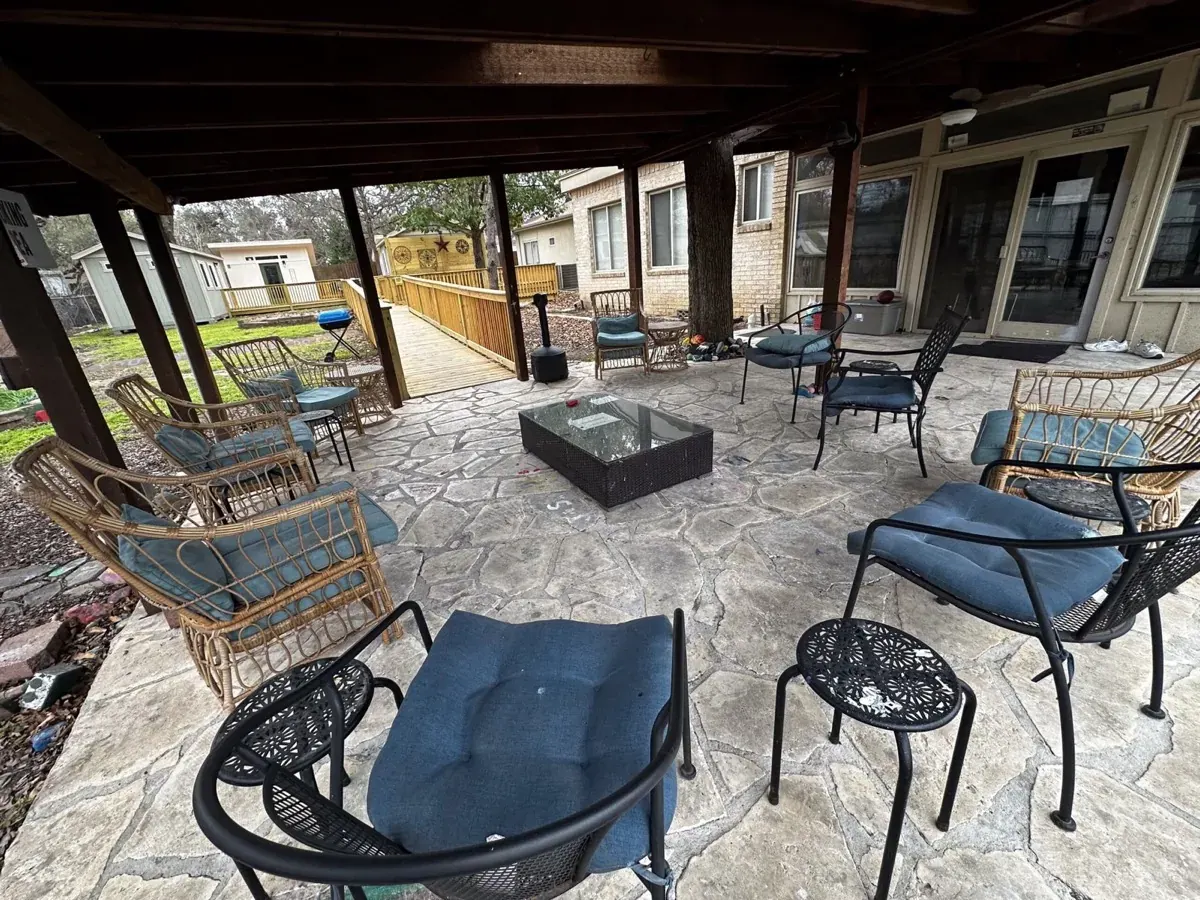

For those searching substance abuse treatment Austin TX or comparing drug treatment centers in Austin, Briarwood Detox Center provides medically supervised detox as a first step when cannabis use—hashish or hash oil—is causing health, relationship, or work problems.
What “Hash” Means, in Plain Terms
Hashish is the compressed resin (trichomes) collected from cannabis flowers. People usually smoke it or mix it with tobacco or herbs. Hash oil (often called cannabis oil, BHO, “dabs,” shatter, or wax) is an extracted concentrate that people smoke, vape, or ingest. Both products deliver THC and other cannabinoids in higher concentrations than most dried cannabis.
Potency at a glance: many concentrates range from ~40% to 80% THC, and some products are reported even higher depending on extraction and formulation. Higher THC can increase intoxication, tolerance, and risk for problem use.
Hashish: Key Facts
How Hashish Is Made
Hashish is produced by separating and compressing the resin glands (trichomes) from cannabis flowers. Traditional methods include hand‑rolling (charas), sieving dried plant material, or using ice‑water agitation, all of which collect trichomes before pressing them into bricks or discs.
How People Use It
Common routes include smoking in a pipe or joint, vaporizing, or mixing with herbal material. Effects vary with THC content, dose, and personal tolerance.
Where we are
Detox centers across Texas
Three locations, each with its own admissions line and its own clinical team. Pick the one nearest you — or call and we will tell you which has a bed tonight.
-
 Inpatient
 Austin, TX
11711 N Lamar Blvd · 78753
- 15 beds
- On-site labs
- 24-hour medical staff
Austin Medical Detox for Hash & Cannabis
-
San Antonio Detox for Hash & High‑THC Use
Briarwood
San Antonio Detox for Hash & High‑THC Use
-
 Inpatient
 Houston, TX
1019 Ashland St · 77008
- On-site labs
- 24-hour medical staff
Houston Drug & Alcohol Detox for Cannabis Concentrates
Hash Oil (Cannabis Oil): Key Facts
What It Is
Hash oil is a concentrated oleoresin extracted from cannabis or hashish. It contains cannabinoids (THC, CBD) and terpenes, and its texture can range from liquid to brittle glass‑like “shatter.”
How It’s Made—and Why Safety Matters
Most commercial hash oils are made with solvent extraction (e.g., butane, ethanol, CO₂ in industrial systems). Attempting solvent extraction in a home setting is dangerous due to highly flammable vapors; accidental fires and explosions have been documented.
Mental health note: Regular use of very high‑THC concentrates (such as BHO) is associated in research summaries with higher risks for anxiety, depression, and psychosis, especially among people with a personal or family history of these conditions.
Dabbing & Vaping: Special Risks to Know
Using hash oil by dabbing or vaping delivers large THC doses quickly. In 2019, an outbreak of severe lung injury (EVALI) was strongly linked to vitamin E acetate found in many illicit THC vape products; public health guidance warns against THC vapes from informal sources. For a deeper look at how dabbing works, common slang, and documented lung risks from butane hash oil, read our in‑depth guide on dabbing and cannabis concentrates.
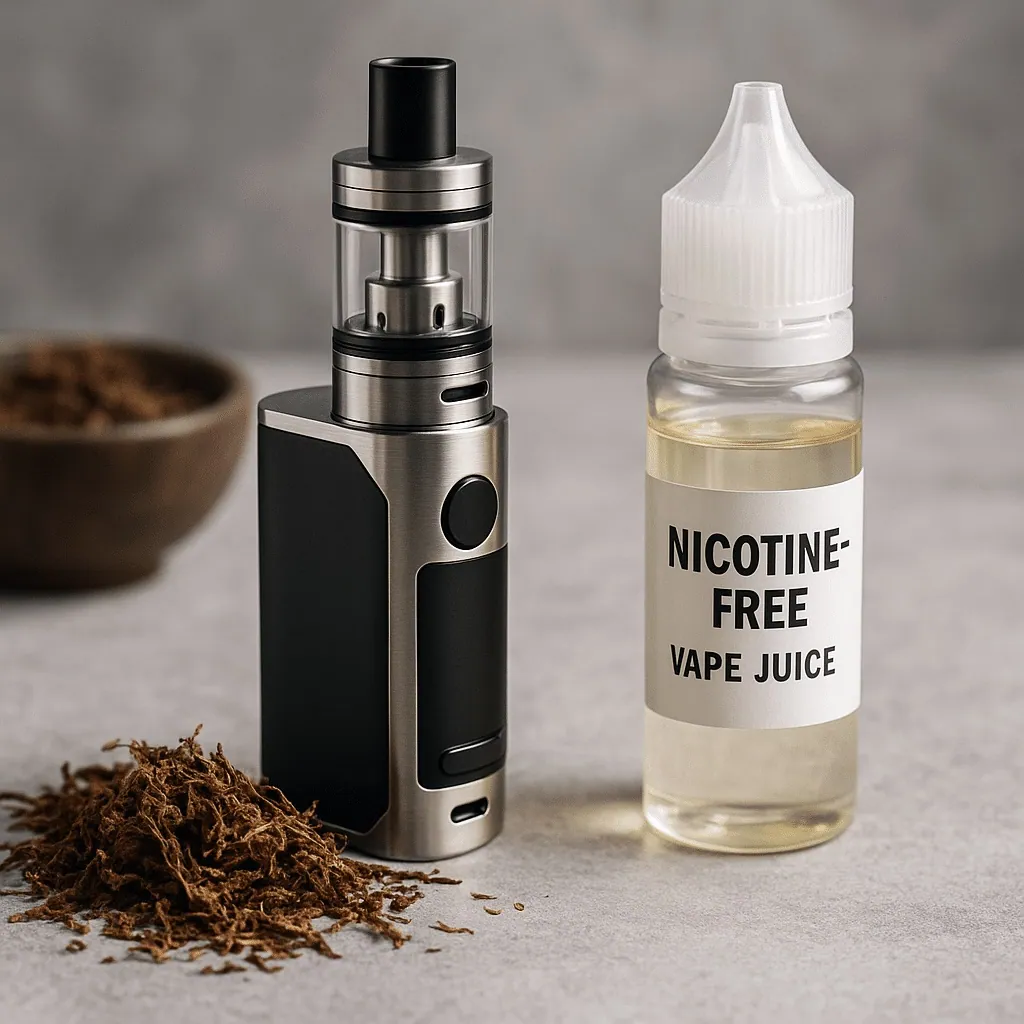
For people who dab or vape concentrates, it’s easy to assume nicotine‑free devices are harmless—our breakdown of nicotine‑free vape risks shows why that’s not the case.
Effects, Potency, and Health Considerations
Short‑Term Effects
THC can alter attention, memory, reaction time, and mood. With concentrates, these changes may be stronger per puff or dose, which can impair driving and certain types of work.
Longer‑Term Considerations
Frequent, heavy use—especially of high‑THC products—can lead to tolerance, cannabis use disorder, and withdrawal symptoms when stopping. Some users also report anxiety, sleep disturbance, and mood changes with chronic use.
Is Hash Addictive? Understanding Withdrawal & Dependence
Dependence can develop with sustained, heavy cannabis use. Withdrawal is real for many frequent users who cut down or stop, even though it’s not typically life‑threatening. Symptoms often include irritability, anxiety, restlessness, sleep disturbance, decreased appetite, and cravings. Onset usually occurs within 24–48 hours, peaks around days 2–6, and some symptoms (especially sleep problems) can last two to three weeks or longer for heavy users. If you want a broader overview of marijuana addiction, including behavioral signs and treatment options after detox, see our weed addiction and treatment guide.
Because concentrates deliver higher THC rapidly, some people who primarily use hash oil report more intense withdrawal symptoms than when quitting lower‑potency cannabis. Clinical reviews describe similar timelines but note variability based on dose and duration.
When Hash Use Signals a Problem
Consider talking with a clinician if you notice:
- Needing more to get the same effect or using earlier in the day
- Trouble cutting back, frequent cravings, or spending more time obtaining or using
- Mood swings, anxiety, or sleep issues tied to use or withdrawal
- Strained relationships, missed work/school, or safety risks (e.g., driving while high)
These patterns often respond best to structured help and a safe plan to pause use.
How Briarwood Detox Center Helps
At Briarwood Detox Center, we focus on safe, medically supervised detox that prepares you for continued care. While cannabis withdrawal is rarely dangerous, symptoms can be uncomfortable and can trigger relapse. Briarwood provides:
- 24/7 clinical monitoring for sleep disturbance, anxiety, irritability, and cravings
- Personalized comfort‑focused care, including sleep hygiene, hydration, nutrition, and evidence‑informed symptom management
- Co‑occurring support for anxiety or mood concerns related to high‑THC use
- Next‑step planning to connect you with continuing treatment after detox
If You’re in Austin, TX: Your Next Step
If you’re comparing Austin drug treatment centers or searching for drug treatment centers in Austin Texas, start by confirming medical detox quality, 24/7 staffing, and seamless step‑down planning. Briarwood Detox Center offers individualized detox in Austin with compassionate admissions, insurance verification, and rapid start dates. Our drug and alcohol detox in Austin, TX page explains what to expect in our local program, from admissions and insurance checks to daily structure and after‑detox planning.
Comparing Hashish and Hash Oil
Source and Form
- Hashish: pressed resin (solid), often smoked or vaporized.
- Hash oil: solvent‑based or CO₂ concentrate (liquid/semi‑solid), dabbed, vaped, or ingested.
Typical Potency
- Hashish: potency varies by strain and method; resin products can contain ~10–25%+ THC, with higher levels reported depending on source and processing.
- Hash oil/concentrates: commonly ~40–80% THC, sometimes higher in specific formulations.
Special Risks
- Dabbing/vaping: rapid dose delivery; avoid illicit products due to EVALI risks tied to vitamin E acetate in 2019.
- Home extraction: serious fire/explosion risk from flammable solvents; do not attempt.
Treatment Pathway at Briarwood
Admissions and Insurance
Our admissions specialists provide a private phone screening and quick insurance verification so you can start safely.
Detox in Austin
Detox is delivered in a structured setting with 24/7 care and individualized plans.
After Detox
We coordinate next steps—residential, day treatment, or outpatient—based on your needs and coverage, helping you move from detox to sustained recovery.
How Briarwood Detox Center Supports Medical Detox in Austin, TX for Hashish & Hash Oil
riarwood Detox Center helps people using hashish or hash oil start safely with medical detox in Austin, TX. Our licensed team provides 24/7 monitoring, symptom relief, and compassionate support. Care plans address sleep, hydration, nutrition, and anxiety. We tailor protocols for hash hashish withdrawal and cravings when clinically appropriate. If you’re seeking substance abuse treatment Austin TX, medical detox is a first step that stabilizes you before continued care. We verify insurance quickly and streamline admissions to reduce delays. Our setting is calm, discreet, and recovery‑focused. Review what to expect and explore our Austin detox services to see how we keep you comfortable and safe. We coordinate a personalized next‑step plan that fits your goals and coverage. Briarwood Detox Center offers a dependable start for Austin residents who want a structured path forward.
Content on this page is for educational purposes only and is not a substitute for professional medical advice, diagnosis, or treatment. Only a qualified clinician can assess your needs and determine appropriate care. Prescription medications, including antidepressants and antipsychotics, should be used only under medical supervision. Do not start, stop, or change any medication without first speaking with your doctor. If you experience severe side effects, worsening symptoms, or thoughts of self‑harm, call 911 in the United States or seek immediate emergency care. For confidential mental health support, you can dial 988 to reach the Suicide & Crisis Lifeline, available 24/7.
Frequently Asked Questions About Hash, Hashish, and Hash Oil
What is hashish and how is it different from marijuana?+–
Hashish (often called “hash”) is made from the sticky resin glands (trichomes) of the cannabis plant that are collected and pressed into a solid form. Marijuana typically refers to the dried flowers and leaves of the plant. Because hashish concentrates those resin glands, it often contains a higher percentage of THC than many cannabis flower products.
Is hash stronger than weed?+–
Hashish is usually more potent than the cannabis flower it comes from, since it is made from concentrated resin. However, strength varies widely based on how it’s produced and the original plant material, and some modern cannabis flower can also be very high in THC.
What is hash oil and how is it used?+–
Hash oil (also called cannabis oil or BHO when made with butane) is a concentrated extract made by pulling cannabinoids like THC from cannabis or hashish with a solvent or other extraction method. People may vape it, dab it on a heated surface, or use it in edibles, which can deliver very high doses of THC in a short time.
What are the short‑term effects of using hashish or hash oil?+–
In the short term, these concentrates can cause euphoria, altered senses, impaired memory, slower reaction time, and problems with attention and coordination. High doses may also lead to anxiety, paranoia, or panic, especially in people who are sensitive to THC or new to concentrates.
What are the long‑term risks of high‑THC concentrates like hash oil?+–
Regular use of high‑THC products has been linked in research to a higher risk of cannabis use disorder, withdrawal symptoms, and mental health concerns such as anxiety, depression, and psychosis in vulnerable individuals. These risks appear to increase as THC concentration and frequency of use go up.
Can you get addicted to hashish or hash oil?+–
Yes. Heavy, frequent use of hashish or hash oil can lead to cannabis use disorder, where it becomes hard to cut down, cravings are strong, and use continues despite problems at work, school, or home. Dependence can develop with both plant cannabis and concentrates, but high‑THC products may increase the likelihood and intensity of withdrawal.
What are common symptoms of hash or cannabis withdrawal?+–
When someone who uses cannabis heavily stops, they may notice irritability, anxiety, restlessness, sleep problems, low mood, and reduced appetite. Symptoms typically begin within a few days, peak in the first week, and can last two to three weeks or longer, especially for people who used high‑THC concentrates.
How can a medical detox program help with hashish or hash oil use?+–
A medical detox program provides a structured setting where a clinical team monitors withdrawal, supports sleep and nutrition, and offers strategies for coping with cravings and mood changes. At Briarwood Detox Center, care is tailored to the person’s pattern of cannabis or hash concentrate use and any co‑occurring mental health concerns, so the first days without hash are safer and more manageable. Call our admissions team today at (866) 710-7710.
I live in Austin, TX and use hash or hash oil daily—where do I start?+–
If you’re in Austin and worried about your hashish or hash oil use, starting with a focused medical detox can help you get through withdrawal and plan your next steps in treatment. Briarwood Detox Center offers medically supervised detox in Austin with 24/7 staff, rapid admissions, and help coordinating ongoing care so you don’t have to navigate the process alone. Call our admissions team today at (866) 710-7710.Call our admissions team today at (866) 710-7710.
I live in Austin, TX and use hash or hash oil daily—where do I start?+–
If you’re in Austin and worried about your hashish or hash oil use, starting with a focused medical detox can help you get through withdrawal and plan your next steps in treatment. Briarwood Detox Center offers medically supervised detox in Austin with 24/7 staff, rapid admissions, and help coordinating ongoing care so you don’t have to navigate the process alone. Call our admissions team today at (866) 710-7710.Call our admissions team today at (866) 710-7710.
Related guides


About the people behind this guide
Anna-Grace Washington
Medical Content Writer
Anna-Grace Washington is a Medical Content Writer for Briarwood Detox Center. She holds a master’s degree in clinical psychology from the University of Texas and brings a strong understanding of behavioral health, addiction recovery, and evidence-based treatment concepts to her writing.
Dr. Robert Ulrich, DO
Medical Director
Dr. Robert Ulrich serves as Medical Director at Briarwood Detox Center, bringing more than two decades of clinical neurology experience to the treatment of substance use disorders. He is board-certified in neurology by the American Board of Psychiatry and Neurology and completed his neurology residency at UT Southwestern Medical Center in Dallas, where he served as Chief Resident.
In network with most major insurance
Find your plan and see what detox would cost
Most plans cover medical detox. Coverage varies by plan, so we verify it for you before you commit to anything.


















Don't see your plan? We work with out-of-network benefits and offer self-pay options — (866) 710-7710
- Confidential
- Takes about 2 minutes
- No obligation to admit

- Accredited The Joint Commission
- Rated 4.5 · 95 Google reviews
- Admissions 24 hours a day